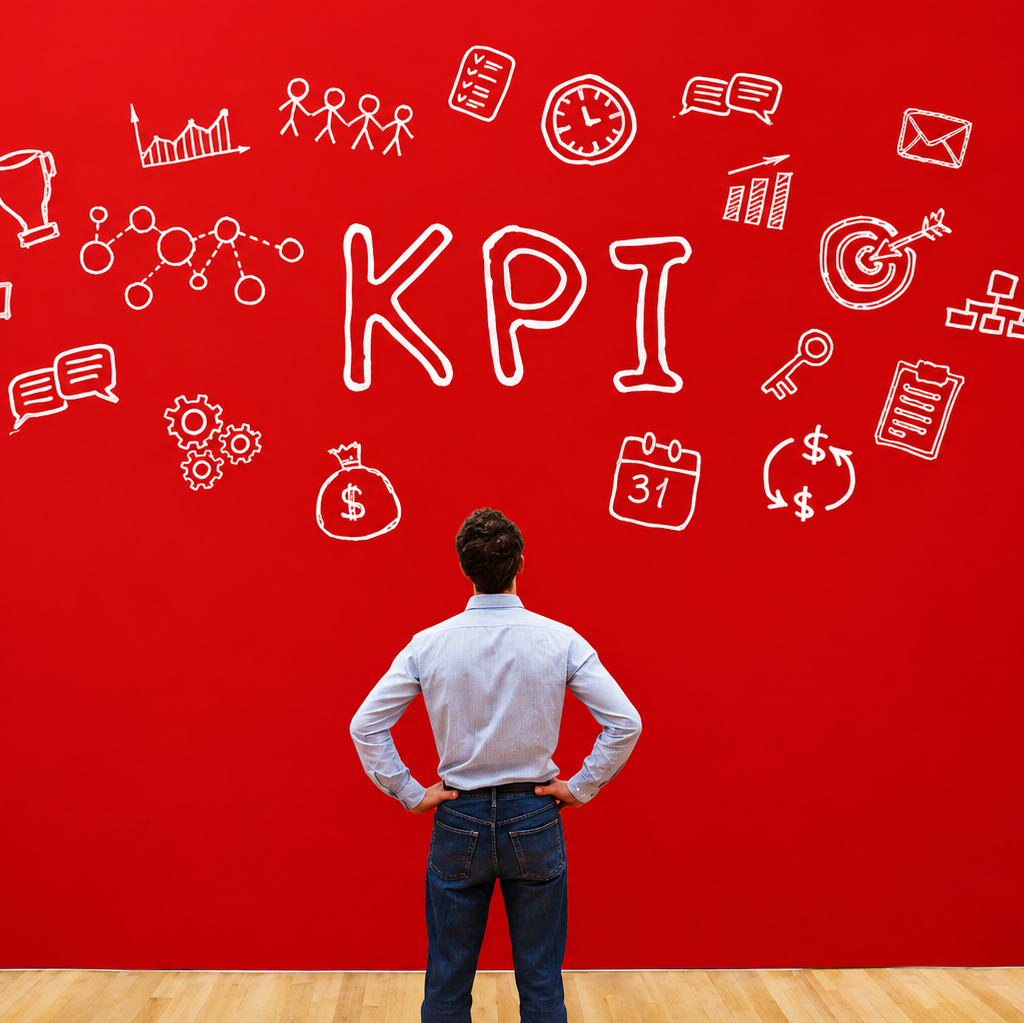
"How much should businesses spend on advertising budget guide by Spectra Digital Agency"

How Much Should Businesses Spend on Advertising in 2026? Avoid Costly Budget Mistakes

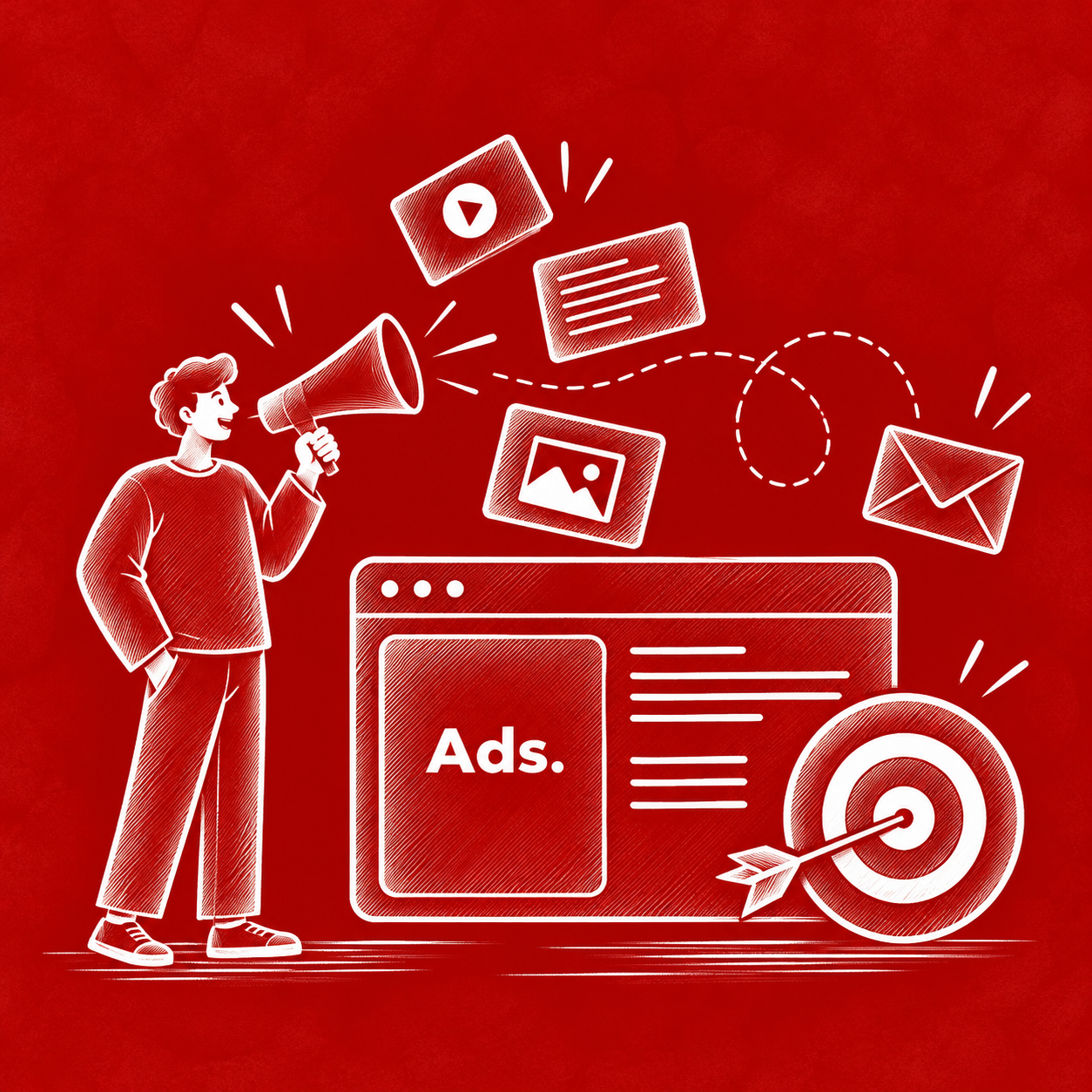
Every business owner faces the same question at some point: How much should businesses spend on advertising?

Spend too little, and your brand may struggle to attract customers. Spend too much without a strategy, and your return on investment (ROI) can suffer. Finding the right advertising budget is essential for sustainable growth.

In this guide, we’ll break down industry benchmarks, factors that influence advertising costs, and how businesses can determine the ideal budget for maximum results.

Why Advertising Budget Matters

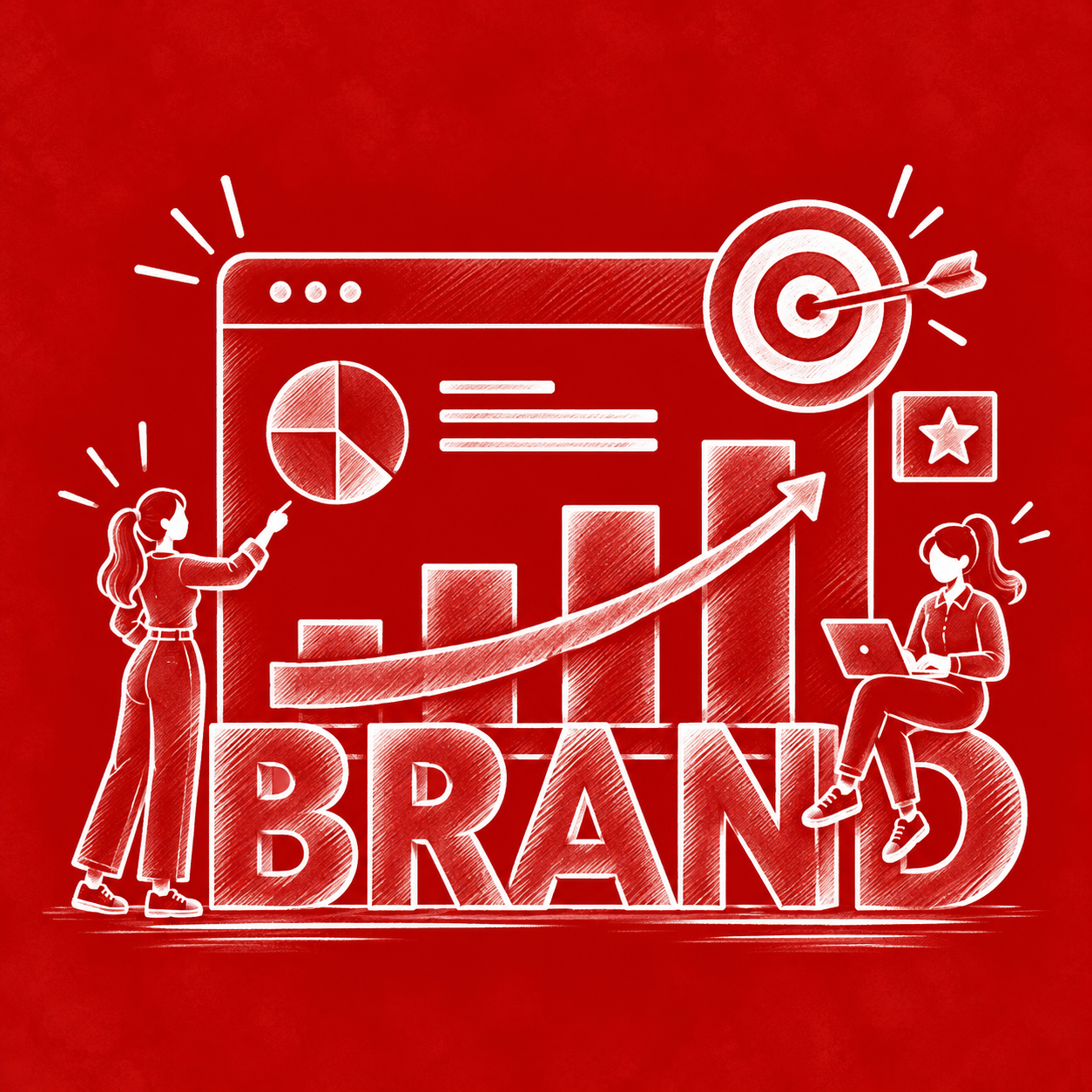
Advertising is not an expense—it’s an investment in business growth. A well-planned advertising budget helps businesses:

  • Increase brand awareness
  • Generate qualified leads
  • Boost sales and revenue
  • Stay competitive in the market
  • Build long-term customer relationships

Businesses that consistently invest in strategic advertising often achieve faster growth than those relying solely on organic methods.

How Much Should Businesses Spend on Advertising?

According to industry benchmarks, most businesses spend 5% to 15% of their annual revenue on marketing and advertising.

A general guideline is:

  • Small businesses: 7%–10% of revenue
  • Growing businesses: 10%–12% of revenue
  • Highly competitive industries: 12%–20% or more

For example:

  • A business earning ₹50 lakh annually may allocate ₹3.5 lakh to ₹5 lakh toward advertising.
  • A company generating ₹5 crore in revenue may invest ₹35 lakh or more depending on growth goals.

The ideal budget depends on your business objectives, competition, and customer acquisition costs.

Factors That Determine Advertising Spend

1. Business Goals

image

Your advertising budget should align with your goals.

If your objective is rapid expansion, launching a new product, or entering a new market, you may need a larger advertising investment compared to businesses focusing only on retention.

2. Industry Competition

image

Industries like real estate, finance, healthcare, and e-commerce generally require higher advertising budgets because customer acquisition costs are significantly higher.

More competition usually means higher costs for paid campaigns.

3. Business Stage

image

New businesses often need to invest aggressively in advertising to build awareness and attract their first customers.

Established brands may spend relatively less as they already have brand recognition and repeat customers.

4. Marketing Channels

image

Advertising costs vary depending on the channels used:

  • Google Ads
  • Social Media Advertising
  • Influencer Marketing
  • SEO and Content Marketing
  • Video Advertising
  • Email Marketing

A balanced mix of paid and organic strategies usually delivers the best long-term results.

Recommended Advertising Budget by Business Size

Small Businesses

image

Small businesses should allocate approximately 7% to 10% of annual revenue toward marketing and advertising.

The focus should be on:

  • Local SEO
  • Social media ads
  • Lead generation campaigns
  • Content marketing

Medium-Sized Businesses

image

Growing companies often spend 10% to 15% of revenue to increase market share and scale customer acquisition.

Investment areas include:

Large Enterprises

image

Large businesses may spend millions on advertising campaigns to maintain market leadership and expand into new markets.

Their budgets are typically distributed across multiple channels and regions.

How to Calculate Your Advertising Budget

A simple formula is:

Advertising Budget = Annual Revenue × Desired Marketing Percentage

Example:

Annual Revenue = ₹1 Crore

Marketing Percentage = 10%

Advertising Budget = ₹10 Lakhs annually.

This budget can then be divided monthly and allocated across different channels.

Signs You’re Spending Too Little on Advertising

You may need to increase your advertising budget if:

  • Lead generation has slowed down
  • Website traffic is declining
  • Competitors are dominating search results
  • Customer acquisition has become difficult
  • Brand awareness is low

Underinvesting in advertising often limits business growth opportunities.

Signs You’re Overspending

Businesses should also avoid spending excessively without measuring results.

Warning signs include:

  • High ad spend with low conversions
  • Poor return on ad spend (ROAS)
  • Increasing cost per lead
  • Lack of campaign optimization

The key is not simply spending more—but spending smarter.

How to Maximize Advertising ROI

To get the most from your advertising budget:

Focus on Performance Marketing

Track every click, lead, and conversion to understand what drives results.

Invest in SEO

SEO provides long-term visibility and reduces dependence on paid advertising.

Use Data Analytics

Analyze campaign performance regularly and optimize budgets accordingly.

Test and Scale

Start with smaller campaigns, identify winning strategies, and gradually increase investment.

Why Partnering With a Digital Marketing Agency Helps

Managing advertising budgets effectively requires expertise, data analysis, and continuous optimization.

At Spectra Digital Agency, we help businesses create customized advertising strategies that maximize ROI while keeping costs under control.

From performance marketing and SEO to social media advertising and lead generation, our team ensures every marketing rupee delivers measurable results.

Final Thoughts

So, how much should businesses spend on advertising?

The answer depends on your industry, business goals, and growth stage. However, most businesses should allocate 7% to 15% of annual revenue toward advertising and marketing efforts.

The real success lies in strategic spending, continuous optimization, and choosing the right marketing channels.

If you’re looking to scale your business with data-driven advertising strategies, Spectra Digital Agency can help you build a budget that delivers sustainable growth and higher ROI.

SEO vs Google Ads infographic

SEO vs Google Ads: Which One Should Your Business Invest In? (2026 Guide)

SEO vs Google Ads: Discover the differences, costs, ROI, pros and cons to choose the best digital marketing strategy for your business in 2026.

Should I invest in SEO or Google Ads?

The answer isn’t as straightforward as choosing one over the other. Both are powerful digital marketing strategies, but they serve different purposes. The right choice depends on your business goals, budget, timeline, and competition.

In this blog, we’ll break down the differences between SEO and Google Ads, their pros and cons, and help you decide which investment will deliver the best results for your business.

image

SEO vs Google Ads: Understanding SEO

Search Engine Optimization (SEO) is the process of improving your website so it ranks higher on search engines like Google organically (without paying for every click).

image

SEO includes:

  • Keyword research
  • On-page optimization
  • Technical SEO
  • Content marketing
  • Link building
  • Local SEO
  • Website performance optimization

When done correctly, SEO helps your business appear in front of potential customers who are actively searching for your products or services.

Pros of SEO

Long-term, sustainable traffic

Builds trust and credibility

Higher ROI over time

Generates consistent leads

No cost per click

Cons of SEO

Results take time (typically 3–6 months)

Requires continuous optimization

Competitive industries need ongoing effort

SEO vs Google Ads: Understanding Google Ads

Google Ads is Google’s paid advertising platform where businesses bid on keywords to appear at the top of search results instantly.

Unlike SEO, you pay every time someone clicks on your ad (Pay-Per-Click or PPC).

Google Ads is ideal for businesses looking for immediate visibility and quick lead generation.

image

Pros of Google Ads

Instant visibility

Fast lead generation

Highly targeted audience

Easy to measure performance

Scalable campaigns

Cons of Google Ads

Traffic stops when your budget runs out

Cost per click can become expensive

Highly competitive keywords increase advertising costs

SEO vs Google Ads: A Quick Comparison

image
FactorSEOGoogle Ads
ResultsSlow but long-lastingImmediate
CostInvestment in optimizationPay per click
TrafficOrganicPaid
ROIHigh over the long termFaster short-term ROI
TrustHigher user trustMarked as Sponsored
SustainabilityLong-lastingEnds when spending stops

SEO vs Google Ads comparison infographic

When Should You Choose SEO?

SEO is the better investment if you:

  • Want consistent long-term growth
  • Have time to build authority
  • Want to reduce dependency on paid advertising
  • Publish valuable content regularly
  • Want sustainable lead generation

Example:

Imagine you’re a law firm, dental clinic, real estate agency, or interior designer.

People search for these services every day. Ranking organically allows you to receive inquiries continuously without paying for every visitor.

When Should You Choose Google Ads?

Google Ads is ideal if you:

  • Need leads immediately
  • Are launching a new product or service
  • Have limited time
  • Want to promote seasonal offers
  • Need measurable results quickly

Example:

Running a Diwali sale?

Launching a new restaurant?

Opening a gym?

Google Ads can start bringing visitors within hours.

SEO vs Google Ads: Which Gives Better ROI?

image

This is where many businesses get confused.

Short-Term ROI

Google Ads usually wins because it starts generating traffic almost immediately.

Long-Term ROI

SEO wins because once your website ranks well, you continue receiving traffic without paying for every click.

Think of it this way:

  • Google Ads is like renting a house.
  • SEO is like owning one.

Renting gives you immediate access, but once you stop paying, you lose it.

Owning takes longer, but the long-term value keeps growing.

Can You Use Both Together?

image

Absolutely—and for many businesses, this is the smartest strategy.

Here’s how they complement each other:

  • Use Google Ads to generate immediate leads while your SEO strategy gains momentum.
  • Use SEO to build long-term visibility and reduce reliance on paid campaigns over time.
  • Analyze high-performing Google Ads keywords and incorporate them into your SEO content.
  • Retarget visitors from organic traffic using paid campaigns for higher conversions.

This balanced approach allows businesses to capture short-term opportunities while investing in sustainable growth.

Common Mistakes Businesses Make

Many businesses waste their marketing budget by:

  • Expecting SEO results in just a few weeks
  • Stopping Google Ads after a few days without enough data
  • Ignoring landing page optimization
  • Targeting the wrong keywords
  • Focusing only on traffic instead of conversions
  • Neglecting website speed and user experience

Remember, neither SEO nor Google Ads can deliver their full potential without a well-optimized website and a clear conversion strategy.

So, Which One Should You Invest In?

There’s no universal answer—it depends on where your business is today.

Choose SEO if you want to build a strong digital presence, increase organic visibility, and generate consistent traffic over time.

Choose Google Ads if your priority is immediate traffic, lead generation, or promoting time-sensitive campaigns.

If your budget allows, combining both strategies often delivers the best results. Google Ads can drive quick wins while SEO lays the foundation for long-term success.

Final Thoughts

image

SEO and Google Ads aren’t competitors—they’re complementary tools in a successful digital marketing strategy.

The most effective businesses don’t rely on just one channel. They build a marketing ecosystem where paid advertising delivers immediate visibility, while SEO creates lasting authority and sustainable growth.

At Spectra Digital, we help businesses develop customized digital marketing strategies that combine SEO, Google Ads, content marketing, and conversion optimization to maximize ROI. Whether you’re looking to grow organically, generate qualified leads, or scale your business online, our team can help you choose the right approach based on your goals.

Ready to grow your business online? Get in touch with Spectra Digital today and let’s build a strategy that delivers measurable results.

Digital marketing trends in 2026 including AI, SEO, social media, and analytics

Top Digital Marketing Trends Every Brand Should Know in 2026

Introduction

The digital marketing landscape is constantly evolving, and businesses must adapt to stay ahead of the competition. With advancements in Artificial Intelligence (AI), changing consumer behavior, and new social media platforms, brands need to rethink their marketing strategies to remain relevant. In 2026, success in digital marketing is no longer just about having an online presence it’s about delivering personalized experiences, creating valuable content, and leveraging data to make smarter decisions. Understanding the latest digital marketing trends can help businesses increase brand awareness, generate quality leads, and improve customer engagement.

Artificial Intelligence (AI) is Transforming Marketing

Artificial Intelligence has become one of the biggest game-changers in digital marketing. Businesses are using AI-powered tools to automate repetitive tasks, generate content, analyze customer behavior, and optimize advertising campaigns. AI also enables marketers to deliver personalized experiences based on user preferences, improving customer satisfaction and increasing conversions. Brands that combine AI with creativity can produce more effective and efficient marketing campaigns.

Artificial Intelligence (AI) is Transforming Marketing

Short-Form Video Content Continues to Dominate

Short-form videos remain one of the most engaging content formats across social media platforms. Instagram Reels, YouTube Shorts, and TikTok have changed the way people consume content by offering quick, entertaining, and informative videos. Businesses can use short-form videos to showcase products, share customer testimonials, provide educational tips, and highlight behind-the-scenes moments. Consistently creating authentic video content helps brands build stronger connections with their audience.

Short-Form Video Content Continues to Dominate

SEO is Evolving Beyond Keywords

Search Engine Optimization (SEO) is no longer limited to keyword placement. Modern SEO focuses on creating high-quality, user-focused content that answers search intent. Search engines now prioritize websites that provide excellent user experiences, fast loading speeds, mobile-friendly designs, and valuable information. Brands should also optimize their content for voice search and AI-powered search engines to remain visible in an increasingly competitive digital landscape.

Check out our Search Engine Optimization (SEO)

SEO is Evolving Beyond Keywords

Personalized Marketing Improves Customer Experience

Today’s customers expect personalized interactions with brands. Businesses can use customer data to deliver customized email campaigns, product recommendations, and targeted advertisements. Personalization not only enhances the user experience but also increases customer loyalty and encourages repeat purchases. Brands that understand their audience’s preferences can create meaningful relationships that drive long-term success.

Personalized Marketing Improves Customer Experience

First-Party Data is More Important Than Ever

As privacy regulations continue to evolve and third-party cookies become less reliable, businesses are shifting their focus to first-party data. Collecting information directly from customers through website forms, email subscriptions, loyalty programs, and surveys helps brands create more effective marketing campaigns while maintaining transparency and trust. First-party data enables businesses to better understand customer behavior and make data-driven decisions.

First-Party Data is More Important Than Ever

Influencer Marketing is Becoming More Authentic

Consumers are increasingly looking for genuine recommendations rather than traditional advertisements. As a result, brands are partnering with micro-influencers and niche content creators who have highly engaged audiences. These collaborations often generate higher engagement and stronger trust because followers view influencers as relatable and credible. Authentic influencer partnerships can significantly improve brand awareness and customer engagement.

Influencer Marketing is Becoming More Authentic

Social Commerce is Changing Online Shopping

Social media platforms are becoming powerful e-commerce channels where customers can discover, explore, and purchase products without leaving the app. Features such as product tagging, live shopping events, and integrated storefronts simplify the buying journey and increase conversions. Businesses that invest in social commerce can reach customers where they spend most of their time and create seamless shopping experiences.

Social Commerce is Changing Online Shopping

Check out our Performance Marketing

Voice Search is Growing Rapidly

With the increasing use of smart speakers and voice assistants, voice search is changing how consumers find information online. People now use conversational queries instead of short keywords when searching for products or services. Businesses should optimize their content using natural language and frequently asked questions to improve visibility in voice search results.

Voice Search is Growing Rapidly

Interactive Content Boosts Engagement

Interactive content encourages users to actively participate rather than passively consume information. Quizzes, polls, surveys, calculators, contests, and interactive videos create engaging experiences that keep users on a website for longer periods. This type of content not only improves engagement but also provides valuable insights into customer preferences and interests.

Interactive Content Boosts Engagement

Building Communities is the Future of Branding

Successful brands are focusing on building loyal communities instead of simply increasing follower counts. Engaging with customers through online communities, exclusive content, live sessions, and meaningful conversations helps create lasting relationships. A strong community encourages customer advocacy, increases trust, and generates valuable word-of-mouth marketing.

Building Communities is the Future of Branding

Conclusion

Digital marketing trends continue to evolve, and businesses that embrace innovation will have a competitive advantage in 2026. By adopting AI-powered tools, investing in SEO, creating engaging video content, personalizing customer experiences, and leveraging social commerce, brands can strengthen their online presence and achieve sustainable growth. Instead of chasing every new trend, businesses should focus on strategies that align with their goals and deliver genuine value to their audience.

At Spectra Digital, we help businesses navigate the ever-changing digital landscape with customized marketing solutions, including SEO, social media marketing, performance marketing, content creation, website development, and branding strategies. Our data-driven approach ensures measurable results, helping your business grow, attract quality leads, and stay ahead of the competition.