A few years ago, ordering groceries meant planning ahead.
You made a list, visited a supermarket, walked through aisles, compared products, and brought everything home.
Today, the experience can be completely different.
Need milk? Order it.
Forgot snacks for movie night? Order them.
Running out of toothpaste? It can arrive within minutes.
Quick commerce has changed not just how fast Indians receive products, but also how they think about shopping.
Platforms such as Blinkit, Zepto, and Swiggy Instamart have turned convenience into a major part of the shopping experience.
But the biggest change isn’t delivery speed.
It is the change in consumer behaviour.
Here are 5 ways quick commerce has changed the way Indians shop.
1. Convenience Became More Important Than Planning
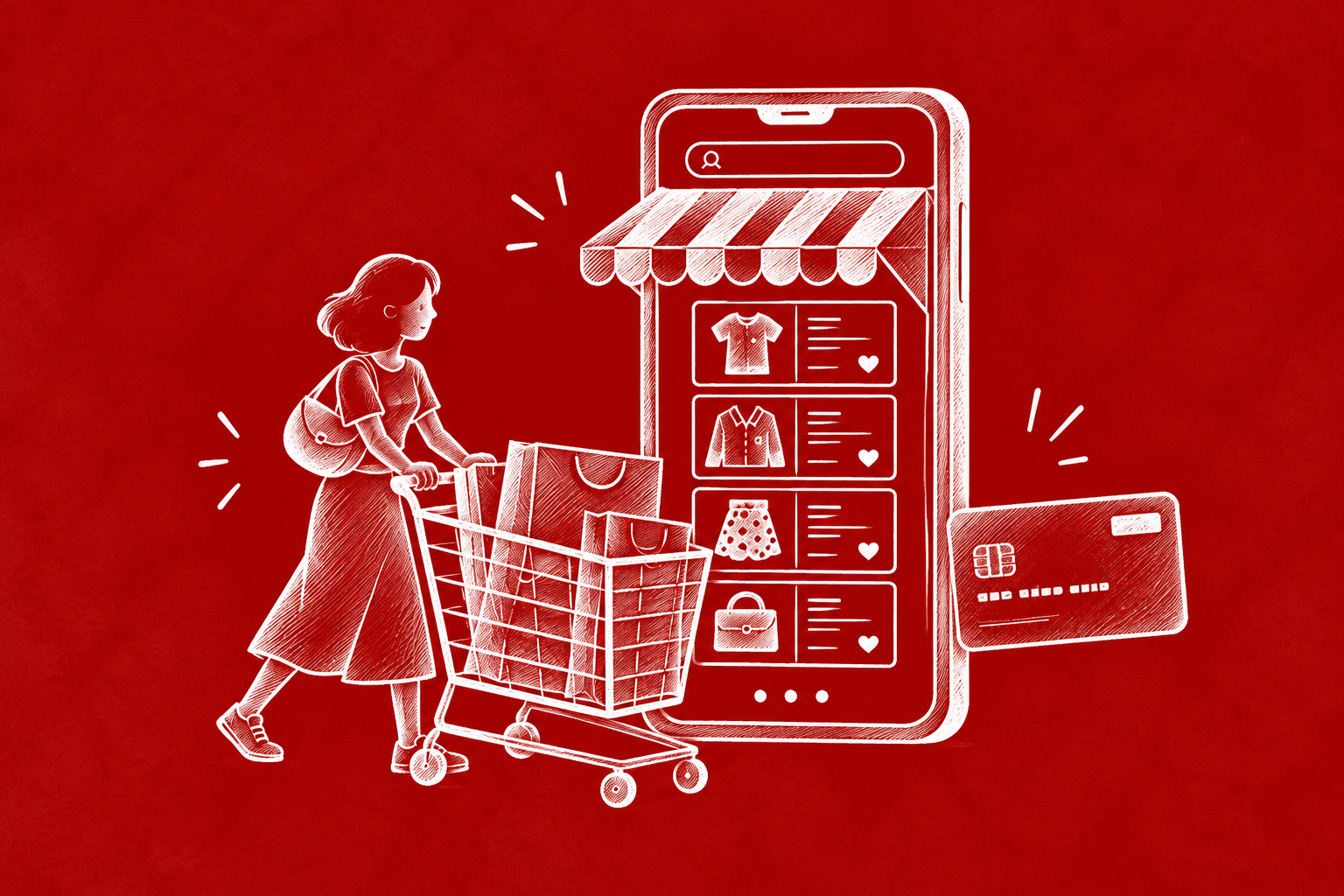
Traditional shopping often required planning.
Consumers had to think about what they needed, create a list, and make a trip to the store.
Quick commerce removed much of that friction.
Now, consumers can purchase something the moment they realise they need it.
This has created a new shopping behaviour:
Need → Search → Order → Receive
The shorter this journey becomes, the easier it is for consumers to make a purchase.
For businesses, this shows how powerful convenience can be as a competitive advantage.
2. Impulse Buying Became Easier
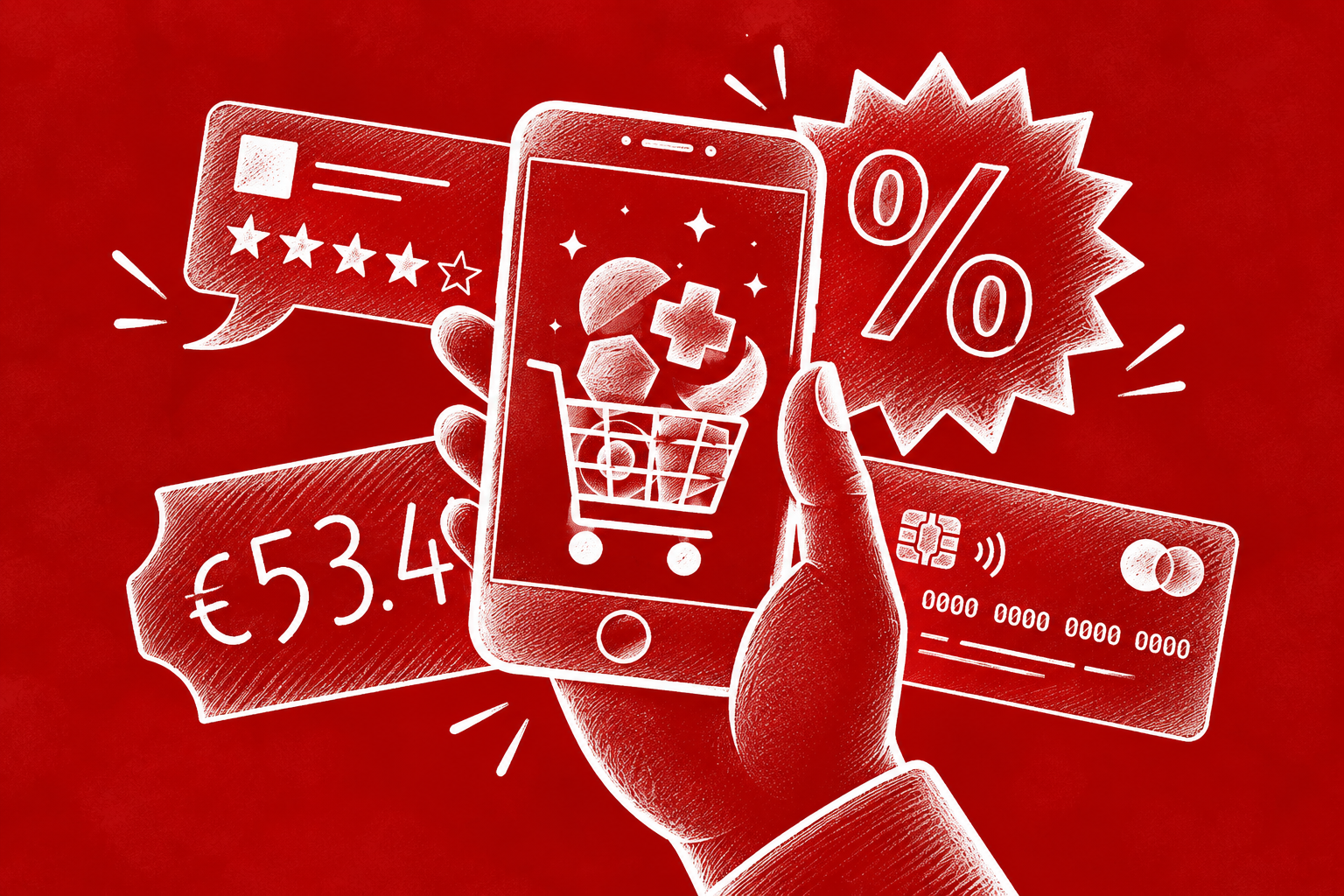
Quick commerce isn’t only about essential products.
Consumers also use these platforms for snacks, beverages, desserts, personal care products, beauty products, electronics accessories, and other small purchases.
When products are only a few taps away, the psychological barrier to buying becomes smaller.
A consumer who might normally think:
“I’ll buy it next time I’m at the supermarket.”
can now simply order it immediately.
This creates more opportunities for brands to turn small moments of desire into purchases.
3. Consumers Started Expecting Everything Faster
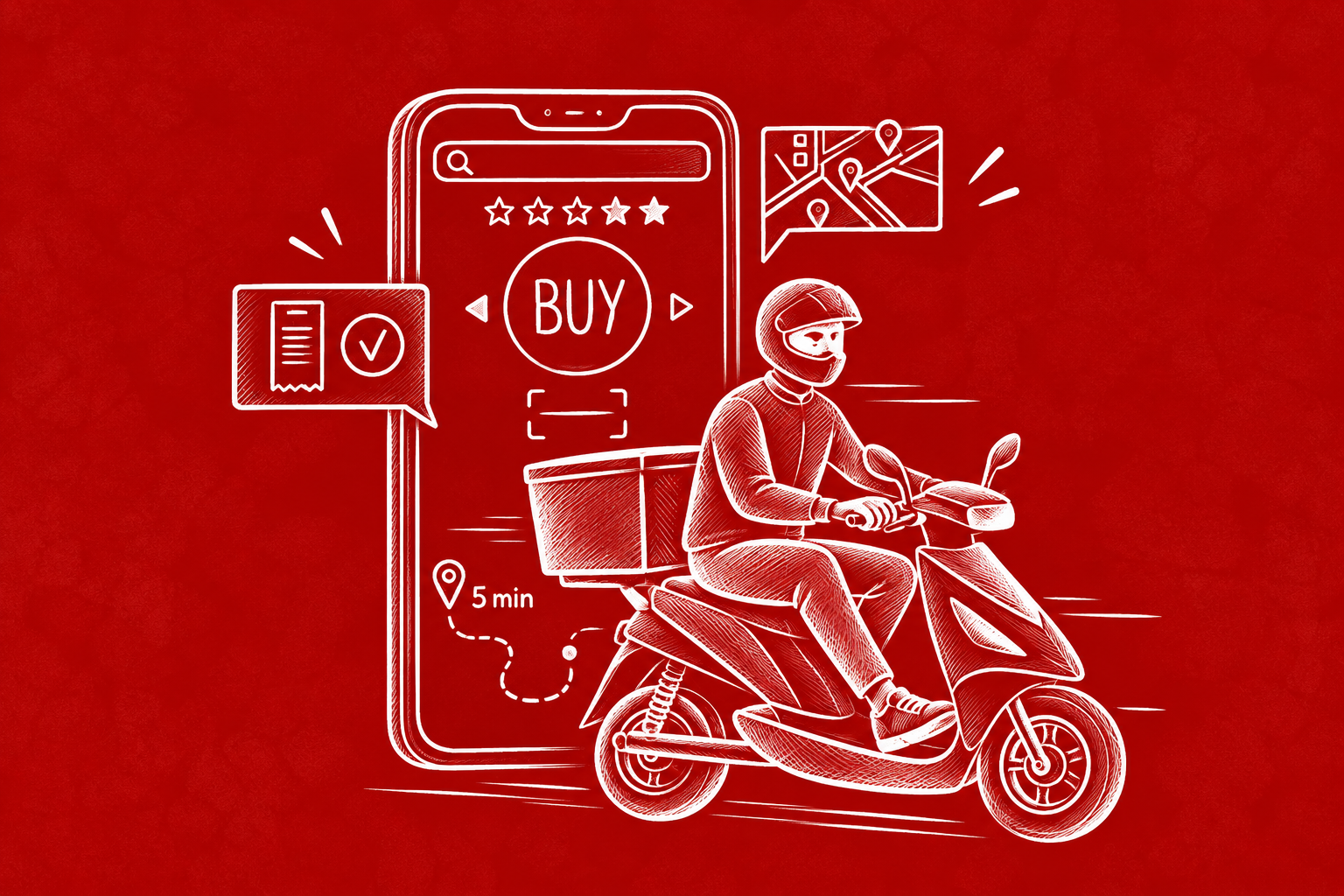
Quick commerce has changed expectations beyond grocery delivery.
Once consumers become comfortable receiving products quickly, slower experiences can start feeling inconvenient.
This has raised the importance of:
- Fast delivery
- Easy ordering
- Real-time tracking
- Simple payments
- Convenient customer support
- Reliable availability
Speed has increasingly become part of the overall customer experience.
For brands, this means consumers are evaluating not just what they buy, but also how quickly and easily they can get it.
4. Quick Commerce Turned Convenience Into a Marketing Advantage
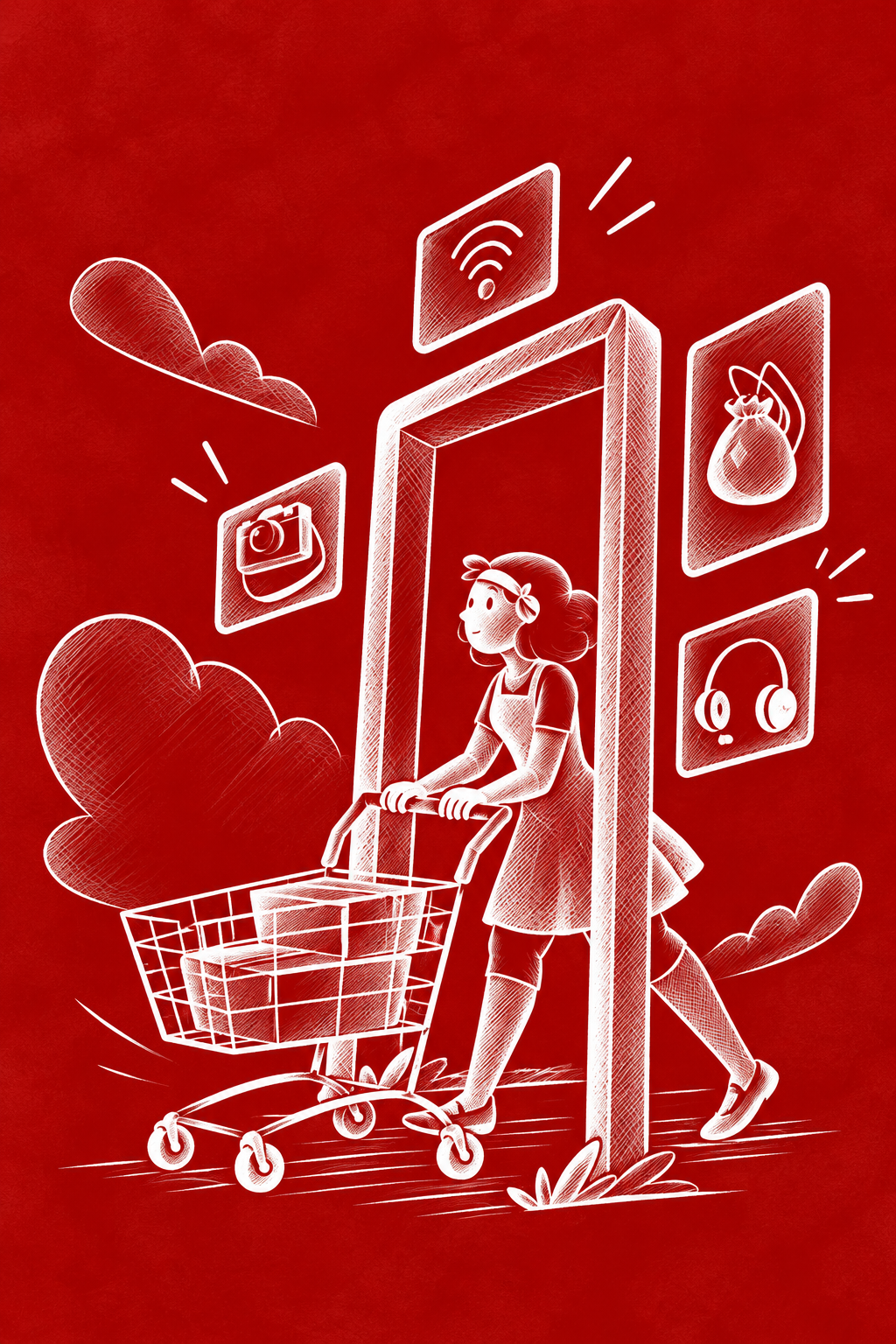
Quick commerce platforms are not simply delivery companies.
They have also become powerful marketing and discovery platforms.
Brands can use:
- In-app advertising
- Search visibility
- Sponsored placements
- Discounts
- Bundles
- Limited-time offers
- Product recommendations
This means the point of purchase has also become a point of marketing.
A consumer searching for one product may discover another product through a recommendation or promotional placement.
For brands, this creates a new opportunity to influence consumers right when they are ready to buy.
5. Shopping Became More Immediate and Habit-Driven
Perhaps the biggest change is how quick commerce has become part of everyday routines.
Instead of shopping being a planned activity, it can now happen throughout the day.
Morning coffee.
An evening snack.
A forgotten ingredient.
A last-minute party requirement.
A product needed before leaving home.
Shopping has become more situational and immediate.
This gives brands an important lesson:
Consumers don’t always shop because they planned to.
Sometimes, they shop because the opportunity to buy is incredibly easy.
Quick Commerce Is Changing Consumer Expectations
The rise of quick commerce has created a new standard for convenience.
Consumers increasingly expect businesses to make purchasing:
Fast. Simple. Available.
But speed alone isn’t enough.
Brands still need the right products, pricing, customer experience, availability, and marketing strategy.
Quick commerce has simply changed the environment in which those decisions happen.
What Businesses Can Learn From Quick Commerce
The growth of quick commerce offers several lessons for businesses beyond the delivery industry.
Remove Friction
The fewer steps between discovering a product and purchasing it, the better.
Understand Consumer Moments
People don’t always buy according to a fixed plan. Brands should identify the situations that trigger purchases.
Make Convenience Part of the Brand
Convenience can become a genuine competitive advantage when it is consistently delivered.
Use Data to Understand Behaviour
Searches, purchases, repeat orders, and product combinations can reveal what consumers actually want.
Stay Relevant at the Point of Decision
Being visible when a consumer is ready to purchase can be more valuable than simply creating awareness.
The Future of Quick Commerce in India
Quick commerce has already changed the meaning of convenience for Indian consumers.
The next phase could go beyond simply delivering products faster.
Personalised recommendations, smarter inventory, AI-driven shopping experiences, new product categories, and increasingly seamless purchasing could make quick commerce an even bigger part of everyday consumption.
The important shift has already happened.
Consumers have become less willing to wait.
And businesses that understand this change will be better positioned to compete in India’s increasingly convenience-driven market.
How Spectra Digital Can Help
At Spectra Digital, we help businesses adapt their digital marketing strategies to changing consumer behaviour.
From performance marketing and social media to content strategy, SEO, paid advertising, and brand positioning, we help businesses reach customers at the right moment with the right message.
As consumer journeys become faster and more digital, having a strong online strategy is no longer optional.
Final Thoughts
Quick commerce didn’t just make deliveries faster.
It changed the way Indians think about shopping.
Consumers now expect convenience, speed, availability, and simple purchasing experiences.
For brands, the lesson is clear:
When you make buying easier, you make it easier for customers to say yes.