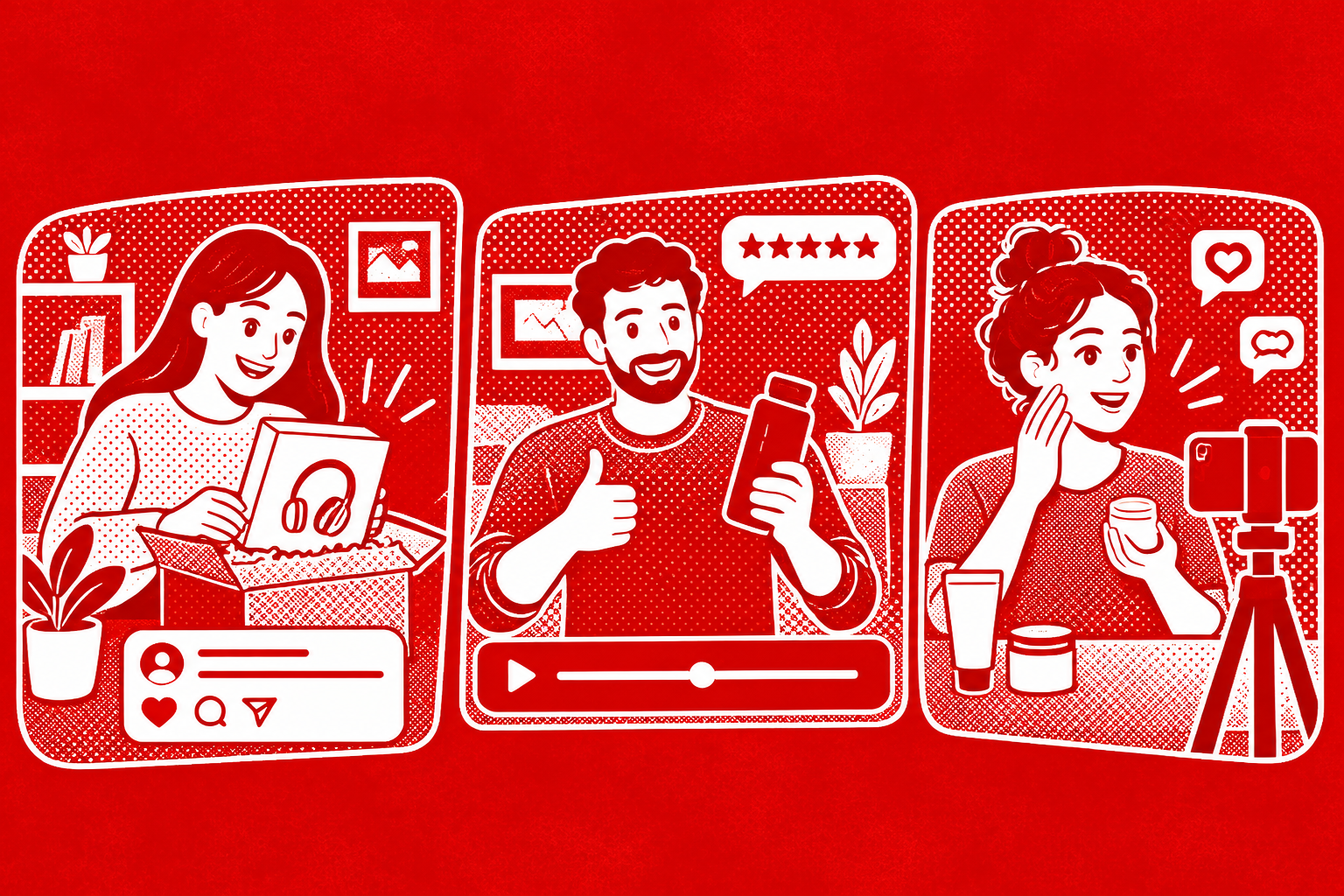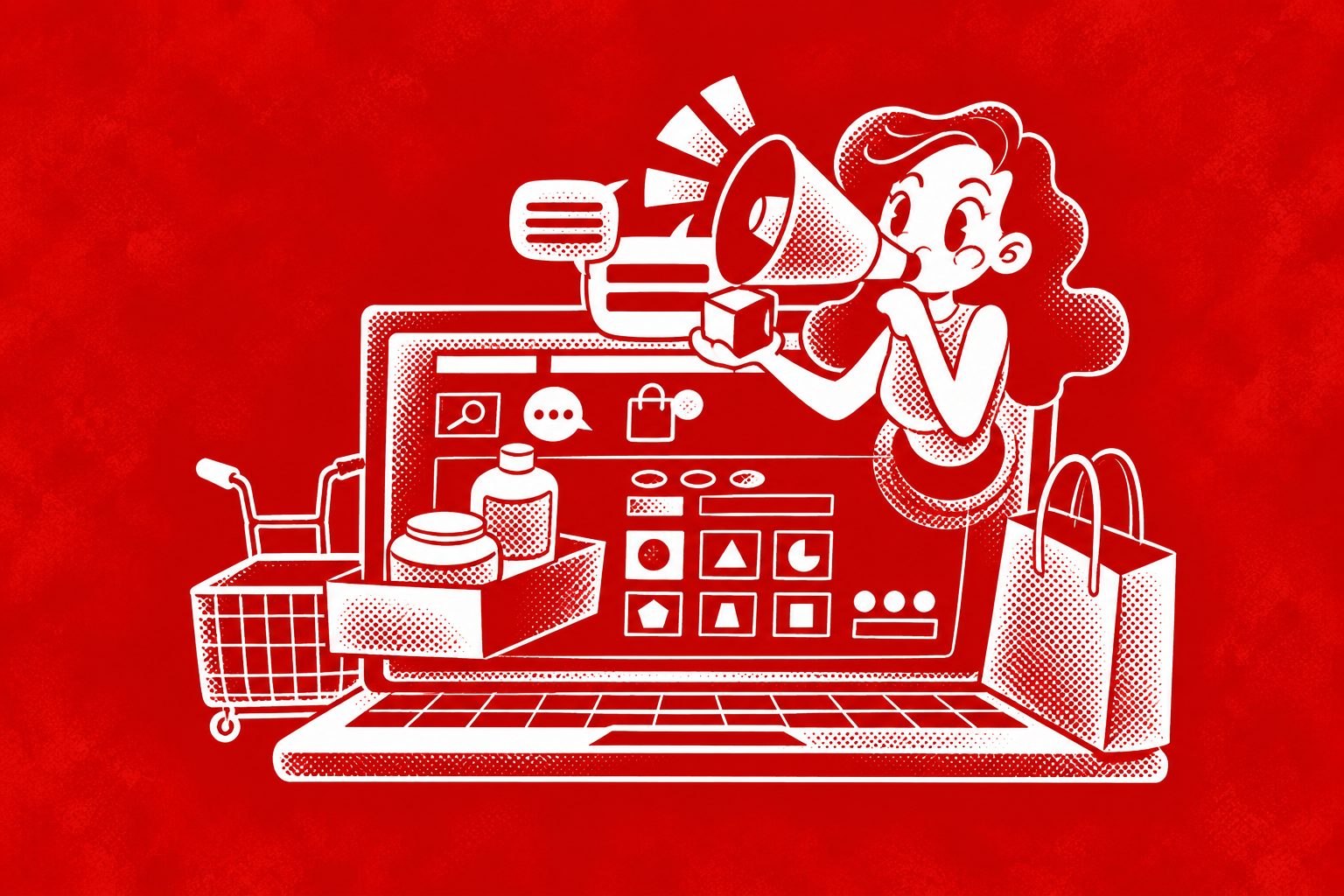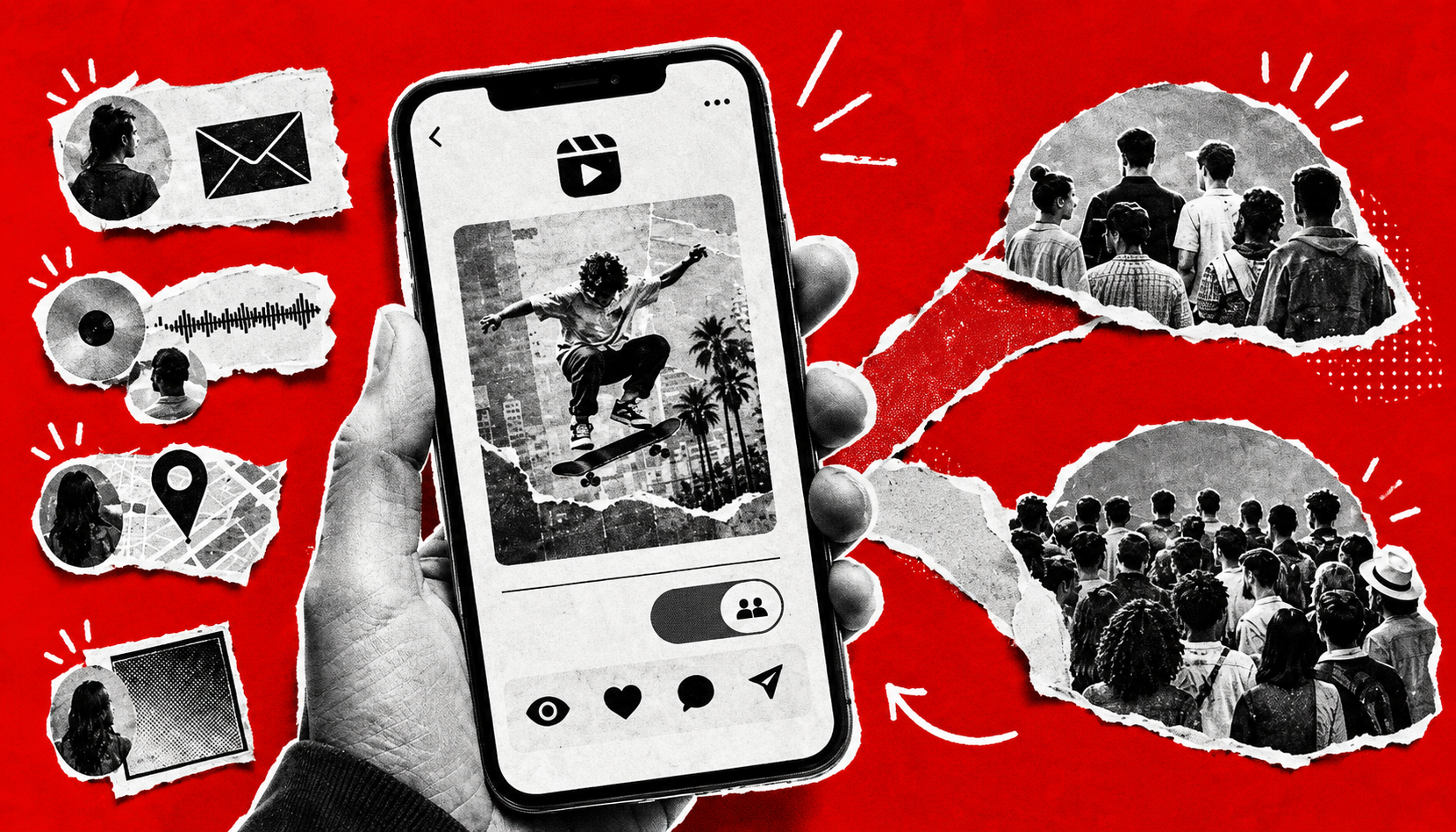
Prime time used to mean 8 PM.
Families would gather around the television. Advertisers would compete for the biggest shows. Brands would spend heavily to get a few seconds in front of a mass audience.
Today, prime time fits inside a smartphone screen.
A Reel can reach millions of people without waiting for a television slot. A creator can turn a 30-second video into a cultural moment. A product can go from unknown to trending through a single piece of short-form content.
This is the Reels economy.
Short-form video has transformed how people consume entertainment, discover brands, follow creators and make purchasing decisions. In India, the shift is particularly significant. Meta-commissioned research published in 2026 found that 97% of consumers watch short-form video daily, while Reels has become a major destination for discovery, culture and commerce.
The question for brands is no longer whether they should be creating short-form video.
It is how well they can compete in it.
What Is the Reels Economy?
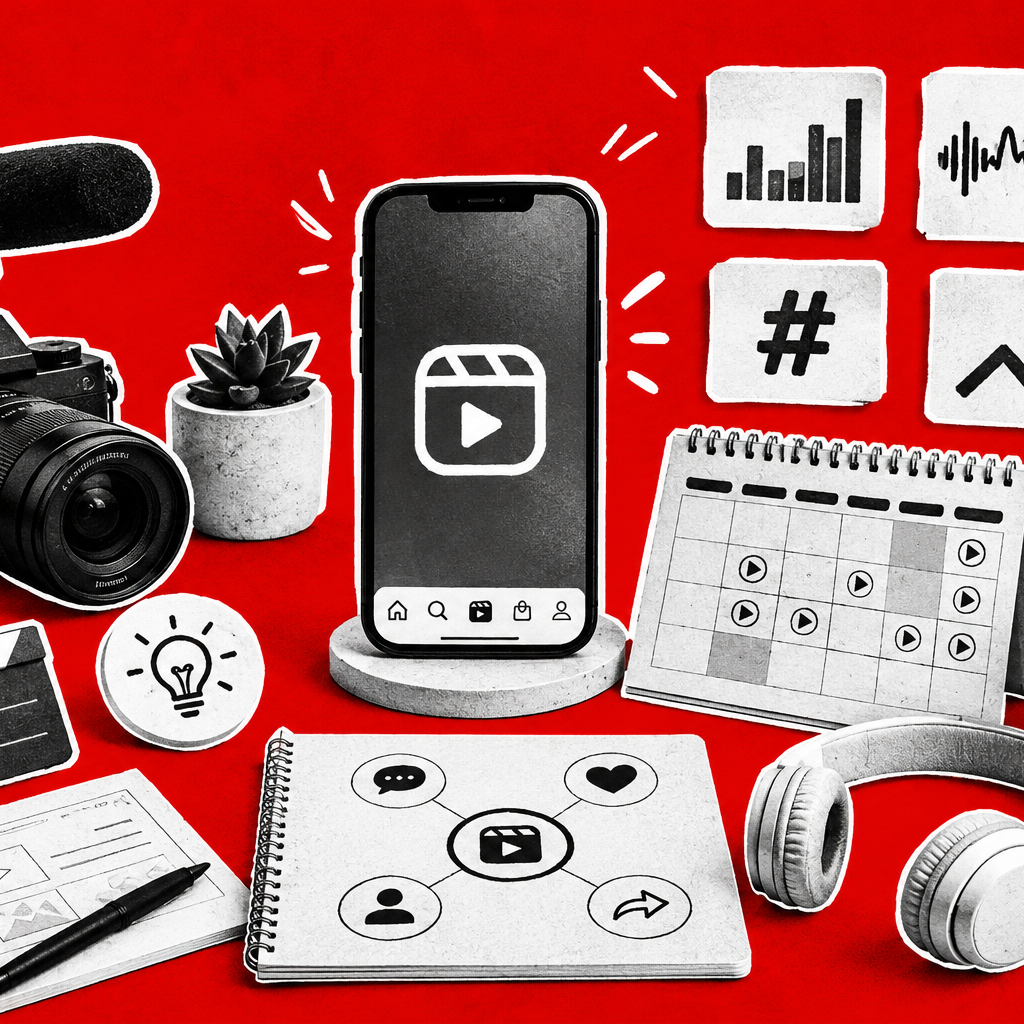
The Reels economy refers to the ecosystem that has developed around short-form video platforms such as Instagram Reels, YouTube Shorts and TikTok.
It includes:
- Creators
- Brands
- Influencers
- Production teams
- Social media platforms
- Advertisers
- Audiences
- E-commerce platforms
- Creator-led communities
Together, these players have created an entirely new digital attention economy.
The most important currency in this economy is not television ratings or newspaper circulation.
It is attention.
And short-form video has become exceptionally good at capturing it.
From Prime-Time TV to Prime-Time Scrolling
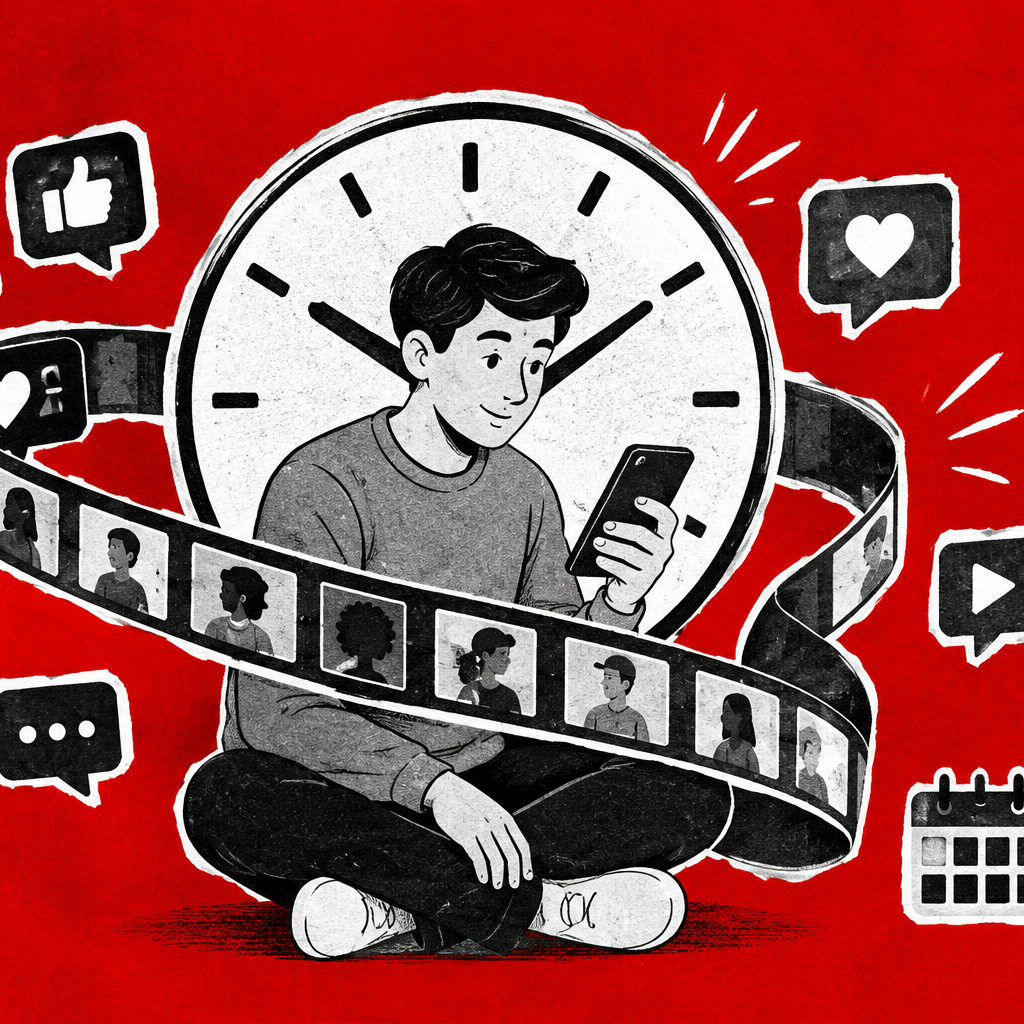
Traditional television had a limited number of channels and programming slots.
Social media has billions of potential content combinations.
Instead of waiting for a particular show to begin, audiences can open Instagram or YouTube and immediately enter a personalised stream of content.
One person might see a fashion creator.
Another might see a food review.
Someone else might see a comedy sketch, football highlight, beauty tutorial or product recommendation.
This personalisation has fundamentally changed the idea of prime time.
There is no longer one universal moment when everyone is watching.
Prime time is now whenever your audience is scrolling.
That is a significant change for marketers because brands are no longer competing only against other advertisements.
They are competing against everything that can capture attention on the screen.
Why Short-Form Video Has Become So Powerful
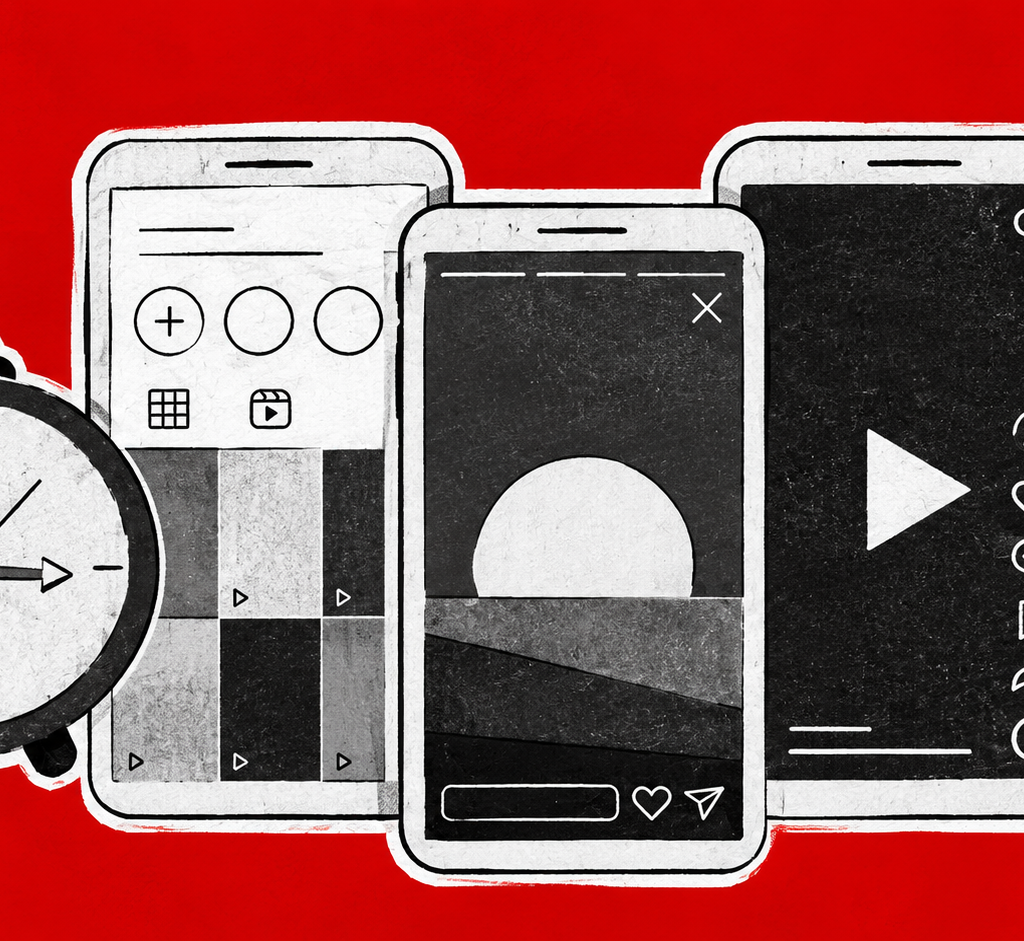
The appeal of short-form video is not simply that it is short.
It is that the format combines speed, entertainment, storytelling and discovery in a way that suits modern digital behaviour.
According to HubSpot’s 2025 State of Marketing research, short-form video was identified as the leading content format for ROI, with 21% of marketers naming it their highest-ROI format.
The format also makes content easier to share.
A viewer does not need to commit to a 20-minute video to understand the idea. A strong 20- or 30-second video can communicate a product benefit, tell a story, deliver a joke or introduce a new trend almost instantly.
That makes short-form video particularly effective for the discovery stage of the customer journey.
Reels Are No Longer Just Entertainment
For years, brands treated Reels as an awareness tool.
Today, that is only one part of the opportunity.
Short-form video increasingly connects entertainment with discovery and commerce.
Meta’s 2026 research on India found that Reels delivered stronger product discovery and influenced purchase decisions, reinforcing its role as more than an entertainment format.
This changes the role of a Reel in a marketing funnel.
A single video can:
Create awareness → Build interest → Demonstrate a product → Generate social proof → Drive consideration → Lead to purchase
The path is no longer linear.
Someone can discover a product through a creator, read the comments, visit the brand profile, watch another Reel and make a purchase without ever encountering a traditional advertisement.
The Creator Is the New Broadcaster
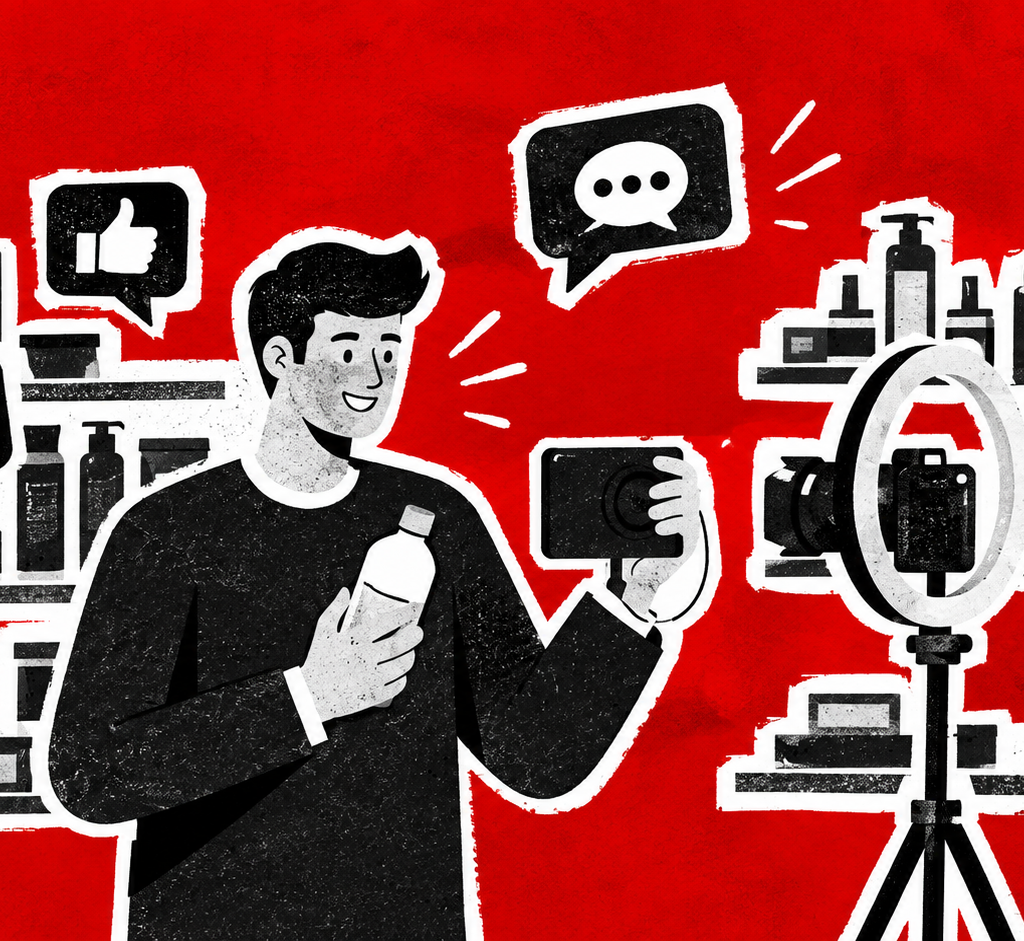
One of the biggest changes brought by the Reels economy is the rise of the creator as a media channel.
Creators do not need a television studio or a production house to reach an audience.
They need a smartphone, an idea and an understanding of their community.
This has created a new form of media where individual creators can build audiences that rival traditional media properties in niche categories.
And their influence is not limited to entertainment.
Creators can shape:
- Fashion trends
- Food choices
- Travel decisions
- Beauty routines
- Fitness habits
- Technology purchases
- Cultural conversations
- Brand perceptions
For marketers, this means creators should not simply be viewed as influencers who post sponsored content.
They can be viewed as distribution partners, storytellers and community builders.
Why Authenticity Matters More Than Production Value
The rise of short-form video has also challenged traditional ideas about what branded content should look like.
A highly produced advertisement can still be effective.
But on platforms dominated by creator content, overly polished advertising can sometimes feel out of place.
Audiences are increasingly comfortable with:
- Handheld footage
- Talking-head videos
- Behind-the-scenes content
- Customer testimonials
- Employee-generated content
- Creator reviews
- Day-in-the-life videos
- Raw product demonstrations
The lesson is not that brands should make low-quality content.
It is that quality should serve the story rather than overpower it.
A beautifully shot video with no interesting idea will struggle.
A simple video with a compelling idea can travel much further.
The First Three Seconds Matter
In the Reels economy, attention is earned immediately.
The opening of a video needs to give people a reason to continue watching.
That could be:
A question:
“Why does your coffee always taste different at home?”
A surprising statement:
“Your skincare routine might be doing more harm than good.”
A relatable situation:
“When your client says they only need one small change…”
A curiosity gap:
“We tested this so you don’t have to.”
The exact hook depends on the brand and audience.
But the principle remains the same:
Do not make people wait for the interesting part.
Give them the interesting part first.
Short-Form Video Is Also a Search Behaviour
The evolution of short-form video is changing how people discover information.
Consumers are not only scrolling for entertainment. They are also using social platforms to research products, restaurants, destinations, trends and solutions.
This means a Reel can become part of a brand’s social search strategy.
For example, instead of creating a generic Reel about a skincare product, a brand could create:
- “Best skincare routine for oily skin”
- “3 mistakes people make with sunscreen”
- “How to layer your skincare products”
- “What to use after a chemical exfoliant”
These videos can answer specific questions while naturally introducing the product.
The content becomes useful before it becomes promotional.
What This Means for Brands
The rise of the Reels economy requires brands to rethink their content strategy.
Posting occasionally is not enough.
Brands need to build systems that allow them to consistently identify ideas, produce content, test formats and learn from performance.
1. Build Content Around Audience Interests

Do not start with:
“What do we want to sell?”
Start with:
“What does our audience care about?”
Look at questions, comments, trends, cultural conversations and recurring problems within your category.
Then find the connection to your brand.
2. Develop Repeatable Content Series
A single viral Reel is exciting.
A repeatable content series is more valuable.
For example:
- “Things nobody tells you about…”
- “3-minute tips”
- “Behind the brand”
- “Myth vs fact”
- “Ask an expert”
- “What we learned this week”
Series create familiarity and make content production more sustainable.
3. Work With Creators, Not Just Influencers
Follower count should not be the only consideration.
Look at:
- Audience relevance
- Content quality
- Engagement
- Storytelling ability
- Cultural relevance
- Community trust
- Brand fit
A creator with 50,000 highly relevant followers can sometimes be more valuable than a creator with millions of passive followers.
4. Test More Ideas
The best-performing Reel cannot always be predicted before publishing.
That is why brands should experiment with:
- Hooks
- Formats
- Lengths
- Creators
- Topics
- Editing styles
- CTAs
- Storytelling approaches
Then use performance data to identify patterns.
5. Measure Attention, Not Just Views
Views are useful, but they do not tell the whole story.
Brands should track:
- Watch time
- Completion rate
- Shares
- Saves
- Comments
- Profile visits
- Website clicks
- Leads
- Sales
- Repeat engagement
A Reel with fewer views but thousands of saves may be more valuable than a Reel with a million passive impressions.
The Rise of Video-First Marketing
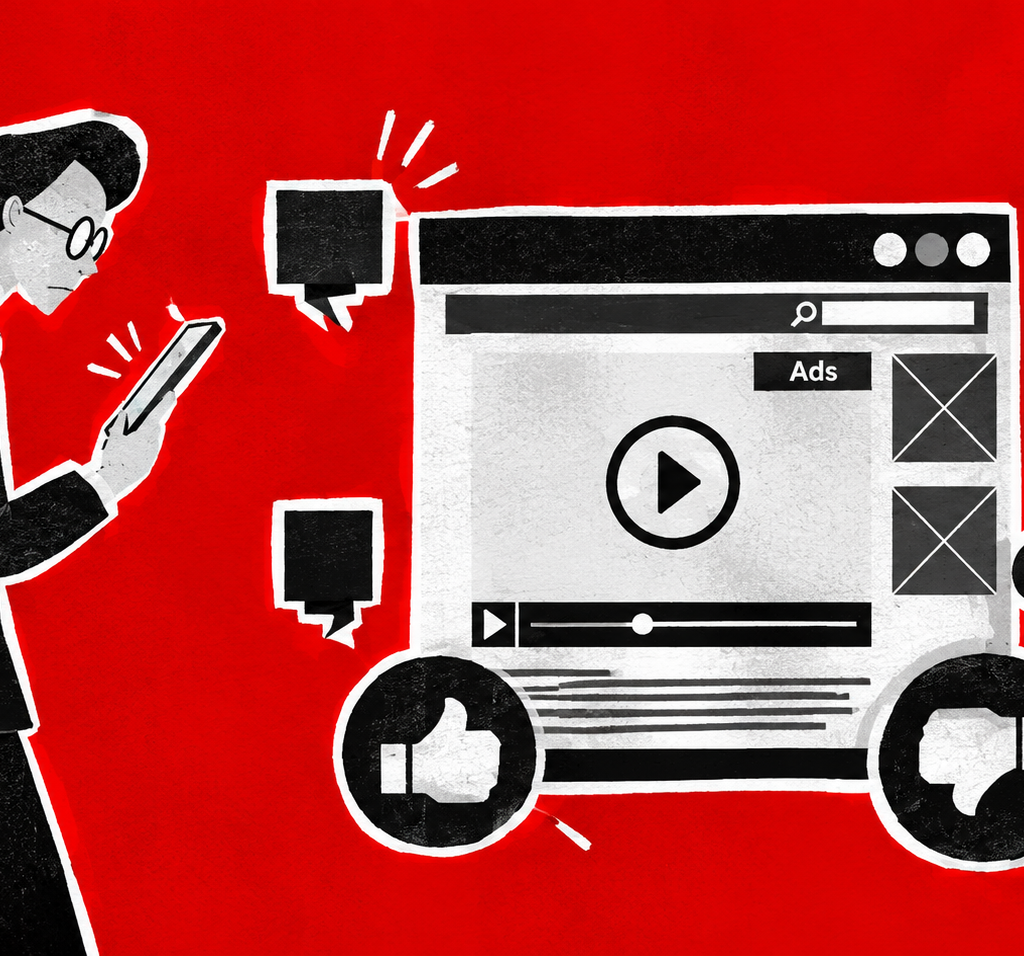
The shift towards short-form video is not limited to Instagram.
YouTube Shorts has also become a massive part of the global video ecosystem. YouTube currently reports that Shorts averages more than 200 billion daily views.
This demonstrates the scale of the behaviour.
Short-form video is no longer a social media experiment.
It is a mainstream content format.
And brands that build strong capabilities around it can use the same idea across multiple platforms while adapting the execution to each audience and environment.
Does This Mean Long-Form Content Is Dead?
Absolutely not.
Short-form video is excellent at discovery.
Long-form content is often better for depth.
A 30-second Reel might introduce a topic.
A YouTube video can explore it in detail.
A blog can answer the search intent.
A podcast can build a deeper relationship.
A newsletter can retain the audience.
The smartest brands are not choosing between short-form and long-form content.
They are building content ecosystems where different formats perform different jobs.
Think of short-form video as the front door.
Once someone walks through it, longer content can give them a reason to stay.
The Future of Brand Discovery Is Vertical
The biggest lesson from the Reels economy is not that every brand needs to make viral videos.
It is that consumer attention has moved.
Discovery is increasingly happening inside feeds.
Recommendations are coming from creators.
Entertainment and commerce are blending together.
And audiences are deciding what deserves their attention one swipe at a time.
In this environment, brands need to think less like advertisers and more like media companies and creators.
They need ideas.
They need speed.
They need cultural awareness.
They need consistency.
And most importantly, they need to understand their audience well enough to create content that feels worth watching.
Conclusion: Prime Time Is Now in Your Pocket
Television once decided what millions of people watched at prime time.
Today, the audience decides what deserves prime time.
A Reel can be created in minutes, reach audiences across cities and countries, become part of a cultural conversation and influence what people buy.
That is the real power of the Reels economy.
For brands, the opportunity is enormous, but so is the competition.
The future will not belong to brands that simply produce more content.
It will belong to brands that understand what makes people stop scrolling.
Because in the new prime time, you do not get a guaranteed time slot.
You get a few seconds.
Make them count.