The internet has never had more content.
And somehow, it has never felt more repetitive.
Scroll through social media and you will see polished captions that sound strangely familiar, generic AI-generated images, videos with the same hooks, recycled listicles and articles that technically answer a question but say nothing new.
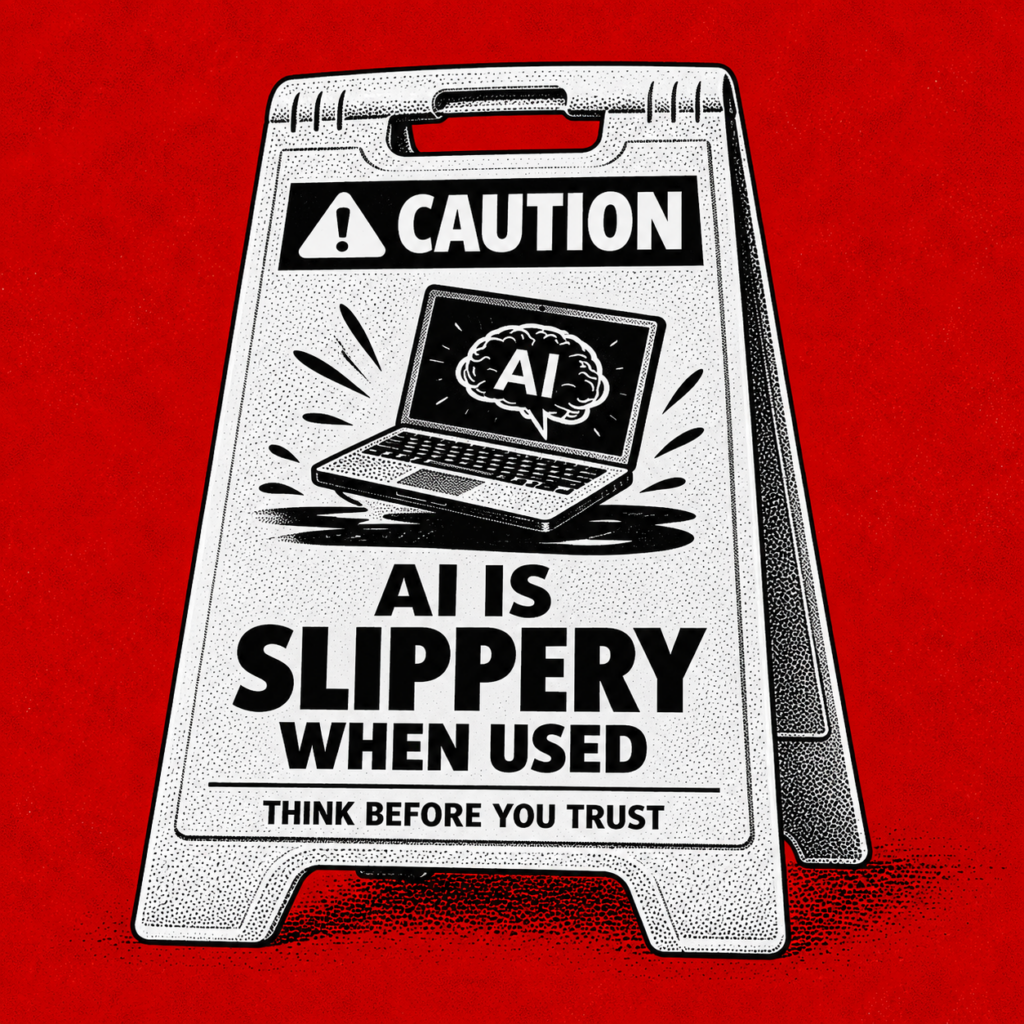
Welcome to the age of AI slop.
As generative AI becomes part of everyday content creation, brands can now produce blogs, social posts, images, videos and advertisements faster than ever before.
But there is a problem.
When everyone can create more content, creating more content stops being the competitive advantage.
Instead, the brands that stand out will be the ones that feel human, distinctive and authentic.
What Is AI Slop?
“AI slop” is a term increasingly used online to describe low-quality, mass-produced or generic content created with the help of artificial intelligence.
AI itself isn’t the problem.
The problem is what happens when brands use AI to produce content without adding:
- Original thinking
- Human experience
- Creativity
- Context
- Personality
- Fact-checking
- A clear point of view
The result is content that may be grammatically perfect but emotionally empty.
It answers the question.
It just doesn’t give you a reason to remember the answer.
And as AI-generated content becomes easier to produce, the internet risks becoming increasingly crowded with content that looks different but sounds exactly the same.
AI Has Solved the Content Problem. Or Has It?
For years, marketers complained about not having enough content.
Not enough blogs.
Not enough social posts.
Not enough videos.
Not enough campaign ideas.
Generative AI has changed that.
A marketer can now generate dozens of content ideas in minutes. AI can help write first drafts, analyse data, create variations, brainstorm headlines and accelerate production.
That’s a huge advantage.
But it also creates a new problem:
Content abundance.
When producing content becomes cheap and fast, the value shifts from production to differentiation.
Think about photography.
Everyone has a camera in their pocket today.
That didn’t make everyone a great photographer.
The same principle applies to AI.
Everyone can generate content. Not everyone can create something worth consuming.
Why Authenticity Is Becoming More Valuable
When audiences are surrounded by polished, predictable content, something imperfect can suddenly feel more interesting.
A founder speaking honestly about a business mistake.
A creator sharing an unscripted opinion.
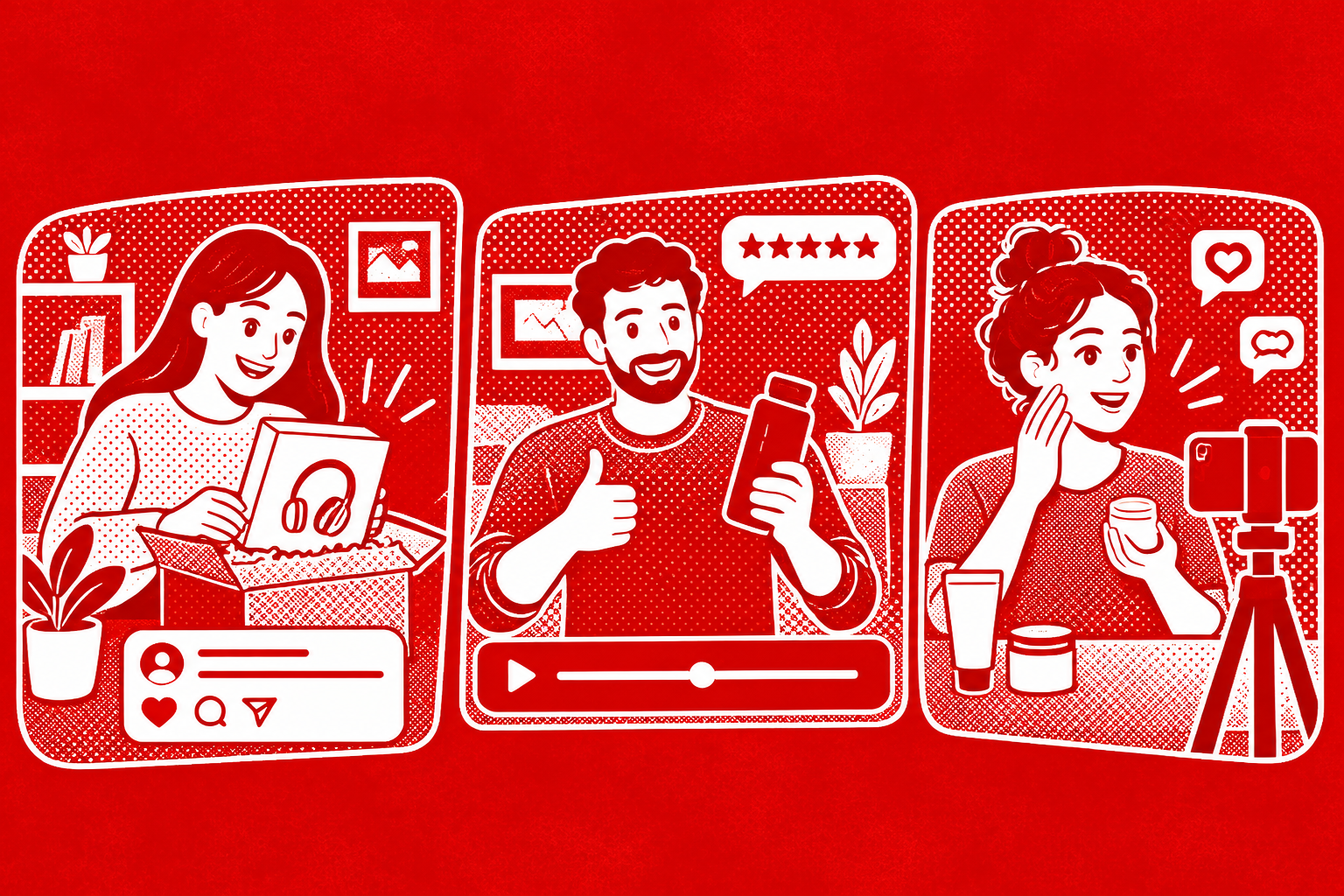
A customer showing how they actually use a product.
A brand admitting that something didn’t work.
These moments can feel more believable because they don’t feel manufactured.
Authenticity creates something AI-generated content often struggles to replicate:
human connection.
People don’t just consume information.
They connect with stories, opinions, experiences and personalities.
And that’s where brands have an opportunity.
The Internet Is Becoming More Polished and Less Personal
There is an interesting contradiction happening online.
Technology is making content look better.
But sometimes, it is making content feel worse.
The same AI tools that can create beautiful visuals can also produce images that feel interchangeable.
The same tools that can write perfectly structured articles can produce paragraphs filled with generic observations.
The same tools that can create social captions can make every brand sound like the same brand.
You start seeing phrases such as:
“In today’s fast-paced digital world…”
“It’s important to note…”
“Here are five game-changing strategies…”
Again and again.
The problem isn’t that these sentences are incorrect.
It’s that they don’t sound like anyone.
And brands without a recognisable voice become increasingly difficult to remember.
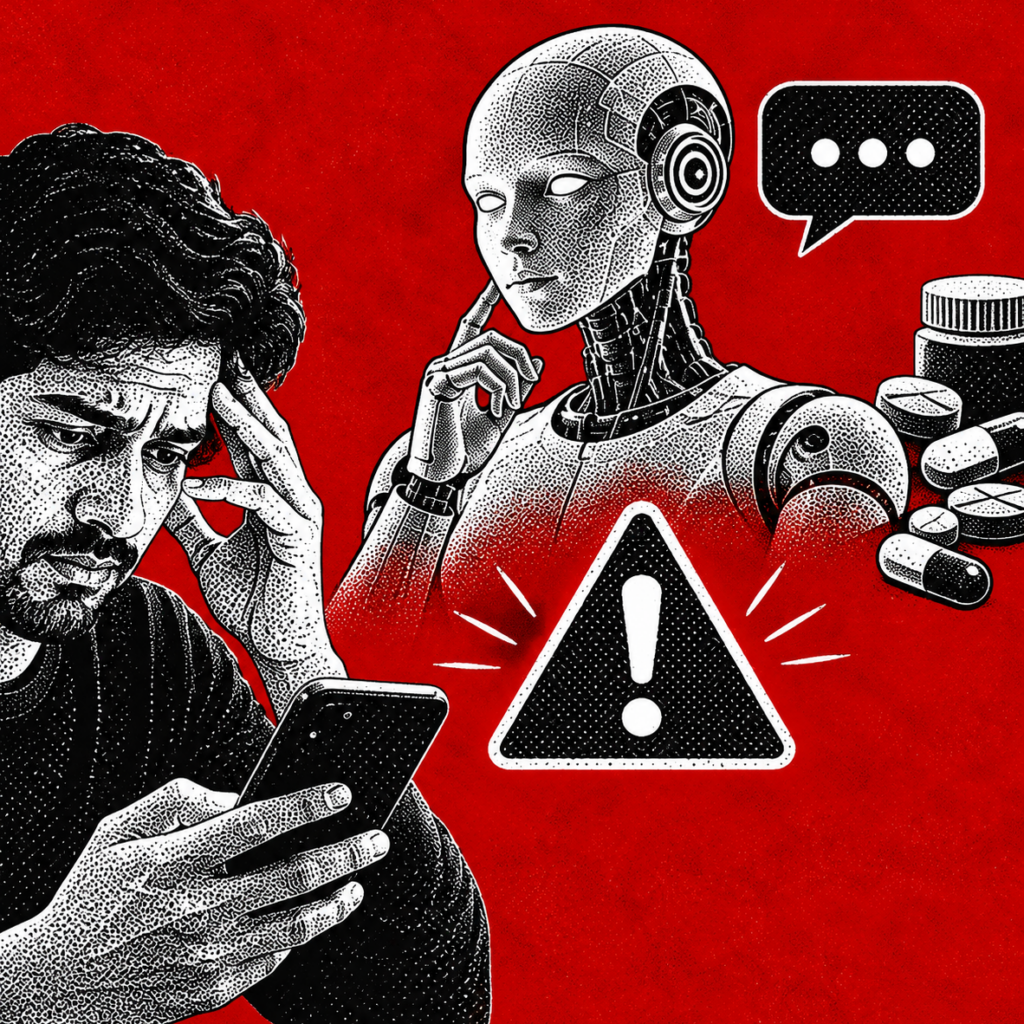
Authenticity Doesn’t Mean Anti-Technology
This is an important distinction.
The answer isn’t to stop using AI.
AI can be an incredibly powerful tool for marketers.
It can help with:
- Research
- Brainstorming
- Content planning
- Data analysis
- Transcription
- Editing
- Personalisation
- Workflow automation
- Content repurposing
- Creative exploration
The difference is how you use it.
There is a big difference between:
“AI, write my entire brand campaign.”
and
“Here is our idea, audience insight and brand voice. Help us explore ten creative directions.”
The first replaces thinking.
The second accelerates thinking.
And that distinction will become increasingly important.
The Human Advantage
Ironically, the more AI-generated content we see, the more valuable human qualities become.
Experience
AI can summarise what people have said.
But your brand’s actual experience is unique.
A campaign you ran.
A customer problem you solved.
A mistake you made.
A lesson you learned.
These are difficult to replicate because they come from your real-world experience.
Perspective
Two brands can have access to the same information.
What separates them is what they think about it.
A strong point of view can turn an ordinary topic into compelling content.
Personality
Your audience should be able to recognise your brand without seeing the logo.
That comes from tone, humour, storytelling, opinions and distinctive creative choices.
Emotion
Data can tell you what happened.
A human story can tell you why it matters.
That emotional layer is often what turns content into something people remember.
Why Generic Content Is Becoming a Brand Problem
AI slop isn’t just an editorial problem.
It can become a branding problem.
Imagine a consumer discovering five brands in the same category.
Every brand uses identical AI-generated visuals.
Every caption uses the same tone.
Every Reel follows the same trend.
Every blog says the same things.
How does the consumer decide?
Usually, they look for something that feels real.
That could be:
- A recognisable founder
- A distinctive brand voice
- Strong creative direction
- Customer stories
- Behind-the-scenes content
- Original research
- A unique opinion
- Community interaction
In other words:
Authenticity becomes a differentiator.
The Rise of Human-Led Content
This is why we are seeing growing interest in formats that feel less polished and more personal.
Think:
Behind-the-scenes content
Show how something is actually made.
Founder-led content
Let people hear directly from the people behind the brand.
User-generated content
Let customers tell the story.
Employee-generated content
Give audiences a look inside the organisation.
Expert-led content
Put actual expertise behind your claims.
Unfiltered storytelling
Not everything needs to look like a television commercial.
These formats work because they provide something that generic content often doesn’t:
evidence of a human being behind the brand.
Authenticity Is Not the Same as Being Unpolished
There’s another misconception worth addressing.
Authenticity doesn’t mean posting badly shot videos, ignoring brand guidelines or publishing whatever comes to mind.
A brand can be highly strategic and still feel authentic.
The goal isn’t:
Perfect vs imperfect.
It’s:
Manufactured vs meaningful.
You can have excellent production, strong design and sophisticated marketing while still communicating like a real human.
Authenticity is about truth, transparency and distinctiveness, not poor execution.
How Brands Can Avoid Becoming Part of the AI Slop Problem
1. Use AI as a Starting Point, Not the Finish Line
AI can generate the first draft.
Your team should make it worth publishing.
Add examples, opinions, experiences and insights that couldn’t have come from a generic prompt.
2. Develop a Distinct Brand Voice
Define how your brand speaks.
Is it witty?
Direct?
Bold?
Warm?
Technical?
Conversational?
Your audience should be able to recognise your voice.
3. Create Original Insights
Don’t simply rewrite information that already exists online.
Publish:
- Original research
- Surveys
- Case studies
- Campaign learnings
- Expert interviews
- Industry observations
- Proprietary data
Original information gives people a reason to choose your content over the hundreds of similar articles generated elsewhere.
4. Put People in Your Content
Your customers, employees, founders, creators and experts can make a brand feel more human.
People connect with people.
5. Have an Opinion
Safe content is forgettable content.
You don’t need to be controversial for the sake of being controversial.
But you should have something to say.
Instead of:
“Social media is changing rapidly.”
say what you actually believe about where it’s going.
A perspective gives your content a point of view.
6. Prioritise Quality Over Quantity
AI makes it tempting to publish more.
Resist that temptation.
One genuinely useful article can be more valuable than ten generic ones.
One memorable campaign can outperform dozens of forgettable posts.
The goal isn’t to fill the internet.
It’s to earn attention.
Authenticity Can Also Improve SEO
There is an important SEO angle here.
Search engines increasingly emphasise helpful, reliable, people-first content.
Google’s guidance encourages publishers to create original, useful content for people rather than content primarily designed to manipulate search rankings.
That means authenticity isn’t simply a branding trend.
It can support a stronger content strategy.
Original research, first-hand experience, expert commentary and genuinely useful information can give your content greater value than another generic article that simply summarises what already exists.
And as AI-powered search becomes more prominent, this becomes even more important.
If AI systems are selecting sources to help answer questions, brands need to give those systems something worth referencing.
Originality becomes discoverability.
The New Competitive Advantage

For years, brands competed on things like:
Budget.
Reach.
Technology.
Speed.
Now AI is making some of these advantages more accessible.
A small brand can use the same AI tools as a large brand.
A solo creator can generate content at a scale that once required a team.
A startup can produce polished creative without a huge production budget.
So what becomes difficult to copy?
A point of view.
A reputation.
A community.
A story.
Real experience.
Trust.
These are built over time.
And AI can’t simply generate them for you.
The Future Isn’t AI vs Humans
The future of marketing isn’t going to be about choosing between AI and human creativity.
It’s going to be about combining them intelligently.
AI can help brands move faster.
Humans decide where to go.
AI can analyse information.
Humans decide what it means.
AI can generate options.
Humans choose the idea worth pursuing.
AI can automate production.
Humans create the culture around the brand.
The winning formula isn’t:
AI instead of humans.
It’s:
AI + human creativity + authentic brand thinking.
In a World Full of AI, Be More Human
AI has made content creation easier than ever.
That means content itself is becoming less scarce.
Attention is still scarce.
And when audiences are exposed to an endless stream of generic content, the things that feel real become more valuable.
The brands that win won’t necessarily be the ones publishing the most.
They’ll be the ones with something genuinely worth saying.
So use AI.
Experiment with it.
Let it make your teams faster.
But don’t let it erase the thing that makes your brand different.
Because when everyone can create content with AI, authenticity might just become the most powerful competitive advantage of all.