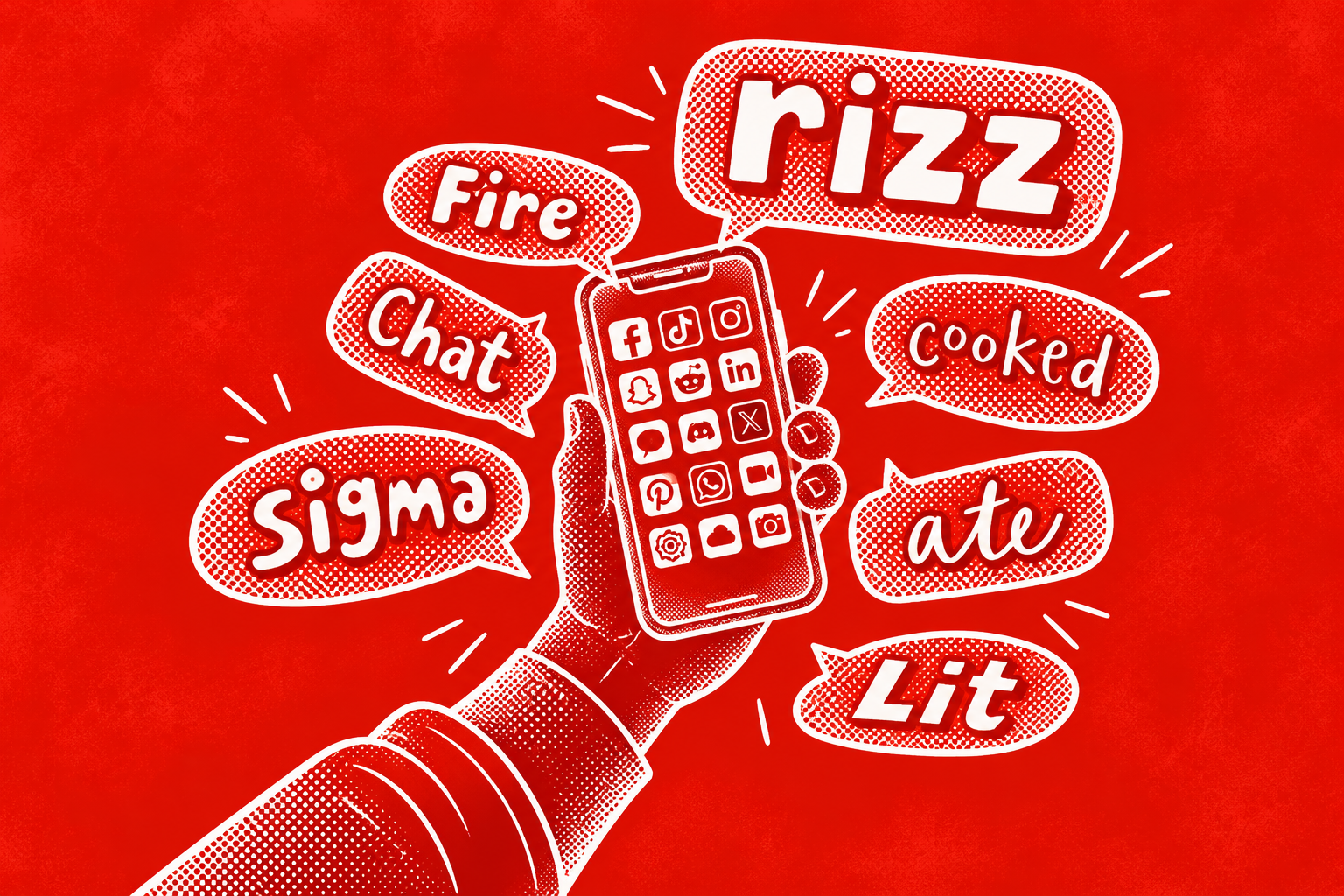
For years, brands tried to connect with younger audiences by using trending slang, jumping on viral memes, and making their social media accounts look more like creator profiles.
But a new approach is emerging.
Instead of simply copying how Gen Z speaks, brands are starting to talk about what Gen Z experiences.
Doomscrolling. Work burnout. Dating confusion. Monday blues. Overthinking. Screen fatigue.
These aren’t just internet trends. They’re everyday experiences that young audiences recognise, joke about, and discuss online.
One interesting Indian example is Zandu Balm’s #UndoWithZandu campaign, which reframed modern frustrations such as doomscrolling, tech neck, and situationship drama through its familiar idea of peeda, or discomfort. The campaign placed a traditional pain-relief brand in a contemporary cultural conversation.
It’s a useful example of how brands can connect an established product with changing consumer experiences.
But why is this approach gaining attention, and what can other businesses learn from it?
Here are five important marketing lessons.
1. Brands Are Marketing the Problem Before the Product

Traditional advertising often begins with the product.
A brand talks about its features, benefits, ingredients, or price.
But problem-led marketing starts somewhere else: with a situation the audience already understands.
Think about the difference.
Instead of immediately promoting a pain-relief product, a campaign might show someone spending hours scrolling on their phone, only to end up with a stiff neck.
Instead of advertising a productivity app through a list of features, a brand might begin with the feeling of having 37 unfinished tasks and no idea where to start.
The problem becomes the opening hook. The product enters the story as a possible solution.
This approach works as a creative strategy because it gives audiences a reason to pay attention before the sales message appears.
The marketing lesson: Start with a problem your audience recognises, then show how your product genuinely fits into the solution.
2. Internet Culture Has Become a Source of Consumer Insight
Doomscrolling, situationships, and burnout are examples of the language people use to describe their experiences online.
These terms help brands identify situations that audiences may find familiar.
But the real opportunity isn’t simply using the latest buzzword.
It’s understanding the behaviour behind it.
For example:
- Doomscrolling can point to conversations about screen habits, digital wellbeing, and time spent online.
- Burnout can open discussions about workload, productivity, rest, and work-life balance.
- Situationships can connect with conversations about modern dating, uncertainty, and relationships.
- Monday blues can reflect the familiar struggle of returning to work after a break.
- Overthinking can resonate with people navigating everyday decisions and uncertainty.
When brands understand these contexts, they can create campaigns that feel connected to real experiences rather than assembled from trending keywords.
However, not every trend belongs to every brand. A reference should fit the product, audience, and message.
The marketing lesson: Use internet culture to understand your audience, not just to decorate your captions.
3. Humour Makes Difficult Experiences Easier to Talk About
Some subjects are difficult to approach through conventional advertising.
Stress, dating frustrations, work pressure, and everyday exhaustion can feel personal. A humorous creative approach can make these subjects easier to recognise and discuss.
For example, a campaign might show someone opening their phone for five minutes and emerging an hour later, wondering where the evening went.
The humour comes from recognition. Viewers see a familiar behaviour and think, I’ve done that too.
This is one reason relatable situations can be effective creative material.
But humour needs to be handled carefully.
There is a difference between laughing with an audience and making fun of what they are experiencing. Mental health concerns and serious emotional struggles shouldn’t be reduced to punchlines just to make a campaign more shareable.
Brands should also avoid suggesting that a consumer product can solve problems beyond what it is genuinely designed to address.
The marketing lesson: Make people feel understood, not mocked or manipulated.
4. The Best Campaigns Connect Culture to a Real Brand Benefit

Recognising a trend is only the first step.
A brand still needs a meaningful reason to participate in the conversation.
This is where some campaigns succeed creatively but fail strategically: the content attracts views, yet audiences barely remember which brand created it.
Zandu’s #UndoWithZandu campaign offers an interesting example because it connects contemporary discomforts to the brand’s established association with physical pain relief. The cultural references aren’t entirely separate from the product category.
Other brands can apply the same principle.
A productivity platform can discuss digital overload while showing how its product helps organise work.
A dating platform can explore the uncertainty of modern relationships while demonstrating how its service helps people connect.
A food brand can tap into the chaos of a busy workday while showing how its product fits into a quick meal.
The important question is:
If the logo disappeared, would people still understand why this brand created the campaign?
If the answer is no, the cultural reference may be doing all the work while the brand contributes very little.
The marketing lesson: A relatable campaign should strengthen the brand’s identity, not distract from it.
5. Understanding Gen Z Matters More Than Trying to Sound Like Gen Z

This shift connects to a bigger lesson in youth marketing.
Younger audiences aren’t simply a collection of slang, memes, and viral challenges. They have different interests, ambitions, financial pressures, relationships, and expectations.
Research into Gen Z in India has highlighted the importance of authenticity, personal meaning, wellbeing, and relevant digital experiences in how younger consumers engage with brands.
For marketers, this means moving beyond surface-level observations.
Instead of asking, Which Gen Z trend should we use?, ask:
- What is our audience dealing with right now?
- What do they find frustrating, useful, funny, or meaningful?
- Which of these experiences is relevant to our product?
- Can we contribute something helpful or entertaining?
- Are we representing their experiences accurately?
The answers should influence the creative idea, not just the caption.
Brands also need to recognise that no single campaign can represent an entire generation. Different communities have different experiences, and research should guide assumptions rather than reinforce stereotypes.
The marketing lesson: Don’t imitate a generation’s personality. Understand its needs, behaviours, and context.
What Businesses Can Learn From This Marketing Shift
You don’t need a massive advertising budget or a celebrity campaign to use these principles.
Start by identifying the real situations your customers experience.
A clothing brand might explore the frustration of having a full wardrobe but nothing to wear.
A digital marketing agency might create content about business owners who spend money on ads but struggle to understand the results.
A food brand might connect with the familiar dilemma of deciding what to eat after a long day.
A technology company might address the everyday friction of managing too many apps and notifications.
In each case, the content begins with an audience insight rather than a product announcement.
The strongest ideas connect that insight to a relevant brand benefit without forcing the relationship.
How Spectra Digital Can Help
At Spectra Digital, we help businesses build digital marketing strategies around audience behaviour, brand positioning, and creative communication.
From social media content and campaign planning to SEO, performance marketing, and brand strategy, we help businesses find relevant ways to communicate their value.
Understanding what your audience cares about is only the beginning. The next step is turning that understanding into content that earns attention and supports real business goals.
Final Thoughts
Doomscrolling, burnout, situationships, and other everyday frustrations have become useful creative territory for brands because they reflect experiences people recognise.
But the opportunity goes beyond using relatable language or creating another viral Reel.
It’s about understanding the audience well enough to create a campaign that feels relevant, connects naturally with the product, and gives people a reason to remember the brand.
The brands that connect with Gen Z won’t necessarily be the ones talking the most about Gen Z. They’ll be the ones that understand what matters to them.
And that is a much stronger foundation for marketing than any trend or slang term.