For decades, advertising followed a familiar formula.
Perfect lighting.
Perfect locations.
Perfect models.
Perfect scripts.
Perfect product shots.
Brands spent huge budgets making advertisements look as polished as possible.
But then social media changed the rules.
Today, some of the content generating the most attention doesn’t look like advertising at all.
It looks like a phone camera recording a real moment.
A creator talking directly to the camera.
A customer reviewing a product from their bedroom.
A behind-the-scenes clip that wasn’t perfectly framed.
A founder sharing an honest opinion.
A product being used in real life rather than sitting perfectly against a studio backdrop.
The perfect ad isn’t necessarily dead. But the perfect-looking ad is no longer the only thing audiences want to see.
Welcome to the era of raw, authentic and unfiltered content.
Why Are Audiences Moving Away From Perfect Ads?

The average consumer sees an enormous amount of branded content every day.
Advertisements are everywhere.
On social media.
On streaming platforms.
In search results.
Inside apps.
Across websites.
And because audiences have become so familiar with advertising conventions, they have also become better at recognising them.
A beautifully produced advertisement can still be effective.
But if every brand looks polished in exactly the same way, polish stops being a differentiator.
This is where authentic content has an advantage.
It feels less like an interruption and more like something that belongs in the feed.
What Is Authentic Content?
Authentic content is content that feels natural, relatable and connected to real people or real experiences.
It can include:
- User-generated content
- Creator content
- Behind-the-scenes videos
- Founder-led content
- Employee-generated content
- Customer testimonials
- Product demonstrations
- Unscripted videos
- Real-life reviews
- Day-in-the-life content
The defining characteristic isn’t necessarily poor production quality.
It’s believability.
Authentic content makes the audience feel like they are seeing something rather than being sold something.
And that distinction matters.
The Rise of the Creator Has Changed Advertising
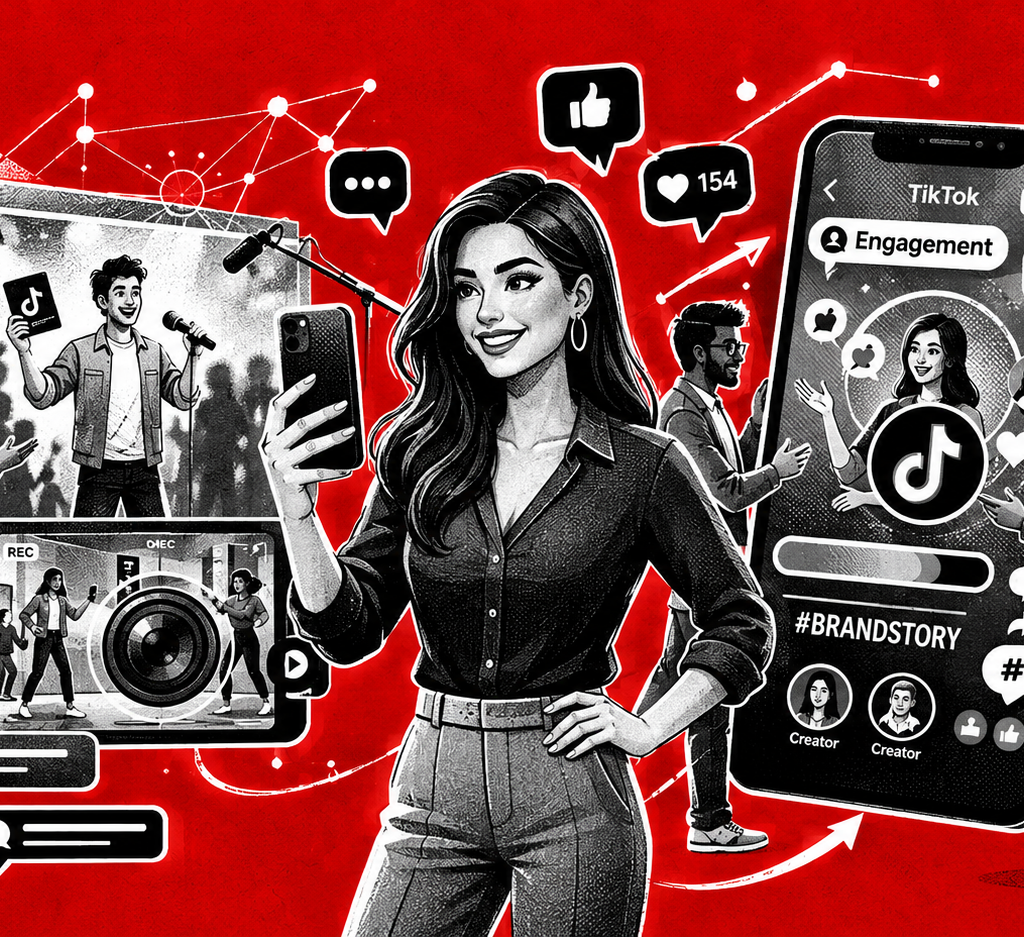
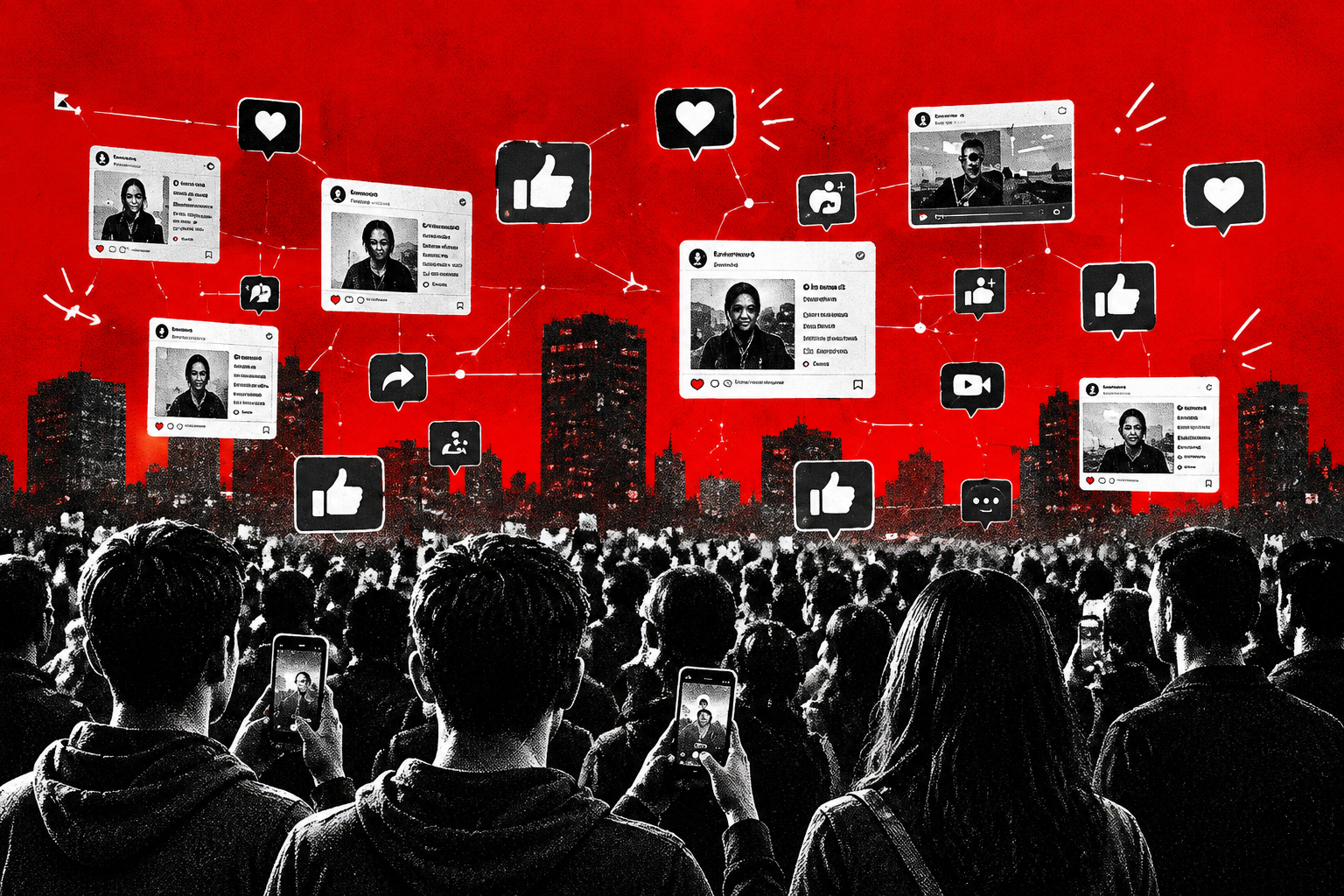
One of the biggest changes in digital marketing has been the rise of creators.
Creators have built audiences by developing something traditional advertising often struggles to create:
a relationship with the viewer.
When a creator recommends a product, their audience already understands their personality, preferences and style.
The content can therefore feel more like a recommendation from someone they follow than a conventional advertisement.
This has fundamentally changed influencer marketing.
Creators are no longer simply another media placement.
They are becoming storytellers, content creators and distribution channels for brands.
Why UGC Is So Powerful

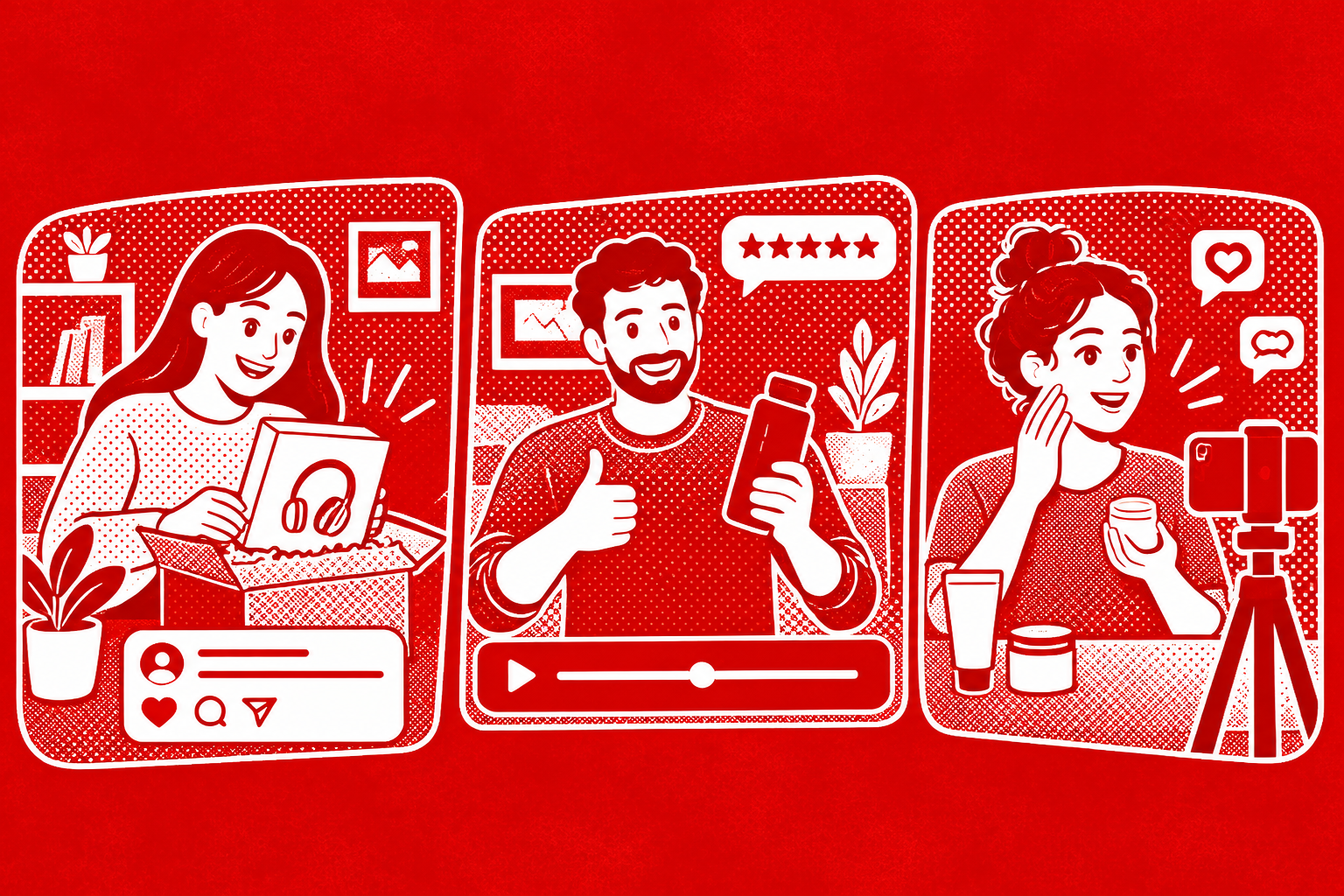
User-generated content, or UGC, has become one of the most valuable formats in social media marketing.
Why?
Because it provides social proof.
Instead of a brand saying:
“Our product is amazing.”
A customer demonstrates how they use it.
Instead of a brand saying:
“Our restaurant has great food.”
A customer records their meal.
Instead of a beauty brand saying:
“This product works.”
A creator or customer shows the product as part of their routine.
The message becomes less corporate and more experiential.
The customer becomes part of the advertisement.
People Don’t Always Want to See the Product. They Want to See Themselves Using It.

This is one of the biggest advantages of authentic content.
A traditional product advertisement might show you exactly what the product looks like.
Authentic content can show you what life with the product looks like.
Imagine a fashion brand.
A studio shoot tells you:
“This is our new collection.”
A creator wearing the outfit while getting ready for a night out tells you:
“This is how you could actually wear it.”
The second approach creates context.
And context can create desire.
The Phone Camera Has Become a Production Studio

There was a time when brands needed expensive cameras, production crews and elaborate sets to create video content.
Today, a smartphone can capture, edit and publish a piece of content within minutes.
This has dramatically lowered the barrier to content creation.
But more importantly, it has changed what audiences perceive as valuable.
A phone-shot video can sometimes outperform a highly produced advertisement because it feels immediate.
It doesn’t look like it went through ten layers of approvals.
It feels like something happening right now.
That sense of immediacy is particularly powerful on short-form video platforms.
Authenticity Doesn’t Mean “Low Quality”
This distinction is important.
There is a difference between raw and careless.
Authentic content doesn’t mean brands should stop caring about quality.
It means quality should serve the story rather than overpower it.
A well-shot creator video can still feel authentic.
A professionally edited Reel can still feel natural.
A beautifully designed campaign can still have personality.
The goal isn’t to make content look bad.
The goal is to make content feel real.
Think:
High-quality production + human personality
rather than:
High-production polish + corporate distance
Why Relatability Is Becoming a Marketing Superpower

People connect with things they recognise.
A perfect model in a perfect setting can create aspiration.
But someone who looks, behaves or speaks like your audience can create identification.
That’s why content such as:
“Get ready with me”
“Come with me to…”
“Things I wish I knew before…”
“A day in my life…”
“Here’s what nobody tells you about…”
works so well.
These formats invite audiences into an experience.
They don’t simply present a message.
They create a feeling of participation.
The New Advertising Funnel
Traditional advertising often followed:
Awareness → Consideration → Conversion
But social content can add something more human to the journey:
Discovery → Relatability → Trust → Consideration → Conversion
A consumer discovers a creator.
They relate to their content.
They trust their recommendation.
They consider the product.
Then they buy.
This is one reason creator-led marketing and UGC have become increasingly important components of digital marketing strategies.
Raw Content Can Build Trust
Trust is becoming increasingly valuable in a digital environment where consumers are surrounded by sponsored content, targeted advertising and AI-generated media.
When a customer shares an honest experience, it can provide a different kind of credibility.
The content doesn’t necessarily need to be positive all the time either.
Sometimes, admitting a limitation can make a review feel more trustworthy.
For brands, this creates an important lesson:
You don’t always need to control the narrative.
Sometimes, allowing real people to tell the story can make the story more believable.
Why Brands Are Embracing Founder-Led Content

Another major shift is the rise of founder-led marketing.
Instead of hiding behind a corporate brand identity, founders are increasingly becoming visible voices for their businesses.
A founder can talk about:
- Why the company was created
- What problem they wanted to solve
- Mistakes they made
- Lessons they’ve learned
- Industry trends
- Customer stories
- Product decisions
This creates something a conventional advertisement can’t easily manufacture:
a human face behind the brand.
The audience isn’t just interacting with a logo.
They’re interacting with a person.
Behind-the-Scenes Content Is Becoming Brand Content

Consumers are also becoming increasingly interested in what happens behind the finished product.
A restaurant showing its kitchen.
A fashion brand showing the design process.
A production house showing a shoot.
A startup showing its team.
A creator showing how a video was made.
These moments make brands feel less distant.
And they turn the process itself into content.
The lesson is simple:
Don’t only show the final product. Show the journey behind it.
What Does This Mean for Brands?
The rise of authentic content doesn’t mean brands should abandon traditional advertising.
Instead, brands need a mix of polished campaigns and authentic content.
1. Keep Big Campaigns Big
There is still a place for high-production advertising.
Launch campaigns, films, outdoor advertising and major brand moments can create scale and impact.
The mistake is assuming every piece of content needs to look like a television commercial.
2. Let Creators Create
If you hire a creator, don’t turn their content into a brand commercial.
Their value comes from their voice and relationship with their audience.
Give them a brief.
Give them direction.
Then let them create.
3. Make UGC Part of the Strategy
Don’t treat user-generated content as an occasional bonus.
Build systems that encourage customers to create, share and participate.
4. Show the People Behind the Brand
Founders, employees, designers, chefs, marketers and creators can all become part of your brand story.
5. Stop Over-Scripting Everything
A strong strategy doesn’t require every word to be scripted.
Sometimes the most engaging moments happen when someone speaks naturally.
6. Focus on the Idea, Not Just the Production
A beautifully produced bad idea is still a bad advertisement.
A simple idea executed authentically can be far more memorable.
The Rise of “Lo-Fi” Advertising
The term lo-fi content has become increasingly relevant in modern social media marketing.
Lo-fi doesn’t necessarily mean amateur.
It means content that retains a sense of immediacy and imperfection.
A handheld camera.
Natural lighting.
A real environment.
Conversational delivery.
A spontaneous reaction.
These elements can make content feel native to social media rather than imported from traditional advertising.
And that’s important.
The best social content often feels like social content.
AI Makes Authenticity Even More Valuable

There is another reason this shift matters.
Generative AI has made it easier than ever to produce polished content.
AI can generate images.
Write scripts.
Create variations.
Edit videos.
Produce voiceovers.
Generate advertisements.
As this technology becomes more accessible, polished content will become easier to create.
And when everyone can create polished content, polish becomes less distinctive.
What becomes harder to replicate?
Real experiences.
Real communities.
Real customer stories.
Real opinions.
Real personalities.
Real brand history.
In other words:
Authenticity.
The Future Is Not “Raw vs Polished”
The future of advertising isn’t going to be completely raw.
Nor will polished advertising disappear.
Instead, successful brands will know when to use each.
Use cinematic storytelling when the idea demands it.
Use creator content when relatability matters.
Use UGC when social proof matters.
Use founder-led content when trust matters.
Use product demonstrations when education matters.
Use raw, spontaneous content when immediacy matters.
The smartest brands won’t choose between polish and authenticity.
They’ll know how to combine them.
The New Definition of a “Perfect Ad”
Perhaps the biggest change is that we need to redefine what “perfect” means.
A perfect ad isn’t necessarily the one with:
- The biggest production budget
- The most expensive camera
- The most elaborate set
- The most polished visuals
A perfect ad is one that makes someone:
Stop.
Feel.
Remember.
Share.
Act.
And sometimes, achieving that requires nothing more than a phone, a real person and a genuinely good idea.
The Brands That Feel Human Will Win
Advertising has changed because audiences have changed.
People are more exposed to brands than ever before.
They are also more aware of how advertising works.
That’s why authenticity is becoming increasingly valuable.
The future isn’t about making every advertisement look imperfect.
It’s about making more of your marketing feel human.
Because when consumers have endless content to choose from, they don’t necessarily stop for the most polished thing in their feed.
They stop for the thing that feels real.
And perhaps that’s the biggest lesson of modern advertising:
You don’t always need to make your brand look perfect. You need to give people a reason to believe it.