The internet has changed the way people discover brands.
A few years ago, brands could rely on polished campaigns, big productions and carefully planned advertisements to capture attention. Today, consumers are scrolling past traditional advertising and stopping for something that feels more immediate, relatable and human.
This is where creators have changed the game.
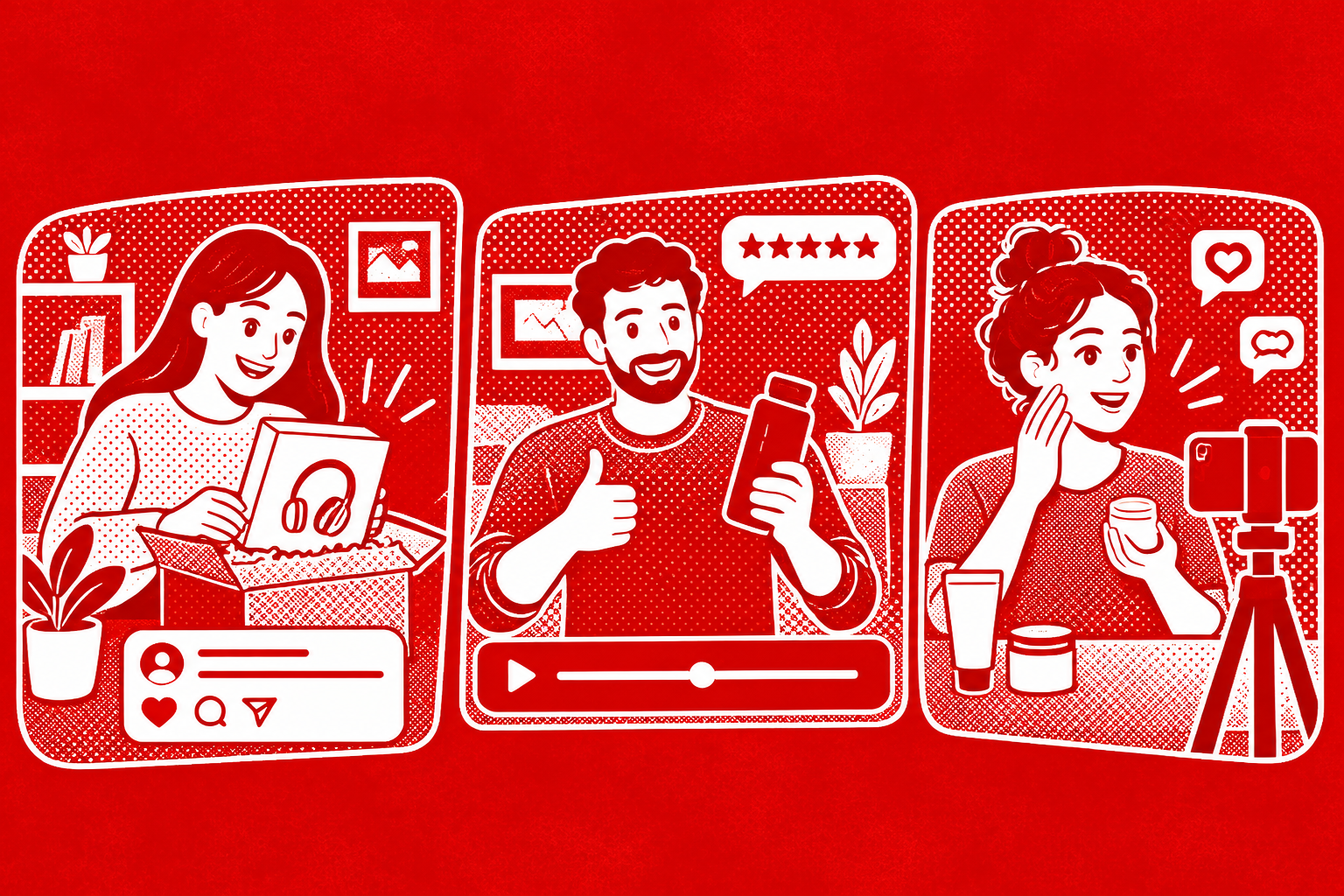
Creators understand attention. They know how to turn an everyday moment into a story, a thought into a conversation and a product into something people actually want to talk about. They do not simply create content. They build communities around personalities, perspectives and shared interests.
For brands, this presents a bigger opportunity than simply collaborating with influencers.
Brands need to start thinking like creators.
That does not mean every brand needs to become an influencer. It means adopting the mindset that makes creator content effective: being culturally relevant, experimenting quickly, understanding your audience and creating content people genuinely want to consume.
What Does It Mean for a Brand to Think Like a Creator?
Thinking like a creator means moving from “What do we want to say?” to “What does our audience want to see, share or talk about?”
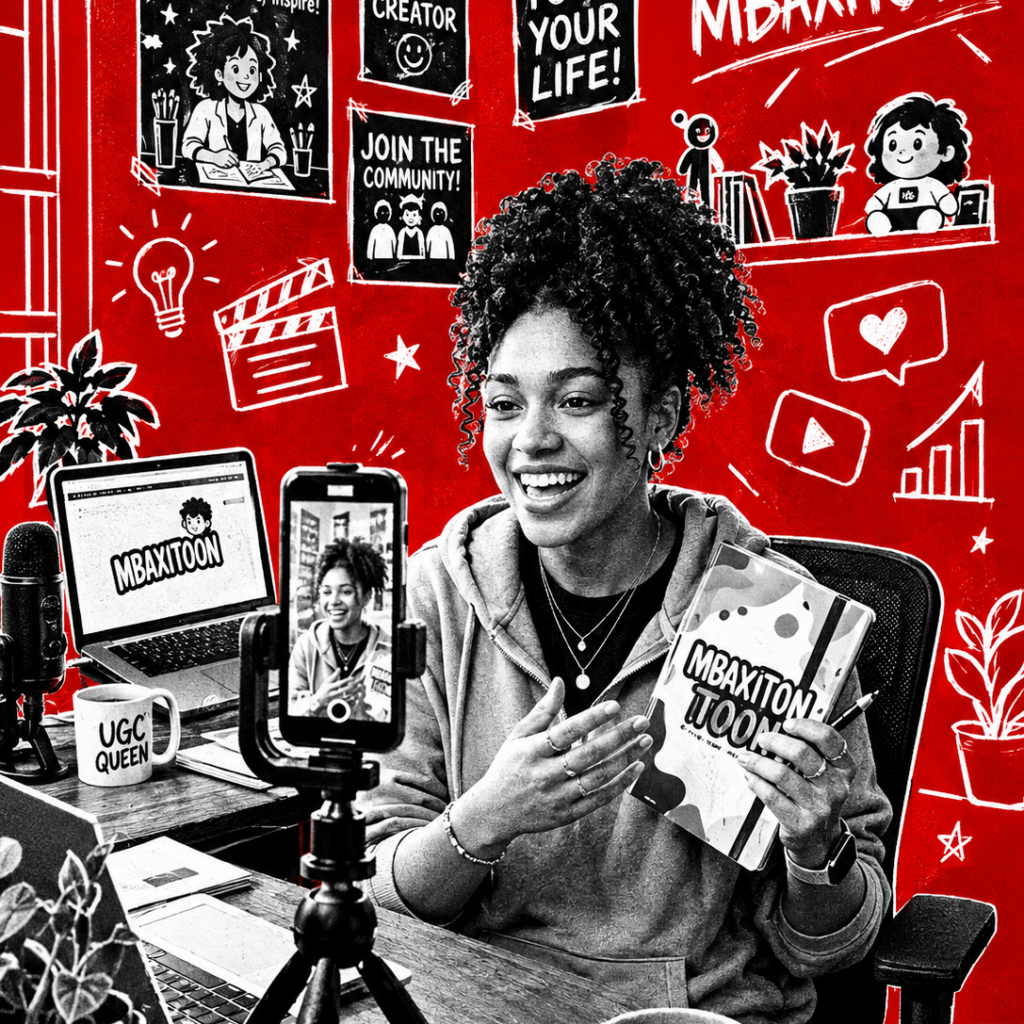
Traditional brand communication often starts with the product.
Creator-led communication often starts with the audience.
Instead of asking:
“How do we advertise this product?”
A creator mindset asks:
“What story can we tell around this product that people will actually care about?”
That shift can completely change how a brand approaches social media marketing.
A creator thinks about:
- What is happening in culture right now?
- What conversations are people having?
- What formats are performing?
- What would make someone stop scrolling?
- What would make someone share this with a friend?
- How can we make this feel native to the platform?
- What can we test today instead of waiting weeks for approval?
For brands competing for attention in crowded digital spaces, these questions are becoming increasingly important.
Why Creator Thinking Matters for Brands
Social media is no longer just a distribution channel for advertising.
It is a place where people discover products, search for information, follow trends, build communities and make purchasing decisions.
This has made the quality of a brand’s content just as important as the quality of its product.
A beautifully produced advertisement may still struggle if it feels disconnected from the way people naturally consume content online.
Creators, on the other hand, have spent years learning how to communicate within these environments.
They understand the language of platforms.
They understand pacing.
They understand hooks.
Most importantly, they understand that attention has to be earned.
1. Creators Understand the First Three Seconds
On social media, you are competing with everything else on someone’s screen.
The opening seconds of a Reel, Short or video can determine whether someone keeps watching or scrolls away.
Creators have become exceptionally good at building strong hooks.
That could be:
- A surprising statement
- An unexpected visual
- A relatable situation
- A question
- A strong opinion
- A curiosity gap
- A trend with a new perspective
Brands can apply the same principle.
Instead of beginning every video with a logo or product shot, brands can start with the story.
Instead of:
“Introducing our new product…”
Try:
“POV: You finally found the one thing your morning routine was missing.”
The product can still be the hero. But the content gives people a reason to stay.
2. Creators Prioritise Stories Over Sales
One of the biggest differences between traditional advertising and creator content is the role of storytelling.
People do not necessarily want to be sold to every time they open Instagram or TikTok.
They want to be entertained, informed, inspired or included.
That is why brands need to think beyond promotional content.
A skincare brand can talk about skincare myths.
A coffee brand can build content around morning rituals.
A fashion brand can explore styling problems.
A fitness brand can talk about motivation, routines and everyday struggles.
The product becomes part of a larger narrative.
When brands stop treating every post like an advertisement, they create more opportunities for people to engage with them.
3. Creator Thinking Makes Brands More Human
People connect with people.
This is one of the biggest advantages creators have over traditional brand communication.
Creators have personalities, opinions, quirks and stories. Their audiences know what to expect from them.
Brands can create their own version of this human connection.
That could mean showing the people behind the business, sharing behind-the-scenes moments, embracing humour or allowing employees and founders to become part of the content.
It could also mean developing a distinct brand personality.
Is the brand witty?
Curious?
Bold?
Playful?
Opinionated?
Premium?
The goal is not to sound like everyone else.
The goal is to sound recognisable.
4. Authenticity Is Becoming More Valuable
The rise of AI-generated content, highly polished advertising and endless branded content has created an interesting paradox.
Technology makes it easier than ever to create content.
But that also means audiences have more content to ignore.
As content becomes easier to produce, authenticity becomes harder to fake and more valuable to brands.
This is why raw footage, behind-the-scenes content, customer stories, employee-generated content and creator collaborations can often feel more engaging than highly controlled brand communication.
This does not mean brands should stop producing high-quality campaigns.
It means they should balance polished storytelling with content that feels real.
The goal is not to make everything look imperfect.
The goal is to make the brand feel human.
5. Creators Experiment. Brands Need to Do the Same.
A traditional campaign can take weeks or months to plan.
Creators can test an idea today, see how audiences respond and create another version tomorrow.
That speed is a major competitive advantage.
Brands can adopt a similar approach through content experimentation.
Instead of putting the entire marketing budget behind one idea, brands can test:
- Different hooks
- Different video lengths
- Different storytelling formats
- Different creators
- Different CTAs
- Different visual styles
- Different content pillars
The data can then inform what gets scaled.
This turns social media from a publishing calendar into a continuous learning engine.
6. The Creator Mindset Is Platform-First
One piece of content should not necessarily look identical everywhere.
A creator understands that every platform has its own culture.
Instagram may reward visually strong Reels, carousels and shareable content.
YouTube can support deeper storytelling.
LinkedIn may favour professional insights and founder-led perspectives.
TikTok can thrive on trends, personality and fast-moving cultural conversations.
Thinking like a creator means asking:
“How should this idea exist on this platform?”
Rather than:
“How do we put the same campaign everywhere?”
The central brand idea can remain consistent while the execution changes according to the platform.
7. Creators Build Communities, Not Just Audiences
There is an important difference between having followers and having a community.
An audience watches.
A community participates.
Creators often build communities by encouraging conversations, responding to comments, asking questions, creating inside jokes and making followers feel like they are part of something.
Brands can do the same.
Instead of ending every post with a sales CTA, brands can occasionally ask:
- What do you think?
- Which one would you choose?
- Tell us your experience.
- What should we try next?
- Tag someone who needs this.
These small interactions can turn passive followers into active participants.
8. Creator-Led Content Can Make Products More Discoverable
The traditional customer journey was relatively straightforward:
See an ad → Visit a website → Research → Purchase
Today, the journey can look very different.
Someone might discover a product through a Reel, see a creator using it, read comments, search for reviews, watch another video and then purchase it.
In other words, discovery and entertainment are increasingly intertwined.
This makes creator-led content particularly powerful for brands looking to improve social media discovery and product consideration.
The product does not always need to be introduced through a conventional product advertisement.
It can enter the conversation naturally.
How Brands Can Start Thinking Like Creators
Adopting a creator mindset does not require a complete marketing overhaul.
Start small.
Build a Strong Content Point of View
Know what your brand wants to be known for beyond its product.
A strong point of view gives your content consistency and makes it easier to create ideas.
Create Content Around Culture
Look beyond your category.
What conversations, memes, behaviours, trends and cultural moments are relevant to your audience?
The best brands often find connections between their product and what people are already talking about.
Give Your Team More Creative Freedom
Creator-style content requires speed.
If every social post has to pass through multiple layers of approval, the brand may struggle to participate in real-time conversations.
Create clear brand guardrails, then give your creative team room to experiment.
Work With the Right Creators
Creator partnerships should not be based purely on follower count.
Look for creators whose:
- Audience matches your target consumer
- Content style fits your brand
- Values align with your positioning
- Engagement feels genuine
- Storytelling feels natural
The right creator can make a brand feel like part of a conversation instead of an interruption.
Measure More Than Likes
Creator thinking should not mean chasing vanity metrics.
Look at:
- Watch time
- Shares
- Saves
- Comments
- Engagement rate
- Profile visits
- Website traffic
- Leads
- Conversions
- Repeat engagement
Different content has different jobs.
A funny Reel may build awareness.
A tutorial may drive saves.
A creator review may drive consideration.
A product demonstration may drive conversions.
The right metric depends on the objective.
The Future Belongs to Brands That Behave Like Creators
The creator economy has changed more than influencer marketing.
It has changed what audiences expect from brands.
People expect brands to participate in culture, understand platforms, respond quickly and communicate like humans.
That does not mean every company needs a celebrity spokesperson or an influencer-led strategy.
It means every brand needs to become better at creating reasons for people to pay attention.
The brands that win will not necessarily be the ones with the biggest budgets.
They will be the ones that understand their audience deeply enough to create content that feels relevant to them.
Because in a world where everyone is publishing, being seen is not enough.
You need to be worth stopping for.
And that is exactly where thinking like a creator can give your brand an edge.