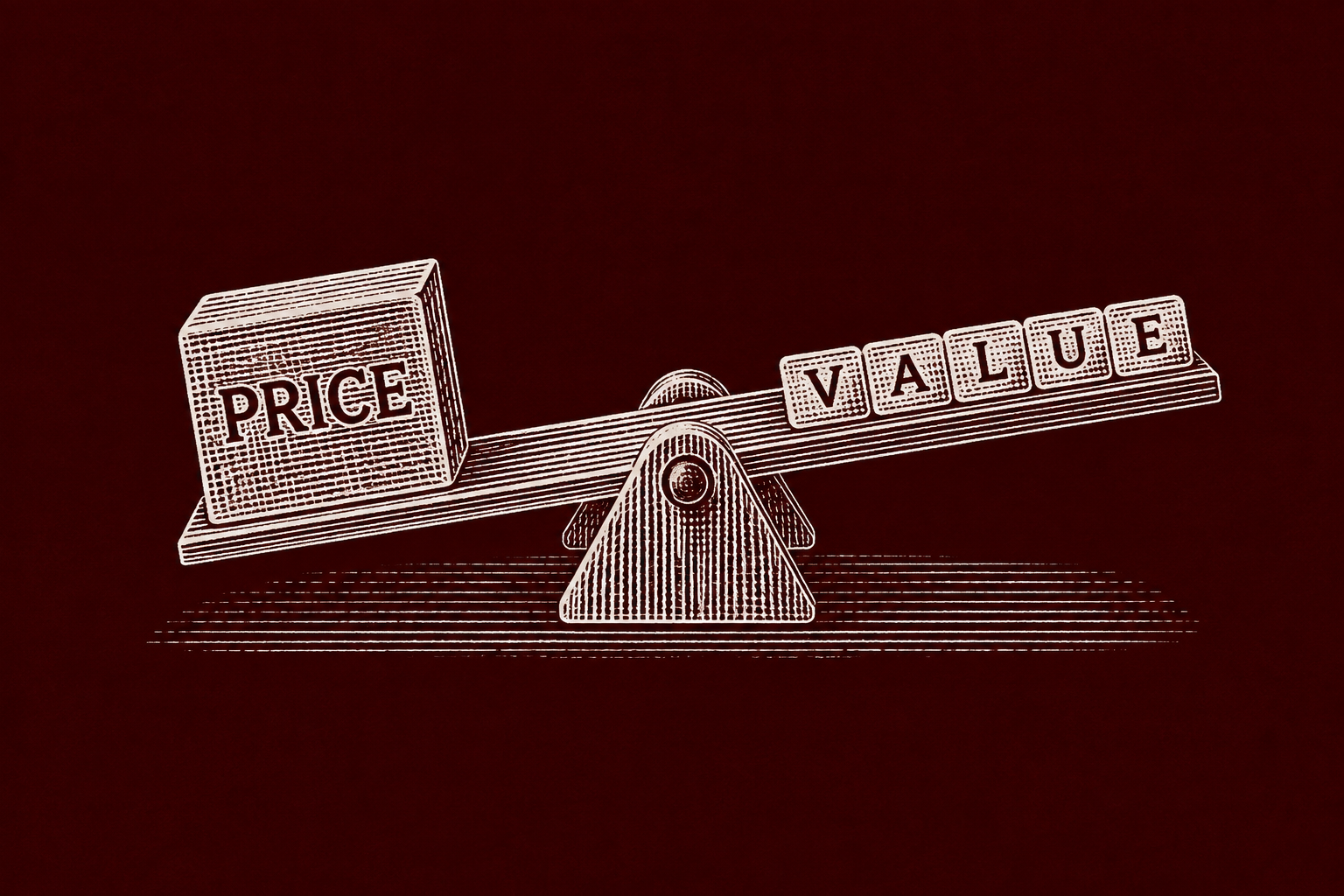
Your ads are getting clicks. People are visiting your website. Your campaign dashboard looks promising.
But there’s one problem.
The customers aren’t coming in.
You’re spending money on Google Ads, Meta Ads, or other digital campaigns, but the enquiries and sales aren’t matching the numbers you’re seeing.
So, what’s going wrong?
The problem might not be your advertising. It could be what happens after someone clicks your ad.
Many businesses focus heavily on getting people to click, but overlook the steps that turn those clicks into customers.
Here’s the truth: getting attention is one part of marketing. Converting that attention into business is another.
Let’s explore five reasons your ads might be getting clicks without generating customers.
1. Your Ad Is Promising Something Your Website Doesn’t Deliver
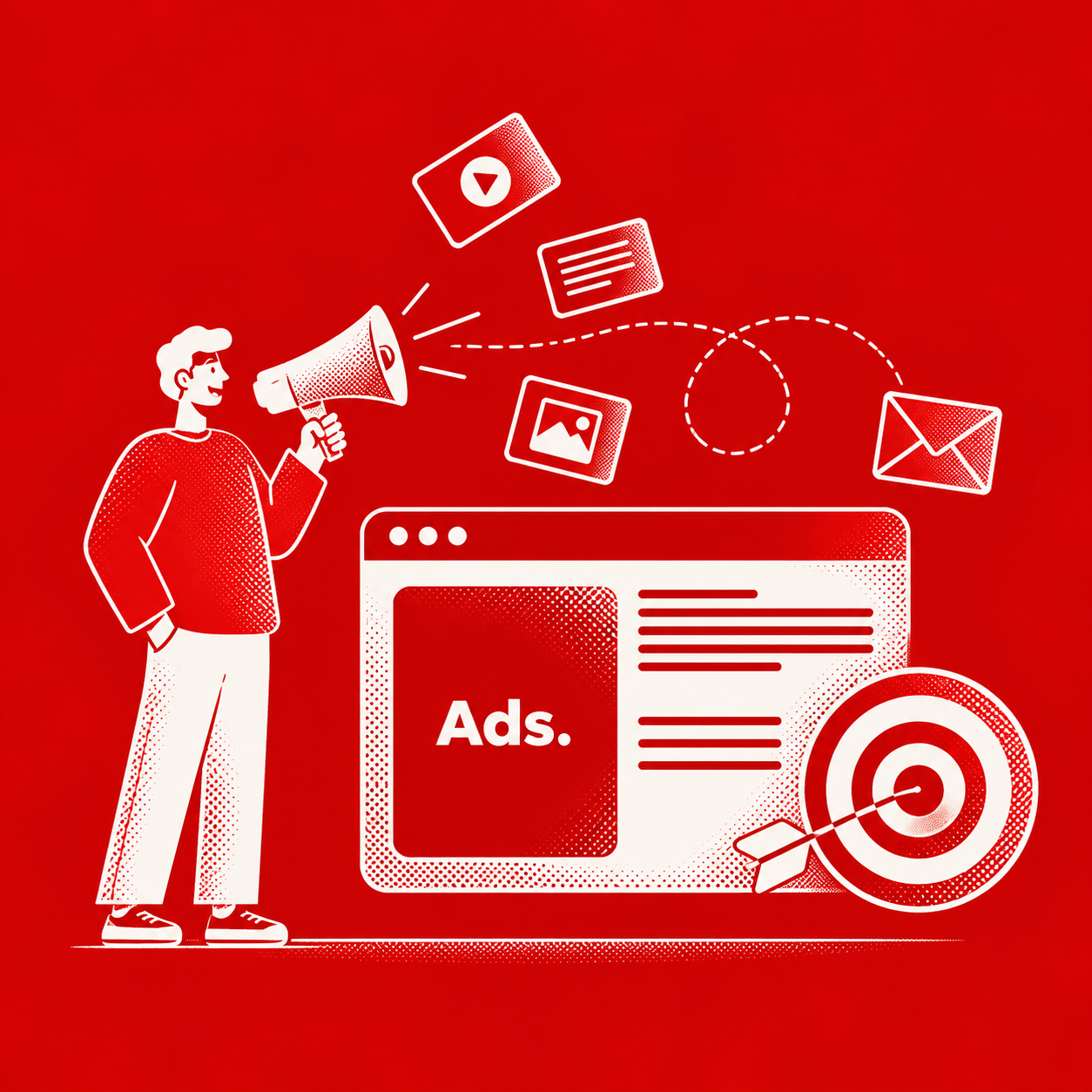
Imagine clicking an ad that promises affordable website design services, only to land on a page filled with generic agency information.
You can’t find the pricing, the services aren’t clearly explained, and there’s no obvious way to get started.
Would you stay?
Probably not.
This is a common conversion problem. The advertisement creates an expectation, but the landing page fails to fulfil it.
Your ad might be attracting the right people, but the experience after the click creates confusion.
What you should do
Make sure your landing page continues the conversation started by your ad.
- Match the headline to the advertising message.
- Explain the offer clearly.
- Highlight the benefits customers care about.
- Show relevant proof, such as genuine testimonials or case studies.
- Make the next step obvious.
Your ad earns the click. Your landing page must earn the customer’s confidence.
2. You’re Attracting Clicks From the Wrong Audience

Not every click represents a potential customer.
Someone might click out of curiosity. Another person might be researching prices. Someone else might be looking for a free solution when your business offers a premium service.
If your campaign attracts people who aren’t likely to buy, even a high click-through rate won’t guarantee results.
This can happen because of broad targeting, irrelevant keywords, misleading creative, or an offer that appeals to the wrong audience.
What you should do
Review who is clicking your ads and whether those people match your ideal customer.
For Google Ads, examine search terms, keyword intent, and negative keywords.
For Meta Ads, review audience relevance, creative messaging, and the quality of leads generated.
Also, look beyond clicks. Track qualified enquiries, booked appointments, purchases, and actual revenue.
The goal isn’t to get more clicks. It’s to get more clicks from people who are likely to become customers.
3. Your Offer Isn’t Compelling Enough

Sometimes, the audience is right and the landing page works perfectly.
But people still don’t convert.
Why?
Because they don’t see a strong enough reason to take action.
Your competitors might offer similar services. Your product might look interchangeable with other options. Or your advertising might explain what you sell without explaining why someone should choose you.
Consider the difference:
Generic message: We provide digital marketing services for businesses.
Stronger message: Get a digital marketing strategy built around your business goals, target audience, and lead-generation needs.
The second message communicates a more specific value proposition.
What you should do
Ask yourself:
- What problem are we solving?
- Why should customers choose us over alternatives?
- What makes our offer different?
- Is the value clear before the customer contacts us?
- Are we addressing the biggest objections?
You don’t always need to lower your prices or offer discounts.
Sometimes, you need to communicate your value more clearly.
A better offer can improve results without increasing your advertising budget.
4. Your Website Is Making It Difficult to Convert

A customer might be interested in your offer but abandon the process because the experience is frustrating.
Common problems include:
- Slow-loading pages
- Poor mobile design
- Long enquiry forms
- Confusing navigation
- Hidden contact information
- Unclear pricing or service details
- Broken buttons or forms
- Complicated checkout processes
These problems can quietly reduce the effectiveness of an otherwise good advertising campaign.
Think about it this way: if someone has already clicked your ad, you’ve earned an opportunity to turn their interest into action. A difficult website can waste that opportunity.
What you should do
Test the complete customer journey yourself.
Open the landing page on a mobile phone. Try filling out the enquiry form. Check whether the buttons work and whether the next step is clear.
For e-commerce businesses, test the journey from product discovery to checkout.
For service businesses, test the journey from landing page to enquiry submission.
Every unnecessary step creates another opportunity for a potential customer to leave.
5. You’re Measuring Clicks Instead of Conversions

This is where many advertising strategies go wrong.
A campaign generates thousands of clicks, so it appears successful.
But if you aren’t tracking what happens after those clicks, you don’t know whether the campaign is generating business.
Clicks and impressions measure activity. Conversions help you understand whether people are taking meaningful actions.
Depending on your business, those actions might include:
- Purchases
- Qualified leads
- Phone calls
- Consultation bookings
- Enquiry form submissions
- Paid subscriptions
What to Check Before Spending More on Ads
Before increasing your advertising budget, review the complete journey:
Ad → Landing Page → Offer → Enquiry or Checkout → Follow-Up → Sale
At each stage, ask a simple question:
- Ad: Are we reaching the right people?
- Landing page: Does it match the promise made in the ad?
- Offer: Is the value clear and compelling?
- Conversion process: Is it easy to take the next step?
- Follow-up: Are enquiries being handled promptly?
- Sales: Are the leads turning into paying customers?
This approach helps identify where potential customers are dropping off.
If the ads are generating relevant traffic but the website isn’t converting, changing the audience may not solve the problem.
If the website converts well but the leads aren’t qualified, the targeting or offer may need attention.
Find the actual bottleneck before spending more money.
How Spectra Digital Helps Businesses Turn Clicks Into Customers
At Spectra Digital, we believe digital advertising should be measured by more than clicks and impressions.
Our approach connects campaign strategy with the complete customer journey, helping businesses identify opportunities to improve both marketing performance and conversion outcomes.
Our services include:
- Performance marketing
- Google Ads and Meta Ads
- Lead generation
- Landing page optimisation
- Website design and optimisation
- Search Engine Optimization (SEO)
- Social media marketing
- Marketing analytics
We help businesses understand where their marketing investment is working, where potential customers are dropping off, and what improvements could generate stronger results.
Final Thoughts
If your ads are getting clicks but not customers, don’t immediately assume you need a bigger budget.
The problem could be your audience, your offer, your landing page, your website experience, your follow-up process, or your conversion tracking.
The key is to understand what happens after the click.
Because a successful advertising campaign isn’t one that simply attracts attention. It’s one that turns the right attention into measurable business growth.
Before asking how to get more clicks, ask a more important question:
“What’s stopping the people who already clicked from becoming our customers?”
That is where your next marketing improvement might begin.