Why going viral won't grow your business and how sustainable digital marketing strategies drive long-term success by Spectra Digital

Why Going Viral Won’t Grow Your Business The Smart Growth Strategy for 2026

Every business dreams of creating a viral post that reaches millions of people overnight. Viral content often brings a surge in views, likes, comments, and shares, making it seem like the fastest path to success.

But here’s the reality: going viral doesn’t always translate into business growth.

Many brands experience a spike in engagement only to see their sales, website traffic, and customer inquiries remain unchanged. While viral content can boost visibility, sustainable business growth comes from attracting the right audience—not just the biggest audience.

In this guide, Spectra Digital explains why going viral won’t grow your business on its own and what you should focus on instead.

What Does “Going Viral” Mean?

image

Content is considered viral when it spreads rapidly across social media platforms, reaching far more people than your typical posts.

A viral post may generate:

  • Millions of views
  • Thousands of shares
  • High engagement
  • Rapid follower growth

Although these numbers look impressive, they don’t automatically lead to revenue.

Why Viral Content Doesn’t Always Lead to Sales

One viral post may introduce your brand to a huge audience, but if those viewers aren’t interested in your products or services, they won’t become customers.

Business success depends on:

  • Qualified leads
  • Customer trust
  • Consistent engagement
  • Repeat purchases
  • Long-term relationships

These factors matter far more than temporary internet fame.

1. Views Don’t Equal Customers

image

A video with one million views may generate fewer sales than a targeted campaign reaching only 10,000 potential buyers.

The goal isn’t maximum reach—it’s reaching people who actually need your products or services.

Quality always beats quantity.

2. Viral Fame Is Usually Short-Lived

image

Most viral content enjoys attention for only a few days.

Once the trend fades, engagement often returns to normal.

Businesses that rely only on viral moments struggle to maintain consistent growth.

Instead, focus on building a reliable marketing system that generates leads every month.

3. The Wrong Audience Doesn’t Convert

image

Many viral posts attract people outside your target market.

For example, a funny Reel may receive millions of views, but if your ideal customers aren’t engaging, your business gains little value.

Always create content that speaks directly to your ideal audience.

4. Algorithms Change Constantly

image

Social media algorithms evolve frequently.

A strategy based entirely on chasing viral trends is risky because what works today may stop working tomorrow.

Instead of relying on trends alone, build a content strategy based on education, value, and consistency.

5. Trust Drives Sales

image

Customers rarely purchase after seeing one viral post.

Most buying decisions involve multiple interactions with a brand.

Businesses build trust through:

  • Helpful content
  • Customer testimonials
  • Case studies
  • Educational videos
  • Consistent branding

Trust converts attention into revenue.

6. Consistency Beats One-Time Success

image

Posting valuable content consistently helps businesses:

  • Build authority
  • Increase brand awareness
  • Improve engagement
  • Generate qualified leads
  • Create loyal customers

One viral video cannot replace months of consistent content creation.

7. A Strong Website Matters More

image

Even if your content goes viral, visitors need somewhere to convert.

Your website should include:

  • Fast loading speed
  • Clear messaging
  • Strong calls-to-action
  • Mobile-friendly design
  • Simple contact forms

Without an optimized website, viral traffic is often wasted.

8. Measure Business Metrics, Not Vanity Metrics

image

Many businesses celebrate:

  • Views
  • Likes
  • Shares
  • Followers

While these metrics are useful, they don’t tell the full story.

Focus on business metrics such as:

  • Website visits
  • Qualified leads
  • Conversion rate
  • Customer acquisition cost
  • Revenue
  • Return on investment (ROI)

These numbers determine whether your marketing is truly working.

What Businesses Should Focus on Instead

Rather than chasing viral moments, invest in strategies that deliver sustainable growth.

Search Engine Optimization (SEO)

Attract customers actively searching for your products or services.

Performance Marketing

Run targeted campaigns that generate measurable leads and sales.

Content Marketing

Publish educational blogs, videos, and social media content that solves customer problems.

Email Marketing

Build long-term relationships with prospects and existing customers.

Conversion Optimization

Turn more website visitors into paying customers through better user experience and landing pages.

Can Going Viral Still Help?

image

Absolutely.

Viral content can:

  • Increase brand awareness
  • Introduce your business to new audiences
  • Build credibility
  • Generate social proof

However, it should complement your overall marketing strategy—not become the strategy itself.

The most successful businesses combine occasional viral moments with consistent, data-driven marketing efforts.

How Spectra Digital Helps Businesses Achieve Sustainable Growth

At Spectra Digital, we help businesses build marketing strategies that focus on measurable business outcomes instead of vanity metrics.

Our services include:

  • Search Engine Optimization (SEO)
  • Performance marketing
  • Social media marketing
  • Content strategy
  • Website design and optimization
  • Marketing analytics
  • Lead generation campaigns

Our goal is simple: generate qualified leads, increase conversions, and deliver long-term business growth.

Final Thoughts

Going viral can be exciting, but it isn’t a reliable business strategy.

Real growth comes from consistently reaching the right audience, building trust, optimizing your website, and creating valuable content that converts visitors into customers.

Instead of chasing millions of views, focus on creating a marketing system that delivers qualified leads and sustainable revenue.

If you’re ready to grow your business with strategies that generate real results—not just viral moments—Spectra Digital can help you build a digital marketing plan designed for long-term success.

image

Lead Generation Strategies That Actually Work in 2026 for Business Growth

Lead Generation Strategies That Work in 2026

Generating leads has always been one of the biggest priorities for businesses, but in 2026, simply driving traffic to your website isn’t enough. Consumers are more informed, competition is fiercer, and AI is changing how people discover brands and make purchasing decisions.

To grow consistently, businesses need lead generation strategies that work in 2026—strategies that focus on attracting the right audience, building trust, and converting visitors into loyal customers.

In this guide, Spectra Digital shares the most effective lead generation strategies that businesses should implement to generate high-quality leads and maximize return on investment (ROI).

What Is Lead Generation?

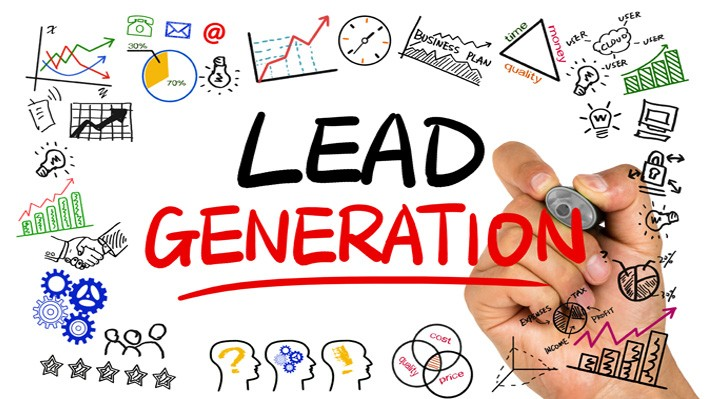
Lead generation is the process of attracting potential customers and encouraging them to show interest in your products or services.

A lead can be someone who:

  • Fills out a contact form
  • Requests a quote
  • Downloads an eBook
  • Signs up for a newsletter
  • Books a consultation
  • Calls your business

The goal isn’t just to generate more leads—it’s to generate qualified leads that are more likely to become paying customers.

Why Lead Generation Matters in 2026

image

Digital marketing is becoming increasingly competitive. Businesses that rely only on referrals or traditional advertising risk missing valuable opportunities.

A strong lead generation strategy helps you:

  • Increase sales opportunities
  • Build a predictable sales pipeline
  • Improve marketing ROI
  • Grow your customer base
  • Scale your business sustainably

10 Effective Lead Generation Strategies That Drive Results

image

1. Optimize Your Website for Conversions

image

Your website should do more than look attractive—it should encourage visitors to take action.

A high-converting website includes:

  • Fast loading speed
  • Mobile-friendly design
  • Clear navigation
  • Strong calls-to-action (CTAs)
  • Simple contact forms
  • Trust signals such as testimonials and reviews

Every landing page should have a clear goal and make it easy for visitors to convert.

2. Invest in SEO

image

Search Engine Optimization (SEO) remains one of the most cost-effective lead generation strategies.

By ranking for relevant keywords, businesses can attract customers who are actively searching for their products or services.

Focus on:

  • High-quality content
  • Technical SEO
  • Local SEO
  • Internal linking
  • Topical authority

Organic traffic often delivers high-quality leads with long-term value.

3. Use AI-Powered Content Marketing

image

Content remains one of the best ways to build trust and attract potential customers.

Publish valuable content such as:

  • Blog articles
  • How-to guides
  • Case studies
  • Industry insights
  • FAQs
  • Videos

AI tools can help speed up content creation, but human expertise is essential for producing original and trustworthy information.

4. Run Performance Marketing Campaigns

image

Paid advertising can generate leads quickly when managed effectively.

Popular platforms include:

Successful campaigns focus on:

  • Precise audience targeting
  • High-quality creatives
  • Optimized landing pages
  • Continuous testing

Performance marketing allows businesses to scale lead generation while tracking measurable results.

5. Create High-Converting Landing Pages

Sending traffic to your homepage is rarely the best strategy.

Dedicated landing pages improve conversions by focusing on one specific offer.

Effective landing pages include:

  • Clear headlines
  • Strong value propositions
  • Customer testimonials
  • Simple forms
  • Compelling CTAs

Removing distractions often leads to better conversion rates.

6. Leverage Email Marketing

image

Email marketing remains one of the highest ROI digital marketing channels.

Businesses can nurture leads by sending:

  • Educational content
  • Product updates
  • Special offers
  • Personalized recommendations
  • Follow-up emails

Automation helps maintain consistent communication with potential customers.

7. Use Social Media Strategically

image

Social media is no longer just for brand awareness.

Businesses can generate leads through:

  • Instagram Reels
  • LinkedIn content
  • Facebook Lead Ads
  • YouTube Shorts
  • Interactive polls and webinars

Sharing valuable and engaging content helps build trust before asking for a sale.

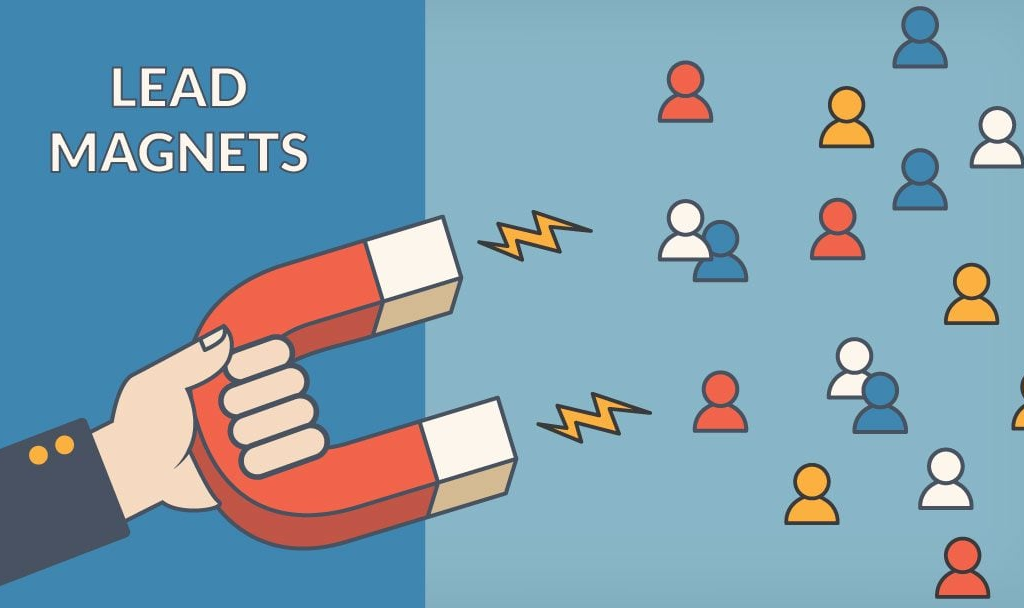
8. Offer Valuable Lead Magnets

image

People are more likely to share their contact information when they receive something valuable in return.

Popular lead magnets include:

  • Free eBooks
  • Industry reports
  • Templates
  • Checklists
  • Free consultations
  • Webinars

Lead magnets should solve a real problem for your target audience.

9. Use Marketing Automation

image

Marketing automation helps businesses manage leads more efficiently.

Automation can:

  • Send welcome emails
  • Nurture prospects
  • Score leads
  • Schedule follow-ups
  • Personalize communication

This improves efficiency while enhancing the customer experience.

10. Track and Optimize with Analytics

image

Data-driven decisions produce better marketing results.

Monitor metrics such as:

  • Website traffic
  • Conversion rate
  • Cost per lead (CPL)
  • Customer acquisition cost (CAC)
  • Return on ad spend (ROAS)
  • Landing page performance

Regular analysis helps identify opportunities for improvement.

Common Lead Generation Mistakes

image

Many businesses struggle because they:

  • Target the wrong audience
  • Ignore website optimization
  • Create weak calls-to-action
  • Fail to follow up with leads
  • Neglect analytics and testing

Avoiding these mistakes can significantly improve lead quality and conversion rates.

Future Trends in Lead Generation

image

As technology evolves, lead generation will become even more personalized and AI-driven.

Emerging trends include:

  • AI-powered chatbots
  • Predictive analytics
  • Conversational marketing
  • Hyper-personalized campaigns
  • Voice and AI search optimization
  • Interactive content experiences

Businesses that adopt these trends early will gain a competitive advantage.

How Spectra Digital Helps Businesses Generate More Leads

At Spectra Digital, we create customized lead generation strategies that help businesses attract qualified prospects and convert them into loyal customers.

Our services include:

  • Search Engine Optimization (SEO)
  • Google Ads and Meta Ads management
  • Website design and conversion optimization
  • Performance marketing
  • Social media marketing
  • Content marketing
  • Marketing analytics and reporting

We focus on measurable results that drive business growth.

Final Thoughts

Successful lead generation in 2026 requires more than simply increasing website traffic. Businesses must combine SEO, paid advertising, content marketing, website optimization, automation, and analytics to attract and convert high-quality leads.

By implementing these lead generation strategies that work in 2026, businesses can build a predictable sales pipeline, improve marketing ROI, and achieve sustainable long-term growth.

If you’re ready to generate more qualified leads and grow your business, Spectra Digital can help you develop a data-driven lead generation strategy that delivers measurable results.

"How much should businesses spend on advertising budget guide by Spectra Digital Agency"

How Much Should Businesses Spend on Advertising in 2026? Avoid Costly Budget Mistakes

Every business owner faces the same question at some point: How much should businesses spend on advertising?

Spend too little, and your brand may struggle to attract customers. Spend too much without a strategy, and your return on investment (ROI) can suffer. Finding the right advertising budget is essential for sustainable growth.

In this guide, we’ll break down industry benchmarks, factors that influence advertising costs, and how businesses can determine the ideal budget for maximum results.

Why Advertising Budget Matters

Advertising is not an expense—it’s an investment in business growth. A well-planned advertising budget helps businesses:

  • Increase brand awareness
  • Generate qualified leads
  • Boost sales and revenue
  • Stay competitive in the market
  • Build long-term customer relationships

Businesses that consistently invest in strategic advertising often achieve faster growth than those relying solely on organic methods.

How Much Should Businesses Spend on Advertising?

According to industry benchmarks, most businesses spend 5% to 15% of their annual revenue on marketing and advertising.

A general guideline is:

  • Small businesses: 7%–10% of revenue
  • Growing businesses: 10%–12% of revenue
  • Highly competitive industries: 12%–20% or more

For example:

  • A business earning ₹50 lakh annually may allocate ₹3.5 lakh to ₹5 lakh toward advertising.
  • A company generating ₹5 crore in revenue may invest ₹35 lakh or more depending on growth goals.

The ideal budget depends on your business objectives, competition, and customer acquisition costs.

Factors That Determine Advertising Spend

1. Business Goals

image

Your advertising budget should align with your goals.

If your objective is rapid expansion, launching a new product, or entering a new market, you may need a larger advertising investment compared to businesses focusing only on retention.

2. Industry Competition

image

Industries like real estate, finance, healthcare, and e-commerce generally require higher advertising budgets because customer acquisition costs are significantly higher.

More competition usually means higher costs for paid campaigns.

3. Business Stage

image

New businesses often need to invest aggressively in advertising to build awareness and attract their first customers.

Established brands may spend relatively less as they already have brand recognition and repeat customers.

4. Marketing Channels

image

Advertising costs vary depending on the channels used:

  • Google Ads
  • Social Media Advertising
  • Influencer Marketing
  • SEO and Content Marketing
  • Video Advertising
  • Email Marketing

A balanced mix of paid and organic strategies usually delivers the best long-term results.

Recommended Advertising Budget by Business Size

Small Businesses

image

Small businesses should allocate approximately 7% to 10% of annual revenue toward marketing and advertising.

The focus should be on:

  • Local SEO
  • Social media ads
  • Lead generation campaigns
  • Content marketing

Medium-Sized Businesses

image

Growing companies often spend 10% to 15% of revenue to increase market share and scale customer acquisition.

Investment areas include:

Large Enterprises

image

Large businesses may spend millions on advertising campaigns to maintain market leadership and expand into new markets.

Their budgets are typically distributed across multiple channels and regions.

How to Calculate Your Advertising Budget

A simple formula is:

Advertising Budget = Annual Revenue × Desired Marketing Percentage

Example:

Annual Revenue = ₹1 Crore

Marketing Percentage = 10%

Advertising Budget = ₹10 Lakhs annually.

This budget can then be divided monthly and allocated across different channels.

Signs You’re Spending Too Little on Advertising

You may need to increase your advertising budget if:

  • Lead generation has slowed down
  • Website traffic is declining
  • Competitors are dominating search results
  • Customer acquisition has become difficult
  • Brand awareness is low

Underinvesting in advertising often limits business growth opportunities.

Signs You’re Overspending

Businesses should also avoid spending excessively without measuring results.

Warning signs include:

  • High ad spend with low conversions
  • Poor return on ad spend (ROAS)
  • Increasing cost per lead
  • Lack of campaign optimization

The key is not simply spending more—but spending smarter.

How to Maximize Advertising ROI

To get the most from your advertising budget:

Focus on Performance Marketing

Track every click, lead, and conversion to understand what drives results.

Invest in SEO

SEO provides long-term visibility and reduces dependence on paid advertising.

Use Data Analytics

Analyze campaign performance regularly and optimize budgets accordingly.

Test and Scale

Start with smaller campaigns, identify winning strategies, and gradually increase investment.

Why Partnering With a Digital Marketing Agency Helps

Managing advertising budgets effectively requires expertise, data analysis, and continuous optimization.

At Spectra Digital Agency, we help businesses create customized advertising strategies that maximize ROI while keeping costs under control.

From performance marketing and SEO to social media advertising and lead generation, our team ensures every marketing rupee delivers measurable results.

Final Thoughts

So, how much should businesses spend on advertising?

The answer depends on your industry, business goals, and growth stage. However, most businesses should allocate 7% to 15% of annual revenue toward advertising and marketing efforts.

The real success lies in strategic spending, continuous optimization, and choosing the right marketing channels.

If you’re looking to scale your business with data-driven advertising strategies, Spectra Digital Agency can help you build a budget that delivers sustainable growth and higher ROI.

Digital marketing trends in 2026 including AI, SEO, social media, and analytics

Top Digital Marketing Trends Every Brand Should Know in 2026

Introduction

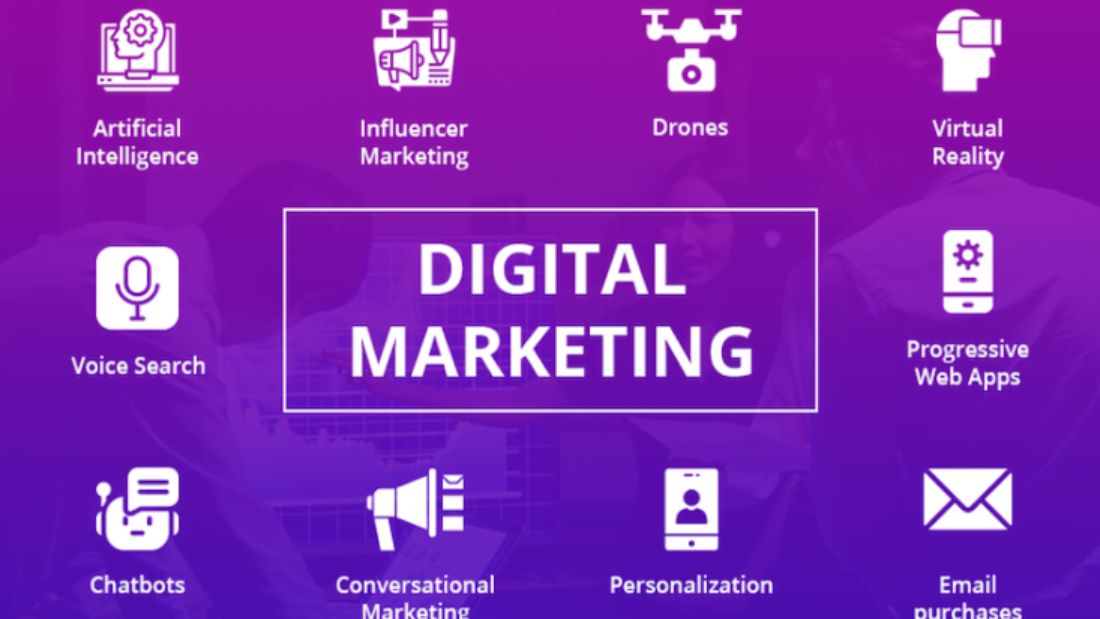
The digital marketing landscape is constantly evolving, and businesses must adapt to stay ahead of the competition. With advancements in Artificial Intelligence (AI), changing consumer behavior, and new social media platforms, brands need to rethink their marketing strategies to remain relevant. In 2026, success in digital marketing is no longer just about having an online presence it’s about delivering personalized experiences, creating valuable content, and leveraging data to make smarter decisions. Understanding the latest digital marketing trends can help businesses increase brand awareness, generate quality leads, and improve customer engagement.

Artificial Intelligence (AI) is Transforming Marketing

Artificial Intelligence has become one of the biggest game-changers in digital marketing. Businesses are using AI-powered tools to automate repetitive tasks, generate content, analyze customer behavior, and optimize advertising campaigns. AI also enables marketers to deliver personalized experiences based on user preferences, improving customer satisfaction and increasing conversions. Brands that combine AI with creativity can produce more effective and efficient marketing campaigns.

Artificial Intelligence (AI) is Transforming Marketing

Short-Form Video Content Continues to Dominate

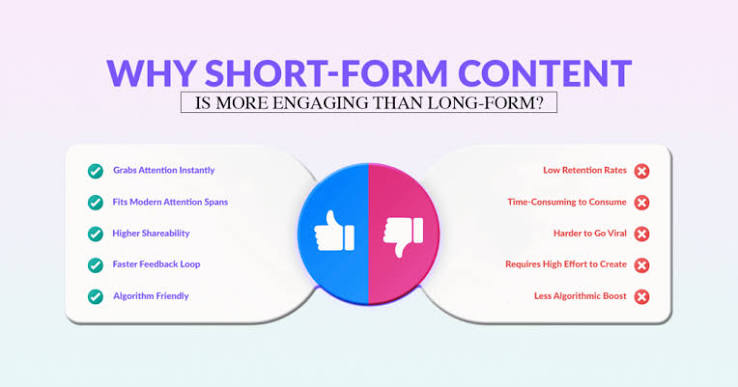
Short-form videos remain one of the most engaging content formats across social media platforms. Instagram Reels, YouTube Shorts, and TikTok have changed the way people consume content by offering quick, entertaining, and informative videos. Businesses can use short-form videos to showcase products, share customer testimonials, provide educational tips, and highlight behind-the-scenes moments. Consistently creating authentic video content helps brands build stronger connections with their audience.

Short-Form Video Content Continues to Dominate

SEO is Evolving Beyond Keywords

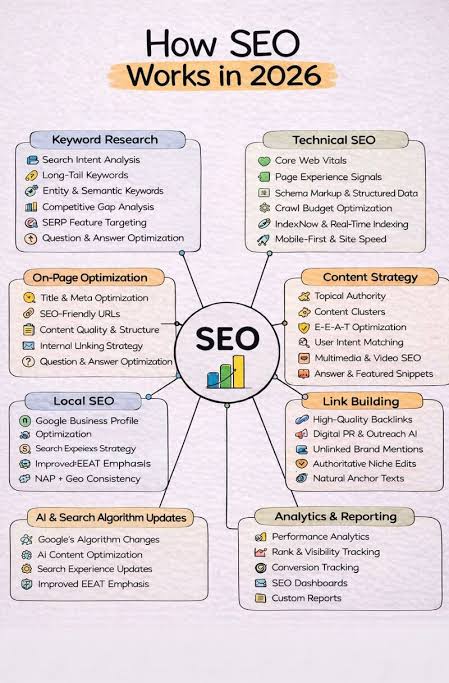
Search Engine Optimization (SEO) is no longer limited to keyword placement. Modern SEO focuses on creating high-quality, user-focused content that answers search intent. Search engines now prioritize websites that provide excellent user experiences, fast loading speeds, mobile-friendly designs, and valuable information. Brands should also optimize their content for voice search and AI-powered search engines to remain visible in an increasingly competitive digital landscape.

Check out our Search Engine Optimization (SEO)

SEO is Evolving Beyond Keywords

Personalized Marketing Improves Customer Experience

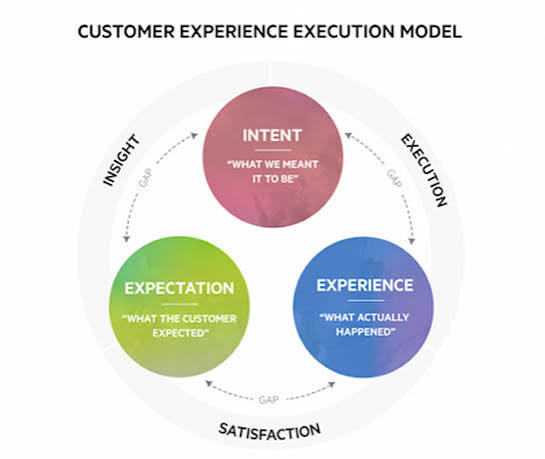
Today’s customers expect personalized interactions with brands. Businesses can use customer data to deliver customized email campaigns, product recommendations, and targeted advertisements. Personalization not only enhances the user experience but also increases customer loyalty and encourages repeat purchases. Brands that understand their audience’s preferences can create meaningful relationships that drive long-term success.

Personalized Marketing Improves Customer Experience

First-Party Data is More Important Than Ever

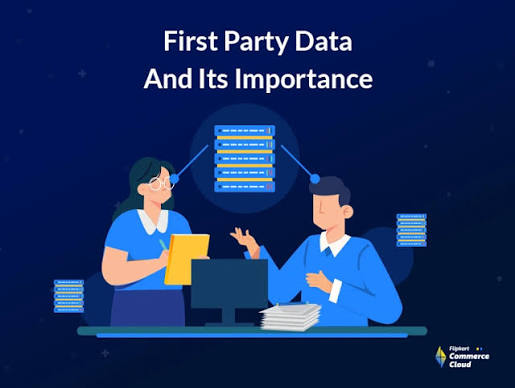
As privacy regulations continue to evolve and third-party cookies become less reliable, businesses are shifting their focus to first-party data. Collecting information directly from customers through website forms, email subscriptions, loyalty programs, and surveys helps brands create more effective marketing campaigns while maintaining transparency and trust. First-party data enables businesses to better understand customer behavior and make data-driven decisions.

First-Party Data is More Important Than Ever

Influencer Marketing is Becoming More Authentic

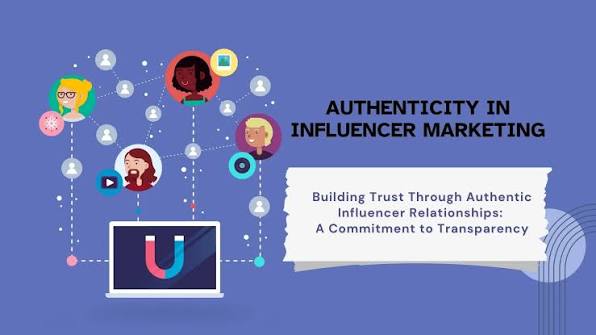
Consumers are increasingly looking for genuine recommendations rather than traditional advertisements. As a result, brands are partnering with micro-influencers and niche content creators who have highly engaged audiences. These collaborations often generate higher engagement and stronger trust because followers view influencers as relatable and credible. Authentic influencer partnerships can significantly improve brand awareness and customer engagement.

Influencer Marketing is Becoming More Authentic

Social Commerce is Changing Online Shopping

Social media platforms are becoming powerful e-commerce channels where customers can discover, explore, and purchase products without leaving the app. Features such as product tagging, live shopping events, and integrated storefronts simplify the buying journey and increase conversions. Businesses that invest in social commerce can reach customers where they spend most of their time and create seamless shopping experiences.

Social Commerce is Changing Online Shopping

Check out our Performance Marketing

Voice Search is Growing Rapidly

With the increasing use of smart speakers and voice assistants, voice search is changing how consumers find information online. People now use conversational queries instead of short keywords when searching for products or services. Businesses should optimize their content using natural language and frequently asked questions to improve visibility in voice search results.

Voice Search is Growing Rapidly

Interactive Content Boosts Engagement

Interactive content encourages users to actively participate rather than passively consume information. Quizzes, polls, surveys, calculators, contests, and interactive videos create engaging experiences that keep users on a website for longer periods. This type of content not only improves engagement but also provides valuable insights into customer preferences and interests.

Interactive Content Boosts Engagement

Building Communities is the Future of Branding

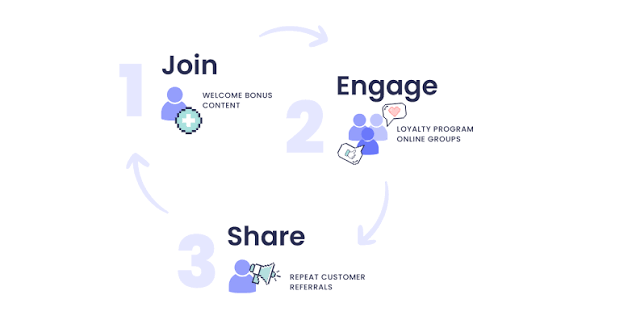
Successful brands are focusing on building loyal communities instead of simply increasing follower counts. Engaging with customers through online communities, exclusive content, live sessions, and meaningful conversations helps create lasting relationships. A strong community encourages customer advocacy, increases trust, and generates valuable word-of-mouth marketing.

Building Communities is the Future of Branding

Conclusion

Digital marketing trends continue to evolve, and businesses that embrace innovation will have a competitive advantage in 2026. By adopting AI-powered tools, investing in SEO, creating engaging video content, personalizing customer experiences, and leveraging social commerce, brands can strengthen their online presence and achieve sustainable growth. Instead of chasing every new trend, businesses should focus on strategies that align with their goals and deliver genuine value to their audience.

At Spectra Digital, we help businesses navigate the ever-changing digital landscape with customized marketing solutions, including SEO, social media marketing, performance marketing, content creation, website development, and branding strategies. Our data-driven approach ensures measurable results, helping your business grow, attract quality leads, and stay ahead of the competition.