Your Logo Isn’t Your Brand.
It may be one of the most visible parts of your business, but it is only one piece of a much bigger picture.
A logo can identify your company.
But it cannot, by itself, create trust.
It cannot guarantee a great customer experience.
It cannot make people recommend your business.
And it certainly cannot determine how customers feel about you.
Your brand is the collection of experiences, emotions, expectations, associations, and perceptions people have when they interact with your business.
Your logo is simply one visual representation of that identity.
Here are 5 critical branding truths every business should understand.
1. Your Brand Lives in Your Customer’s Mind

You control your logo.
You control your colours.
You control your website design.
But you don’t completely control your brand.
Your customers help define it through their experiences.
Think about a company you trust.
What comes to mind?
It might be:
- Great customer service
- Reliable products
- Premium quality
- Affordable pricing
- Fast delivery
- Innovation
- Friendly communication
Those associations are part of the brand.
The lesson
Don’t ask only:
“Does our brand look good?”
Ask:
“What do customers think and feel when they interact with us?”
That’s a much more important branding question.
2. Customer Experience Is Part of Your Brand

Imagine a business with a beautiful logo, premium website, and sophisticated social media presence.
Then imagine:
- Slow responses
- Confusing communication
- Poor service
- Late deliveries
- Difficult returns
- Unhelpful support
The visual identity might look premium.
The actual brand experience isn’t.
That’s because branding doesn’t stop when someone leaves your Instagram page.
It continues through every interaction.
Website → Enquiry → Purchase → Delivery → Support → Follow-up
Every touchpoint contributes to brand perception.
What businesses can learn
Your customer experience should match the promise your branding makes.
If you position yourself as premium, the experience should feel premium.
If you position yourself as friendly, your communication should feel friendly.
Your brand promise and customer experience need to match.
3. Consistency Makes Brands Recognisable

Strong brands don’t reinvent themselves every week.
They create recognizable patterns.
This can include:
- Visual identity
- Tone of voice
- Content style
- Messaging
- Colours
- Typography
- Photography
- Customer communication
Consistency helps customers recognise your business across different platforms.
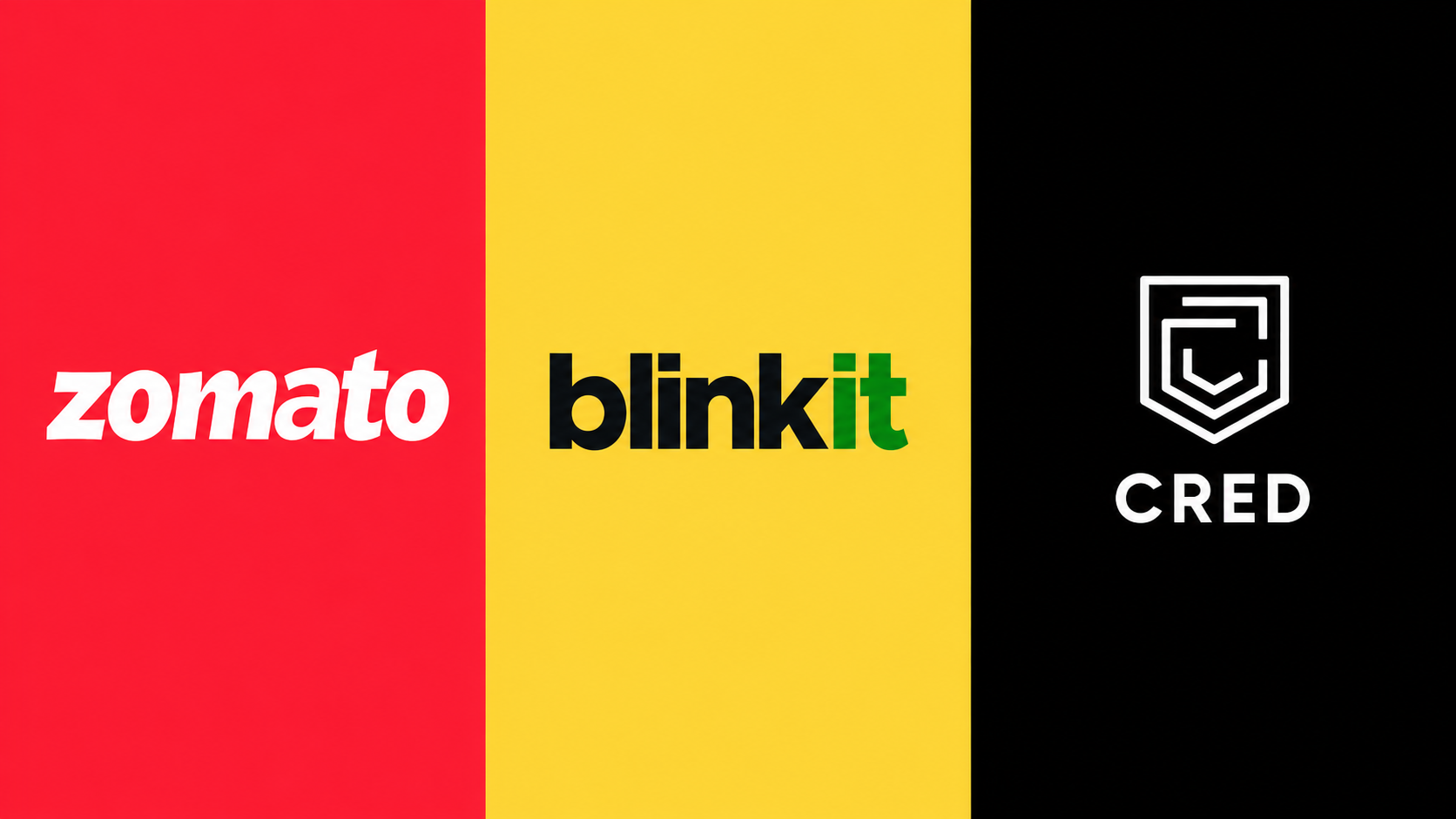
Imagine seeing a social media post without the logo.
Could you still guess which brand created it?
If yes, the brand probably has a strong identity.
The lesson
Consistency doesn’t mean making every post identical.
It means maintaining a recognisable identity while allowing your content to evolve.
Recognition builds familiarity, and familiarity can build trust.
4. Your Brand Is More Than What You Sell
Two companies can sell similar products but have completely different brands.
Why?
Because customers aren’t only buying the product.
They’re also buying:
- Convenience
- Confidence
- Status
- Experience
- Identity
- Trust
- Belonging
Consider a premium coffee brand.
It isn’t simply selling coffee.
It may be selling an experience.
A fitness brand isn’t simply selling workouts.
It may be selling confidence and transformation.
A marketing agency isn’t simply selling campaigns.
It may be selling growth, expertise, and peace of mind.
What businesses can learn
Don’t define your brand only by your product.
Ask:
“What are customers really buying from us?”
The answer can reveal your strongest brand positioning opportunity.
5. A Strong Brand Is Built Through Every Interaction
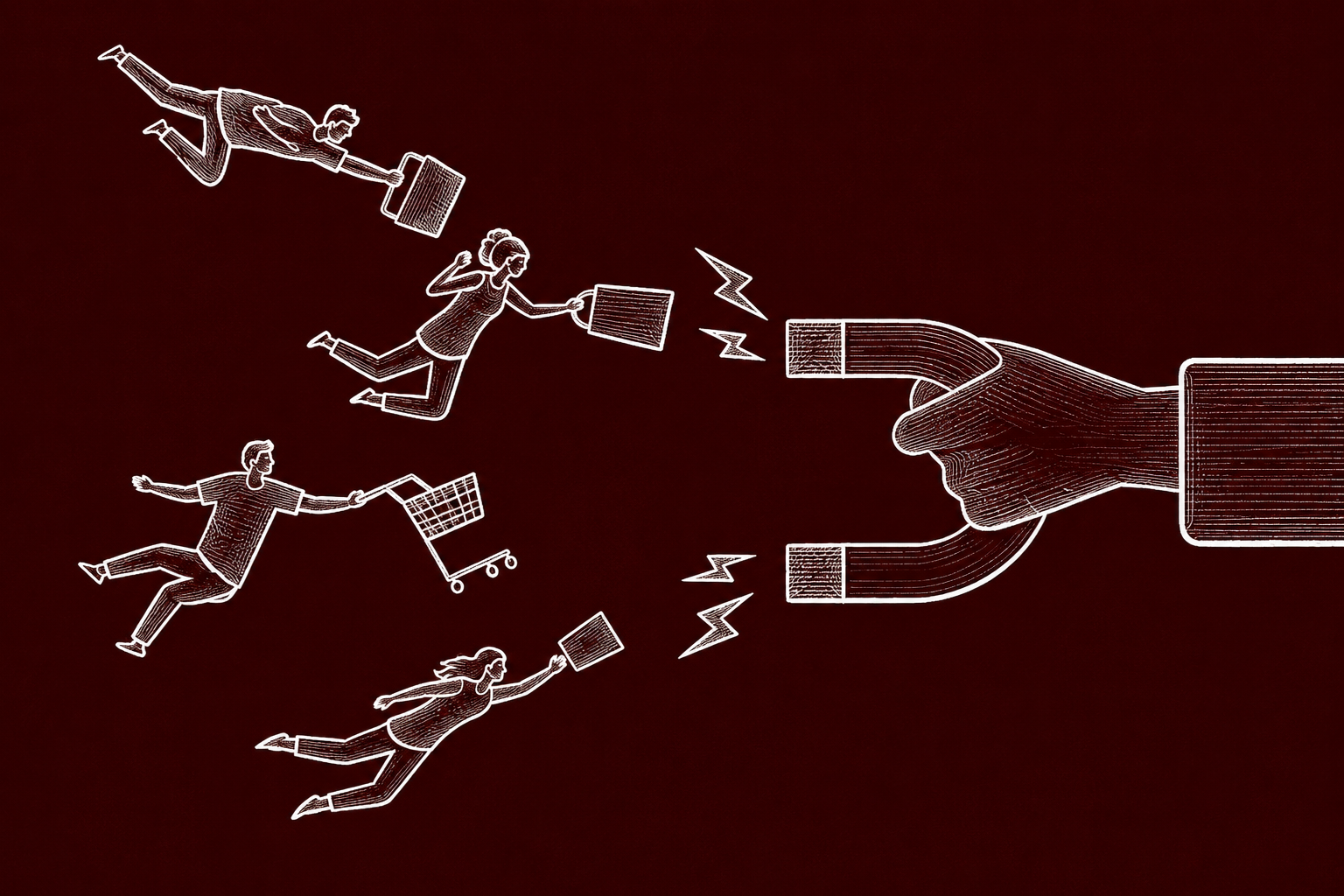
Branding isn’t something you finish once the logo is approved.
It is built continuously.
Every:
- Advertisement
- Social media post
- Sales call
- Website interaction
- Customer review
- Product experience
- Support conversation
can strengthen or weaken your brand.
That’s why branding should be treated as an ongoing business strategy.
The lesson
Don’t think:
“We need a new logo.”
Think:
“We need a stronger brand experience.”
Sometimes a visual refresh is necessary.
But sometimes the real problem is messaging, positioning, content, service, or customer experience.
Logo vs Brand
Understanding the difference is important.
| Logo | Brand |
|---|---|
| Visual identifier | Overall perception |
| Designed by the business | Shaped by customer experiences |
| Represents the company | Represents what people believe about it |
| One visual element | Multiple touchpoints |
| Can be redesigned | Evolves continuously |
| Creates recognition | Creates meaning and trust |
Your logo is part of your brand.
It isn’t the entire brand.
Why Businesses Obsess Over Logos
A logo is easy to see.
That’s why businesses often spend weeks debating:
- Fonts
- Colours
- Shapes
- Icons
- Spacing
These things matter.
But they’re only one part of the equation.
It’s much harder to measure:
“How does our customer feel about us?”
Yet that question can be far more important.
A beautiful logo attached to a forgettable experience won’t create a powerful brand.
A simple logo attached to an exceptional experience can become incredibly memorable.
What Makes a Strong Brand?

A strong brand usually combines several elements:
Clear Positioning
Customers should understand what makes you different.
Consistent Identity
Your communication should feel recognisable across channels.
Strong Messaging
Your brand should communicate a clear and compelling idea.
Emotional Connection
People should have a reason to care beyond the product itself.
Great Customer Experience
The actual experience should deliver on the brand promise.
Trust
Consistent delivery over time creates credibility.
When these elements work together, your logo becomes more meaningful because customers associate it with everything the brand represents.
Common Branding Mistakes Businesses Make
Many businesses focus too heavily on visual identity while ignoring the bigger picture.
Common mistakes include:
- Changing logos too frequently
- Copying competitor branding
- Focusing only on colours and fonts
- Having inconsistent messaging
- Trying to appeal to everyone
- Making generic brand promises
- Ignoring customer experience
- Treating branding as a one-time project
A brand isn’t created in a design file.
It’s created through repeated experiences.
How Small Businesses Can Build a Stronger Brand
You don’t need a massive budget to build a recognisable brand.
Start with five questions:
1. Who are we for?
Define your ideal customer.
2. What problem do we solve?
Be specific.
3. What makes us different?
Identify your strongest point of differentiation.
4. How should customers feel?
Choose the emotions you want your brand to create.
5. What should people remember?
Create one clear idea you want associated with your business.
Once these answers are clear, your visual identity, content, messaging, and customer experience can work together.
How Spectra Digital Helps Businesses Build Brands
At Spectra Digital, we believe branding goes far beyond creating a logo.
A strong brand needs a clear strategy behind it.
We help businesses develop and strengthen their digital presence through:
- Brand strategy
- Social media marketing
- Content marketing
- Performance marketing
- Paid advertising
- Search Engine Optimization (SEO)
- Website design
- Lead generation
- Conversion optimisation
- Marketing analytics
Our goal is to help businesses build brands that are not only visually recognisable but also meaningful, consistent, and memorable.
Final Thoughts
Your Logo Isn’t Your Brand.
Your logo can help people recognise you.
But your brand determines what they remember, believe, and feel about your business.
A strong brand is built through positioning, messaging, consistency, customer experience, and trust.
So before asking:
“Does our logo look good?”
ask the more important question:
“What does our brand mean to our customers?”
Because a logo can get you recognised.
A strong brand gives people a reason to remember you.