The Psychology of ₹99, ₹499 and ₹999 Pricing reveals an important truth about consumer behaviour: customers don’t always evaluate prices based purely on mathematics.
₹99 doesn’t feel exactly the same as ₹100.
₹499 can feel noticeably cheaper than ₹500.
And ₹999 can appear significantly more affordable than ₹1,000.
The actual difference is tiny.
But the perceived difference can be much larger.
This is the foundation of pricing psychology, the practice of presenting prices in ways that influence how customers perceive value, affordability, and purchasing decisions.
For businesses, understanding this psychology can help create pricing strategies that feel clearer and more compelling.
Here are 5 powerful pricing lessons behind prices such as ₹99, ₹499, and ₹999.
1. ₹99 Feels Cheaper Than ₹100

This is one of the most familiar examples of pricing psychology.
When customers see:
₹99
their brain may process the first digit—9—as being meaningfully lower than:
₹100
Even though the difference is only ₹1.
This is often called charm pricing or psychological pricing.
The technique is widely used in retail, e-commerce, food delivery, subscriptions, and other consumer businesses.
Why it works
People don’t always process prices as perfectly precise mathematical values.
They use shortcuts when making everyday decisions.
Seeing ₹99 can create the impression of a bargain or a lower price point.
What businesses can learn
If your product competes heavily on affordability, prices ending in 9 can sometimes make the offer feel more accessible.
But pricing should still match your brand positioning.
A premium brand may benefit from a different pricing approach.
2. ₹499 Creates a Stronger Perception of Value

Consider these two prices:
₹499
₹500
The numerical difference is just ₹1.
But psychologically, ₹499 can feel like it belongs to a different price category.
This is especially noticeable when customers compare multiple products.
For example:
- Product A — ₹499
- Product B — ₹799
- Product C — ₹1,199
The customer immediately sees a clear price hierarchy.
Pricing therefore doesn’t just communicate cost.
It can also communicate relative value.
The lesson
Customers rarely evaluate a price in complete isolation.
They compare it with:
- Competitors
- Alternatives
- Previous prices
- Other products
- Discounts
- Product features
That’s why your pricing strategy should consider the entire competitive environment.
3. ₹999 Makes ₹1,000 Feel Like a Bigger Psychological Jump

The difference between ₹999 and ₹1,000 is only ₹1.
Yet many businesses deliberately use ₹999 because it keeps the displayed price below the ₹1,000 threshold.
This is an example of a left-digit effect.
The first digit can influence how people mentally categorise a price.
Compare:
₹999
with:
₹1,000
The second price immediately moves into the four-digit category.
For some customers, that can make the product feel more expensive.
What businesses can learn
Price thresholds matter.
Customers may mentally group products into categories such as:
- Under ₹100
- Under ₹500
- Under ₹1,000
- Under ₹5,000
- Under ₹10,000
Understanding these thresholds can help businesses structure product pricing more strategically.
4. The Price You Show First Can Change Perceived Value
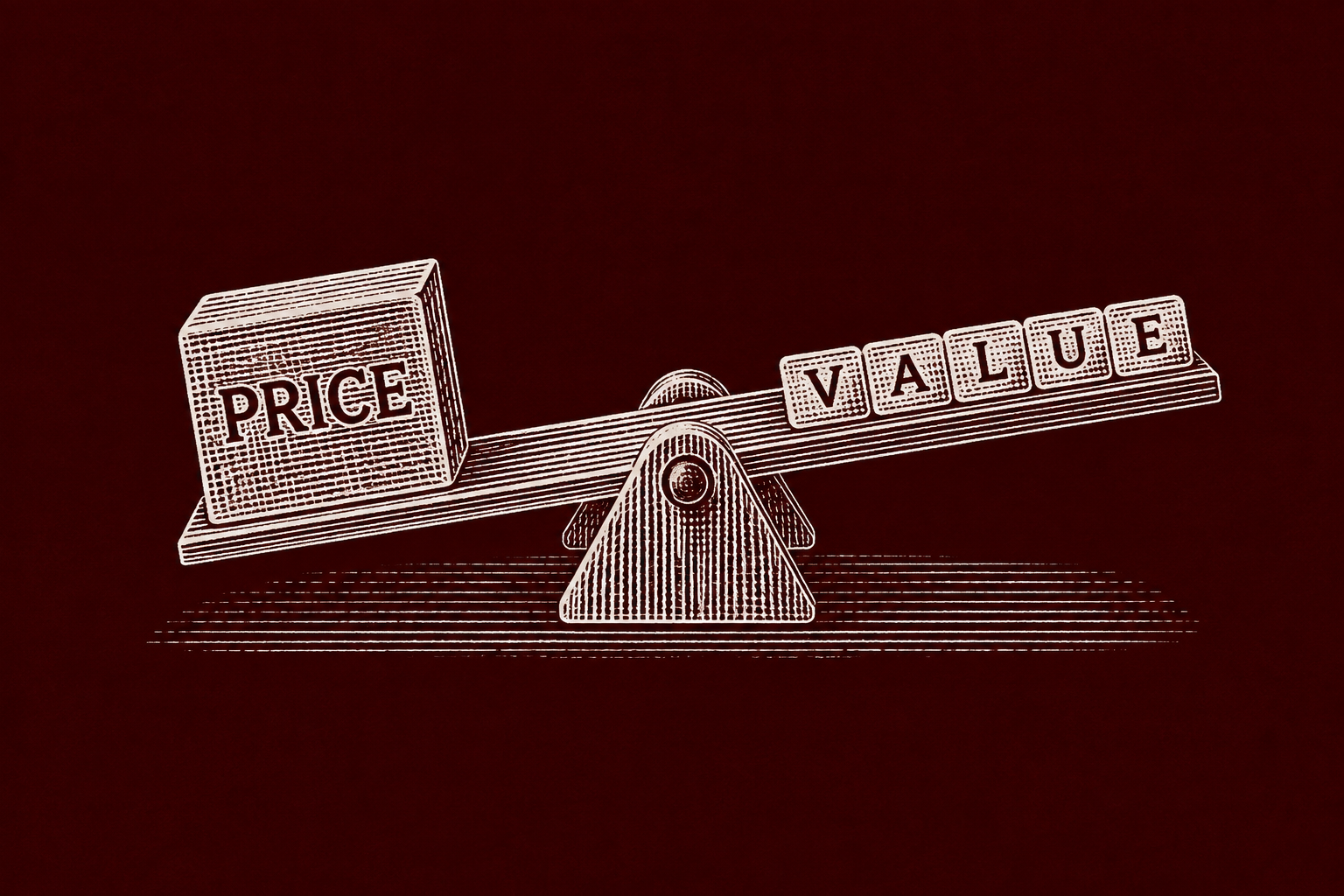
Pricing psychology isn’t only about ending a price with 9.
The comparison price can also influence how customers perceive an offer.
Imagine seeing:
Premium Plan — ₹2,999
followed by:
Standard Plan — ₹999
The ₹999 option may suddenly feel more affordable.
But if you only see:
Standard Plan — ₹999
without any comparison, your perception may be different.
This is known as anchoring.
The first relevant number people encounter can influence how they evaluate subsequent prices.
The lesson
Businesses can use pricing tiers to create context.
For example:
Basic — ₹499
Professional — ₹999
Premium — ₹1,999
The options help customers understand the relative value of each package.
But the differences between tiers should be genuine.
The goal isn’t to manipulate customers.
It’s to make the value structure easier to understand.
5. Pricing Should Match Your Brand Positioning
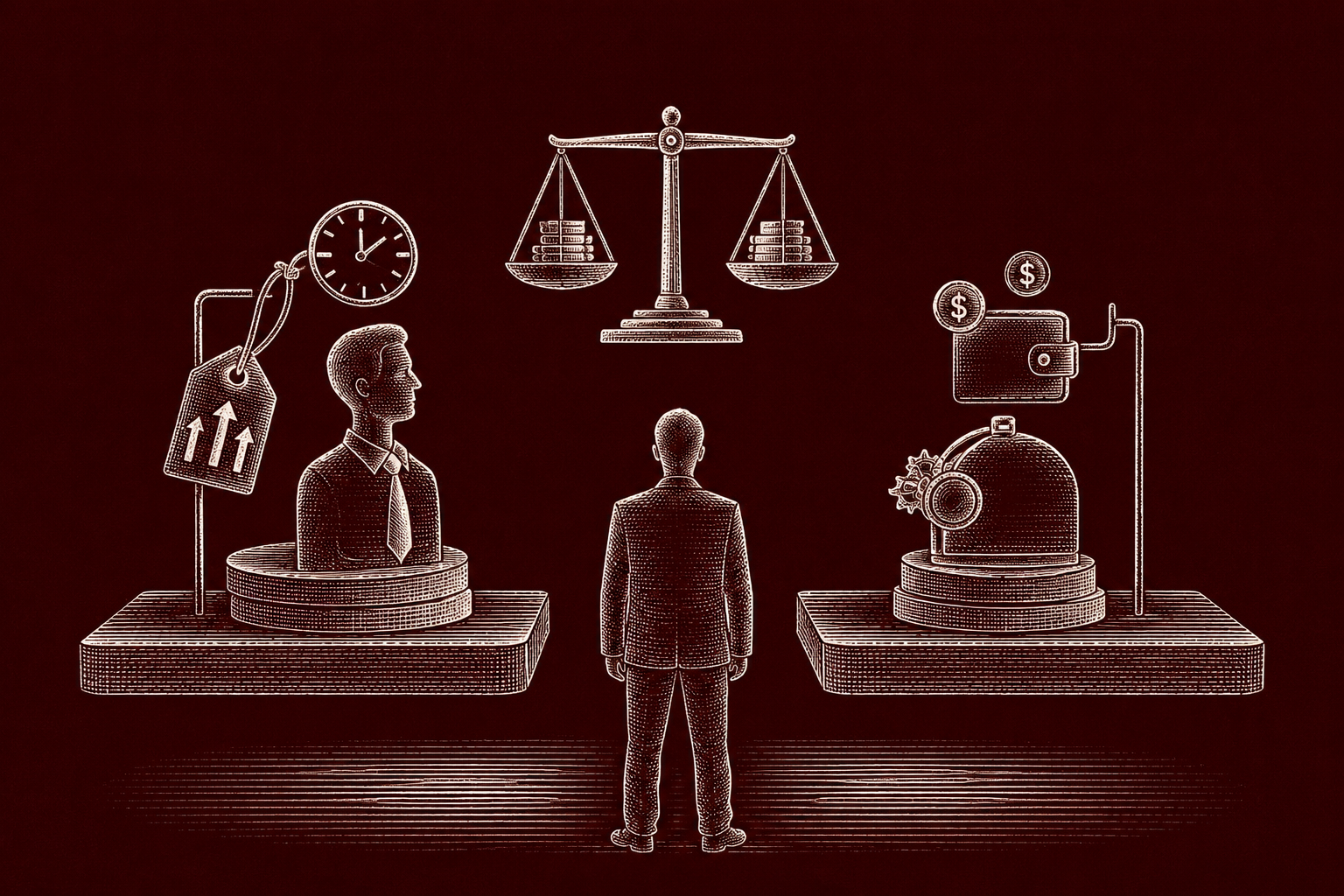
Here’s where businesses need to be careful.
₹99, ₹499, and ₹999 aren’t automatically better prices.
Their effectiveness depends on your product, audience, category, and positioning.
A discount-focused brand may benefit from:
₹499 instead of ₹500
But a luxury brand may prefer:
₹5,000 instead of ₹4,999
Why?
Because premium brands often want prices to communicate quality, confidence, exclusivity, and simplicity rather than bargain positioning.
The lesson
The right price isn’t just about psychology. It’s about positioning.
Ask:
“What should our price make customers feel?”
Affordable?
Premium?
Exclusive?
Accessible?
Professional?
High-value?
Your pricing should reinforce that perception.
Why Customers Don’t Always Think Rationally About Price
If customers were perfectly rational, ₹999 and ₹1,000 would feel almost identical.
But purchasing decisions involve more than mathematics.
Customers also consider:
- Emotions
- Perceived value
- Brand reputation
- Social proof
- Convenience
- Scarcity
- Comparison
- Previous experiences
- Expectations
This is why two products with similar production costs can have completely different prices.
The customer isn’t simply paying for the physical product.
They’re paying for the perceived value surrounding it.
Pricing Psychology Isn’t About Trickery
It’s important to understand the difference between persuasion and deception.
Using ₹999 instead of ₹1,000 isn’t necessarily misleading.
But businesses should avoid:
- Fake discounts
- Inflated original prices
- Hidden fees
- Misleading “limited-time” offers
- Artificial scarcity
- Unclear subscription terms
Short-term psychological tactics can generate purchases.
But trust determines whether customers come back.
Good pricing psychology makes value easier to understand.
Bad pricing psychology makes customers feel manipulated.
How Businesses Can Use Pricing Psychology
Create Clear Price Tiers
Instead of offering ten confusing options, create a few packages with clear differences.
For example:
Starter → Growth → Premium
Make the value of moving between tiers obvious.
Use Strategic Price Points
Test whether your audience responds differently to:
₹499 vs ₹500
or:
₹999 vs ₹1,000
Don’t assume. Measure.
Show Value Alongside Price
Instead of displaying only:
₹999
explain what customers receive for that amount.
For example:
₹999 — Includes consultation, strategy report, and 30-day support.
Price becomes easier to evaluate when value is visible.
Understand Your Customer
Different audiences respond differently to pricing.
A budget-conscious customer may focus heavily on price.
A premium customer may care more about quality, expertise, exclusivity, and results.
Your pricing strategy should reflect the customer you’re trying to attract.
Common Pricing Mistakes Businesses Make
Many businesses make pricing decisions based purely on cost.
They calculate:
Cost + Margin = Price
But pricing can be more strategic than that.
Other mistakes include:
- Copying competitors without understanding positioning
- Offering too many pricing options
- Discounting too frequently
- Focusing only on being cheap
- Hiding important costs
- Ignoring perceived value
- Never testing price points
- Using discount tactics that damage brand perception
The goal isn’t always to have the lowest price.
The goal is to communicate strong value for the right audience.
How Spectra Digital Helps Businesses Build Better Offers
At Spectra Digital, we understand that effective marketing doesn’t stop at attracting attention.
The offer itself needs to communicate clear value.
Our digital marketing services include:
- Performance marketing
- Social media marketing
- Content marketing
- Paid advertising
- Search Engine Optimization (SEO)
- Lead generation
- Website design
- Conversion optimisation
- Marketing analytics
- Brand strategy
We help businesses strengthen their digital presence, communicate value clearly, and build marketing strategies designed to turn attention into action.
Final Thoughts
The Psychology of ₹99, ₹499 and ₹999 Pricing shows that pricing is about more than numbers.
A ₹999 price may feel different from ₹1,000.
₹499 may feel more accessible than ₹500.
And the price you show first can influence how customers evaluate everything that comes after it.
But the most important lesson is this:
Don’t choose a price simply because it looks psychologically appealing. Choose a price that supports your value, positioning, audience, and business goals.
Because the best pricing strategy doesn’t just make a product look cheaper.
It makes the value feel right.