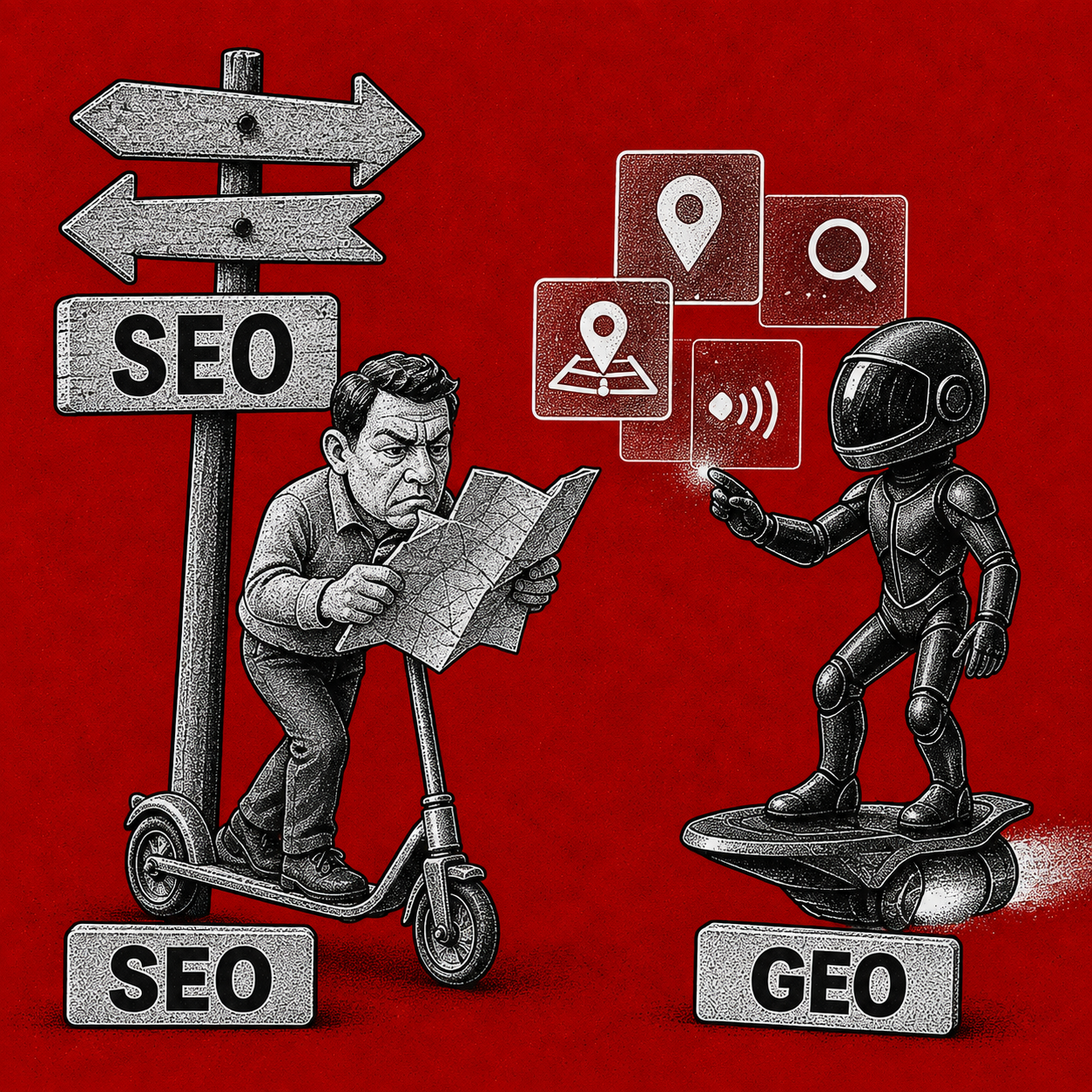
For more than two decades, digital marketing has revolved around one question:
How do I get my brand to rank on Google?
Brands built websites, researched keywords, created backlinks and published content to compete for that coveted spot on page one.
But search is changing.
Today, consumers are increasingly asking AI-powered platforms for recommendations, comparisons, explanations and answers. Instead of browsing through ten blue links, they can ask an AI tool a question and receive a synthesised response based on information gathered from multiple sources.
That creates a new challenge for brands:
What happens when your customer doesn’t search for you on Google, but asks AI about you instead?
This is where Generative Engine Optimization, or GEO, enters the conversation.
What Is GEO?
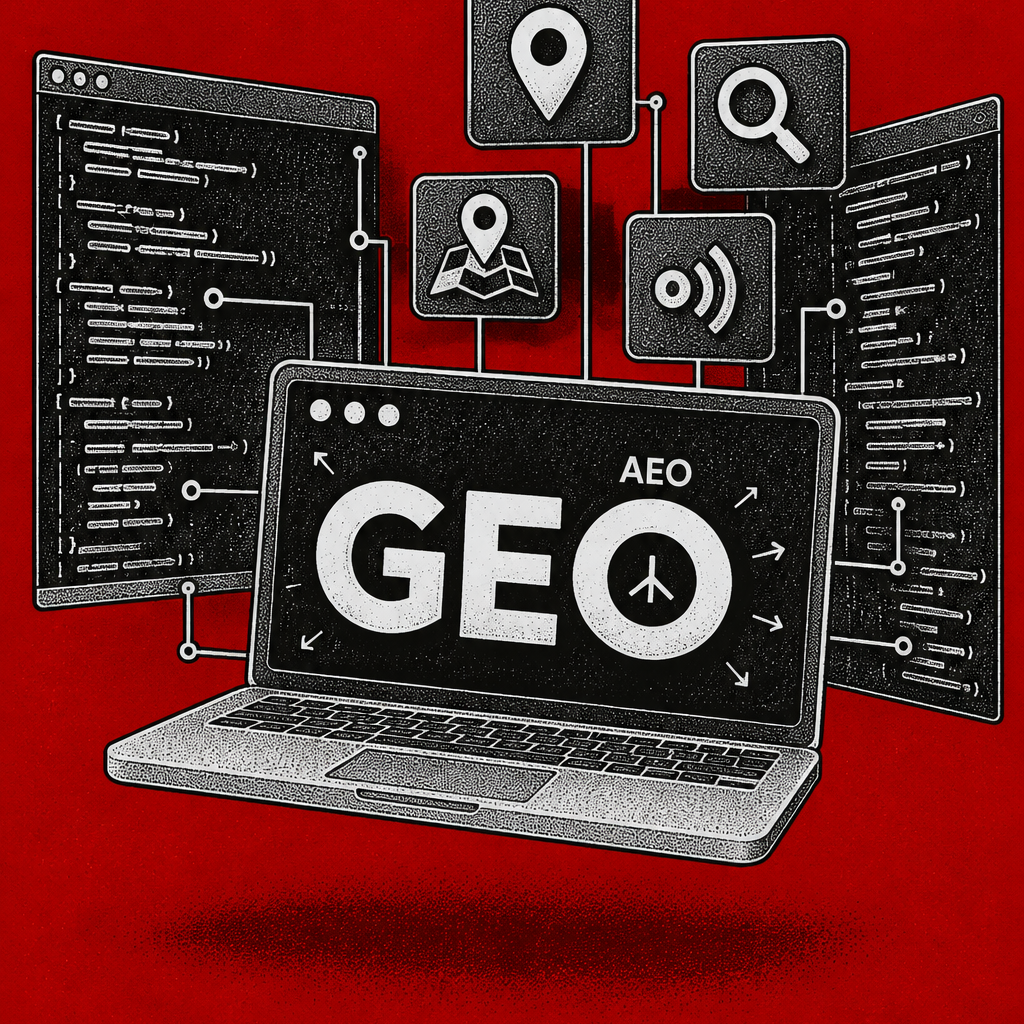
Generative Engine Optimization (GEO) is the practice of improving a brand’s visibility across AI-powered search and answer experiences.
Traditional SEO focuses largely on helping search engines discover, understand and rank web pages.
GEO focuses on making a brand’s information easier for AI systems to understand, retrieve, reference and potentially cite in generated answers.
Think of the difference this way:
SEO: “How do I rank for this search?”
GEO: “How do I become a credible source when AI answers this question?”
The terminology is relatively new, but the underlying goal isn’t completely different.
Google’s own guidance makes this clear: SEO best practices continue to apply to generative AI search because Google’s AI search features use its existing Search systems to retrieve relevant information.
So GEO isn’t the death of SEO.
It’s the next layer of search visibility.
Why AI Search Is Changing Brand Discovery
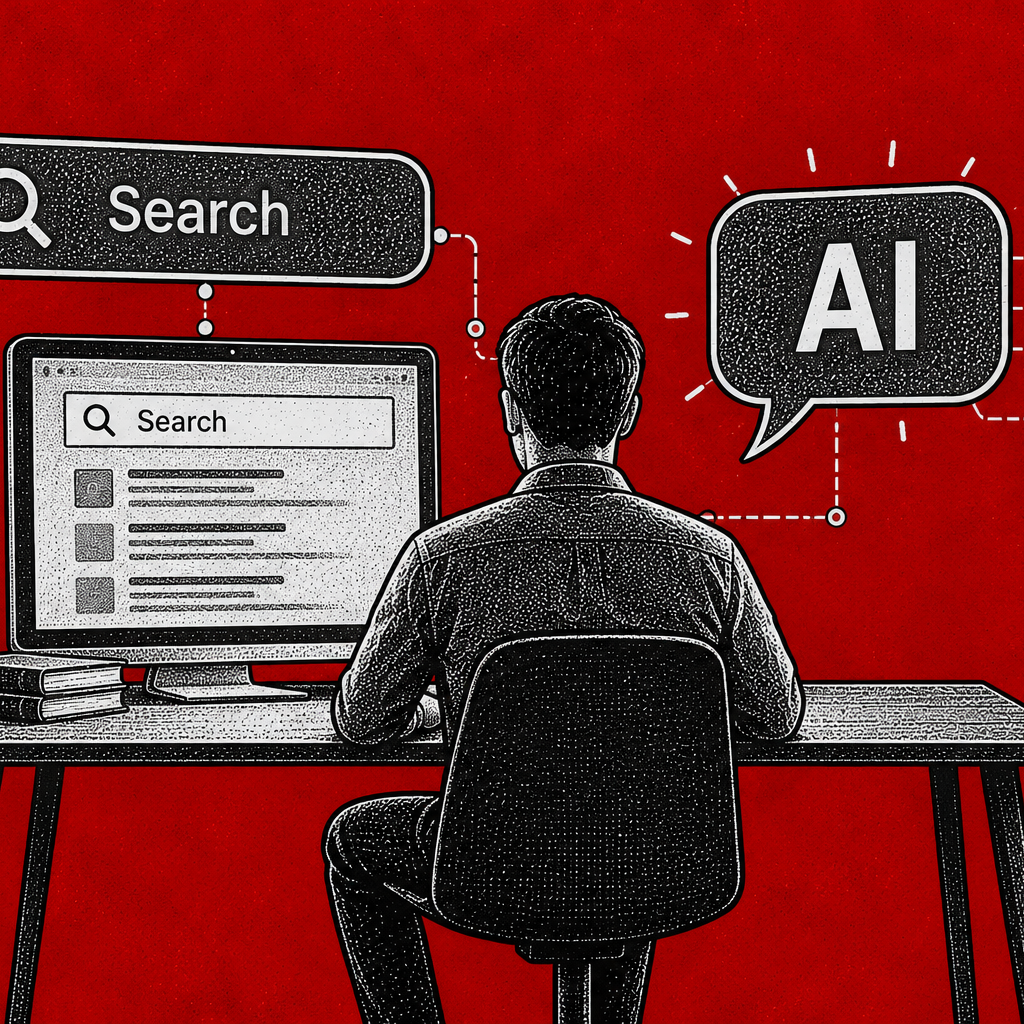
Traditional search gives users a list of options.
AI search can give users a direct answer.
Imagine someone asks:
“What are the best digital marketing agencies in Mumbai for entertainment brands?”
A traditional search engine might return websites, directories, articles and business listings.
An AI-powered search experience could instead generate a shortlist, explain why each agency is relevant and reference information from across the web.
Suddenly, the competition isn’t simply about ranking for a keyword.
It’s about being considered a credible answer.
That changes the way brands need to think about digital visibility.
SEO vs GEO: What’s the Difference?
SEO and GEO have different immediate objectives, but they work together.
| SEO | GEO |
|---|---|
| Optimises for traditional search | Optimises for AI-powered search experiences |
| Focuses on rankings and organic visibility | Focuses on mentions, citations and inclusion in AI answers |
| Targets search engine results pages | Targets AI-generated responses and summaries |
| Keyword and search-intent driven | Context, relevance and authority driven |
| Drives users to web pages | Can influence how AI describes or recommends a brand |
But this isn’t an either-or decision.
Strong GEO starts with strong SEO foundations.
A technically weak, poorly structured website won’t suddenly become authoritative because a brand adds a few AI-focused tactics.
Google specifically recommends maintaining crawlability, technical SEO, clear site structure and helpful, people-first content for visibility in its generative AI search experiences.
The New Search Journey

The traditional customer journey looked something like:
Search → Click → Website → Research → Purchase
The AI-assisted journey can look more like:
Question → AI Answer → Recommendation → Validation → Purchase
This changes where brands need to establish credibility.
Your website still matters.
But so do the other places where information about your brand exists.
That includes:
- Industry publications
- News websites
- Reviews
- Interviews
- Expert articles
- Social platforms
- Business directories
- Creator content
- Customer discussions
- Third-party websites
The more consistent and credible your digital presence is, the easier it becomes for systems to understand who you are, what you do and why you are relevant.
How Can Brands Optimise for GEO?
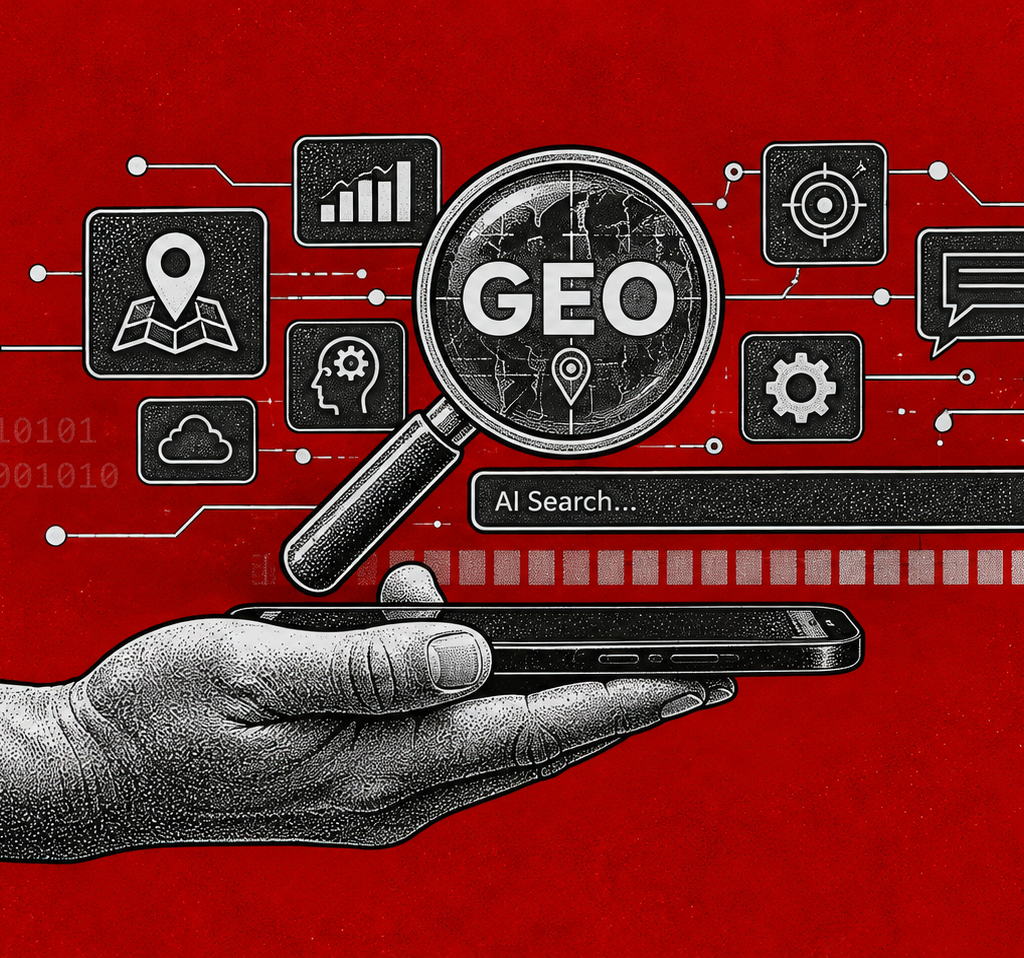
There isn’t a magic GEO checklist that guarantees your brand will appear in every AI answer.
In fact, Google warns against chasing supposed AI-search “hacks” and emphasises valuable, original content instead.
However, brands can build a stronger foundation for AI search visibility.
1. Create Original, Expert-Led Content
AI systems have access to enormous amounts of information.
So why would they need another generic article saying:
“10 Digital Marketing Tips for Businesses”?
They don’t.
Brands need to create content that offers something distinctive.
That could be:
- Original research
- First-hand insights
- Expert opinions
- Case studies
- Proprietary data
- Unique perspectives
- Industry analysis
- Real examples
Google’s current guidance specifically recommends creating unique, useful, non-commodity content rather than simply rewriting information that already exists online.
The takeaway?
Don’t create more content. Create more valuable content.
2. Answer Real Questions
AI search is fundamentally conversational.
People don’t always search using short keywords anymore.
They ask complete questions.
Instead of:
“social media marketing agency Mumbai”
someone might ask:
“What should a Mumbai brand look for when choosing a social media marketing agency?”
Your content should anticipate those questions.
Create dedicated sections that clearly answer:
- What is it?
- Why does it matter?
- How does it work?
- Who is it for?
- What are the benefits?
- What are the limitations?
- How much does it cost?
- What should you consider before choosing it?
This makes your content useful to humans while also creating clear, structured information for search systems.
3. Build Topical Authority
One article rarely establishes expertise.
Imagine a digital marketing agency publishing one article about influencer marketing.
Now imagine that same agency publishing a complete knowledge ecosystem covering:
- Influencer marketing
- Creator strategy
- UGC
- Creator-led commerce
- Social media strategy
- Influencer measurement
- Campaign optimisation
- Creator selection
- Social commerce
The second brand demonstrates much deeper topical knowledge.
This is why brands should think in terms of content ecosystems, not isolated blog posts.
4. Make Your Brand Easy to Understand
AI systems need to understand entities and relationships.
Your website should make basic information extremely clear.
Who are you?
What do you do?
Who do you serve?
Where are you based?
What industries do you specialise in?
What services do you offer?
Who are your experts?
What work have you done?
Consistency matters.
Your brand name, services, descriptions and key information should not contradict themselves across different platforms.
Clarity builds discoverability.
5. Strengthen Your Digital Authority
A brand shouldn’t rely entirely on its own website to establish credibility.
Third-party signals matter because AI search experiences can draw information from across the web.
Think about where your brand appears outside its own channels.
Are you mentioned in relevant publications?
Do customers review you?
Are your experts quoted?
Are your campaigns discussed?
Are your founders contributing to industry conversations?
Are credible websites referencing your work?
This isn’t about generating artificial mentions.
Google explicitly cautions against pursuing inauthentic mentions simply to influence AI-generated answers.
The goal is real authority, not manufactured authority.
6. Structure Content Clearly
Good structure helps both people and machines understand information.
Use:
- Clear H1 and H2 headings
- Short paragraphs
- Descriptive subheadings
- Lists where appropriate
- Tables for comparisons
- FAQs
- Clear definitions
- Supporting examples
But don’t over-engineer your content for AI.
Google says there is no requirement to break content into tiny pieces or rewrite content in a special format specifically for generative AI.
Write clearly because humans deserve clear content first.
7. Keep Your Information Fresh
AI search is increasingly being used for questions where freshness matters.
Consider queries around:
- Current trends
- Prices
- Product features
- Industry statistics
- Regulations
- Market developments
- New technologies
Outdated information can hurt credibility.
Review important pages regularly and update statistics, examples, links and claims when necessary.
What About Keywords?
Keywords aren’t disappearing.
But the way we think about them needs to evolve.
Traditional SEO often starts with:
“What keyword should we rank for?”
GEO encourages a broader question:
“What questions is our audience asking?”
For example, instead of creating five separate articles around slightly different versions of:
“best digital marketing agency”
you might create a comprehensive resource answering:
“How to choose the right digital marketing agency for your brand.”
That resource can naturally address services, pricing, expertise, industries, campaign strategy, measurement and selection criteria.
You’re still using keywords.
You’re simply putting intent before keywords.
GEO Is Not About “Tricking” AI
As GEO becomes more popular, marketers are naturally looking for shortcuts.
But trying to manipulate AI systems with keyword stuffing, artificial mentions or low-quality mass-produced content is unlikely to create sustainable visibility.
Google’s current guidance specifically advises against creating large quantities of pages simply to manipulate rankings or generative AI responses.
The better approach is surprisingly familiar:
Be useful. Be credible. Be original. Be clear.
The difference is that now those principles matter across a much broader search ecosystem.
How Should Brands Measure GEO?

Traditional SEO gives marketers familiar metrics:
- Rankings
- Organic traffic
- Click-through rate
- Backlinks
- Conversions
GEO introduces another layer.
Brands can start monitoring:
- How frequently they appear in AI-generated answers
- Whether AI platforms mention the brand for relevant queries
- What descriptions are being used
- Which competitors are being recommended
- Which sources are being cited
- Whether brand information is accurate
- Referral traffic from AI platforms
Google also provides a Generative AI performance report in Search Console to help site owners understand how their content performs in Google’s generative AI experiences.
The important thing is to treat AI visibility as an additional discovery channel, not a replacement for existing SEO measurement.
The Biggest Mistake Brands Can Make
The biggest mistake isn’t ignoring GEO.
It’s treating GEO as a completely separate marketing discipline.
Your website, SEO, PR, social media, content marketing, influencer strategy and brand communications all contribute to your digital footprint.
If your website says one thing, your LinkedIn says another and third-party websites contain outdated information, you’re creating a fragmented brand presence.
The future of search rewards brands that are consistent across the ecosystem.
SEO Isn’t Dead. It’s Evolving.
Every major change in search creates the same question:
“Is SEO dead?”
We’ve heard it with social media.
We’ve heard it with voice search.
Now we’re hearing it with AI.
But the fundamentals remain remarkably consistent.
People still need useful information.
Search systems still need reliable sources.
Brands still need authority.
Websites still need to be discoverable.
What’s changing is how people consume the information once they find it.
Google’s current position is particularly important here: AI search still relies on core Search ranking and quality systems, meaning foundational SEO remains relevant.
So the future isn’t:
SEO → GEO
It’s:
SEO + GEO + Social Search + Brand Authority
The Future Belongs to the Most Discoverable Brands

Search is becoming less about a single results page and more about an interconnected digital ecosystem.
A customer might discover your brand through Google.
Ask an AI tool about you.
Watch your Instagram content.
Read a review.
See a creator recommendation.
Then visit your website.
Every one of those touchpoints contributes to the decision.
That means brands need to stop thinking only about where they rank and start thinking about how they are represented across the internet.
Because in the age of AI search, being visible isn’t enough.
Your brand needs to be understandable, credible and worth recommending.
That’s the real opportunity behind GEO.