The customer journey is changing.
For years, marketers have designed journeys around a familiar sequence: discover → research → compare → purchase → retain. Brands used search ads, social media, websites, email and retargeting to influence consumers at each stage.
AI agents are beginning to change that model.
Instead of simply giving consumers information, AI agents can increasingly search, compare, recommend, monitor, personalise and take actions on their behalf. Google, for example, is introducing agentic capabilities into Search, while its commerce ecosystem is being built to support AI-assisted shopping and checkout. OpenAI has also expanded product discovery in ChatGPT, allowing users to explore and compare products conversationally.
This creates a new challenge for marketers:
What happens when the customer is no longer making every decision themselves?
The answer is not that marketing becomes irrelevant. Instead, the role of marketing is shifting from influencing every individual click to making sure your brand, product, content and customer experience are understandable and trustworthy to both people and AI systems.
What Are AI Agents?
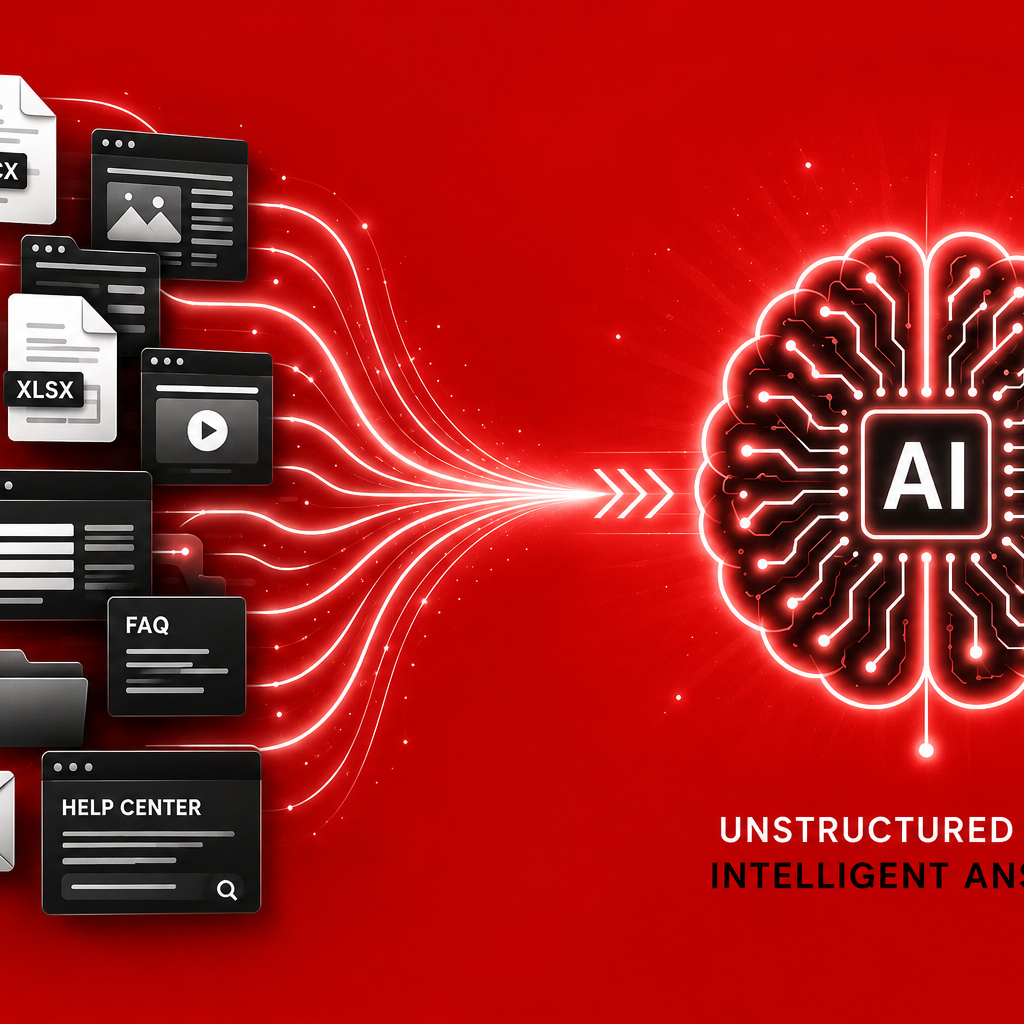
An AI agent is more than a chatbot that answers questions.
Traditional AI tools generally respond to a prompt. AI agents are designed to take a series of actions toward a goal, sometimes working across multiple systems or steps.
For example, imagine someone telling an AI agent:
“Find me a comfortable pair of running shoes under ₹10,000, compare the options and help me choose one.”
A traditional search experience might return pages of results.
An AI agent could potentially:
- Understand the person’s requirements.
- Search multiple sources.
- Compare products.
- Consider reviews and specifications.
- Narrow down suitable options.
- Recommend products.
- Potentially assist with the purchase.
Google is already developing agentic shopping infrastructure, including its Universal Commerce Protocol and Universal Cart, while ChatGPT is expanding conversational product discovery and comparison.
The important distinction is simple:
Search helps people find information. Agents can help people get things done.
How AI Agents Could Change the Customer Journey
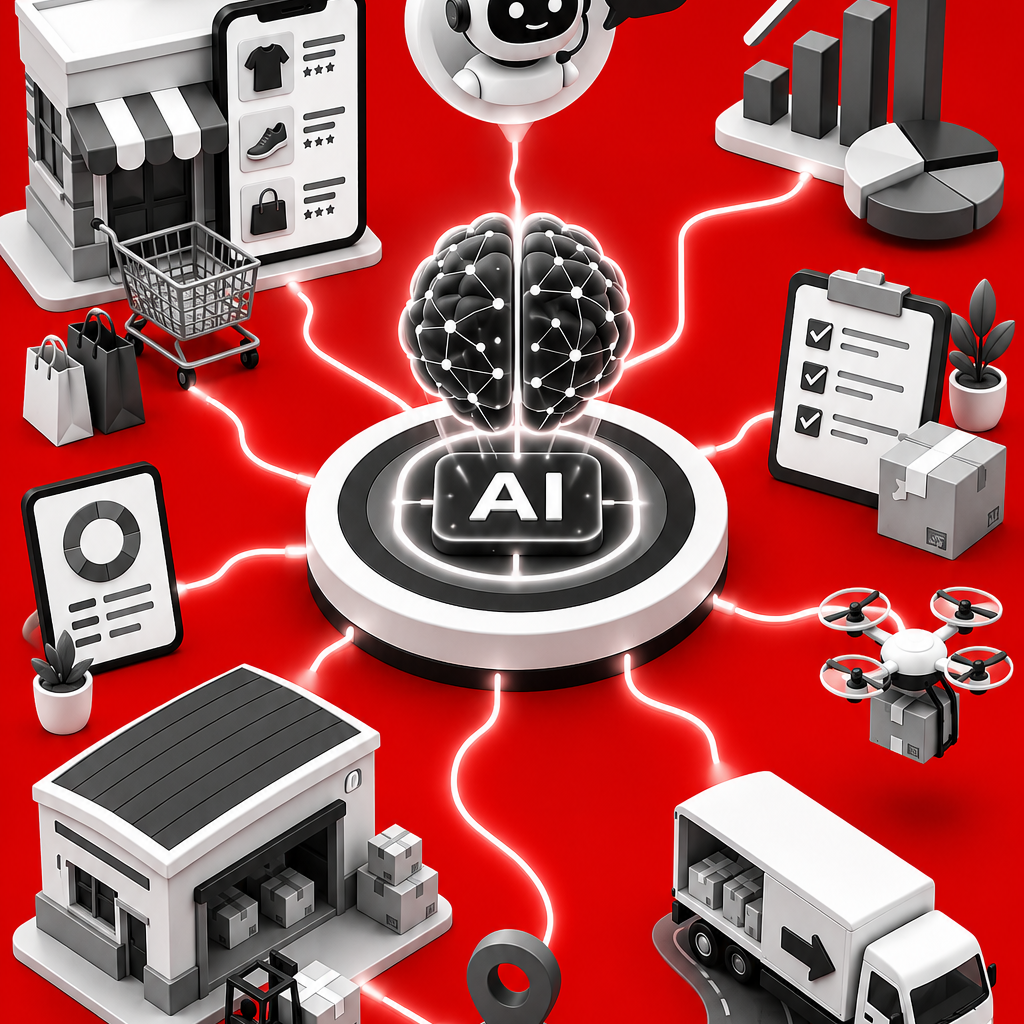
The traditional customer journey assumes that consumers actively move from one touchpoint to another.
AI agents could make that journey more automated.
Traditional Journey
Ad → Website → Search → Reviews → Comparison → Product Page → Checkout
Agentic Journey
Need → AI Agent → Research → Recommendation → Action
That doesn’t mean websites, advertising or social media disappear. Instead, the agent may become another layer between the consumer and the brand.
This has major implications for digital marketing.
1. Discovery Could Become More Conversational
Consumers are already moving beyond short keyword searches.
Instead of searching:
“Best coffee machines Mumbai”
a user might ask:
“I’m looking for a compact coffee machine for a small apartment in Mumbai. I drink two cups a day, want something easy to clean and have a budget of ₹15,000. What should I consider?”
AI search experiences are designed to handle these longer, more contextual queries. Google says its newer Search experiences allow users to ask complex questions and continue conversations while maintaining context.
For marketers, this means keyword matching alone is no longer enough.
Brands need content that answers the underlying questions customers have.
2. AI Agents May Become the New Product Researchers

Think about how consumers currently shop.
They might:
- Search Google
- Watch YouTube reviews
- Check Instagram
- Read Reddit discussions
- Visit brand websites
- Compare prices
- Read customer reviews
- Open multiple product pages
An AI agent can potentially bring several of these research steps together.
OpenAI’s product discovery experience in ChatGPT, for example, allows users to explore products, compare options and receive up-to-date information within a conversational interface.
That creates a new marketing question:
If an AI agent is doing the research, will your brand be one of the options it considers?
3. Brand Visibility May Become AI Visibility
SEO has traditionally focused on getting your website to appear prominently in search results.
AI search introduces another layer:
Will AI systems understand, trust and mention your brand when answering relevant questions?
This is why concepts such as AI SEO, Generative Engine Optimisation (GEO) and AI search visibility are becoming increasingly important.
Brands need to think beyond:
“How do I rank for this keyword?”
and start thinking about:
“How can my brand become a useful, credible answer to this customer’s problem?”
That requires strong fundamentals:
- Useful original content
- Clear product information
- Accurate business details
- Strong brand authority
- Relevant reviews and mentions
- Structured product data
- Consistent information across platforms
- A technically accessible website
4. The Product Feed Could Become as Important as the Product Page
In traditional e-commerce, marketers spend significant effort optimising product pages.
In an agentic commerce environment, machine-readable product information becomes increasingly important.
AI systems need to understand things such as:
- What the product is
- Who it is for
- Price
- Availability
- Features
- Sizes and variants
- Delivery information
- Return policies
- Reviews
- Promotions
Google is introducing tools and data attributes intended to help products appear across conversational AI surfaces. Its 2026 commerce initiatives also include infrastructure designed to help AI agents interact with merchants.
For marketers, product data is no longer just an e-commerce operations issue.
It is becoming part of discoverability.
5. The Funnel Could Become Less Linear
The traditional marketing funnel looks something like:
Awareness → Consideration → Conversion → Loyalty
AI agents can blur these stages.
A consumer might start with a vague need, ask an AI agent for recommendations, compare several brands and move toward a transaction without visiting every brand’s website.
This means the journey can become:
Question → Research → Recommendation → Action
with AI assisting throughout.
Google’s 2026 marketing developments reflect this shift, with AI tools designed to connect discovery, consideration and conversion more closely within Search and commerce experiences.
6. Customer Experience Will Become More Important

Here’s an important consequence:
AI agents can make poor customer experiences easier to discover.
If your website has confusing pricing, inconsistent product information, unclear policies or difficult checkout processes, an AI system may struggle to confidently recommend or transact with your business.
On the other hand, brands with:
- Clear information
- Reliable inventory
- Transparent pricing
- Strong customer support
- Easy checkout
- Useful content
can create a smoother experience for both customers and AI systems.
Marketing and customer experience therefore become even more closely connected.
What Happens to Advertising?
Advertising isn’t disappearing.
But the advertising environment may change.
Instead of simply presenting an ad and hoping a consumer clicks, brands may increasingly compete to become relevant recommendations within AI-assisted experiences.
Google has already announced AI-powered advertising formats designed to connect conversational Search experiences with commercial decisions. It has also introduced Business Agent for Leads in India, allowing potential customers to interact with an AI agent associated with an advertiser.
This could shift the role of advertising from:
“Get the click.”
to:
“Be relevant when the decision is being made.”
AI Agents Will Not Replace Marketing. They Will Change What Marketers Optimise For.
The biggest mistake marketers can make is treating AI agents as simply another content trend.
They represent a broader change in how consumers may interact with businesses.
Marketers have historically optimised for:
- Impressions
- Clicks
- Rankings
- Website visits
- Leads
- Conversions
These metrics will continue to matter.
But marketers will increasingly need to think about:
- AI visibility
- Brand mentions in AI-generated answers
- Product discoverability
- Recommendation relevance
- Content authority
- Data quality
- Conversational conversion
- Customer experience
The objective isn’t simply to rank first.
It is to make your brand easy to understand, easy to trust and easy to choose.
7 Ways Brands Can Prepare for the Agentic Customer Journey
1. Build Content Around Customer Questions
Don’t create content only around keywords.
Build resources around real questions customers ask before purchasing.
For example:
Instead of:
“Running Shoes | Brand X”
create supporting content around:
- Which running shoes are best for beginners?
- What running shoes are suitable for flat feet?
- How should running shoes fit?
- How often should running shoes be replaced?
This gives AI systems more useful information to work with while also helping human customers.
2. Strengthen Your First-Party Data
Your website should clearly communicate what your business offers.
Make sure your:
- Product information
- Pricing
- FAQs
- Reviews
- Contact information
- Policies
- Availability
- Service details
are accurate and regularly updated.
In an AI-first environment, bad information can become bad recommendations.
3. Think Beyond Google
AI-driven discovery is expanding across different platforms.
Consumers may encounter brands through:
- Google AI experiences
- ChatGPT
- YouTube
- Social platforms
- Retail platforms
- Brand websites
- AI-powered shopping experiences
Google’s own 2026 developments show AI becoming integrated across Search, YouTube, advertising and commerce rather than existing as a standalone feature.
Your brand therefore needs a multi-platform discovery strategy.
4. Make Your Website AI-Friendly
Technical SEO still matters.
Focus on:
- Crawlability
- Structured data
- Fast loading
- Mobile usability
- Clear site architecture
- Descriptive product information
- Internal linking
- Accessible content
The goal is simple:
Make it easy for both people and machines to understand your website.
5. Invest in Original Content
AI can generate generic information at scale.
That makes genuinely useful content more valuable.
Create content based on:
- Original research
- Expert insights
- Customer experiences
- Case studies
- Data
- Demonstrations
- Unique brand perspectives
Your content should give AI systems and human readers a reason to consider your brand authoritative.
6. Optimise for the Entire Customer Experience
Don’t stop at SEO.
Look at the full journey:
Discovery → Research → Comparison → Purchase → Support → Retention
Ask:
- Is our information easy to understand?
- Can customers quickly compare products?
- Are our policies clear?
- Is our checkout simple?
- Can customers get answers quickly?
- Is our brand information consistent?
AI may bring customers to your business faster.
7. Start Experimenting With AI Agents Internally
The agentic shift isn’t only happening on the customer side.
Marketers themselves can use AI agents for tasks such as:
- Campaign analysis
- Competitor monitoring
- Keyword research
- Content research
- Reporting
- Lead qualification
- Customer support
- Data analysis
- Campaign optimisation
Google’s Ask Advisor, for example, is designed to connect marketing data across products such as Google Ads and Analytics and provide proactive recommendations.
The future marketer may therefore work with a team of AI agents, rather than simply using AI as a writing tool.
The Future Customer Journey May Be Agentic
The next major shift in digital marketing isn’t simply from search engines to AI search.
It is from searching to delegating.
Consumers may increasingly tell AI what they want and allow agents to handle parts of the research, comparison and transaction process.
For brands, this creates a new challenge.
You aren’t only competing for the customer’s attention anymore.
You may also be competing to become the recommendation an AI agent makes on the customer’s behalf.
That makes strong SEO, original content, reliable data, brand authority and excellent customer experience more important, not less.
The brands that prepare for this shift won’t just ask:
“How do we get more clicks?”
They’ll ask:
“How do we become the brand AI can confidently recommend?”
And that could become one of the most important marketing questions of the agentic era.