Every business owner faces the same question at some point: How much should businesses spend on advertising?
Spend too little, and your brand may struggle to attract customers. Spend too much without a strategy, and your return on investment (ROI) can suffer. Finding the right advertising budget is essential for sustainable growth.
In this guide, we’ll break down industry benchmarks, factors that influence advertising costs, and how businesses can determine the ideal budget for maximum results.
Why Advertising Budget Matters
Advertising is not an expense—it’s an investment in business growth. A well-planned advertising budget helps businesses:
- Increase brand awareness
- Generate qualified leads
- Boost sales and revenue
- Stay competitive in the market
- Build long-term customer relationships
Businesses that consistently invest in strategic advertising often achieve faster growth than those relying solely on organic methods.
How Much Should Businesses Spend on Advertising?
According to industry benchmarks, most businesses spend 5% to 15% of their annual revenue on marketing and advertising.
A general guideline is:
- Small businesses: 7%–10% of revenue
- Growing businesses: 10%–12% of revenue
- Highly competitive industries: 12%–20% or more
For example:
- A business earning ₹50 lakh annually may allocate ₹3.5 lakh to ₹5 lakh toward advertising.
- A company generating ₹5 crore in revenue may invest ₹35 lakh or more depending on growth goals.
The ideal budget depends on your business objectives, competition, and customer acquisition costs.
Factors That Determine Advertising Spend
1. Business Goals
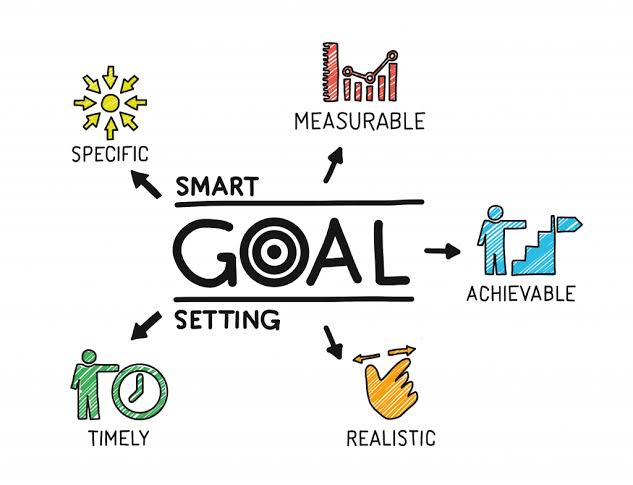
Your advertising budget should align with your goals.
If your objective is rapid expansion, launching a new product, or entering a new market, you may need a larger advertising investment compared to businesses focusing only on retention.
2. Industry Competition

Industries like real estate, finance, healthcare, and e-commerce generally require higher advertising budgets because customer acquisition costs are significantly higher.
More competition usually means higher costs for paid campaigns.
3. Business Stage

New businesses often need to invest aggressively in advertising to build awareness and attract their first customers.
Established brands may spend relatively less as they already have brand recognition and repeat customers.
4. Marketing Channels
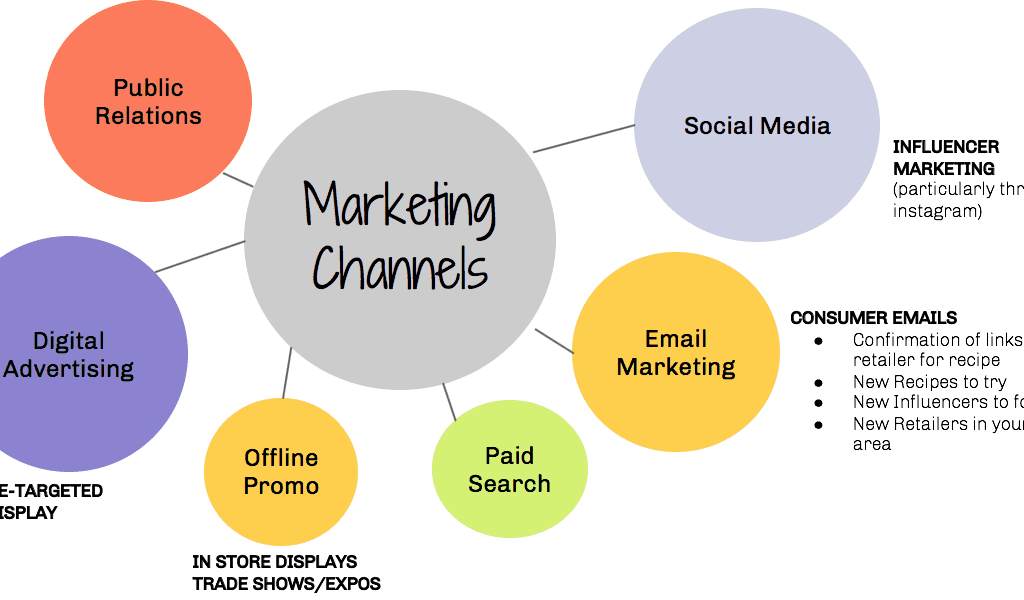
Advertising costs vary depending on the channels used:
- Google Ads
- Social Media Advertising
- Influencer Marketing
- SEO and Content Marketing
- Video Advertising
- Email Marketing
A balanced mix of paid and organic strategies usually delivers the best long-term results.
Recommended Advertising Budget by Business Size
Small Businesses

Small businesses should allocate approximately 7% to 10% of annual revenue toward marketing and advertising.
The focus should be on:
- Local SEO
- Social media ads
- Lead generation campaigns
- Content marketing
Medium-Sized Businesses

Growing companies often spend 10% to 15% of revenue to increase market share and scale customer acquisition.
Investment areas include:
- Performance marketing
- Brand awareness campaigns
- Marketing automation
- Video marketing
Large Enterprises

Large businesses may spend millions on advertising campaigns to maintain market leadership and expand into new markets.
Their budgets are typically distributed across multiple channels and regions.
How to Calculate Your Advertising Budget
A simple formula is:
Advertising Budget = Annual Revenue × Desired Marketing Percentage
Example:
Annual Revenue = ₹1 Crore
Marketing Percentage = 10%
Advertising Budget = ₹10 Lakhs annually.
This budget can then be divided monthly and allocated across different channels.
Signs You’re Spending Too Little on Advertising
You may need to increase your advertising budget if:
- Lead generation has slowed down
- Website traffic is declining
- Competitors are dominating search results
- Customer acquisition has become difficult
- Brand awareness is low
Underinvesting in advertising often limits business growth opportunities.
Signs You’re Overspending
Businesses should also avoid spending excessively without measuring results.
Warning signs include:
- High ad spend with low conversions
- Poor return on ad spend (ROAS)
- Increasing cost per lead
- Lack of campaign optimization
The key is not simply spending more—but spending smarter.
How to Maximize Advertising ROI
To get the most from your advertising budget:
Focus on Performance Marketing
Track every click, lead, and conversion to understand what drives results.
Invest in SEO
SEO provides long-term visibility and reduces dependence on paid advertising.
Use Data Analytics
Analyze campaign performance regularly and optimize budgets accordingly.
Test and Scale
Start with smaller campaigns, identify winning strategies, and gradually increase investment.
Why Partnering With a Digital Marketing Agency Helps
Managing advertising budgets effectively requires expertise, data analysis, and continuous optimization.
At Spectra Digital Agency, we help businesses create customized advertising strategies that maximize ROI while keeping costs under control.
From performance marketing and SEO to social media advertising and lead generation, our team ensures every marketing rupee delivers measurable results.
Final Thoughts
So, how much should businesses spend on advertising?
The answer depends on your industry, business goals, and growth stage. However, most businesses should allocate 7% to 15% of annual revenue toward advertising and marketing efforts.
The real success lies in strategic spending, continuous optimization, and choosing the right marketing channels.
If you’re looking to scale your business with data-driven advertising strategies, Spectra Digital Agency can help you build a budget that delivers sustainable growth and higher ROI.