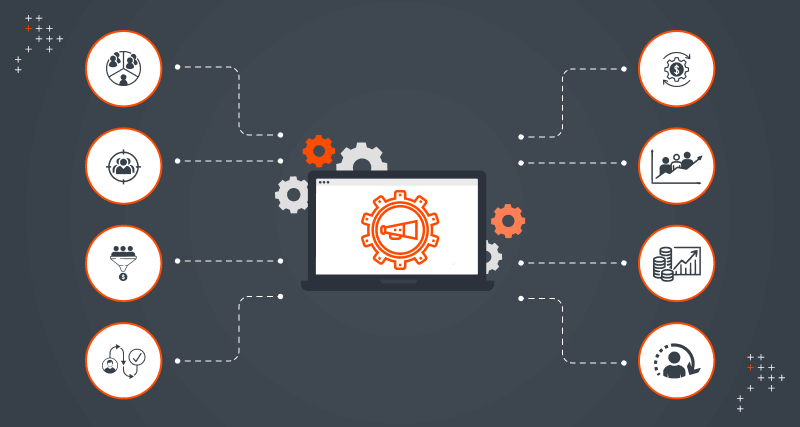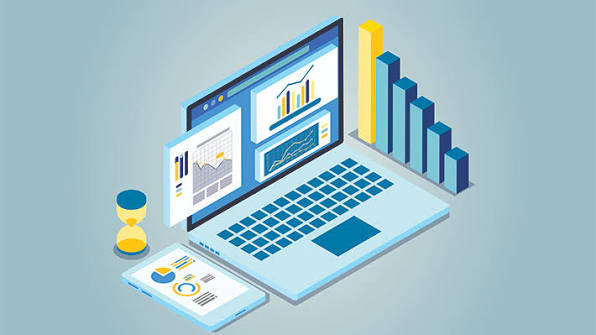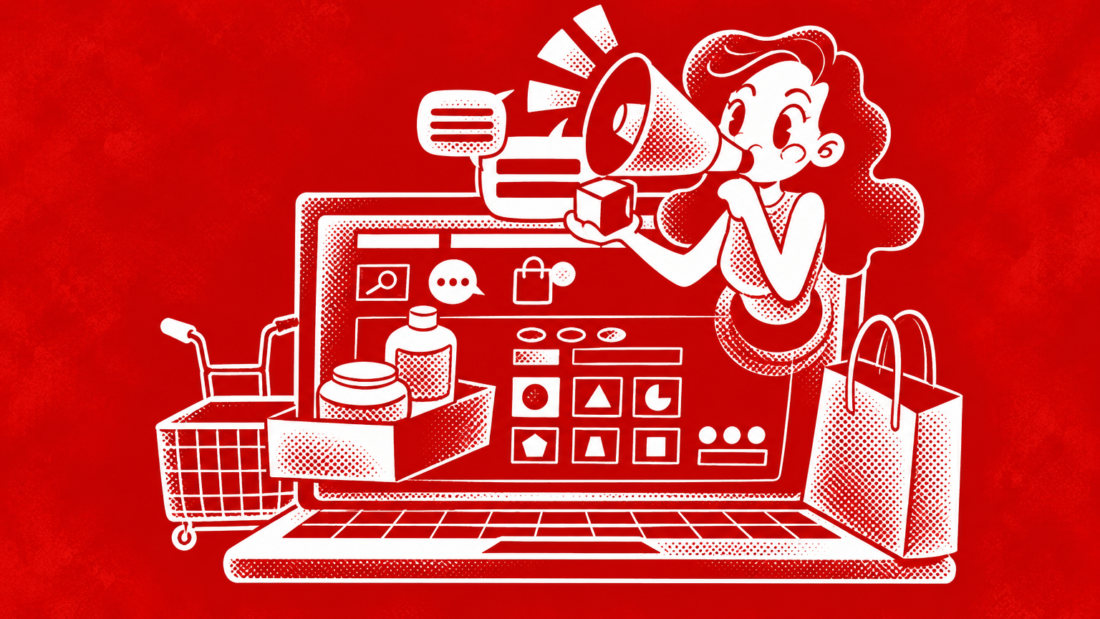
AI in digital marketing

How AI Is Changing Digital Marketing in 2026: Powerful Trends Businesses Must Know

Artificial Intelligence (AI) is no longer a futuristic concept—it has become a major force driving innovation in the marketing industry. Businesses across the world are using AI to automate tasks, improve customer experiences, and make smarter marketing decisions.

So, how AI is changing digital marketing in 2026 is one of the most important questions businesses should understand to stay competitive.

From personalized customer experiences to predictive analytics and AI-powered content creation, artificial intelligence is transforming the way brands connect with their audiences. In this blog, Spectra Digital explores the biggest ways AI is reshaping digital marketing in 2026.

Why AI Matters in Digital Marketing

Digital marketing has become increasingly data-driven. Businesses now need to analyze massive amounts of information, understand customer behavior, and deliver personalized experiences across multiple channels.


AI helps marketers by:

  • Automating repetitive tasks
  • Improving campaign performance
  • Delivering personalized customer experiences
  • Enhancing decision-making through data analysis
  • Increasing marketing efficiency and ROI

As competition grows, AI is becoming an essential tool rather than an optional technology.

How AI Is Changing Digital Marketing in 2026

AI Is Changing Digital Marketing

1. Hyper-Personalized Customer Experiences

Personalization has become one of the biggest factors influencing customer decisions.

AI can analyze user behavior, browsing patterns, purchase history, and engagement data to deliver highly personalized experiences.

Businesses are now using AI to:

  • Recommend products based on customer interests
  • Deliver personalized email campaigns
  • Show customized website content
  • Create targeted advertising campaigns

Personalized experiences help businesses improve customer satisfaction and increase conversions.

2. AI-Powered Content Creation

image

Content marketing continues to play a major role in digital success, and AI tools are helping marketers create content faster and more efficiently.

AI is assisting businesses with:

  • Blog topic generation
  • Content research
  • Social media captions
  • Email copywriting
  • Content optimization

However, human creativity remains essential. The most successful brands use AI to improve productivity while maintaining authenticity and brand voice.

3. Smarter SEO Strategies

image

Search engine optimization is evolving rapidly because of AI.

Search engines are becoming better at understanding user intent, context, and content quality.

In 2026, AI is helping marketers:

  • Identify keyword opportunities
  • Analyze competitor strategies
  • Optimize content for search intent
  • Improve technical SEO
  • Predict search trends

Businesses that combine AI insights with high-quality content are likely to achieve stronger search engine rankings.

4. Advanced Predictive Analytics

image

One of the biggest advantages of AI is its ability to predict future behavior.

Predictive analytics allows businesses to:

  • Forecast customer demand
  • Identify potential leads
  • Predict purchasing behavior
  • Improve customer retention strategies

By analyzing historical data, AI helps marketers make better decisions and allocate budgets more effectively.

5. AI in Performance Marketing

Performance marketing has become increasingly data-driven, and AI is making advertising campaigns more efficient.

AI can automatically:

  • Optimize bidding strategies
  • Improve audience targeting
  • Analyze campaign performance
  • Allocate budgets efficiently
  • Increase return on ad spend (ROAS)

Platforms like Google Ads and social media advertising systems increasingly rely on machine learning algorithms to improve campaign performance.

6. AI Chatbots and Customer Support

image

Customer expectations continue to rise, and businesses need to provide instant support.

AI-powered chatbots help companies:

  • Answer customer queries 24/7
  • Generate leads automatically
  • Improve response times
  • Enhance customer experience

Modern AI chatbots can understand user intent better than ever, making customer interactions more natural and efficient.

7. Better Audience Targeting

image

Finding the right audience is critical for marketing success.

AI can analyze large datasets and identify users who are most likely to convert.

This allows businesses to:

  • Reduce wasted ad spend
  • Increase campaign efficiency
  • Improve lead quality
  • Achieve higher conversion rates

Smarter targeting leads to better marketing outcomes and stronger ROI.

8. Enhanced Marketing Automation

image

Marketing automation has evolved significantly with AI integration.

Businesses can now automate:

  • Email campaigns
  • Customer segmentation
  • Lead nurturing workflows
  • Social media scheduling
  • Reporting and analytics

AI helps marketers save time while ensuring more relevant and personalized communication.

9. Voice Search and Conversational Marketing

image

Voice search continues to grow as more consumers use smart devices and voice assistants.

AI is helping businesses optimize for:

  • Conversational search queries
  • Natural language keywords
  • Voice-based customer interactions

Brands that adapt to conversational search trends can gain a competitive advantage in search visibility.

10. Data-Driven Decision Making

image

One of the biggest ways AI is changing digital marketing in 2026 is through smarter decision-making.

AI enables businesses to:

  • Analyze customer behavior in real time
  • Understand campaign performance instantly
  • Identify new market opportunities
  • Make faster strategic decisions

Data-driven marketing reduces guesswork and improves business outcomes.

Challenges of Using AI in Digital Marketing

Although AI offers numerous benefits, businesses should also be aware of potential challenges.

These include:

  • Maintaining content authenticity
  • Protecting customer privacy
  • Managing data quality
  • Avoiding over-automation
  • Ensuring human creativity remains part of marketing strategies

AI should support marketers, not replace strategic thinking and creativity.

Future of AI in Digital Marketing

image

The role of AI in marketing will continue to expand in the coming years.

Businesses can expect:

  • More advanced personalization
  • Improved predictive analytics
  • Greater automation capabilities
  • Better customer insights
  • Increased efficiency across marketing channels

Companies that embrace AI early will be better positioned to stay ahead of competitors.

How Spectra Digital Helps Businesses Leverage AI

At Spectra Digital, we combine AI-driven insights with human creativity to build effective digital marketing strategies.

Our services include:

  • AI-powered performance marketing
  • SEO and content optimization
  • Data-driven advertising strategies
  • Website optimization
  • Lead generation campaigns

We help businesses use the latest technologies to improve efficiency, increase conversions, and achieve sustainable growth.

Final Thoughts

Understanding how AI is changing digital marketing in 2026 is essential for businesses that want to remain competitive in an increasingly digital world.

Artificial intelligence is transforming SEO, advertising, content creation, personalization, and customer engagement. Businesses that successfully integrate AI into their marketing strategies can improve efficiency, enhance customer experiences, and maximize ROI.

As AI continues to evolve, companies that embrace innovation and adapt quickly will gain a significant competitive advantage.

If you’re looking to implement AI-driven marketing strategies, Spectra Digital can help your business stay ahead in the rapidly changing digital landscape.

"How much should businesses spend on advertising budget guide by Spectra Digital Agency"

How Much Should Businesses Spend on Advertising in 2026? Avoid Costly Budget Mistakes

Every business owner faces the same question at some point: How much should businesses spend on advertising?

Spend too little, and your brand may struggle to attract customers. Spend too much without a strategy, and your return on investment (ROI) can suffer. Finding the right advertising budget is essential for sustainable growth.

In this guide, we’ll break down industry benchmarks, factors that influence advertising costs, and how businesses can determine the ideal budget for maximum results.

Why Advertising Budget Matters

Advertising is not an expense—it’s an investment in business growth. A well-planned advertising budget helps businesses:

  • Increase brand awareness
  • Generate qualified leads
  • Boost sales and revenue
  • Stay competitive in the market
  • Build long-term customer relationships

Businesses that consistently invest in strategic advertising often achieve faster growth than those relying solely on organic methods.

How Much Should Businesses Spend on Advertising?

According to industry benchmarks, most businesses spend 5% to 15% of their annual revenue on marketing and advertising.

A general guideline is:

  • Small businesses: 7%–10% of revenue
  • Growing businesses: 10%–12% of revenue
  • Highly competitive industries: 12%–20% or more

For example:

  • A business earning ₹50 lakh annually may allocate ₹3.5 lakh to ₹5 lakh toward advertising.
  • A company generating ₹5 crore in revenue may invest ₹35 lakh or more depending on growth goals.

The ideal budget depends on your business objectives, competition, and customer acquisition costs.

Factors That Determine Advertising Spend

1. Business Goals

image

Your advertising budget should align with your goals.

If your objective is rapid expansion, launching a new product, or entering a new market, you may need a larger advertising investment compared to businesses focusing only on retention.

2. Industry Competition

image

Industries like real estate, finance, healthcare, and e-commerce generally require higher advertising budgets because customer acquisition costs are significantly higher.

More competition usually means higher costs for paid campaigns.

3. Business Stage

image

New businesses often need to invest aggressively in advertising to build awareness and attract their first customers.

Established brands may spend relatively less as they already have brand recognition and repeat customers.

4. Marketing Channels

image

Advertising costs vary depending on the channels used:

  • Google Ads
  • Social Media Advertising
  • Influencer Marketing
  • SEO and Content Marketing
  • Video Advertising
  • Email Marketing

A balanced mix of paid and organic strategies usually delivers the best long-term results.

Recommended Advertising Budget by Business Size

Small Businesses

image

Small businesses should allocate approximately 7% to 10% of annual revenue toward marketing and advertising.

The focus should be on:

  • Local SEO
  • Social media ads
  • Lead generation campaigns
  • Content marketing

Medium-Sized Businesses

image

Growing companies often spend 10% to 15% of revenue to increase market share and scale customer acquisition.

Investment areas include:

Large Enterprises

image

Large businesses may spend millions on advertising campaigns to maintain market leadership and expand into new markets.

Their budgets are typically distributed across multiple channels and regions.

How to Calculate Your Advertising Budget

A simple formula is:

Advertising Budget = Annual Revenue × Desired Marketing Percentage

Example:

Annual Revenue = ₹1 Crore

Marketing Percentage = 10%

Advertising Budget = ₹10 Lakhs annually.

This budget can then be divided monthly and allocated across different channels.

Signs You’re Spending Too Little on Advertising

You may need to increase your advertising budget if:

  • Lead generation has slowed down
  • Website traffic is declining
  • Competitors are dominating search results
  • Customer acquisition has become difficult
  • Brand awareness is low

Underinvesting in advertising often limits business growth opportunities.

Signs You’re Overspending

Businesses should also avoid spending excessively without measuring results.

Warning signs include:

  • High ad spend with low conversions
  • Poor return on ad spend (ROAS)
  • Increasing cost per lead
  • Lack of campaign optimization

The key is not simply spending more—but spending smarter.

How to Maximize Advertising ROI

To get the most from your advertising budget:

Focus on Performance Marketing

Track every click, lead, and conversion to understand what drives results.

Invest in SEO

SEO provides long-term visibility and reduces dependence on paid advertising.

Use Data Analytics

Analyze campaign performance regularly and optimize budgets accordingly.

Test and Scale

Start with smaller campaigns, identify winning strategies, and gradually increase investment.

Why Partnering With a Digital Marketing Agency Helps

Managing advertising budgets effectively requires expertise, data analysis, and continuous optimization.

At Spectra Digital Agency, we help businesses create customized advertising strategies that maximize ROI while keeping costs under control.

From performance marketing and SEO to social media advertising and lead generation, our team ensures every marketing rupee delivers measurable results.

Final Thoughts

So, how much should businesses spend on advertising?

The answer depends on your industry, business goals, and growth stage. However, most businesses should allocate 7% to 15% of annual revenue toward advertising and marketing efforts.

The real success lies in strategic spending, continuous optimization, and choosing the right marketing channels.

If you’re looking to scale your business with data-driven advertising strategies, Spectra Digital Agency can help you build a budget that delivers sustainable growth and higher ROI.

webiste logo

What Makes a High-Converting Website? 10 Essential Elements Every Business Needs

A high-converting website doesn’t just attract visitors—it turns them into leads, customers, and loyal clients. Whether your goal is generating inquiries, increasing sales, or building brand awareness, your website plays a major role in your business growth.

At Spectra Digital, we help businesses create websites that are not only visually appealing but also designed to deliver measurable results. Let’s explore the essential elements that make a website convert effectively.

What Makes a High-Converting Website?

A high-converting website is designed with the user journey in mind. It guides visitors toward taking specific actions such as filling out a form, booking a consultation, making a purchase, or contacting your business.

The most successful websites combine excellent design, clear messaging, and data-driven optimization to maximize conversions.

1. Clear Value Proposition

Visitors decide within a few seconds whether they want to stay on your website or leave.

Your homepage should immediately answer:

  • Who are you?
  • What do you offer?
  • Why should customers choose you?

A strong headline and concise messaging help visitors understand the value your business provides.

Example:

“Helping Businesses Grow Through Data-Driven Digital Marketing Solutions.”

A clear value proposition builds trust and encourages users to explore further.

2. Fast Website Loading Speed

image

Website speed directly impacts user experience and conversions.

Studies consistently show that slow websites lead to higher bounce rates and lower conversion rates. Users expect pages to load quickly, especially on mobile devices.

Ways to improve speed include:

  • Optimizing images
  • Using reliable hosting
  • Minimizing unnecessary scripts
  • Implementing caching techniques

A faster website creates a better user experience and increases the chances of conversion.

3. Mobile-Friendly Design

image

A significant portion of website traffic now comes from smartphones and tablets.

If your website is difficult to navigate on mobile devices, potential customers may leave before taking action.

A high-converting website should offer:

  • Responsive layouts
  • Easy navigation
  • Fast mobile loading times
  • Clickable buttons and forms

Mobile optimization is no longer optional—it’s essential.

4. Strong Call-to-Action (CTA)

image

Every page should guide users toward a specific action.

Effective call-to-action buttons include:

  • Get a Free Consultation
  • Request a Quote
  • Contact Our Team
  • Book a Demo

Your CTA should be clear, visible, and strategically placed throughout the website.

5. User-Friendly Navigation

Visitors should be able to find information quickly and easily.

Complicated navigation often frustrates users and increases bounce rates.

A well-structured website typically includes:

  • Simple menus
  • Clear service pages
  • Easy access to contact information
  • Logical page hierarchy

Good navigation improves user experience and supports higher conversion rates.

6. Trust Signals and Social Proof

Trust is one of the biggest factors influencing online conversions.

Including trust-building elements can significantly improve credibility.

Examples include:

  • Client testimonials
  • Google reviews
  • Case studies
  • Industry certifications
  • Awards and recognitions
  • Portfolio examples

Showing real results and customer experiences reassures potential clients.

7. High-Quality Content

image

Content plays a major role in educating visitors and building authority.

A high-converting website should provide valuable information through:

  • Service pages
  • Blog articles
  • FAQs
  • Case studies
  • Educational resources

Quality content also improves SEO and helps attract organic traffic.

8. Effective Lead Capture Forms

Forms should be simple and easy to complete.

Asking for too much information can reduce conversions.

Best practices include:

  • Keeping forms short
  • Asking only essential questions
  • Offering something valuable in return, such as a consultation or downloadable resource

Reducing friction increases the likelihood of form submissions.

9. Search Engine Optimization (SEO)

image

Even the best website cannot generate conversions if people cannot find it.

SEO helps businesses attract qualified traffic from search engines.

Important SEO elements include:

  • Keyword optimization
  • Technical SEO
  • Internal linking
  • High-quality content
  • Optimized meta titles and descriptions

Combining SEO with conversion optimization creates long-term growth opportunities.

10. Continuous Testing and Optimization

High-converting websites are never truly finished.

Successful businesses regularly analyze website performance and optimize based on data.

Areas to test include:

  • Headlines
  • CTA buttons
  • Landing page layouts
  • Images and visuals
  • Form designs

Small improvements can lead to significant increases in conversion rates over time.

Common Mistakes That Reduce Website Conversions

Businesses often struggle with conversions because of:

  • Slow website speed
  • Poor mobile experience
  • Weak messaging
  • Lack of trust signals
  • Confusing navigation
  • Too many distractions
  • Unclear call-to-actions

Avoiding these issues can dramatically improve website performance.

Why a High-Converting Website Matters for Business Growth

image

A well-optimized website helps businesses:

  • Generate more leads
  • Increase sales
  • Improve customer trust
  • Lower customer acquisition costs
  • Achieve better marketing ROI

Your website should work as a 24/7 sales tool that consistently brings value to your business.

How Spectra Digital Helps Businesses Build High-Converting Websites

At Spectra Digital, we specialize in creating websites that combine attractive design, SEO best practices, and conversion-focused strategies.

Our services include:

We focus on building websites that not only look professional but also deliver measurable business results.

Final Thoughts

Understanding what makes a high-converting website is essential for any business looking to grow online.

A successful website combines speed, user experience, trust, compelling content, and strategic calls-to-action to turn visitors into customers.

If your current website isn’t generating the results you expect, it may be time to optimize its design and conversion strategy.

At Spectra Digital, we help businesses create high-performing websites that drive traffic, generate leads, and maximize conversions.

Benefits of Performance Marketing for Businesses with growth analytics, Meta Ads, and Google Ads illustration.

What Are Benefits of Performance Marketing for Businesses? A Complete Guide (2026)

Discover the top benefits of performance marketing for businesses in 2026. Learn how data-driven campaigns help brands increase ROI, generate leads, and drive measurable growth.

In today’s highly competitive digital landscape, businesses can no longer afford to spend marketing budgets without measurable results. This is where performance marketing has become a game-changer. Unlike traditional advertising, performance marketing focuses on outcomes, ensuring brands pay only for specific actions such as clicks, leads, conversions, or sales.

As companies continue to prioritize ROI and data-driven decision-making, performance marketing has emerged as one of the most effective digital marketing strategies in 2026.

In this guide, we’ll explore the major benefits of performance marketing for businesses and why investing in it can accelerate growth and profitability.

Table of Contents

  1. What is Performance Marketing?
  2. Why Businesses Are Adopting Performance Marketing
  3. Top Benefits of Performance Marketing
  4. Performance Marketing Channels
  5. Why Performance Marketing Matters in 2026
  6. Why Choose Spectra Digital
  7. FAQs

What is Performance Marketing?

What is Performance Marketing

Performance marketing is a digital marketing strategy where businesses pay based on measurable results rather than estimated exposure.

These results may include:

  • Website clicks
  • Leads generated
  • App installs
  • Sales conversions
  • Form submissions
  • Customer acquisitions

This results-driven approach allows businesses to optimize campaigns continuously and maximize returns on their marketing investments.

Why Businesses Are Investing More in Performance Marketing

Consumer behavior has changed significantly over the past few years. Businesses now demand transparency, measurable outcomes, and better accountability from their marketing efforts.

Performance marketing provides:

✔ Real-time tracking
✔ Data-driven decision-making
✔ Better budget control
✔ Higher conversion opportunities

As a result, businesses across industries are increasing their investment in performance-driven campaigns.

Top Benefits of Performance Marketing for Businesses

1. Measurable Results and ROI

image

One of the biggest advantages of performance marketing is its ability to provide clear and measurable results.

Businesses can track:

  • Cost Per Click (CPC)
  • Cost Per Lead (CPL)
  • Customer Acquisition Cost (CAC)
  • Return on Ad Spend (ROAS)
  • Conversion Rates

This level of transparency helps brands understand exactly where their money is being spent and what results are being achieved.

2. Cost-Effective Marketing Strategy

image

Traditional advertising often requires large budgets without guaranteed outcomes.

Performance marketing allows businesses to:

  • Pay only for actual results
  • Reduce wasted ad spend
  • Optimize campaigns in real time
  • Improve marketing efficiency

This makes it an excellent strategy for startups, small businesses, and enterprises alike.

3. Better Audience Targeting

image

Modern advertising platforms provide highly advanced targeting options.

Businesses can target audiences based on:

  • Demographics
  • Interests
  • Online behavior
  • Geographic location
  • Purchase intent
  • Device usage

By reaching the right audience, businesses can significantly improve campaign performance and increase conversion rates.

4. Data-Driven Decision Making

image

Performance marketing provides access to valuable customer insights.

Brands can analyze:

  • User behavior
  • Conversion journeys
  • High-performing campaigns
  • Audience preferences
  • Customer engagement metrics

This data enables businesses to make smarter marketing decisions and continuously improve their strategies.

5. Higher Lead Generation and Sales

image

One of the primary goals of performance marketing is generating revenue.

Since campaigns are optimized around conversions, businesses often experience:

  • Increased lead generation
  • Higher website traffic
  • Improved sales performance
  • Better customer acquisition rates

This direct impact on business growth makes performance marketing one of the most effective digital strategies today.

6. Real-Time Campaign Optimization

image

Unlike traditional marketing campaigns that may take weeks or months to evaluate, performance marketing allows immediate adjustments.

Businesses can:

  • Pause underperforming ads
  • Increase budgets on winning campaigns
  • Test different creatives
  • Improve landing pages
  • Optimize targeting strategies

This flexibility significantly improves campaign efficiency and ROI.

7. Scalability and Business Growth

image

Performance marketing campaigns can be easily scaled based on results.

Once a profitable campaign is identified, businesses can:

  • Increase advertising budgets
  • Expand to new markets
  • Launch additional campaigns
  • Reach larger audiences

This scalability supports sustainable business growth.

8. Improved Brand Awareness

image

Although performance marketing focuses heavily on conversions, it also contributes significantly to brand visibility.

Repeated exposure through digital channels helps businesses:

  • Increase brand recognition
  • Build customer trust
  • Strengthen online presence
  • Improve customer recall

This creates long-term value beyond immediate conversions.

9. Multi-Channel Marketing Opportunities

image

Performance marketing can be implemented across various digital channels, including:

Google Ads

Ideal for capturing high-intent users.

Social Media Advertising

Effective for audience engagement and brand awareness.

Affiliate Marketing

Allows businesses to partner with publishers and creators.

Native Advertising

Improves user experience and content engagement.

Influencer Performance Campaigns

Combines creator marketing with measurable outcomes.

Using multiple channels helps businesses maximize reach and conversions.

10. Competitive Advantage

image

Businesses that leverage performance marketing effectively often gain a significant edge over competitors.

Benefits include:

  • Faster customer acquisition
  • Better resource allocation
  • Higher profitability
  • Stronger market positioning

In an increasingly competitive digital environment, data-driven marketing has become essential.

Why Performance Marketing Matters in 2026

Digital advertising continues to evolve rapidly.

Key trends shaping performance marketing include:

  • AI-powered campaign optimization
  • Advanced audience segmentation
  • Predictive analytics
  • First-party data strategies
  • Automation and machine learning
  • Omnichannel attribution models

Businesses that adopt performance marketing strategies today are better positioned to succeed in the future.

Why Choose Spectra Digital for Performance Marketing?

At Spectra Digital, we help businesses achieve measurable growth through strategic, data-driven performance marketing solutions. Our team specializes in creating customized campaigns that focus on generating leads, increasing conversions, and maximizing return on investment.

From paid advertising and audience targeting to campaign optimization and analytics, we leverage the latest tools and technologies to ensure every marketing dollar delivers meaningful results. Whether you’re a startup looking to scale or an established business aiming to improve profitability, Spectra Digital develops performance marketing strategies tailored to your unique business objectives.

Our goal is simple: drive measurable growth and turn marketing investments into real business outcomes.

Final Thoughts

Performance marketing has transformed the way businesses approach digital advertising. Its ability to deliver measurable results, optimize campaigns in real time, and maximize ROI makes it one of the most valuable marketing strategies in 2026.

Businesses that embrace data-driven marketing can improve efficiency, increase conversions, and build sustainable growth in an increasingly competitive market.

Investing in performance marketing is no longer optional—it’s a necessity for brands looking to succeed in the digital age.

image

Meta Ads vs Google Ads: Which Is Better? (2026 Guide)

Compare Meta Ads vs Google Ads to discover which platform is better for your business. Learn about targeting, costs, ROI, and choose the right advertising strategy.

Meta Ads vs Google Ads: Which Is Better for Your Business?

When it comes to online advertising, one of the most common questions businesses ask is: Meta Ads vs Google Ads—which platform is better?

Both `Meta Ads and Google Ads` are among the most powerful digital advertising platforms available today. However, they work differently and are designed to achieve different marketing objectives.

While Google Ads helps you reach users actively searching for products or services, Meta Ads allows you to connect with people based on their interests, behaviors, and demographics—even before they begin searching.

In this guide, we’ll compare Meta Ads vs Google Ads, explain their differences, and help you decide which platform is the right investment for your business.

What Are Meta Ads?

image


Meta Ads are paid advertisements that appear across Meta’s platforms, including Facebook, Instagram, Messenger, and the Audience Network.

These ads allow businesses to reach highly targeted audiences based on:

  • Interests
  • Demographics
  • Online behavior
  • Purchase intent
  • Location
  • Age
  • Custom audiences
  • Lookalike audiences

Meta Ads are excellent for creating brand awareness, increasing engagement, generating leads, and driving online sales.

Benefits of Meta Ads

  • Advanced audience targeting
  • Excellent visual storytelling
  • Cost-effective campaigns
  • High engagement
  • Strong retargeting capabilities
  • Great for brand awareness

What Are Google Ads?

image

Google Ads is Google’s pay-per-click (PPC) advertising platform that displays ads on:

  • Google Search
  • YouTube
  • Google Display Network
  • Gmail
  • Google Shopping
  • Google Maps

Unlike Meta Ads, Google Ads targets users based on search intent. Your ads appear when people actively search for products or services related to your business.

This makes Google Ads particularly effective for generating qualified leads and conversions.

Benefits of Google Ads

  • High purchase intent
  • Immediate visibility
  • Qualified traffic
  • Measurable ROI
  • Flexible budgeting
  • Large advertising network

Meta Ads vs Google Ads: Key Differences

FeatureMeta AdsGoogle Ads
AudienceInterest-basedIntent-based
Best ForBrand awarenessLead generation
TargetingInterests & behaviorKeywords & search intent
Ad FormatImages, videos, Reels, StoriesSearch, Display, Shopping, YouTube
ResultsBuilds demandCaptures demand
CostOften lower CPCCan have higher CPC in competitive industries
Sales FunnelTop & middleBottom & middle

Meta Ads vs Google Ads: Which Platform Generates Better Leads?

image

Both platforms generate high-quality leads, but the type of lead differs.

Meta Ads

Meta Ads help businesses introduce products to potential customers who may not yet be searching.

Ideal for:

  • Fashion
  • Beauty
  • Fitness
  • Restaurants
  • Local businesses
  • Coaches
  • Personal brands
  • E-commerce

Google Ads

Google Ads reaches customers who already know what they need.

Ideal for:

  • Lawyers
  • Doctors
  • Real estate
  • Home services
  • B2B companies
  • Education
  • Repair services

If immediate inquiries are your goal, Google Ads often delivers stronger intent-driven leads.

Which Platform Is More Cost-Effective?

image

Advertising costs vary by industry, competition, and targeting.

Generally:

Meta Ads

  • Lower cost per click
  • Lower cost per thousand impressions (CPM)
  • Better for awareness campaigns

Google Ads

  • Higher CPC
  • Higher conversion rates
  • Better ROI for high-intent searches

Instead of asking which platform is cheaper, businesses should focus on which platform generates the best return on investment.

Meta Ads vs Google Ads: Which Is Better for Brand Awareness?

image

For businesses looking to increase visibility and introduce their brand to new audiences, Meta Ads usually have the advantage.

Features like:

  • Instagram Reels
  • Facebook Stories
  • Carousel Ads
  • Video Ads

allow brands to create engaging visual experiences that build recognition and trust.

Meta Ads vs Google Ads: Which Is Better for Sales?

image

If your customers are actively searching for your product or service, Google Ads is often the stronger choice.

For example:

Someone searching for:

  • “Digital marketing agency near me”
  • “SEO services”
  • “Google Ads expert”

already has buying intent.

Google Ads helps your business appear exactly when customers are ready to make a decision.

Can You Use Meta Ads and Google Ads Together?

Absolutely.

The most successful businesses don’t choose one platform—they combine both.

A powerful strategy looks like this:

  • Use Meta Ads to create awareness and attract new audiences.
  • Retarget interested users with Meta campaigns.
  • Use Google Ads to capture high-intent customers actively searching for your services.
  • Track conversions and optimize campaigns using data.

This integrated approach creates a complete marketing funnel that improves conversions and maximizes return on investment.

Common Mistakes Businesses Make

Businesses often struggle with paid advertising because they:

  • Target the wrong audience
  • Use poor-quality creatives
  • Ignore landing page optimization
  • Fail to track conversions
  • Set unrealistic budgets
  • Stop campaigns too early
  • Don’t test multiple ad variations

Avoiding these mistakes can significantly improve campaign performance.

Meta Ads vs Google Ads: Which One Should You Choose?

The answer depends on your business goals.

Choose Meta Ads if you want to:

  • Build brand awareness
  • Increase social media engagement
  • Promote visually appealing products
  • Grow your audience
  • Drive website traffic

Choose Google Ads if you want to:

  • Generate qualified leads
  • Capture purchase intent
  • Increase inquiries
  • Drive immediate conversions
  • Reach customers searching for your services

If your marketing budget allows, combining both platforms often produces the best results

How Spectra Digital Can Help

At Spectra Digital, we create data-driven advertising strategies that help businesses maximize their online growth.

Our paid advertising services include:

  • Meta Ads Management
  • Google Ads Management
  • Search Campaigns
  • Display Advertising
  • Instagram & Facebook Advertising
  • Lead Generation Campaigns
  • Conversion Tracking
  • Landing Page Optimization
  • Performance Analytics
  • Campaign Optimization

Our team develops customized advertising strategies based on your business goals, target audience, and budget to ensure every campaign delivers measurable results.

Final Thoughts

The debate around Meta Ads vs Google Ads doesn’t have a single winner because both platforms serve different purposes. Meta Ads help businesses build awareness, engage audiences, and create demand, while Google Ads capture existing demand from users actively searching for solutions.

For many businesses, the most effective approach is to combine both platforms into a single, data-driven strategy. By leveraging the strengths of each, you can increase visibility, generate qualified leads, and achieve sustainable business growth.

If you’re looking to launch high-performing advertising campaigns, Spectra Digital can help you choose the right platform, optimize your ad spend, and deliver measurable results.

Ready to grow your business with paid advertising? Contact Spectra Digital today and let’s build a strategy that drives real growth.

Instagram

How Instagram Reels Help Businesses Grow: A Complete Guide for 2026

Instagram

Learn how Instagram Reels help businesses grow by increasing reach, engagement, leads, and sales. Discover proven strategies to grow your brand in 2026.

How Instagram Reels Help Businesses Grow

If you’re wondering how Instagram Reels help businesses grow, you’re not alone. With millions of users scrolling through Reels every day, businesses of all sizes are using short-form video content to reach new audiences, build trust, and increase sales.

Unlike traditional posts, Instagram Reels are designed to maximize organic reach. Even if someone doesn’t follow your account, your Reel can appear on the Explore page or in their Reels feed, giving your business the opportunity to attract thousands—or even millions—of potential customers.

In this guide, we’ll explore how Instagram Reels help businesses grow, why they’re an essential marketing tool, and how your business can use them effectively.

Why Instagram Reels Matter for Businesses

Instagram continues to prioritize video content, making Reels one of the most powerful ways to grow your online presence. Businesses that consistently publish engaging Reels often experience higher visibility, stronger engagement, and increased website traffic.

Whether you’re a local business, startup, or established brand, Instagram Reels can help you connect with your audience in a more authentic and engaging way.

How Instagram Reels Help Businesses Grow Organically

image

One of the biggest advantages of Instagram Reels is their ability to reach people who have never interacted with your brand before.

Unlike regular posts that are primarily shown to followers, Reels are distributed based on user interests and engagement. This gives businesses the opportunity to grow organically without relying solely on paid advertising.

Benefits include:

  • Increased organic reach
  • Higher brand visibility
  • More profile visits
  • Better audience discovery
  • Improved follower growth

For businesses looking to expand their online presence, Reels provide one of the highest organic growth opportunities available on social media.

Instagram Reels Increase Customer Engagement

Engagement is one of the strongest signals of a successful social media strategy.

Instagram Reels encourage users to:

  • Like your content
  • Comment their opinions
  • Share videos with friends
  • Save useful content
  • Visit your profile

Higher engagement tells Instagram that your content is valuable, increasing the likelihood that it will be shown to even more users.

Businesses that consistently create engaging Reels often develop stronger relationships with their audience, leading to increased trust and customer loyalty.

Instagram Reels Build Brand Awareness

Instagram Reels

Before customers buy from a business, they need to know it exists.

Instagram Reels help businesses build awareness by showcasing:

  • Behind-the-scenes content
  • Product demonstrations
  • Customer testimonials
  • Team introductions
  • Educational tips
  • Industry insights

Showing the people behind your business makes your brand more relatable and memorable.

The more often users see your content, the more likely they are to remember your business when they’re ready to make a purchase.

Instagram Reels Generate More Leads and Sales

image

Instagram Reels aren’t just about getting views—they’re a powerful tool for driving business results.

Well-planned Reels can encourage viewers to:

  • Visit your website
  • Send a direct message
  • Book a consultation
  • Request a quote
  • Purchase a product
  • Sign up for your services

By including clear calls-to-action (CTAs) and valuable content, businesses can convert viewers into paying customers.

Best Types of Instagram Reels for Businesses

Not every Reel has to be promotional. The most successful brands focus on providing value while showcasing their expertise.

Some effective Reel ideas include:

  • Educational tips
  • Product tutorials
  • Customer success stories
  • Frequently asked questions
  • Before-and-after transformations
  • Day-in-the-life videos
  • Industry trends
  • Quick business tips
  • Team culture
  • Product launches

Consistency is more important than perfection. Posting valuable content regularly builds trust and keeps your business visible.

Tips to Create High-Performing Instagram Reels

Creating engaging Reels doesn’t require expensive equipment. A smartphone, good lighting, and a clear message are often enough.

Here are a few best practices:

  • Capture attention within the first three seconds.
  • Use trending audio where relevant.
  • Add captions for better accessibility.
  • Keep videos concise and engaging.
  • Maintain consistent branding.
  • Include a clear call-to-action.
  • Post consistently every week.
  • Analyze performance using Instagram Insights.

The more you understand what resonates with your audience, the more effective your content will become.

Common Mistakes Businesses Should Avoid

Many businesses fail to achieve results because they:

  • Post inconsistently.
  • Focus only on selling.
  • Ignore audience engagement.
  • Use poor-quality visuals.
  • Don’t include captions.
  • Skip trend research.
  • Forget to add a call-to-action.

Avoiding these mistakes can significantly improve your Reel performance over time.

How Spectra Digital Can Help

image

At Spectra Digital, we help businesses turn Instagram into a powerful growth channel through strategic content creation and social media marketing.

Our services include:

  • Instagram content strategy
  • Reel planning and scripting
  • Professional video editing
  • Social media management
  • Performance analytics
  • Paid Instagram advertising
  • Brand growth strategies

Whether you’re starting from scratch or looking to improve your existing Instagram presence, our team creates Reels that increase reach, engagement, and conversions.

Final Thoughts

Understanding how Instagram Reels help businesses grow is essential for any brand looking to succeed on social media. Reels provide an opportunity to increase visibility, build stronger customer relationships, and drive meaningful business growth through engaging short-form video content.

Whether your goal is to attract new followers, generate qualified leads, or increase sales, a well-planned Instagram Reels strategy can deliver long-term results.

If you’re ready to grow your business through engaging social media content, Spectra Digital can help you create high-performing Instagram Reels that capture attention, build trust, and convert viewers into customers.

image
Digital marketing trends in 2026 including AI, SEO, social media, and analytics

Top Digital Marketing Trends Every Brand Should Know in 2026

Introduction

The digital marketing landscape is constantly evolving, and businesses must adapt to stay ahead of the competition. With advancements in Artificial Intelligence (AI), changing consumer behavior, and new social media platforms, brands need to rethink their marketing strategies to remain relevant. In 2026, success in digital marketing is no longer just about having an online presence it’s about delivering personalized experiences, creating valuable content, and leveraging data to make smarter decisions. Understanding the latest digital marketing trends can help businesses increase brand awareness, generate quality leads, and improve customer engagement.

Artificial Intelligence (AI) is Transforming Marketing

Artificial Intelligence has become one of the biggest game-changers in digital marketing. Businesses are using AI-powered tools to automate repetitive tasks, generate content, analyze customer behavior, and optimize advertising campaigns. AI also enables marketers to deliver personalized experiences based on user preferences, improving customer satisfaction and increasing conversions. Brands that combine AI with creativity can produce more effective and efficient marketing campaigns.

Artificial Intelligence (AI) is Transforming Marketing

Short-Form Video Content Continues to Dominate

Short-form videos remain one of the most engaging content formats across social media platforms. Instagram Reels, YouTube Shorts, and TikTok have changed the way people consume content by offering quick, entertaining, and informative videos. Businesses can use short-form videos to showcase products, share customer testimonials, provide educational tips, and highlight behind-the-scenes moments. Consistently creating authentic video content helps brands build stronger connections with their audience.

Short-Form Video Content Continues to Dominate

SEO is Evolving Beyond Keywords

Search Engine Optimization (SEO) is no longer limited to keyword placement. Modern SEO focuses on creating high-quality, user-focused content that answers search intent. Search engines now prioritize websites that provide excellent user experiences, fast loading speeds, mobile-friendly designs, and valuable information. Brands should also optimize their content for voice search and AI-powered search engines to remain visible in an increasingly competitive digital landscape.

Check out our Search Engine Optimization (SEO)

SEO is Evolving Beyond Keywords

Personalized Marketing Improves Customer Experience

Today’s customers expect personalized interactions with brands. Businesses can use customer data to deliver customized email campaigns, product recommendations, and targeted advertisements. Personalization not only enhances the user experience but also increases customer loyalty and encourages repeat purchases. Brands that understand their audience’s preferences can create meaningful relationships that drive long-term success.

Personalized Marketing Improves Customer Experience

First-Party Data is More Important Than Ever

As privacy regulations continue to evolve and third-party cookies become less reliable, businesses are shifting their focus to first-party data. Collecting information directly from customers through website forms, email subscriptions, loyalty programs, and surveys helps brands create more effective marketing campaigns while maintaining transparency and trust. First-party data enables businesses to better understand customer behavior and make data-driven decisions.

First-Party Data is More Important Than Ever

Influencer Marketing is Becoming More Authentic

Consumers are increasingly looking for genuine recommendations rather than traditional advertisements. As a result, brands are partnering with micro-influencers and niche content creators who have highly engaged audiences. These collaborations often generate higher engagement and stronger trust because followers view influencers as relatable and credible. Authentic influencer partnerships can significantly improve brand awareness and customer engagement.

Influencer Marketing is Becoming More Authentic

Social Commerce is Changing Online Shopping

Social media platforms are becoming powerful e-commerce channels where customers can discover, explore, and purchase products without leaving the app. Features such as product tagging, live shopping events, and integrated storefronts simplify the buying journey and increase conversions. Businesses that invest in social commerce can reach customers where they spend most of their time and create seamless shopping experiences.

Social Commerce is Changing Online Shopping

Check out our Performance Marketing

Voice Search is Growing Rapidly

With the increasing use of smart speakers and voice assistants, voice search is changing how consumers find information online. People now use conversational queries instead of short keywords when searching for products or services. Businesses should optimize their content using natural language and frequently asked questions to improve visibility in voice search results.

Voice Search is Growing Rapidly

Interactive Content Boosts Engagement

Interactive content encourages users to actively participate rather than passively consume information. Quizzes, polls, surveys, calculators, contests, and interactive videos create engaging experiences that keep users on a website for longer periods. This type of content not only improves engagement but also provides valuable insights into customer preferences and interests.

Interactive Content Boosts Engagement

Building Communities is the Future of Branding

Successful brands are focusing on building loyal communities instead of simply increasing follower counts. Engaging with customers through online communities, exclusive content, live sessions, and meaningful conversations helps create lasting relationships. A strong community encourages customer advocacy, increases trust, and generates valuable word-of-mouth marketing.

Building Communities is the Future of Branding

Conclusion

Digital marketing trends continue to evolve, and businesses that embrace innovation will have a competitive advantage in 2026. By adopting AI-powered tools, investing in SEO, creating engaging video content, personalizing customer experiences, and leveraging social commerce, brands can strengthen their online presence and achieve sustainable growth. Instead of chasing every new trend, businesses should focus on strategies that align with their goals and deliver genuine value to their audience.

At Spectra Digital, we help businesses navigate the ever-changing digital landscape with customized marketing solutions, including SEO, social media marketing, performance marketing, content creation, website development, and branding strategies. Our data-driven approach ensures measurable results, helping your business grow, attract quality leads, and stay ahead of the competition.