image

Your Ads Get Clicks But No Customers? 5 Costly Marketing Mistakes

Your ads are getting clicks. People are visiting your website. Your campaign dashboard looks promising.

But there’s one problem.

The customers aren’t coming in.

You’re spending money on Google Ads, Meta Ads, or other digital campaigns, but the enquiries and sales aren’t matching the numbers you’re seeing.

So, what’s going wrong?

The problem might not be your advertising. It could be what happens after someone clicks your ad.

Many businesses focus heavily on getting people to click, but overlook the steps that turn those clicks into customers.

Here’s the truth: getting attention is one part of marketing. Converting that attention into business is another.

Let’s explore five reasons your ads might be getting clicks without generating customers.

1. Your Ad Is Promising Something Your Website Doesn’t Deliver
image

Imagine clicking an ad that promises affordable website design services, only to land on a page filled with generic agency information.

You can’t find the pricing, the services aren’t clearly explained, and there’s no obvious way to get started.

Would you stay?

Probably not.

This is a common conversion problem. The advertisement creates an expectation, but the landing page fails to fulfil it.

Your ad might be attracting the right people, but the experience after the click creates confusion.

What you should do

Make sure your landing page continues the conversation started by your ad.

  • Match the headline to the advertising message.
  • Explain the offer clearly.
  • Highlight the benefits customers care about.
  • Show relevant proof, such as genuine testimonials or case studies.
  • Make the next step obvious.

Your ad earns the click. Your landing page must earn the customer’s confidence.

2. You’re Attracting Clicks From the Wrong Audience

image

Not every click represents a potential customer.

Someone might click out of curiosity. Another person might be researching prices. Someone else might be looking for a free solution when your business offers a premium service.

If your campaign attracts people who aren’t likely to buy, even a high click-through rate won’t guarantee results.

This can happen because of broad targeting, irrelevant keywords, misleading creative, or an offer that appeals to the wrong audience.

What you should do

Review who is clicking your ads and whether those people match your ideal customer.

For Google Ads, examine search terms, keyword intent, and negative keywords.

For Meta Ads, review audience relevance, creative messaging, and the quality of leads generated.

Also, look beyond clicks. Track qualified enquiries, booked appointments, purchases, and actual revenue.

The goal isn’t to get more clicks. It’s to get more clicks from people who are likely to become customers.

3. Your Offer Isn’t Compelling Enough

image

Sometimes, the audience is right and the landing page works perfectly.

But people still don’t convert.

Why?

Because they don’t see a strong enough reason to take action.

Your competitors might offer similar services. Your product might look interchangeable with other options. Or your advertising might explain what you sell without explaining why someone should choose you.

Consider the difference:

Generic message: We provide digital marketing services for businesses.

Stronger message: Get a digital marketing strategy built around your business goals, target audience, and lead-generation needs.

The second message communicates a more specific value proposition.

What you should do

Ask yourself:

  • What problem are we solving?
  • Why should customers choose us over alternatives?
  • What makes our offer different?
  • Is the value clear before the customer contacts us?
  • Are we addressing the biggest objections?

You don’t always need to lower your prices or offer discounts.

Sometimes, you need to communicate your value more clearly.

A better offer can improve results without increasing your advertising budget.

4. Your Website Is Making It Difficult to Convert

image

A customer might be interested in your offer but abandon the process because the experience is frustrating.

Common problems include:

  • Slow-loading pages
  • Poor mobile design
  • Long enquiry forms
  • Confusing navigation
  • Hidden contact information
  • Unclear pricing or service details
  • Broken buttons or forms
  • Complicated checkout processes

These problems can quietly reduce the effectiveness of an otherwise good advertising campaign.

Think about it this way: if someone has already clicked your ad, you’ve earned an opportunity to turn their interest into action. A difficult website can waste that opportunity.

What you should do

Test the complete customer journey yourself.

Open the landing page on a mobile phone. Try filling out the enquiry form. Check whether the buttons work and whether the next step is clear.

For e-commerce businesses, test the journey from product discovery to checkout.

For service businesses, test the journey from landing page to enquiry submission.

Every unnecessary step creates another opportunity for a potential customer to leave.

5. You’re Measuring Clicks Instead of Conversions

image

This is where many advertising strategies go wrong.

A campaign generates thousands of clicks, so it appears successful.

But if you aren’t tracking what happens after those clicks, you don’t know whether the campaign is generating business.

Clicks and impressions measure activity. Conversions help you understand whether people are taking meaningful actions.

Depending on your business, those actions might include:

  • Purchases
  • Qualified leads
  • Phone calls
  • Consultation bookings
  • Enquiry form submissions
  • Paid subscriptions

What to Check Before Spending More on Ads

Before increasing your advertising budget, review the complete journey:

Ad → Landing Page → Offer → Enquiry or Checkout → Follow-Up → Sale

At each stage, ask a simple question:

  • Ad: Are we reaching the right people?
  • Landing page: Does it match the promise made in the ad?
  • Offer: Is the value clear and compelling?
  • Conversion process: Is it easy to take the next step?
  • Follow-up: Are enquiries being handled promptly?
  • Sales: Are the leads turning into paying customers?

This approach helps identify where potential customers are dropping off.

If the ads are generating relevant traffic but the website isn’t converting, changing the audience may not solve the problem.

If the website converts well but the leads aren’t qualified, the targeting or offer may need attention.

Find the actual bottleneck before spending more money.

How Spectra Digital Helps Businesses Turn Clicks Into Customers

At Spectra Digital, we believe digital advertising should be measured by more than clicks and impressions.

Our approach connects campaign strategy with the complete customer journey, helping businesses identify opportunities to improve both marketing performance and conversion outcomes.

Our services include:

  • Performance marketing
  • Google Ads and Meta Ads
  • Lead generation
  • Landing page optimisation
  • Website design and optimisation
  • Search Engine Optimization (SEO)
  • Social media marketing
  • Marketing analytics

We help businesses understand where their marketing investment is working, where potential customers are dropping off, and what improvements could generate stronger results.

Final Thoughts

If your ads are getting clicks but not customers, don’t immediately assume you need a bigger budget.

The problem could be your audience, your offer, your landing page, your website experience, your follow-up process, or your conversion tracking.

The key is to understand what happens after the click.

Because a successful advertising campaign isn’t one that simply attracts attention. It’s one that turns the right attention into measurable business growth.

Before asking how to get more clicks, ask a more important question:

“What’s stopping the people who already clicked from becoming our customers?”

That is where your next marketing improvement might begin.

5 effective ways to reduce cost per lead through digital marketing strategies

5 Ways to Reduce Your Cost Per Lead

Generating leads is an important part of digital marketing, but generating leads at a sustainable cost is what makes a campaign truly effective. Many businesses invest heavily in Google Ads, Meta Ads, social media, and other digital channels without understanding why their Cost Per Lead (CPL) keeps increasing.

Cost Per Lead is calculated by dividing your total marketing or advertising spend by the number of leads generated:

CPL = Total Marketing Spend ÷ Number of Leads Generated

For example, if a business spends ₹50,000 on a campaign and generates 100 leads, its CPL is ₹500.

However, a lower CPL does not automatically mean a better campaign. A ₹300 lead that never responds may be less valuable than a ₹700 lead that becomes a paying customer. Therefore, businesses should focus on reducing CPL while maintaining or improving lead quality.

Here are 5 effective ways to reduce your Cost Per Lead and improve the efficiency of your digital marketing campaigns.

1. Improve Your Landing Page

One of the biggest factors affecting CPL is what happens after someone clicks your advertisement.

You may have an attractive ad and strong targeting, but if your landing page is confusing, slow, or difficult to navigate, visitors may leave without submitting their information.

Instead of sending every visitor to your homepage, create a dedicated landing page that matches the message and objective of your campaign.

Your landing page should have:

  • A clear and relevant headline
  • One primary call-to-action
  • Short and simple forms
  • Strong benefits of your product or service
  • Customer testimonials or social proof
  • Relevant images or videos
  • Mobile-friendly design
  • Fast loading speed
  • Clear contact or enquiry options

For example, if your advertisement says “Get a Free Digital Marketing Consultation,” the landing page should immediately reinforce that offer rather than making users search through multiple pages.

Improving the conversion rate of your landing page can reduce CPL without necessarily increasing your advertising budget.

Key takeaway: Before increasing your ad budget, make sure your landing page is converting the traffic you already have.


2. Target the Right Audience

Your advertising campaign can generate hundreds of leads, but if most of them are irrelevant, your marketing budget is being wasted.

Audience targeting helps businesses reach people who are more likely to be interested in their products or services.

Instead of targeting everyone, define your ideal customer based on factors such as:

  • Age
  • Location
  • Interests
  • Profession
  • Buying behaviour
  • Previous website activity
  • Search intent
  • Previous interactions with your brand

For example, a premium interior design company may not benefit from targeting every person interested in “home décor.” It may achieve better results by targeting homeowners in specific locations who are actively looking for interior design services.

Businesses can also use data from existing customers to create stronger audience segments and improve campaign targeting.

Google recommends using valuable conversion data and appropriate audience signals to help automated campaigns optimise toward better outcomes.

Key takeaway: Better targeting can help you spend your budget on people who are more likely to become genuine prospects.


3. Create Better Ads and Refresh Your Creatives

Your advertisement is often the first interaction a potential customer has with your business.

If your ad fails to capture attention or communicate a clear benefit, people may ignore it. This can result in inefficient spending and higher acquisition costs.

Your ads should clearly communicate:

Problem → Solution → Benefit → Action

For example:

Instead of:

“Digital Marketing Services Available.”

Try:

“Generate More Qualified Leads With a Data-Driven Digital Marketing Strategy.”

The second message communicates a specific benefit and is more likely to attract businesses interested in lead generation.

Businesses should also test different versions of:

  • Headlines
  • Primary copy
  • Images
  • Videos
  • CTAs
  • Offers
  • Ad formats

Creative variety is particularly important for paid social campaigns because audiences can become less responsive when repeatedly exposed to the same content.

Google also recommends providing varied, high-quality creative assets so its advertising systems can test and optimise different combinations.

Key takeaway: Don’t rely on one advertisement. Continuously test and improve your creative strategy.


4. Focus on Lead Quality, Not Just Lead Quantity

One of the biggest mistakes businesses make is trying to achieve the lowest possible CPL.

A cheap lead is not necessarily a good lead.

Imagine two campaigns:

CampaignCPLLeadsQualified Leads
Campaign A₹25020020
Campaign B₹50010050

Campaign A appears cheaper because its CPL is lower. But Campaign B generates more qualified leads despite having a higher CPL.

This is why businesses should track metrics beyond basic CPL, including:

  • Cost Per Qualified Lead
  • Lead-to-customer conversion rate
  • Customer Acquisition Cost
  • Sales-qualified leads
  • Revenue generated
  • Return on Ad Spend

A more expensive lead can ultimately be more profitable if it has a higher probability of becoming a customer.

Google also recommends optimising campaigns toward meaningful conversion goals further down the sales funnel rather than simply optimising for low-level actions.

Key takeaway: The goal isn’t to generate the cheapest leads. The goal is to generate valuable leads at an efficient cost.


5. Analyse Your Campaign Data and Cut Wasted Spend

Reducing CPL requires continuous optimisation.

Instead of running campaigns for weeks without reviewing performance, regularly analyse which campaigns, audiences, keywords, placements, and creatives are generating meaningful results.

Look for:

  • High-spending campaigns with few conversions
  • Keywords generating clicks but no leads
  • Audiences with low conversion rates
  • Ads with poor engagement
  • Landing pages with high drop-off
  • Duplicate or overlapping targeting
  • Low-quality lead sources

For Google Ads, businesses can also use conversion data to guide automated bidding and optimise toward more valuable conversion actions.

For example, if one keyword has generated ₹20,000 worth of clicks but no qualified leads while another has generated ₹15,000 in spend and several high-quality enquiries, budget allocation should be reviewed.

The same principle applies to social media campaigns.

Key takeaway: Don’t let your budget continue flowing into areas that consistently fail to produce meaningful results.


Bonus Tip: Improve Your Lead Follow-Up

Reducing CPL is not only about advertising.

What happens after a lead is generated can also influence the overall profitability of your marketing campaign.

If your sales team takes several hours or days to contact a potential customer, the lead may lose interest or choose a competitor.

Businesses should therefore:

  • Respond quickly to enquiries
  • Use CRM systems to organise leads
  • Score leads based on quality
  • Track lead sources
  • Follow up consistently
  • Connect marketing data with sales results

This allows businesses to understand which marketing campaigns are actually producing customers rather than simply producing form submissions.


How to Know If Your CPL Is Actually Improving

Don’t evaluate CPL in isolation.

A strong campaign should ideally improve several metrics together:

Lower CPL + Better Lead Quality + Higher Conversion Rate + Better Customer Acquisition Cost = More Efficient Marketing

For example, reducing CPL from ₹1,000 to ₹500 sounds impressive. But if the percentage of leads becoming customers falls dramatically, the campaign may not actually be performing better.

Instead, compare:

  • Cost Per Lead
  • Cost Per Qualified Lead
  • Lead-to-Customer Conversion Rate
  • Customer Acquisition Cost
  • Revenue
  • Marketing ROI

This gives you a much clearer picture of campaign performance.


Final Thoughts

Reducing Cost Per Lead isn’t simply about finding cheaper advertising.

It is about improving the entire lead-generation journey from targeting and creative to landing pages, conversion tracking, lead quality, and follow-up.

The five key strategies are:

  1. Improve Your Landing Page
  2. Target the Right Audience
  3. Create Better Ads and Refresh Your Creatives
  4. Focus on Lead Quality, Not Just Lead Quantity
  5. Analyse Campaign Data and Cut Wasted Spend

Businesses that focus only on getting cheap leads may end up sacrificing quality. A better approach is to build a system that generates qualified leads at a sustainable cost.

By continuously testing, analysing, and optimising each stage of the funnel, businesses can make better use of their marketing budget and create stronger opportunities for long-term growth.

Frequently Asked Questions

What is Cost Per Lead?

Cost Per Lead (CPL) is the average amount a business spends to generate one lead. It is calculated by dividing total marketing spend by the number of leads generated.

How can I reduce my Cost Per Lead?

You can reduce CPL by improving your landing page, targeting the right audience, testing better creatives, focusing on qualified leads, and regularly optimising campaign performance.

Is a lower CPL always better?

No. A lower CPL is not necessarily better if the leads are low quality. Businesses should also measure qualified leads, customer acquisition cost, conversion rates, and revenue.

What is more important: CPL or lead quality?

Both matter, but lead quality should not be sacrificed simply to achieve a lower CPL. A higher-cost lead can generate greater revenue if it has a stronger chance of becoming a customer.

How often should I optimise my digital marketing campaigns?

Campaign performance should be reviewed regularly, but optimisation frequency depends on your campaign size, platform, budget, and amount of conversion data. Avoid making major changes based on very small data sets.

5 Signs Your Business Is Wasting Money on Digital Marketing

Wasting money on digital marketing is easier than many businesses realize. You may be running Google Ads, posting regularly on social media, investing in SEO, or paying for content creation, but if these activities are not connected to clear business goals, your marketing budget may not be delivering real results.

The problem isn’t always that digital marketing doesn’t work. Often, businesses are investing in the wrong strategies, targeting the wrong audience, or measuring the wrong results.

Here are 5 signs your business may be wasting money on digital marketing and what you can do about them.

1. You’re Getting Traffic but No Leads or Sales

5 signs your business is wasting money on digital marketing and how to improve marketing ROI by Spectra Digital

Website traffic can look impressive in a monthly report.

But visitors alone don’t grow a business.

If hundreds or thousands of people are visiting your website but very few are:

  • Filling out a form
  • Calling your business
  • Requesting a quote
  • Signing up
  • Making a purchase

then something in your marketing funnel may not be working.

The issue could be:

  • The wrong audience
  • Weak landing pages
  • Slow website speed
  • Unclear messaging
  • Poor calls to action
  • A complicated conversion process

What to do instead

Don’t measure success based only on traffic. Track what happens after people visit your website.

Focus on metrics such as:

  • Conversion rate
  • Cost per lead
  • Cost per acquisition
  • Lead quality
  • Revenue generated

Traffic without conversions can become an expensive vanity metric.

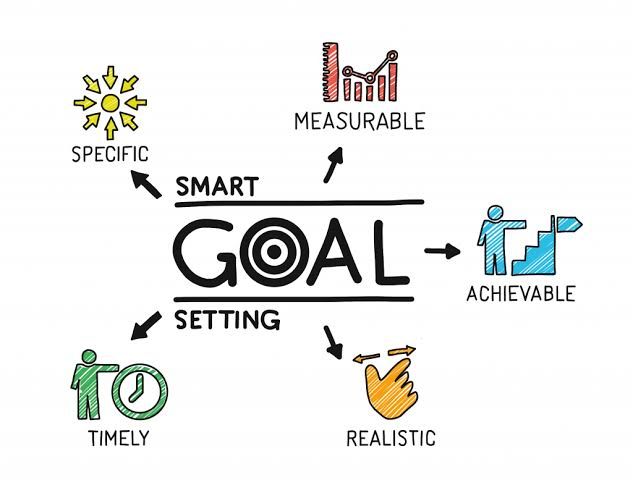
2. You’re Running Ads Without Clear Goals

image

One of the fastest ways of wasting money on digital marketing is running campaigns without knowing exactly what success looks like.

Before spending money on advertising, ask:

What is this campaign supposed to achieve?

Possible goals include:

  • Generate leads
  • Increase sales
  • Drive website traffic
  • Generate app downloads
  • Build brand awareness
  • Promote a specific product or service

Each objective requires a different strategy.

For example, an awareness campaign should not be judged using the same metrics as a lead generation campaign.

What to do instead

Set clear KPIs before launching a campaign.

Know:

  • Your target audience
  • Your campaign objective
  • Your budget
  • Your expected cost per result
  • How you will measure success

A campaign without clear goals can continue spending money without producing meaningful business outcomes.

3. You’re Targeting Everyone

image

If your marketing is designed to reach everyone, it often connects strongly with no one.

Broad targeting can result in:

  • Irrelevant website visitors
  • Low-quality leads
  • Poor ad performance
  • Higher acquisition costs
  • Low conversion rates

Your ideal customer should influence your entire marketing strategy.

What to do instead

Define your target audience based on factors such as:

  • Location
  • Interests
  • Buying behavior
  • Business needs
  • Pain points
  • Demographics
  • Stage in the buying journey

The more clearly you understand your ideal customer, the easier it becomes to create relevant ads, content, and landing pages.

Better targeting can help you spend your budget on people who are more likely to become customers.

4. You’re Measuring Likes Instead of Business Results

image

Likes, views, followers, and impressions can be useful, but they don’t automatically mean your marketing is successful.

A social media post with thousands of likes may generate zero customers.

At the same time, a campaign with fewer views may generate high-quality leads and significant revenue.

This is why businesses need to separate vanity metrics from meaningful business metrics.

What to do instead

Track metrics connected to your actual goals, such as:

  • Qualified leads
  • Conversion rate
  • Cost per lead
  • Customer acquisition cost
  • Return on ad spend
  • Revenue
  • Customer lifetime value

Engagement matters, but business results matter more.

5. You’re Not Testing or Improving Your Campaigns

image

Digital marketing should not be a set it and forget it process.

Customer behavior changes. Competitors change. Platforms change. What worked six months ago may not deliver the same results today.

If your business keeps running the same ads, using the same messaging, and sending traffic to the same landing pages without testing anything, you may be losing money without realizing it.

What to do instead

Create a process for continuous improvement.

Test:

  • Different ad creatives
  • Headlines
  • Calls to action
  • Audiences
  • Landing pages
  • Offers
  • Content formats

Then use the data to identify what is working and what needs to change.

Small improvements in conversion rates or acquisition costs can make a significant difference to your overall marketing ROI.

A Better Way to Use Your Digital Marketing Budget

Instead of simply asking:

“How much should we spend on digital marketing?”

Ask:

“What results are we getting from every rupee we spend?”

A stronger strategy includes:

Clear goals

Every campaign should have a specific purpose.

The right audience

Your marketing should reach people who are likely to need your product or service.

Strong landing pages

Clicks are only valuable if your website gives visitors a reason to take action.

Accurate tracking

You need to know where leads and sales are coming from.

Regular optimisation

Marketing performance should be reviewed and improved continuously.

How Spectra Digital Helps Businesses Improve Marketing ROI

At Spectra Digital, we help businesses identify where their marketing budget is going and how to make every campaign work harder.

Our digital marketing services include:

We focus on building strategies that connect marketing activity with measurable business goals.

Instead of simply generating clicks and impressions, the goal is to help businesses attract the right audience, improve conversions, and achieve stronger returns from their digital marketing investment.

Final Thoughts

Wasting money on digital marketing doesn’t always mean your entire strategy is failing.

Sometimes, a few important gaps are responsible for poor results.

If you’re getting traffic but no conversions, running campaigns without clear goals, targeting the wrong audience, focusing on vanity metrics, or failing to optimise your campaigns, it may be time to review your strategy.

The good news is that digital marketing can be measured, tested, and improved.

By tracking the right metrics and focusing on business outcomes instead of just activity, you can turn your marketing budget into a stronger investment.

If you want to identify what’s working, what’s wasting your budget, and where the biggest opportunities for growth are, Spectra Digital can help you build a smarter, more performance-focused digital marketing strategy.

Your ads aren't failing your offer is—illustrating how a stronger value proposition improves conversions and advertising performance by Spectra Digital

Your Ads Aren’t Failing, Your Offer Is. 7 Signs Your Offer Needs Fixing

Your Ads Aren’t Failing. Your Offer Is. It’s a hard truth that many businesses overlook. When an advertising campaign doesn’t generate leads or sales, the first instinct is often to blame the platform, the targeting, or the creative.

But in many cases, the real problem isn’t the ad—it’s the offer.

You can have the best copy, eye-catching visuals, and a well-targeted audience, but if your offer doesn’t solve a real problem or provide compelling value, people simply won’t take action.

In this guide, Spectra Digital explains why your offer matters more than your ads and how you can create offers that convert in 2026.

What Is an Offer?

An offer is much more than your product or service.

It’s the complete value customers receive, including:

  • The problem you solve
  • The benefits you provide
  • Your pricing
  • Bonuses or incentives
  • Guarantees
  • Customer experience
  • The reason people should choose you over competitors

A strong offer makes buying an easy decision.

1. Your Offer Doesn’t Solve a Clear Problem

image

Customers don’t buy products—they buy solutions.

Ask yourself:

  • What pain point does my offer solve?
  • Why should someone care?
  • What outcome will they achieve?

If the answer isn’t obvious, your offer needs refinement.

2. Your Value Proposition Isn’t Clear

image

If visitors can’t understand what makes your business different within a few seconds, they’ll move on.

Your value proposition should clearly answer:

  • Why choose you?
  • What makes your offer unique?
  • What results can customers expect?

Clarity always beats cleverness.

3. You’re Competing Only on Price

image

Lower prices rarely create long-term success.

Instead of asking customers to buy because you’re cheaper, show them why your solution delivers greater value.

Highlight:

  • Better quality
  • Faster results
  • Expert support
  • Convenience
  • Long-term benefits

Value creates stronger buying decisions than discounts.

4. There Is No Urgency or Reason to Act

image

Many businesses expect customers to act immediately without providing a reason.

Consider adding:

  • Limited-time offers
  • Exclusive bonuses
  • Early-bird pricing
  • Free consultations
  • Free resources

Urgency encourages action without being misleading.

5. Your Landing Page Doesn’t Support the Offer

image

Even a great ad can’t fix a poor landing page.

Your landing page should include:

  • A compelling headline
  • Clear benefits
  • Social proof
  • Strong calls-to-action
  • Simple forms
  • Mobile-friendly design

The ad gets attention—the landing page closes the deal.

6. You’re Talking About Features Instead of Outcomes

image

Customers care about results.

Instead of listing features, explain how your offer helps them:

  • Save time
  • Increase revenue
  • Reduce costs
  • Solve a challenge
  • Improve efficiency

Focus on transformation, not technical details.

7. You Haven’t Tested Different Offers

image

Many businesses change their ads before testing their offer.

Experiment with:

  • Different pricing models
  • Bonus packages
  • Free trials
  • Guarantees
  • Service bundles
  • Calls-to-action

Sometimes a small adjustment to your offer can dramatically improve conversions.

Signs Your Offer Is Working

A strong offer typically leads to:

  • Higher click-through rates
  • Better conversion rates
  • More qualified leads
  • Lower customer acquisition costs
  • Increased customer satisfaction
  • Higher return on ad spend (ROAS)

These metrics often improve without increasing your advertising budget.

How to Build an Irresistible Offer

Before launching your next campaign, ask yourself:

  • Does this solve a real customer problem?
  • Is the value obvious?
  • Why should customers choose us over competitors?
  • Is there enough trust and credibility?
  • Is the buying process simple?

The stronger your answers, the stronger your offer.

How Spectra Digital Creates High-Converting Campaigns

At Spectra Digital, we know that successful advertising starts long before an ad goes live.

We help businesses:

  • Develop compelling offers
  • Create high-converting landing pages
  • Run Google Ads and Meta Ads
  • Optimize conversion rates
  • Improve website performance
  • Track campaign analytics
  • Generate qualified leads

Our focus isn’t just getting clicks—it’s turning those clicks into customers.

Final Thoughts

When campaigns underperform, it’s tempting to blame the ad platform or creative.

However, in many cases, the advertisement is doing its job by bringing people to your website. The real question is whether your offer gives them a compelling reason to take the next step.

Before increasing your advertising budget, take a closer look at your value proposition. A stronger offer can often deliver better results than a better ad.

If you want advertising campaigns that generate real business growth, Spectra Digital can help you create offers, landing pages, and marketing strategies that convert visitors into loyal customers.

The Secret Behind Ads That Make You Buy Without Realizing It Every Business Should Know In 2026

The Secret Behind Ads That Make You Buy Without Realizing It lies in understanding human psychology, emotions, and consumer behavior rather than simply promoting a product. Have you ever purchased something after watching an Instagram Reel, scrolling through Facebook, or seeing a YouTube ad without planning to? That’s not a coincidence, it’s the result of carefully designed marketing strategies.

The most successful advertisements don’t just sell products; they build trust, create emotional connections, and present the right message at the right time. In this guide, Spectra Digital explains the psychology behind high-converting ads and how businesses can use these strategies ethically to increase engagement, generate qualified leads, and grow sales.

Why Some Ads Feel Impossible to Ignore

People rarely make buying decisions based only on logic.

Instead, emotions, experiences, and trust often influence purchasing behavior.

Great advertisements understand how customers think and create messages that resonate with their needs rather than simply promoting products.

That’s why two businesses selling similar products can achieve completely different results with their advertising.

1. They Solve a Problem

The Secret Behind Ads That Make You Buy

The most effective ads focus on the customer’s problem, not the product.

Instead of saying:

“We sell digital marketing services.”

Successful brands communicate:

“We’ll help you generate more qualified leads and grow your business.”

Customers care more about outcomes than features.

2. They Trigger Emotions

image

People remember how a brand makes them feel.

Successful ads often create emotions such as:

  • Curiosity
  • Excitement
  • Trust
  • Hope
  • Belonging
  • Confidence

Emotional connections encourage people to take action.

3. They Use Social Proof

image

Before making a purchase, most people want reassurance that others have already had a positive experience.

Businesses build trust through:

  • Customer testimonials
  • Reviews
  • Case studies
  • Success stories
  • User-generated content

Seeing others benefit reduces uncertainty and increases confidence.

4. They Create Familiarity

image

Consumers are more likely to trust brands they see repeatedly.

Consistent branding across social media, websites, search engines, and email marketing increases recognition and trust.

This is why businesses should maintain a consistent visual identity and messaging.

5. They Speak to the Right Audience

image

The best advertisements don’t try to appeal to everyone.

Instead, they target a specific audience with messages tailored to their needs, challenges, and goals.

Relevant ads perform significantly better than generic ones.

6. They Tell a Story

image

Stories capture attention better than direct sales messages.

A simple customer success story often has more impact than a list of product features.

Storytelling helps audiences relate to a brand and imagine achieving similar results.

7. They Reduce Decision Friction

image

Complicated buying processes discourage customers.

Effective ads direct users to landing pages with:

  • Clear messaging
  • Strong calls-to-action
  • Simple forms
  • Fast loading speed
  • Mobile-friendly design

Making the next step easy increases conversions.

8. They Use Personalization

image

Modern advertising platforms use data to deliver relevant ads to the right people.

Businesses can personalize campaigns based on:

  • Interests
  • Browsing behavior
  • Purchase history
  • Geographic location
  • Previous interactions

Relevant advertising feels more useful than intrusive.

9. They Build Trust Before Selling

image

People are more likely to buy from businesses they trust.

Brands build trust by consistently publishing:

  • Educational blogs
  • Helpful videos
  • Industry insights
  • Customer success stories
  • Free resources

When customers view a business as an expert, purchasing decisions become easier.

10. They Include a Clear Call-to-Action

image

Every successful advertisement tells the audience what to do next.

Examples include:

  • Learn More
  • Get a Free Quote
  • Book a Consultation
  • Download the Guide
  • Shop Now

Without a clear CTA, even a well-designed ad may fail to generate results.

The Psychology Behind Great Advertising

Successful advertising often relies on psychological principles such as:

  • Trust
  • Familiarity
  • Reciprocity
  • Social proof
  • Emotional connection
  • Simplicity

Ethical marketing uses these principles to help customers make informed decisions rather than manipulating them.

Common Advertising Mistakes Businesses Make

image

Many campaigns fail because they:

  • Focus only on product features
  • Ignore customer pain points
  • Use weak visuals
  • Have unclear messaging
  • Target the wrong audience
  • Send traffic to poor landing pages

Avoiding these mistakes improves both engagement and conversions.

How Businesses Can Create More Effective Ads

To improve advertising performance:

  • Understand your ideal customer
  • Write customer-focused copy
  • Use compelling visuals
  • Test different creatives
  • Optimize landing pages
  • Measure campaign performance
  • Continuously refine your strategy

Successful advertising is built through testing and optimization, not guesswork.

How Spectra Digital Helps Businesses Create High-Converting Ads

At Spectra Digital, we create performance-driven advertising campaigns that combine creativity, data, and customer psychology.

Our services include:

  • Google Ads management
  • Meta Ads campaigns
  • Performance marketing
  • Landing page optimization
  • Creative strategy
  • Conversion tracking
  • Marketing analytics

We help businesses create advertising campaigns that attract qualified customers and generate measurable business growth.

Final Thoughts

The secret behind ads that make people buy isn’t manipulation, it’s understanding customer needs, building trust, and delivering the right message at the right time.

Businesses that focus on solving problems, creating authentic content, and optimizing the customer journey achieve far better long-term results than those relying on flashy promotions alone.

If you want to create advertising campaigns that genuinely connect with your audience and increase conversions, Spectra Digital can help you develop data-driven strategies that deliver sustainable growth.

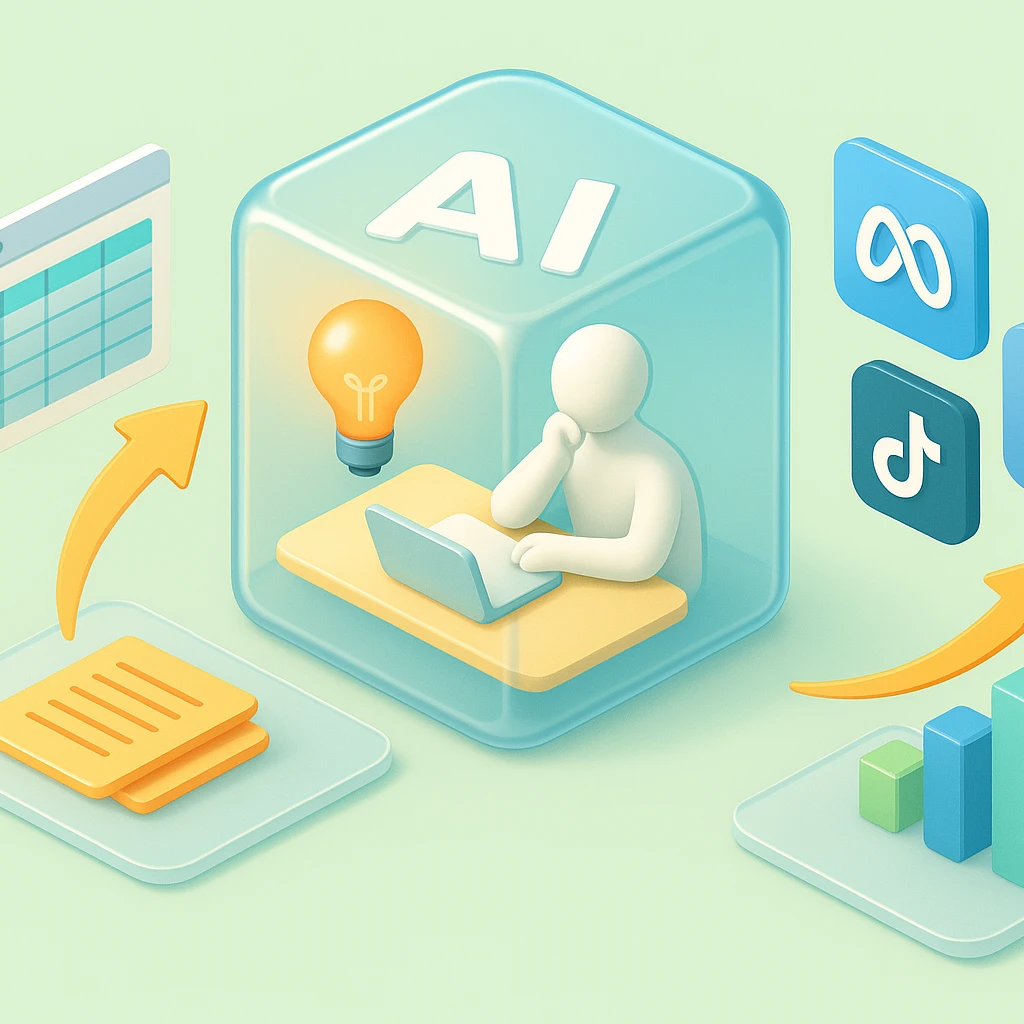
IMG 3257Best AI tools for marketers in 2026, including AI-powered solutions for content creation, SEO, social media marketing, email automation, analytics, and digital advertising.

Best AI Tools for Marketers in 2026: The Ultimate Guide to Smarter Digital Marketing

Introduction

Artificial Intelligence (AI) has transformed digital marketing from a trend into a necessity. In 2026, marketers are expected to do more than ever before create engaging content, manage multiple social media platforms, optimize websites for search engines, analyze customer behavior, run high-performing advertising campaigns, and deliver personalized experiences across every touchpoint. The challenge isn’t a lack of opportunities it’s managing them efficiently. That’s where AI comes in. Today’s AI-powered tools help marketers automate repetitive tasks, generate high-quality content, improve SEO, analyze data faster, create stunning visuals, optimize ad campaigns, and make smarter decisions backed by real-time insights. However, with hundreds of AI platforms available, choosing the right ones can be overwhelming. At Spectra Digital, we believe AI should enhance creativity not replace it. The most successful marketing strategies combine human expertise with AI-powered efficiency. In this guide, we’ll explore the best AI tools every marketer should know in 2026 and how they can help businesses grow.
Why AI Is Essential for Digital Marketing in 2026

Digital marketing has become increasingly data-driven. Businesses need to understand customer behavior, respond to trends quickly, and create personalized experiences at scale.

AI helps marketers:

  • Save time by automating repetitive tasks.
  • Generate ideas and marketing content faster.
  • Improve SEO performance.
  • Personalize customer experiences.
  • Optimize advertising campaigns.
  • Analyze large amounts of marketing data.
  • Increase productivity and marketing ROI.

Rather than replacing marketers, AI allows them to focus on creativity, strategy, and decision-making while automation handles routine work.

ChatGPT – The AI Assistant for Content and Strategy

One of the most widely used AI tools in marketing, ChatGPT helps businesses brainstorm ideas, write blog posts, create ad copy, draft emails, generate social media captions, and develop marketing strategies.

Best For

  • Blog writing
  • Social media captions
  • SEO content
  • Email marketing
  • Content planning
  • Marketing strategy
  • Customer support

Why Marketers Love It

ChatGPT speeds up content creation while helping marketers overcome writer’s block. When paired with human editing and brand guidelines, it becomes a powerful productivity tool.

ChatGPT – The AI Assistant for Content and Strategy

Canva AI – Faster Graphic Design

Design is a major part of digital marketing, but not every marketer is a professional designer.

Canva AI enables users to generate presentations, social media creatives, advertisements, banners, videos, and brand assets with minimal effort.

Best For

  • Instagram posts
  • Presentation design
  • Social media graphics
  • Brand kits
  • Video editing
  • Marketing visuals

Key Benefit

Create professional-quality designs without advanced design skills.

Canva AI – Faster Graphic Design

Claude AI – Best for Long-Form Content and Business Writing

Developed by Anthropic, Claude AI has become one of the most trusted AI assistants for marketers, businesses, and content creators. Known for its ability to understand context, produce natural-sounding writing, and handle long documents, Claude is an excellent choice for creating high-quality marketing content.

Unlike many AI tools that focus on short responses, Claude excels at generating detailed blog posts, marketing strategies, research summaries, case studies, reports, and business documentation while maintaining a clear and consistent tone.

Claude AI – Best for Long-Form Content and Business Writing

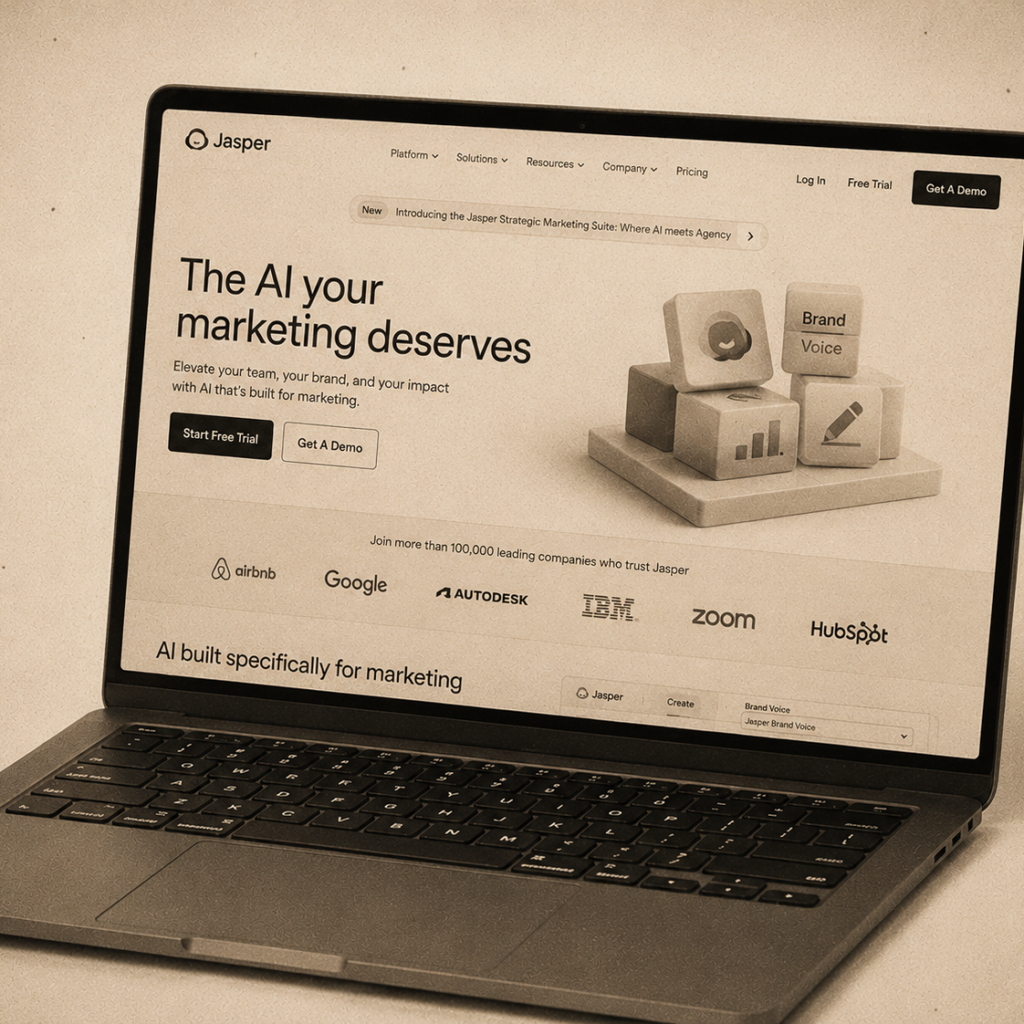
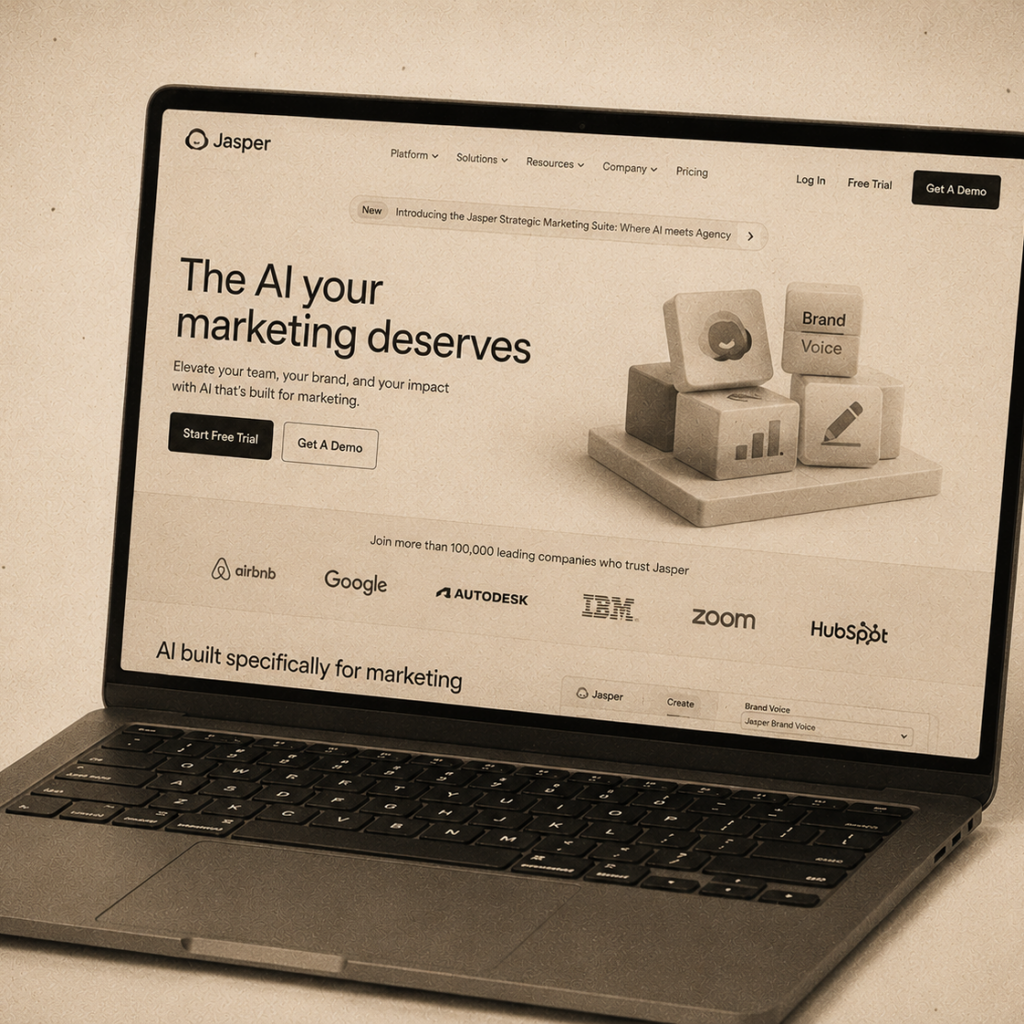
Jasper AI – AI Writing for Marketing Teams

Jasper AI is designed specifically for businesses and marketing teams that produce large volumes of content.

It helps create:

  • Blog articles
  • Landing pages
  • Product descriptions
  • Facebook ads
  • Google Ads copy
  • Website content
  • Email campaigns

Jasper also supports maintaining a consistent brand voice across multiple writers.

Jasper AI – AI Writing for Marketing Teams

Surfer SEO – AI-Powered Search Engine Optimization

Creating content isn’t enough it also needs to rank.

Surfer SEO analyzes top-ranking pages and provides recommendations to improve your content’s search engine performance.

Features

  • Keyword optimization
  • Content scoring
  • NLP recommendations
  • Internal linking suggestions
  • Competitor analysis

Best For

Businesses looking to improve organic search rankings.

Surfer SEO – AI-Powered Search Engine Optimization

Semrush AI Features – Complete Marketing Intelligence

Semrush has evolved into an all-in-one digital marketing platform enhanced with AI capabilities.

Marketers use it for:

  • Keyword research
  • Competitor analysis
  • Site audits
  • Backlink monitoring
  • PPC research
  • Content optimization
  • Market insights

Its AI-powered recommendations help marketers make data-driven SEO and advertising decisions.

Semrush AI Features – Complete Marketing Intelligence

HubSpot AI – Marketing and CRM Automation

HubSpot integrates AI into its CRM and marketing platform to streamline customer interactions.

Its AI features assist with:

  • Email creation
  • Lead nurturing
  • Customer segmentation
  • Workflow automation
  • Chatbots
  • Sales insights

This enables businesses to deliver more personalized customer experiences.

HubSpot AI – Marketing and CRM Automation

Google Gemini – AI for Productivity and Research

Google Gemini enhances productivity across research, brainstorming, writing, and collaboration.

Marketers use it to:

  • Research competitors
  • Generate campaign ideas
  • Summarize reports
  • Draft content
  • Analyze marketing data

Its integration with Google’s ecosystem makes it particularly useful for teams already using Google Workspace.

Google Gemini – AI for Productivity and Research

How AI Is Changing Marketing in 2026

AI is influencing every stage of the marketing journey.

Content Marketing

AI accelerates idea generation, outlines, editing, and optimization while allowing writers to focus on storytelling and originality.

Search Engine Optimization

Modern AI tools simplify keyword research, content optimization, competitor analysis, and technical SEO audits.

Social Media Marketing

AI assists with caption writing, hashtag suggestions, scheduling, audience insights, and engagement analysis.

Paid Advertising

Machine learning helps optimize targeting, bidding strategies, audience segmentation, and campaign performance.

Email Marketing

AI enables personalized email campaigns based on customer preferences and behavior, improving engagement and conversions.

Customer Support

AI-powered chatbots provide instant responses, improving customer satisfaction while reducing support workloads.

How to Choose the Right AI Marketing Tool

Not every business needs every AI platform.

Before investing, ask yourself:

  • What marketing tasks consume the most time?
  • Which processes can be automated?
  • Does the tool integrate with your existing software?
  • Will it improve productivity and ROI?
  • Is it easy for your team to adopt?

Choosing tools based on business goals not trends will deliver the best long-term results.

Best Practices for Using AI in Marketing

AI is a powerful assistant, but human expertise remains essential.

To get the best results:

  • Use AI to support not replace creative thinking.
  • Always fact-check AI-generated content.
  • Maintain your brand’s voice and messaging.
  • Review all outputs before publishing.
  • Protect customer data and privacy.
  • Combine AI insights with human judgment.

The most successful marketers use AI as a productivity partner rather than a complete substitute for strategic thinking.

Why Businesses Partner with Spectra Digital

At Spectra Digital, we embrace AI to enhance efficiency while keeping creativity and strategy at the heart of every campaign.

We combine advanced AI tools with experienced marketing professionals to deliver customized digital marketing solutions that help businesses grow.

Our services include:

  • Search Engine Optimization (SEO)
  • Website Design & Development
  • Content Marketing
  • Social Media Marketing
  • Google Ads
  • Meta Ads
  • Performance Marketing
  • Branding
  • Lead Generation
  • Marketing Analytics

By blending AI-powered insights with human expertise, we create campaigns that are innovative, data-driven, and results-oriented.

Conclusion

Artificial Intelligence is reshaping the future of marketing, making it easier than ever to create content, analyze data, automate workflows, and connect with customers.

From content generation tools like ChatGPT and Jasper AI to SEO platforms like Surfer SEO and Semrush, AI empowers marketers to work faster and smarter.

However, technology alone doesn’t guarantee success. The most effective marketing strategies combine AI’s speed and efficiency with human creativity, strategic thinking, and genuine customer understanding.

As AI continues to evolve, businesses that embrace these tools responsibly will be better positioned to stay competitive, improve productivity, and deliver exceptional customer experiences.

If you’re ready to integrate AI into your marketing strategy, Spectra Digital can help you leverage the right tools and strategies to achieve sustainable business growth.

image

Lead Generation Strategies That Actually Work in 2026 for Business Growth

Lead Generation Strategies That Work in 2026

Generating leads has always been one of the biggest priorities for businesses, but in 2026, simply driving traffic to your website isn’t enough. Consumers are more informed, competition is fiercer, and AI is changing how people discover brands and make purchasing decisions.

To grow consistently, businesses need lead generation strategies that work in 2026—strategies that focus on attracting the right audience, building trust, and converting visitors into loyal customers.

In this guide, Spectra Digital shares the most effective lead generation strategies that businesses should implement to generate high-quality leads and maximize return on investment (ROI).

What Is Lead Generation?

Lead generation is the process of attracting potential customers and encouraging them to show interest in your products or services.

A lead can be someone who:

  • Fills out a contact form
  • Requests a quote
  • Downloads an eBook
  • Signs up for a newsletter
  • Books a consultation
  • Calls your business

The goal isn’t just to generate more leads—it’s to generate qualified leads that are more likely to become paying customers.

Why Lead Generation Matters in 2026

image

Digital marketing is becoming increasingly competitive. Businesses that rely only on referrals or traditional advertising risk missing valuable opportunities.

A strong lead generation strategy helps you:

  • Increase sales opportunities
  • Build a predictable sales pipeline
  • Improve marketing ROI
  • Grow your customer base
  • Scale your business sustainably

10 Effective Lead Generation Strategies That Drive Results

image

1. Optimize Your Website for Conversions

image

Your website should do more than look attractive—it should encourage visitors to take action.

A high-converting website includes:

  • Fast loading speed
  • Mobile-friendly design
  • Clear navigation
  • Strong calls-to-action (CTAs)
  • Simple contact forms
  • Trust signals such as testimonials and reviews

Every landing page should have a clear goal and make it easy for visitors to convert.

2. Invest in SEO

image

Search Engine Optimization (SEO) remains one of the most cost-effective lead generation strategies.

By ranking for relevant keywords, businesses can attract customers who are actively searching for their products or services.

Focus on:

  • High-quality content
  • Technical SEO
  • Local SEO
  • Internal linking
  • Topical authority

Organic traffic often delivers high-quality leads with long-term value.

3. Use AI-Powered Content Marketing

image

Content remains one of the best ways to build trust and attract potential customers.

Publish valuable content such as:

  • Blog articles
  • How-to guides
  • Case studies
  • Industry insights
  • FAQs
  • Videos

AI tools can help speed up content creation, but human expertise is essential for producing original and trustworthy information.

4. Run Performance Marketing Campaigns

image

Paid advertising can generate leads quickly when managed effectively.

Popular platforms include:

Successful campaigns focus on:

  • Precise audience targeting
  • High-quality creatives
  • Optimized landing pages
  • Continuous testing

Performance marketing allows businesses to scale lead generation while tracking measurable results.

5. Create High-Converting Landing Pages

Sending traffic to your homepage is rarely the best strategy.

Dedicated landing pages improve conversions by focusing on one specific offer.

Effective landing pages include:

  • Clear headlines
  • Strong value propositions
  • Customer testimonials
  • Simple forms
  • Compelling CTAs

Removing distractions often leads to better conversion rates.

6. Leverage Email Marketing

image

Email marketing remains one of the highest ROI digital marketing channels.

Businesses can nurture leads by sending:

  • Educational content
  • Product updates
  • Special offers
  • Personalized recommendations
  • Follow-up emails

Automation helps maintain consistent communication with potential customers.

7. Use Social Media Strategically

image

Social media is no longer just for brand awareness.

Businesses can generate leads through:

  • Instagram Reels
  • LinkedIn content
  • Facebook Lead Ads
  • YouTube Shorts
  • Interactive polls and webinars

Sharing valuable and engaging content helps build trust before asking for a sale.

8. Offer Valuable Lead Magnets

image

People are more likely to share their contact information when they receive something valuable in return.

Popular lead magnets include:

  • Free eBooks
  • Industry reports
  • Templates
  • Checklists
  • Free consultations
  • Webinars

Lead magnets should solve a real problem for your target audience.

9. Use Marketing Automation

image

Marketing automation helps businesses manage leads more efficiently.

Automation can:

  • Send welcome emails
  • Nurture prospects
  • Score leads
  • Schedule follow-ups
  • Personalize communication

This improves efficiency while enhancing the customer experience.

10. Track and Optimize with Analytics

image

Data-driven decisions produce better marketing results.

Monitor metrics such as:

  • Website traffic
  • Conversion rate
  • Cost per lead (CPL)
  • Customer acquisition cost (CAC)
  • Return on ad spend (ROAS)
  • Landing page performance

Regular analysis helps identify opportunities for improvement.

Common Lead Generation Mistakes

image

Many businesses struggle because they:

  • Target the wrong audience
  • Ignore website optimization
  • Create weak calls-to-action
  • Fail to follow up with leads
  • Neglect analytics and testing

Avoiding these mistakes can significantly improve lead quality and conversion rates.

Future Trends in Lead Generation

image

As technology evolves, lead generation will become even more personalized and AI-driven.

Emerging trends include:

  • AI-powered chatbots
  • Predictive analytics
  • Conversational marketing
  • Hyper-personalized campaigns
  • Voice and AI search optimization
  • Interactive content experiences

Businesses that adopt these trends early will gain a competitive advantage.

How Spectra Digital Helps Businesses Generate More Leads

At Spectra Digital, we create customized lead generation strategies that help businesses attract qualified prospects and convert them into loyal customers.

Our services include:

  • Search Engine Optimization (SEO)
  • Google Ads and Meta Ads management
  • Website design and conversion optimization
  • Performance marketing
  • Social media marketing
  • Content marketing
  • Marketing analytics and reporting

We focus on measurable results that drive business growth.

Final Thoughts

Successful lead generation in 2026 requires more than simply increasing website traffic. Businesses must combine SEO, paid advertising, content marketing, website optimization, automation, and analytics to attract and convert high-quality leads.

By implementing these lead generation strategies that work in 2026, businesses can build a predictable sales pipeline, improve marketing ROI, and achieve sustainable long-term growth.

If you’re ready to generate more qualified leads and grow your business, Spectra Digital can help you develop a data-driven lead generation strategy that delivers measurable results.

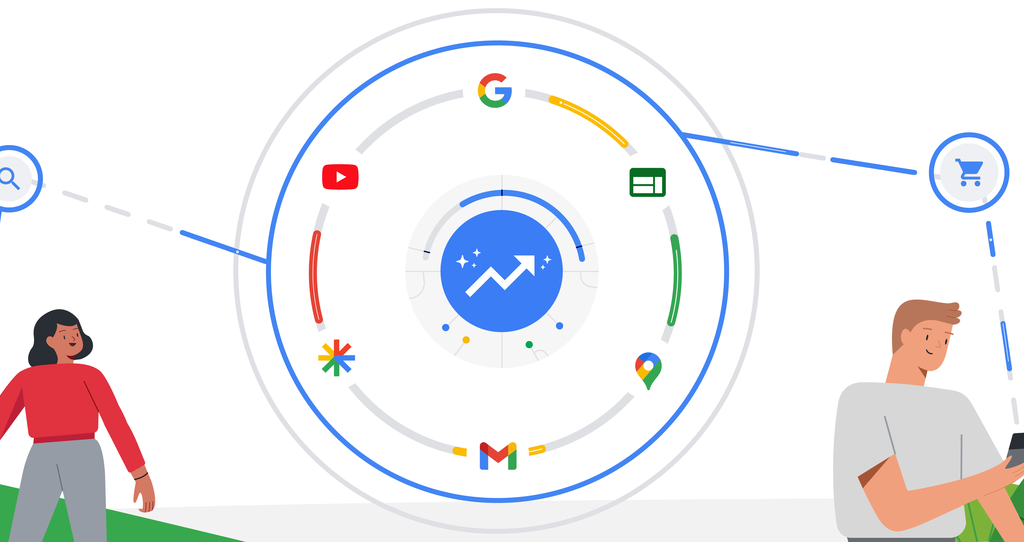
AI-powered advertising trends showing how Google and Meta are transforming paid ads in 2026 by Spectra Digital

The Rise of AI-Powered Advertising: How Google and Meta Are Transforming Paid Ads in 2026

Digital advertising is undergoing one of its biggest transformations in recent years. Artificial intelligence is no longer just a supporting technology—it is becoming the foundation of modern paid advertising strategies.

The rise of AI-powered advertising is changing how businesses create campaigns, target audiences, optimize budgets, and measure performance.

Platforms like Google and Meta are increasingly relying on AI-driven systems to automate decision-making and improve campaign efficiency. For businesses, understanding these changes is essential to staying competitive and maximizing return on investment (ROI).

In this blog, Spectra Digital explores how AI-powered advertising is reshaping paid media and what businesses need to know in 2026.

What Is AI-Powered Advertising?

AI-powered advertising trends showing how Google and Meta are transforming paid ads

AI-powered advertising refers to the use of artificial intelligence and machine learning technologies to automate and optimize advertising campaigns.

AI can analyze massive amounts of data and make real-time decisions that help businesses:

  • Identify the right audiences
  • Optimize ad placements
  • Improve bidding strategies
  • Personalize ad experiences
  • Increase conversions

Instead of relying solely on manual optimization, marketers can now use AI to improve efficiency and campaign performance.

Why AI Is Transforming Paid Advertising

image

Consumer behavior has become increasingly complex.

Customers interact with brands across multiple platforms, devices, and touchpoints before making purchasing decisions.

AI helps businesses manage this complexity by:

  • Processing large datasets instantly
  • Identifying patterns and trends
  • Predicting customer behavior
  • Automating campaign optimization

As digital advertising becomes more competitive, AI provides businesses with a significant advantage.

How Google Is Changing Paid Advertising with AI

image

Google has rapidly integrated artificial intelligence across its advertising ecosystem.

1. Performance Max Campaigns

image

Google’s Performance Max campaigns use AI to automate campaign management across multiple channels, including:

  • Google Search
  • YouTube
  • Gmail
  • Display Network
  • Discover

AI automatically determines where ads should appear to maximize performance.

This allows businesses to reach customers more efficiently across Google’s ecosystem.

2. Smart Bidding Strategies

image

Google’s AI-powered bidding systems can optimize campaigns in real time.

AI considers signals such as:

  • Device type
  • User behavior
  • Location
  • Search intent
  • Time of day

This helps advertisers improve conversions while maximizing budget efficiency.

3. Predictive Audience Targeting

image

Google increasingly uses AI to predict which users are most likely to convert.

Predictive targeting helps businesses:

  • Reduce wasted ad spend
  • Improve lead quality
  • Increase conversion rates

Audience targeting is becoming more intelligent and data-driven.

How Meta Is Transforming Paid Ads with AI

image

Meta is also heavily investing in artificial intelligence to improve advertising performance.

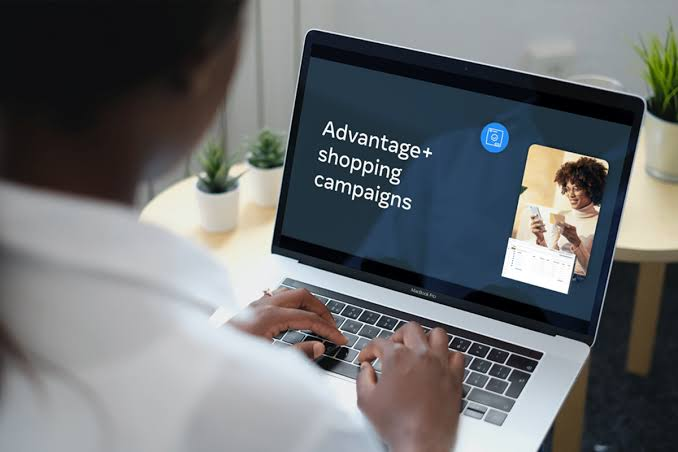
1. Advantage+ Campaigns

image

Meta’s Advantage+ campaigns use AI to automate various aspects of advertising, including:

  • Audience selection
  • Budget allocation
  • Creative optimization
  • Ad placements

Businesses can achieve better results while reducing manual campaign management.

2. AI-Driven Creative Optimization

image

Meta’s AI systems can automatically test and optimize creative elements such as:

  • Headlines
  • Images
  • Ad formats
  • Calls-to-action

This enables businesses to identify high-performing combinations more quickly.

3. Improved Audience Expansion

image

AI helps Meta discover new potential customers beyond manually selected targeting criteria.

This expands campaign reach and increases opportunities for conversions.

Benefits of AI-Powered Advertising

image

Better Campaign Performance

AI continuously analyzes data and adjusts campaigns to improve results.

Increased Efficiency

Automation reduces the need for constant manual optimization.

Smarter Budget Allocation

AI identifies the highest-performing opportunities and allocates budgets accordingly.

Improved Personalization

AI enables businesses to deliver more relevant and personalized advertising experiences.

Faster Decision-Making

Real-time optimization helps marketers respond quickly to changing conditions.

Challenges of AI-Powered Advertising

image

Although AI offers numerous benefits, businesses should also understand its limitations.

Reduced Manual Control

Automation can sometimes make campaigns feel less transparent.

Data Dependency

AI performs best when sufficient data is available.

Creative Quality Still Matters

AI can optimize campaigns, but compelling messaging and creative strategy remain essential.

Privacy Considerations

As privacy regulations evolve, businesses must ensure responsible data usage.

How Businesses Should Adapt

To succeed in the age of AI-powered advertising, businesses should:

Focus on High-Quality Creative

AI can optimize delivery, but engaging content still drives results.

Provide Strong Conversion Data

Accurate tracking and measurement help AI make better decisions.

Test Different Approaches

Experimentation remains important even in highly automated environments.

Combine AI with Human Expertise

The most successful strategies balance automation with strategic thinking.

Future of AI-Powered Advertising

image

The future of paid advertising will likely involve even greater automation and personalization.

Emerging trends include:

  • AI-generated ad creatives
  • Predictive campaign planning
  • Real-time personalization
  • Advanced customer journey analysis
  • Deeper integration between platforms and AI systems

Businesses that embrace these technologies early can gain a substantial competitive advantage.

Why AI-Powered Advertising Matters for Businesses

As competition increases, businesses need smarter ways to reach customers and improve marketing efficiency.

AI-powered advertising helps companies:

  • Increase return on ad spend
  • Improve targeting accuracy
  • Reduce wasted budgets
  • Scale campaigns more effectively
  • Deliver better customer experiences

Companies that fail to adapt may struggle to remain competitive in the evolving digital landscape.

How Spectra Digital Helps Businesses Leverage AI Advertising

At Spectra Digital, we help businesses build data-driven advertising strategies that combine the power of AI with human expertise.

Our services include:

  • Google Ads management
  • Meta advertising campaigns
  • Performance marketing strategies
  • Conversion tracking and analytics
  • Creative optimization
  • AI-driven campaign management

We help businesses maximize advertising performance while staying ahead of emerging trends.

Final Thoughts

The rise of AI-powered advertising is fundamentally changing the future of paid marketing.

Google and Meta are increasingly using artificial intelligence to automate targeting, optimize campaigns, and improve advertising performance.

While automation offers significant advantages, businesses should remember that strategy, creativity, and customer understanding remain essential.

The future of successful advertising will belong to brands that effectively combine AI capabilities with human expertise.

If your business wants to leverage AI-driven advertising strategies, Spectra Digital can help you build high-performing campaigns that deliver measurable growth and long-term success.

"How much should businesses spend on advertising budget guide by Spectra Digital Agency"

How Much Should Businesses Spend on Advertising in 2026? Avoid Costly Budget Mistakes

Every business owner faces the same question at some point: How much should businesses spend on advertising?

Spend too little, and your brand may struggle to attract customers. Spend too much without a strategy, and your return on investment (ROI) can suffer. Finding the right advertising budget is essential for sustainable growth.

In this guide, we’ll break down industry benchmarks, factors that influence advertising costs, and how businesses can determine the ideal budget for maximum results.

Why Advertising Budget Matters

Advertising is not an expense—it’s an investment in business growth. A well-planned advertising budget helps businesses:

  • Increase brand awareness
  • Generate qualified leads
  • Boost sales and revenue
  • Stay competitive in the market
  • Build long-term customer relationships

Businesses that consistently invest in strategic advertising often achieve faster growth than those relying solely on organic methods.

How Much Should Businesses Spend on Advertising?

According to industry benchmarks, most businesses spend 5% to 15% of their annual revenue on marketing and advertising.

A general guideline is:

  • Small businesses: 7%–10% of revenue
  • Growing businesses: 10%–12% of revenue
  • Highly competitive industries: 12%–20% or more

For example:

  • A business earning ₹50 lakh annually may allocate ₹3.5 lakh to ₹5 lakh toward advertising.
  • A company generating ₹5 crore in revenue may invest ₹35 lakh or more depending on growth goals.

The ideal budget depends on your business objectives, competition, and customer acquisition costs.

Factors That Determine Advertising Spend

1. Business Goals

image

Your advertising budget should align with your goals.

If your objective is rapid expansion, launching a new product, or entering a new market, you may need a larger advertising investment compared to businesses focusing only on retention.

2. Industry Competition

image

Industries like real estate, finance, healthcare, and e-commerce generally require higher advertising budgets because customer acquisition costs are significantly higher.

More competition usually means higher costs for paid campaigns.

3. Business Stage

image

New businesses often need to invest aggressively in advertising to build awareness and attract their first customers.

Established brands may spend relatively less as they already have brand recognition and repeat customers.

4. Marketing Channels

image

Advertising costs vary depending on the channels used:

  • Google Ads
  • Social Media Advertising
  • Influencer Marketing
  • SEO and Content Marketing
  • Video Advertising
  • Email Marketing

A balanced mix of paid and organic strategies usually delivers the best long-term results.

Recommended Advertising Budget by Business Size

Small Businesses

image

Small businesses should allocate approximately 7% to 10% of annual revenue toward marketing and advertising.

The focus should be on:

  • Local SEO
  • Social media ads
  • Lead generation campaigns
  • Content marketing

Medium-Sized Businesses

image

Growing companies often spend 10% to 15% of revenue to increase market share and scale customer acquisition.

Investment areas include:

Large Enterprises

image

Large businesses may spend millions on advertising campaigns to maintain market leadership and expand into new markets.

Their budgets are typically distributed across multiple channels and regions.

How to Calculate Your Advertising Budget

A simple formula is:

Advertising Budget = Annual Revenue × Desired Marketing Percentage

Example:

Annual Revenue = ₹1 Crore

Marketing Percentage = 10%

Advertising Budget = ₹10 Lakhs annually.

This budget can then be divided monthly and allocated across different channels.

Signs You’re Spending Too Little on Advertising

You may need to increase your advertising budget if:

  • Lead generation has slowed down
  • Website traffic is declining
  • Competitors are dominating search results
  • Customer acquisition has become difficult
  • Brand awareness is low

Underinvesting in advertising often limits business growth opportunities.

Signs You’re Overspending

Businesses should also avoid spending excessively without measuring results.

Warning signs include:

  • High ad spend with low conversions
  • Poor return on ad spend (ROAS)
  • Increasing cost per lead
  • Lack of campaign optimization

The key is not simply spending more—but spending smarter.

How to Maximize Advertising ROI

To get the most from your advertising budget:

Focus on Performance Marketing

Track every click, lead, and conversion to understand what drives results.

Invest in SEO

SEO provides long-term visibility and reduces dependence on paid advertising.

Use Data Analytics

Analyze campaign performance regularly and optimize budgets accordingly.

Test and Scale

Start with smaller campaigns, identify winning strategies, and gradually increase investment.

Why Partnering With a Digital Marketing Agency Helps

Managing advertising budgets effectively requires expertise, data analysis, and continuous optimization.

At Spectra Digital Agency, we help businesses create customized advertising strategies that maximize ROI while keeping costs under control.

From performance marketing and SEO to social media advertising and lead generation, our team ensures every marketing rupee delivers measurable results.

Final Thoughts

So, how much should businesses spend on advertising?

The answer depends on your industry, business goals, and growth stage. However, most businesses should allocate 7% to 15% of annual revenue toward advertising and marketing efforts.

The real success lies in strategic spending, continuous optimization, and choosing the right marketing channels.

If you’re looking to scale your business with data-driven advertising strategies, Spectra Digital Agency can help you build a budget that delivers sustainable growth and higher ROI.

Benefits of Performance Marketing for Businesses with growth analytics, Meta Ads, and Google Ads illustration.

What Are Benefits of Performance Marketing for Businesses? A Complete Guide (2026)

Discover the top benefits of performance marketing for businesses in 2026. Learn how data-driven campaigns help brands increase ROI, generate leads, and drive measurable growth.

In today’s highly competitive digital landscape, businesses can no longer afford to spend marketing budgets without measurable results. This is where performance marketing has become a game-changer. Unlike traditional advertising, performance marketing focuses on outcomes, ensuring brands pay only for specific actions such as clicks, leads, conversions, or sales.

As companies continue to prioritize ROI and data-driven decision-making, performance marketing has emerged as one of the most effective digital marketing strategies in 2026.

In this guide, we’ll explore the major benefits of performance marketing for businesses and why investing in it can accelerate growth and profitability.

Table of Contents

  1. What is Performance Marketing?
  2. Why Businesses Are Adopting Performance Marketing
  3. Top Benefits of Performance Marketing
  4. Performance Marketing Channels
  5. Why Performance Marketing Matters in 2026
  6. Why Choose Spectra Digital
  7. FAQs

What is Performance Marketing?

What is Performance Marketing

Performance marketing is a digital marketing strategy where businesses pay based on measurable results rather than estimated exposure.

These results may include:

  • Website clicks
  • Leads generated
  • App installs
  • Sales conversions
  • Form submissions
  • Customer acquisitions

This results-driven approach allows businesses to optimize campaigns continuously and maximize returns on their marketing investments.

Why Businesses Are Investing More in Performance Marketing

Consumer behavior has changed significantly over the past few years. Businesses now demand transparency, measurable outcomes, and better accountability from their marketing efforts.

Performance marketing provides:

✔ Real-time tracking
✔ Data-driven decision-making
✔ Better budget control
✔ Higher conversion opportunities

As a result, businesses across industries are increasing their investment in performance-driven campaigns.

Top Benefits of Performance Marketing for Businesses

1. Measurable Results and ROI

image

One of the biggest advantages of performance marketing is its ability to provide clear and measurable results.

Businesses can track:

  • Cost Per Click (CPC)
  • Cost Per Lead (CPL)
  • Customer Acquisition Cost (CAC)
  • Return on Ad Spend (ROAS)
  • Conversion Rates

This level of transparency helps brands understand exactly where their money is being spent and what results are being achieved.

2. Cost-Effective Marketing Strategy

image

Traditional advertising often requires large budgets without guaranteed outcomes.

Performance marketing allows businesses to:

  • Pay only for actual results
  • Reduce wasted ad spend
  • Optimize campaigns in real time
  • Improve marketing efficiency

This makes it an excellent strategy for startups, small businesses, and enterprises alike.

3. Better Audience Targeting

image

Modern advertising platforms provide highly advanced targeting options.

Businesses can target audiences based on:

  • Demographics
  • Interests
  • Online behavior
  • Geographic location
  • Purchase intent
  • Device usage

By reaching the right audience, businesses can significantly improve campaign performance and increase conversion rates.

4. Data-Driven Decision Making

image

Performance marketing provides access to valuable customer insights.

Brands can analyze:

  • User behavior
  • Conversion journeys
  • High-performing campaigns
  • Audience preferences
  • Customer engagement metrics

This data enables businesses to make smarter marketing decisions and continuously improve their strategies.

5. Higher Lead Generation and Sales

image

One of the primary goals of performance marketing is generating revenue.

Since campaigns are optimized around conversions, businesses often experience:

  • Increased lead generation
  • Higher website traffic
  • Improved sales performance
  • Better customer acquisition rates

This direct impact on business growth makes performance marketing one of the most effective digital strategies today.

6. Real-Time Campaign Optimization

image

Unlike traditional marketing campaigns that may take weeks or months to evaluate, performance marketing allows immediate adjustments.

Businesses can:

  • Pause underperforming ads
  • Increase budgets on winning campaigns
  • Test different creatives
  • Improve landing pages
  • Optimize targeting strategies

This flexibility significantly improves campaign efficiency and ROI.

7. Scalability and Business Growth

image

Performance marketing campaigns can be easily scaled based on results.

Once a profitable campaign is identified, businesses can:

  • Increase advertising budgets
  • Expand to new markets
  • Launch additional campaigns
  • Reach larger audiences

This scalability supports sustainable business growth.

8. Improved Brand Awareness

image

Although performance marketing focuses heavily on conversions, it also contributes significantly to brand visibility.

Repeated exposure through digital channels helps businesses:

  • Increase brand recognition
  • Build customer trust
  • Strengthen online presence
  • Improve customer recall

This creates long-term value beyond immediate conversions.

9. Multi-Channel Marketing Opportunities

image

Performance marketing can be implemented across various digital channels, including:

Google Ads

Ideal for capturing high-intent users.

Social Media Advertising

Effective for audience engagement and brand awareness.

Affiliate Marketing

Allows businesses to partner with publishers and creators.

Native Advertising

Improves user experience and content engagement.

Influencer Performance Campaigns

Combines creator marketing with measurable outcomes.

Using multiple channels helps businesses maximize reach and conversions.

10. Competitive Advantage

image

Businesses that leverage performance marketing effectively often gain a significant edge over competitors.

Benefits include:

  • Faster customer acquisition
  • Better resource allocation
  • Higher profitability
  • Stronger market positioning

In an increasingly competitive digital environment, data-driven marketing has become essential.

Why Performance Marketing Matters in 2026

Digital advertising continues to evolve rapidly.

Key trends shaping performance marketing include:

  • AI-powered campaign optimization
  • Advanced audience segmentation
  • Predictive analytics
  • First-party data strategies
  • Automation and machine learning
  • Omnichannel attribution models

Businesses that adopt performance marketing strategies today are better positioned to succeed in the future.

Why Choose Spectra Digital for Performance Marketing?

At Spectra Digital, we help businesses achieve measurable growth through strategic, data-driven performance marketing solutions. Our team specializes in creating customized campaigns that focus on generating leads, increasing conversions, and maximizing return on investment.

From paid advertising and audience targeting to campaign optimization and analytics, we leverage the latest tools and technologies to ensure every marketing dollar delivers meaningful results. Whether you’re a startup looking to scale or an established business aiming to improve profitability, Spectra Digital develops performance marketing strategies tailored to your unique business objectives.

Our goal is simple: drive measurable growth and turn marketing investments into real business outcomes.

Final Thoughts

Performance marketing has transformed the way businesses approach digital advertising. Its ability to deliver measurable results, optimize campaigns in real time, and maximize ROI makes it one of the most valuable marketing strategies in 2026.

Businesses that embrace data-driven marketing can improve efficiency, increase conversions, and build sustainable growth in an increasingly competitive market.

Investing in performance marketing is no longer optional—it’s a necessity for brands looking to succeed in the digital age.