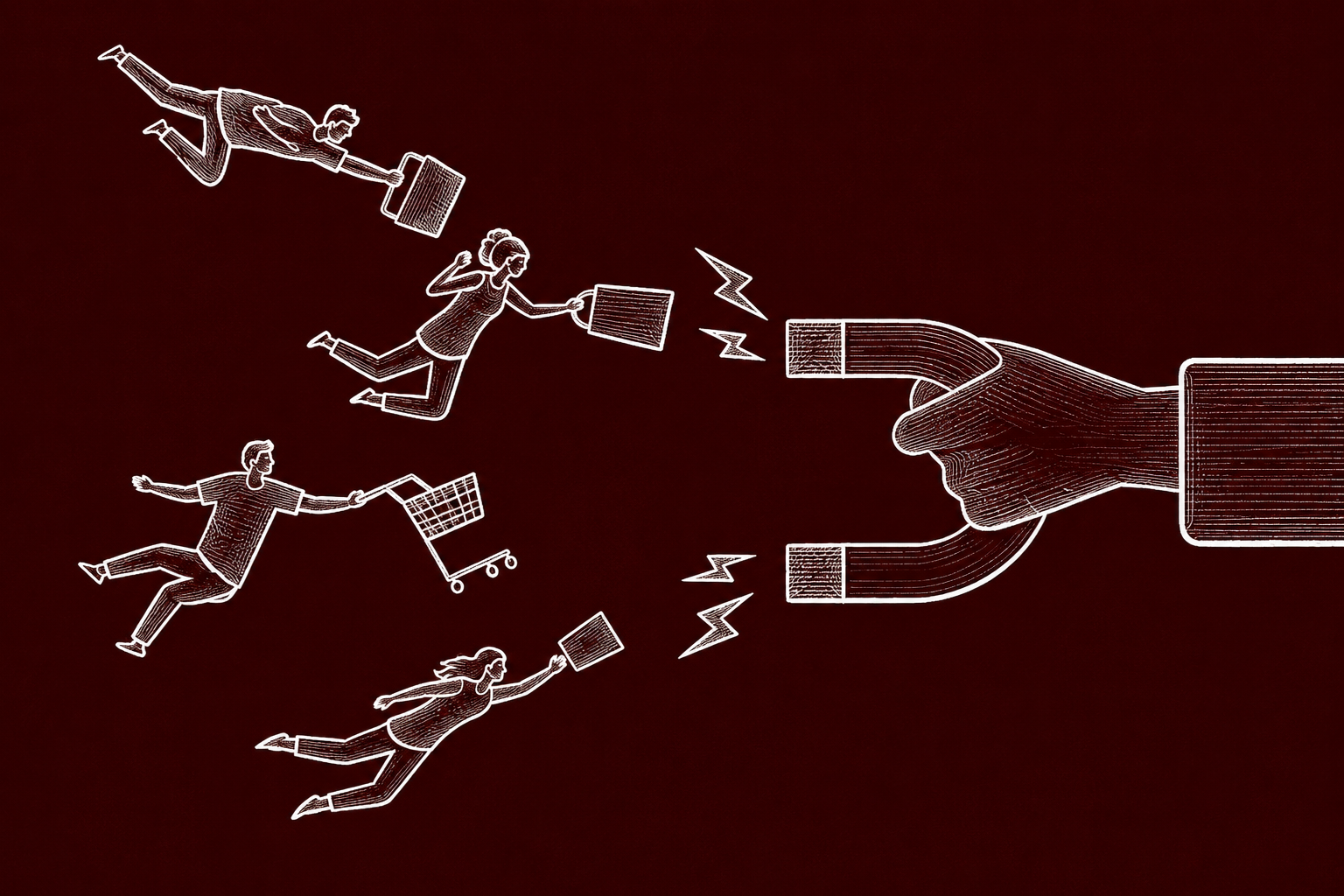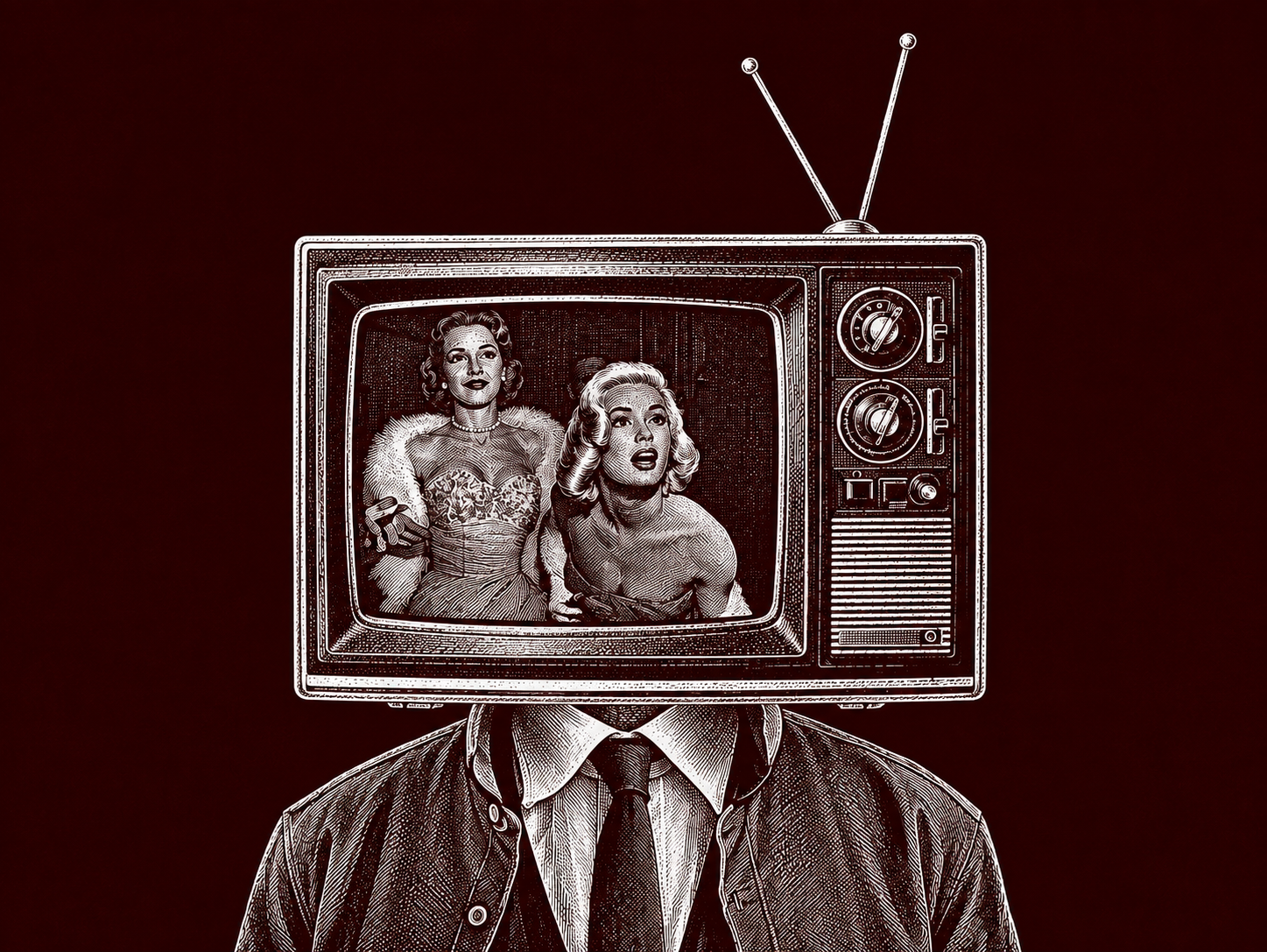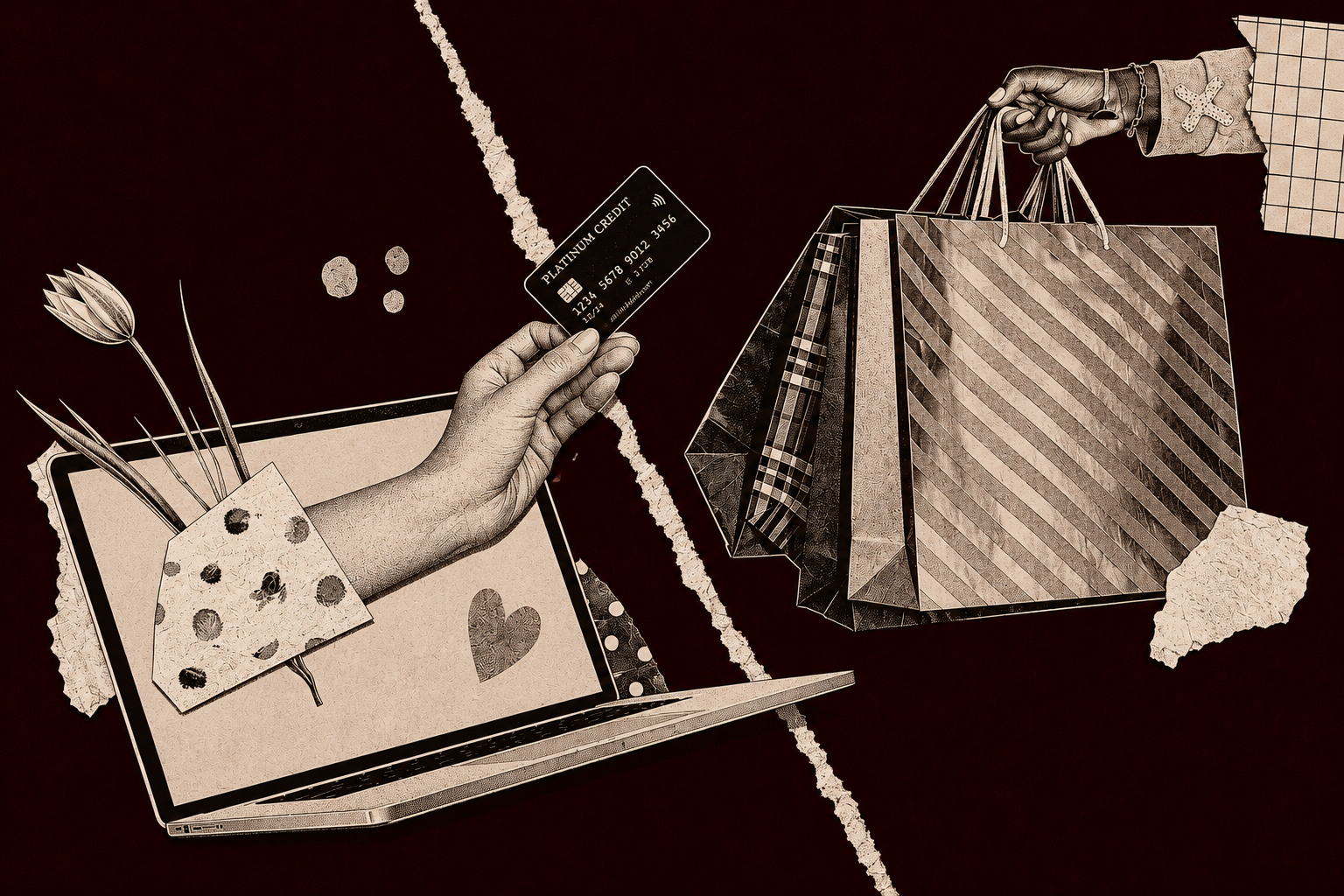
Why we remember the experience, not the advertisement, and how memorable customer experiences build stronger brands and lasting loyalty

Why We Remember the Experience, Not the Advertisement: 5 Powerful Marketing Lessons

Why We Remember the Experience, Not the Advertisement comes down to a simple truth: people may see hundreds of advertisements, but only a few brands create experiences that truly stay with them.

Think about the brands you remember.

You may not remember the exact advertisement they showed you years ago. But you might remember how easy their service was to use, how a product made you feel, a memorable campaign, excellent customer support, or a moment you shared with friends and family.

That is because strong brands do more than communicate a message.

They create experiences.

Here are 5 powerful marketing lessons businesses can learn from this idea.

1. Experiences Create Stronger Emotional Connections

image

Advertisements can tell people how to feel.

Experiences allow people to actually feel it.

A brand may say that it cares about customers, offers convenience, or represents happiness. But customers are more likely to remember the message when they experience those qualities themselves.

For example:

  • Fast and helpful customer service creates trust.
  • A smooth website creates convenience.
  • Personalised communication creates a sense of connection.
  • A memorable event creates excitement.

What businesses can learn

Don’t just communicate your brand values.

Find ways to make customers experience them.

A promise becomes more powerful when people can feel it for themselves.

2. People Remember How a Brand Made Them Feel

image

Customers may forget product details over time, but emotions can leave a stronger impression.

A positive experience can create feelings such as:

  • Happiness
  • Trust
  • Excitement
  • Comfort
  • Confidence
  • Belonging

This is why branding is about more than logos and advertisements.

Every interaction can influence how people feel about your business.

Your:

  • Website
  • Social media
  • Advertising
  • Customer service
  • Packaging
  • Emails
  • Product experience

all contribute to the overall brand experience.

The lesson

Ask yourself:

How do customers feel after interacting with our brand?

That answer may be more important than how many advertisements they remember.

3. Great Experiences Give People Something to Talk About

image

People rarely recommend a brand because they saw an ordinary advertisement.

They are more likely to talk about something that surprised them, helped them, entertained them, or made their lives easier.

A memorable experience can turn into:

  • Word-of-mouth marketing
  • Social media posts
  • Customer reviews
  • Recommendations
  • User-generated content

This is one of the most powerful forms of marketing because the customer becomes part of the story.

What businesses can learn

Create moments worth sharing.

This does not always require a huge budget.

Sometimes, small improvements can make a significant difference:

  • Faster responses
  • Better onboarding
  • Personal touches
  • Unexpected value
  • Easier processes
  • Thoughtful communication

The goal is to give customers a reason to say:

“You won’t believe what this brand did.”

4. The Best Marketing Continues After the Advertisement Ends

image

An advertisement may capture attention for a few seconds.

But the customer experience continues long after the ad disappears.

Imagine a business running an excellent campaign that promises a simple and enjoyable experience.

A customer clicks the advertisement and visits the website.

But then:

  • The website is slow.
  • The information is confusing.
  • The checkout process is difficult.
  • Customer support is unavailable.

The advertisement created expectations, but the experience failed to deliver them.

The lesson

Marketing and customer experience cannot work separately.

A successful journey should feel connected:

Advertisement → Website → Interaction → Purchase → Customer Experience → Loyalty

Every stage should support the same brand promise.

5. Memorable Experiences Turn Customers Into Fans

image

A satisfied customer may buy from you again.

A memorable experience can create something even more valuable: a fan.

When customers consistently enjoy interacting with a brand, they are more likely to:

  • Return
  • Recommend it
  • Share their experiences
  • Engage with its content
  • Feel emotionally connected to the brand

This is where marketing becomes more than customer acquisition.

It becomes relationship building.

What businesses can learn

Don’t only focus on:

“How can we get more customers?”

Also ask:

“What can we do to make existing customers want to come back?”

The brands that create memorable experiences often have an advantage that competitors cannot easily copy.

Advertisement vs Experience: What Customers Actually Remember

An advertisement can create awareness.

An experience creates a relationship.

The strongest brands understand that both are important.

Advertising gets people interested.
Experience determines what they think of you afterwards.

A great campaign may convince someone to try your business once.

A great experience gives them a reason to return.

That is why businesses should look beyond traditional marketing metrics such as impressions, clicks, and views.

They should also consider:

  • Customer satisfaction
  • Repeat purchases
  • Reviews
  • Referrals
  • Customer retention
  • Brand loyalty
  • Customer feedback

These metrics can reveal whether the brand is creating a positive experience beyond the advertisement.

Common Mistakes Businesses Make

Businesses often spend heavily on advertising but overlook what happens afterwards.

Common mistakes include:

  • Making promises the customer experience cannot deliver
  • Creating a confusing website
  • Ignoring customer feedback
  • Treating customer service as separate from marketing
  • Focusing only on acquiring new customers
  • Creating inconsistent experiences across platforms
  • Measuring attention but not customer satisfaction

The best advertisement cannot permanently fix a poor customer experience.

Eventually, customers remember what actually happened when they interacted with your business.

How Spectra Digital Helps Businesses Build Better Brand Experiences

At Spectra Digital, we help businesses create digital marketing strategies that connect advertising with the complete customer journey.

Our services include:

  • Brand strategy
  • Social media marketing
  • Content marketing
  • Performance marketing
  • Paid advertising
  • Website design and optimisation
  • Search Engine Optimization (SEO)
  • Lead generation
  • Conversion optimisation
  • Marketing analytics

We help businesses create stronger digital experiences that attract the right audience, communicate clear value, and turn attention into long-term customer relationships.

Final Thoughts

Why We Remember the Experience, Not the Advertisement is an important lesson for every business investing in marketing.

Advertisements can create awareness.

Campaigns can generate attention.

But the experience determines how customers remember your brand.

The biggest lesson is simple:

Don’t just create advertisements people notice. Create experiences people remember.

When your marketing promise and customer experience work together, your business has a greater opportunity to build trust, loyalty, and long-term growth.

How brands turn customers into fans through emotional connection, memorable experiences, trust, community, and long-term customer loyalty by Spectra Digital

How Brands Turn Customers Into Fans: 5 Powerful Strategies That Build Loyalty

How Brands Turn Customers Into Fans is about much more than simply delivering a good product or service.

A customer buys from you.

A fan chooses you again, talks about your brand, recommends you to others, and actively wants to stay connected with what you do.

This is one of the biggest advantages a brand can build.

While advertising can bring people through the door, long-term growth often comes from giving customers a reason to stay.

So, how do brands move beyond transactions and build genuine loyalty?

Here are 5 powerful strategies that help turn customers into fans.

1. Give Customers Something to Believe In

image

People often connect more strongly with brands that stand for something beyond the product they sell.

A strong brand can represent:

  • Innovation
  • Creativity
  • Simplicity
  • Sustainability
  • Confidence
  • Belonging
  • Quality
  • A particular lifestyle

When customers identify with what a brand represents, the relationship becomes more emotional.

They are no longer choosing the brand only because of what it sells.

They are also choosing what the brand says about them.

What businesses can learn

Ask yourself:

What does our brand stand for beyond our products or services?

Your answer should influence your messaging, content, customer experience, and overall brand identity.

People are more likely to become loyal when they feel connected to what your brand represents.

2. Create Experiences Worth Talking About

image

A good product may satisfy a customer.

A memorable experience can make them want to talk about it.

Every interaction with your business contributes to the customer’s perception of your brand.

This includes:

  • Your website
  • Social media
  • Customer support
  • Packaging
  • Delivery
  • Communication
  • Product experience
  • After-sales service

Brands that create positive and memorable experiences give customers a reason to share those experiences with others.

The lesson

Don’t only ask:

“Was the customer satisfied?”

Ask:

“Was the experience memorable enough to talk about?”

Small details can make a significant difference.

Sometimes, the easiest way to generate word-of-mouth marketing is simply to give customers an experience worth sharing.

3. Make Customers Feel Part of Something

image

The strongest brands don’t just build audiences.

They build communities.

People enjoy feeling that they belong to something bigger than a transaction.

Brands can encourage this by creating opportunities for customers to:

  • Share their experiences
  • Create content
  • Interact with other customers
  • Participate in campaigns
  • Give feedback
  • Attend events
  • Join exclusive communities

This changes the relationship.

Instead of customers simply receiving marketing messages, they become active participants in the brand.

What businesses can learn

Create opportunities for two-way communication.

Listen to customers.

Respond to them.

Feature their stories and content where appropriate.

The more involved people feel, the stronger their connection to the brand can become.

4. Be Consistent Enough to Build Trust

image

Customers become fans when they know what they can expect from a brand.

Consistency creates familiarity.

And repeated positive experiences can turn familiarity into trust.

Your brand should feel connected across:

  • Website
  • Social media
  • Advertising
  • Customer service
  • Emails
  • Content
  • Product experience

This doesn’t mean every piece of content needs to look identical.

It means the core identity and experience should feel recognisable.

The lesson

Trust is rarely built through one great campaign.

It is built through many small moments where a brand consistently delivers on its promise.

Every positive experience is another reason for customers to choose you again.

5. Turn Loyalty Into a Relationship, Not a Transaction

image

Many businesses focus heavily on getting the sale.

But what happens after the customer buys?

That is often where the real opportunity begins.

Brands can build stronger relationships by continuing to provide value through:

  • Helpful content
  • Personalised communication
  • Loyalty programmes
  • Exclusive access
  • Special offers
  • Useful updates
  • Community engagement
  • Excellent customer support

The goal is not to constantly push customers to buy again.

The goal is to remain relevant to them.

What businesses can learn

Don’t disappear after the transaction.

Continue building the relationship.

A customer who trusts and enjoys your brand can become far more valuable over time than a customer who buys once and never hears from you again.

Customers vs Fans: What’s the Difference?

A customer may:

  • Buy your product
  • Compare you with competitors
  • Choose based on price or convenience

A fan is more likely to:

  • Buy repeatedly
  • Recommend your brand
  • Defend or support your brand
  • Share your content
  • Participate in your community
  • Feel emotionally connected to your brand

The goal is not to force every customer to become a fan.

Instead, businesses should create experiences and relationships that make deeper loyalty possible.

Why Brand Fans Are Valuable

Brand fans can become one of your strongest marketing assets.

They can contribute to:

  • Word-of-mouth marketing
  • Repeat purchases
  • Customer referrals
  • User-generated content
  • Stronger brand awareness
  • Greater trust among potential customers

When people genuinely enjoy a brand, they often promote it without being asked.

This kind of advocacy can be difficult to create through advertising alone.

How Spectra Digital Helps Brands Build Stronger Customer Relationships

At Spectra Digital, we help businesses create digital marketing strategies that go beyond short-term attention.

Our services include:

  • Brand strategy
  • Social media marketing
  • Content marketing
  • Performance marketing
  • Paid advertising
  • Search Engine Optimization (SEO)
  • Website design
  • Lead generation
  • Marketing analytics

We help businesses create stronger brand experiences, connect with the right audiences, and develop marketing strategies that support long-term customer relationships and business growth.

Final Thoughts

How Brands Turn Customers Into Fans comes down to building something more valuable than a single transaction.

Customers can be acquired through advertising.

But fans are built through trust, consistency, memorable experiences, emotional connection, and genuine relationships.

The biggest lesson for businesses is simple:

Don’t just focus on getting customers to buy from you. Give them a reason to want to stay connected to your brand.

When customers become genuine fans, they can become one of the most powerful drivers of long-term growth.

Why free is the most powerful word in marketing and how free offers reduce risk, build trust, and encourage customer action by Spectra Digital

Why “Free” Is the Most Powerful Word in Marketing: 5 Brilliant Reasons

Why “Free” Is the Most Powerful Word in Marketing comes down to one simple fact: people love getting something without having to pay for it.

The word “free” can instantly capture attention.

Whether it’s:

  • Free shipping
  • A free trial
  • A free sample
  • A free consultation
  • Buy one, get one free
  • A free resource
  • A free upgrade

The offer often feels more attractive because the customer believes there is little or no financial risk involved.

But “free” is about more than saving money. It can influence how people perceive value, make decisions, and interact with a brand.

Here are 5 powerful reasons why “free” has become one of the most effective words in marketing.

1. “Free” Removes the Fear of Making the Wrong Decision

Free Is the Most Powerful Word in Marketing

Buying something involves risk.

Customers may wonder:

  • Is this product worth the money?
  • What if I don’t like it?
  • What if it doesn’t work for me?
  • What if I waste my money?

A free offer can reduce that hesitation.

When there is no upfront cost, the customer has less to lose by trying something new.

This is why free trials and samples can be effective.

They allow customers to experience a product or service before making a financial commitment.

What businesses can learn

If customers are hesitant to try your business, think about how you can reduce the perceived risk.

This could include:

  • Free trials
  • Free demos
  • Free samples
  • Free consultations
  • Money-back guarantees

The goal is to make the first step easier.

Less perceived risk can lead to more people taking action.

2. “Free” Makes the Offer Feel More Valuable

image

A free offer can create a strong contrast.

For example:

Get a marketing guide

versus

Get a free marketing guide worth ₹999

The second offer makes the perceived value clearer.

The customer is not simply receiving something.

They feel they are receiving something valuable without paying for it.

This is why many businesses use free resources as a way to attract potential customers.

Examples include:

  • E-books
  • Templates
  • Checklists
  • Tools
  • Webinars
  • Reports
  • Free consultations

The lesson for businesses

Free does not mean worthless.

The best free offers provide genuine value.

If someone downloads your free resource and finds it useful, they may be more likely to trust your paid products or services later.

3. “Free” Encourages People to Take the First Step

image

The hardest part of the customer journey is often getting someone to take action for the first time.

They may be interested, but not interested enough to spend money immediately.

A free offer can lower that barrier.

For example:

Free trial → Experience the product → Understand the value → Consider buying

This creates an easier path into the customer journey.

What businesses can learn

Instead of immediately asking every visitor to buy, consider offering a smaller first step.

Ask:

What valuable experience can we offer before asking for a financial commitment?

This could help turn curiosity into engagement.

4. “Free” Can Build Trust Before the Sale

image

Customers are more likely to buy from businesses they trust.

Giving away something genuinely useful can demonstrate your expertise before asking for anything in return.

For service-based businesses, this could include:

  • A free consultation
  • A website audit
  • A marketing checklist
  • An industry guide
  • A useful webinar

The free offer becomes an introduction to the value your business can provide.

The lesson

Don’t treat your free offer as just a lead collection tool.

Treat it as part of the customer experience.

If the free experience feels valuable, it can create a positive first impression.

Give people a reason to trust your expertise before asking them to become customers.

5. “Free” Can Create a Stronger Sense of Opportunity

image

The word “free” can make an offer feel like an opportunity that customers should not ignore.

Compare:

Try our software today.

with:

Try our software free for 30 days.

The second message gives people a clearer reason to take action.

However, the offer needs to be communicated honestly.

Customers quickly lose trust when “free” comes with unexpected conditions or hidden costs.

What businesses can learn

Be clear about what is actually free.

Explain:

  • What the customer receives
  • How long the offer lasts
  • Whether payment details are required
  • What happens after the free period

Transparency is essential.

A misleading free offer may generate clicks, but it can damage trust.

The Psychology Behind Free Offers

“Free” can influence decision-making because it removes or reduces one of the biggest barriers: cost.

When the price drops to zero, customers may evaluate the offer differently.

Instead of calculating whether the product is worth the price, they may focus on a simpler question:

“Why not try it?”

That shift can encourage action.

But there is an important condition.

The offer must still feel relevant.

Giving away something free that your audience doesn’t want will not automatically create results.

The best free offers combine:

High perceived value + Low risk + Clear relevance

Free vs Cheap: Why the Difference Matters

There is a major difference between being a free offer and being perceived as a cheap brand.

A strategic free offer can introduce customers to your business.

But constantly giving away discounts or free products can sometimes reduce the perceived value of what you sell.

For example:

A premium business may offer a valuable free consultation.

That can help customers understand the expertise behind the service.

But if the same business constantly gives away its core service, customers may begin to question why they should pay for it.

The key is balance

Use free offers to:

  • Reduce risk
  • Build trust
  • Generate interest
  • Introduce your value
  • Encourage the first interaction

Then make sure your paid offering provides a clear reason to continue.

Common Mistakes Businesses Make With Free Marketing

image

Businesses can weaken their strategy when they:

  • Offer something with little real value
  • Attract people unrelated to their target audience
  • Use misleading “free” claims
  • Hide important conditions
  • Give away too much without a clear strategy
  • Fail to provide a next step
  • Focus only on collecting leads instead of building trust

A successful free offer should benefit both sides.

The customer receives something valuable.

The business creates an opportunity to begin a relationship.

How Spectra Digital Helps Businesses Turn Attention Into Action

At Spectra Digital, we help businesses create digital marketing strategies designed to capture attention and turn interest into measurable action.

Our services include:

We help businesses develop stronger offers, clearer customer journeys, and marketing campaigns that attract the right audience while building long-term trust.

Final Thoughts

Why “Free” Is the Most Powerful Word in Marketing is not simply because people like saving money.

“Free” can reduce risk, increase perceived value, encourage action, and create an easier first step between a potential customer and a brand.

But the word only works when the offer behind it delivers genuine value.

The biggest lesson for businesses is simple:

Don’t use “free” just to attract attention. Use it to create a valuable first experience that gives people a reason to trust your brand.

A strong free offer can open the door.

A valuable product, service, and customer experience give people a reason to stay.

Why brands are acting like creators instead of advertisers by creating engaging content, building communities, and earning audience attention

Why Brands Are Acting Like Creators Instead of Advertisers: 5 Powerful Reasons

Why Brands Are Acting Like Creators Instead of Advertisers is one of the biggest shifts in modern marketing.

Traditional advertising was relatively simple. A brand created an advertisement, paid to place it in front of an audience, and hoped people would pay attention.

Today, that approach is becoming less effective on its own.

People scroll past ads, skip videos, use ad blockers, and have more control over what they choose to watch. At the same time, social media has changed what audiences expect from brands.

People are used to watching creators who entertain, educate, share opinions, tell stories, and interact directly with their communities.

As a result, many successful brands are changing their approach.

Instead of simply asking:

“How can we advertise to people?”

They are asking:

“How can we create content people actually want to watch?”

Here are 5 powerful reasons why brands are starting to act more like creators than traditional advertisers.

1. Attention Has Become Harder to Buy

image

Advertising can still generate attention, but simply paying for visibility does not guarantee that people will care.

Consumers are exposed to countless advertisements every day. This has made attention more competitive and more expensive.

Creators approach attention differently.

They understand that people need a reason to stop scrolling.

That reason could be:

  • Entertainment
  • Education
  • A strong opinion
  • A relatable moment
  • A useful tip
  • A story
  • Curiosity

Brands are learning that the best content does not always feel like an advertisement.

What businesses can learn

Before creating content, don’t just ask:

“How can we promote our product?”

Ask:

“Why would someone choose to watch this?”

That small change can completely transform a content strategy.

2. People Follow Personalities, Not Just Products

image

Creators build audiences because people become interested in their personalities, perspectives, and style.

Brands are now trying to create a stronger and more recognisable voice of their own.

Instead of sounding formal and corporate in every post, brands are becoming:

  • More conversational
  • More entertaining
  • More opinionated
  • More relatable
  • More culturally aware

This does not mean every business needs to copy internet trends or use Gen Z slang.

It means brands need a clear personality that makes their communication feel human.

The lesson

If your logo disappeared from a social media post, would people still recognise that it came from your brand?

A strong voice can make content recognisable even before the audience sees the brand name.

3. Content Is Becoming a Long-Term Asset

image

Traditional advertising often works only while the campaign is running.

Creator-style content can continue generating value long after it is published.

A useful video, entertaining Reel, educational post, or strong opinion can continue to attract:

  • Views
  • Followers
  • Website traffic
  • Brand awareness
  • Leads
  • Potential customers

This changes how brands think about content.

Instead of treating every post as a one-time advertisement, they can build a library of content that continues working over time.

What businesses can learn

Create content around topics your audience genuinely cares about.

Focus on:

  • Customer problems
  • Common questions
  • Industry insights
  • Behind-the-scenes moments
  • Stories
  • Opinions
  • Entertaining ideas connected to your brand

The goal is to create value before asking for attention in return.

4. Communities Are More Valuable Than Passive Audiences

image

An audience watches.

A community participates.

Creators often build stronger relationships by interacting directly with their followers. They respond to comments, join conversations, ask questions, and make their audiences feel involved.

Brands are increasingly using the same approach.

Instead of publishing content and disappearing, they are becoming active participants in their communities.

This can include:

  • Responding to comments
  • Sharing customer content
  • Starting conversations
  • Asking for opinions
  • Creating interactive formats
  • Building communities around shared interests

The lesson

Social media should not be treated as a digital billboard.

It is a conversation.

The more a brand listens and participates, the easier it becomes to understand what its audience actually cares about.

5. Creator-Style Content Builds Trust Before the Sale

image

People are often more willing to engage with a brand when they have already received value from its content.

For example, a business may consistently share useful insights, entertaining videos, or helpful information.

Over time, the audience begins to recognise the brand.

Then, when they eventually need the product or service, the brand already has a relationship with them.

This creates a different customer journey:

Content → Attention → Trust → Familiarity → Consideration → Customer

Advertising can accelerate this process, but content can help build the relationship behind it.

What businesses can learn

Don’t make every piece of content a sales pitch.

A strong strategy can include a mix of:

  • Educational content
  • Entertaining content
  • Brand storytelling
  • Customer stories
  • Product-focused content
  • Community content

The goal is to give people multiple reasons to follow your brand before they are ready to buy.

The Difference Between a Brand Acting Like a Creator and an Advertiser

A traditional advertiser often asks:

“How do we get our message in front of more people?”

A creator asks:

“How do we make people want to come back?”

The strongest brands are learning to do both.

They use advertising to increase reach while using creator-style content to build attention, familiarity, and trust.

This creates a more balanced strategy:

Paid media brings attention.
Great content gives people a reason to stay.

Common Mistakes Brands Should Avoid

Trying to act like a creator does not mean copying everything creators do.

Businesses can lose their identity when they:

  • Follow every trend without relevance
  • Copy viral formats without adding value
  • Change their personality constantly
  • Force humour into every post
  • Focus only on followers and views
  • Forget to connect content to business goals

The goal is not to pretend your brand is a person.

The goal is to create communication that feels more useful, interesting, and human.

How Spectra Digital Helps Brands Create Content That People Want to Watch

At Spectra Digital, we help businesses move beyond traditional promotional content and build digital strategies designed for how people consume content today.

Our services include:

  • Social media marketing
  • Content strategy
  • Brand strategy
  • Performance marketing
  • Paid advertising
  • Search Engine Optimization (SEO)
  • Website design
  • Lead generation
  • Marketing analytics

We help businesses create content that captures attention, builds stronger audience relationships, and supports measurable business growth.

Final Thoughts

Why Brands Are Acting Like Creators Instead of Advertisers comes down to one important change: attention can no longer be taken for granted.

People have more choices than ever about what they watch and engage with.

The brands that succeed are increasingly the ones that understand how to earn attention rather than simply interrupt people to get it.

The biggest lesson is simple:

Don’t just create advertisements for your audience. Create content your audience would choose to watch.

When brands combine the creativity of creators with a clear marketing strategy, they can build something more valuable than short-term reach: an audience that genuinely wants to hear from them.

How FOMO became a marketing strategy using scarcity, urgency, exclusivity, social proof, and limited-time offers by Spectra Digital

How FOMO Became a Marketing Strategy: 5 Powerful Ways Brands Create Urgency

How FOMO Became a Marketing Strategy is closely connected to a simple human feeling: the fear of missing out.

People don’t always make purchasing decisions because they immediately need a product. Sometimes, they act because they believe an opportunity might disappear.

A limited-time offer, a product that is almost sold out, an exclusive launch, or an invitation available to only a few people can create a sense of urgency.

This is where FOMO becomes a powerful marketing tool.

Brands use it to make customers feel that waiting may come at a cost.

Here are 5 powerful ways FOMO became an important marketing strategy and what businesses can learn from it.

1. Limited Availability Makes Products Feel More Valuable

How FOMO Became a Marketing Strategy

When something appears to be available in limited quantities, people may perceive it as more valuable.

Think about messages such as:

  • Only 5 items left
  • Limited edition
  • Available while stocks last
  • Exclusive drop
  • Limited seats available

The product itself may not have changed. But its availability has.

This creates a psychological shift.

Instead of asking:

“Do I want this?”

Customers may start asking:

“What if I want this later and it’s gone?”

What businesses can learn

Scarcity can be effective when it is genuine.

If your business repeatedly claims that every offer is “limited” when it clearly isn’t, customers may stop trusting the message.

Real scarcity can create urgency. Fake scarcity can damage credibility.

2. Deadlines Encourage Faster Decisions

image

Without a deadline, customers can postpone a decision indefinitely.

They might think:

“I’ll buy it later.”

But a deadline changes the situation.

Messages such as:

  • Offer ends tonight
  • Sale ends in 24 hours
  • Last day to register
  • Early access closes soon

give customers a reason to act now rather than later.

The lesson for businesses

A clear deadline can reduce indecision.

However, the deadline should be easy to understand and truthful.

Instead of creating vague urgency, tell customers exactly when an offer or opportunity ends.

3. Exclusivity Makes People Want to Be Included

image

People often value access to things that not everyone can get.

This is why brands use:

  • Members-only access
  • Early access
  • VIP experiences
  • Invite-only launches
  • Exclusive products
  • Private communities

Exclusivity creates the feeling that access itself has value.

Customers are not only buying the product. They may also be responding to the feeling of being part of something special.

What businesses can learn

You can use exclusivity to reward your most engaged customers.

For example:

  • Give email subscribers early access.
  • Offer loyal customers exclusive benefits.
  • Create limited products or services for specific audiences.

The key is to make the exclusive experience feel genuinely valuable.

4. Social Proof Can Create the Fear of Missing Out

image

FOMO isn’t always created by a countdown timer.

Sometimes, seeing other people participate is enough.

When customers see that:

  • A product is trending
  • Tickets are selling quickly
  • Other people are sharing their purchases
  • A waiting list is growing
  • A product is frequently discussed online

they may feel that they are missing something important.

This combines social proof with FOMO.

People start thinking:

“If everyone is interested in this, should I be paying attention too?”

What businesses can learn

Encourage real customers to share their experiences.

Customer reviews, user-generated content, testimonials, and genuine popularity can help create interest without forcing urgency.

The emphasis should always be on authentic proof rather than manufactured hype.

5. Product Drops Turn Buying Into an Event

image

Some brands don’t simply release a product.

They create a moment around it.

A product drop can include:

  • Teasers
  • Countdown content
  • Early previews
  • Limited availability
  • Exclusive access
  • Social media conversations

This builds anticipation before customers can even buy.

By the time the product becomes available, the audience already feels involved in the launch.

The lesson for businesses

Marketing should not always begin on the day of launch.

Build interest before the product, offer, or campaign becomes available.

A well-planned launch can transform a normal sales moment into something people actively wait for.

Why FOMO Works in Marketing

FOMO works because people often dislike the idea of losing an opportunity.

In marketing, this can influence decision-making when customers believe that:

  • The product may sell out.
  • The offer may expire.
  • Access may disappear.
  • Other people are already participating.
  • They may miss an exclusive opportunity.

The important word is believe.

That belief should be based on something real.

FOMO marketing works best when urgency reflects an actual limitation or opportunity rather than a misleading tactic.

FOMO vs Manipulation: Where Businesses Should Draw the Line

image

Creating urgency is not automatically unethical.

If there are genuinely limited products, seats, or time-sensitive offers, communicating that information can help customers make informed decisions.

The problem begins when businesses create false pressure.

Examples include:

  • Fake countdown timers
  • Invented low-stock warnings
  • Offers that “end today” every day
  • False claims about demand
  • Artificial scarcity with no real limitation

Short-term pressure may generate sales.

But long-term trust is more valuable.

A good FOMO strategy should make customers feel:

“I don’t want to miss this opportunity.”

Not:

“I was tricked into buying this.”

Common FOMO Marketing Mistakes

Businesses can weaken their marketing when they:

  • Create fake urgency
  • Use countdown timers on every page
  • Run permanent “limited-time” sales
  • Overuse scarcity messages
  • Focus on pressure instead of value
  • Make customers feel manipulated
  • Fail to deliver on the promise behind the campaign

The best FOMO campaigns don’t depend entirely on pressure.

They create genuine demand first and then communicate why the opportunity is limited.

What Businesses Can Learn From FOMO Marketing

The biggest lesson is that timing matters.

Customers may be interested in a product but still delay their decision.

A genuine reason to act now can help move them from interest to action.

But FOMO should not replace a strong product, clear value proposition, or trustworthy brand.

A sustainable strategy looks like this:

Attention → Interest → Desire → Genuine Urgency → Action

When all these elements work together, urgency becomes a useful part of the customer journey rather than an aggressive sales tactic.

How Spectra Digital Helps Businesses Create High-Performing Marketing Campaigns

At Spectra Digital, we help businesses create digital marketing strategies that combine creativity, customer psychology, and measurable business goals.

Our services include:

  • Performance marketing
  • Social media marketing
  • Content marketing
  • Paid advertising
  • Conversion optimisation
  • Lead generation
  • Website design
  • Search Engine Optimization (SEO)
  • Marketing analytics

We help businesses create campaigns that capture attention, communicate real value, and encourage meaningful customer action without sacrificing long-term brand trust.

Final Thoughts

How FOMO Became a Marketing Strategy shows how powerful the fear of missing out can be in influencing customer behaviour.

Limited availability, deadlines, exclusivity, social proof, and product drops can all encourage people to act faster.

But the most effective strategy is not about creating artificial pressure.

It’s about identifying genuine reasons why an opportunity is limited and communicating them clearly.

The biggest lesson for businesses is simple:

Don’t create fake urgency. Create real value—and give customers a genuine reason to act now.

How Crocs went from ugly to a cultural icon through distinctive branding, collaborations, customisation, and cultural relevance by Spectra Digital

How Crocs Went From “Ugly” to Cultural Icon: 5 Brilliant Branding Moves

How Crocs Went From “Ugly” to Cultural Icon is a fascinating example of how a brand can turn criticism into an advantage.

For years, Crocs was known for a design that many people considered unusual, awkward, and, quite simply, ugly. But instead of completely changing its identity to fit traditional ideas of fashion, the brand leaned into what made it different.

Today, Crocs is more than just a comfortable shoe. It has become a recognisable part of fashion, internet culture, collaborations, and self-expression.

So, how did Crocs transform something people loved to criticise into a cultural icon?

Here are 5 brilliant branding moves businesses can learn from.

1. Crocs Didn’t Try to Be Everyone’s Idea of Beautiful

How Crocs Went From "Ugly" to Cultural Icon

One of the biggest mistakes brands can make is trying too hard to appeal to everyone.

Crocs had a distinctive design. Instead of hiding from the criticism or completely redesigning itself to look like every other shoe, the brand embraced its uniqueness.

Its appearance became part of the conversation.

That created something valuable: distinctiveness.

People might have had different opinions about Crocs, but they could recognise them instantly.

What businesses can learn

Being different can sometimes be more valuable than trying to look perfect.

Ask yourself:

  • What makes our brand different?
  • Are we hiding that difference to look like competitors?
  • Could our biggest point of difference actually become our biggest strength?

A brand does not always need universal approval.

Sometimes, being memorable is the first step towards becoming desirable.

2. Comfort Became a Clear Reason to Buy

image

Being different gets attention, but a brand still needs to offer real value.

Crocs had a clear product benefit: comfort and practicality.

This gave customers a reason to look beyond appearance.

The combination of an unusual design and a clear functional benefit helped create a strong identity.

The lesson for businesses

Marketing can attract attention, but the product experience gives customers a reason to stay.

A strong brand needs both:

Attention + real value

Your business should be able to answer two questions:

Why should people notice us?
and
Why should they choose us?

3. Collaborations Changed How People Saw the Brand

image

One of the most effective ways for a brand to change perception is through association.

When a brand collaborates with influential designers, celebrities, artists, or cultural names, it can enter new conversations and reach new audiences.

Crocs used collaborations to move beyond its original identity.

The product remained recognisable, but the context around it changed.

What was once seen only as practical footwear could now be viewed as:

  • Fashion
  • Collectible culture
  • Self-expression
  • Limited-edition design
  • Pop culture

What businesses can learn

Strategic collaborations can help a brand reach audiences that may not have paid attention before.

But the best partnerships do more than generate publicity.

They should introduce your brand into a new and relevant cultural space.

4. Crocs Turned Customisation Into Self-Expression

image

One of the reasons products become part of culture is that people start making them their own.

Crocs allowed customers to personalise their footwear and express their personalities.

Instead of every customer owning exactly the same product, customisation created more opportunities for individuality.

This helped transform the product from something people simply wore into something they could use to express themselves.

The lesson for businesses

People often value brands that allow them to participate.

Think about ways your customers can:

  • Personalise the experience
  • Share their own creativity
  • Create content around your product
  • Become part of the brand story

When customers participate in a brand, they can become more emotionally connected to it.

5. Being Talked About Became Part of the Strategy

image

Not every brand conversation needs to be completely positive to create awareness.

Crocs became a product that people had opinions about.

Some loved them. Some disliked them. Others joked about them.

But almost everyone recognised them.

This created a powerful form of visibility.

The brand was not invisible.

And over time, being different became part of its appeal.

What businesses can learn

Trying to avoid every possible criticism can make a brand safe—but forgettable.

This does not mean businesses should intentionally create negative reactions.

It means brands should not be afraid to have a clear identity.

A strong point of view may attract some people and turn away others. That is often better than being irrelevant to everyone.

From Product to Cultural Icon

Crocs demonstrates that products can become culturally significant when people start talking about them beyond their basic function.

A shoe is no longer just a shoe when it becomes connected to:

  • Fashion
  • Identity
  • Internet culture
  • Celebrity influence
  • Creativity
  • Community
  • Self-expression

The product becomes part of a larger conversation.

That is where strong branding can create enormous value.

The Difference Between Being Popular and Being Culturally Relevant

A popular product may sell well today.

A culturally relevant brand becomes part of conversations.

People:

  • Share it
  • Talk about it
  • Create content around it
  • Joke about it
  • Wear it as self-expression
  • Connect it with specific communities or moments

This kind of relevance is difficult to create through advertising alone.

It often happens when a brand understands how people want to interact with it.

Common Branding Mistakes Businesses Should Avoid

Many businesses become forgettable because they:

  • Copy every competitor
  • Change their identity too frequently
  • Try to appeal to everyone
  • Focus only on short-term trends
  • Have no clear brand personality
  • Create marketing that gets attention but communicates no value

The goal should not be to become strange for the sake of being different.

The goal is to become distinctive, relevant, and valuable.

How Spectra Digital Helps Businesses Build Distinctive Brands

At Spectra Digital, we help businesses develop digital marketing strategies that combine strong brand identity with measurable business goals.

Our services include:

We help businesses identify what makes them different and turn that into marketing, content, and digital experiences that attract the right audience.

Final Thoughts

How Crocs Went From “Ugly” to Cultural Icon shows that successful branding does not always come from trying to be perfect.

Sometimes, the things that make a product different are the very things that make it memorable.

Crocs didn’t need to become like every other shoe brand.

Instead, it embraced its distinct identity, focused on product value, entered new cultural conversations, and gave customers ways to make the product their own.

The biggest lesson for businesses is simple:

Don’t hide what makes your brand different. Find the right audience and give them a reason to care about it.

If your business wants to build a stronger brand identity and create marketing that helps you stand out in a crowded market, Spectra Digital can help turn your unique strengths into a strategy for long-term growth.

Why customers choose the more expensive brand based on trust, perceived value, quality, branding, and customer experience by Spectra Digital

Why Customers Choose the More Expensive Brand: 5 Powerful Reasons

Why Customers Choose the More Expensive Brand is a question many businesses struggle with.

Imagine two products that offer almost the same function. One is cheaper, while the other costs significantly more.

Logic might suggest that customers will always choose the cheaper option.

But they often don’t.

Customers regularly pay more for certain brands, even when lower-priced alternatives are available. This happens because people don’t make purchasing decisions based on price alone.

They also consider trust, perceived quality, brand image, emotional connection, and the overall experience.

Here are 5 powerful reasons why customers often choose the more expensive brand.

1. Higher Prices Can Create a Perception of Higher Quality

Why Customers Choose the More Expensive Brand

Price can influence how customers perceive a product.

When people don’t have enough information to compare two products, they may use price as a shortcut.

A higher price can create the impression that the product is:

  • Better made
  • More reliable
  • Higher quality
  • More exclusive
  • More durable

This doesn’t mean that expensive products are always better.

However, perception plays an important role in purchasing decisions.

What businesses can learn

If your brand wants to charge more, your pricing should be supported by clear value.

Your:

  • Website
  • Branding
  • Packaging
  • Customer experience
  • Product presentation
  • Marketing

should all communicate why your product is worth the price.

A premium price with a poor experience creates doubt.

A premium price supported by strong value can create confidence.

2. Customers Pay More for Trust

image

Buying the cheaper option can sometimes feel risky.

Customers may wonder:

  • Will the quality be good?
  • Will the product last?
  • What happens if something goes wrong?
  • Can I trust this company?

A well-known or trusted brand can reduce that uncertainty.

Customers may be willing to pay more because they feel confident about what they will receive.

This is especially important when the purchase involves:

  • A high price
  • Long-term use
  • Personal risk
  • Important decisions
  • Limited knowledge about the product

The lesson for businesses

Trust can become a competitive advantage.

Build it through:

  • Clear communication
  • Customer reviews
  • Testimonials
  • Case studies
  • Consistent quality
  • Reliable customer support
  • Transparent policies

Sometimes, customers aren’t paying more for the product itself.

They’re paying for the confidence that comes with choosing you.

3. A Strong Brand Makes Products Feel More Valuable

image

Branding can change how customers perceive the exact same type of product.

Two businesses may sell similar products, but one may feel more premium because of:

  • Better design
  • Clearer positioning
  • Stronger storytelling
  • Professional branding
  • Consistent communication
  • A better website
  • Higher-quality content

The actual product matters, but the way it is presented also influences perceived value.

Think about the difference

A product described as:

“High-quality headphones.”

may feel very different from a brand that communicates:

“Designed for people who refuse to compromise on sound.”

Both may be selling headphones.

But the second message creates a stronger perception and emotional connection.

What businesses can learn

Don’t only improve your product.

Improve how customers understand and experience your value.

Your branding should answer:

Why should someone choose you instead of a cheaper alternative?

4. People Buy What a Brand Represents

image

Customers don’t always buy products only for practical reasons.

Sometimes, they buy what the brand represents.

A premium brand may be associated with:

  • Status
  • Success
  • Confidence
  • Innovation
  • Simplicity
  • Sustainability
  • Exclusivity
  • Belonging

This emotional value can make price comparisons less important.

For example, two products may perform a similar function, but one may make the customer feel more confident or aligned with a particular lifestyle.

The lesson

Ask:

What does our brand represent beyond the product itself?

The answer should influence your:

  • Brand positioning
  • Advertising
  • Social media
  • Website messaging
  • Customer experience

The strongest brands sell more than features.

They sell meaning.

5. A Better Experience Can Justify a Higher Price

image

Price is only one part of the customer experience.

A business can justify charging more by making every interaction better.

This can include:

  • Easier purchasing
  • Faster service
  • Better customer support
  • Professional communication
  • Better packaging
  • Personalisation
  • A smoother website experience
  • Reliable delivery

Customers often remember how easy or difficult it was to deal with a business.

A cheaper option that creates frustration may not feel like a good deal.

A more expensive option that saves time, reduces stress, and creates a better experience may feel worth paying for.

Price vs Value: The Difference Businesses Need to Understand

image

Price is what the customer pays.

Value is what the customer believes they receive.

This is why businesses should avoid competing only on price.

If your only advantage is being cheaper, another competitor can always try to charge less.

But competing on:

  • Trust
  • Experience
  • Expertise
  • Quality
  • Convenience
  • Brand reputation

is much harder to copy.

The goal is not to convince everyone that you are cheap.

The goal is to make the right customers understand why you are worth more.

How to Build a Brand Customers Are Willing to Pay More For

Create clear positioning

Customers should immediately understand what makes your business different.

Avoid generic statements that every competitor could use.

Make your value visible

Don’t assume customers automatically understand why you charge more.

Show them through:

  • Product benefits
  • Customer results
  • Testimonials
  • Case studies
  • Demonstrations
  • Strong messaging

Invest in your brand experience

Your website, content, social media, and customer communication all affect how customers perceive your business.

Build proof

People are more comfortable paying more when they can see evidence that others trust you.

Use real customer experiences to support your claims.

Focus on the right customers

Not everyone needs to become your customer.

Some people will always choose the lowest price.

Instead of trying to win every customer, focus on people who value what makes your business different.

Common Mistakes Businesses Make

Businesses often struggle to justify higher prices because they:

  • Copy competitors instead of differentiating themselves
  • Talk only about product features
  • Fail to communicate their value
  • Have inconsistent branding
  • Offer a poor customer experience
  • Constantly use discounts
  • Compete only on price

Lowering your price may increase short-term sales, but it can also make it harder to build a strong premium perception.

Sometimes, the better strategy is not to become cheaper.

It’s to become more valuable.

How Spectra Digital Helps Businesses Build Stronger Brand Value

At Spectra Digital, we help businesses create digital strategies that strengthen how customers perceive and experience their brands.

Our services include:

  • Brand strategy
  • Social media marketing
  • Content marketing
  • Performance marketing
  • Search Engine Optimization (SEO)
  • Website design
  • Paid advertising
  • Conversion optimisation

We help businesses communicate their value more clearly, build stronger digital experiences, and create marketing strategies designed to attract the right customers.

Final Thoughts

Why Customers Choose the More Expensive Brand comes down to more than price.

Customers may be willing to pay more when they trust a brand, perceive greater quality, connect with what the brand represents, and receive a better overall experience.

The key lesson for businesses is simple:

Customers don’t always choose the cheapest option. They choose the option that feels most valuable to them.

Instead of asking how you can lower your prices to compete, ask:

“How can we create more value in the minds of our customers?”

That shift can help your business move away from price competition and build a brand that customers are genuinely willing to pay more for.

How Fevicol turned humour into a brand asset through memorable advertising, creative storytelling, and consistent brand communication by Spectra Digital

How Fevicol Turned Humour Into a Brand Asset: 5 Brilliant Marketing Strategies

How Fevicol Turned Humour Into a Brand Asset is one of the most interesting examples of how a simple product can build a memorable brand personality.

Fevicol sells an adhesive. On paper, that may not sound like the easiest product to make entertaining.

But through humour, storytelling, and memorable advertising, Fevicol turned its core product benefit strong bonding into a creative idea that audiences could instantly understand and remember.

Instead of repeatedly explaining technical product features, Fevicol found a more engaging way to communicate what its product does.

It made people laugh.

And in the process, humour became one of the brand’s most valuable marketing assets.

1. Fevicol Turned a Product Feature Into a Creative Idea

image

Every successful brand needs a clear idea that people can remember.

For Fevicol, the central product benefit is strength and strong bonding. Rather than simply saying that repeatedly, the brand has used exaggerated and humorous situations to demonstrate the same message.

The advertising communicates the product benefit without needing a long explanation.

The audience understands the joke—and the product promise at the same time.

The lesson for businesses

Look beyond your product features.

Ask:

  • What is the strongest benefit of our product?
  • Can we communicate it through a simple idea?
  • Can customers understand our value without reading a long explanation?

A strong creative idea can make even a simple product more memorable.

2. Humour Makes Advertising Easier to Remember

image

Most people see hundreds of advertisements every day.

Many are forgotten almost immediately.

Humour can change that.

When an advertisement makes someone laugh, it creates a stronger reason to pay attention. A funny situation can also make the brand message easier to recall later.

For Fevicol, humour is not just added for entertainment. It supports the product positioning.

That is what makes the strategy effective.

The lesson

Don’t use humour just because funny content gets attention.

The humour should connect back to:

The product + the brand + the message.

When those three elements work together, entertainment can become a powerful branding tool.

3. The Brand Stays Consistent Without Becoming Boring

image

One of the challenges of consistent branding is avoiding repetition.

Fevicol has built its communication around a familiar core idea while finding different creative ways to express it.

The message remains connected to strength and bonding, but the stories, characters, and situations can change.

This creates a useful balance:

Consistent brand idea + fresh creative execution

Businesses can learn an important lesson from this.

You don’t need to change your entire marketing strategy every few months.

Sometimes, the strongest approach is to find one powerful brand idea and explore it from different angles.

4. Fevicol Uses Relatable Storytelling

image

Humour often works best when people can understand the situation quickly.

Relatable storytelling helps audiences connect with an advertisement without needing complicated explanations.

Instead of making the product the only focus, a story creates context around the product benefit.

This can make advertising feel less like a sales pitch and more like something people genuinely enjoy watching.

What businesses can learn

Think about the everyday experiences connected to your product or service.

Your customers may face:

  • Frustrations
  • Problems
  • Funny situations
  • Challenges
  • Habits
  • Common misunderstandings

These moments can become the foundation for more relatable marketing.

5. Fevicol Built a Recognisable Brand Personality

image

Some brands are recognised by their logo.

Others are recognised by how they communicate.

Fevicol has developed a distinct advertising style that helps create familiarity over time. Humour and exaggeration have become closely connected with the brand’s personality.

This means the marketing does more than promote individual campaigns.

It reinforces the overall brand.

The lesson for businesses

Ask yourself:

If your logo disappeared from a piece of content, would people still recognise your brand?

A strong brand personality can help make your:

  • Advertisements
  • Social media content
  • Videos
  • Website copy
  • Campaigns

feel connected and recognisable.

Why Humour Can Be a Powerful Brand Asset

Humour can help businesses:

  • Capture attention
  • Increase memorability
  • Make complex ideas easier to understand
  • Create emotional connections
  • Encourage sharing
  • Build a more human brand personality
  • Stand out from competitors

However, humour works best when it feels natural to the brand.

Not every business needs to become funny.

The goal is to find a communication style that fits your audience and supports your brand identity.

How Businesses Can Use Humour Without Losing Their Brand Identity

Businesses that want to experiment with humour can start with a few simple principles.

Understand your audience

What kind of content do they find relatable or entertaining?

Keep the message connected to your business

Don’t create random jokes that attract the wrong audience.

Stay consistent

Your humour should feel connected to your overall brand personality.

Avoid copying every trend

A trending meme may generate attention, but relevance matters more than participation.

Keep the product benefit clear

After people enjoy the content, they should still understand what your business offers.

The goal is not simply to be funny.

The goal is to become memorable.

Common Mistakes in Humour Marketing

Businesses can weaken their marketing when they:

  • Copy jokes from competitors
  • Force humour into every campaign
  • Follow outdated trends
  • Create content unrelated to their product
  • Focus on views but ignore brand recall
  • Use a different personality in every campaign

Humour should strengthen your brand—not distract from it.

How Spectra Digital Helps Businesses Build Memorable Marketing

At Spectra Digital, we help businesses create marketing strategies that combine creativity with clear business objectives.

Our services include:

We help businesses develop content and campaigns that capture attention while remaining connected to their brand and marketing goals.

Final Thoughts

How Fevicol Turned Humour Into a Brand Asset shows that even a simple product can create powerful marketing when the communication is memorable.

Fevicol did not need to make its product complicated or constantly change its core message.

Instead, it found a strong idea, built creativity around it, and communicated that idea consistently over time.

The biggest lesson for businesses is simple:

Don’t just tell customers what your product does. Find a memorable way to make them understand and remember it.

A strong creative idea can turn advertising from something people skip into something they actually enjoy.

If your business wants to create marketing that is memorable, engaging, and connected to real business goals, Spectra Digital can help develop a strategy that brings creativity and performance together.

How Tata builds trust across generations through consistency, reliability, strong values, and long-term brand strategy by Spectra Digital

How Tata Builds Trust Across Generations: 6 Remarkable Branding Strategies

How Tata Builds Trust Across Generations is a powerful example of how long-term trust can become one of a brand’s greatest assets.

Many companies focus heavily on getting attention. They chase trends, run campaigns, and compete for clicks. But building trust is different. Trust takes time, consistency, and repeated positive experiences.

Tata has built a strong reputation by creating businesses and brands that have remained familiar to generations of customers. From automobiles and technology to hospitality, consumer products, and other industries, the Tata name is associated with a broader sense of reliability and long-term value.

So, what can businesses learn from the way Tata has built trust over time?

1. Trust Is Built Through Consistency

How Tata builds trust across generations through consistency, reliability, strong values, and long-term brand strategy by Spectra Digital

Customers are more likely to trust brands when they know what to expect.

A strong brand cannot communicate one message today and behave completely differently tomorrow. Over time, consistency between what a business says and what customers experience becomes important.

This applies to:

  • Product and service quality
  • Customer communication
  • Brand messaging
  • Advertising
  • Customer service
  • Digital experience

The lesson for businesses

Your brand promise should be visible across every customer interaction.

Trust grows when customers repeatedly have experiences that match their expectations.

2. A Strong Reputation Is Built Over Time

image

One of the biggest lessons from Tata is that brand trust is not created overnight.

A viral campaign may generate awareness quickly, but trust usually develops through repeated experiences over years.

Businesses often make the mistake of focusing only on immediate results.

While leads and sales are important, every interaction also contributes to long-term brand perception.

Ask yourself:

What will customers remember about our business after working with us?

A positive answer can be more valuable than a short-term marketing campaign.

3. The Brand Stands for More Than Its Products

image

Strong brands often represent something beyond what they sell.

Customers may associate a trusted brand with values, reliability, quality, or a particular type of experience.

This creates a stronger relationship than simply competing on price.

For businesses, the question is:

What do we want people to associate with our brand?

It could be:

  • Reliability
  • Innovation
  • Quality
  • Transparency
  • Simplicity
  • Customer service
  • Expertise

The key is to choose values that your business can consistently demonstrate.

4. Familiarity Creates Confidence

image

People are naturally more comfortable with brands they recognise.

Over time, consistent branding can create familiarity. Familiarity alone does not guarantee trust, but when it is supported by positive customer experiences, it can become a powerful advantage.

This is why businesses should avoid constantly changing their identity without a clear reason.

Your:

  • Logo
  • Brand voice
  • Messaging
  • Visual identity
  • Customer experience

should work together to create a recognisable and consistent presence.

The lesson

Don’t try to become a completely different brand every few months.

Build a clear identity and give customers enough time to remember it.

5. Trust Extends Across Different Generations

image

Building a brand that appeals to different generations requires more than following every trend.

Older customers may value familiarity and reliability, while younger audiences may expect digital convenience, speed, and modern communication.

A strong long-term brand can balance these expectations.

The core values remain consistent, while the way the brand communicates and delivers experiences can evolve.

What businesses can learn

Keep your values stable, but adapt your communication.

Your brand does not need to abandon its identity to stay relevant.

Instead, evolve the platforms, content, technology, and customer experience around a strong core.

6. Every Customer Experience Affects Trust

image

Advertising can create expectations.

But the actual customer experience determines whether those expectations are fulfilled.

A great marketing campaign cannot build lasting trust if the:

  • Website is confusing
  • Product experience is poor
  • Customer support is unresponsive
  • Communication is inconsistent
  • Brand promises are not delivered

Trust is built when marketing and reality match.

This is an important lesson for every business investing in digital marketing.

Your advertisements may bring customers to your business, but their experience determines whether they return.

Common Mistakes That Damage Brand Trust

Businesses can unintentionally weaken trust when they:

  • Make promises they cannot deliver
  • Use misleading marketing
  • Provide inconsistent customer experiences
  • Change their brand messaging constantly
  • Ignore customer feedback
  • Focus only on short-term sales
  • Make it difficult for customers to get information or support

Trust can take years to build but can weaken quickly when customer expectations are repeatedly ignored.

How Spectra Digital Helps Businesses Build Trust Online

At Spectra Digital, we help businesses create digital marketing strategies that focus on visibility, consistency, and long-term growth.

Our services include:

We help businesses create stronger digital experiences that support brand credibility and make it easier for potential customers to trust and engage with them.

Final Thoughts

How Tata Builds Trust Across Generations shows that powerful branding is not always about being the loudest brand in the room.

Long-term trust comes from consistency, clear values, familiarity, and delivering experiences that support what the brand promises.

The biggest lesson for businesses is simple:

Marketing can get attention, but trust is what keeps customers coming back.

By building a consistent brand and creating positive experiences across every customer touchpoint, businesses can create something more valuable than short-term visibility: long-term customer confidence.

If you want to build a stronger digital presence and a brand that customers recognise and trust, Spectra Digital can help you create a strategy focused on sustainable business growth.

Why McDonald's is one of the most recognisable brands in the world through consistent branding, memorable identity, customer experience, and marketing strategy by Spectra Digital

Why McDonald’s Is One of the Most Recognisable Brands in the World: 8 The Remarkable Strategy Behind Its Success

Why McDonald’s Is One of the Most Recognisable Brands in the World is not just about its famous burgers or global presence. McDonald’s has built a brand identity so strong that people can often recognise it from a simple visual cue, colour combination, logo, or product.

The golden arches, familiar menu items, consistent restaurant experience, and decades of marketing have helped turn McDonald’s into more than a fast-food company. It has become one of the most recognisable brands in the world.

But how did McDonald’s achieve this level of brand recognition?

The answer lies in a combination of consistency, simplicity, emotional connection, memorable branding, and a customer experience that is recognisable across markets.

A Simple Brand Identity That Is Easy to Remember

Why McDonald's is one of the most recognisable brands in the world through consistent branding, memorable identity, customer experience, and marketing strategy by Spectra Digital

Strong brands are easy to recognise.

McDonald’s has built its identity around simple and memorable visual elements. The golden arches, red and yellow colour associations, and familiar restaurant design make the brand easy to identify.

The lesson for businesses is simple: complex branding is not always memorable branding.

A strong brand identity should help people quickly understand and recognise your business.

This includes:

  • A memorable logo
  • Consistent colours
  • Clear messaging
  • A recognisable tone of voice
  • Consistent visual design

When these elements are repeated consistently, they become part of the customer’s memory.

Consistency Builds Recognition Over Time

image

One of the biggest reasons McDonald’s is so recognisable is consistency.

Customers generally know what to expect when they interact with the brand. From advertising and packaging to restaurant design and digital platforms, the overall experience reinforces the same brand identity.

This consistency has been built over decades.

For businesses, this is an important reminder that brand recognition rarely comes from one successful campaign.

It is built through repeated exposure.

Your website, social media, advertisements, emails, and customer communication should feel connected to the same brand.

Every interaction is an opportunity to strengthen recognition.

McDonald’s Makes Its Products Easy to Remember

image

A recognisable brand is not only about the company name.

McDonald’s has also built recognition around individual products.

When customers hear certain product names, they immediately connect them with the brand.

This creates additional mental associations.

Instead of selling only a category of food, the brand has created products with their own recognisable identities.

What businesses can learn

Think about whether your products or services are easy to describe and remember.

Can customers clearly explain what makes your offering different?

Creating clear names, distinct features, and memorable positioning can make your business easier to recall.

It Creates Familiarity While Adapting to Different Markets

image

One challenge for a global brand is maintaining consistency while serving customers with different preferences.

McDonald’s has managed to maintain its core identity while adapting parts of its offering and communication to different markets.

This is an important branding lesson.

A business does not need to change its entire identity to connect with different audiences.

Instead, it can maintain its core brand while adapting the message, content, or offering where necessary.

Consistency and flexibility can work together.

The Customer Experience Supports the Brand

image

Marketing does not stop after someone sees an advertisement.

The actual customer experience plays an important role in building brand recognition.

For McDonald’s, the brand is reinforced through multiple touchpoints, including:

  • Restaurants
  • Packaging
  • Menu design
  • Mobile apps
  • Advertising
  • Delivery platforms
  • Customer service
  • Product presentation

When these experiences feel connected, customers receive the same message repeatedly.

For businesses, this means branding should not exist only on social media.

Your entire customer journey should reflect what your brand promises.

Repetition Creates Strong Brand Recall

image

One reason large brands become memorable is repeated exposure.

Over time, people see the logo, advertisements, packaging, products, and brand messaging again and again.

This repetition creates familiarity.

The key is not simply to repeat the same advertisement forever. Instead, the brand should repeat its core identity while finding new ways to communicate it.

This approach allows a business to stay fresh without becoming unrecognisable.

McDonald’s Understands the Power of Emotional Connection

image

People do not always remember brands because of product features.

They remember experiences and emotions.

Food can be connected with:

  • Family
  • Friends
  • Celebrations
  • Childhood memories
  • Convenience
  • Shared experiences

Marketing that connects with these moments can make a brand more memorable.

McDonald’s has used storytelling and experiences to create associations that go beyond simply selling food.

The lesson for businesses

Ask yourself:

What experience or feeling does our brand represent?

A customer may remember how your business made their life easier, helped them solve a problem, or made them feel.

That emotional connection can become an important part of brand loyalty.

The Brand Is Easy to Recognise Even Without Its Name

image

One of the strongest signs of successful branding is recognisability without directly showing the company name.

When customers can identify a brand through colours, shapes, products, packaging, or a particular style of communication, the brand has created strong mental availability.

This is a valuable goal for businesses.

You want your audience to eventually recognise your content and brand identity even before they see your logo.

That requires consistency.

Over time, your business can build recognisable:

  • Colours
  • Fonts
  • Design styles
  • Messaging
  • Content formats
  • Brand personality

The more consistently these elements are used, the stronger the brand association can become.

What Businesses Can Learn From McDonald’s

You don’t need thousands of locations or a global advertising budget to apply the principles behind strong brand recognition.

Start with these questions:

Is your brand easy to recognise?

Simplify your visual identity and messaging.

Are you consistent across platforms?

Your website and social media should feel like parts of the same brand.

Do customers know what makes you different?

Create clear positioning instead of using generic marketing messages.

Are you building long-term recognition?

Don’t judge every marketing activity only by immediate sales.

Does your customer experience match your brand promise?

A strong advertisement cannot compensate for a poor customer experience.

Common Branding Mistakes Businesses Make

Many businesses struggle to build recognition because they:

  • Change their branding too frequently
  • Copy competitors
  • Use inconsistent colours and messaging
  • Focus only on short-term sales
  • Have no clear brand personality
  • Create disconnected marketing campaigns
  • Ignore the customer experience

Strong branding requires patience.

The goal is not to look different every month.

The goal is to become recognisable over time.

How Spectra Digital Helps Businesses Build Recognisable Brands

At Spectra Digital, we help businesses create digital marketing and branding strategies designed to build stronger visibility and long-term recognition.

Our services include:

We help businesses create consistent digital experiences that connect branding with measurable marketing goals.

From website design and content to advertising and social media, every channel should work together to create a stronger brand.

Final Thoughts

McDonald’s shows that becoming a recognisable brand is not only about having a famous logo.

It is about consistently showing customers who you are, what you represent, and what they can expect from you.

A simple identity, consistent communication, memorable products, emotional associations, and a connected customer experience can work together to create long-term brand recognition.

The biggest lesson for businesses is simple:

Don’t try to reinvent your brand every time you market it. Build something worth recognising—and repeat it consistently.

If you want to create a stronger brand identity, improve your digital presence, and build marketing that customers remember, Spectra Digital can help you turn your business into a brand with long-term impact.