How Brands Create Desire Before They Create Demand is one of the most interesting ideas in modern marketing.
Most businesses think marketing starts when customers already need a product.
But some of the world’s strongest brands do something different.
They don’t simply wait for demand.
They create desire first.
Before customers are ready to buy, these brands make them curious. They create anticipation. They associate their products with emotions, lifestyles, aspirations, and experiences.
By the time the product becomes available, customers may already want it.
This changes the traditional marketing journey:
Need → Search → Product → Purchase
into:
Attention → Curiosity → Desire → Demand → Purchase
So how do brands create desire before demand?
Here are 5 powerful strategies.
1. They Sell the Feeling Before the Product
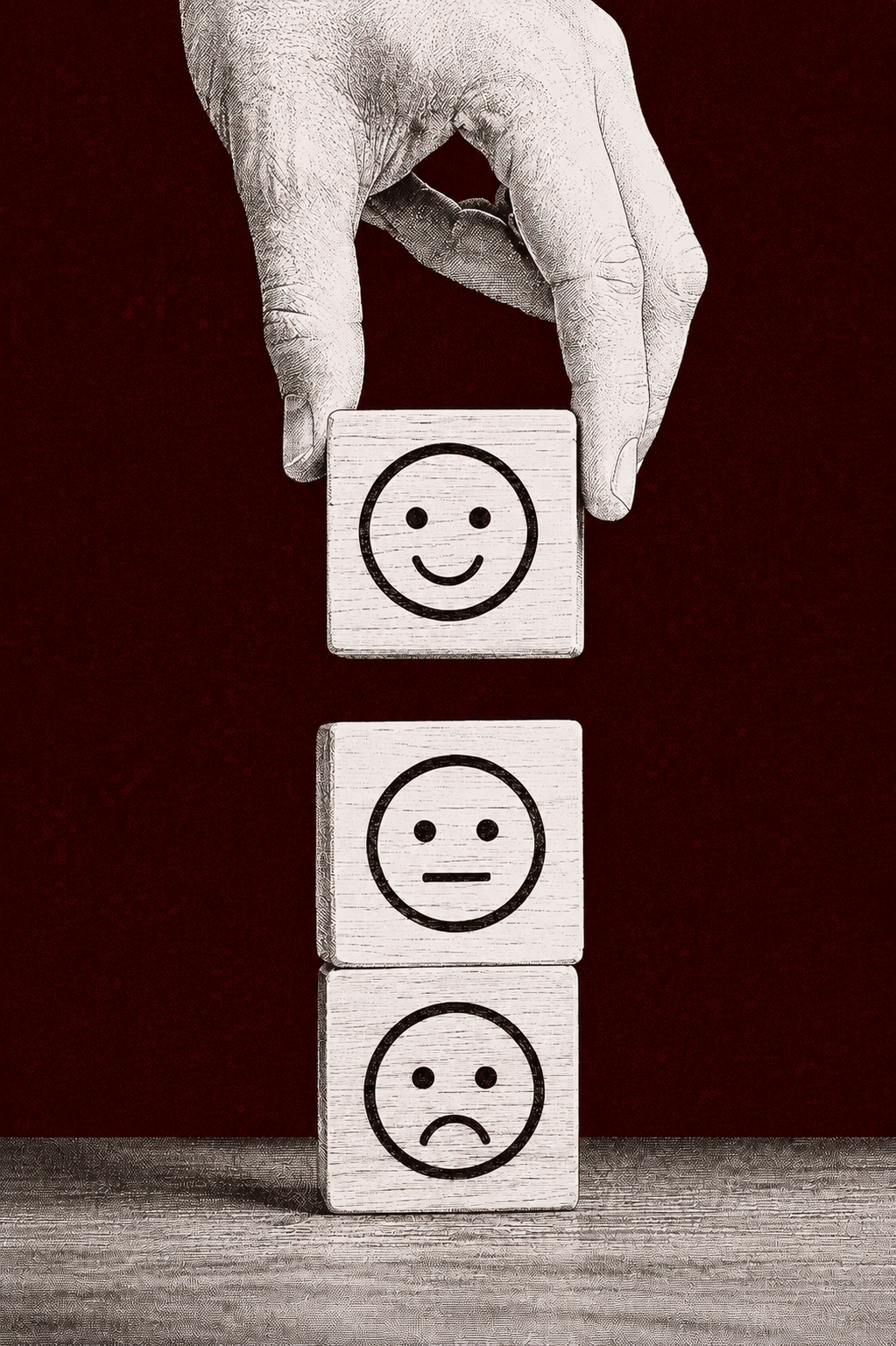
People don’t always buy products because of their features.
They buy what those features represent.
A luxury watch can represent success.
A sports shoe can represent confidence and performance.
A premium smartphone can represent creativity, status, or innovation.
The physical product is only part of the value.
The emotional meaning around it can be even more powerful.
What businesses can learn
Don’t only explain:
“What does our product do?”
Also ask:
“How will customers feel when they own or use it?”
Your marketing should communicate both functional and emotional value.
2. They Create Curiosity Before Revealing Everything
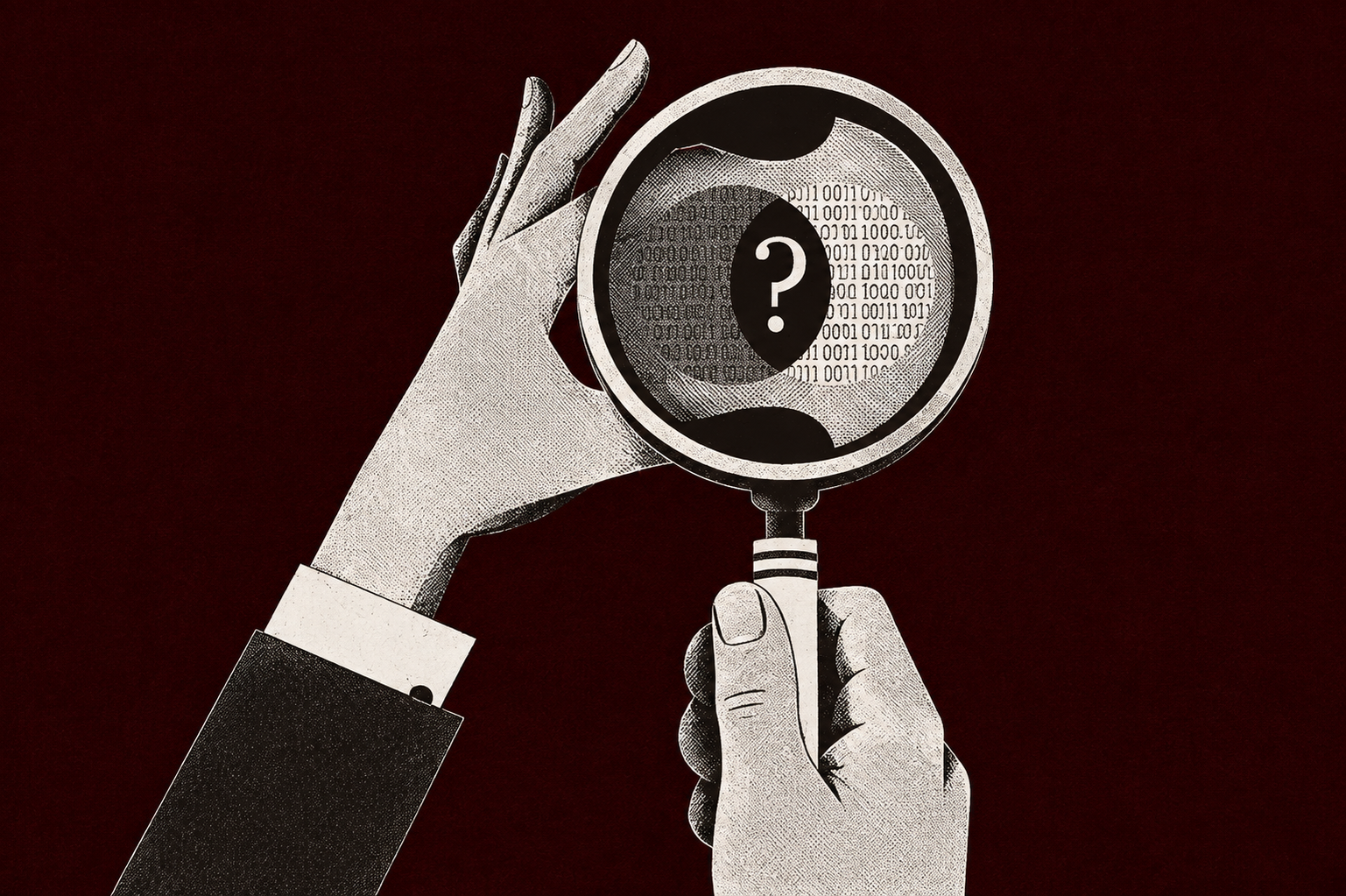
Some brands don’t immediately explain every detail about a new product.
Instead, they create curiosity.
They might release:
- Teasers
- Sneak peeks
- Short videos
- Mysterious announcements
- Countdown campaigns
- Behind-the-scenes content
This gives the audience a reason to keep paying attention.
Curiosity creates a simple psychological reaction:
“I want to know what’s coming.”
That attention can eventually turn into desire.
The lesson
You don’t always need to reveal everything at once.
Build a story around your launch.
Give your audience enough information to become interested without giving away the entire experience immediately.
3. They Connect Products With Aspirations
Strong brands understand what their customers want to become.
People may want to feel:
- Successful
- Attractive
- Confident
- Creative
- Healthy
- Independent
- Adventurous
- Respected
Brands can connect their products to these aspirations.
This changes the conversation from:
“Here’s what we sell.”
to:
“Here’s the kind of experience or identity this product represents.”
What businesses can learn
Understand the aspiration behind the purchase.
For example, a fitness business isn’t only selling workouts.
It may be selling:
Confidence, discipline, energy, and a healthier lifestyle.
A marketing agency isn’t only selling marketing services.
It may be selling:
Growth, visibility, leads, and business confidence.
The product is the vehicle.
The aspiration is the deeper motivation.
4. They Build Anticipation Before Launch
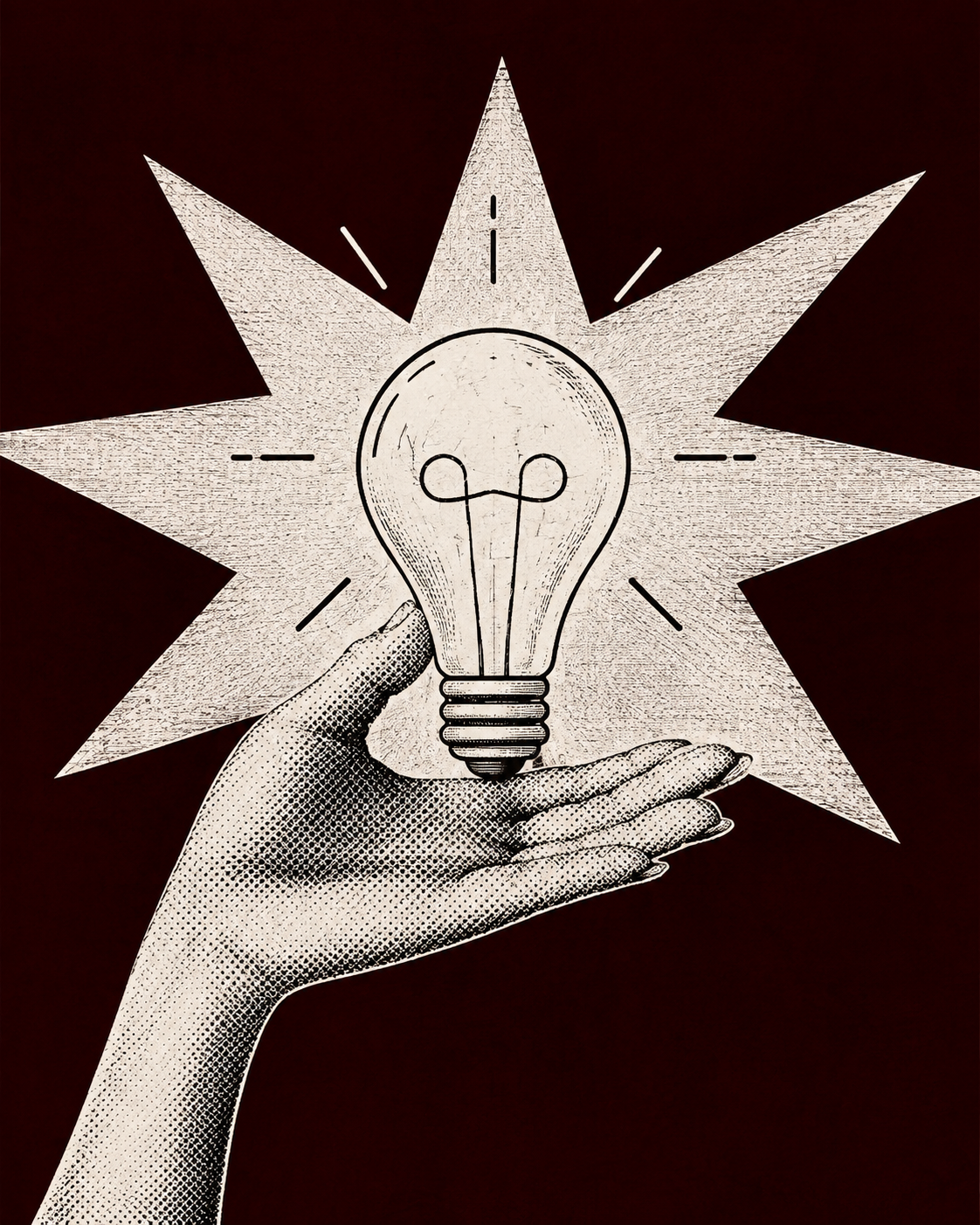
Demand doesn’t always appear instantly.
Brands can build it over time.
A strong launch might look like:
Teaser → Conversation → Preview → Anticipation → Launch → Social Proof → Purchase
This gives people multiple opportunities to interact with the product before they can buy it.
By launch day, the audience isn’t discovering the product for the first time.
They’ve already been thinking about it.
The lesson
Start marketing before the product is available.
Use the pre-launch period to answer:
- What problem does this solve?
- Why should people care?
- What makes it different?
- Who is it for?
- Why should they be excited?
A good launch begins long before the “Buy Now” button appears.
5. They Make People Feel Like They’re Missing Something
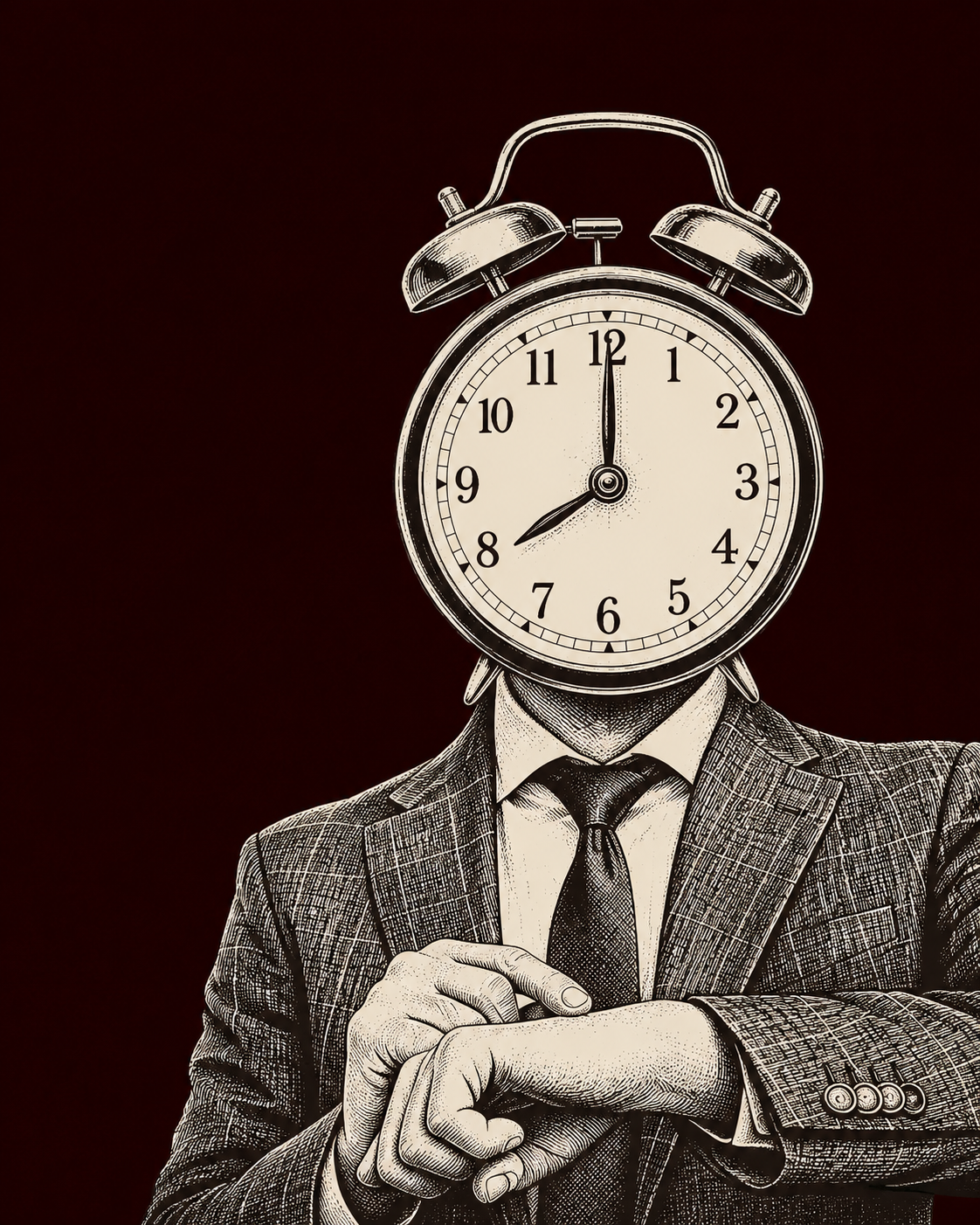
Desire can become stronger when people see others enjoying something they don’t have.
This is where social proof and FOMO can work together.
Customers may see:
- People using the product
- Positive reviews
- Social media posts
- Influencer content
- Limited-edition launches
- Popularity around a product
They begin to wonder:
“Should I be part of this too?”
The important point is that this should be based on genuine interest and authentic customer experiences.
Fake popularity can create short-term clicks but damage long-term trust.
What businesses can learn
Make your existing customers part of your marketing.
Real experiences can demonstrate value more effectively than simply telling people that your product is great.
Desire vs Demand: What’s the Difference?
These two concepts are connected but not identical.
Demand is the willingness and ability to purchase a product or service.
Desire is the emotional or psychological want that makes someone interested in having it.
Marketing can influence desire by changing how people perceive:
- Value
- Identity
- Experience
- Status
- Convenience
- Emotion
- Belonging
When enough people begin wanting something, that desire can contribute to stronger demand.
That’s why marketing isn’t simply about finding people who already want your product.
Sometimes, it’s about helping people understand why they might want it in the first place.
How Brands Turn Desire Into Demand
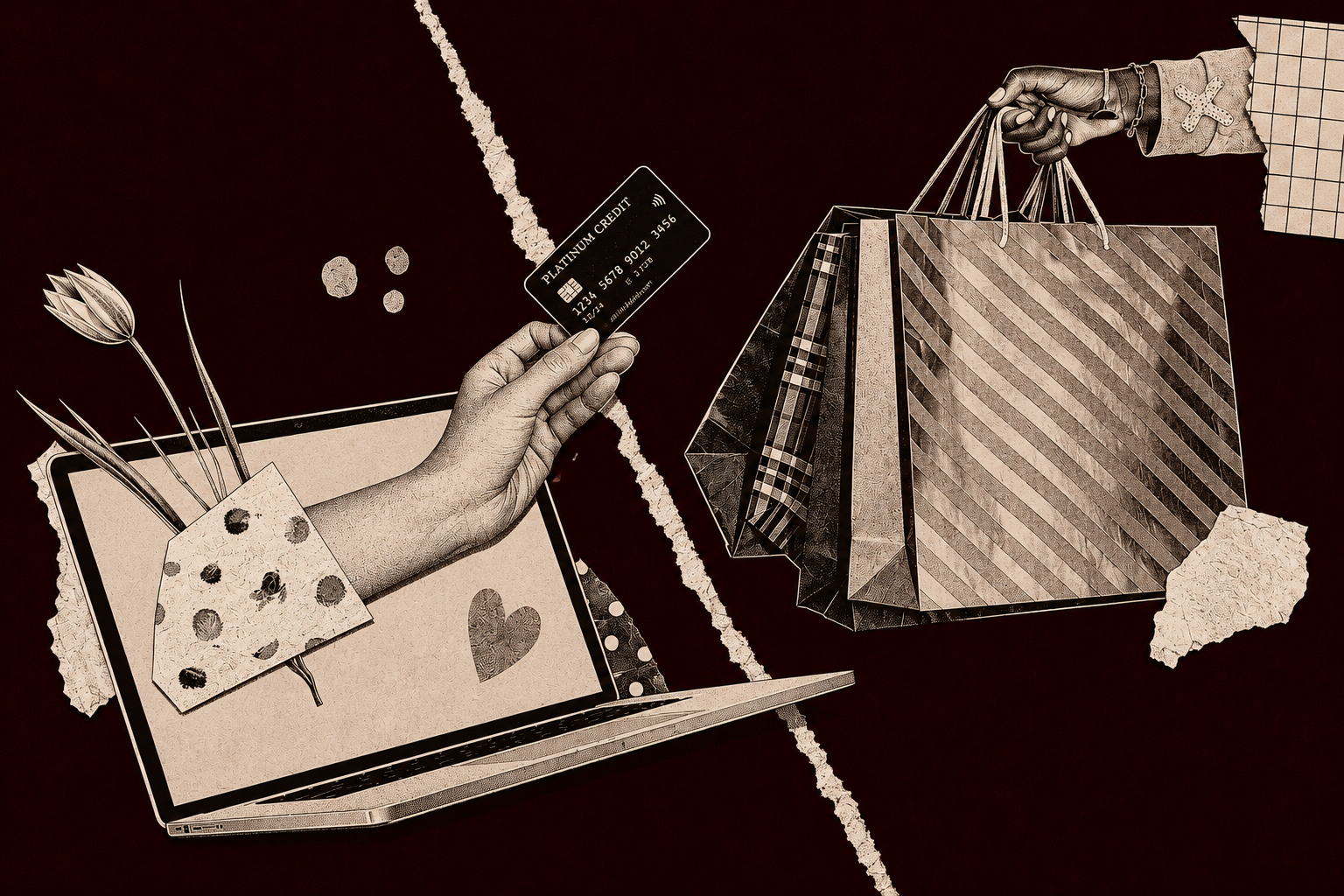
Creating desire is only the beginning.
A business still needs to make purchasing easy.
A strong customer journey might look like:
1. Capture attention
Use an interesting idea, story, visual, or message.
2. Build curiosity
Give people a reason to learn more.
3. Create emotional relevance
Show how the product connects to their needs or aspirations.
4. Demonstrate value
Explain what makes the product genuinely useful.
5. Add social proof
Show real customer experiences and results.
6. Remove friction
Make it easy to understand, purchase, book, or enquire.
This is where creativity and conversion strategy need to work together.
Common Mistakes Businesses Make
Businesses often struggle to create desire because they:
- Focus only on product features
- Start selling too early
- Use generic messaging
- Ignore customer aspirations
- Create no anticipation
- Copy competitors
- Make exaggerated promises
- Forget to demonstrate real value
You cannot manufacture lasting desire with hype alone.
The product still needs to deliver.
Good marketing creates desire. A good product validates it.
How Small Businesses Can Create Desire
You don’t need a huge advertising budget to apply these principles.
Small businesses can:
Tell better stories
Explain why the product exists and what problem inspired it.
Show the transformation
Demonstrate what changes for customers after using your product.
Build anticipation
Create pre-launch content and previews.
Use customer stories
Show real people experiencing the value.
Create a distinctive identity
Give your brand a personality that customers can recognise.
Focus on outcomes
Don’t only explain what you sell.
Show what customers can achieve with it.
How Spectra Digital Helps Businesses Build Demand
At Spectra Digital, we help businesses develop marketing strategies that move audiences from awareness to interest, desire, and action.
Our services include:
- Brand strategy
- Social media marketing
- Content marketing
- Performance marketing
- Paid advertising
- Search Engine Optimization (SEO)
- Website design
- Lead generation
- Conversion optimisation
- Marketing analytics
We help businesses communicate their value, build stronger brand identities, create engaging content, and turn audience attention into measurable business growth.
Final Thoughts
How Brands Create Desire Before They Create Demand comes down to understanding that customers don’t always begin with a need.
Sometimes, marketing creates the desire that eventually leads to demand.
The strongest brands make people curious, connect products with aspirations, build anticipation, create emotional value, and use genuine customer experiences to reinforce the desire.
The biggest lesson is simple:
Don’t just wait for customers to want your product. Show them why it is worth wanting.
When desire is built on genuine value, strong branding, and a great customer experience, it can become the foundation for lasting demand.