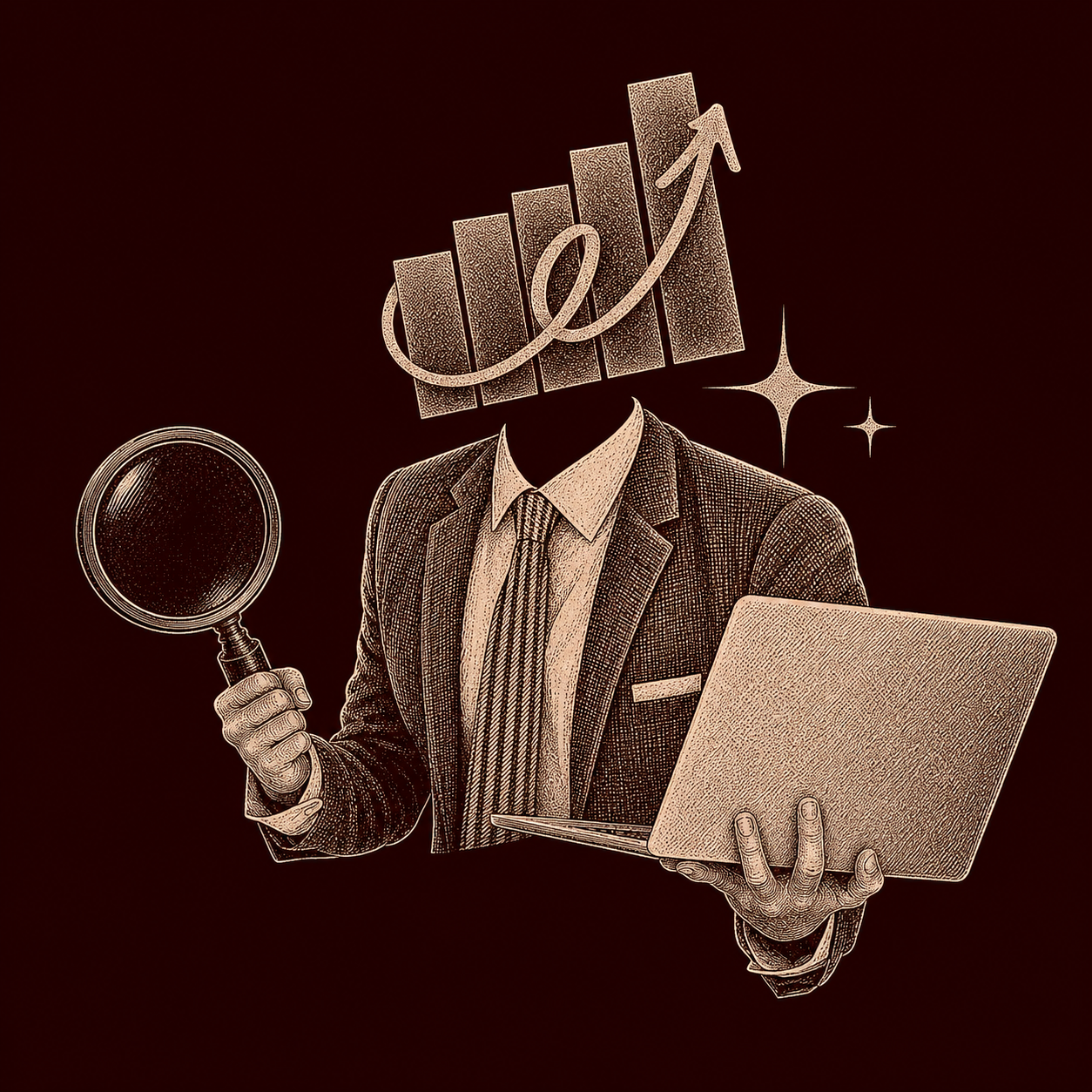
Is Personal Branding Becoming More Important Than Company Branding is a question more businesses are asking as social media continues to change how people discover, evaluate, and trust brands.
For decades, companies built their identities around logos, advertisements, websites, products, and corporate messaging.
Today, people increasingly connect with people behind the businesses.
They follow founders.
They listen to CEOs.
They watch experts explain ideas.
They engage with employees who share behind-the-scenes content.
And sometimes, they trust a person more quickly than they trust a company logo.
This doesn’t mean company branding is becoming irrelevant.
Instead, the relationship between personal branding and company branding is changing.
Here are 5 powerful insights businesses should understand.
1. People Often Connect With People Faster Than Logos
A company logo represents a business.
A person can represent an idea, personality, experience, and point of view.
This makes personal branding powerful.
A founder who regularly shares:
- Industry insights
- Experiences
- Opinions
- Lessons
- Successes
- Failures
- Behind-the-scenes stories
can create a much more human connection with an audience.
Instead of seeing an anonymous company, people begin to understand who is behind it.
What businesses can learn
Don’t hide the people behind your business.
Your founder, leadership team, employees, and experts can become valuable parts of your brand story.
Human connection can make corporate communication feel more relatable.
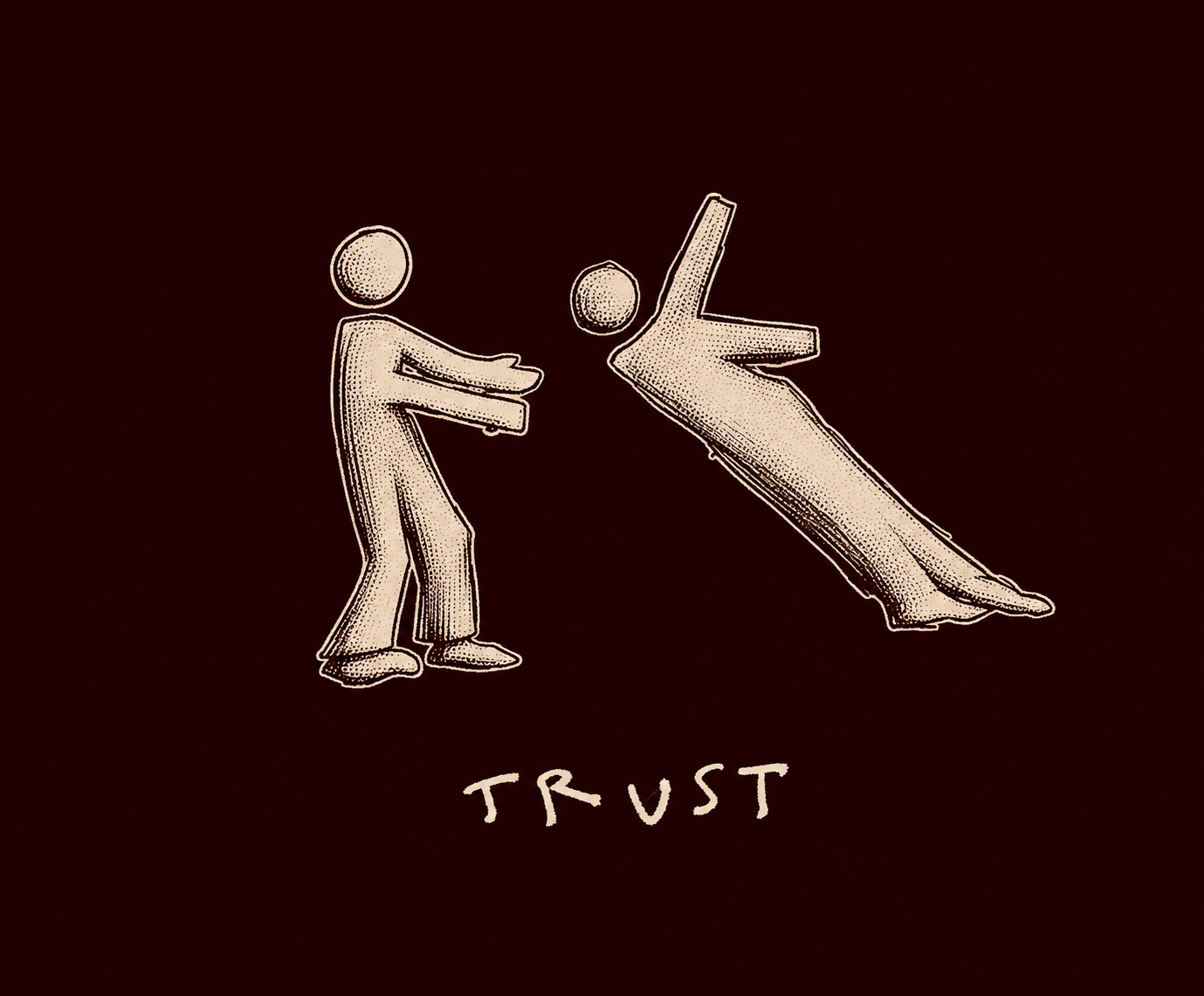
2. Personal Branding Can Build Trust Before the Sale
Imagine two businesses offering the same service.
One has a website with generic claims.
The other has a founder who regularly shares useful insights, explains industry problems, answers questions, and demonstrates expertise online.
Which business feels easier to trust?
Often, the second one.
Personal branding allows expertise to become visible before someone becomes a customer.
This is particularly powerful for industries where trust plays a major role, including:
- Consulting
- Real estate
- Finance
- Marketing
- Technology
- Education
- Professional services
The lesson
Don’t simply tell people that your company is an expert.
Show the expertise through the people who work there.
3. Personal Branding Can Give Companies a Stronger Voice
Corporate communication can sometimes sound formal and predictable.
Personal branding creates opportunities for more direct communication.
A founder can say:
“Here’s what I think businesses are getting wrong about marketing.”
That feels very different from:
“Our company believes businesses should adopt innovative marketing strategies.”
The first statement has a point of view.
And opinions create conversations.
What businesses can learn
Give people inside your company permission to have informed perspectives.
A strong personal brand doesn’t need to promote the company in every post.
Sometimes, sharing useful knowledge is enough.
When people begin associating that expertise with the individual, the company can benefit from the credibility created around them.
4. Personal and Company Branding Can Strengthen Each Other

The biggest mistake is thinking businesses need to choose one.
They don’t.
The strongest strategy can combine both.
Think of it like this:
Personal Brand → Human Connection → Trust → Company Brand → Product/Service → Customer
A founder’s content may introduce someone to a company.
The company website can then explain the services.
The company’s case studies can demonstrate results.
The customer experience can reinforce the trust.
Each part supports the other.
The lesson
Personal branding should not replace company branding.
It should add another layer to it.
Your company needs a strong identity, but the people representing it can make that identity more human.
5. Personal Branding Can Become a Long-Term Business Asset
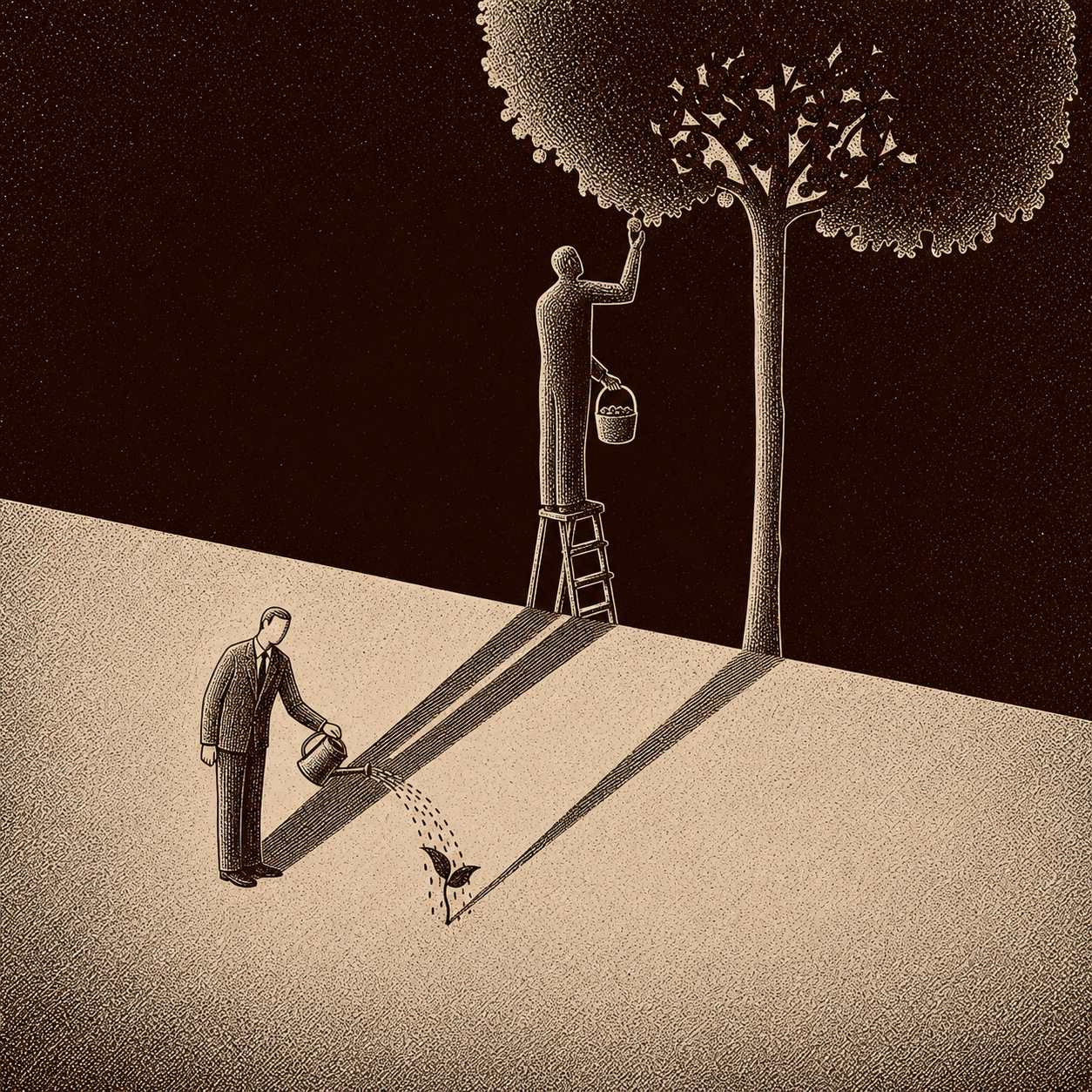
A company can run advertisements.
A personal brand can build an audience.
That audience can become valuable over time.
A strong personal brand can generate:
- Awareness
- Industry authority
- Networking opportunities
- Speaking opportunities
- Partnerships
- Leads
- Media attention
- Customer trust
For founders and professionals, this can create an additional distribution channel for their ideas and businesses.
But building a personal brand takes consistency.
One viral LinkedIn post isn’t a strategy.
One successful Reel isn’t a personal brand.
It requires repeated communication around a clear area of expertise.
Personal Branding vs Company Branding
Both serve different purposes.
| Personal Branding | Company Branding |
|---|---|
| Builds human connection | Builds business identity |
| Highlights expertise | Communicates company value |
| Creates personality | Creates consistency |
| Builds individual authority | Builds organisational credibility |
| Often feels more personal | Often feels more structured |
| Can create direct relationships | Creates scalable brand recognition |
The goal isn’t to decide which one is “better.”
The goal is to understand when each one is most useful.
When Personal Branding Is Especially Powerful

Personal branding can be particularly valuable when:
The founder is an expert
If the founder has valuable knowledge, experience, or opinions, sharing that expertise can build authority.
The business operates in a trust-driven industry
People often want to know who they are dealing with before making an important decision.
The product requires education
Complex products can benefit from human explanations.
The company has a strong founder story
A compelling story can create an emotional connection that traditional corporate messaging may struggle to achieve.
When Company Branding Matters More
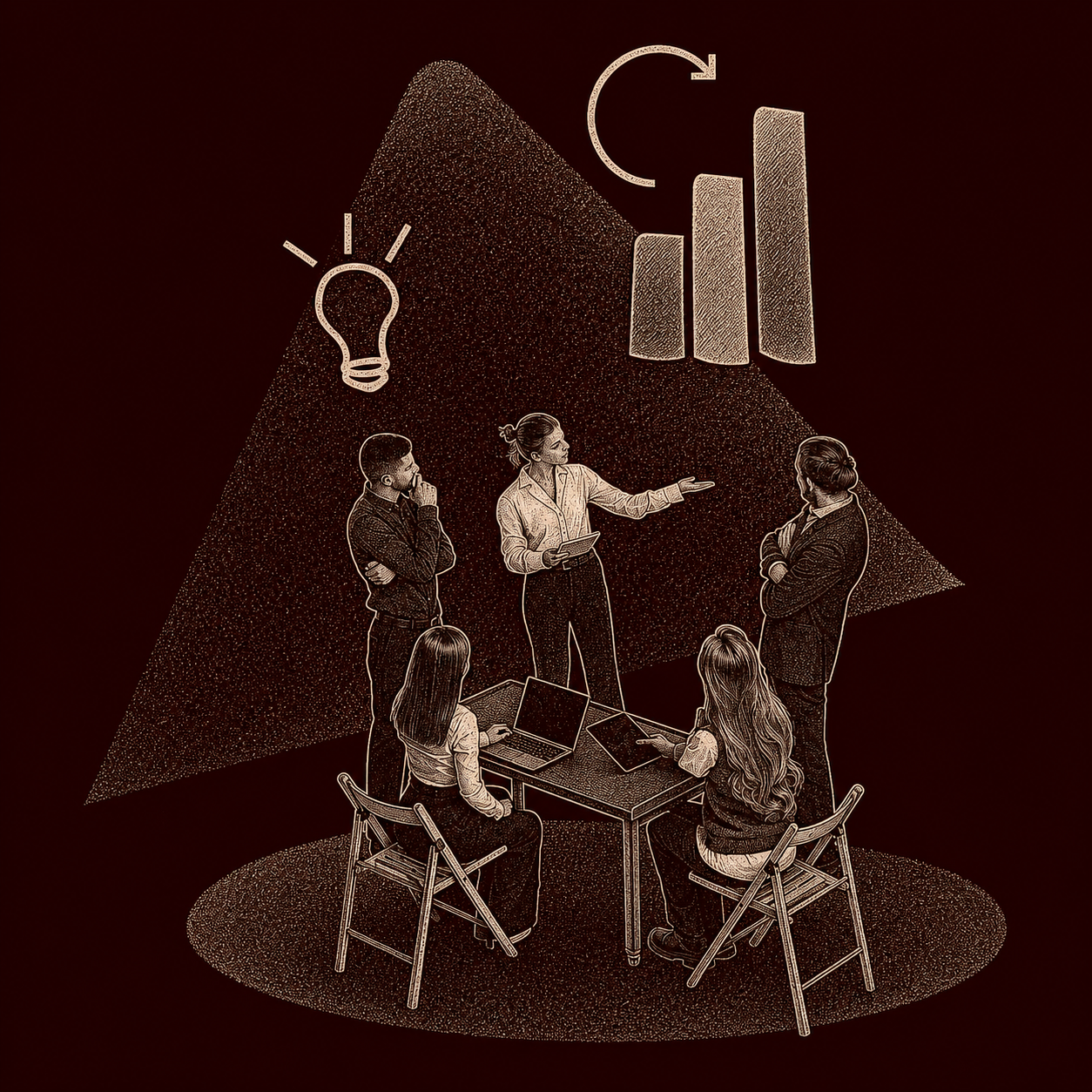
Personal branding shouldn’t replace the company.
Company branding remains essential for:
- Building long-term recognition
- Creating consistent customer experiences
- Scaling beyond one individual
- Developing products
- Establishing a professional identity
- Building organisational value
A business that depends entirely on one person’s identity can also face challenges when that person steps away.
That’s why companies need both human credibility and organisational strength.
The Biggest Personal Branding Mistakes
Businesses and individuals often get personal branding wrong by:
- Turning every post into an advertisement
- Copying influencers
- Posting without a clear point of view
- Chasing every trend
- Sharing too much irrelevant personal information
- Focusing only on follower count
- Being inconsistent
- Talking more than teaching
Personal branding isn’t about becoming famous.
It’s about becoming recognisable and trusted for something specific.
How Businesses Can Build Personal Brands Strategically
Start with a clear positioning statement.
Ask:
What should people think of when they see my name?
Then build content around 3–5 areas of expertise.
For example:
A digital marketing founder might focus on:
- Marketing strategy
- Consumer psychology
- Brand building
- Social media
- Business growth
From there, create consistent content across relevant platforms.
The content should educate, challenge assumptions, share experiences, and demonstrate expertise.
Most importantly, don’t force a sales pitch into every post.
Authority grows when you consistently provide value.
How Spectra Digital Can Help Build Stronger Brands
At Spectra Digital, we understand that modern branding isn’t limited to logos, advertisements, or company websites.
Businesses increasingly need a combination of:
Brand Identity + Content + Personal Authority + Digital Strategy
Our services include:
- Brand strategy
- Personal branding
- Social media marketing
- Content marketing
- Performance marketing
- Paid advertising
- Search Engine Optimization (SEO)
- Website design
- Lead generation
- Marketing analytics
We help businesses and professionals build digital identities that are recognisable, credible, and aligned with their business goals.
Final Thoughts
Is Personal Branding Becoming More Important Than Company Branding?
The answer isn’t necessarily yes.
Instead, personal branding is becoming an increasingly important extension of company branding.
People want to know who is behind businesses.
They want expertise they can understand.
They want opinions instead of generic corporate statements.
And they want brands that feel human.
The smartest businesses aren’t choosing between personal branding and company branding.
They’re using both.
A strong company creates credibility.
A strong personal brand creates connection.
And when the two work together, they can create a brand that people don’t just recognize, they trust.