For decades, advertising followed a familiar formula: show the product, explain why it is better, add a memorable tagline and ask people to buy it.
Gen Z has grown up in a completely different media environment.
They have spent years scrolling through social feeds, watching creators, discovering products through recommendations, reading comments before purchasing and switching between platforms without thinking twice. For them, advertising is no longer something that only happens between pieces of content. It is built into the content ecosystem itself.
And that changes the rules.
Gen Z isn’t necessarily against brands, products or even advertising. In fact, social media ads and product reviews remain influential in their purchasing decisions. Deloitte’s 2025 Digital Media Trends found that 63% of surveyed Gen Z respondents said social media ads or product reviews were the most influential media channel for their purchasing decisions.
The bigger shift is how they want brands to communicate.
They don’t want to feel like they are being interrupted by an advertisement. They want content that entertains them, informs them, reflects their interests or gives them a reason to participate.
So, if brands want Gen Z’s attention in 2026, the question isn’t:
“How do we advertise to Gen Z?”
It is:
“How do we create something Gen Z actually wants to engage with?”
1. Gen Z Doesn’t Hate Advertising. They Hate Feeling Sold To
This distinction is important.
Gen Z still discovers products through social media. They still respond to recommendations, reviews, creators and paid content. But traditional advertising language can create immediate distance.
Think about the difference between:
“Introducing our new skincare range. Shop now.”
and:
“We tested 17 moisturisers so you don’t have to.”
Both can ultimately promote a skincare product.
But the second starts with a piece of content rather than a sales pitch.
That is the shift brands need to understand.
The product can be part of the story without being the entire story.
2. Authenticity Has Become Part of the Product Experience
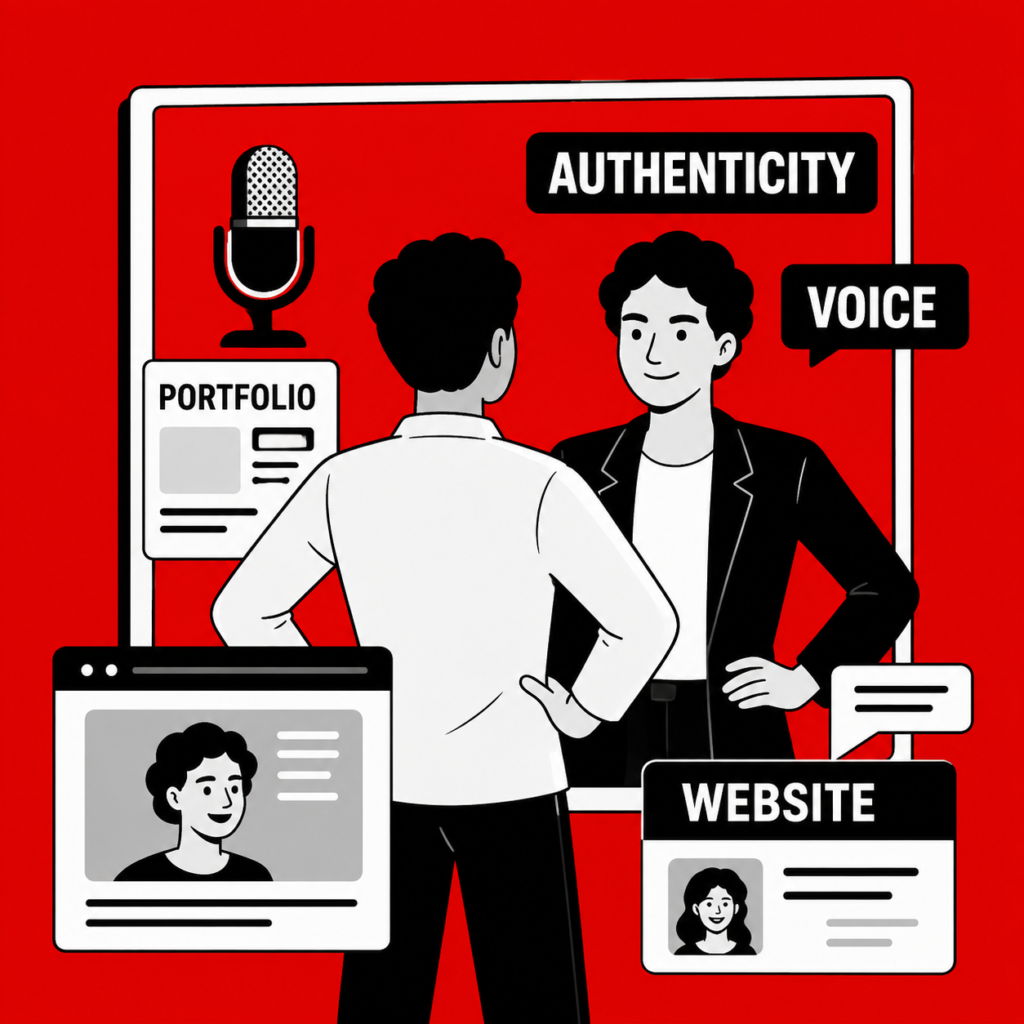
Gen Z is highly exposed to polished advertising, influencer content, brand campaigns and increasingly AI-generated content.
As a result, production quality alone is no longer enough to create credibility.
Research found that consumers want brands to prioritize human-generated content, while two-thirds of Gen Z and Millennials surveyed said they were more likely to trust brands that publish human-generated content.
Social media research similarly found that 77% of marketers surveyed believe authenticity is more important than production value on social media.
This doesn’t mean brands should suddenly make everything look messy.
It means polish should not erase personality.
A phone-shot founder video, behind-the-scenes moment, employee story or genuine customer reaction can sometimes communicate more personality than a highly produced commercial.
The goal isn’t to make content look amateur.
The goal is to make it feel human.
3. Creators Feel More Like People Than Advertisements
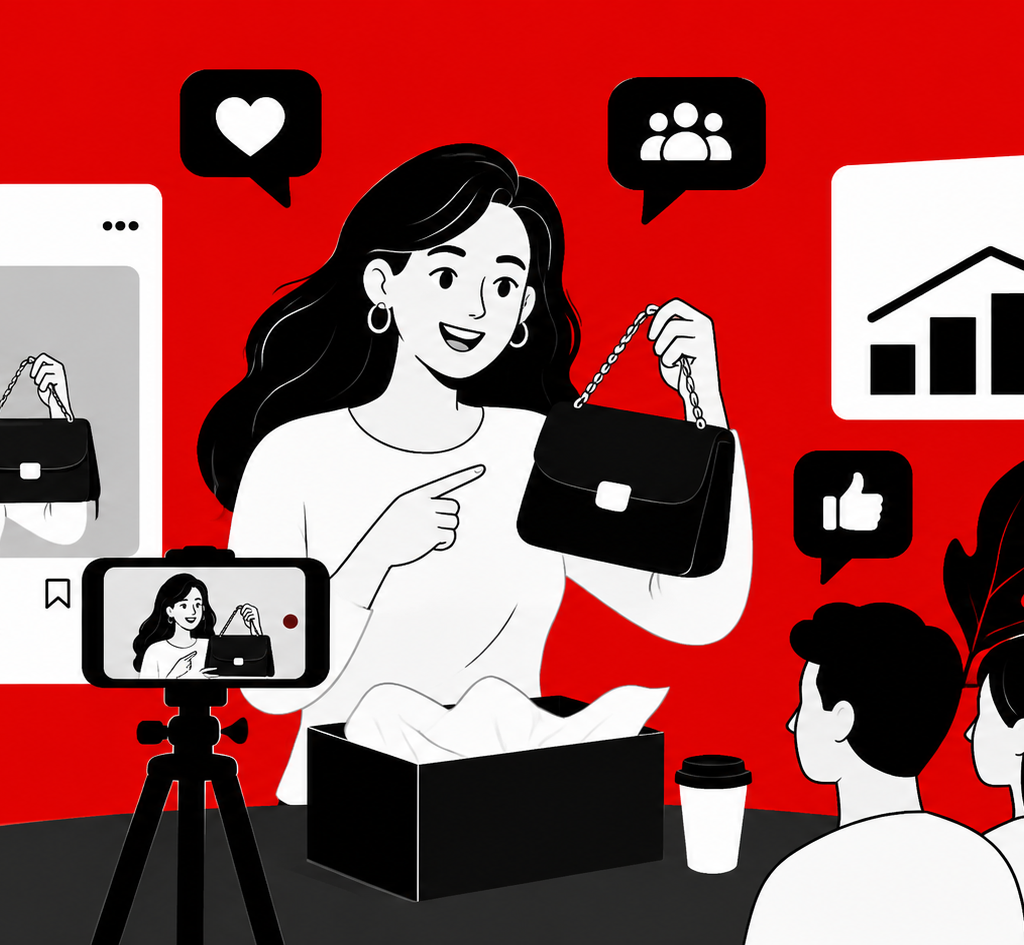
One of the biggest changes in Gen Z marketing is the relationship between audiences and creators.
Creators don’t simply distribute products. They provide context.
They explain why something is useful, show how they use it, review it, compare it and sometimes even tell their audience when they wouldn’t buy it.
Research found that 52% of Gen Z respondents surveyed feel a stronger personal connection to social media creators than to TV personalities or actors.
That connection changes the role of influencer marketing.
The old model was:
Brand → Advertisement → Audience
The emerging model is:
Brand → Creator → Community → Conversation
The creator becomes part of the storytelling rather than simply becoming the face holding the product.
For brands, this means choosing creators based on relevance, credibility and community fit, rather than treating follower count as the only measure of influence.
4. Entertainment Is the New Entry Point

If a brand wants Gen Z to stop scrolling, the content needs to earn that attention.
Research found that Gen Z showed particularly strong interest in episodic content, behind-the-scenes content, memes and skits.
This is why the traditional advertising structure is becoming less effective on social platforms.
Instead of:
Hook → Product → Features → CTA
brands can think:
Hook → Entertainment → Story → Brand → Action
The product doesn’t have to disappear.
It simply doesn’t have to arrive in the first second saying:
“Hi. I’m an advertisement.”
A food brand can create a recurring comedy series.
A fashion brand can create styling challenges.
A coffee brand can build content around everyday coffee culture.
A tech brand can turn common user problems into relatable sketches.
When people follow the content even when they aren’t ready to buy, the brand earns something more valuable than a single click: attention with permission.
5. Gen Z Wants Brands to Have a Personality
A brand that only talks about its products can start feeling like a catalogue.
Social media gives brands an opportunity to become something more.
They can have:
- A sense of humour
- A distinct voice
- Cultural awareness
- Opinions
- Recurring characters
- Inside jokes
- Community language
- A recognizable visual identity
This doesn’t mean every brand needs to behave like a creator.
It means brands need to understand what makes people want to hear from them.
A strong social identity gives people a reason to follow a brand even when they aren’t shopping.
And that matters because Gen Z doesn’t necessarily separate “brand content” and “entertainment” as neatly as traditional advertising does.
If the content is useful, funny, interesting or relatable, the brand can earn attention without demanding it.
6. Don’t Force Every Trend
Brands have spent years trying to “join the conversation.”
But there is a difference between being culturally relevant and simply copying whatever is trending.
Consumer research found that 9% of respondents specifically wanted brands to stop using trending audio or memes when they feel forced, while 23% wanted brands to stop using engagement-bait tactics.
The lesson is simple:
A trend is not a strategy.
Before jumping onto a trending sound, meme or format, ask:
Does this make sense for our brand?
Would our audience expect us to talk about this?
Can we add something original?
Will the content still make sense after the trend disappears?
Sometimes the smartest move is not participating.
Sometimes it is taking the cultural insight behind the trend and turning it into something uniquely yours.
7. Engagement Bait Is Easy to Spot
“Comment YES if you agree.”
“Tag three friends.”
“Wait till the end.”
“Nobody is ready for this.”
“Don’t scroll.”
These tactics can generate interaction, but audiences increasingly recognize when engagement is being engineered.
Research found engagement-bait tactics were among the behaviours consumers wanted brands to stop using.
The alternative is to create natural participation.
Instead of asking people to comment for the algorithm, give them something worth responding to.
Instead of:
“Comment your answer below!”
Try:
“We asked 100 people what their most overrated purchase was. Here are the answers.”
The first asks for engagement.
The second creates a reason for engagement.
That distinction matters.
8. AI Makes Human Content More Valuable

AI is changing how quickly brands can produce content.
It can generate scripts, images, videos, captions and creative variations at scale.
But that creates another problem.
If everyone can create content faster, content itself becomes less scarce.
Research found that AI-generated content without labels was the top behaviour consumers wanted brands to stop, with 28% selecting it overall. Gen Z was among the generations most averse to unlabeled AI content.
The opportunity for brands is not necessarily to reject AI.
It is to use AI where it improves the process while keeping human taste, experience and perspective at the centre.
AI can help generate ideas.
A person decides which idea is worth making.
AI can help edit.
A creator decides what feels authentic.
AI can accelerate production.
A brand still needs something meaningful to say.
9. Gen Z Searches Differently
Gen Z isn’t just scrolling social media for entertainment.
Social platforms have increasingly become discovery engines.
Generational marketing research reports that social is now the top place Gen Z searches, ahead of Google and traditional search engines, particularly for discovering news, researching products and shopping.
That means brands need to think about social search alongside traditional SEO.
Content should answer questions people actually have.
Instead of only posting:
“Our new running shoes are here.”
A brand could create:
“Best running shoes for beginners: what actually matters?”
Instead of:
“Our new restaurant menu.”
Try:
“What to order if it’s your first time here.”
The content becomes useful before it becomes promotional.
And useful content is more likely to be searched, saved, shared and revisited.
10. Community Is More Important Than Reach
A brand with a million passive followers doesn’t necessarily have a strong community.
A brand with a smaller but highly engaged audience can have much deeper relationships.
This is particularly important for Gen Z, whose social behaviour is increasingly built around communities, creators, niches and shared interests.
Instead of asking:
“How many people saw our campaign?”
brands should also ask:
“Who cared enough to respond?”
Look at:
- Saves
- Shares
- Comments
- DMs
- Mentions
- User-generated content
- Repeat viewers
- Community participation
- Returning customers
These signals can tell a brand whether its content created an actual relationship or simply generated temporary exposure.
11. The New Gen Z Advertising Formula
The traditional advertising model looked something like this:
Product → Message → Audience → Purchase
The social-first model is increasingly different:
Culture → Content → Community → Conversation → Consideration → Purchase
The product still matters.
The sale still matters.
But the journey between the two has become more social.
A successful Gen Z campaign doesn’t necessarily hide the fact that it is marketing.
Instead, it gives people a reason to engage before asking them to buy.
What Brands Should Do Differently in 2026
If your brand wants to connect with Gen Z, start with these principles:
1. Create content, not just advertisements
Give people something worth watching even when they aren’t planning to buy.
2. Give the brand a personality
Develop a recognizable tone, humour and perspective.
3. Work with creators as collaborators
Let creators bring their own voice and understanding of their community.
4. Prioritize authenticity
Use real people, real experiences and human storytelling where they add value.
5. Make entertainment part of the strategy
Memes, skits, episodic content and cultural storytelling can create stronger reasons to engage.
6. Stop forcing trends
Only participate when the trend naturally fits the brand and audience.
7. Build for conversation
Create content that encourages genuine reactions rather than manufactured engagement.
8. Think about social search
Use the questions, language and topics your audience is actually searching for.
9. Use AI carefully
Let technology improve efficiency without replacing human creativity and judgment.
10. Measure relationships, not just reach
Track shares, saves, conversations, community growth and business outcomes alongside views.
The Future of Advertising Is Less About Advertising
Gen Z hasn’t made advertising irrelevant.
It has made interruptive advertising less interesting.
The brands that understand this shift won’t necessarily stop selling. They will change the way they earn attention before they sell.
They will create content people want to watch.
They will collaborate with creators people already trust.
They will participate in culture without forcing themselves into every trend.
They will use technology without losing the human voice behind the brand.
And most importantly, they will stop treating Gen Z as an audience that needs to be convinced to watch an advertisement.
Because the real question isn’t whether Gen Z wants to see your ad.
It’s whether you’ve created something they wanted to see in the first place.