Smarter Customer Insights

How AI Is Transforming Digital Marketing

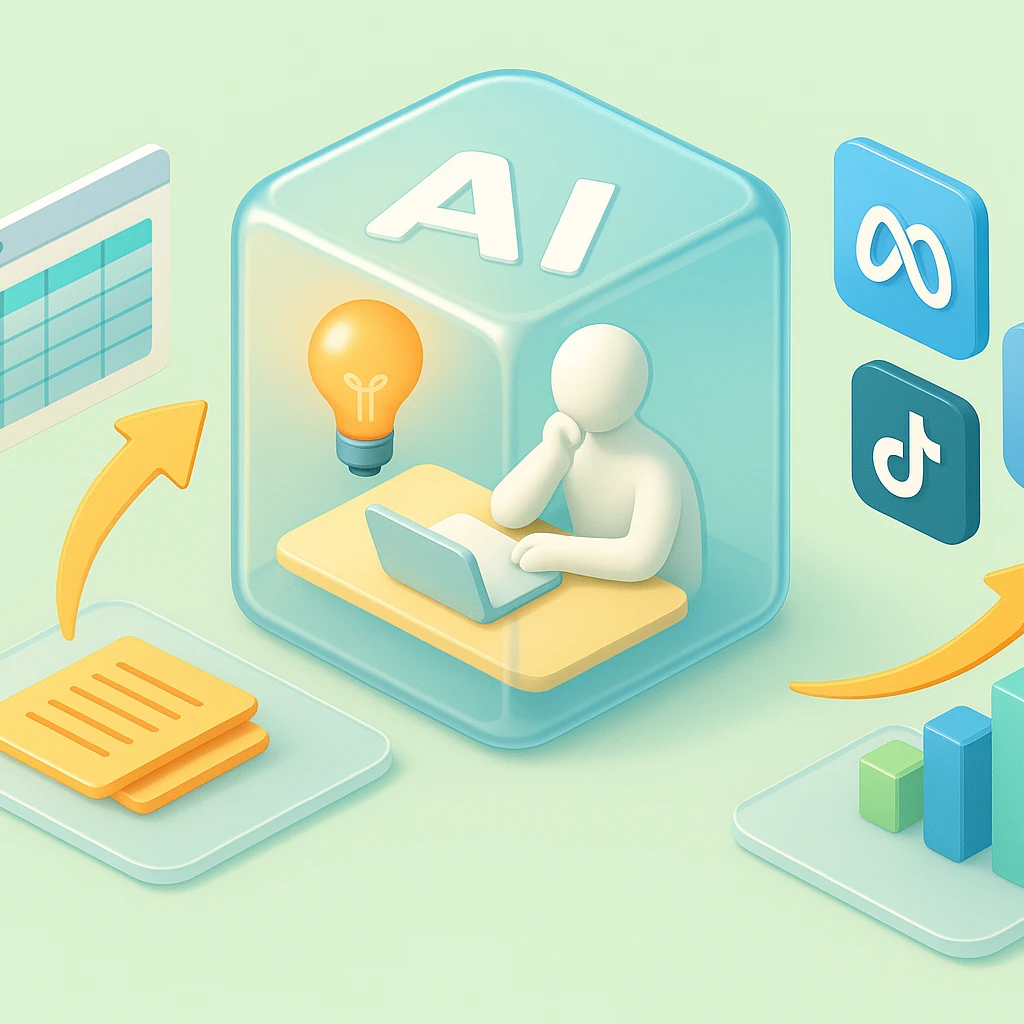
Artificial Intelligence (AI) is no longer a futuristic concept it’s becoming a core part of how businesses market, connect with customers, and drive growth. From personalized recommendations and intelligent chatbots to predictive analytics and AI-powered content creation, businesses of all sizes are using AI to make smarter marketing decisions.

In today’s highly competitive digital landscape, customers expect personalized experiences, instant responses, and relevant content. Traditional marketing methods often struggle to meet these expectations, but AI enables businesses to analyze vast amounts of customer data, automate repetitive tasks, and deliver highly targeted campaigns with greater accuracy.

At Spectra Digital, we believe AI isn’t here to replace marketers it’s here to empower them. By combining AI-driven insights with human creativity and strategic thinking, businesses can create marketing campaigns that are more efficient, more personalized, and more profitable.

In this blog, we’ll explore how AI is transforming digital marketing, its benefits, challenges, and how businesses can use it to stay ahead of the competition.

What Is AI in Digital Marketing?

AI in digital marketing refers to the use of machine learning, natural language processing (NLP), predictive analytics, and automation technologies to improve marketing performance.

Instead of relying solely on manual analysis and guesswork, AI helps businesses make data-driven decisions by identifying patterns, predicting customer behavior, and automating repetitive marketing tasks.

Some common applications include:

  • AI-powered content creation
  • Predictive customer analytics
  • Marketing automation
  • Chatbots and virtual assistants
  • Email personalization
  • Smart ad targeting
  • AI-powered SEO
  • Social media insights

These technologies enable marketers to spend less time on repetitive tasks and more time developing strategies that drive measurable results.

How AI Is Revolutionizing Digital Marketing

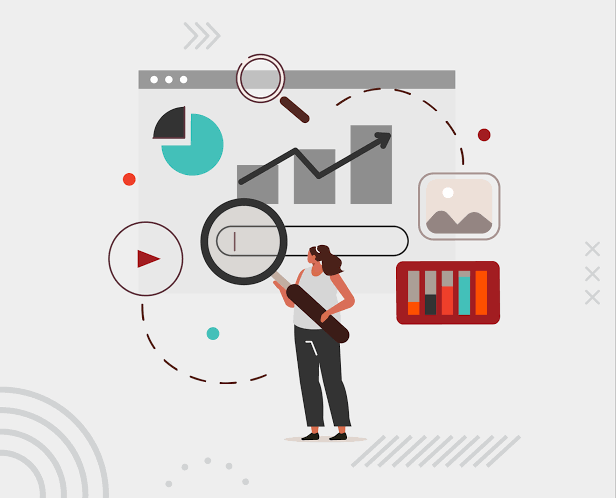
Smarter Customer Insights

One of AI’s greatest strengths is its ability to process massive amounts of customer data within seconds.

AI analyzes:

  • Customer demographics
  • Browsing behavior
  • Purchase history
  • Search intent
  • Social media interactions
  • Website engagement

These insights help businesses understand what customers truly want, allowing marketers to create campaigns that resonate with their audience.

Instead of making assumptions, businesses can make informed decisions backed by real-time data.

Smarter Customer Insights

Personalized Customer Experiences

Consumers now expect personalized experiences from brands.

AI enables businesses to deliver:

  • Personalized product recommendations
  • Customized email campaigns
  • Dynamic website content
  • Personalized advertisements
  • Individual customer journeys

For example, an e-commerce website can recommend products based on previous purchases, increasing the chances of conversion.

Personalization improves customer satisfaction, engagement, and loyalty while boosting revenue.

 Personalized Customer Experiences

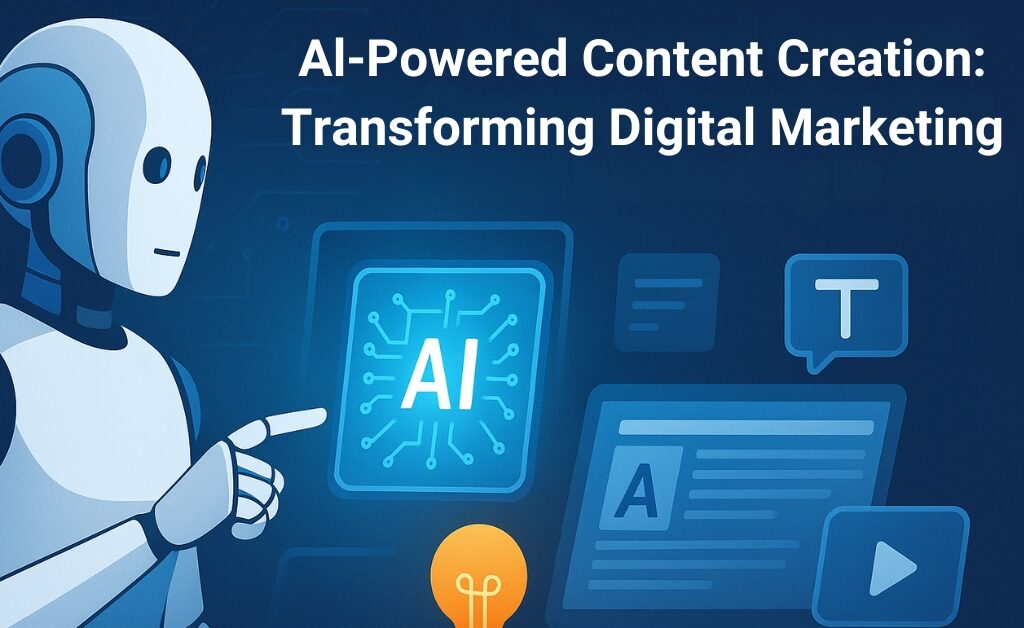
AI-Powered Content Creation

Creating quality content consistently is one of the biggest marketing challenges.

AI tools help marketers generate:

  • Blog outlines
  • Social media captions
  • Product descriptions
  • Email drafts
  • Ad copy
  • Video scripts
  • SEO content ideas

However, AI works best as an assistant rather than a replacement. Human expertise is still essential for storytelling, brand voice, creativity, and strategic messaging.

At Spectra Digital, AI accelerates content production while our team ensures every piece aligns with the client’s brand identity and business goals.

AI-Powered Content Creation

Better SEO Strategies

Search engine optimization has become increasingly data-driven.

AI helps improve SEO by:

  • Discovering keyword opportunities
  • Analyzing competitor strategies
  • Optimizing website content
  • Improving internal linking
  • Identifying technical SEO issues
  • Predicting search trends

Modern search engines also use AI to better understand user intent, making high-quality, user-focused content more important than ever.

Businesses that combine AI-powered SEO with valuable content are more likely to achieve sustainable organic growth.

Better SEO Strategies

Smarter Paid Advertising

AI has transformed paid advertising by making campaigns more efficient.

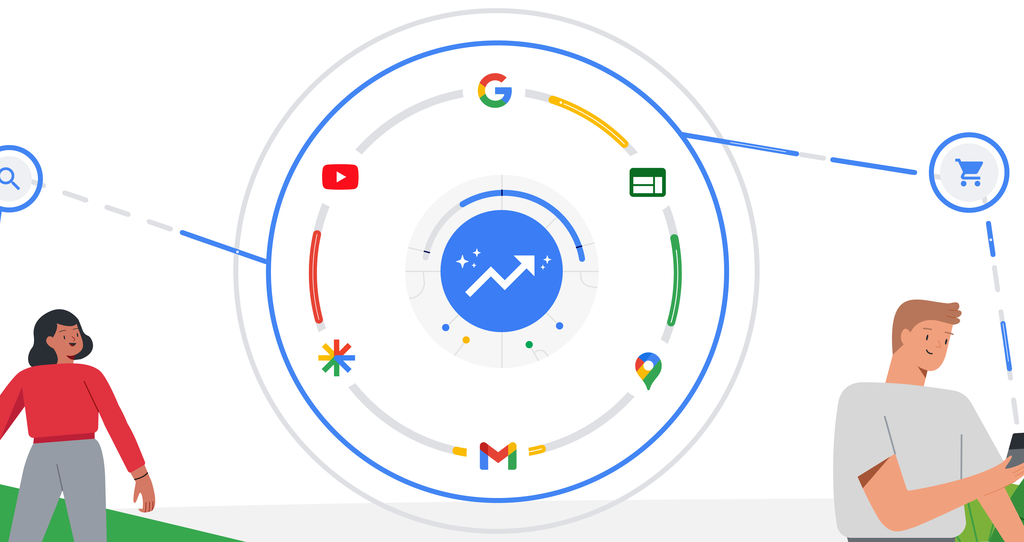
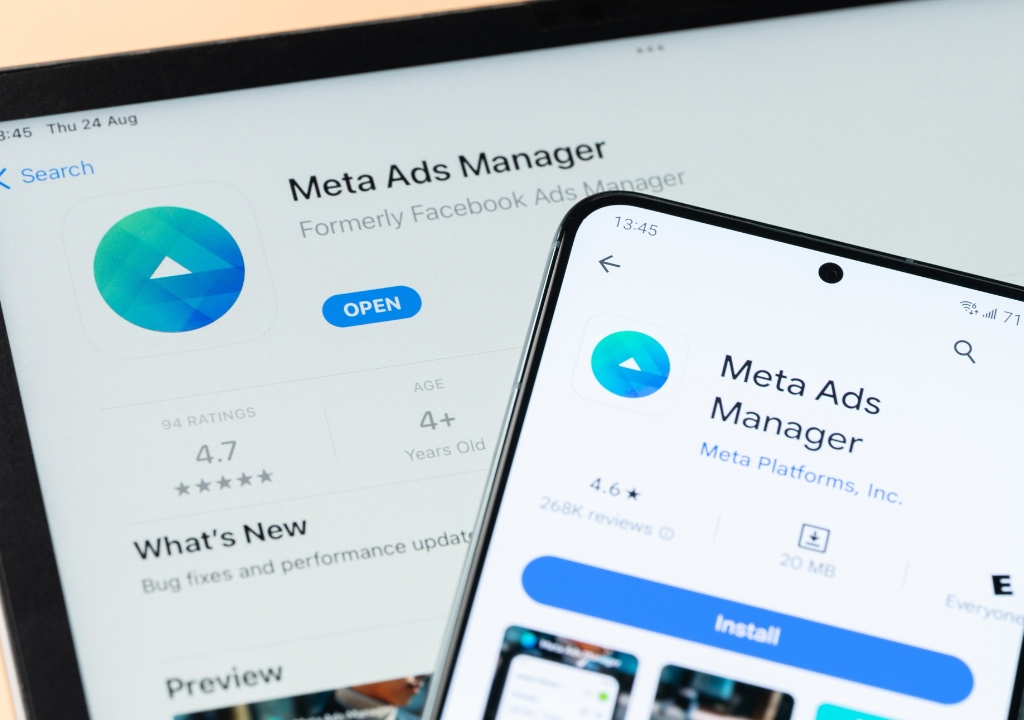
Platforms like Google Ads and Meta Ads use AI to:

  • Optimize bidding strategies
  • Identify high-converting audiences
  • Predict conversion probability
  • Improve ad placement
  • Reduce wasted ad spend

Instead of manually adjusting campaigns every day, marketers can rely on AI to optimize performance continuously while focusing on broader campaign strategy.

 Smarter Paid Advertising

Marketing Automation

AI significantly reduces repetitive marketing tasks.

Businesses can automate:

  • Email workflows
  • Lead nurturing
  • Customer segmentation
  • CRM updates
  • Campaign reporting
  • Social media scheduling

Automation saves valuable time while maintaining consistency across marketing channels.

 Marketing Automation

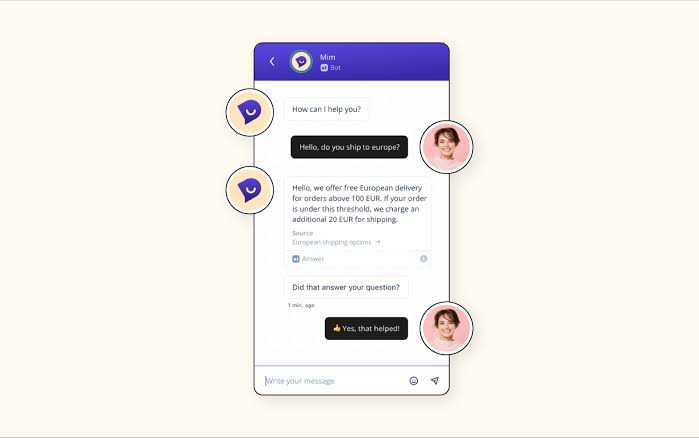
Chatbots and 24/7 Customer Support

AI-powered chatbots have become essential for modern businesses.

They can:

  • Answer customer questions instantly
  • Recommend products
  • Book appointments
  • Capture leads
  • Resolve basic support issues

This improves customer satisfaction while allowing support teams to focus on more complex interactions.

Chatbots and 24/7 Customer Support

Predictive Analytics

AI doesn’t just analyze the past—it predicts future behavior.

Predictive analytics helps businesses:

  • Forecast sales
  • Predict customer churn
  • Estimate campaign performance
  • Identify high-value customers
  • Improve inventory planning

Businesses can proactively make marketing decisions instead of reacting after opportunities have passed.

Predictive Analytics

Benefits of AI in Digital Marketing

Businesses using AI effectively experience numerous advantages:

  • Better customer targeting
  • Increased marketing efficiency
  • Faster decision-making
  • Higher conversion rates
  • Improved customer engagement
  • Lower advertising costs
  • More accurate forecasting
  • Stronger return on investment (ROI)
  • Personalized customer experiences
  • Better scalability for growing businesses

Best AI Tools for Digital Marketing

Some of the most popular AI tools include:

  • ChatGPT for content ideation and drafting
  • Google Gemini for research and productivity
  • Canva AI for design assistance
  • Grammarly for writing improvement
  • HubSpot AI for CRM and marketing automation
  • Jasper AI for marketing copy
  • Surfer SEO for content optimization
  • Semrush AI tools for keyword research and competitive analysis

The right combination depends on your business goals, industry, and marketing strategy.

The Future of AI in Digital Marketing

AI will continue to reshape digital marketing through:

  • Hyper-personalized customer experiences
  • Voice search optimization
  • AI-powered video creation
  • Predictive customer journeys
  • Smarter search optimization
  • Automated campaign optimization
  • Advanced marketing analytics

Businesses that embrace AI today will be better positioned to adapt to future changes and maintain a competitive edge.

Why Choose Spectra Digital?

At Spectra Digital, we combine cutting-edge AI tools with experienced marketing professionals to create campaigns that deliver real business results.

Our services include:

  • Search Engine Optimization (SEO)
  • Social Media Marketing
  • Performance Marketing
  • Google Ads & Meta Ads
  • Content Marketing
  • Website Design & Development
  • Branding & Creative Strategy
  • Marketing Automation

We believe technology should support creativity—not replace it. That’s why every strategy we create is backed by data, powered by AI, and refined through human expertise.

Conclusion

Artificial Intelligence is transforming digital marketing by making campaigns smarter, faster, and more customer-focused. From predictive analytics and personalized experiences to SEO optimization and marketing automation, AI enables businesses to make better decisions while improving efficiency and return on investment.

However, successful marketing still depends on human creativity, strategic thinking, and authentic brand communication. The most effective businesses are those that combine AI technology with experienced marketing professionals.

As AI continues to evolve, companies that embrace innovation while maintaining a customer-first approach will be best positioned for long-term success.

If you’re ready to leverage AI to grow your business, Spectra Digital can help you build data-driven marketing strategies that deliver measurable results and keep your brand ahead of the co

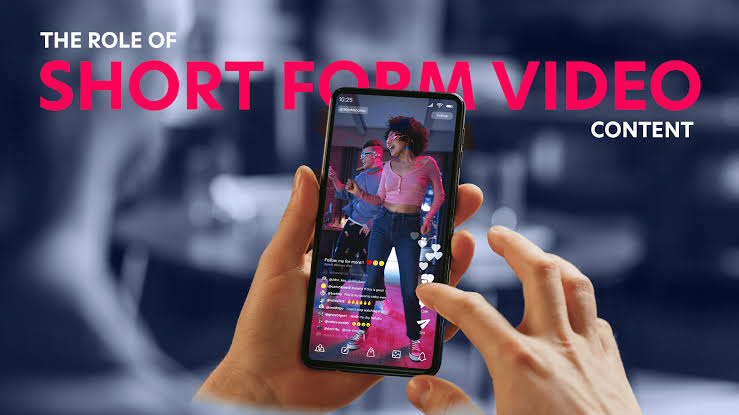
Short-form video marketing strategies using Instagram Reels and YouTube Shorts by Spectra Digital

Short-Form Video Marketing: Powerful Reasons Why Reels and Shorts Still Dominate in 2026

The way people consume content online has changed dramatically over the past few years. Attention spans are shorter, competition is higher, and audiences expect content that is quick, engaging, and easy to consume.

This is why short-form video marketing continues to dominate digital marketing strategies in 2026.

Platforms like Instagram Reels and YouTube Shorts have transformed how brands connect with audiences, build awareness, and drive conversions. Businesses of all sizes are increasingly investing in short-form video content because it delivers exceptional reach and engagement.

In this blog, Spectra Digital explores why Reels and Shorts remain powerful marketing tools and how businesses can leverage them effectively.

What Is Short-Form Video Marketing?

image

Short-form video marketing refers to creating and sharing videos that are typically under 90 seconds in length.

These videos are designed to:

  • Capture attention quickly
  • Deliver information efficiently
  • Encourage engagement
  • Increase brand visibility
  • Drive conversions

Popular short-form video platforms include:

  • Instagram Reels
  • YouTube Shorts
  • TikTok
  • Facebook Reels
  • LinkedIn short videos

Short videos have become one of the most effective ways to communicate with modern consumers.

Why Short-Form Video Marketing Still Dominates in 2026

1. Consumers Prefer Quick Content

image

Modern consumers are constantly exposed to information.

They prefer content that is:

  • Easy to consume
  • Entertaining
  • Informative
  • Accessible on mobile devices

Short-form videos meet these expectations perfectly by delivering value in just a few seconds.

2. Higher Engagement Rates

image

Short-form videos consistently generate higher engagement compared to many traditional content formats.

Businesses often see:

  • More likes
  • Higher shares
  • Increased comments
  • Better audience retention

Engaging content increases brand visibility and improves overall marketing performance.

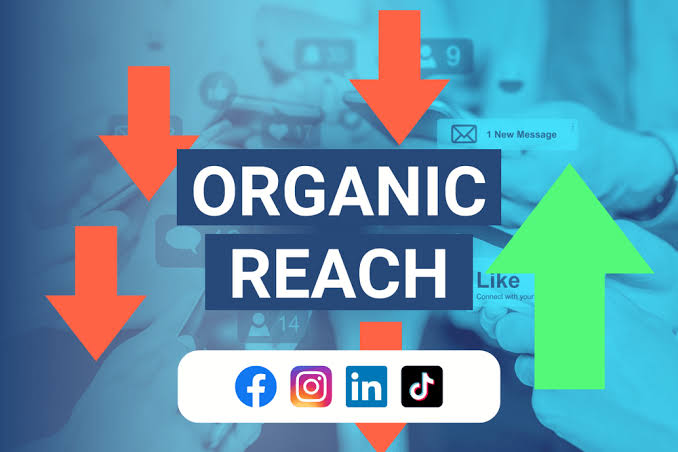
3. Better Organic Reach

image

One of the biggest advantages of Reels and Shorts is their ability to reach new audiences organically.

Social media algorithms actively promote engaging video content to users who may not already follow your brand.

This allows businesses to:

  • Increase brand awareness
  • Reach potential customers
  • Grow communities faster
  • Improve content discoverability

Organic reach remains one of the strongest benefits of short-form video marketing.

4. Mobile-First Consumer Behavior

image

Most online content is now consumed on smartphones.

Short videos are specifically designed for mobile viewing, making them highly effective for modern audiences.

Vertical video formats provide:

  • Better user experiences
  • Easier content consumption
  • Higher completion rates

As mobile usage continues to grow, short-form videos will remain highly relevant.

5. Improved Brand Awareness

image

Repetition and visibility are key components of successful branding.

Regularly publishing Reels and Shorts helps businesses:

  • Stay top-of-mind
  • Increase recognition
  • Build stronger brand identities

Even short videos can significantly influence purchasing decisions over time.

6. Cost-Effective Content Marketing

image

Compared to large-scale video productions, short-form videos are often more affordable to create.

Businesses can produce valuable content using:

  • Smartphones
  • Simple editing tools
  • User-generated content
  • Behind-the-scenes footage

This makes short-form video marketing accessible to businesses of all sizes.

7. Stronger Customer Connections

image

Consumers increasingly prefer authentic and relatable content.

Short-form videos provide opportunities to showcase:

  • Company culture
  • Team members
  • Customer success stories
  • Educational content
  • Behind-the-scenes moments

Authentic content helps businesses build trust and stronger relationships with audiences.

Why Instagram Reels and YouTube Shorts Continue to Lead

Instagram Reels

image

Instagram remains one of the most influential social media platforms for businesses.

Reels are particularly effective for:

  • Brand awareness campaigns
  • Lifestyle content
  • Product promotions
  • Influencer collaborations
  • Community engagement

Instagram’s algorithm continues to prioritize engaging video content.

YouTube Shorts

image

YouTube Shorts provide businesses with access to one of the world’s largest content platforms.

Shorts are valuable because they:

  • Increase discoverability
  • Support long-term content strategies
  • Drive traffic to long-form videos
  • Improve audience growth

YouTube’s strong search capabilities also make Shorts valuable for educational and evergreen content.

Types of Short-Form Videos Businesses Should Create

Educational Videos

Quick tips, tutorials, and industry insights.

Product Demonstrations

Show products or services in action.

Behind-the-Scenes Content

Humanize your brand and build trust.

Customer Testimonials

Highlight real customer experiences.

Trend-Based Content

Leverage trending sounds and formats to increase reach.

FAQs and Quick Answers

Address common customer questions in an engaging way.

Best Practices for Short-Form Video Marketing

To maximize results, businesses should:

Capture Attention Quickly

The first few seconds are critical.

Keep Videos Simple

Deliver one clear message per video.

Add Captions

Many users watch videos without sound.

Include Strong Calls-to-Action

Encourage viewers to visit your website, follow your account, or contact your business.

Post Consistently

Consistency is essential for building momentum and audience growth.

Common Mistakes Businesses Should Avoid

Many businesses struggle because they:

  • Focus too much on selling
  • Ignore audience preferences
  • Post inconsistently
  • Create overly polished content
  • Fail to analyze performance data

Authenticity and consistency often outperform highly produced content.

Future of Short-Form Video Marketing

Short-form video marketing strategies using Instagram Reels and YouTube Shorts by Spectra Digital

Despite the rapid evolution of digital marketing, short-form videos continue to grow in importance.

Future trends include:

  • AI-powered video creation
  • More personalized content experiences
  • Increased social commerce integration
  • Greater use of interactive video features

Short-form content is likely to remain one of the most powerful marketing tools in the coming years.

How Spectra Digital Helps Businesses Grow Through Video Marketing

At Spectra Digital, we help brands create effective social media and video marketing strategies that drive engagement and conversions.

Our services include:

We help businesses leverage short-form content to increase visibility, build communities, and achieve measurable growth.

Final Thoughts

Short-form video marketing continues to dominate because it aligns perfectly with modern consumer behavior.

Instagram Reels and YouTube Shorts offer businesses powerful opportunities to increase engagement, improve brand awareness, and generate meaningful results.

Brands that consistently create valuable and authentic short-form content will be better positioned to succeed in the evolving digital landscape.

If your business wants to maximize the power of Reels and Shorts, Spectra Digital can help you develop video marketing strategies that deliver real business impact.

AI Search vs Google Search comparison and future SEO strategies by Spectra Digital

AI Search vs Google Search: Powerful Insights for Businesses in 2026

The way people search for information online is changing rapidly. For years, traditional search engines like Google dominated how users discovered websites, products, and services. However, the rise of AI-powered search platforms is transforming user behavior and redefining digital marketing strategies.

Understanding AI Search vs Google Search has become essential for businesses that want to maintain online visibility and stay ahead of competitors.

As AI-driven search experiences continue to evolve, companies must adapt their SEO and content strategies to meet changing user expectations.

What Is Traditional Google Search?

image

Google Search has long been the primary gateway to information on the internet.

Traditional search works by:

  • Crawling and indexing web pages
  • Ranking websites based on hundreds of ranking factors
  • Displaying results through organic listings, featured snippets, local packs, and advertisements

Users typically enter a query, browse multiple links, and click on websites to find the information they need.

Google’s ranking system focuses heavily on factors such as:

  • Content relevance
  • Backlinks and authority
  • Technical SEO
  • User experience
  • Search intent

For businesses, ranking on the first page of Google has always been a major objective.

What Is AI Search?

image

AI Search uses artificial intelligence and large language models to generate direct answers and conversational responses.

Instead of simply displaying a list of links, AI-powered search platforms provide summarized information by understanding context, intent, and relationships between topics.

AI search experiences often include:

  • Conversational responses
  • Personalized answers
  • Follow-up questions
  • Context-aware recommendations
  • Direct summaries from multiple sources

Users increasingly expect immediate answers rather than manually browsing several websites.

AI Search vs Google Search: Key Differences

1. Search Experience

image

Google Search:
Provides users with a list of websites and allows them to choose which sources to visit.

AI Search:
Delivers direct, conversational answers and summarizes information instantly.

This shift significantly changes how users interact with online content.

2. User Intent Understanding

AI search systems are better at understanding natural language and complex queries.

For example:

Google Search Query:
“Best digital marketing strategies for small businesses.”

AI Search Query:
“What are the most effective digital marketing strategies for a growing small business with a limited budget?”

AI systems can understand context and provide more nuanced responses.

3. Click Behavior

image

Traditional Google Search often drives website traffic through organic clicks.

AI search may reduce direct clicks because users can receive answers without visiting websites.

This means businesses may need to focus more on authority, brand recognition, and content quality.

4. Content Evaluation

image

Google traditionally evaluates:

  • Keywords
  • Backlinks
  • Technical SEO signals

AI search places greater emphasis on:

  • Expertise
  • Content depth
  • Contextual relevance
  • Authority and trustworthiness

High-quality, informative content becomes even more important.

5. Personalization

image

AI search experiences are becoming increasingly personalized based on:

  • User preferences
  • Previous interactions
  • Search history
  • Context and intent

This creates more tailored experiences for users.

Why AI Search Matters for Businesses

The rise of AI search represents one of the biggest changes in digital marketing in recent years.

Businesses need to understand these changes because:

  • Search behavior is evolving.
  • Organic traffic patterns may shift.
  • Content strategies must adapt.
  • Competition for visibility will increase.

Companies that prepare early can gain a significant competitive advantage.

How AI Search Is Changing SEO

image

SEO is not disappearing—it is evolving.

Businesses should focus on:

Creating Helpful Content

Content should answer real user questions and provide genuine value.

Building Topical Authority

Publishing multiple pieces of content within your niche strengthens expertise signals.

Optimizing for Conversational Queries

Users increasingly search using natural language and question-based phrases.

Improving Trust Signals

Expertise, experience, and credibility play a larger role in AI-driven search environments.

Strategies Businesses Should Adopt

1. Focus on High-Quality Content

Thin, keyword-stuffed content is becoming less effective.

Businesses should create:

  • In-depth guides
  • Industry insights
  • Case studies
  • Educational resources

2. Strengthen Brand Authority

Strong brands are more likely to be referenced and trusted within AI-generated responses.

Authority can be improved through:

  • Consistent content publishing
  • Industry recognition
  • Reviews and testimonials
  • Thought leadership initiatives

3. Optimize for User Intent

Understanding why users search is more important than simply targeting keywords.

Businesses should answer:

  • What problem does the user have?
  • What information do they need?
  • What action are they likely to take next?

4. Invest in Technical SEO

Technical foundations remain important.

Businesses should continue improving:

  • Website speed
  • Mobile responsiveness
  • Structured data
  • Site architecture

Strong technical SEO supports both traditional and AI search visibility.

Challenges Businesses May Face

As AI search adoption increases, businesses may experience:

  • Reduced organic click-through rates
  • Increased competition for authority
  • Changes in traffic measurement
  • Greater emphasis on content quality

Adapting quickly will be essential.

Future of Search: AI and Google Together

Rather than replacing Google entirely, AI search and traditional search are likely to coexist.

Google itself is increasingly integrating AI capabilities into its search experience through features such as AI Overviews.

The future of search will likely combine:

  • Traditional search results
  • AI-generated summaries
  • Conversational experiences
  • Personalized recommendations

Businesses that optimize for both environments will be in the strongest position.

How Spectra Digital Helps Businesses Prepare for the Future of Search

At Spectra Digital, we help businesses adapt to evolving search trends through data-driven strategies.

Our services include:

  • SEO strategy development
  • AI-focused content optimization
  • Technical SEO improvements
  • Website performance optimization
  • Authority-building campaigns

We help brands remain visible as search continues to evolve.

Final Thoughts

Understanding AI Search vs Google Search is becoming increasingly important for businesses in 2026.

AI-powered search experiences are changing how users discover information, interact with content, and make decisions online.

While traditional SEO principles remain valuable, businesses must now focus more on content quality, authority, user intent, and conversational experiences.

Companies that embrace these changes early will be better positioned to achieve long-term digital success.

If your business wants to stay ahead of the future of search, Spectra Digital can help you build strategies that improve visibility, increase authority, and drive sustainable growth.

 Customers Search Online Before Making Decisions

Why Every Business Needs a Strong Online Presence in 2026

Today’s customers don’t wait for advertisements to find a business they search online first. Whether they need a nearby restaurant, a digital marketing agency, a clothing store, or a healthcare provider, their buying journey usually begins with a Google search, social media profile, or business website.

This shift in consumer behavior has made a strong online presence one of the most valuable assets for any business. Companies that invest in their digital visibility are easier to discover, build greater trust with customers, generate more qualified leads, and create sustainable long-term growth.

At Spectra Digital, we’ve seen businesses of every size transform their performance by building a consistent online presence supported by SEO, content marketing, paid advertising, and social media. In this guide, we’ll explore why every business should prioritize its digital presence and how you can build one that delivers measurable results.

What Is an Online Presence?

An online presence is the collection of all the digital platforms where your business appears and interacts with customers. It represents your brand across the internet and influences how people perceive your company.

A complete online presence includes:

  • A professional website
  • Search engine visibility (SEO)
  • Google Business Profile
  • Social media platforms
  • Customer reviews
  • Blog content
  • Email marketing
  • Online advertisements
  • Business listings and directories

The stronger and more consistent these touchpoints are, the more likely potential customers are to trust your business.

Why Having a Strong Online Presence Is So Important?

Customers Search Online Before Making Decisions

Consumer behavior has changed dramatically over the last decade. Before making a purchase, people research businesses online, compare options, read reviews, and visit websites.

If your business cannot be found online, many potential customers may never know you exist even if your products or services are excellent.

A strong online presence ensures your business appears where customers are actively searching.

 Customers Search Online Before Making Decisions

It Builds Trust and Credibility

Trust is one of the biggest factors influencing purchasing decisions.

When customers discover a business with:

  • A professional website
  • Active social media accounts
  • Positive customer reviews
  • Helpful blog articles
  • Updated contact information

they are far more likely to view the brand as reliable and professional.

Businesses without these digital assets often appear outdated or less trustworthy.

It Builds Trust and Credibility

Your Website Works 24/7

Unlike a physical store with fixed operating hours, your website is available around the clock.

Potential customers can:

  • Learn about your services
  • Read blog articles
  • View products
  • Submit inquiries
  • Book appointments
  • Request quotations

This means your website continues generating leads even when your office is closed.

Your Website Works 24/7

SEO Helps Customers Find You

Search Engine Optimization (SEO) improves your visibility on search engines like Google.

When your website ranks for relevant keywords, customers searching for your services are more likely to discover your business organically.

For example:

  • Digital Marketing Agency
  • SEO Services
  • Website Development
  • Social Media Marketing

Higher rankings increase website traffic, qualified leads, and conversions without relying entirely on paid advertising.

SEO Helps Customers Find You

Social Media Expands Brand Awareness

Millions of users spend hours every day on platforms such as Instagram, LinkedIn, Facebook, and YouTube.

An active social media presence helps businesses:

  • Connect with audiences
  • Showcase expertise
  • Promote products
  • Build community
  • Increase engagement
  • Generate leads

Consistent posting also keeps your brand visible and relevant.

Social Media Expands Brand Awareness

Customers Expect Businesses to Be Online

Today’s consumers expect businesses to have:

  • A website
  • Contact details
  • Google Maps location
  • Business hours
  • Reviews
  • Social media pages

If customers cannot easily verify your business online, they may choose a competitor who provides more accessible information.

Customers Expect Businesses to Be Online

Online Reviews Influence Buying Decisions

Reviews have become one of the strongest forms of digital word-of-mouth marketing.

Positive reviews help businesses:

  • Increase credibility
  • Improve local SEO
  • Build customer confidence
  • Influence purchasing decisions

Responding professionally to both positive and negative feedback also demonstrates that your business values customer satisfaction.

Online Reviews Influence Buying Decisions

Digital Marketing Generates High-Quality Leads

Unlike traditional advertising, digital marketing allows businesses to target audiences based on:

  • Location
  • Interests
  • Age
  • Search behavior
  • Purchase intent
  • Device usage

This precision helps attract people who are genuinely interested in your products or services, improving the quality of leads and maximizing marketing efficiency.

Digital Marketing Generates High-Quality Leads

You Can Measure Every Result

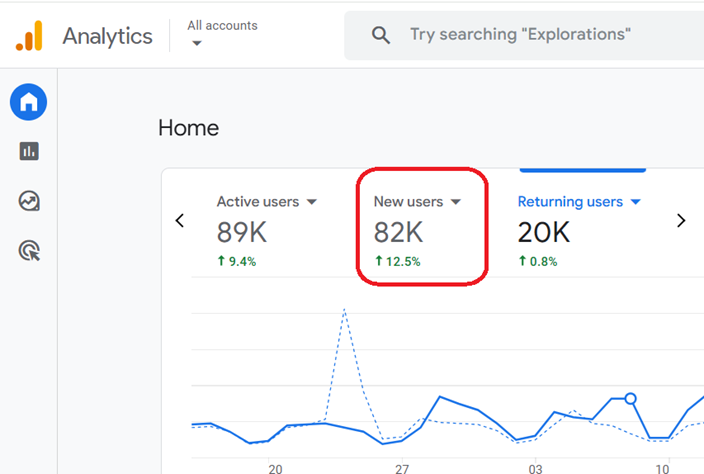
One of the greatest advantages of digital marketing is access to detailed performance data.

Businesses can monitor:

  • Website traffic
  • User behavior
  • Conversion rates
  • Lead generation
  • Search rankings
  • Advertising ROI
  • Email performance

These insights enable continuous optimization and smarter marketing decisions.

You Can Measure Every Result

It Helps You Stay Ahead of Competitors

Your competitors are already investing in digital marketing.

Businesses that strengthen their online presence benefit from:

  • Greater visibility
  • Increased brand awareness
  • More customer inquiries
  • Better search rankings
  • Higher conversion rates
  • Stronger customer relationships

A proactive digital strategy helps your business remain competitive in an increasingly online marketplace.

It Helps You Stay Ahead of Competitors

Key Elements of a Strong Online Presence

Building a successful online presence requires more than simply creating a website. The following components work together to attract, engage, and convert customers:

Professional Website

A fast, responsive, user-friendly website that clearly communicates your products, services, and value proposition.

Search Engine Optimization (SEO)

Optimize your website to rank higher in search results, making it easier for potential customers to find your business.

High-Quality Content

Publish informative blogs, guides, videos, and case studies that educate your audience and establish your expertise.

Social Media Marketing

Maintain consistent activity across platforms where your audience spends time.

Google Business Profile

Keep your profile updated with accurate contact information, business hours, photos, and customer reviews.

Paid Advertising

Use Google Ads and social media advertising to reach high-intent audiences and accelerate lead generation.

Reputation Management

Encourage customer reviews and respond promptly to feedback to build trust and strengthen your brand image.

Common Mistakes Businesses Make

Many businesses struggle to maximize their online presence because they:

  • Have outdated websites
  • Ignore SEO
  • Post inconsistently on social media
  • Fail to respond to customer reviews
  • Publish little or no valuable content
  • Don’t track marketing performance
  • Focus only on selling instead of educating customers

Avoiding these mistakes can significantly improve your digital visibility and customer engagement.

How Spectra Digital Helps Businesses Grow Online

At Spectra Digital, we help businesses create a comprehensive online presence that delivers measurable results. Our team develops customized strategies based on your goals, industry, and target audience.

Our services include:

  • Search Engine Optimization (SEO)
  • Local SEO
  • Website Design & Development
  • Social Media Marketing
  • Performance Marketing
  • Google Ads
  • Meta Ads
  • Content Marketing
  • Branding
  • Lead Generation
  • Analytics & Reporting

We focus on creating integrated digital marketing strategies that increase visibility, attract qualified leads, and support long-term business growth.

Final Thoughts

A strong online presence is no longer optional it’s essential. Whether you’re a startup, a local business, or an established enterprise, customers expect to find, evaluate, and engage with your brand online before making a purchase.

By investing in a professional website, effective SEO, valuable content, active social media, and data-driven digital marketing, businesses can build credibility, expand their reach, and generate sustainable growth.

If you’re ready to strengthen your digital presence and connect with more customers, Spectra Digital is here to help you create a strategy that delivers real, measurable results.

AI-Powered Search is Changing SEO

Traditional Marketing vs Digital Marketing

Digital marketing is evolving faster than ever. Search engines are becoming smarter, artificial intelligence is changing how people discover brands, and customers expect highly personalized experiences across every platform.

Businesses that keep up with these changes gain a competitive advantage, while those that rely on outdated strategies risk losing visibility, traffic, and sales.

In this guide, Spectra Digital explores the biggest digital marketing trends that businesses should adopt in 2026.

AI-Powered Search is Changing SEO

Search engines now rely heavily on AI to understand user intent instead of simply matching keywords. This means businesses need to create helpful, experience-driven content rather than focusing only on keyword density.

Best practices:

  • Write content that answers real customer questions.
  • Add FAQs to important pages.
  • Improve website speed and mobile performance.
  • Focus on topical authority instead of individual keywords.
AI-Powered Search is Changing SEO

Short-Form Video Continues to Dominate

Instagram Reels, YouTube Shorts, and LinkedIn videos continue to generate higher engagement than static content.

Brands should create:

  • Behind-the-scenes videos
  • Customer testimonials
  • Product demonstrations
  • Educational tips
  • Quick industry updates

Video builds trust while increasing reach organically.

Short-Form Video Continues to Dominate

First-Party Data Becomes Essential

As third-party cookies disappear, businesses need to collect customer information directly through:

  • Email newsletters
  • Lead magnets
  • Website forms
  • Loyalty programs

Owning customer data helps improve long-term marketing performance.

First-Party Data Becomes Essential

Hyper-Personalization Improves Conversions

Customers expect brands to deliver personalized experiences.

Examples include:

  • Personalized email campaigns
  • Product recommendations
  • Location-based offers
  • Dynamic website content

Personalization increases both engagement and conversion rates.

Hyper-Personalization Improves Conversions

Local SEO Matters More Than Ever

For businesses targeting local customers, Local SEO remains one of the highest ROI marketing strategies.

Focus on:

  • Optimizing your Google Business Profile
  • Encouraging customer reviews
  • Using local keywords
  • Maintaining consistent business information across directories
 Local SEO Matters More Than Ever

Content Marketing Builds Long-Term Growth

Quality content continues to drive organic traffic and establish authority.

Businesses should regularly publish:

  • Blog articles
  • Case studies
  • Industry insights
  • How-to guides
  • Downloadable resources

A strong content strategy supports SEO while nurturing potential customers.

Content Marketing Builds Long-Term Growth

Omnichannel Marketing Creates Better Customer Experiences

Customers interact with brands across multiple channels before making a purchase.

Successful businesses integrate:

  • SEO
  • Social media
  • Google Ads
  • Email marketing
  • Website optimization

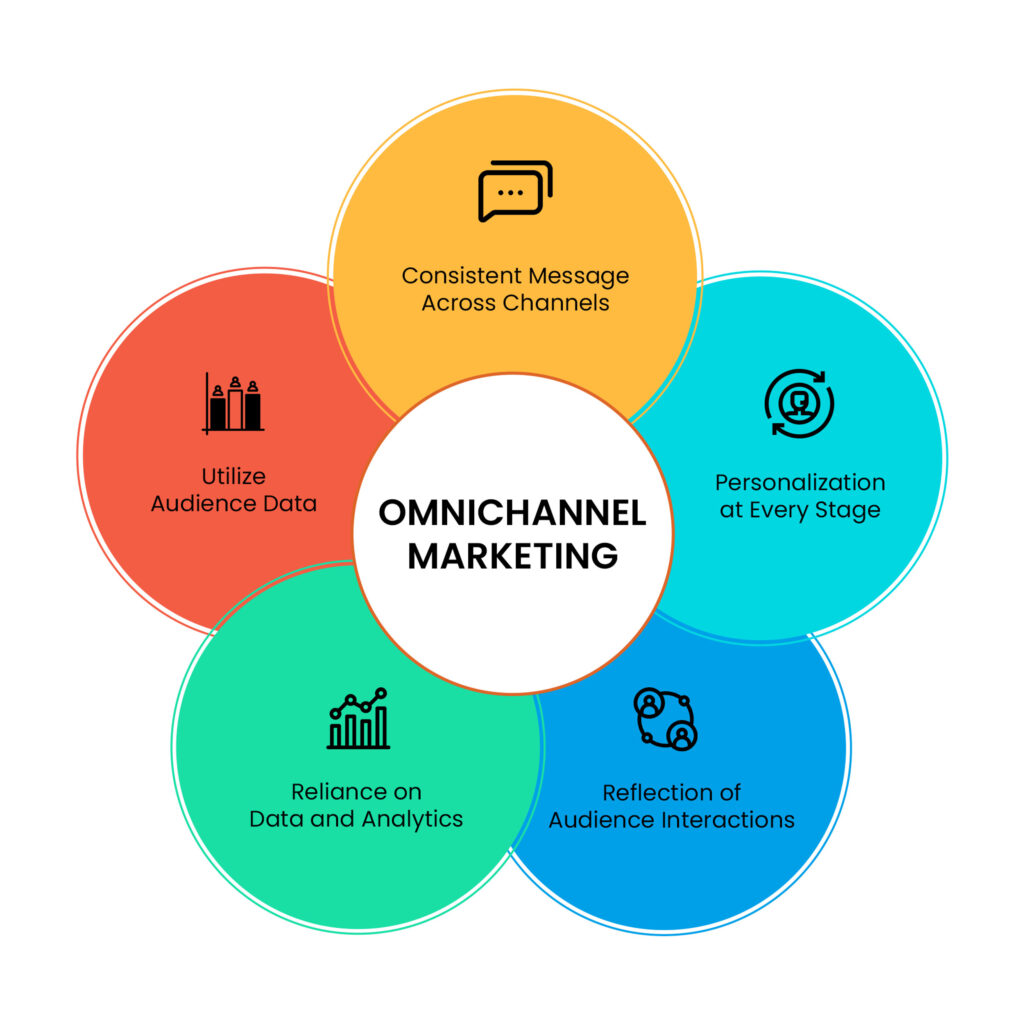
A connected strategy ensures consistent messaging throughout the customer journey.

Omnichannel Marketing Creates Better Customer Experiences

How Spectra Digital Helps Businesses Grow

At Spectra Digital, we help brands stay ahead with data-driven digital marketing solutions, including:

  • Search Engine Optimization (SEO)
  • Google Ads (PPC)
  • Social Media Marketing
  • Content Marketing
  • Website Development
  • Performance Marketing
  • Lead Generation

Our customized strategies are designed to increase visibility, attract qualified leads, and drive measurable business growth.

Final Thoughts

Digital marketing in 2026 is driven by AI, personalization, valuable content, and customer-centric experiences. Businesses that embrace these trends will be better positioned to attract more customers, improve online visibility, and achieve sustainable growth.

If you’re looking to future-proof your marketing strategy, Spectra Digital can help you build campaigns that deliver measurable results.

Ready to grow your business online? Contact Spectra Digital today and let’s create a strategy tailored to your goals.

How to rank in Google AI Overviews with AI-focused SEO strategies by Spectra Digital

How to Rank in Google AI Overviews in 2026: Avoid These Costly SEO Mistakes

The world of search engine optimization is evolving rapidly. With the rise of artificial intelligence in search results, businesses are asking one important question: How to rank in Google AI Overviews?

Google’s AI Overviews are transforming the way users discover information online. Instead of simply showing a list of blue links, Google now provides AI-generated summaries that answer users’ questions directly within search results.

For businesses, this means traditional SEO strategies alone are no longer enough. Brands must now optimize their content for both search engines and AI-driven experiences.

In this guide, Spectra Digital explains how Google AI Overviews work and the best strategies to improve your visibility in AI-powered search results.

What Are Google AI Overviews?

How to Rank in Google AI Overviews

Google AI Overviews are AI-generated summaries that appear at the top of search results for certain queries. These summaries provide users with quick answers by gathering information from multiple authoritative sources.

The goal of AI Overviews is to deliver more relevant, contextual, and helpful information to users without requiring them to visit multiple websites.

While AI Overviews improve user experience, they are also changing how businesses approach SEO and organic traffic.

Why Google AI Overviews Are Changing SEO

Traditional SEO focused heavily on:

  • Ranking on the first page
  • Optimizing for keywords
  • Building backlinks
  • Increasing click-through rates

Today, SEO is becoming more focused on:

  • Search intent
  • Content quality
  • Topical authority
  • User experience
  • Trust and expertise

Businesses that adapt to these changes will have a better chance of maintaining visibility in Google’s evolving search landscape.

How to Rank in Google AI Overviews

image

1. Create Helpful, Comprehensive Content

image

Google’s AI systems prioritize content that genuinely helps users.

Instead of creating short articles focused only on keywords, businesses should produce detailed and informative content that answers users’ questions completely.

High-quality content should include:

  • Clear explanations
  • Practical examples
  • Frequently asked questions
  • Actionable insights
  • Updated information

Comprehensive content increases the likelihood of being referenced in AI-generated summaries.

2. Focus on Search Intent

image

Understanding user intent has become more important than ever.

Ask yourself:

  • What problem is the user trying to solve?
  • What information are they looking for?
  • What follow-up questions might they have?

Content that fully satisfies user intent is more likely to be considered valuable by Google’s AI systems.

3. Build Topical Authority

image

Google increasingly rewards websites that demonstrate expertise within specific topics.

Instead of publishing random content, businesses should build clusters around related subjects.

For example, a digital marketing agency can create content around:

  • SEO strategies
  • Performance marketing
  • Social media marketing
  • AI in digital marketing
  • Website optimization

Publishing multiple high-quality articles within your niche strengthens topical authority.

4. Use Clear Content Structure

image

AI systems prefer content that is easy to understand.

Structure your articles using:

  • Clear headings (H2 and H3)
  • Short paragraphs
  • Bullet points
  • Tables where appropriate
  • FAQ sections

Well-organized content makes it easier for search engines and AI systems to extract information.

5. Demonstrate Experience and Expertise

image

Google places significant importance on content credibility.

Businesses should demonstrate:

  • Real-world experience
  • Industry expertise
  • Author credibility
  • Original insights
  • Data-backed information

Sharing case studies, examples, and practical knowledge can improve trustworthiness.

6. Optimize for Long-Tail Keywords

image

AI Overviews often appear for conversational and informational searches.

Examples include:

  • How to improve website SEO
  • What makes a high-converting website
  • How to rank in Google AI Overviews

Targeting long-tail keywords helps businesses capture highly relevant search traffic.

7. Add FAQ Sections

image

FAQs align well with the way people search today.

Examples:

What are Google AI Overviews?

Google AI Overviews are AI-generated summaries displayed at the top of search results that provide quick answers to user queries.

How can businesses rank in AI Overviews?

Businesses can improve visibility by creating helpful content, building authority, and optimizing for search intent.

FAQ sections increase content relevance and improve opportunities for featured visibility.

8. Improve Website User Experience

image

User experience continues to be a major ranking factor.

Businesses should focus on:

  • Fast loading speed
  • Mobile responsiveness
  • Easy navigation
  • Secure browsing experience
  • Low bounce rates

A positive user experience supports better search performance.

9. Build High-Quality Backlinks

image

Backlinks remain an important trust signal.

Links from reputable websites help establish authority and improve credibility in Google’s eyes.

Businesses should focus on earning backlinks through:

  • Valuable content
  • Industry collaborations
  • Guest posting
  • Digital PR initiatives

Quality matters far more than quantity.

10. Keep Content Updated

image

AI systems prefer fresh and relevant information.

Regularly update articles with:

  • New statistics
  • Emerging trends
  • Industry developments
  • Updated examples

Content freshness can improve long-term search visibility.

Common SEO Mistakes in the AI Era

Businesses often struggle because they:

  • Focus only on keywords
  • Publish thin content
  • Ignore search intent
  • Neglect user experience
  • Fail to update content regularly

Modern SEO requires a more strategic and user-focused approach.

Future of SEO in the Age of AI

image

SEO is not disappearing—it is evolving.

In the coming years, successful businesses will focus on:

  • Creating genuinely helpful content
  • Building authority and trust
  • Optimizing for conversational searches
  • Leveraging AI tools responsibly
  • Delivering exceptional user experiences

Brands that adapt to AI-driven search trends will gain a competitive advantage.

How Spectra Digital Helps Businesses Adapt to AI Search

At Spectra Digital, we help businesses stay ahead of changing search trends through data-driven SEO strategies.

Our services include:

  • AI-focused SEO optimization
  • Content strategy development
  • Technical SEO improvements
  • Website performance optimization
  • Authority-building campaigns

We help businesses improve search visibility and prepare for the future of AI-powered search.

Final Thoughts

Understanding how to rank in Google AI Overviews is becoming essential for businesses looking to succeed in modern SEO.

Google’s AI-powered search experience is changing the way users discover information. Businesses that focus on helpful content, topical authority, user experience, and trust will be better positioned to gain visibility in AI Overviews.

SEO is evolving, but one principle remains the same: create valuable content that genuinely helps users.

If your business wants to stay ahead of the latest SEO trends, Spectra Digital can help you develop strategies that improve rankings, visibility, and long-term growth.

 Hyper-Personalized Customer Experiences

How AI Is Changing Digital Marketing: The Future Is Already Here

Artificial Intelligence (AI) is no longer a futuristic concept—it’s transforming the way businesses connect with customers, create content, analyze data, and drive growth. From personalized customer experiences to predictive analytics, AI is reshaping digital marketing at an unprecedented pace.

At Spectra Digital, we believe AI isn’t here to replace marketers—it empowers them to work smarter, make data-driven decisions, and deliver exceptional results. Brands that embrace AI today are positioning themselves for long-term success in an increasingly competitive digital landscape.

Let’s explore how AI is changing digital marketing and what it means for businesses in 2026 and beyond.


What Is AI in Digital Marketing?

AI in digital marketing refers to the use of machine learning, natural language processing, predictive analytics, and automation tools to improve marketing performance. These technologies help businesses understand customer behavior, automate repetitive tasks, personalize campaigns, and optimize marketing strategies in real time.

Instead of relying solely on assumptions, marketers can now use AI to make informed decisions backed by data.


Hyper-Personalized Customer Experiences

Today’s consumers expect brands to understand their preferences and deliver relevant experiences. AI makes this possible by analyzing customer behavior, purchase history, browsing patterns, and engagement data.

With AI-powered personalization, businesses can:

  • Recommend products based on user interests.
  • Deliver personalized email campaigns.
  • Display relevant website content.
  • Show targeted advertisements.
  • Improve customer retention through customized experiences.

When customers feel understood, they’re more likely to engage with your brand and make purchasing decisions.

 Hyper-Personalized Customer Experiences

Smarter Content Creation

Creating high-quality content consistently can be challenging. AI-powered tools help marketers generate ideas, draft content, optimize headlines, create social media captions, and improve SEO.

However, while AI speeds up content production, human creativity remains essential. The most effective content combines AI efficiency with strategic thinking, storytelling, and brand personality.

At Spectra Digital, we use AI to streamline content workflows while ensuring every piece reflects the unique voice and goals of each client.

 Smarter Content Creation

Better SEO Through Data-Driven Insights

Search Engine Optimization is becoming increasingly intelligent, and AI is playing a major role.

AI helps marketers:

  • Identify high-value keywords.
  • Analyze competitor strategies.
  • Discover content gaps.
  • Optimize metadata.
  • Improve internal linking.
  • Understand search intent.
  • Track ranking opportunities.

Instead of guessing what users are searching for, businesses can create content that aligns with real search behavior and delivers long-term organic growth.

 Better SEO Through Data-Driven Insights

Predictive Analytics for Smarter Decisions

One of AI’s greatest strengths is its ability to predict future outcomes using historical data.

Predictive analytics helps businesses:

  • Forecast customer demand.
  • Identify high-converting audiences.
  • Predict customer churn.
  • Optimize marketing budgets.
  • Improve lead scoring.
  • Recommend the next best marketing action.

This enables businesses to make proactive decisions rather than reacting after opportunities are missed.

Predictive Analytics for Smarter Decisions

Marketing Automation at Scale

Many marketing tasks are repetitive and time-consuming. AI-powered automation allows businesses to focus on strategy while technology handles routine processes.

Automation can streamline:

  • Email marketing
  • Lead nurturing
  • Social media scheduling
  • Customer segmentation
  • Campaign optimization
  • CRM updates
  • Reporting and analytics

The result is greater efficiency, improved consistency, and faster execution.

 Marketing Automation at Scale

Smarter Advertising Campaigns

Digital advertising has become more efficient thanks to AI-driven optimization.

Platforms like Google Ads and Meta Ads use AI to:

  • Identify the right audience.
  • Optimize bidding strategies.
  • Improve ad placements.
  • Test multiple creatives.
  • Maximize conversions.
  • Reduce wasted ad spend.

Instead of manually adjusting campaigns every day, marketers can leverage AI to continuously optimize performance.

Smarter Advertising Campaigns

Enhanced Customer Support with AI Chatbots

Modern AI chatbots provide instant responses, answer frequently asked questions, qualify leads, and offer support around the clock.

Benefits include:

  • 24/7 customer assistance
  • Faster response times
  • Improved customer satisfaction
  • Reduced operational costs
  • Better lead generation

When integrated effectively, chatbots create seamless customer experiences while allowing human teams to focus on more complex interactions.

Enhanced Customer Support with AI Chatbots

Real-Time Social Media Insights

AI enables businesses to monitor conversations, analyze engagement, and identify trends as they happen.

Marketers can:

  • Track brand mentions.
  • Measure audience sentiment.
  • Discover trending topics.
  • Optimize posting schedules.
  • Identify high-performing content.
  • Understand audience preferences.

These insights help brands create more relevant content and build stronger online communities.

Real-Time Social Media Insights

Improved Marketing Analytics

Data is one of the most valuable assets in digital marketing—but only if it’s interpreted correctly.

AI simplifies complex analytics by identifying patterns, highlighting opportunities, and generating actionable insights.

Instead of spending hours reviewing spreadsheets, marketers can quickly understand what’s working, what isn’t, and where to invest next.

Improved Marketing Analytics

Faster Decision-Making

Businesses that rely on manual reporting often lose valuable time.

AI processes massive amounts of data within seconds, enabling marketing teams to:

  • Adjust campaigns instantly.
  • Optimize budgets.
  • Respond to changing trends.
  • Improve campaign performance in real time.

This agility gives businesses a significant competitive advantage.

Faster Decision-Making

Challenges of AI in Digital Marketing

While AI offers incredible opportunities, it should be implemented thoughtfully.

Some common challenges include:

  • Maintaining authentic brand voice.
  • Protecting customer data and privacy.
  • Avoiding over-reliance on automation.
  • Ensuring human oversight.
  • Keeping up with rapidly evolving AI technologies.

The most successful marketing strategies combine AI-powered efficiency with human creativity, empathy, and strategic thinking.


The Future of AI in Marketing

AI will continue to evolve, bringing more advanced personalization, predictive customer journeys, voice search optimization, AI-generated visuals, intelligent automation, and deeper marketing insights.

Businesses that invest in AI today will be better equipped to adapt to changing customer expectations and market dynamics.

However, technology alone doesn’t guarantee success. The real advantage lies in knowing how to use AI strategically to solve business challenges and create meaningful customer experiences.


Final Thoughts

Artificial Intelligence is changing digital marketing in powerful ways—from automating repetitive tasks and optimizing campaigns to delivering personalized customer experiences and uncovering valuable insights.

Yet, AI is most effective when paired with human creativity, strategic thinking, and a deep understanding of customer needs.

At Spectra Digital, we combine innovative AI-powered solutions with creative expertise to help businesses grow smarter, connect more effectively with their audiences, and achieve measurable results. Whether you’re looking to improve your SEO, enhance your social media strategy, optimize paid campaigns, or create compelling content, our team is here to help you navigate the future of digital marketing with confidence.

The future of marketing isn’t about choosing between AI and human expertise—it’s about using both to build stronger brands, deliver better customer experiences, and drive sustainable business growth.

AI in digital marketing

How AI Is Changing Digital Marketing in 2026: Powerful Trends Businesses Must Know

Artificial Intelligence (AI) is no longer a futuristic concept—it has become a major force driving innovation in the marketing industry. Businesses across the world are using AI to automate tasks, improve customer experiences, and make smarter marketing decisions.

So, how AI is changing digital marketing in 2026 is one of the most important questions businesses should understand to stay competitive.

From personalized customer experiences to predictive analytics and AI-powered content creation, artificial intelligence is transforming the way brands connect with their audiences. In this blog, Spectra Digital explores the biggest ways AI is reshaping digital marketing in 2026.

Why AI Matters in Digital Marketing

Digital marketing has become increasingly data-driven. Businesses now need to analyze massive amounts of information, understand customer behavior, and deliver personalized experiences across multiple channels.

AI helps marketers by:

  • Automating repetitive tasks
  • Improving campaign performance
  • Delivering personalized customer experiences
  • Enhancing decision-making through data analysis
  • Increasing marketing efficiency and ROI

As competition grows, AI is becoming an essential tool rather than an optional technology.

How AI Is Changing Digital Marketing in 2026

AI Is Changing Digital Marketing

1. Hyper-Personalized Customer Experiences

Personalization has become one of the biggest factors influencing customer decisions.

AI can analyze user behavior, browsing patterns, purchase history, and engagement data to deliver highly personalized experiences.

Businesses are now using AI to:

  • Recommend products based on customer interests
  • Deliver personalized email campaigns
  • Show customized website content
  • Create targeted advertising campaigns

Personalized experiences help businesses improve customer satisfaction and increase conversions.

2. AI-Powered Content Creation

image

Content marketing continues to play a major role in digital success, and AI tools are helping marketers create content faster and more efficiently.

AI is assisting businesses with:

  • Blog topic generation
  • Content research
  • Social media captions
  • Email copywriting
  • Content optimization

However, human creativity remains essential. The most successful brands use AI to improve productivity while maintaining authenticity and brand voice.

3. Smarter SEO Strategies

image

Search engine optimization is evolving rapidly because of AI.

Search engines are becoming better at understanding user intent, context, and content quality.

In 2026, AI is helping marketers:

  • Identify keyword opportunities
  • Analyze competitor strategies
  • Optimize content for search intent
  • Improve technical SEO
  • Predict search trends

Businesses that combine AI insights with high-quality content are likely to achieve stronger search engine rankings.

4. Advanced Predictive Analytics

image

One of the biggest advantages of AI is its ability to predict future behavior.

Predictive analytics allows businesses to:

  • Forecast customer demand
  • Identify potential leads
  • Predict purchasing behavior
  • Improve customer retention strategies

By analyzing historical data, AI helps marketers make better decisions and allocate budgets more effectively.

5. AI in Performance Marketing

Performance marketing has become increasingly data-driven, and AI is making advertising campaigns more efficient.

AI can automatically:

  • Optimize bidding strategies
  • Improve audience targeting
  • Analyze campaign performance
  • Allocate budgets efficiently
  • Increase return on ad spend (ROAS)

Platforms like Google Ads and social media advertising systems increasingly rely on machine learning algorithms to improve campaign performance.

6. AI Chatbots and Customer Support

image

Customer expectations continue to rise, and businesses need to provide instant support.

AI-powered chatbots help companies:

  • Answer customer queries 24/7
  • Generate leads automatically
  • Improve response times
  • Enhance customer experience

Modern AI chatbots can understand user intent better than ever, making customer interactions more natural and efficient.

7. Better Audience Targeting

image

Finding the right audience is critical for marketing success.

AI can analyze large datasets and identify users who are most likely to convert.

This allows businesses to:

  • Reduce wasted ad spend
  • Increase campaign efficiency
  • Improve lead quality
  • Achieve higher conversion rates

Smarter targeting leads to better marketing outcomes and stronger ROI.

8. Enhanced Marketing Automation

image

Marketing automation has evolved significantly with AI integration.

Businesses can now automate:

  • Email campaigns
  • Customer segmentation
  • Lead nurturing workflows
  • Social media scheduling
  • Reporting and analytics

AI helps marketers save time while ensuring more relevant and personalized communication.

9. Voice Search and Conversational Marketing

image

Voice search continues to grow as more consumers use smart devices and voice assistants.

AI is helping businesses optimize for:

  • Conversational search queries
  • Natural language keywords
  • Voice-based customer interactions

Brands that adapt to conversational search trends can gain a competitive advantage in search visibility.

10. Data-Driven Decision Making

image

One of the biggest ways AI is changing digital marketing in 2026 is through smarter decision-making.

AI enables businesses to:

  • Analyze customer behavior in real time
  • Understand campaign performance instantly
  • Identify new market opportunities
  • Make faster strategic decisions

Data-driven marketing reduces guesswork and improves business outcomes.

Challenges of Using AI in Digital Marketing

Although AI offers numerous benefits, businesses should also be aware of potential challenges.

These include:

  • Maintaining content authenticity
  • Protecting customer privacy
  • Managing data quality
  • Avoiding over-automation
  • Ensuring human creativity remains part of marketing strategies

AI should support marketers, not replace strategic thinking and creativity.

Future of AI in Digital Marketing

image

The role of AI in marketing will continue to expand in the coming years.

Businesses can expect:

  • More advanced personalization
  • Improved predictive analytics
  • Greater automation capabilities
  • Better customer insights
  • Increased efficiency across marketing channels

Companies that embrace AI early will be better positioned to stay ahead of competitors.

How Spectra Digital Helps Businesses Leverage AI

At Spectra Digital, we combine AI-driven insights with human creativity to build effective digital marketing strategies.

Our services include:

  • AI-powered performance marketing
  • SEO and content optimization
  • Data-driven advertising strategies
  • Website optimization
  • Lead generation campaigns

We help businesses use the latest technologies to improve efficiency, increase conversions, and achieve sustainable growth.

Final Thoughts

Understanding how AI is changing digital marketing in 2026 is essential for businesses that want to remain competitive in an increasingly digital world.

Artificial intelligence is transforming SEO, advertising, content creation, personalization, and customer engagement. Businesses that successfully integrate AI into their marketing strategies can improve efficiency, enhance customer experiences, and maximize ROI.

As AI continues to evolve, companies that embrace innovation and adapt quickly will gain a significant competitive advantage.

If you’re looking to implement AI-driven marketing strategies, Spectra Digital can help your business stay ahead in the rapidly changing digital landscape.

 Perform Thorough Keyword Research

10 Proven Ways to Increase Website Traffic Organically

In today’s competitive digital landscape, attracting visitors to your website is essential for building brand awareness, generating leads, and increasing sales. While paid advertising can deliver quick results, it often requires a continuous budget. Organic traffic, on the other hand, provides long-term value by bringing visitors to your website naturally through search engines and valuable content.

Organic website traffic consists of users who discover your website through unpaid search results. These visitors are often highly engaged because they are actively searching for information, products, or services related to your business. With the right SEO strategy, businesses can consistently attract qualified traffic and reduce their dependence on paid campaigns.

In this blog, we’ll explore 10 proven ways to increase website traffic organically and build a sustainable online presen

Perform Thorough Keyword Research

Every successful SEO strategy begins with keyword research. Understanding what your audience is searching for allows you to create content that matches their intent.

Focus on:

  • Long-tail keywords with lower competition
  • High-intent search queries
  • Industry-specific keywords
  • Local keywords (if your business serves a specific area)

Use keywords naturally in your titles, headings, URLs, meta descriptions, and throughout your content without keyword stuffing.

 Perform Thorough Keyword Research

Publish High-Quality, Valuable Content

Content remains one of the strongest drivers of organic traffic.

Create content that solves your audience’s problems by publishing:

  • How-to guides
  • Industry insights
  • Case studies
  • Tutorials
  • Checklists
  • Frequently asked questions

Well-researched and informative content encourages visitors to spend more time on your website, increasing engagement and improving search rankings.

Publish High-Quality, Valuable Content

Optimize On-Page SEO

On-page SEO helps search engines understand your content and improves the user experience.

Optimize:

  • Title tags
  • Meta descriptions
  • Header tags (H1, H2, H3)
  • Image alt text
  • Internal links
  • URL structure
  • Keyword placement

A well-optimized page has a better chance of ranking higher in search engine results.

Optimize On-Page SEO

Improve Website Speed

Website speed is a critical ranking factor and directly affects user experience.

To improve loading speed:

  • Compress images
  • Minify CSS and JavaScript files
  • Enable browser caching
  • Use a reliable hosting provider
  • Reduce unnecessary plugins

A faster website reduces bounce rates and keeps visitors engaged.

 Improve Website Speed

Create SEO-Friendly Blog Content

Regular blogging is an excellent way to increase organic traffic.

Each blog provides another opportunity to rank for relevant keywords and answer customer questions.

Publish content consistently on topics related to your industry, ensuring each article is optimized for search engines and provides genuine value to readers.

Create SEO-Friendly Blog Content

Build High-Quality Backlinks

Backlinks from reputable websites signal trust and authority to search engines.

Effective ways to earn backlinks include:

  • Guest blogging
  • Creating shareable content
  • Publishing original research
  • Collaborating with industry partners
  • Listing your business in reputable directories

Quality is more important than quantity when it comes to backlinks.

 Build High-Quality Backlinks

Optimize for Mobile Devices

Most users browse websites on smartphones and tablets. A mobile-friendly website is essential for both user experience and SEO.

Ensure your website:

  • Uses responsive design
  • Loads quickly on mobile devices
  • Has easy navigation
  • Features readable text
  • Includes clickable buttons

Google prioritizes mobile-friendly websites in search results, making mobile optimization a must.

 Optimize for Mobile Devices

Strengthen Your Internal Linking Strategy

Internal links connect different pages on your website and help users discover related content.

Benefits include:

  • Better website navigation
  • Increased time spent on site
  • Improved page authority distribution
  • Easier indexing by search engines

Use descriptive anchor text and link naturally to relevant pages within your website.

 Strengthen Your Internal Linking Strategy

Focus on Local SEO

If your business serves a specific location, Local SEO can significantly increase targeted traffic.

Key Local SEO practices include:

  • Optimizing your Google Business Profile
  • Using location-based keywords
  • Collecting customer reviews
  • Maintaining consistent business information across directories
  • Creating location-specific landing pages

Local SEO helps attract nearby customers actively searching for your services.

Focus on Local SEO

Monitor Performance and Continuously Improve

SEO is not a one-time effort. Regular monitoring helps identify what’s working and where improvements are needed.

Track metrics such as:

  • Organic traffic
  • Keyword rankings
  • Bounce rate
  • Average session duration
  • Conversion rate
  • Top-performing pages

Use these insights to update existing content, improve underperforming pages, and refine your SEO strategy over time.

 Monitor Performance and Continuously Improve

Common Mistakes to Avoid

Many businesses struggle to grow organic traffic because they:

  • Publish low-quality or duplicate content.
  • Ignore keyword research.
  • Neglect technical SEO.
  • Have slow-loading websites.
  • Fail to optimize for mobile users.
  • Overlook internal linking.
  • Ignore user search intent.
  • Don’t update old content.

Avoiding these mistakes will improve both user experience and search engine rankings.


Why Organic Traffic Matters

Unlike paid advertising, organic traffic offers long-term benefits. Once your pages rank well, they can continue attracting visitors without ongoing advertising costs.

Benefits of organic traffic include:

  • Higher credibility and trust
  • Better return on investment (ROI)
  • Sustainable lead generation
  • Increased brand visibility
  • Long-term business growth

By investing in SEO and valuable content, businesses can create a steady stream of qualified visitors who are more likely to convert into customers.


Conclusion

Growing website traffic organically takes time, but the results are worth the effort. By focusing on keyword research, publishing valuable content, optimizing your website, improving user experience, and building authority through quality backlinks, you can steadily increase your search engine visibility and attract more qualified visitors.

Organic SEO is a long-term strategy that delivers lasting results. Instead of relying solely on paid advertising, businesses that invest in sustainable SEO practices can build trust, generate consistent traffic, and achieve long-term growth.

Grow Your Organic Traffic with Spectra Digital

At Spectra Digital, we help businesses increase organic website traffic through customized SEO strategies, content marketing, technical optimization, and performance-driven digital marketing solutions.

Whether you’re looking to improve your search rankings, attract more qualified leads, or grow your online presence, our team is here to help.

Contact Spectra Digital today and let’s build an SEO strategy that drives long-term business growth.

"How much should businesses spend on advertising budget guide by Spectra Digital Agency"

How Much Should Businesses Spend on Advertising in 2026? Avoid Costly Budget Mistakes

Every business owner faces the same question at some point: How much should businesses spend on advertising?

Spend too little, and your brand may struggle to attract customers. Spend too much without a strategy, and your return on investment (ROI) can suffer. Finding the right advertising budget is essential for sustainable growth.

In this guide, we’ll break down industry benchmarks, factors that influence advertising costs, and how businesses can determine the ideal budget for maximum results.

Why Advertising Budget Matters

Advertising is not an expense—it’s an investment in business growth. A well-planned advertising budget helps businesses:

  • Increase brand awareness
  • Generate qualified leads
  • Boost sales and revenue
  • Stay competitive in the market
  • Build long-term customer relationships

Businesses that consistently invest in strategic advertising often achieve faster growth than those relying solely on organic methods.

How Much Should Businesses Spend on Advertising?

According to industry benchmarks, most businesses spend 5% to 15% of their annual revenue on marketing and advertising.

A general guideline is:

  • Small businesses: 7%–10% of revenue
  • Growing businesses: 10%–12% of revenue
  • Highly competitive industries: 12%–20% or more

For example:

  • A business earning ₹50 lakh annually may allocate ₹3.5 lakh to ₹5 lakh toward advertising.
  • A company generating ₹5 crore in revenue may invest ₹35 lakh or more depending on growth goals.

The ideal budget depends on your business objectives, competition, and customer acquisition costs.

Factors That Determine Advertising Spend

1. Business Goals

image

Your advertising budget should align with your goals.

If your objective is rapid expansion, launching a new product, or entering a new market, you may need a larger advertising investment compared to businesses focusing only on retention.

2. Industry Competition

image

Industries like real estate, finance, healthcare, and e-commerce generally require higher advertising budgets because customer acquisition costs are significantly higher.

More competition usually means higher costs for paid campaigns.

3. Business Stage

image

New businesses often need to invest aggressively in advertising to build awareness and attract their first customers.

Established brands may spend relatively less as they already have brand recognition and repeat customers.

4. Marketing Channels

image

Advertising costs vary depending on the channels used:

  • Google Ads
  • Social Media Advertising
  • Influencer Marketing
  • SEO and Content Marketing
  • Video Advertising
  • Email Marketing

A balanced mix of paid and organic strategies usually delivers the best long-term results.

Recommended Advertising Budget by Business Size

Small Businesses

image

Small businesses should allocate approximately 7% to 10% of annual revenue toward marketing and advertising.

The focus should be on:

  • Local SEO
  • Social media ads
  • Lead generation campaigns
  • Content marketing

Medium-Sized Businesses

image

Growing companies often spend 10% to 15% of revenue to increase market share and scale customer acquisition.

Investment areas include:

Large Enterprises

image

Large businesses may spend millions on advertising campaigns to maintain market leadership and expand into new markets.

Their budgets are typically distributed across multiple channels and regions.

How to Calculate Your Advertising Budget

A simple formula is:

Advertising Budget = Annual Revenue × Desired Marketing Percentage

Example:

Annual Revenue = ₹1 Crore

Marketing Percentage = 10%

Advertising Budget = ₹10 Lakhs annually.

This budget can then be divided monthly and allocated across different channels.

Signs You’re Spending Too Little on Advertising

You may need to increase your advertising budget if:

  • Lead generation has slowed down
  • Website traffic is declining
  • Competitors are dominating search results
  • Customer acquisition has become difficult
  • Brand awareness is low

Underinvesting in advertising often limits business growth opportunities.

Signs You’re Overspending

Businesses should also avoid spending excessively without measuring results.

Warning signs include:

  • High ad spend with low conversions
  • Poor return on ad spend (ROAS)
  • Increasing cost per lead
  • Lack of campaign optimization

The key is not simply spending more—but spending smarter.

How to Maximize Advertising ROI

To get the most from your advertising budget:

Focus on Performance Marketing

Track every click, lead, and conversion to understand what drives results.

Invest in SEO

SEO provides long-term visibility and reduces dependence on paid advertising.

Use Data Analytics

Analyze campaign performance regularly and optimize budgets accordingly.

Test and Scale

Start with smaller campaigns, identify winning strategies, and gradually increase investment.

Why Partnering With a Digital Marketing Agency Helps

Managing advertising budgets effectively requires expertise, data analysis, and continuous optimization.

At Spectra Digital Agency, we help businesses create customized advertising strategies that maximize ROI while keeping costs under control.

From performance marketing and SEO to social media advertising and lead generation, our team ensures every marketing rupee delivers measurable results.
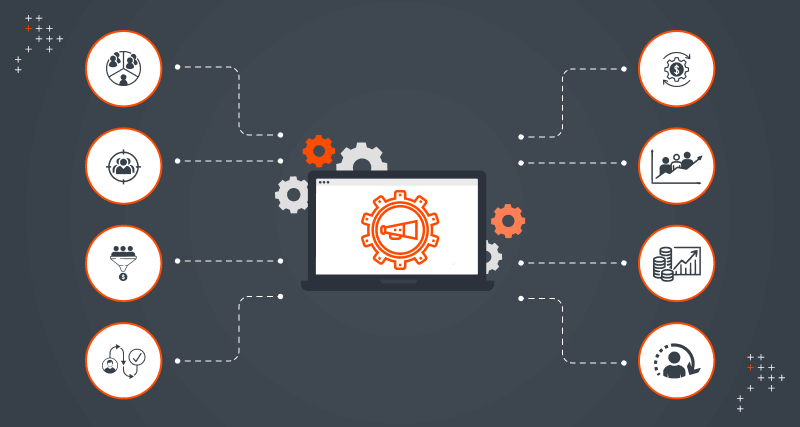
Final Thoughts

So, how much should businesses spend on advertising?

The answer depends on your industry, business goals, and growth stage. However, most businesses should allocate 7% to 15% of annual revenue toward advertising and marketing efforts.

The real success lies in strategic spending, continuous optimization, and choosing the right marketing channels.

If you’re looking to scale your business with data-driven advertising strategies, Spectra Digital Agency can help you build a budget that delivers sustainable growth and higher ROI.