Why Amul's marketing has stayed relevant for decades through iconic branding, topical advertising, humor, and cultural relevance by Spectra Digital

Why Amul’s Marketing Has Stayed Relevant for Decades: The Strategy Behind Its Success

Why Amul’s Marketing Has Stayed Relevant for Decades is a question that offers valuable lessons for businesses of every size. Marketing trends have changed, social media has transformed communication, and consumer preferences have evolved, but Amul has continued to remain recognizable across generations.

The reason is simple: Amul has built a strong brand identity while continuously finding ways to stay connected to current conversations.

From its iconic mascot and topical advertisements to its clever wordplay and consistent branding, Amul has created a marketing approach that focuses on much more than simply selling products.

Let’s look at the strategy behind its long-lasting success.

A Brand Identity People Instantly Recognize

image

One of Amul’s biggest marketing strengths is consistency.

Its visual style, mascot, tone, and approach to communication have become deeply recognizable. Even when the topic of an advertisement changes, the audience can often identify it as an Amul campaign almost immediately.

This strong consistency has helped build powerful brand recall.

For businesses, the lesson is clear: a recognizable brand identity takes time to build, but consistency makes that identity stronger with every interaction.

Your visual design, messaging, tone of voice, and customer experience should work together to create one clear impression.

Turning Current Events Into Conversations

image

Amul has long been associated with topical advertising.

Rather than talking only about its products, the brand often responds creatively to major cultural moments and events that are already part of public conversation.

This approach helps the brand remain visible and relevant.

Instead of trying to create attention from nothing, it finds a relevant way to participate in conversations people are already having.

What businesses can learn

Pay attention to:

  • Industry trends
  • Cultural moments
  • Entertainment
  • Sports
  • Seasonal events
  • Conversations relevant to your audience

The goal isn’t to react to everything. The best real-time marketing feels natural and relevant to the brand.

Humor Makes Marketing More Memorable

image

Advertising is easier to ignore when it feels like advertising.

Humor can change that.

Amul’s use of clever wordplay and light-hearted commentary has helped make its campaigns more memorable. Rather than relying entirely on direct sales messages, the brand gives people something interesting to think about.

Humor also makes a brand feel more human.

For businesses, this doesn’t mean every post needs to be funny. Instead, it means developing a communication style that gives people a reason to pay attention.

Staying Current Without Losing Brand Identity

image

One of the most difficult challenges in marketing is staying relevant without constantly changing who you are.

Amul demonstrates how this balance can work.

The subjects of its campaigns evolve with the times, but the core brand identity remains recognizable.

This is an important lesson for businesses constantly chasing trends.

You can adapt your content without changing your entire personality every time something new becomes popular.

Trends should add to your brand, not replace it.

Consistency Builds Long-Term Trust

image

Many businesses focus heavily on finding the next viral campaign.

But long-term brand success is usually built through consistency.

When customers repeatedly see a familiar identity, tone, and standard of communication, the brand becomes easier to recognize and trust.

Consistency applies to more than advertising. It includes:

  • Website design
  • Social media
  • Customer communication
  • Packaging
  • Advertising
  • Content
  • Customer experience

Every interaction contributes to how customers perceive the business.

Amul Understands Cultural Relevance

image

Strong marketing doesn’t exist separately from the world around it.

The most memorable brands understand what their audience is talking about, watching, celebrating, and experiencing.

Amul has stayed connected to cultural conversations while maintaining its own recognizable style.

This helps the brand remain part of people’s lives even when they are not actively thinking about buying a product.

For businesses, cultural relevance starts with understanding your audience.

Ask:

  • What does your audience care about?
  • What conversations are happening in your industry?
  • What moments create opportunities for meaningful content?
  • How can your brand contribute instead of simply promoting itself?

The answers can lead to more engaging and relevant marketing.

Building Recognition Over Chasing Virality

image

Not every successful campaign needs millions of views.

Amul’s long-term success shows the importance of building brand memory.

A viral post might generate attention for a few days. A consistent brand strategy can create recognition for years.

This is why businesses should look beyond likes and views.

Important questions include:

  • Do people remember your brand?
  • Can they recognize your content?
  • Do they understand what your business stands for?
  • Are you building trust over time?

Short-term engagement matters, but long-term brand recall can create much greater value.

The Strategy Businesses Can Take From Amul

image

You don’t need decades of history or a massive advertising budget to apply these principles.

Start with the basics:

Build a clear brand personality

Decide how your business should sound, look, and communicate.

Stay consistent

Your website, social media, advertisements, and content should feel like they come from the same brand.

Follow relevant conversations

Look for opportunities to create content around topics your audience already cares about.

Add personality to your marketing

Avoid sounding like every other business in your industry.

Focus on long-term recognition

Don’t judge every piece of content only by immediate sales or engagement.

Adapt without losing your identity

Use trends and new platforms while staying connected to your core brand values.

Common Mistakes Businesses Make

Businesses often struggle to stay relevant because they:

  • Change their branding too frequently
  • Copy competitors instead of developing their own voice
  • Follow every trend without considering relevance
  • Focus only on promotional content
  • Post inconsistently
  • Chase viral moments without building long-term recognition

The goal is not to be everywhere or react to everything.

The goal is to create a recognizable brand that knows when and how to join the right conversations.

How Spectra Digital Helps Businesses Build Stronger Brands

At Spectra Digital, we help businesses develop digital marketing strategies that combine creativity with long-term business goals.

Our services include:

  • Brand strategy
  • Social media marketing
  • Content marketing
  • Performance marketing
  • Search Engine Optimization (SEO)
  • Website design
  • Paid advertising
  • Marketing analytics

We help businesses create consistent digital experiences, improve brand visibility, and develop marketing strategies designed for sustainable growth.

Final Thoughts

Amul’s marketing success shows that staying relevant for decades doesn’t require constantly reinventing your brand.

It requires a strong identity, consistent communication, cultural awareness, and the ability to adapt without losing what makes your brand recognizable.

The biggest takeaway is simple:

Build a brand people can recognize first. Then give them new reasons to keep paying attention.

For businesses looking to strengthen their brand, improve their digital presence, and create marketing that people remember, Spectra Digital can help turn creative ideas into strategies that support long-term growth.

How Swiggy uses memes to stay relevant through humor, trends, and relatable social media marketing by Spectra Digital

How Swiggy Uses Memes to Stay Relevant: 7 Powerful Marketing Lessons

How Swiggy Uses Memes to Stay Relevant is a great example of how modern brands can turn internet culture into a powerful marketing tool.

Instead of using social media only to promote food delivery or discounts, Swiggy often joins conversations people are already having. From trending memes and pop culture moments to relatable everyday situations, its content is designed to feel native to the internet rather than like traditional advertising.

The result? A brand that stays visible, relatable, and part of the conversation.

So, what can businesses learn from this approach?

1. Swiggy Understands Internet Culture

How Swiggy Uses Memes to Stay Relevant

Memes move fast. A joke that works today may feel outdated tomorrow.

Swiggy’s strength is understanding the language, humor, and trends its audience is already engaging with. Instead of forcing corporate messaging into a meme, the brand adapts its communication to fit the conversation.

Lesson for businesses: Don’t just copy trending memes. Understand why people are sharing them and whether they genuinely fit your audience.

2. It Moves Quickly on Trends

image

Timing is everything in meme marketing.

Swiggy often reacts to trending topics while people are still actively discussing them. This allows the brand to become part of the moment instead of arriving after the conversation has moved on.

Lesson for businesses: Build a content process that allows your team to react quickly when relevant opportunities appear.

3. It Keeps the Brand Relevant

image

Memes help brands participate in culture.

When a brand consistently understands what its audience is talking about, it can remain familiar and visible between major advertising campaigns.

This is especially important in competitive markets where customers interact with multiple brands every day.

Lesson for businesses: Don’t disappear between promotions. Create content that keeps your brand part of everyday conversations.

4. It Makes Advertising Feel Like Entertainment

image

The best meme content doesn’t immediately feel like an advertisement.

Instead, the audience sees something funny, relatable, or timely. The branding becomes part of the experience rather than interrupting it.

This increases the likelihood of:

  • Shares
  • Comments
  • Tags
  • Brand recall
  • Organic reach

Lesson for businesses: Create content people would enjoy even if they weren’t planning to buy anything.

5. It Connects the Meme Back to the Product

image

Using a meme just because it’s trending isn’t enough.

The strongest brand memes create a natural connection between the joke and what the business actually offers. For a food delivery brand, relatable situations around hunger, cravings, late-night orders, and indecision can connect directly to the product.

Lesson for businesses: The trend should support your brand message, not distract from it.

6. It Uses Relatability to Build Connection

image

Some of the most effective marketing doesn’t feel highly polished.

It simply makes people think, “That’s exactly me.”

Relatable content encourages people to tag friends and share posts, extending the brand’s reach naturally.

Lesson for businesses: Look for everyday problems, habits, and experiences your audience can instantly recognize.

7. It Balances Trends With a Consistent Brand Voice

image

Following trends doesn’t mean losing your identity.

Even when adapting to different memes and cultural moments, the communication should still feel consistent with the brand’s personality.

This balance helps content feel fresh while maintaining long-term brand recognition.

Lesson for businesses: Adapt to trends, but don’t become unrecognizable every time you do.

Why Meme Marketing Works

Memes work because they are:

  • Easy to understand
  • Highly shareable
  • Emotionally engaging
  • Culturally relevant
  • Quick to consume

For brands, this creates an opportunity to reach audiences without relying entirely on traditional advertising.

However, successful meme marketing requires more than simply posting a popular template. It requires cultural awareness, timing, creativity, and a clear understanding of the audience.

Can Small Businesses Use Meme Marketing?

Absolutely.

Small businesses may even have an advantage because they can often move faster than large companies.

You can start by:

  • Monitoring conversations in your industry.
  • Following relevant trends.
  • Creating content around relatable customer experiences.
  • Using humor that fits your brand.
  • Posting quickly when the timing is right.
  • Testing different content formats.

The goal isn’t to make every post viral. It’s to create content that strengthens your connection with the right audience.

How Spectra Digital Helps Brands Stay Relevant

At Spectra Digital, we help businesses create social media strategies that combine creativity, trends, and measurable marketing goals.

Our services include:

We help brands create content that captures attention while staying connected to real business objectives.

Final Thoughts

Swiggy shows that brands don’t always need expensive campaigns to stay relevant.

Sometimes, understanding the internet is enough.

By combining speed, humor, relatability, and a clear brand connection, businesses can turn everyday conversations into powerful marketing opportunities.

The biggest lesson is simple: Don’t interrupt the conversation be part of it.

If you’re ready to create content that keeps your brand relevant and engaging, Spectra Digital can help you build a social media strategy that connects creativity with measurable business growth.

How Nike sells a feeling not a product through emotional branding, storytelling, and powerful marketing by Spectra Digital

How Nike Sells a Feeling, Not a Product: 7 Powerful Marketing Lessons

How Nike Sells a Feeling, Not a Product is one of the most powerful lessons in modern marketing. Nike doesn’t simply sell shoes, clothing, or sports equipment. It sells motivation, confidence, ambition, achievement, and the feeling of becoming better.

When people see a Nike campaign, the product is often not the main focus. Instead, the brand tells a story that makes the audience feel something.

That’s what makes Nike one of the world’s most recognizable brands.

In this guide, Spectra Digital explores seven powerful marketing lessons businesses can learn from Nike’s approach to emotional branding.

What Does Nike Actually Sell?

At a basic level, Nike sells athletic products.

But its marketing sells something much bigger:

  • Confidence
  • Motivation
  • Determination
  • Achievement
  • Identity
  • Self-belief

A customer isn’t simply buying a pair of running shoes. They may be buying the feeling of becoming a better version of themselves.

This difference between selling a product and selling a feeling is at the heart of Nike’s marketing strategy.

1. Nike Sells the Transformation

image

Instead of focusing only on what a product does, Nike focuses on who the customer can become.

Its marketing often communicates ideas around overcoming challenges, pushing limits, and achieving goals.

The product becomes part of the transformation.

Lesson for businesses: Don’t only show customers what your product is. Show them what their life could look like after using it.

2. It Uses Powerful Storytelling

image

Nike’s advertising frequently revolves around stories.

The stories may feature athletes, everyday people, challenges, failures, or moments of achievement.

These narratives make the brand emotionally memorable.

A product specification may be forgotten. A powerful story can stay with someone for years.

Lesson for businesses: Use storytelling to communicate your brand’s value instead of relying only on product features.

3. It Builds an Identity Around the Brand

image

Nike has created an identity that represents action, ambition, and determination.

Customers who connect with these values may feel that buying Nike products says something about who they are.

This is powerful because people often buy products that reflect their identity.

Lesson for businesses: Ask yourself what your brand represents beyond the product you sell.

4. It Focuses on Emotion

image

Nike understands that purchasing decisions aren’t always purely rational.

Its campaigns can create emotions such as:

  • Inspiration
  • Excitement
  • Confidence
  • Determination
  • Pride

When customers emotionally connect with a brand, price and product features aren’t the only factors influencing their decisions.

Lesson for businesses: Find the emotion your brand should own and build your marketing around it.

5. It Uses People to Tell the Story

image

Nike doesn’t need to make every campaign about the product.

Athletes and everyday people become the storytellers.

Their journeys provide authenticity and demonstrate what the brand stands for.

Lesson for businesses: Let customers, employees, creators, or real people demonstrate what your brand represents.

6. It Keeps Its Message Consistent

image

Nike’s branding has remained remarkably consistent over time.

Its messaging, visual identity, storytelling, and overall positioning reinforce the same core ideas.

Consistency makes a brand easier to recognize and remember.

Lesson for businesses: Your marketing should communicate the same core promise across your website, social media, advertisements, and customer experience.

7. It Makes the Customer the Hero

image

One of Nike’s smartest strategies is putting the customer at the center of the story.

The brand doesn’t always position itself as the hero.

Instead, the athlete or customer is the person overcoming the challenge.

Nike becomes the partner helping them get there.

Lesson for businesses: Make your customer the hero of your marketing story—not your company.

Product Marketing vs Emotional Marketing

Traditional product marketing might say:

“Our shoes are lightweight, comfortable, and durable.”

Emotional marketing might communicate:

“You can push further than you thought possible.”

The first message explains the product.

The second creates a reason to care.

The most effective brands often combine both approaches: product benefits provide proof, while emotional storytelling creates desire.

How Small Businesses Can Use Nike’s Strategy

image

You don’t need Nike’s budget to apply these principles.

Start by answering:

What does my customer really want?

It may not be your product itself.

They may want:

  • More confidence
  • More free time
  • Better health
  • Business growth
  • Financial security
  • Convenience
  • Recognition

Once you understand the deeper motivation, your marketing can communicate the transformation rather than simply promoting the product.

Common Marketing Mistakes Businesses Make

Many businesses focus too heavily on:

  • Product features
  • Discounts
  • Pricing
  • Technical specifications
  • Direct sales messages

These details matter, but they don’t always create an emotional connection.

A stronger approach is to combine features + benefits + emotion + storytelling.

How Spectra Digital Helps Brands Sell More Than Products

At Spectra Digital, we help businesses develop marketing strategies that communicate value and build meaningful customer connections.

Our services include:

We combine creative storytelling with data-driven marketing to help businesses build brands people remember and trust.

Final Thoughts

Nike’s greatest marketing lesson isn’t about shoes.

It’s about understanding what people want to feel.

The brand has built its identity around motivation, confidence, ambition, and achievement. Its products support that story, but the emotional connection makes the brand memorable.

Businesses of any size can apply the same principle.

Instead of asking, “What are we selling?”, ask:

“What does our customer want to feel, achieve, or become?”

That answer could completely change the way you market your business.

If you’re ready to build a brand that connects with customers beyond the product, Spectra Digital can help you create a strategy that turns your business into a brand people remember.

Research and Insights

AI vs Human Creativity: Finding the Right Balance in Marketing

Marketing has always been about understanding people. From a memorable television commercial to a social media campaign that suddenly becomes part of popular culture, the most successful marketing often comes from an idea that makes people feel something.Today, however, marketers have a powerful new tool: Artificial Intelligence (AI).AI can generate content, analyze customer behavior, identify trends, create visuals, assist with keyword research, and automate repetitive marketing tasks. It has made marketing faster and, in many cases, more efficient.But this raises an important question: Can AI replace human creativity in marketing?

The answer is no not completely.

AI can help marketers work faster and make better use of data, but human creativity brings emotion, context, originality, experience, and strategic thinking. The real opportunity for businesses is not choosing between AI and people. It is learning how to use both effectively.

What Is AI in Marketing?

AI in marketing refers to the use of artificial intelligence technologies to support different marketing activities. Businesses can use AI to understand customer behavior, automate tasks, analyze large amounts of data, and assist with content creation.

For example, an AI-powered marketing workflow can help a business identify popular search terms, analyze customer preferences, generate content ideas, segment audiences, and evaluate campaign performance.

This doesn’t mean that AI independently creates a complete marketing strategy. Instead, it acts as a tool that can help marketing teams make their processes more efficient.

Why Has AI Become Important in Digital Marketing?

The amount of information available to marketers has grown enormously. Businesses now have access to website analytics, social media data, customer interactions, search behavior, advertising data, and more.

Manually analyzing all this information can take considerable time.

AI can process large datasets quickly and identify patterns that may otherwise be difficult to spot. This makes it particularly useful for research, personalization, automation, and campaign optimization.

For example, an e-commerce business could use AI to identify which products customers are viewing most frequently and use those insights to create more relevant recommendations.

The advantage isn’t simply speed. It is the ability to turn large amounts of information into useful insights.

What Human Creativity Brings to Marketing

While AI is excellent at processing information, marketing requires more than information.

A successful campaign needs an understanding of people.

Human marketers bring experiences, emotions, intuition, cultural awareness, and imagination to the creative process. They understand that the same message can have completely different meanings depending on the audience, situation, and cultural context.

Consider a campaign built around nostalgia.

An AI tool can identify words and themes associated with nostalgia and generate several possible messages. But a human creative team can draw from real cultural experiences, memories, music, conversations, and social trends to create a campaign that feels authentic.

That emotional connection is difficult to replicate through automation alone.

AI vs Human Creativity: Understanding the Difference

The biggest difference between AI and human creativity is how each approaches a problem.

AI works by analyzing patterns and information. It can identify what has worked before and generate possibilities based on those patterns.

Humans can go beyond existing patterns.

They can question assumptions, experiment with unusual ideas, understand emotions, and create connections between seemingly unrelated concepts.

This is particularly important in advertising and branding, where being different can be more valuable than simply being efficient.

AI can suggest ten headlines in seconds. A human marketer decides which one actually sounds like the brand.

AI can generate multiple social media captions. A human understands which caption will resonate with the audience.

AI can analyze campaign performance. A human decides what the results mean for the brand’s next move.

Where AI Can Make Marketers Better

The goal of using AI should not be to remove creativity from marketing. It should be to give creative teams more time and better information.

Research and Insights

AI can help marketers analyze search trends, customer feedback, competitor activity, and audience behavior.

This gives creative teams a stronger foundation before developing campaigns.

Research and Insights

Content Assistance

AI can help with first drafts, content outlines, headlines, social media ideas, email variations, and other repetitive writing tasks.

Instead of spending hours creating a starting point, marketers can use AI to speed up the initial stage and then add their own expertise.

Content Assistance

Personalization

Different customers have different interests and behaviors.

AI can help businesses segment audiences and create more personalized experiences, from email recommendations to advertising campaigns.

Personalization

Where Human Creativity Remains Essential

AI is powerful, but there are areas where human involvement remains critical.

Brand Identity

A brand is more than a collection of words, images, and colors. It represents a personality and a point of view.

Humans need to define what the brand stands for and how it should communicate.

Brand Identity

Emotional Storytelling

People remember stories because stories create emotional connections.

A human creative team can transform an ordinary product into a story that represents a feeling, aspiration, or experience.

Emotional Storytelling

Strategic Thinking

Marketing isn’t simply about producing more content.

A business needs to decide what it wants to achieve, who it wants to reach, why the audience should care, and how success will be measured.

These decisions require business understanding and strategic thinking.

Strategic Thinking

The Risks of Relying Too Much on AI

AI can save time, but using it without human supervision can create new problems.

One of the biggest risks is generic content.

If every brand uses similar AI tools to create similar posts, headlines, and campaigns, the internet can quickly become filled with content that feels repetitive.

Another concern is accuracy. AI-generated information can sometimes be incorrect, incomplete, or outdated. Publishing it without verification can damage a brand’s credibility.

There is also the risk of losing a brand’s personality. If every piece of content is generated and published without human editing, the brand can start sounding robotic.

For this reason, AI-generated output should be treated as a starting point not always the finished product.

The Best Approach: AI + Human Creativity

Instead of asking whether AI or humans are better at marketing, businesses should ask:

What should AI do, and what should humans do?

A practical marketing workflow could look like this:

Human: Defines the business objective and audience.

AI: Helps with research and identifies useful data.

Human: Develops the campaign concept and creative direction.

AI: Assists with content variations and repetitive execution.

Human: Reviews the content for accuracy, tone, originality, and brand consistency.

AI: Helps analyze campaign performance.

Human: Uses those insights to make strategic decisions.

This approach allows businesses to benefit from AI without losing the human element that makes marketing effective.

A Simple Example

Imagine a clothing brand launching a new collection.

AI could help the marketing team analyze which products are receiving the most attention, identify relevant search trends, suggest audience segments, and generate multiple caption ideas.

But the human team might decide to build the campaign around the idea of confidence and self-expression.

They develop the visual concept, storytelling, tone, photography direction, and overall campaign identity.

AI supports the process, but the central idea comes from human understanding.

This combination can produce marketing that is both efficient and emotionally engaging.

How AI Is Changing the Role of Marketers

AI isn’t necessarily eliminating marketing jobs. Instead, it is changing the skills marketers need.

As repetitive tasks become easier to automate, marketers can spend more time developing skills such as:

  • Creative thinking
  • Strategic planning
  • Storytelling
  • Audience psychology
  • Brand building
  • Data interpretation
  • Campaign development
  • Critical thinking

The marketer of the future may not be the person who avoids AI. It may be the person who knows how to use AI while still thinking independently.

Why Businesses Need a Balanced Marketing Strategy

Businesses shouldn’t adopt AI simply because it is a trend.

The technology should solve a specific problem.
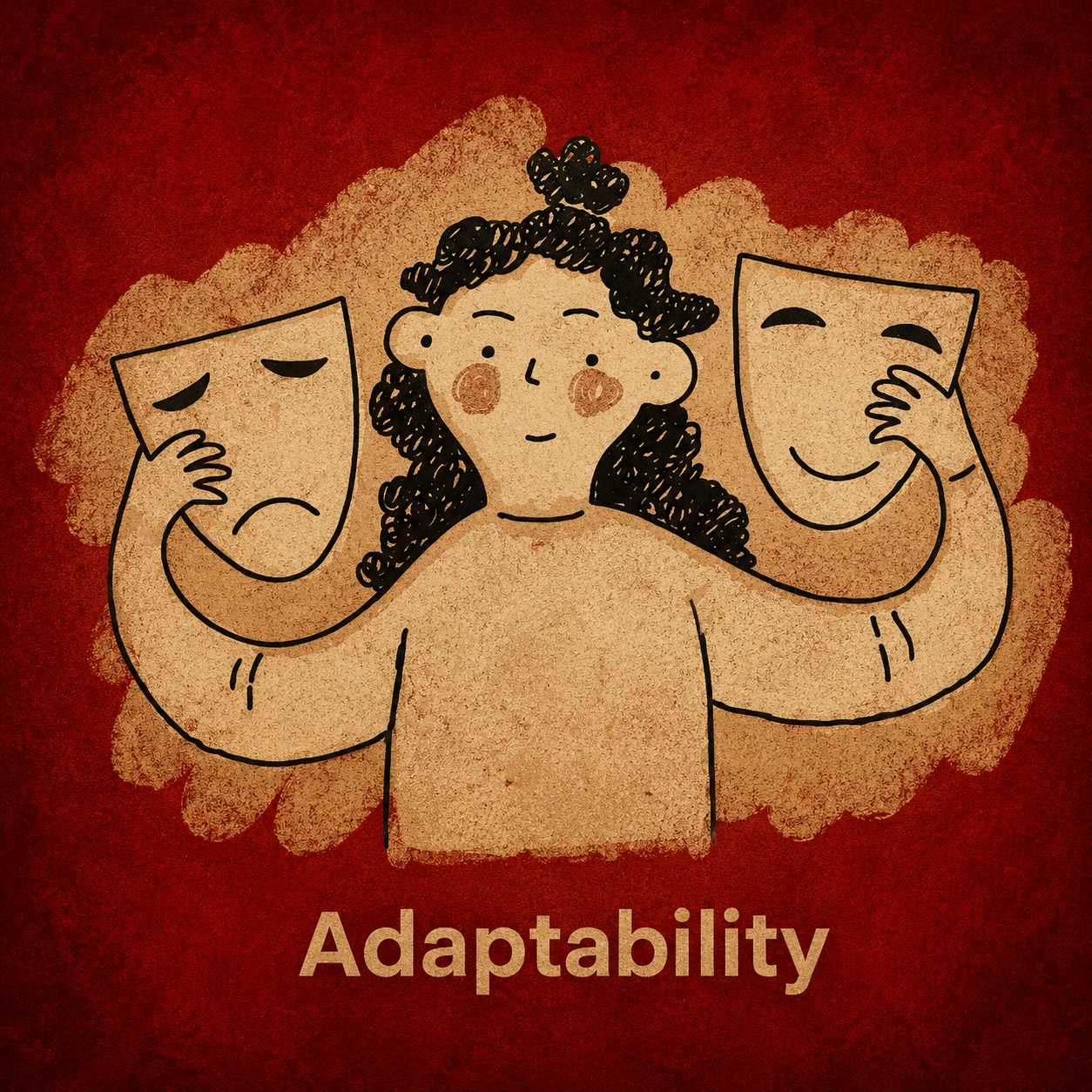
If AI helps a team analyze data faster, it should be used for analysis. If it helps generate content ideas, it can support brainstorming. If automation saves time on repetitive tasks, businesses should take advantage of it.

But important creative and strategic decisions should continue to involve people.

The strongest marketing strategies will combine technology, data, creativity, and human understanding.

How Spectra Digital Can Help

At Spectra Digital, we believe technology works best when it supports strong creative thinking.

AI can make marketing processes faster, but effective marketing still starts with understanding the business, audience, and objective.

Our approach combines strategy, creativity, data, and technology across areas such as:

  • SEO
  • Social media marketing
  • Content marketing
  • Performance marketing
  • Paid advertising
  • Website development
  • Branding
  • Analytics

By combining human expertise with modern digital tools, businesses can create marketing campaigns that are not only efficient but also meaningful and results-driven.

Conclusion

The future of marketing isn’t about AI replacing humans. It is about humans learning to use AI effectively.

AI can analyze data, automate repetitive work, generate ideas, and improve efficiency. Human creativity provides emotion, originality, context, strategy, and meaning.

When these strengths are combined, businesses can create marketing that is faster without becoming impersonal and data-driven without losing creativity.

The brands that succeed in the coming years will not necessarily be those that use the most AI. They will be the ones that understand where AI adds value and where human creativity matters most.

AI can accelerate the process. Human creativity gives marketing its purpose.

Define Your Social Media Goals

How to Create a Social Media Content Calendar: A Step-by-Step Guide for Consistent Growth

Introduction

Consistency is one of the biggest factors behind a successful social media strategy. Businesses that post regularly with valuable, well-planned content are more likely to increase engagement, build brand awareness, and attract potential customers. However, creating content at the last minute often leads to inconsistent posting, repetitive ideas, and missed marketing opportunities.

This is where a social media content calendar becomes essential. A content calendar helps you organize your posts, maintain a consistent publishing schedule, align content with business goals, and save valuable time.

Whether you’re managing one social media account or multiple platforms, a well-structured content calendar keeps your marketing organized and ensures your audience always has something valuable to engage with.

At Spectra Digital, we help businesses develop strategic content plans that drive engagement and measurable growth. In this guide, we’ll explain how to create an effective social media content calendar and share best practices to maximize your results.

What Is a Social Media Content Calendar?

A social media content calendar is a planning tool that outlines what content will be published, where it will be posted, and when it will go live. It acts as a roadmap for your social media strategy, helping teams stay organized and consistent.

A typical content calendar includes:

  • Publishing date
  • Social media platform
  • Content format (Reel, Carousel, Static Post, Story, Video, etc.)
  • Caption
  • Visual assets
  • Hashtags
  • Call-to-Action (CTA)
  • Posting time
  • Campaign or objective

Rather than scrambling for ideas each day, businesses can plan weeks or even months of content in advance.

Why Every Business Needs a Content Calendar

Many businesses post randomly without a clear strategy, which often results in inconsistent branding and lower engagement.

A social media content calendar helps businesses:

  • Maintain consistent posting schedules
  • Improve content quality
  • Save time through advance planning
  • Reduce last-minute stress
  • Coordinate campaigns across multiple platforms
  • Balance promotional and educational content
  • Track seasonal events and important dates
  • Improve team collaboration

Most importantly, it ensures that every post supports your overall marketing objectives.

Step 1: Define Your Social Media Goals

Before creating content, determine what you want to achieve.

Your goals may include:

  • Increasing brand awareness
  • Driving website traffic
  • Generating leads
  • Growing followers
  • Improving engagement
  • Promoting products or services
  • Building a loyal community

Each piece of content should support at least one business objective.

Define Your Social Media Goals

Step 2: Understand Your Target Audience

The best content speaks directly to the people you’re trying to reach.

Ask yourself:

  • Who is my ideal customer?
  • Which platforms do they use?
  • What problems are they trying to solve?
  • What type of content do they enjoy?
  • When are they most active online?

Using audience insights from platforms like Instagram, Facebook, and LinkedIn helps create more relevant and engaging content.

 Understand Your Target Audience

Step 3: Choose the Right Content Pillars

Content pillars are the main topics your brand will consistently discuss.

For example, a digital marketing agency like Spectra Digital might use:

  • Educational Tips
  • SEO Insights
  • Social Media Marketing
  • Website Development
  • Client Success Stories
  • Industry News
  • Behind-the-Scenes Content
  • Team Highlights
  • Company Updates

Having clear content pillars makes brainstorming easier and ensures variety.

Choose the Right Content Pillars

Step 4: Decide Your Posting Frequency

Consistency is more important than posting every day.

Choose a schedule your team can realistically maintain.

For example:

  • Instagram – 4–5 posts per week
  • Facebook – 3–4 posts per week
  • LinkedIn – 2–3 posts per week
  • X (Twitter) – Daily updates
  • Stories – Daily
  • Reels – 2–3 per week

Your frequency should depend on your audience, resources, and business goals.

Step 5: Plan Content in Advance

Instead of creating posts daily, dedicate time each month to planning upcoming content.

Include a healthy mix of content formats such as:

  • Educational posts
  • Reels
  • Carousel posts
  • Videos
  • Customer testimonials
  • Infographics
  • Industry news
  • Promotional campaigns
  • Polls and interactive Stories

Planning ahead gives your team enough time to create high-quality visuals and captions.

 Plan Content in Advance

Step 6: Include Seasonal Events and Marketing Campaigns

A strong content calendar incorporates important dates that are relevant to your audience.

Examples include:

  • New Year
  • Republic Day
  • Holi
  • Women’s Day
  • Independence Day
  • Diwali
  • Christmas
  • Industry-specific events
  • Product launches
  • Company milestones

Planning around these occasions allows businesses to create timely and relevant content.

Include Seasonal Events and Marketing Campaigns

Step 7: Track Performance and Optimize

Creating a content calendar isn’t a one-time task. Review your performance regularly to identify what’s working and what needs improvement.

Monitor metrics such as:

  • Reach
  • Engagement
  • Likes
  • Comments
  • Shares
  • Website clicks
  • Follower growth
  • Conversion rates

Use these insights to refine your content strategy each month.

Track Performance and Optimize

Best Practices for an Effective Content Calendar

To maximize your social media success:

  • Plan content at least one month in advance.
  • Maintain consistent branding.
  • Balance educational, entertaining, and promotional content.
  • Use high-quality visuals.
  • Write compelling captions with clear CTAs.
  • Repurpose high-performing content.
  • Leave room for trending topics and real-time marketing.
  • Review analytics regularly.

A flexible calendar allows you to stay organized while adapting to changing trends.

Tools to Create a Social Media Content Calendar

Several tools make content planning easier, including:

  • Google Sheets
  • Microsoft Excel
  • Trello
  • Notion
  • ClickUp
  • Asana
  • Airtable
  • Meta Business Suite
  • Buffer
  • Hootsuite

Choose the tool that best fits your team’s workflow and collaboration needs.

Common Mistakes to Avoid

Many businesses struggle because they:

  • Plan content too late.
  • Post inconsistently.
  • Focus only on promotional content.
  • Ignore audience insights.
  • Skip performance tracking.
  • Forget to optimize captions and hashtags.
  • Don’t leave flexibility for trending topics.

Avoiding these mistakes will help you maintain a stronger and more effective social media presence.

How Spectra Digital Helps Businesses Plan Better Content

At Spectra Digital, we create customized social media strategies designed to improve consistency, engagement, and business growth.

Our services include:

  • Social Media Strategy
  • Monthly Content Calendars
  • Creative Design
  • Reels & Video Marketing
  • Content Writing
  • Community Management
  • Paid Social Media Advertising
  • Performance Analytics
  • Campaign Planning

We help businesses create meaningful content that connects with audiences and delivers measurable results.

Conclusion

A social media content calendar is more than just a schedule it’s a strategic tool that helps businesses stay organized, maintain consistency, and achieve long-term marketing success.

By defining clear goals, understanding your audience, planning content in advance, and regularly reviewing performance, you can create a social media presence that attracts attention, builds trust, and drives business growth.

At Spectra Digital, we believe successful social media marketing starts with smart planning. Whether you’re building your first content calendar or looking to improve your current strategy, our team is ready to help you create content that makes an impact.

Why Zomato’s Social Media Strategy Works So Well: 7 Powerful Marketing Lessons

Why Zomato’s Social Media Strategy Works So Well is a question every marketer can learn from. Zomato has transformed social media from a place to promote food delivery into a platform for entertainment, conversations, humor, and brand building.

Instead of constantly telling people to order food, Zomato creates content people actually want to see and share. Its witty posts, relatable jokes, clever notifications, and timely reactions have helped make the brand highly recognizable online.

So, what makes its strategy work?

Here are seven powerful marketing lessons businesses can learn from Zomato.

1. Zomato Has a Distinctive Brand Voice

Why Zomato's social media strategy works so well through humor, trends, brand personality, and audience engagement by Spectra Digital

One of Zomato’s biggest strengths is its personality.

Its communication is often witty, conversational, and relatable rather than sounding like traditional corporate advertising.

This creates familiarity. When people see a Zomato post, they can often recognize the brand without needing to see the logo.

Lesson for businesses: Develop a unique brand voice and use it consistently across your marketing channels.

2. It Understands What Its Audience Finds Funny

image

Zomato understands internet culture and the interests of its target audience.

Its content often reflects everyday situations, food habits, popular culture, and relatable experiences.

Instead of creating content that simply promotes a service, it creates content that feels native to social media.

Lesson for businesses: Understand what your audience talks about, shares, and laughs at—and create content around those interests.

3. It Uses Trends Without Losing Its Identity

image

Trends move quickly on social media.

Zomato is known for reacting to relevant moments, conversations, and cultural events while maintaining its recognizable tone.

This allows the brand to participate in conversations that already have people’s attention.

Lesson for businesses: Don’t follow every trend. Choose trends that naturally connect with your audience and brand.

4. It Creates Shareable Content

image

A successful social media post doesn’t always need to generate a direct sale.

Sometimes the goal is simply to make someone laugh, tag a friend, or share the post.

Every share introduces the brand to a new audience.

Zomato’s relatable and humorous content makes this possible.

Lesson for businesses: Create content that people want to share with someone else.

5. It Makes the Brand Feel Human

image

People don’t connect emotionally with logos. They connect with personalities.

Zomato’s conversational communication makes the brand feel more like a person participating in a conversation.

This helps create familiarity and emotional connection.

Lesson for businesses: Don’t be afraid to show personality. A human brand can be easier to remember and trust.

6. It Doesn’t Sell in Every Post

image

One of the biggest lessons from Zomato is that social media doesn’t have to be a constant sales pitch.

Some posts are designed purely to entertain or engage.

This balance prevents followers from feeling like they’re being advertised to constantly.

When promotional content does appear, the audience is already familiar with the brand.

Lesson for businesses: Give your audience value before asking them to buy.

7. It Builds a Brand People Remember

image

The ultimate goal of Zomato’s social media strategy isn’t just likes or comments.

It’s brand recall.

When people think about food delivery, Zomato wants to be one of the first names that comes to mind.

Consistent content, recognizable humor, and strong brand personality help create that association.

Lesson for businesses: Don’t measure social media success only through engagement. Build a brand people remember when they’re ready to buy.

What Businesses Can Learn From Zomato

You don’t need Zomato’s budget or customer base to apply these strategies.

Start by:

  • Creating a recognizable brand voice.
  • Understanding your audience.
  • Using relevant trends.
  • Making content shareable.
  • Showing your brand personality.
  • Balancing entertainment with promotion.
  • Focusing on long-term brand recall.

Even a small business can use these principles to build a stronger social media presence.

Common Social Media Mistakes Businesses Make

Many businesses struggle on social media because they:

  • Post only promotional content.
  • Copy competitors.
  • Follow irrelevant trends.
  • Use inconsistent messaging.
  • Ignore comments and conversations.
  • Focus only on follower growth.
  • Don’t experiment with different content formats.

The goal isn’t to simply post more. It’s to post content that gives people a reason to care.

How Spectra Digital Can Help

At Spectra Digital, we help businesses build social media strategies that go beyond simply posting content.

Our digital marketing services include:

  • Social media marketing
  • Content strategy
  • Brand positioning
  • Performance marketing
  • Search Engine Optimization (SEO)
  • Website design
  • Paid advertising
  • Marketing analytics

We combine creative ideas with data-driven strategies to help businesses attract attention, build trust, and generate measurable growth.

Final Thoughts

Zomato’s social media success isn’t just about clever jokes.

It’s about understanding its audience, building a recognizable personality, creating shareable content, staying culturally relevant, and making the brand feel human.

The biggest lesson is simple: people don’t want to follow advertisements—they want to follow brands that entertain, inform, or make them feel something.

If your business can consistently create content that people genuinely want to see, your social media can become much more than a promotional channel. It can become a powerful brand-building tool.

And if you’re ready to create a social media strategy that gets your business noticed, Spectra Digital can help you turn attention into meaningful business growth.

How Duolingo turned its mascot into a marketing machine through humor, social media, and strong brand personality by Spectra Digital

How Duolingo Turned a Mascot Into a Marketing Machine: 7 Brilliant Branding Lessons

How Duolingo Turned a Mascot Into a Marketing Machine is one of the best examples of modern digital marketing. Instead of treating its green owl mascot as just a logo, Duolingo transformed it into a personality that millions of people recognize, interact with, and share across social media.

Today, Duo isn’t just a mascot, it’s a content creator, meme icon, and one of the biggest reasons people engage with the brand online.

So, what made this strategy so successful, and what can businesses learn from it?

In this guide, Spectra Digital shares seven branding lessons inspired by Duolingo’s marketing success.

Why Duolingo’s Marketing Stands Out

Most companies use mascots only in advertisements or packaging.

Duolingo took a different approach by making its mascot the face of the brand’s personality. The result is a marketing strategy that feels entertaining rather than promotional.

This has helped Duolingo build one of the most recognizable brand identities on social media.

1. They Gave Their Mascot a Personality

image

Duo isn’t just an owl—it has a unique, funny, and slightly chaotic personality that people instantly recognize.

Instead of acting like a corporate brand, Duo behaves like a social media creator.

Lesson for businesses: Give your brand a consistent personality that people can relate to.

2. They Used Humor to Build Engagement

image

Duolingo became famous for humorous videos, trending memes, and playful interactions.

People share this content because it entertains them, not because it feels like advertising.

Lesson for businesses: Content that makes people laugh is more likely to be shared and remembered.

3. They Embraced Social Media Trends

image

Whether it’s trending sounds, viral challenges, or internet jokes, Duolingo adapts quickly while keeping its own brand voice.

Instead of chasing every trend, the brand chooses trends that fit its personality.

Lesson for businesses: Join trends only when they naturally align with your brand.

4. They Stayed Consistent Everywhere

image

From TikTok and Instagram to YouTube and X, Duolingo maintains the same playful tone and recognizable visual identity.

This consistency strengthens brand recall and customer trust.

Lesson for businesses: Maintain a unified voice across every platform.

5. They Focused on Entertainment Before Promotion

image

Many Duolingo posts never directly promote the app.

Instead, they entertain first and let curiosity drive people toward the product.

This approach builds stronger relationships with the audience.

Lesson for businesses: Create content people enjoy before asking them to buy.

6. They Built a Community Around the Brand

image

Duolingo actively responds to comments, collaborates with other brands, and encourages user participation.

This creates conversations instead of one-way marketing.

Lesson for businesses: Engage with your audience instead of only broadcasting messages.

7. They Took Creative Risks

image

Duolingo isn’t afraid to experiment with bold ideas and unexpected campaigns.

Not every campaign goes viral, but continuous experimentation keeps the brand fresh and relevant.

Lesson for businesses: Test new ideas, analyze results, and keep improving your marketing.

Can Small Businesses Use the Same Strategy?

Absolutely.

You don’t need a famous mascot to build a memorable brand.

You can:

  • Develop a unique brand voice.
  • Use humor where appropriate.
  • Share relatable content.
  • Participate in relevant trends.
  • Engage with your audience consistently.
  • Focus on storytelling instead of constant selling.

The goal is to make your business feel human and approachable.

Common Branding Mistakes Businesses Make

Many businesses struggle because they:

  • Sound too corporate.
  • Copy competitors.
  • Post only promotional content.
  • Ignore audience engagement.
  • Lack a consistent personality.

Customers remember brands that make them feel something, not brands that only advertise.

How Spectra Digital Helps Businesses Build Memorable Brands

At Spectra Digital, we help businesses create distinctive brand identities that capture attention and build lasting customer relationships.

Our services include:

We combine creativity with data-driven strategies to help businesses build brands people remember.

Final Thoughts

Duolingo proved that a mascot can become much more than a logo, it can become the heart of a brand’s marketing strategy.

By combining humor, consistency, storytelling, and audience engagement, the company transformed a simple character into one of the most recognizable personalities on social media.

Whether you’re a startup or an established business, the lesson is the same: people connect with brands that have personality.

If you’re ready to build a memorable brand that customers enjoy following, Spectra Digital can help you create a marketing strategy that drives engagement, trust, and long-term business growth.

How Netflix gets people talking without selling anything using storytelling, audience engagement, and content marketing strategies by Spectra Digital

How Netflix Gets People Talking Without Selling Anything: 7 Powerful Marketing Lessons

How Netflix Gets People Talking Without Selling Anything is a question that fascinates marketers worldwide. Unlike many brands that constantly push products and promotions, Netflix has mastered the art of creating conversations. Its social media posts, campaigns, and content rarely feel like advertisements, yet they generate millions of views, comments, shares, and discussions.

The secret isn’t aggressive selling, it’s creating content that people genuinely enjoy interacting with.

In this guide, Spectra Digital explores the seven marketing lessons businesses can learn from Netflix to build stronger engagement and lasting brand awareness.

Why Netflix’s Marketing Feels Different

Netflix understands that people don’t open Instagram, X, or YouTube to see advertisements. They visit these platforms to be entertained, informed, and connected.

Instead of interrupting the user experience, Netflix becomes part of it.

This approach keeps the brand relevant without constantly asking people to subscribe.

1. They Create Conversations, Not Advertisements

image

Netflix rarely starts with a sales message.

Instead, it asks questions, shares relatable memes, posts funny reactions, and encourages discussions around its shows and movies.

This approach naturally increases comments and shares, helping content reach more people organically.

Lesson for businesses: Create posts that invite conversation instead of simply promoting products.

2. They Use Pop Culture to Stay Relevant

image

Netflix constantly connects its content with trending topics, festivals, sports, memes, and internet culture.

By joining conversations people are already having, the brand remains visible without feeling forced.

Lesson for businesses: Stay aware of trends and participate only when they genuinely fit your brand.

3. They Tell Stories Instead of Selling

image

Every Netflix campaign revolves around storytelling.

Whether promoting a new series or celebrating a fan-favorite character, the focus is always on the story rather than the subscription.

Stories create emotional connections that traditional advertisements often cannot.

Lesson for businesses: Show the value your product creates through stories rather than listing features.

4. They Understand Their Audience

image

Netflix knows different audiences enjoy different types of content.

Its marketing often uses humor, references, and language that resonate with specific communities.

This makes every campaign feel more personal.

Lesson for businesses: Speak directly to your ideal customers instead of trying to appeal to everyone.

5. They Encourage User-Generated Content

image

Fans regularly create memes, reactions, reviews, and discussions around Netflix shows.

Instead of controlling every conversation, Netflix embraces and amplifies community content.

This creates authentic engagement while expanding organic reach.

Lesson for businesses: Encourage customers to share their experiences and celebrate their content.

6. They Stay Consistent Across Every Platform

image

Whether you’re on Instagram, YouTube, LinkedIn, or X, Netflix maintains a recognizable brand voice while adapting content to each platform.

Consistency strengthens brand recognition and builds trust.

Lesson for businesses: Develop a clear brand personality and maintain it across all marketing channels.

7. They Prioritize Long-Term Engagement Over Immediate Sales

image

Netflix understands that not every post needs a direct call-to-action.

Many posts exist simply to entertain, spark curiosity, or strengthen the relationship with the audience.

This keeps the brand top of mind, making people more likely to subscribe when they’re ready.

Lesson for businesses: Focus on building trust and engagement before asking customers to buy.

What Small Businesses Can Learn from Netflix

You don’t need Netflix’s marketing budget to create engaging content.

Start by:

  • Posting content that starts conversations.
  • Sharing customer stories.
  • Using relevant trends thoughtfully.
  • Showing your brand’s personality.
  • Creating educational and entertaining content.
  • Encouraging audience participation.
  • Staying consistent with your messaging.

These simple strategies can help build a loyal community around your brand.

Common Marketing Mistakes Businesses Make

Many businesses struggle because they:

  • Talk only about their products.
  • Publish repetitive sales posts.
  • Ignore audience engagement.
  • Fail to develop a unique brand voice.
  • Chase every trend without relevance.

People follow brands that provide value not constant promotions.

How Spectra Digital Helps Businesses Build Engaging Brands

At Spectra Digital, we help businesses create marketing strategies that attract attention without relying on aggressive selling.

Our services include:

We help businesses create content that builds conversations, strengthens customer relationships, and drives sustainable growth.

Final Thoughts

Netflix proves that great marketing isn’t about selling harder it’s about connecting better.

By focusing on storytelling, community engagement, consistency, and authentic conversations, the brand has built one of the most recognizable marketing strategies in the world.

Businesses of every size can apply these same principles. Instead of asking, “How can we sell more today?”, ask “How can we create content people genuinely want to engage with?”

If you’re ready to build a brand that customers enjoy following and talking about, Spectra Digital can help you develop a content strategy that turns engagement into long-term business growth.

Your ads aren't failing your offer is—illustrating how a stronger value proposition improves conversions and advertising performance by Spectra Digital

Your Ads Aren’t Failing, Your Offer Is. 7 Signs Your Offer Needs Fixing

Your Ads Aren’t Failing. Your Offer Is. It’s a hard truth that many businesses overlook. When an advertising campaign doesn’t generate leads or sales, the first instinct is often to blame the platform, the targeting, or the creative.

But in many cases, the real problem isn’t the ad—it’s the offer.

You can have the best copy, eye-catching visuals, and a well-targeted audience, but if your offer doesn’t solve a real problem or provide compelling value, people simply won’t take action.

In this guide, Spectra Digital explains why your offer matters more than your ads and how you can create offers that convert in 2026.

What Is an Offer?

An offer is much more than your product or service.

It’s the complete value customers receive, including:

  • The problem you solve
  • The benefits you provide
  • Your pricing
  • Bonuses or incentives
  • Guarantees
  • Customer experience
  • The reason people should choose you over competitors

A strong offer makes buying an easy decision.

1. Your Offer Doesn’t Solve a Clear Problem

image

Customers don’t buy products—they buy solutions.

Ask yourself:

  • What pain point does my offer solve?
  • Why should someone care?
  • What outcome will they achieve?

If the answer isn’t obvious, your offer needs refinement.

2. Your Value Proposition Isn’t Clear

image

If visitors can’t understand what makes your business different within a few seconds, they’ll move on.

Your value proposition should clearly answer:

  • Why choose you?
  • What makes your offer unique?
  • What results can customers expect?

Clarity always beats cleverness.

3. You’re Competing Only on Price

image

Lower prices rarely create long-term success.

Instead of asking customers to buy because you’re cheaper, show them why your solution delivers greater value.

Highlight:

  • Better quality
  • Faster results
  • Expert support
  • Convenience
  • Long-term benefits

Value creates stronger buying decisions than discounts.

4. There Is No Urgency or Reason to Act

image

Many businesses expect customers to act immediately without providing a reason.

Consider adding:

  • Limited-time offers
  • Exclusive bonuses
  • Early-bird pricing
  • Free consultations
  • Free resources

Urgency encourages action without being misleading.

5. Your Landing Page Doesn’t Support the Offer

image

Even a great ad can’t fix a poor landing page.

Your landing page should include:

  • A compelling headline
  • Clear benefits
  • Social proof
  • Strong calls-to-action
  • Simple forms
  • Mobile-friendly design

The ad gets attention—the landing page closes the deal.

6. You’re Talking About Features Instead of Outcomes

image

Customers care about results.

Instead of listing features, explain how your offer helps them:

  • Save time
  • Increase revenue
  • Reduce costs
  • Solve a challenge
  • Improve efficiency

Focus on transformation, not technical details.

7. You Haven’t Tested Different Offers

image

Many businesses change their ads before testing their offer.

Experiment with:

  • Different pricing models
  • Bonus packages
  • Free trials
  • Guarantees
  • Service bundles
  • Calls-to-action

Sometimes a small adjustment to your offer can dramatically improve conversions.

Signs Your Offer Is Working

A strong offer typically leads to:

  • Higher click-through rates
  • Better conversion rates
  • More qualified leads
  • Lower customer acquisition costs
  • Increased customer satisfaction
  • Higher return on ad spend (ROAS)

These metrics often improve without increasing your advertising budget.

How to Build an Irresistible Offer

Before launching your next campaign, ask yourself:

  • Does this solve a real customer problem?
  • Is the value obvious?
  • Why should customers choose us over competitors?
  • Is there enough trust and credibility?
  • Is the buying process simple?

The stronger your answers, the stronger your offer.

How Spectra Digital Creates High-Converting Campaigns

At Spectra Digital, we know that successful advertising starts long before an ad goes live.

We help businesses:

  • Develop compelling offers
  • Create high-converting landing pages
  • Run Google Ads and Meta Ads
  • Optimize conversion rates
  • Improve website performance
  • Track campaign analytics
  • Generate qualified leads

Our focus isn’t just getting clicks—it’s turning those clicks into customers.

Final Thoughts

When campaigns underperform, it’s tempting to blame the ad platform or creative.

However, in many cases, the advertisement is doing its job by bringing people to your website. The real question is whether your offer gives them a compelling reason to take the next step.

Before increasing your advertising budget, take a closer look at your value proposition. A stronger offer can often deliver better results than a better ad.

If you want advertising campaigns that generate real business growth, Spectra Digital can help you create offers, landing pages, and marketing strategies that convert visitors into loyal customers.

Can small businesses become premium brands through branding, customer experience, and digital marketing strategies by Spectra Digital

Can Small Businesses Become Premium Brands? 7 Proven Strategies for Success

Can Small Businesses Become Premium Brands? Absolutely. In today’s digital world, customers don’t choose brands based only on their size. They choose businesses they trust, connect with, and believe offer real value.

Many successful premium brands started as small businesses with limited budgets. What set them apart wasn’t a massive advertising spend it was a clear brand identity, exceptional customer experience, and consistent marketing.

If you want customers to see your business as premium, you don’t need to be the biggest company in your industry. You need to create a brand that people remember and trust.

In this guide, Spectra Digital shares seven proven strategies to help small businesses build a premium brand in 2026.

Why Premium Branding Matters

A premium brand doesn’t just look expensive it creates a perception of quality, reliability, and professionalism.

Businesses with strong premium branding often enjoy:

  • Higher customer trust
  • Better profit margins
  • Increased customer loyalty
  • More referrals
  • Less price competition
  • Stronger brand recognition

Customers are often willing to pay more when they believe they’re receiving greater value.

1. Define a Clear Brand Identity

image

Premium brands know exactly who they are.

Ask yourself:

  • What does your business stand for?
  • Who is your ideal customer?
  • What makes you different from competitors?
  • What values do you want customers to associate with your brand?

Your logo, colors, messaging, and tone should consistently reflect your identity.

2. Deliver an Outstanding Customer Experience

image

Customers remember how a business makes them feel.

Every interaction matters from the first website visit to after-sales support.

Focus on:

  • Fast response times
  • Helpful communication
  • Smooth purchasing experiences
  • Reliable service
  • Excellent customer support

Exceptional service is one of the fastest ways to build a premium reputation.

3. Invest in Professional Branding

image

Your visual identity influences first impressions.

A premium brand should have:

  • A modern logo
  • Consistent colors
  • Professional typography
  • High-quality images
  • Branded social media content
  • A clean website design

Professional branding increases credibility and trust.

4. Create Valuable Content

image

Premium brands educate instead of constantly selling.

Share content that helps your audience solve problems, including:

  • Blog articles
  • Educational videos
  • Instagram Reels
  • Carousels
  • Industry insights
  • Customer success stories

Helpful content positions your business as an expert in your field.

5. Build Trust with Social Proof

image

People trust businesses that other customers recommend.

Showcase:

  • Customer reviews
  • Testimonials
  • Case studies
  • Before-and-after results
  • Client success stories

Social proof reduces uncertainty and makes purchasing decisions easier.

6. Be Consistent Across Every Platform

image

Consistency is one of the biggest differences between ordinary and premium brands.

Ensure your website, social media, advertisements, emails, and customer communication all share the same:

  • Brand voice
  • Visual identity
  • Messaging
  • Quality standards

Consistency builds familiarity, and familiarity builds trust.

7. Focus on Value, Not Low Prices

image

Many small businesses compete by lowering prices.

Premium brands compete by increasing perceived value.

Instead of asking, “How can we become cheaper?”, ask:

  • How can we improve the customer experience?
  • How can we solve problems better?
  • How can we communicate our value more effectively?

Customers are willing to pay more when they clearly understand the benefits they receive.

Common Mistakes That Prevent Small Businesses from Becoming Premium Brands

Avoid these common mistakes:

  • Inconsistent branding
  • Poor website design
  • Weak customer service
  • Competing only on price
  • Irregular social media activity
  • Low-quality visuals
  • Ignoring customer feedback

Fixing these issues can significantly improve how customers perceive your business.

The Role of Digital Marketing in Premium Branding

A premium brand needs strong online visibility.

Digital marketing helps businesses:

  • Reach the right audience
  • Build authority through content
  • Improve search engine rankings
  • Generate qualified leads
  • Strengthen customer relationships
  • Increase brand awareness

A consistent digital marketing strategy reinforces your premium positioning over time.

How Spectra Digital Helps Businesses Build Premium Brands

At Spectra Digital, we help businesses transform from ordinary competitors into trusted premium brands.

Our services include:

We create strategies that improve brand perception, attract the right customers, and support long-term business growth.

Final Thoughts

Can Small Businesses Become Premium Brands? Without a doubt.

Premium branding isn’t determined by company size it’s built through trust, consistency, customer experience, and value.

By investing in your brand identity, delivering exceptional service, creating valuable content, and maintaining a consistent online presence, your business can compete with larger companies and command premium pricing.

If you’re ready to position your business as a premium brand, Spectra Digital can help you develop a strategy that strengthens your reputation, attracts ideal customers, and drives sustainable growth.