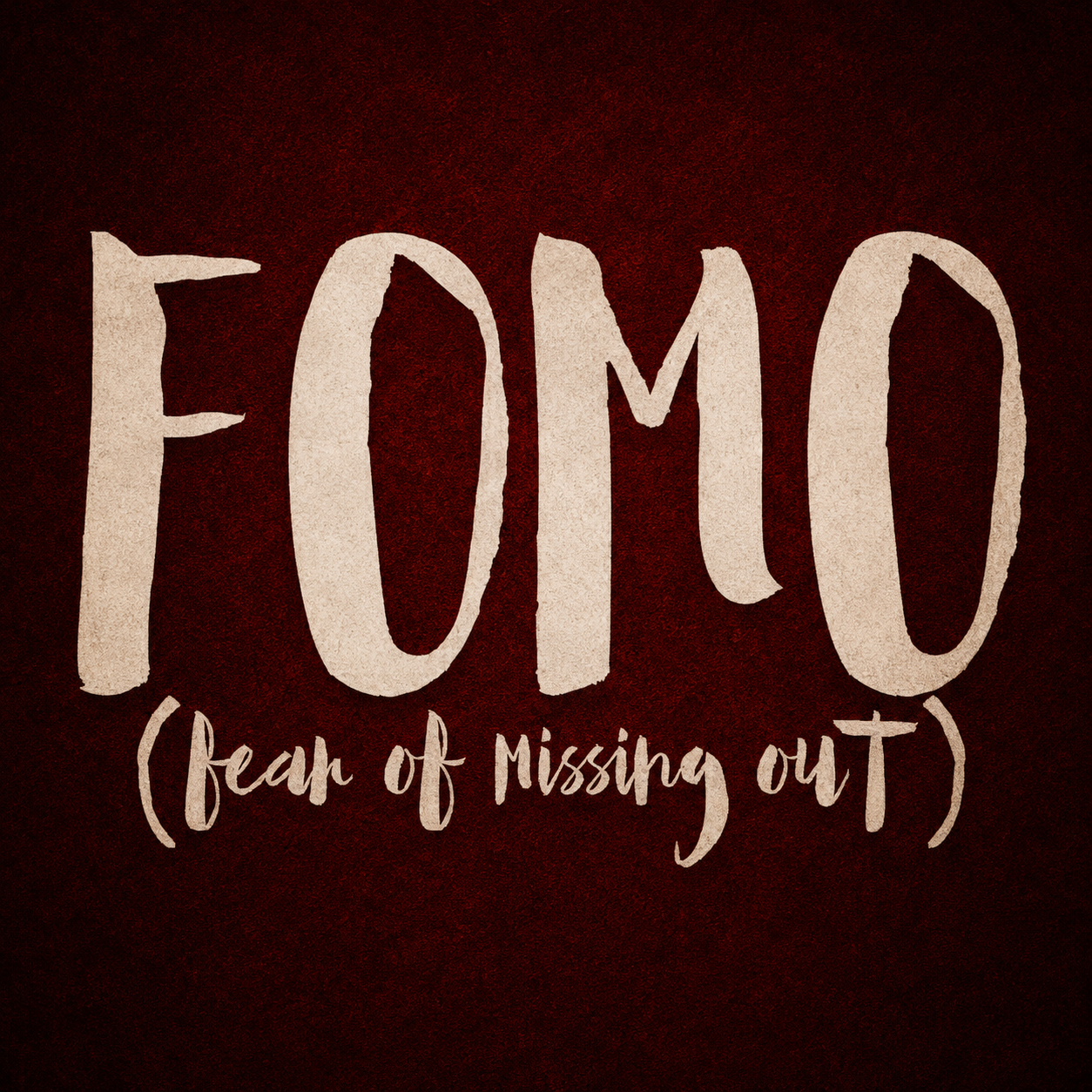
How FOMO Became a Marketing Strategy is closely connected to a simple human feeling: the fear of missing out.
People don’t always make purchasing decisions because they immediately need a product. Sometimes, they act because they believe an opportunity might disappear.
A limited-time offer, a product that is almost sold out, an exclusive launch, or an invitation available to only a few people can create a sense of urgency.
This is where FOMO becomes a powerful marketing tool.
Brands use it to make customers feel that waiting may come at a cost.
Here are 5 powerful ways FOMO became an important marketing strategy and what businesses can learn from it.
1. Limited Availability Makes Products Feel More Valuable
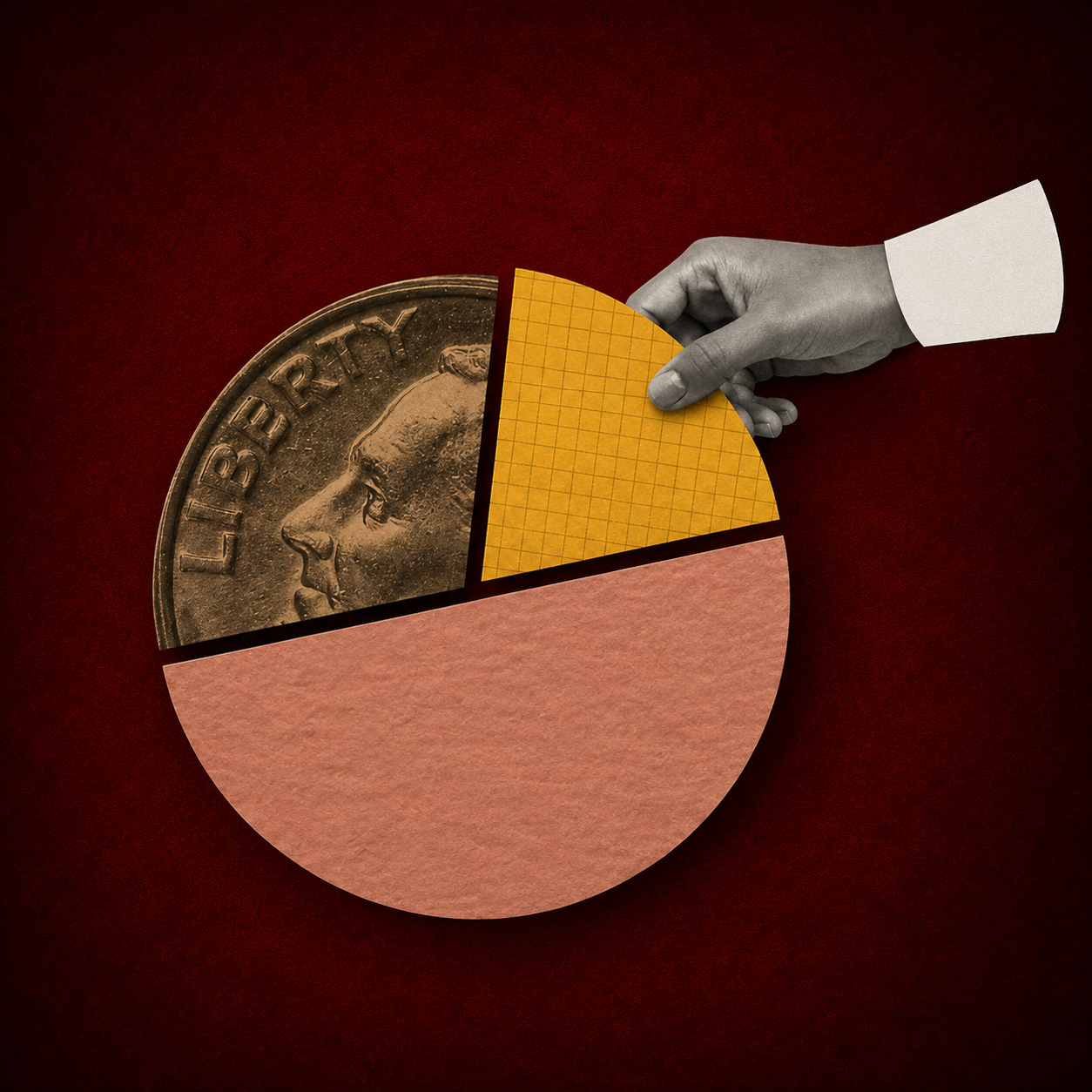
When something appears to be available in limited quantities, people may perceive it as more valuable.
Think about messages such as:
- Only 5 items left
- Limited edition
- Available while stocks last
- Exclusive drop
- Limited seats available
The product itself may not have changed. But its availability has.
This creates a psychological shift.
Instead of asking:
“Do I want this?”
Customers may start asking:
“What if I want this later and it’s gone?”
What businesses can learn
Scarcity can be effective when it is genuine.
If your business repeatedly claims that every offer is “limited” when it clearly isn’t, customers may stop trusting the message.
Real scarcity can create urgency. Fake scarcity can damage credibility.
2. Deadlines Encourage Faster Decisions
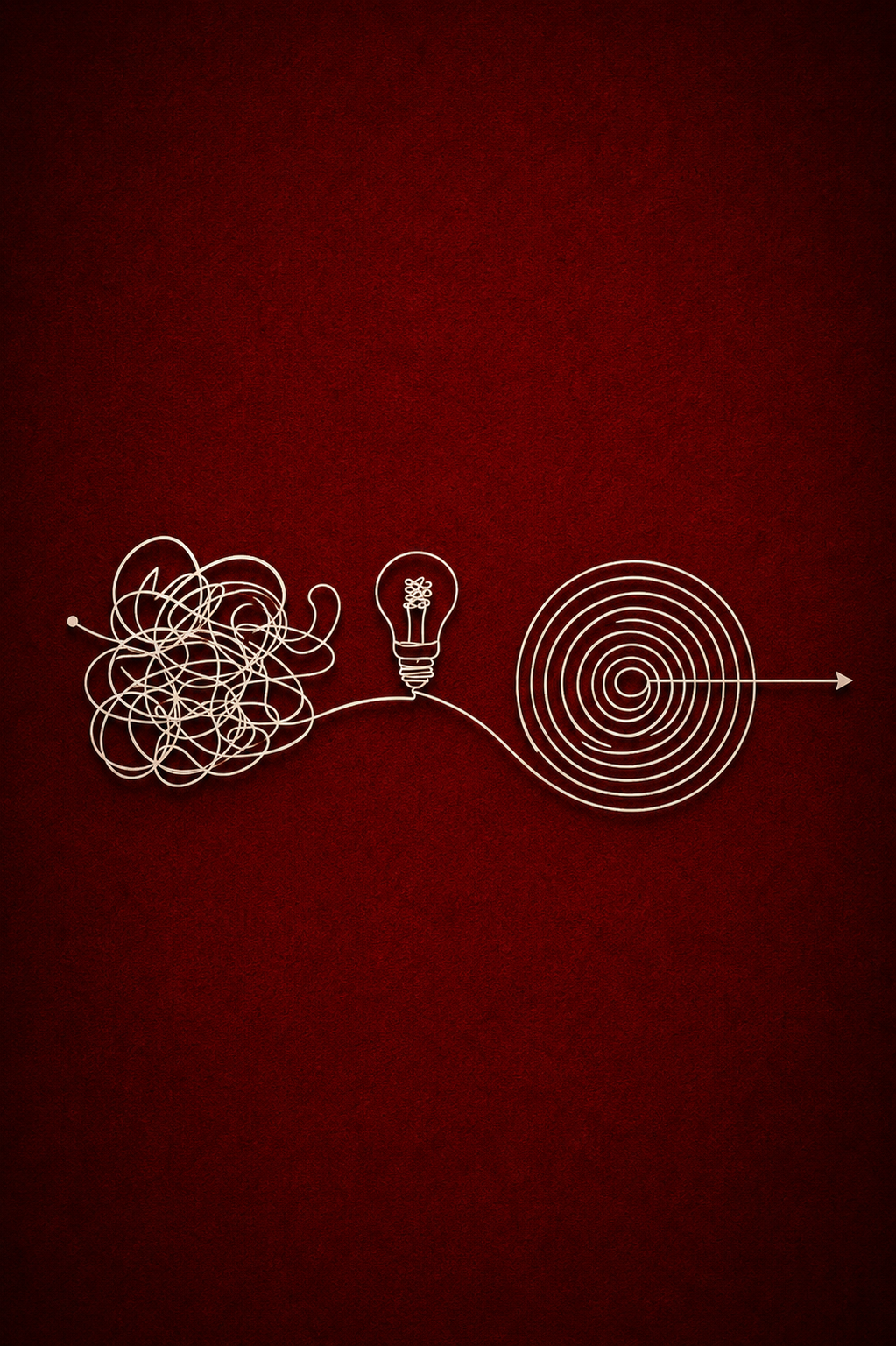
Without a deadline, customers can postpone a decision indefinitely.
They might think:
“I’ll buy it later.”
But a deadline changes the situation.
Messages such as:
- Offer ends tonight
- Sale ends in 24 hours
- Last day to register
- Early access closes soon
give customers a reason to act now rather than later.
The lesson for businesses
A clear deadline can reduce indecision.
However, the deadline should be easy to understand and truthful.
Instead of creating vague urgency, tell customers exactly when an offer or opportunity ends.
3. Exclusivity Makes People Want to Be Included

People often value access to things that not everyone can get.
This is why brands use:
- Members-only access
- Early access
- VIP experiences
- Invite-only launches
- Exclusive products
- Private communities
Exclusivity creates the feeling that access itself has value.
Customers are not only buying the product. They may also be responding to the feeling of being part of something special.
What businesses can learn
You can use exclusivity to reward your most engaged customers.
For example:
- Give email subscribers early access.
- Offer loyal customers exclusive benefits.
- Create limited products or services for specific audiences.
The key is to make the exclusive experience feel genuinely valuable.
4. Social Proof Can Create the Fear of Missing Out
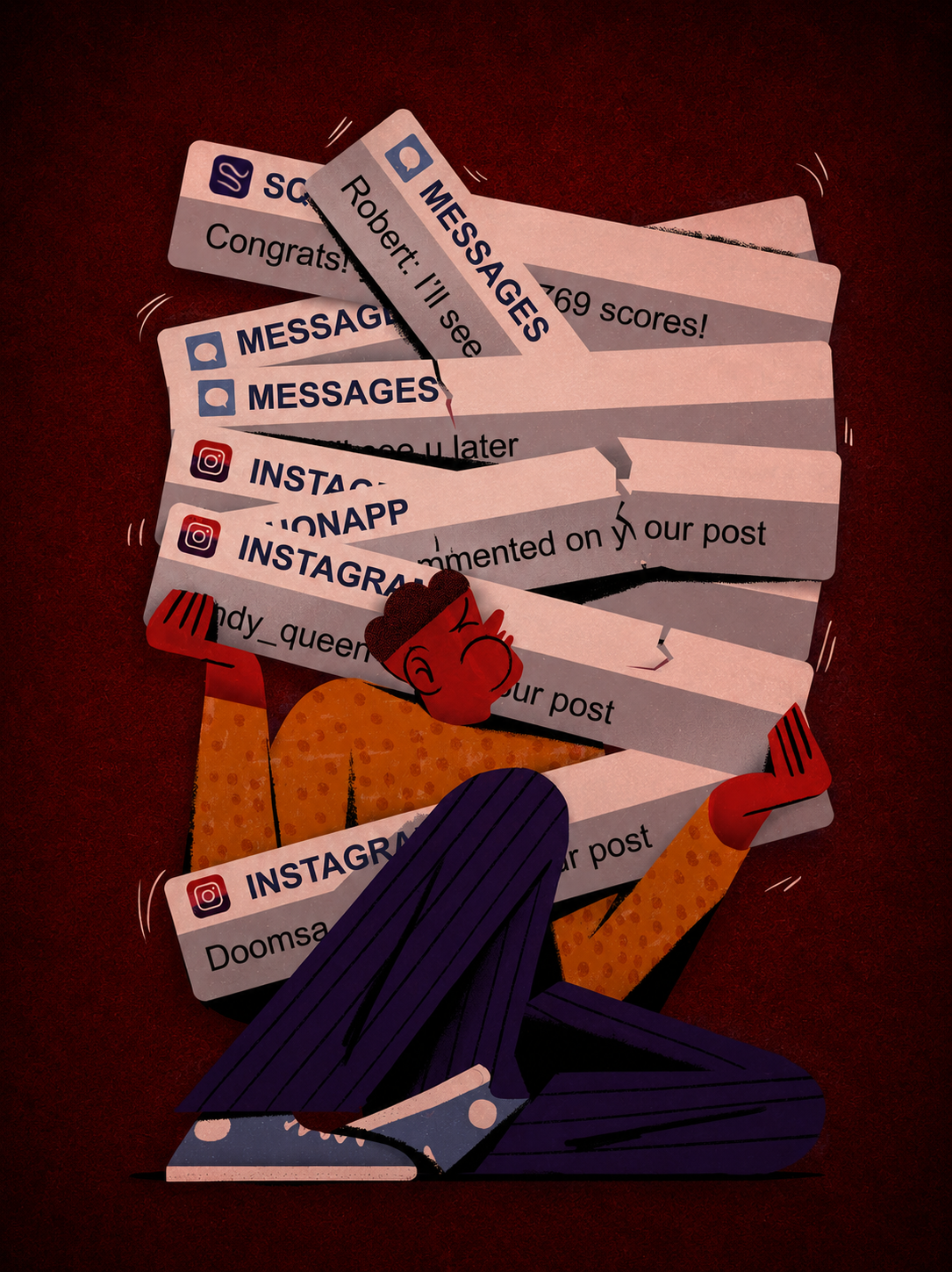
FOMO isn’t always created by a countdown timer.
Sometimes, seeing other people participate is enough.
When customers see that:
- A product is trending
- Tickets are selling quickly
- Other people are sharing their purchases
- A waiting list is growing
- A product is frequently discussed online
they may feel that they are missing something important.
This combines social proof with FOMO.
People start thinking:
“If everyone is interested in this, should I be paying attention too?”
What businesses can learn
Encourage real customers to share their experiences.
Customer reviews, user-generated content, testimonials, and genuine popularity can help create interest without forcing urgency.
The emphasis should always be on authentic proof rather than manufactured hype.
5. Product Drops Turn Buying Into an Event
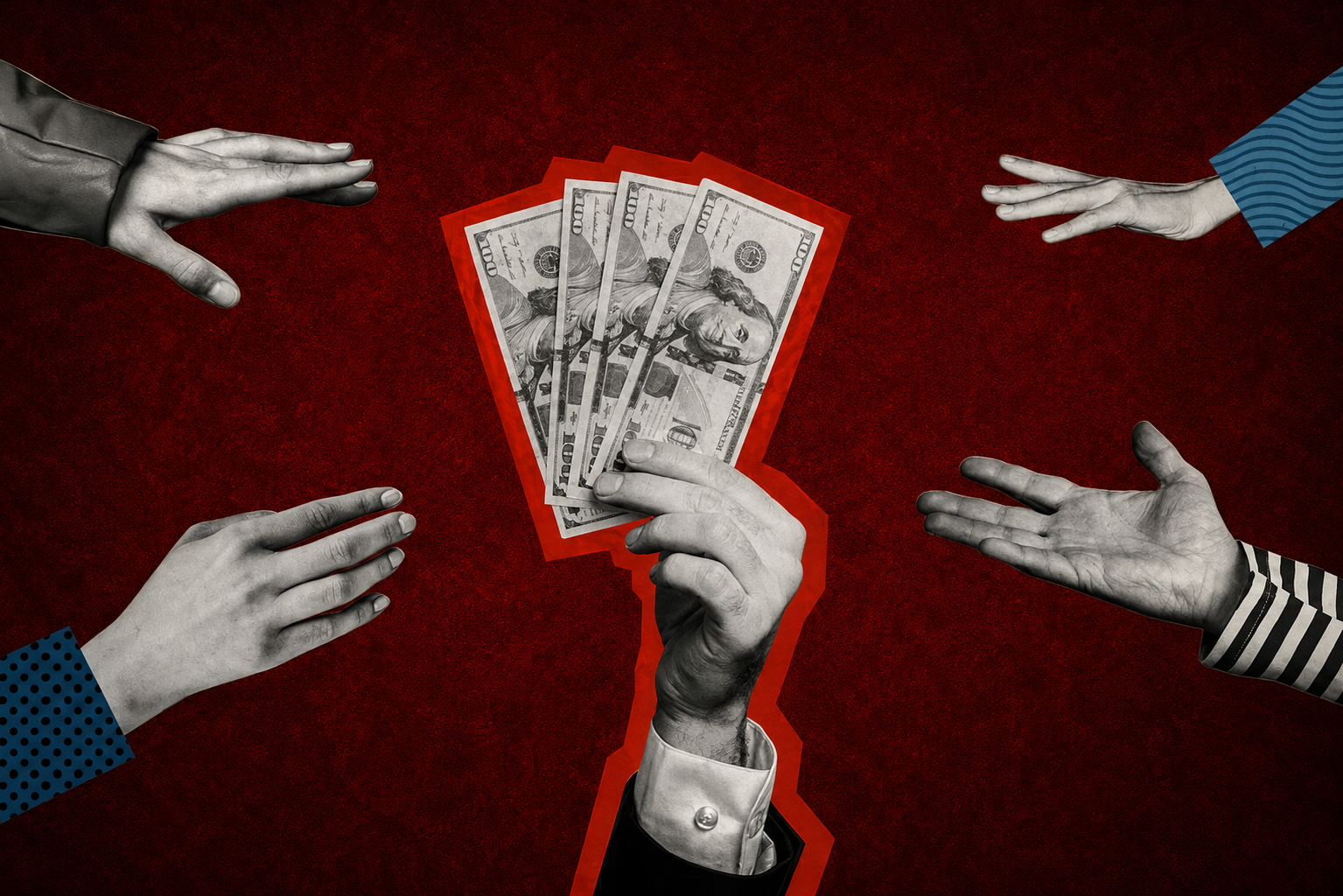
Some brands don’t simply release a product.
They create a moment around it.
A product drop can include:
- Teasers
- Countdown content
- Early previews
- Limited availability
- Exclusive access
- Social media conversations
This builds anticipation before customers can even buy.
By the time the product becomes available, the audience already feels involved in the launch.
The lesson for businesses
Marketing should not always begin on the day of launch.
Build interest before the product, offer, or campaign becomes available.
A well-planned launch can transform a normal sales moment into something people actively wait for.
Why FOMO Works in Marketing
FOMO works because people often dislike the idea of losing an opportunity.
In marketing, this can influence decision-making when customers believe that:
- The product may sell out.
- The offer may expire.
- Access may disappear.
- Other people are already participating.
- They may miss an exclusive opportunity.
The important word is believe.
That belief should be based on something real.
FOMO marketing works best when urgency reflects an actual limitation or opportunity rather than a misleading tactic.
FOMO vs Manipulation: Where Businesses Should Draw the Line

Creating urgency is not automatically unethical.
If there are genuinely limited products, seats, or time-sensitive offers, communicating that information can help customers make informed decisions.
The problem begins when businesses create false pressure.
Examples include:
- Fake countdown timers
- Invented low-stock warnings
- Offers that “end today” every day
- False claims about demand
- Artificial scarcity with no real limitation
Short-term pressure may generate sales.
But long-term trust is more valuable.
A good FOMO strategy should make customers feel:
“I don’t want to miss this opportunity.”
Not:
“I was tricked into buying this.”
Common FOMO Marketing Mistakes
Businesses can weaken their marketing when they:
- Create fake urgency
- Use countdown timers on every page
- Run permanent “limited-time” sales
- Overuse scarcity messages
- Focus on pressure instead of value
- Make customers feel manipulated
- Fail to deliver on the promise behind the campaign
The best FOMO campaigns don’t depend entirely on pressure.
They create genuine demand first and then communicate why the opportunity is limited.
What Businesses Can Learn From FOMO Marketing
The biggest lesson is that timing matters.
Customers may be interested in a product but still delay their decision.
A genuine reason to act now can help move them from interest to action.
But FOMO should not replace a strong product, clear value proposition, or trustworthy brand.
A sustainable strategy looks like this:
Attention → Interest → Desire → Genuine Urgency → Action
When all these elements work together, urgency becomes a useful part of the customer journey rather than an aggressive sales tactic.
How Spectra Digital Helps Businesses Create High-Performing Marketing Campaigns
At Spectra Digital, we help businesses create digital marketing strategies that combine creativity, customer psychology, and measurable business goals.
Our services include:
- Performance marketing
- Social media marketing
- Content marketing
- Paid advertising
- Conversion optimisation
- Lead generation
- Website design
- Search Engine Optimization (SEO)
- Marketing analytics
We help businesses create campaigns that capture attention, communicate real value, and encourage meaningful customer action without sacrificing long-term brand trust.
Final Thoughts
How FOMO Became a Marketing Strategy shows how powerful the fear of missing out can be in influencing customer behaviour.
Limited availability, deadlines, exclusivity, social proof, and product drops can all encourage people to act faster.
But the most effective strategy is not about creating artificial pressure.
It’s about identifying genuine reasons why an opportunity is limited and communicating them clearly.
The biggest lesson for businesses is simple:
Don’t create fake urgency. Create real value—and give customers a genuine reason to act now.