
Why Customers Choose the More Expensive Brand is a question many businesses struggle with.
Imagine two products that offer almost the same function. One is cheaper, while the other costs significantly more.
Logic might suggest that customers will always choose the cheaper option.
But they often don’t.
Customers regularly pay more for certain brands, even when lower-priced alternatives are available. This happens because people don’t make purchasing decisions based on price alone.
They also consider trust, perceived quality, brand image, emotional connection, and the overall experience.
Here are 5 powerful reasons why customers often choose the more expensive brand.
1. Higher Prices Can Create a Perception of Higher Quality

Price can influence how customers perceive a product.
When people don’t have enough information to compare two products, they may use price as a shortcut.
A higher price can create the impression that the product is:
- Better made
- More reliable
- Higher quality
- More exclusive
- More durable
This doesn’t mean that expensive products are always better.
However, perception plays an important role in purchasing decisions.
What businesses can learn
If your brand wants to charge more, your pricing should be supported by clear value.
Your:
- Website
- Branding
- Packaging
- Customer experience
- Product presentation
- Marketing
should all communicate why your product is worth the price.
A premium price with a poor experience creates doubt.
A premium price supported by strong value can create confidence.
2. Customers Pay More for Trust

Buying the cheaper option can sometimes feel risky.
Customers may wonder:
- Will the quality be good?
- Will the product last?
- What happens if something goes wrong?
- Can I trust this company?
A well-known or trusted brand can reduce that uncertainty.
Customers may be willing to pay more because they feel confident about what they will receive.
This is especially important when the purchase involves:
- A high price
- Long-term use
- Personal risk
- Important decisions
- Limited knowledge about the product
The lesson for businesses
Trust can become a competitive advantage.
Build it through:
- Clear communication
- Customer reviews
- Testimonials
- Case studies
- Consistent quality
- Reliable customer support
- Transparent policies
Sometimes, customers aren’t paying more for the product itself.
They’re paying for the confidence that comes with choosing you.
3. A Strong Brand Makes Products Feel More Valuable

Branding can change how customers perceive the exact same type of product.
Two businesses may sell similar products, but one may feel more premium because of:
- Better design
- Clearer positioning
- Stronger storytelling
- Professional branding
- Consistent communication
- A better website
- Higher-quality content
The actual product matters, but the way it is presented also influences perceived value.
Think about the difference
A product described as:
“High-quality headphones.”
may feel very different from a brand that communicates:
“Designed for people who refuse to compromise on sound.”
Both may be selling headphones.
But the second message creates a stronger perception and emotional connection.
What businesses can learn
Don’t only improve your product.
Improve how customers understand and experience your value.
Your branding should answer:
Why should someone choose you instead of a cheaper alternative?
4. People Buy What a Brand Represents

Customers don’t always buy products only for practical reasons.
Sometimes, they buy what the brand represents.
A premium brand may be associated with:
- Status
- Success
- Confidence
- Innovation
- Simplicity
- Sustainability
- Exclusivity
- Belonging
This emotional value can make price comparisons less important.
For example, two products may perform a similar function, but one may make the customer feel more confident or aligned with a particular lifestyle.
The lesson
Ask:
What does our brand represent beyond the product itself?
The answer should influence your:
- Brand positioning
- Advertising
- Social media
- Website messaging
- Customer experience
The strongest brands sell more than features.
They sell meaning.
5. A Better Experience Can Justify a Higher Price

Price is only one part of the customer experience.
A business can justify charging more by making every interaction better.
This can include:
- Easier purchasing
- Faster service
- Better customer support
- Professional communication
- Better packaging
- Personalisation
- A smoother website experience
- Reliable delivery
Customers often remember how easy or difficult it was to deal with a business.
A cheaper option that creates frustration may not feel like a good deal.
A more expensive option that saves time, reduces stress, and creates a better experience may feel worth paying for.
Price vs Value: The Difference Businesses Need to Understand
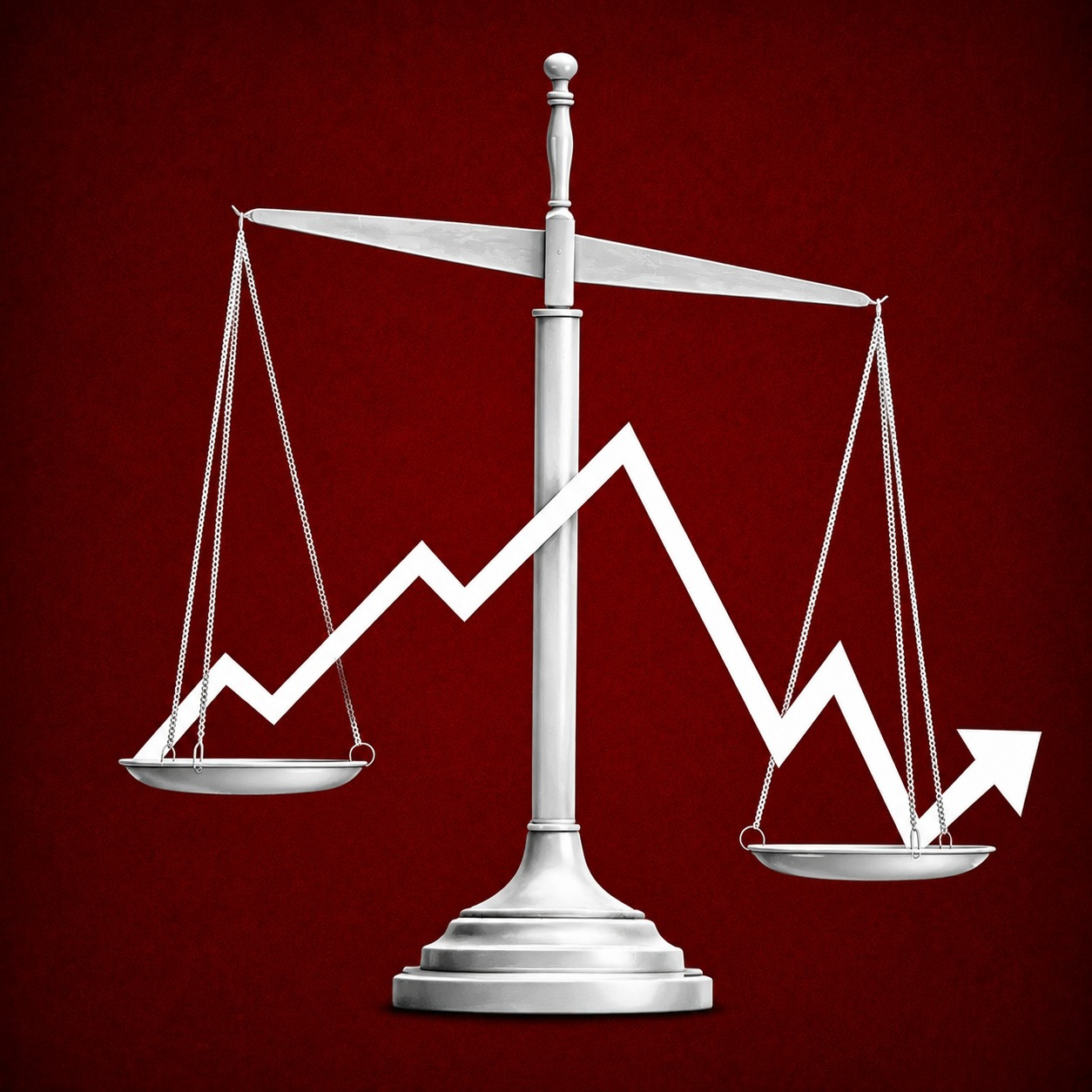
Price is what the customer pays.
Value is what the customer believes they receive.
This is why businesses should avoid competing only on price.
If your only advantage is being cheaper, another competitor can always try to charge less.
But competing on:
- Trust
- Experience
- Expertise
- Quality
- Convenience
- Brand reputation
is much harder to copy.
The goal is not to convince everyone that you are cheap.
The goal is to make the right customers understand why you are worth more.
How to Build a Brand Customers Are Willing to Pay More For
Create clear positioning
Customers should immediately understand what makes your business different.
Avoid generic statements that every competitor could use.
Make your value visible
Don’t assume customers automatically understand why you charge more.
Show them through:
- Product benefits
- Customer results
- Testimonials
- Case studies
- Demonstrations
- Strong messaging
Invest in your brand experience
Your website, content, social media, and customer communication all affect how customers perceive your business.
Build proof
People are more comfortable paying more when they can see evidence that others trust you.
Use real customer experiences to support your claims.
Focus on the right customers
Not everyone needs to become your customer.
Some people will always choose the lowest price.
Instead of trying to win every customer, focus on people who value what makes your business different.
Common Mistakes Businesses Make
Businesses often struggle to justify higher prices because they:
- Copy competitors instead of differentiating themselves
- Talk only about product features
- Fail to communicate their value
- Have inconsistent branding
- Offer a poor customer experience
- Constantly use discounts
- Compete only on price
Lowering your price may increase short-term sales, but it can also make it harder to build a strong premium perception.
Sometimes, the better strategy is not to become cheaper.
It’s to become more valuable.
How Spectra Digital Helps Businesses Build Stronger Brand Value
At Spectra Digital, we help businesses create digital strategies that strengthen how customers perceive and experience their brands.
Our services include:
- Brand strategy
- Social media marketing
- Content marketing
- Performance marketing
- Search Engine Optimization (SEO)
- Website design
- Paid advertising
- Conversion optimisation
We help businesses communicate their value more clearly, build stronger digital experiences, and create marketing strategies designed to attract the right customers.
Final Thoughts
Why Customers Choose the More Expensive Brand comes down to more than price.
Customers may be willing to pay more when they trust a brand, perceive greater quality, connect with what the brand represents, and receive a better overall experience.
The key lesson for businesses is simple:
Customers don’t always choose the cheapest option. They choose the option that feels most valuable to them.
Instead of asking how you can lower your prices to compete, ask:
“How can we create more value in the minds of our customers?”
That shift can help your business move away from price competition and build a brand that customers are genuinely willing to pay more for.