Introduction
Consistency is one of the biggest factors behind a successful social media strategy. Businesses that post regularly with valuable, well-planned content are more likely to increase engagement, build brand awareness, and attract potential customers. However, creating content at the last minute often leads to inconsistent posting, repetitive ideas, and missed marketing opportunities.
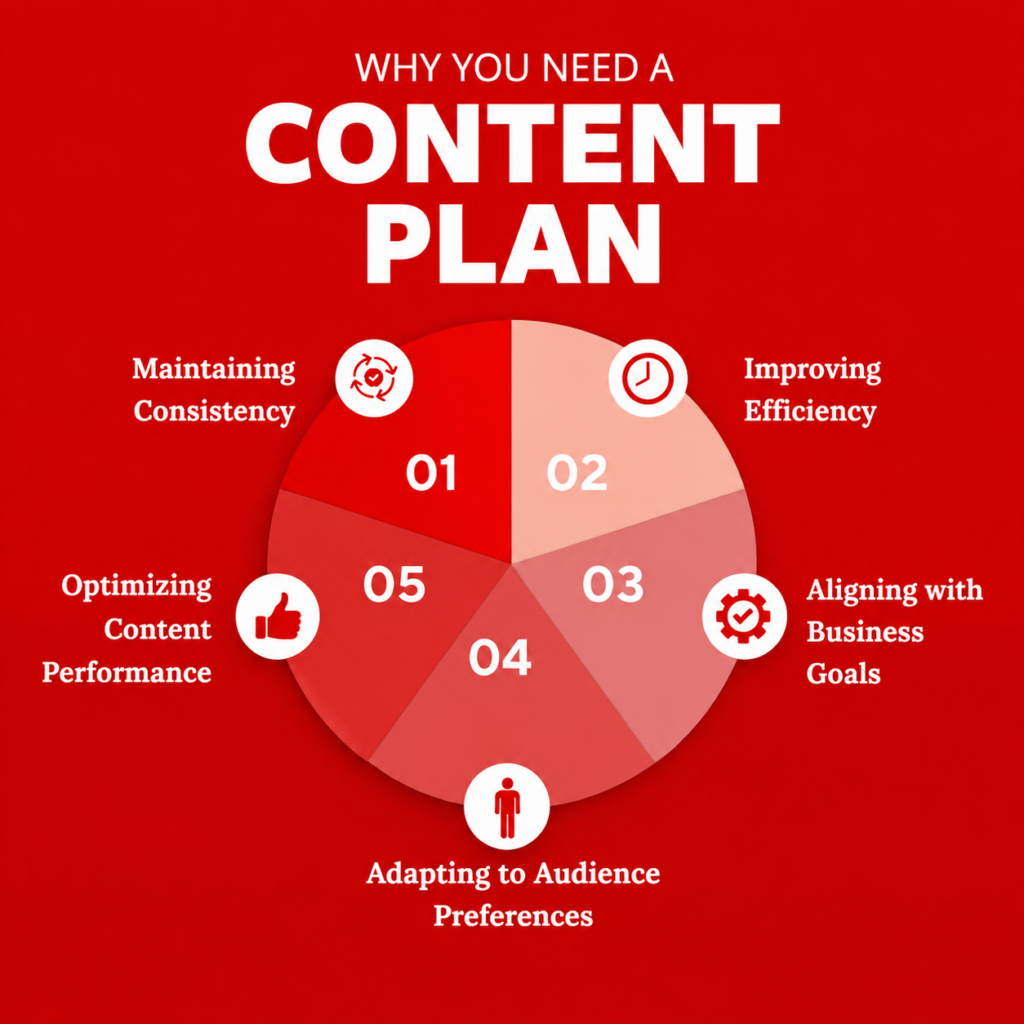
This is where a social media content calendar becomes essential. A content calendar helps you organize your posts, maintain a consistent publishing schedule, align content with business goals, and save valuable time.
Whether you’re managing one social media account or multiple platforms, a well-structured content calendar keeps your marketing organized and ensures your audience always has something valuable to engage with.
At Spectra Digital, we help businesses develop strategic content plans that drive engagement and measurable growth. In this guide, we’ll explain how to create an effective social media content calendar and share best practices to maximize your results.
What Is a Social Media Content Calendar?
A social media content calendar is a planning tool that outlines what content will be published, where it will be posted, and when it will go live. It acts as a roadmap for your social media strategy, helping teams stay organized and consistent.
A typical content calendar includes:
- Publishing date
- Social media platform
- Content format (Reel, Carousel, Static Post, Story, Video, etc.)
- Caption
- Visual assets
- Hashtags
- Call-to-Action (CTA)
- Posting time
- Campaign or objective
Rather than scrambling for ideas each day, businesses can plan weeks or even months of content in advance.
Why Every Business Needs a Content Calendar
Many businesses post randomly without a clear strategy, which often results in inconsistent branding and lower engagement.
A social media content calendar helps businesses:
- Maintain consistent posting schedules
- Improve content quality
- Save time through advance planning
- Reduce last-minute stress
- Coordinate campaigns across multiple platforms
- Balance promotional and educational content
- Track seasonal events and important dates
- Improve team collaboration
Most importantly, it ensures that every post supports your overall marketing objectives.
Step 1: Define Your Social Media Goals
Before creating content, determine what you want to achieve.
Your goals may include:
- Increasing brand awareness
- Driving website traffic
- Generating leads
- Growing followers
- Improving engagement
- Promoting products or services
- Building a loyal community
Each piece of content should support at least one business objective.

Step 2: Understand Your Target Audience
The best content speaks directly to the people you’re trying to reach.
Ask yourself:
- Who is my ideal customer?
- Which platforms do they use?
- What problems are they trying to solve?
- What type of content do they enjoy?
- When are they most active online?
Using audience insights from platforms like Instagram, Facebook, and LinkedIn helps create more relevant and engaging content.

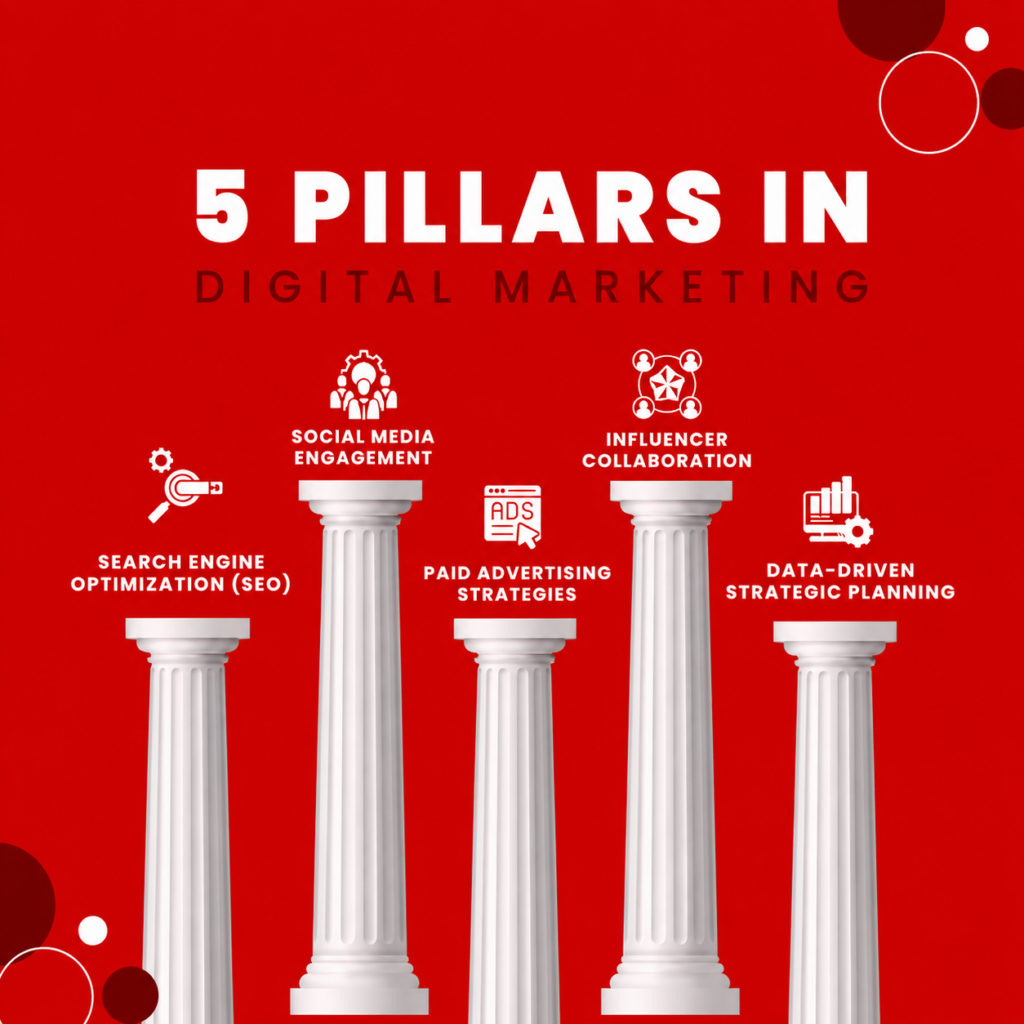
Step 3: Choose the Right Content Pillars
Content pillars are the main topics your brand will consistently discuss.
For example, a digital marketing agency like Spectra Digital might use:
- Educational Tips
- SEO Insights
- Social Media Marketing
- Website Development
- Client Success Stories
- Industry News
- Behind-the-Scenes Content
- Team Highlights
- Company Updates
Having clear content pillars makes brainstorming easier and ensures variety.
Step 4: Decide Your Posting Frequency
Consistency is more important than posting every day.
Choose a schedule your team can realistically maintain.
For example:
- Instagram – 4–5 posts per week
- Facebook – 3–4 posts per week
- LinkedIn – 2–3 posts per week
- X (Twitter) – Daily updates
- Stories – Daily
- Reels – 2–3 per week
Your frequency should depend on your audience, resources, and business goals.

Step 5: Plan Content in Advance
Instead of creating posts daily, dedicate time each month to planning upcoming content.
Include a healthy mix of content formats such as:
- Educational posts
- Reels
- Carousel posts
- Videos
- Customer testimonials
- Infographics
- Industry news
- Promotional campaigns
- Polls and interactive Stories
Planning ahead gives your team enough time to create high-quality visuals and captions.
Step 6: Include Seasonal Events and Marketing Campaigns
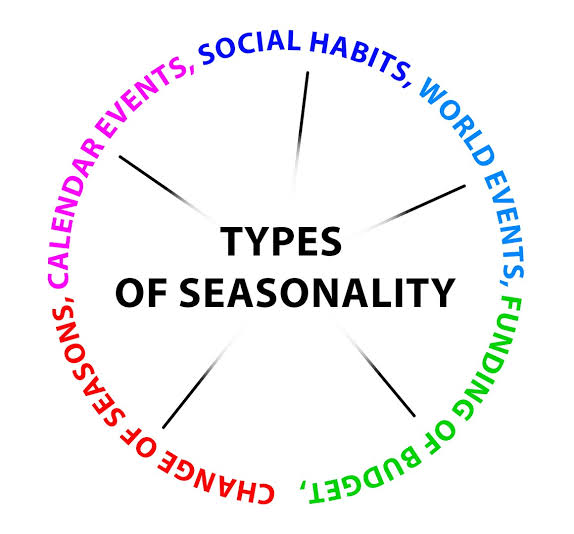
A strong content calendar incorporates important dates that are relevant to your audience.
Examples include:
- New Year
- Republic Day
- Holi
- Women’s Day
- Independence Day
- Diwali
- Christmas
- Industry-specific events
- Product launches
- Company milestones
Planning around these occasions allows businesses to create timely and relevant content.
Step 7: Track Performance and Optimize
Creating a content calendar isn’t a one-time task. Review your performance regularly to identify what’s working and what needs improvement.
Monitor metrics such as:
- Reach
- Engagement
- Likes
- Comments
- Shares
- Website clicks
- Follower growth
- Conversion rates
Use these insights to refine your content strategy each month.

Best Practices for an Effective Content Calendar
To maximize your social media success:
- Plan content at least one month in advance.
- Maintain consistent branding.
- Balance educational, entertaining, and promotional content.
- Use high-quality visuals.
- Write compelling captions with clear CTAs.
- Repurpose high-performing content.
- Leave room for trending topics and real-time marketing.
- Review analytics regularly.
A flexible calendar allows you to stay organized while adapting to changing trends.
Tools to Create a Social Media Content Calendar
Several tools make content planning easier, including:
- Google Sheets
- Microsoft Excel
- Trello
- Notion
- ClickUp
- Asana
- Airtable
- Meta Business Suite
- Buffer
- Hootsuite
Choose the tool that best fits your team’s workflow and collaboration needs.
Common Mistakes to Avoid
Many businesses struggle because they:
- Plan content too late.
- Post inconsistently.
- Focus only on promotional content.
- Ignore audience insights.
- Skip performance tracking.
- Forget to optimize captions and hashtags.
- Don’t leave flexibility for trending topics.
Avoiding these mistakes will help you maintain a stronger and more effective social media presence.
How Spectra Digital Helps Businesses Plan Better Content
At Spectra Digital, we create customized social media strategies designed to improve consistency, engagement, and business growth.
Our services include:
- Social Media Strategy
- Monthly Content Calendars
- Creative Design
- Reels & Video Marketing
- Content Writing
- Community Management
- Paid Social Media Advertising
- Performance Analytics
- Campaign Planning
We help businesses create meaningful content that connects with audiences and delivers measurable results.
Conclusion
A social media content calendar is more than just a schedule it’s a strategic tool that helps businesses stay organized, maintain consistency, and achieve long-term marketing success.
By defining clear goals, understanding your audience, planning content in advance, and regularly reviewing performance, you can create a social media presence that attracts attention, builds trust, and drives business growth.
At Spectra Digital, we believe successful social media marketing starts with smart planning. Whether you’re building your first content calendar or looking to improve your current strategy, our team is ready to help you create content that makes an impact.