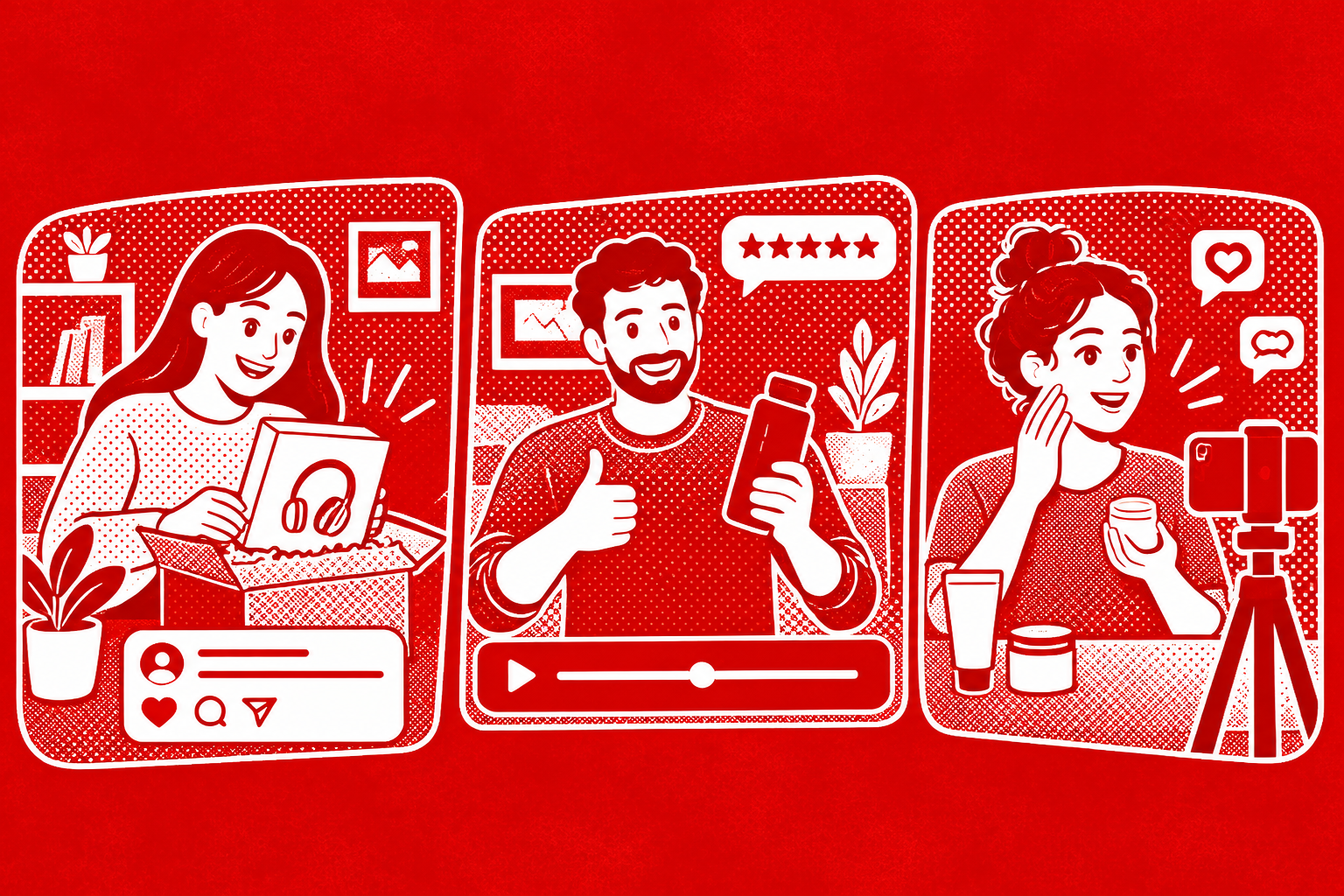
Marketing has always been about understanding people. From a memorable television commercial to a social media campaign that suddenly becomes part of popular culture, the most successful marketing often comes from an idea that makes people feel something.Today, however, marketers have a powerful new tool: Artificial Intelligence (AI).AI can generate content, analyze customer behavior, identify trends, create visuals, assist with keyword research, and automate repetitive marketing tasks. It has made marketing faster and, in many cases, more efficient.But this raises an important question: Can AI replace human creativity in marketing?
The answer is no not completely.
AI can help marketers work faster and make better use of data, but human creativity brings emotion, context, originality, experience, and strategic thinking. The real opportunity for businesses is not choosing between AI and people. It is learning how to use both effectively.
What Is AI in Marketing?
AI in marketing refers to the use of artificial intelligence technologies to support different marketing activities. Businesses can use AI to understand customer behavior, automate tasks, analyze large amounts of data, and assist with content creation.
For example, an AI-powered marketing workflow can help a business identify popular search terms, analyze customer preferences, generate content ideas, segment audiences, and evaluate campaign performance.
This doesn’t mean that AI independently creates a complete marketing strategy. Instead, it acts as a tool that can help marketing teams make their processes more efficient.
Why Has AI Become Important in Digital Marketing?
The amount of information available to marketers has grown enormously. Businesses now have access to website analytics, social media data, customer interactions, search behavior, advertising data, and more.
Manually analyzing all this information can take considerable time.
AI can process large datasets quickly and identify patterns that may otherwise be difficult to spot. This makes it particularly useful for research, personalization, automation, and campaign optimization.
For example, an e-commerce business could use AI to identify which products customers are viewing most frequently and use those insights to create more relevant recommendations.
The advantage isn’t simply speed. It is the ability to turn large amounts of information into useful insights.
What Human Creativity Brings to Marketing
While AI is excellent at processing information, marketing requires more than information.
A successful campaign needs an understanding of people.
Human marketers bring experiences, emotions, intuition, cultural awareness, and imagination to the creative process. They understand that the same message can have completely different meanings depending on the audience, situation, and cultural context.
Consider a campaign built around nostalgia.
An AI tool can identify words and themes associated with nostalgia and generate several possible messages. But a human creative team can draw from real cultural experiences, memories, music, conversations, and social trends to create a campaign that feels authentic.
That emotional connection is difficult to replicate through automation alone.
AI vs Human Creativity: Understanding the Difference
The biggest difference between AI and human creativity is how each approaches a problem.
AI works by analyzing patterns and information. It can identify what has worked before and generate possibilities based on those patterns.
Humans can go beyond existing patterns.
They can question assumptions, experiment with unusual ideas, understand emotions, and create connections between seemingly unrelated concepts.
This is particularly important in advertising and branding, where being different can be more valuable than simply being efficient.
AI can suggest ten headlines in seconds. A human marketer decides which one actually sounds like the brand.
AI can generate multiple social media captions. A human understands which caption will resonate with the audience.
AI can analyze campaign performance. A human decides what the results mean for the brand’s next move.
Where AI Can Make Marketers Better
The goal of using AI should not be to remove creativity from marketing. It should be to give creative teams more time and better information.
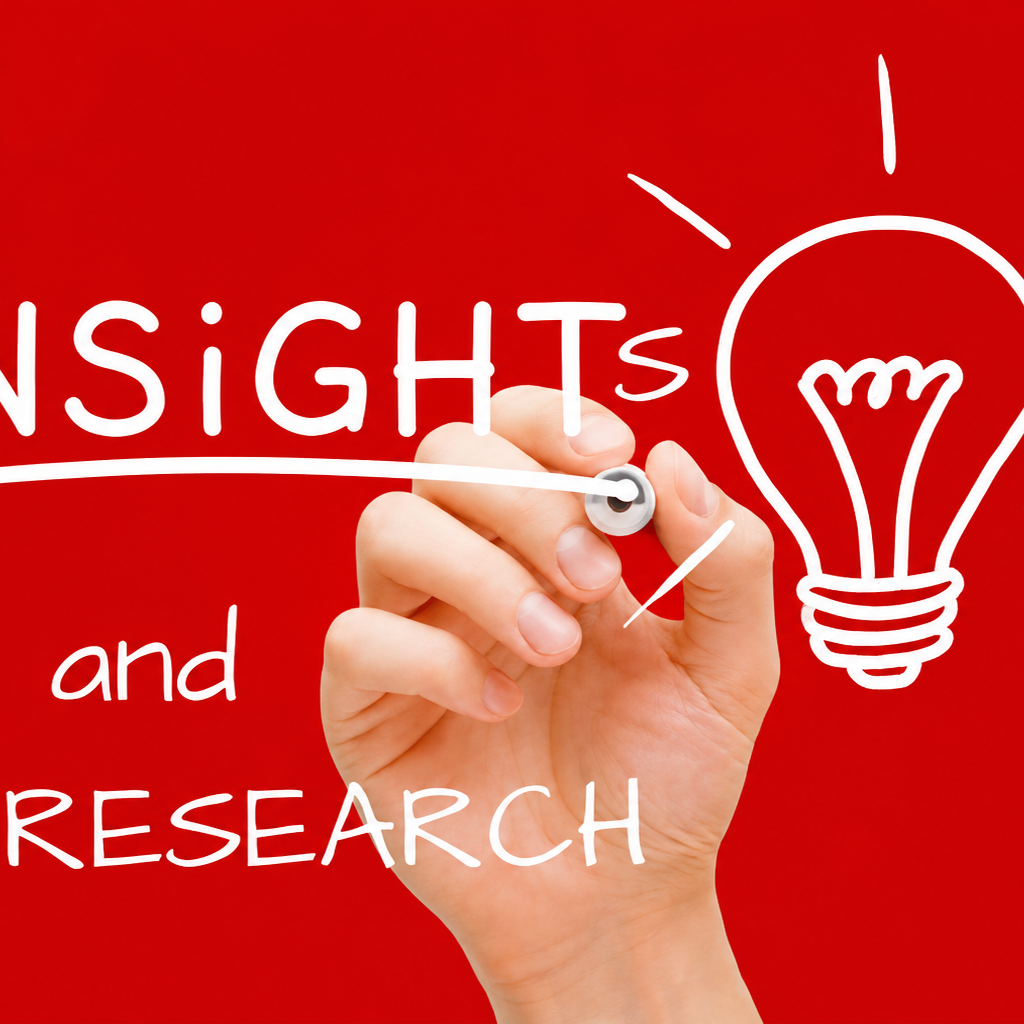
Research and Insights
AI can help marketers analyze search trends, customer feedback, competitor activity, and audience behavior.
This gives creative teams a stronger foundation before developing campaigns.
Content Assistance
AI can help with first drafts, content outlines, headlines, social media ideas, email variations, and other repetitive writing tasks.
Instead of spending hours creating a starting point, marketers can use AI to speed up the initial stage and then add their own expertise.

Personalization
Different customers have different interests and behaviors.
AI can help businesses segment audiences and create more personalized experiences, from email recommendations to advertising campaigns.

Where Human Creativity Remains Essential
AI is powerful, but there are areas where human involvement remains critical.
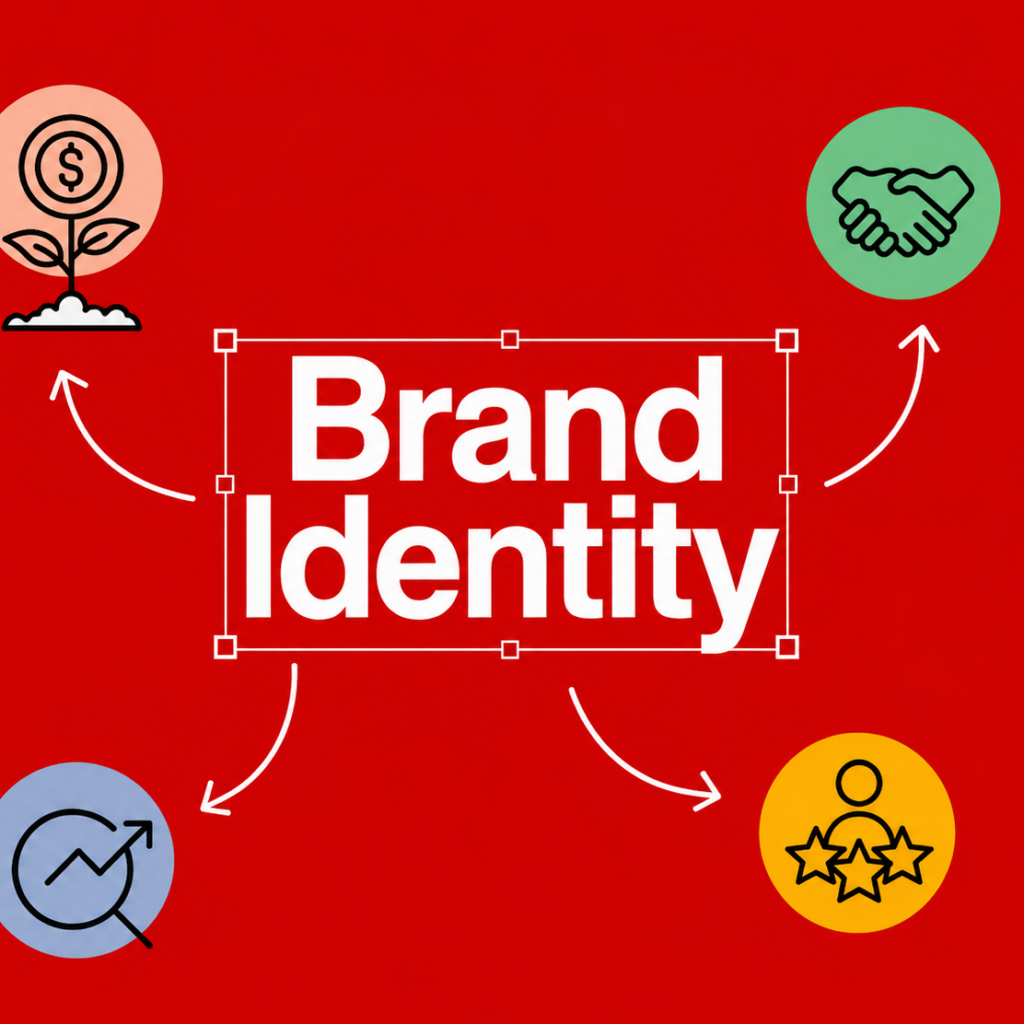
Brand Identity
A brand is more than a collection of words, images, and colors. It represents a personality and a point of view.
Humans need to define what the brand stands for and how it should communicate.
Emotional Storytelling
People remember stories because stories create emotional connections.
A human creative team can transform an ordinary product into a story that represents a feeling, aspiration, or experience.
Strategic Thinking
Marketing isn’t simply about producing more content.
A business needs to decide what it wants to achieve, who it wants to reach, why the audience should care, and how success will be measured.
These decisions require business understanding and strategic thinking.
The Risks of Relying Too Much on AI
AI can save time, but using it without human supervision can create new problems.
One of the biggest risks is generic content.
If every brand uses similar AI tools to create similar posts, headlines, and campaigns, the internet can quickly become filled with content that feels repetitive.
Another concern is accuracy. AI-generated information can sometimes be incorrect, incomplete, or outdated. Publishing it without verification can damage a brand’s credibility.
There is also the risk of losing a brand’s personality. If every piece of content is generated and published without human editing, the brand can start sounding robotic.
For this reason, AI-generated output should be treated as a starting point not always the finished product.
The Best Approach: AI + Human Creativity
Instead of asking whether AI or humans are better at marketing, businesses should ask:
What should AI do, and what should humans do?
A practical marketing workflow could look like this:
Human: Defines the business objective and audience.
AI: Helps with research and identifies useful data.
Human: Develops the campaign concept and creative direction.
AI: Assists with content variations and repetitive execution.
Human: Reviews the content for accuracy, tone, originality, and brand consistency.
AI: Helps analyze campaign performance.
Human: Uses those insights to make strategic decisions.
This approach allows businesses to benefit from AI without losing the human element that makes marketing effective.
A Simple Example
Imagine a clothing brand launching a new collection.
AI could help the marketing team analyze which products are receiving the most attention, identify relevant search trends, suggest audience segments, and generate multiple caption ideas.
But the human team might decide to build the campaign around the idea of confidence and self-expression.
They develop the visual concept, storytelling, tone, photography direction, and overall campaign identity.
AI supports the process, but the central idea comes from human understanding.
This combination can produce marketing that is both efficient and emotionally engaging.
How AI Is Changing the Role of Marketers
AI isn’t necessarily eliminating marketing jobs. Instead, it is changing the skills marketers need.
As repetitive tasks become easier to automate, marketers can spend more time developing skills such as:
- Creative thinking
- Strategic planning
- Storytelling
- Audience psychology
- Brand building
- Data interpretation
- Campaign development
- Critical thinking
The marketer of the future may not be the person who avoids AI. It may be the person who knows how to use AI while still thinking independently.
Why Businesses Need a Balanced Marketing Strategy
Businesses shouldn’t adopt AI simply because it is a trend.
The technology should solve a specific problem.
If AI helps a team analyze data faster, it should be used for analysis. If it helps generate content ideas, it can support brainstorming. If automation saves time on repetitive tasks, businesses should take advantage of it.
But important creative and strategic decisions should continue to involve people.
The strongest marketing strategies will combine technology, data, creativity, and human understanding.
How Spectra Digital Can Help
At Spectra Digital, we believe technology works best when it supports strong creative thinking.
AI can make marketing processes faster, but effective marketing still starts with understanding the business, audience, and objective.
Our approach combines strategy, creativity, data, and technology across areas such as:
- SEO
- Social media marketing
- Content marketing
- Performance marketing
- Paid advertising
- Website development
- Branding
- Analytics
By combining human expertise with modern digital tools, businesses can create marketing campaigns that are not only efficient but also meaningful and results-driven.
Conclusion
The future of marketing isn’t about AI replacing humans. It is about humans learning to use AI effectively.
AI can analyze data, automate repetitive work, generate ideas, and improve efficiency. Human creativity provides emotion, originality, context, strategy, and meaning.
When these strengths are combined, businesses can create marketing that is faster without becoming impersonal and data-driven without losing creativity.
The brands that succeed in the coming years will not necessarily be those that use the most AI. They will be the ones that understand where AI adds value and where human creativity matters most.
AI can accelerate the process. Human creativity gives marketing its purpose.