Some brands spend millions trying to make people notice them.
Others manage to become part of everyday conversations.
Zomato, CRED, and Blinkit are strong examples of this shift in Indian digital marketing. Their social media doesn’t always feel like traditional advertising. Instead, their content often feels like entertainment, commentary, humour, or something worth sharing.
That’s what makes their approach so interesting.
Their success isn’t simply about posting frequently.
It comes from understanding how people behave on social media.
Here are 5 reasons Zomato, CRED, and Blinkit continue to stand out.
1. They Have a Distinctive Brand Personality

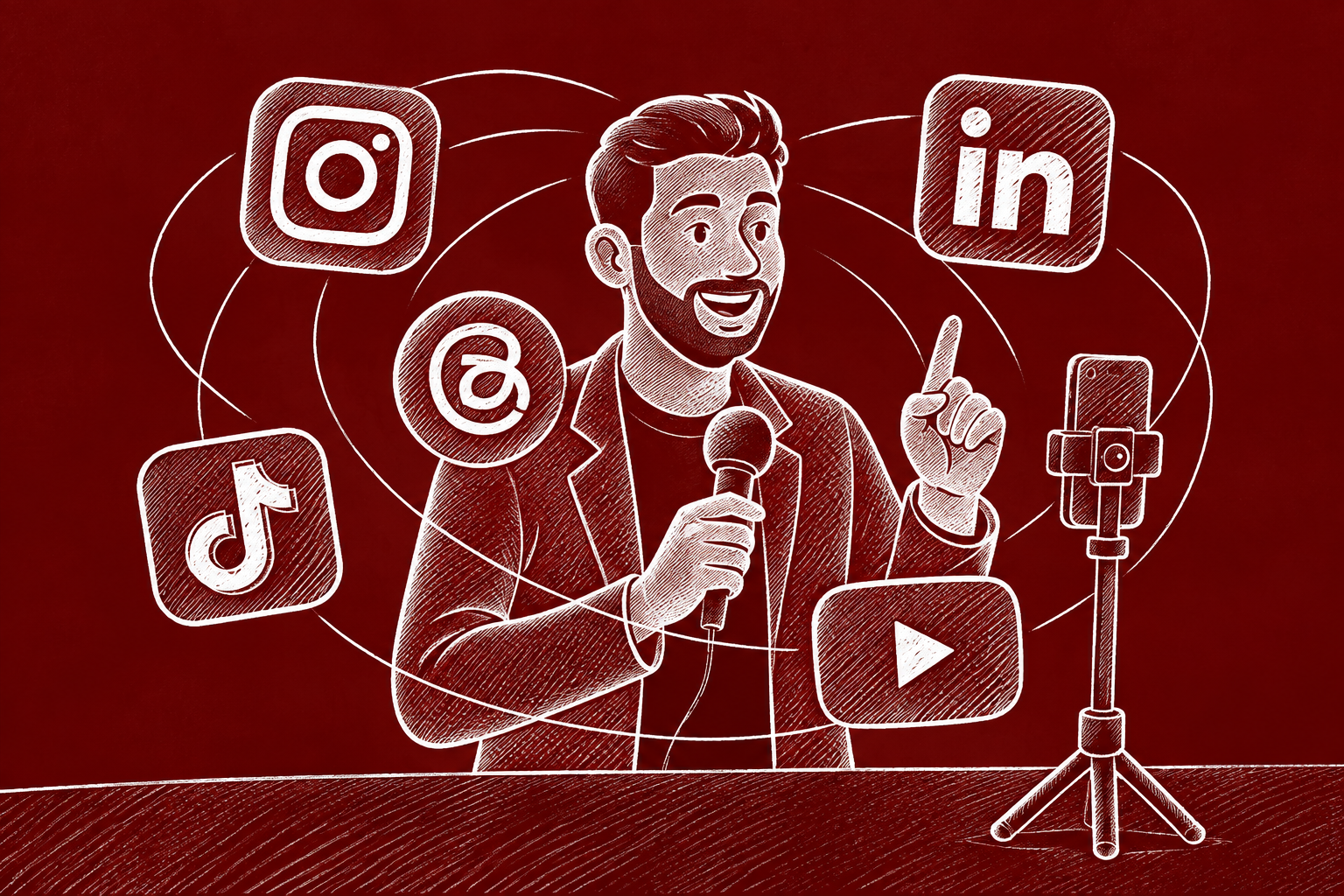
The first thing these brands understand is that social media isn’t a corporate noticeboard.
People don’t open Instagram or X to read advertisements.
They open social platforms to be entertained, informed, surprised, or connected.
Zomato often uses conversational humour and culturally relevant messaging. Blinkit has developed a recognisable style around quick, topical communication. CRED has built a more premium, unexpected, and creatively distinctive personality.
The result?
You can often recognise the brand behind the content without seeing the logo first.
That is the power of brand voice.
A strong social media strategy isn’t just about deciding what to post.
It is about deciding how the brand should sound.
2. They Turn Current Conversations Into Content

One major advantage these brands have is speed.
Instead of planning every piece of content weeks in advance, they can react to things people are already discussing.
Movies.
Sports.
Festivals.
Internet trends.
Pop culture.
News moments.
Everyday situations.
This gives their content a feeling of relevance.
The opportunity is simple:
Don’t always create a conversation. Join the conversation.
When a brand connects itself naturally to something people already care about, the content has a much better chance of earning attention.
3. They Make Advertising Feel Like Entertainment

Traditional advertising usually starts with the product.
Social-first brands often start with the idea.
Instead of saying:
“Our product is great.”
the content might make you laugh, recognise yourself, or want to share it with someone.
That’s an important distinction.
Zomato’s marketing ecosystem, for example, extends beyond social posts into targeted digital advertising and customer-focused campaigns. Its SocialAds offering uses customer insights and hyperlocal targeting to help restaurants reach relevant audiences.
Blinkit similarly treats attention and purchase intent as connected, offering brands audience, behavioural, city-level, and time-based targeting through its advertising platform.
The lesson is that entertainment and performance don’t have to be separate.
Good marketing can do both.
4. They Understand Their Audience Extremely Well

Great social media isn’t created by asking:
“What should our brand post today?”
It starts with:
“What does our audience care about today?”
That’s a major difference.
Zomato understands food culture and everyday consumption.
Blinkit understands urgency, convenience, impulse purchases, and everyday situations.
CRED understands its members and has built its brand around a distinct premium consumer experience. CRED itself describes its marketing offering as helping partner brands “turn into a brand with fans,” while its partnership platform highlights access to its member base.
Each brand has a clear understanding of the world its audience lives in.
That’s why their content feels relevant rather than forced.
5. They Build Brands, Not Just Viral Posts

Going viral is easy to overvalue.
A post can get millions of impressions and still do very little for the brand.
The stronger strategy is to create content that repeatedly reinforces what the brand represents.
That’s where Zomato, CRED, and Blinkit stand out.
Their social content contributes to a larger identity.
Over time, audiences begin to associate certain characteristics with each brand:
- Zomato → food, culture, humour and conversation
- CRED → premium experiences, creativity and unexpected storytelling
- Blinkit → speed, convenience and everyday moments
This consistency makes individual posts more powerful because they are connected to an established brand personality.
The Biggest Social Media Mistake Brands Make
Many businesses treat social media like a digital brochure.
Every post talks about:
Our product.
Our service.
Our offer.
Our features.
Our achievements.
But audiences don’t follow brands because they want to see advertisements all day.
They follow brands that consistently give them something worth consuming.
That could be humour.
Information.
Inspiration.
Entertainment.
Useful ideas.
Or simply a moment that makes them smile.
The Future of Brand Social Media
The brands that win on social media won’t necessarily be the ones that post the most.
They’ll be the ones that understand attention, culture, personality, and timing.
Zomato, CRED, and Blinkit demonstrate an important shift in modern marketing:
Social media isn’t just where brands advertise anymore. It’s where brands build personality.
And when a brand develops a personality people recognise, remember, and want to interact with, social media becomes much more than another marketing channel.
It becomes a brand asset.
How Spectra Digital Can Help
At Spectra Digital, we help businesses build social media and digital marketing strategies designed around their audience, brand personality, and business goals.
From content strategy and social media marketing to performance campaigns, branding, and creative direction, the focus is not simply on generating posts.
It’s about creating a digital presence that people actually remember.
Final Thoughts
Zomato, CRED, and Blinkit didn’t become memorable on social media simply because they post clever content.
They understand something more important:
People don’t want brands to behave like brands all the time.
They want brands to understand culture, speak their language, entertain them, and participate in conversations.
That’s the real lesson.
Don’t just ask:
“What should we post?”
Ask:
“Why would anyone want to see this?”
That question can completely change your social media strategy.