Why “Free” Is the Most Powerful Word in Marketing comes down to one simple fact: people love getting something without having to pay for it.
The word “free” can instantly capture attention.
Whether it’s:
- Free shipping
- A free trial
- A free sample
- A free consultation
- Buy one, get one free
- A free resource
- A free upgrade
The offer often feels more attractive because the customer believes there is little or no financial risk involved.
But “free” is about more than saving money. It can influence how people perceive value, make decisions, and interact with a brand.
Here are 5 powerful reasons why “free” has become one of the most effective words in marketing.
1. “Free” Removes the Fear of Making the Wrong Decision
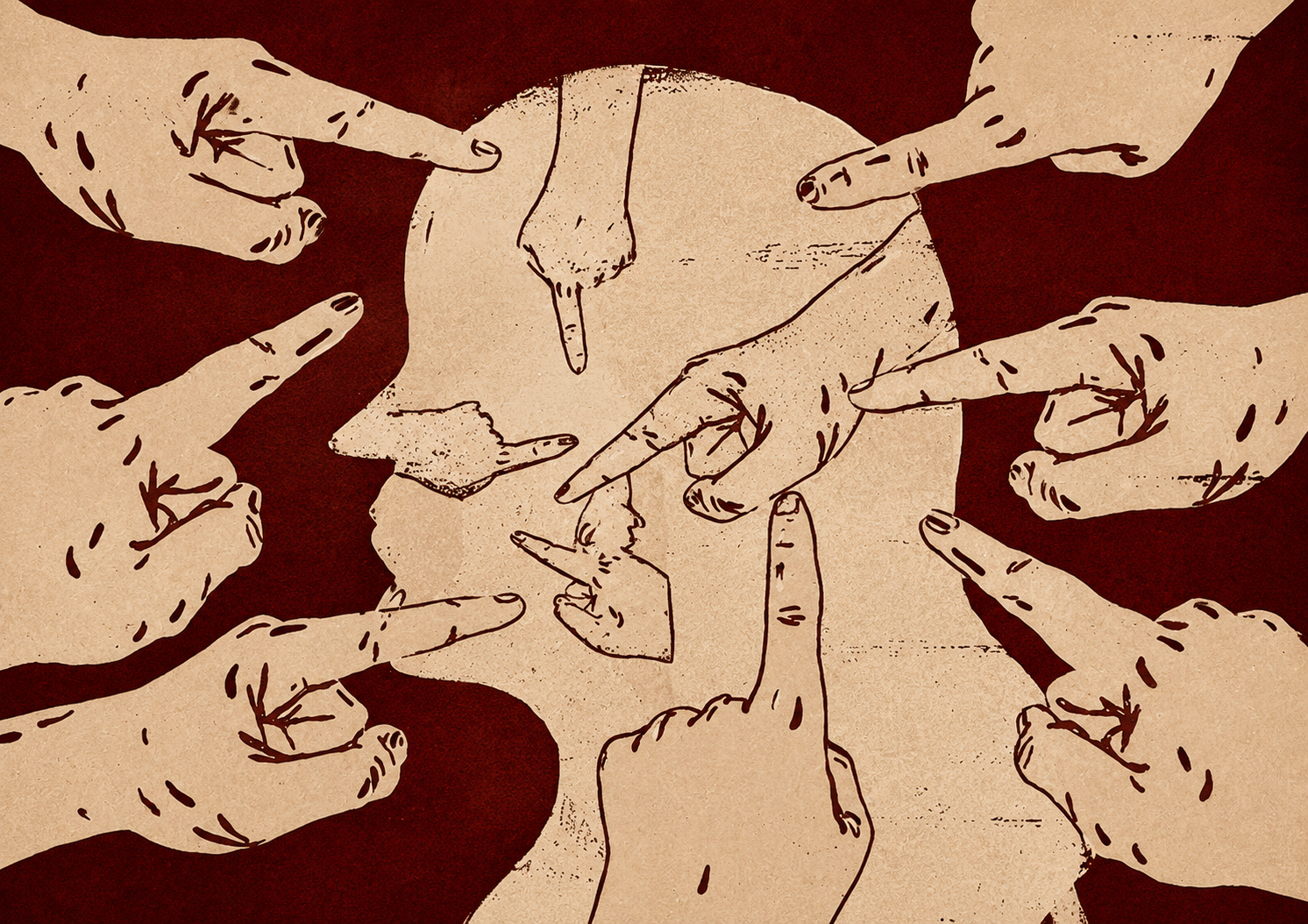
Buying something involves risk.
Customers may wonder:
- Is this product worth the money?
- What if I don’t like it?
- What if it doesn’t work for me?
- What if I waste my money?
A free offer can reduce that hesitation.
When there is no upfront cost, the customer has less to lose by trying something new.
This is why free trials and samples can be effective.
They allow customers to experience a product or service before making a financial commitment.
What businesses can learn
If customers are hesitant to try your business, think about how you can reduce the perceived risk.
This could include:
- Free trials
- Free demos
- Free samples
- Free consultations
- Money-back guarantees
The goal is to make the first step easier.
Less perceived risk can lead to more people taking action.
2. “Free” Makes the Offer Feel More Valuable
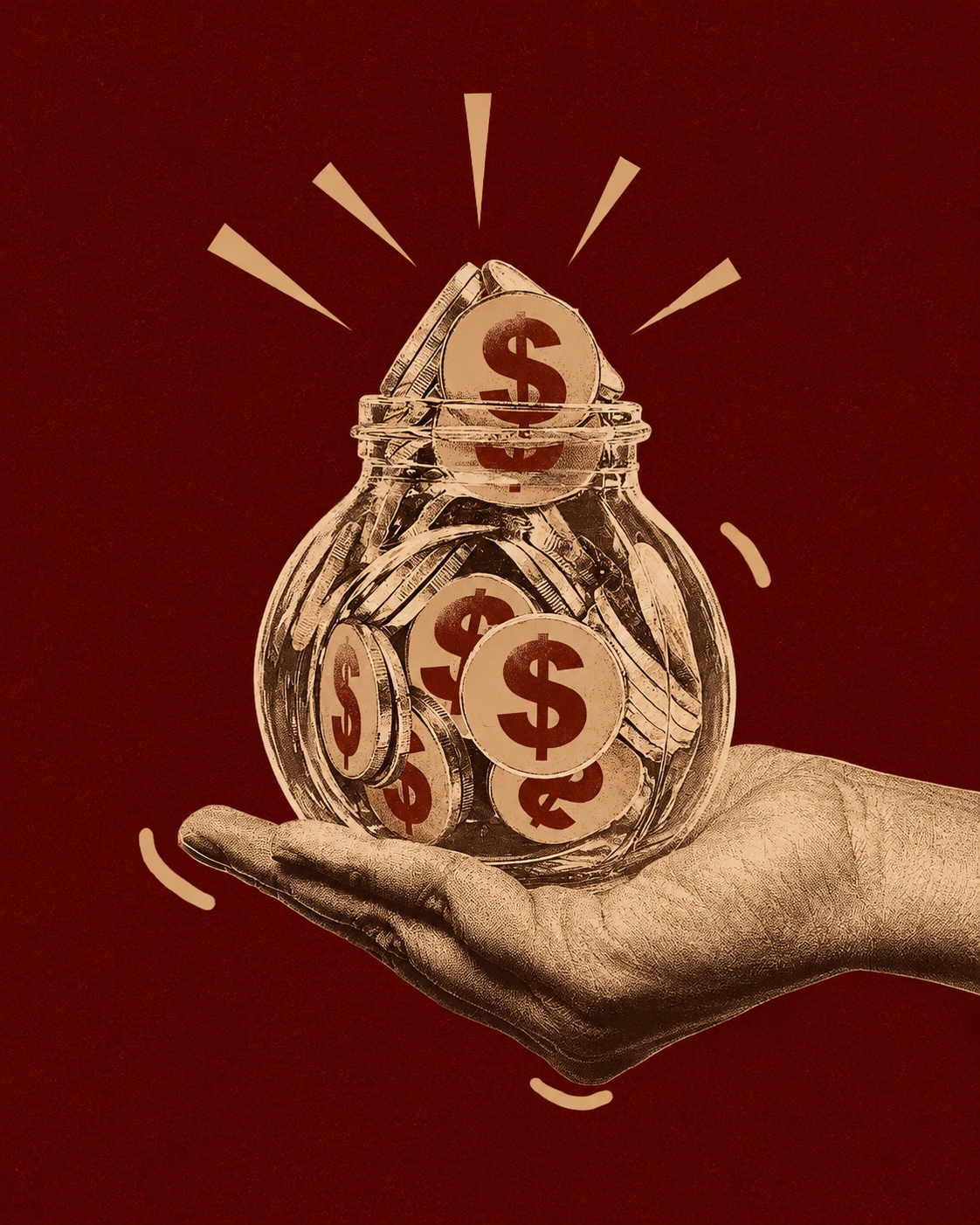
A free offer can create a strong contrast.
For example:
Get a marketing guide
versus
Get a free marketing guide worth ₹999
The second offer makes the perceived value clearer.
The customer is not simply receiving something.
They feel they are receiving something valuable without paying for it.
This is why many businesses use free resources as a way to attract potential customers.
Examples include:
- E-books
- Templates
- Checklists
- Tools
- Webinars
- Reports
- Free consultations
The lesson for businesses
Free does not mean worthless.
The best free offers provide genuine value.
If someone downloads your free resource and finds it useful, they may be more likely to trust your paid products or services later.
3. “Free” Encourages People to Take the First Step

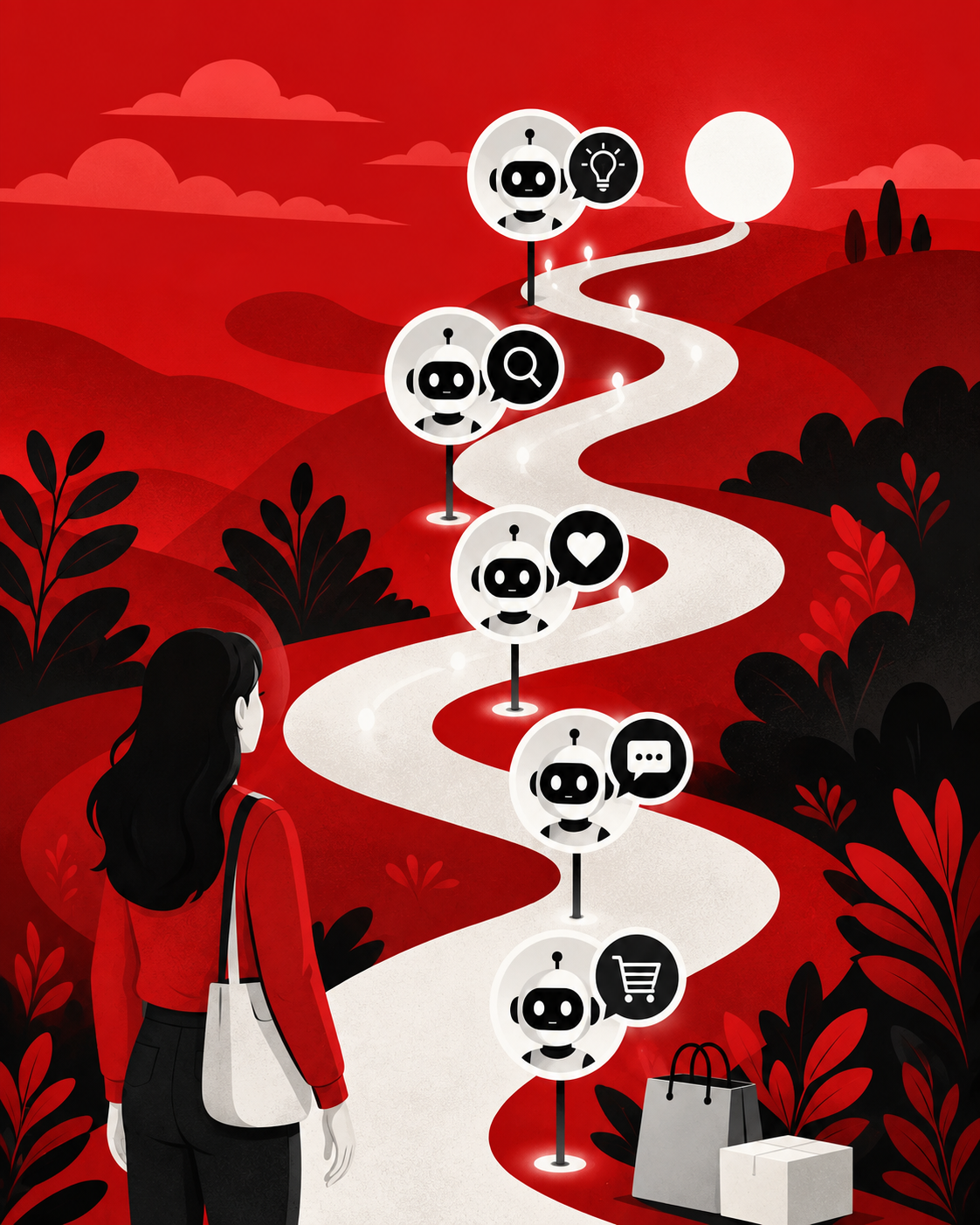
The hardest part of the customer journey is often getting someone to take action for the first time.
They may be interested, but not interested enough to spend money immediately.
A free offer can lower that barrier.
For example:
Free trial → Experience the product → Understand the value → Consider buying
This creates an easier path into the customer journey.
What businesses can learn
Instead of immediately asking every visitor to buy, consider offering a smaller first step.
Ask:
What valuable experience can we offer before asking for a financial commitment?
This could help turn curiosity into engagement.
4. “Free” Can Build Trust Before the Sale
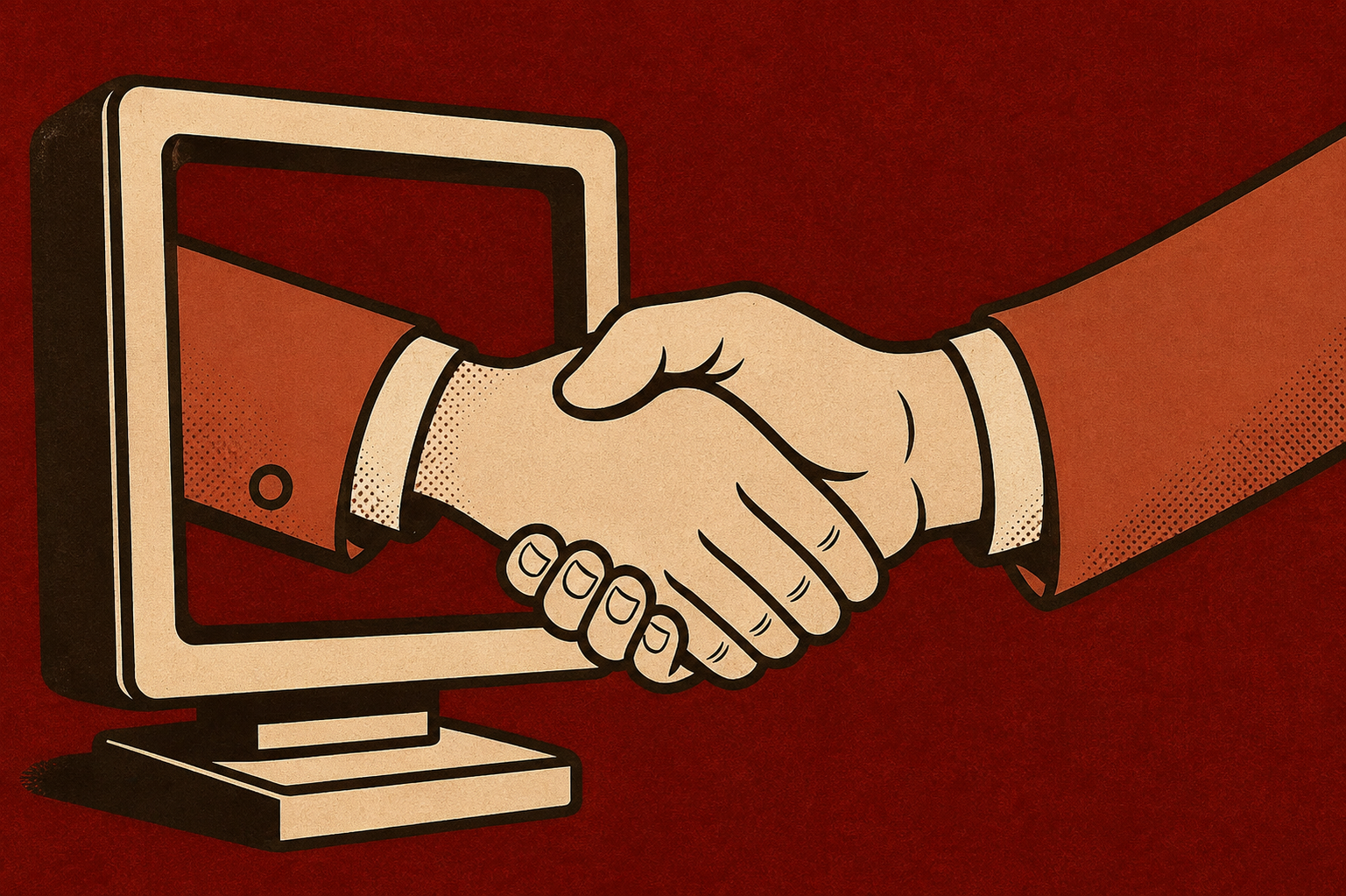
Customers are more likely to buy from businesses they trust.
Giving away something genuinely useful can demonstrate your expertise before asking for anything in return.
For service-based businesses, this could include:
- A free consultation
- A website audit
- A marketing checklist
- An industry guide
- A useful webinar
The free offer becomes an introduction to the value your business can provide.
The lesson
Don’t treat your free offer as just a lead collection tool.
Treat it as part of the customer experience.
If the free experience feels valuable, it can create a positive first impression.
Give people a reason to trust your expertise before asking them to become customers.
5. “Free” Can Create a Stronger Sense of Opportunity
The word “free” can make an offer feel like an opportunity that customers should not ignore.
Compare:
Try our software today.
with:
Try our software free for 30 days.
The second message gives people a clearer reason to take action.
However, the offer needs to be communicated honestly.
Customers quickly lose trust when “free” comes with unexpected conditions or hidden costs.
What businesses can learn
Be clear about what is actually free.
Explain:
- What the customer receives
- How long the offer lasts
- Whether payment details are required
- What happens after the free period
Transparency is essential.
A misleading free offer may generate clicks, but it can damage trust.
The Psychology Behind Free Offers
“Free” can influence decision-making because it removes or reduces one of the biggest barriers: cost.
When the price drops to zero, customers may evaluate the offer differently.
Instead of calculating whether the product is worth the price, they may focus on a simpler question:
“Why not try it?”
That shift can encourage action.
But there is an important condition.
The offer must still feel relevant.
Giving away something free that your audience doesn’t want will not automatically create results.
The best free offers combine:
High perceived value + Low risk + Clear relevance
Free vs Cheap: Why the Difference Matters
There is a major difference between being a free offer and being perceived as a cheap brand.
A strategic free offer can introduce customers to your business.
But constantly giving away discounts or free products can sometimes reduce the perceived value of what you sell.
For example:
A premium business may offer a valuable free consultation.
That can help customers understand the expertise behind the service.
But if the same business constantly gives away its core service, customers may begin to question why they should pay for it.
The key is balance
Use free offers to:
- Reduce risk
- Build trust
- Generate interest
- Introduce your value
- Encourage the first interaction
Then make sure your paid offering provides a clear reason to continue.
Common Mistakes Businesses Make With Free Marketing

Businesses can weaken their strategy when they:
- Offer something with little real value
- Attract people unrelated to their target audience
- Use misleading “free” claims
- Hide important conditions
- Give away too much without a clear strategy
- Fail to provide a next step
- Focus only on collecting leads instead of building trust
A successful free offer should benefit both sides.
The customer receives something valuable.
The business creates an opportunity to begin a relationship.
How Spectra Digital Helps Businesses Turn Attention Into Action
At Spectra Digital, we help businesses create digital marketing strategies designed to capture attention and turn interest into measurable action.
Our services include:
- Performance marketing
- Lead generation
- Social media marketing
- Content marketing
- Paid advertising
- Conversion optimisation
- Website design
- Search Engine Optimization (SEO)
- Marketing analytics
We help businesses develop stronger offers, clearer customer journeys, and marketing campaigns that attract the right audience while building long-term trust.
Final Thoughts
Why “Free” Is the Most Powerful Word in Marketing is not simply because people like saving money.
“Free” can reduce risk, increase perceived value, encourage action, and create an easier first step between a potential customer and a brand.
But the word only works when the offer behind it delivers genuine value.
The biggest lesson for businesses is simple:
Don’t use “free” just to attract attention. Use it to create a valuable first experience that gives people a reason to trust your brand.
A strong free offer can open the door.
A valuable product, service, and customer experience give people a reason to stay.