
In today’s fast-paced digital world, businesses constantly compete for attention. New brands emerge every day, customers have endless choices, and digital platforms are filled with advertisements, promotions, and content. In such a competitive environment, many business owners focus heavily on marketing while overlooking one of the most important aspects of long-term success branding. Although branding and marketing are closely connected, they are not the same. One defines your business, while the other promotes it. Together, they create a powerful combination that helps businesses attract customers, earn trust, and build lasting relationships. Think about some of the world’s most successful companies. Whether it’s Apple, Nike, or Starbucks, people don’t just buy their products they buy into their identity, values, and promise. Their marketing grabs attention, but their branding creates loyalty. At Spectra Digital, we believe that businesses grow faster and stronger when branding and marketing work together. In this blog, we’ll explore the key differences between branding and marketing, why each matters, and how combining both can help your business stand out in today’s competitive marketplace.
What Is Branding?
Branding is the identity of your business. It is the personality, image, and reputation that people associate with your company. Branding influences how customers feel when they hear your business name, visit your website, or interact with your products and services.
Many people think branding is only about designing a logo, but it’s much more than that. Your logo is just one visual element of your brand. True branding includes your mission, values, messaging, customer experience, visual identity, and the emotions your business creates.
Your brand answers questions like:
- Who are you?
- What do you stand for?
- Why should customers trust you?
- What makes your business different?
Every customer interaction contributes to your brand image, from your website and social media presence to customer support and product quality.
The Building Blocks of a Strong Brand
Brand Identity
Your brand identity includes visual elements such as your logo, colors, typography, imagery, and design style. These elements make your business recognizable and memorable.
Brand Purpose
A strong brand has a clear purpose beyond selling products or services. Customers appreciate businesses that communicate why they exist and the value they bring to society.
Brand Voice
Whether your communication is formal, friendly, professional, or playful, maintaining a consistent tone across all platforms helps strengthen your brand identity.
Brand Values
Your values influence how customers perceive your business. Companies that demonstrate honesty, innovation, sustainability, or customer-first thinking often build stronger emotional connections.
Customer Experience
Branding is reflected in every interaction customers have with your business. A smooth website experience, responsive customer service, and quality products all reinforce a positive brand image.
Why Branding Matters
Builds Trust
Trust is one of the biggest factors influencing purchasing decisions. Customers are more likely to buy from businesses they recognize and trust. Consistent branding helps create confidence and credibility.
Creates Recognition
Strong branding makes your business easy to remember. Consistent logos, colors, messaging, and customer experiences ensure customers recognize your brand across different platforms.
Encourages Customer Loyalty
When customers connect emotionally with a brand, they are more likely to make repeat purchases and recommend it to others.
Differentiates Your Business
No matter your industry, competition is inevitable. Branding highlights what makes your business unique and gives customers a reason to choose you over others.
Adds Business Value
A recognizable brand increases perceived value, making it easier to attract customers, partners, and even investors.
What Is Marketing?
Marketing is the process of promoting your products or services to potential customers. It involves the strategies, campaigns, and channels used to increase awareness, generate leads, and drive sales.
While branding defines who you are, marketing communicates your value to your audience.
Marketing answers questions like:
- How will people discover your business?
- How will you attract customers?
- Which channels should you use?
- How can you increase sales?
Marketing is dynamic and constantly evolves with customer behavior, technology, and market trends.
Types of Digital Marketing
Modern businesses use multiple marketing channels to reach customers.
Search Engine Optimization (SEO)
SEO helps your website rank higher on search engines, increasing organic traffic and improving online visibility.

Content Marketing
Publishing blogs, videos, case studies, and educational resources builds authority while attracting qualified visitors.

Social Media Marketing
Platforms like Instagram, LinkedIn, Facebook, and X help businesses engage audiences, increase brand awareness, and build communities.

Email Marketing
Email campaigns nurture leads, strengthen customer relationships, and encourage repeat purchases.

Google Ads & PPC
Paid advertising provides immediate visibility by targeting users searching for specific products or services.

Influencer Marketing
Partnering with creators allows businesses to reach highly engaged audiences through authentic recommendations.

Why Marketing Is Important
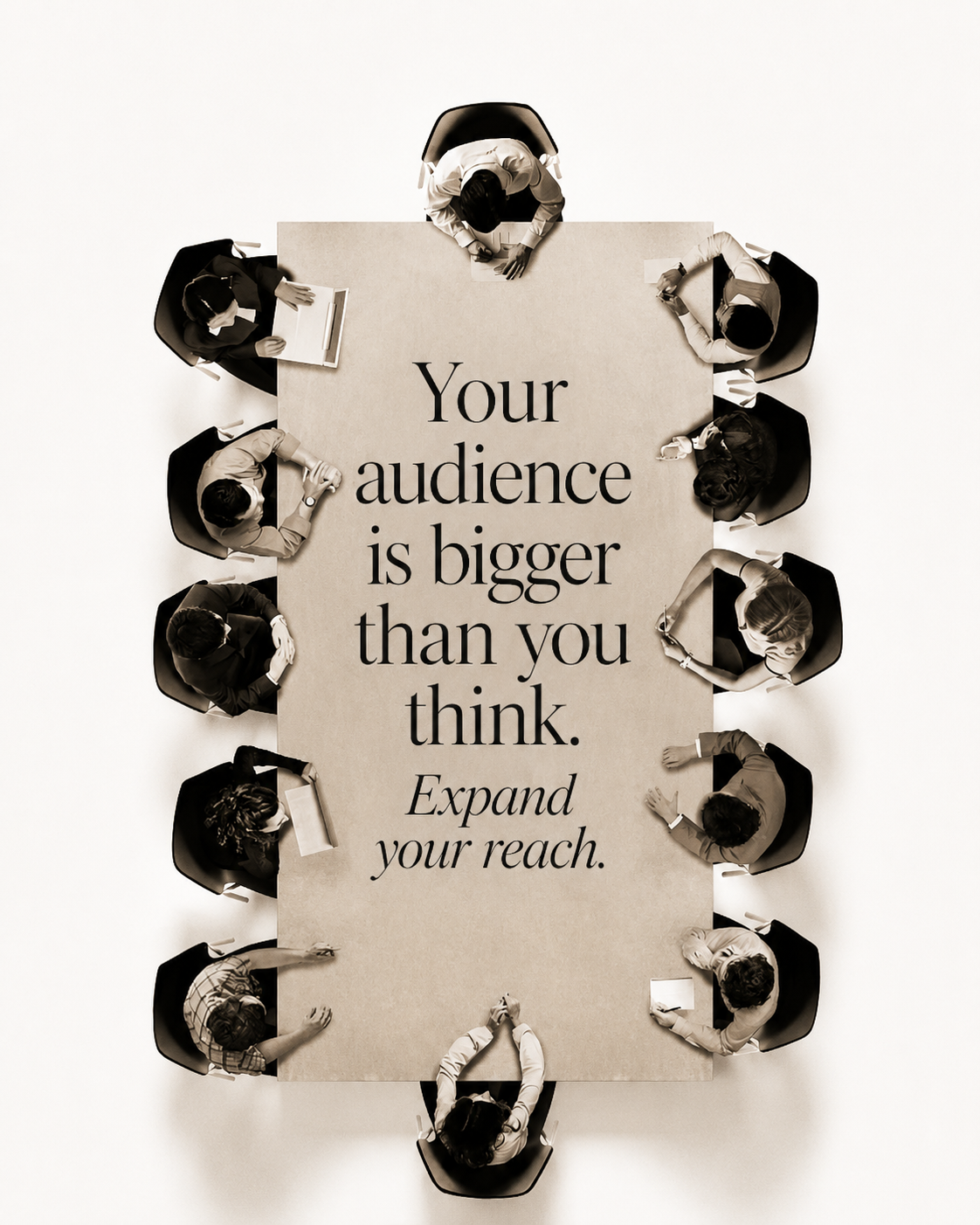
Expands Your Reach
Marketing introduces your business to potential customers who may never have discovered it otherwise.
Generates Leads
A well-planned marketing strategy attracts people interested in your products or services, increasing the chances of conversions.

Drives Revenue
Marketing campaigns encourage customers to take action, whether it’s making a purchase, requesting a quote, or booking a consultation.

Delivers Measurable Results
Unlike traditional marketing, digital marketing provides valuable insights into website traffic, campaign performance, customer behavior, and return on investment.

Branding vs. Marketing: The Key Differences
| Branding | Marketing |
|---|---|
| Defines your business identity | Promotes your products and services |
| Builds trust and credibility | Generates awareness and leads |
| Focuses on long-term perception | Focuses on campaigns and growth |
| Creates emotional connections | Encourages customer action |
| Shapes customer experience | Drives traffic and conversions |
| Creates loyalty | Creates opportunities |
How Branding and Marketing Work Together
Branding and marketing are not competing strategies—they complement each other.
Imagine spending thousands on advertising without a clear brand identity. People may click on your advertisements, but if your messaging, visuals, and customer experience are inconsistent, they’ll quickly lose interest.
Now imagine having an incredible brand with a beautiful website, professional logo, and compelling story but never investing in marketing. Your business may have everything customers want, but they may never discover it.
When branding and marketing work together:
- Marketing campaigns become more memorable.
- Customers recognize your business instantly.
- Trust increases before customers make a purchase.
- Advertising performs better.
- Customer loyalty improves.
- Word-of-mouth referrals increase.
The strongest businesses understand that branding builds the foundation while marketing builds momentum.
Common Mistakes Businesses Make
Treating Branding as Just a Logo
A logo is important, but branding is much broader. Your messaging, customer service, values, and experience are equally important.
Marketing Without a Strategy
Running advertisements without understanding your audience often leads to wasted budgets and poor results.
Inconsistent Messaging
Different colors, fonts, logos, or communication styles across platforms create confusion and weaken brand recognition.
Ignoring Content Marketing
Educational content builds trust, improves SEO, and positions your business as an industry expert.
Neglecting Customer Experience
Marketing attracts customers, but customer experience determines whether they stay.
How to Build a Successful Branding and Marketing Strategy
Know Your Audience
Understand your customers’ needs, interests, and challenges before creating your brand and marketing campaigns.
Create a Strong Brand Identity
Develop consistent visuals, messaging, and values that reflect your business.
Invest in SEO
Publishing optimized content helps customers discover your business through search engines.
Be Consistent
Maintain the same tone, visual style, and messaging across your website, social media, advertisements, and email campaigns.
Measure Performance
Regularly analyze website traffic, conversion rates, engagement, and campaign performance to improve your strategy.
How Spectra Digital Helps Businesses Build Strong Brands
At Spectra Digital, we believe successful businesses need both compelling branding and effective marketing. Our team works closely with businesses to create strategies that strengthen brand identity while delivering measurable marketing results.
Our services include:
- Brand Strategy & Positioning
- Logo & Visual Identity Design
- Website Design & Development
- Search Engine Optimization (SEO)
- Social Media Marketing
- Content Marketing
- Google Ads & PPC Campaign Management
- Performance Marketing
- Digital Marketing Consulting
Whether you’re launching a startup or growing an established business, our integrated approach ensures every marketing effort reinforces your brand and contributes to sustainable growth.
Final Thoughts
Branding and marketing are often described as two sides of the same coin—and for good reason. Branding defines who your business is, what it stands for, and how customers remember it. Marketing ensures that identity reaches the right audience through strategic communication and promotion.
Businesses that focus only on marketing may generate short-term attention but struggle to build loyalty. Businesses that focus only on branding may have a strong identity but miss opportunities to reach new customers.
The real success lies in balancing both. A strong brand gives your marketing purpose, while effective marketing gives your brand visibility. Together, they help businesses build trust, attract quality leads, strengthen customer relationships, and achieve sustainable growth.
As the digital landscape continues to evolve, investing in both branding and marketing is no longer optional—it’s essential. Businesses that combine a clear brand identity with data-driven marketing strategies are better positioned to stand out, adapt to change, and create lasting success.
At Spectra Digital, we’re passionate about helping businesses create brands that people remember and marketing strategies that deliver measurable results. Whether you’re building your identity from the ground up or looking to elevate your digital presence, our team is here to help you grow with confidence.
Conclusion
Branding tells customers who you are, while marketing tells them why they should choose you. Individually, each plays an important role, but together they create a powerful strategy for long-term business success. By investing in a strong brand and supporting it with smart, consistent marketing, businesses can build trust, increase visibility, improve customer loyalty, and drive sustainable growth. In an increasingly competitive digital world, the businesses that succeed are those that don’t just sell productsthey build brands that people believe in.