ChatGPT Image Aug 29, 2026, 04 29 18 PM

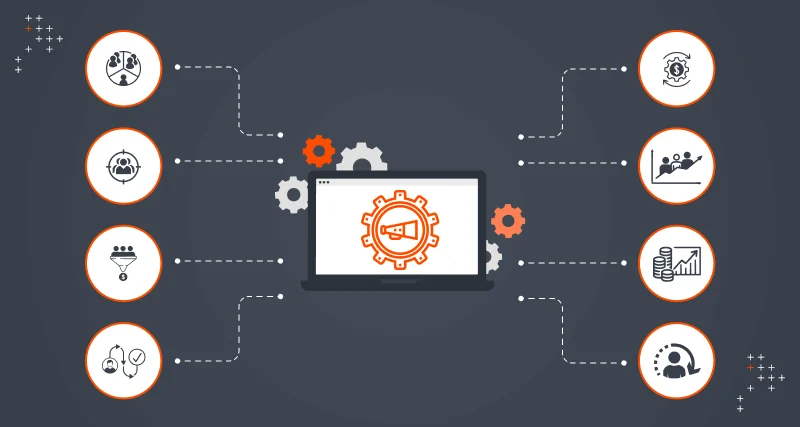
How to Generate High-Quality Leads Online: Proven Strategies to Grow Your Business

Introduction

Every business wants more leads, but not all leads are created equal. While generating a large number of inquiries may seem impressive, the real goal is to attract high-quality leads people who are genuinely interested in your products or services and are more likely to become paying customers.

In today’s competitive digital landscape, businesses need more than just a website and social media profiles. They need a strategic lead generation plan that attracts the right audience, builds trust, and converts visitors into loyal customers.

Whether you’re a startup, a local business, or an established enterprise, generating high-quality leads online requires the right combination of search engine optimization (SEO), content marketing, paid advertising, social media, email marketing, and website optimization.

At Spectra Digital, we help businesses implement data-driven lead generation strategies that deliver measurable results. In this guide, we’ll explore the most effective ways to generate high-quality leads online and build a sustainable sales pipeline.
ChatGPT Image Aug 29, 2026, 04 29 18 PM

What Are High-Quality Leads?

A high-quality lead is someone who has a genuine interest in your business, matches your ideal customer profile, and is more likely to convert into a customer.

Unlike random inquiries, qualified leads typically:

  • Need your product or service.
  • Have the budget to make a purchase.
  • Show genuine interest in your offerings.
  • Engage with your content.
  • Are ready to make a buying decision or are moving toward one.

Focusing on quality instead of quantity helps businesses improve conversion rates and maximize marketing ROI.

1. Optimize Your Website for Conversions

Your website is often the first impression potential customers have of your business. Even if you attract thousands of visitors, a poorly optimized website can result in lost opportunities.

A high-converting website should include:

  • Fast loading speeds
  • Mobile-friendly design
  • Clear navigation
  • Strong call-to-action (CTA) buttons
  • Contact forms that are easy to complete
  • Trust signals such as testimonials and certifications
  • Clear product or service information

Every page should guide visitors toward taking a specific action, whether it’s filling out a form, requesting a quote, or scheduling a consultation.
2. Invest in Search Engine Optimization (SEO)

SEO is one of the most effective long-term strategies for generating high-quality leads. By ranking higher on search engines like Google, your business attracts users who are actively searching for the products or services you offer.

A successful SEO strategy includes:

  • Keyword research
  • On-page optimization
  • Technical SEO
  • Local SEO
  • Content optimization
  • Link building
  • Website performance improvements

Unlike paid advertising, SEO continues to generate organic traffic over time, making it a cost-effective investment.
3. Create Valuable Content

Content marketing builds trust, establishes authority, and attracts potential customers throughout their buying journey.

Publishing high-quality content helps answer customer questions, solve problems, and position your business as an industry expert.

Some effective content formats include:

  • Blog articles
  • Case studies
  • E-books
  • How-to guides
  • Videos
  • Infographics
  • Industry reports
  • FAQs

Well-optimized content also improves your search engine rankings and drives consistent organic traffic.

4. Use Social Media to Build Relationships

Social media isn’t just for increasing followers it’s a powerful platform for building relationships with potential customers.

Consistently sharing valuable content, engaging with your audience, and participating in conversations helps increase brand awareness and trust.

Businesses should focus on platforms where their target audience is most active, such as:

  • Instagram
  • Facebook
  • LinkedIn
  • X (formerly Twitter)
  • YouTube

Social media also provides opportunities to generate leads through direct messages, lead forms, and targeted advertising.

ChatGPT Image Aug 29, 2026, 04 47 55 PM

5. Run Targeted Pay-Per-Click (PPC) Campaigns

Paid advertising allows businesses to reach highly targeted audiences quickly.

Platforms like Google Ads and Meta Ads enable advertisers to target users based on keywords, demographics, interests, and online behavior.

A successful PPC campaign includes:

  • Relevant keywords
  • Compelling ad copy
  • Optimized landing pages
  • Strong CTAs
  • Continuous performance monitoring

When managed effectively, PPC can generate high-quality leads with measurable ROI.

6. Build High-Converting Landing Pages

Landing pages are designed with a single goal: converting visitors into leads.

Unlike regular website pages, landing pages eliminate distractions and focus on one specific offer, such as:

  • Free consultations
  • E-books
  • Product demos
  • Webinars
  • Free trials
  • Quote requests

A well-designed landing page includes a clear headline, persuasive copy, trust signals, and a simple lead capture form.

Email Marketing

Email marketing remains one of the highest-performing digital marketing channels for lead nurturing.e

Once visitors subscribe or download a resource, businesses can stay connected through personalized email campaigns.

Effective email marketing includes:

  • Welcome emails
  • Educational newsletters
  • Product updates
  • Promotional offers
  • Customer success stories
  • Personalized recommendations

Automation tools help deliver the right message at the right time, improving engagement and conversions.

Why Quality Leads Matter More Than Quantity

Many businesses focus solely on increasing website traffic or generating as many inquiries as possible. However, attracting unqualified leads often wastes time and marketing budget.

High-quality leads offer several advantages:

  • Higher conversion rates
  • Better customer retention
  • Increased revenue
  • Lower customer acquisition costs
  • Improved return on investment
  • Stronger customer relationships

A smaller number of qualified leads often delivers better business results than a large number of unqualified inquiries.

Common Lead Generation Mistakes to Avoid

Businesses often struggle with lead generation because they make avoidable mistakes, including:

  • Targeting the wrong audience
  • Ignoring SEO
  • Creating weak calls-to-action
  • Using slow-loading websites
  • Neglecting follow-up emails
  • Publishing low-value content
  • Failing to analyze campaign performance

Regular optimization and data-driven decision-making help overcome these challenges.

How Spectra Digital Helps Businesses Generate High-Quality Leads

At Spectra Digital, we develop customized lead generation strategies tailored to your business goals and target audience.

Our services include:

  • Search Engine Optimization (SEO)
  • Google Ads Management
  • Meta Ads Campaigns
  • Landing Page Optimization
  • Website Development
  • Content Marketing
  • Social Media Marketing
  • Email Marketing
  • Conversion Rate Optimization (CRO)
  • Marketing Analytics & Reporting

Our approach combines creativity, technology, and performance marketing to attract qualified leads and convert them into loyal customers.

Conclusion

Generating high-quality leads online isn’t about attracting everyone it’s about reaching the right audience with the right message at the right time.

By combining SEO, content marketing, social media, paid advertising, email campaigns, and optimized landing pages, businesses can build a sustainable lead generation strategy that drives long-term growth.

Success requires consistency, continuous optimization, and a deep understanding of your customers’ needs.

At Spectra Digital, we’re committed to helping businesses generate qualified leads that translate into real business opportunities. Whether you’re looking to improve your website, launch targeted campaigns, or strengthen your digital marketing strategy, our team is here to help you achieve measurable results.

Research and Insights

AI vs Human Creativity: Finding the Right Balance in Marketing

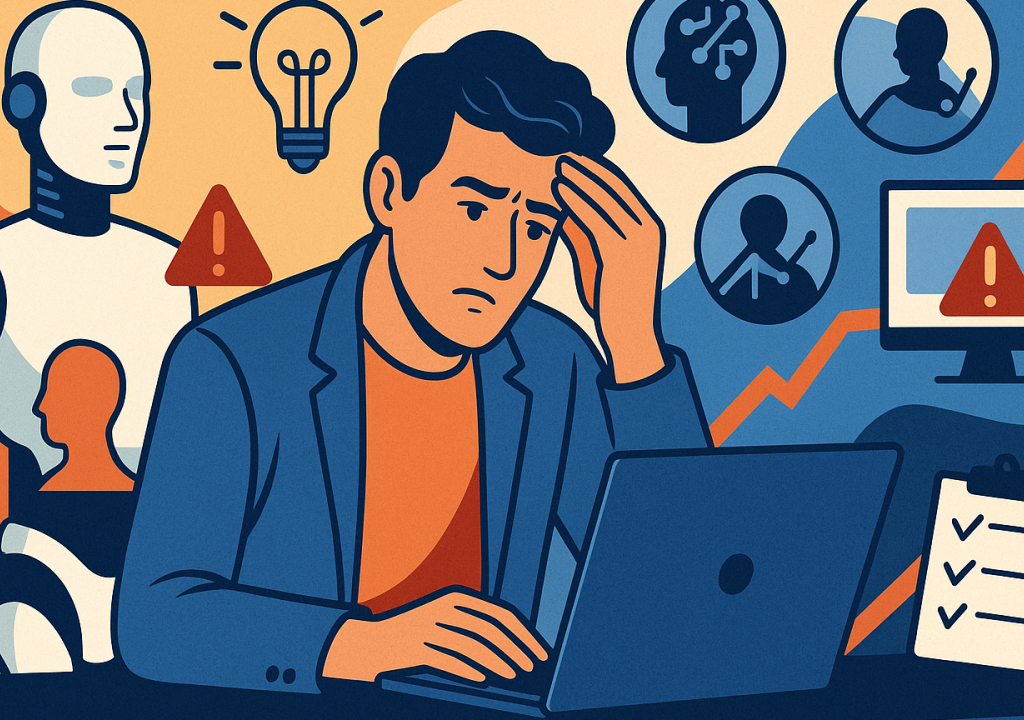
Marketing has always been about understanding people. From a memorable television commercial to a social media campaign that suddenly becomes part of popular culture, the most successful marketing often comes from an idea that makes people feel something.Today, however, marketers have a powerful new tool: Artificial Intelligence (AI).AI can generate content, analyze customer behavior, identify trends, create visuals, assist with keyword research, and automate repetitive marketing tasks. It has made marketing faster and, in many cases, more efficient.But this raises an important question: Can AI replace human creativity in marketing?

The answer is no not completely.

AI can help marketers work faster and make better use of data, but human creativity brings emotion, context, originality, experience, and strategic thinking. The real opportunity for businesses is not choosing between AI and people. It is learning how to use both effectively.

What Is AI in Marketing?

AI in marketing refers to the use of artificial intelligence technologies to support different marketing activities. Businesses can use AI to understand customer behavior, automate tasks, analyze large amounts of data, and assist with content creation.

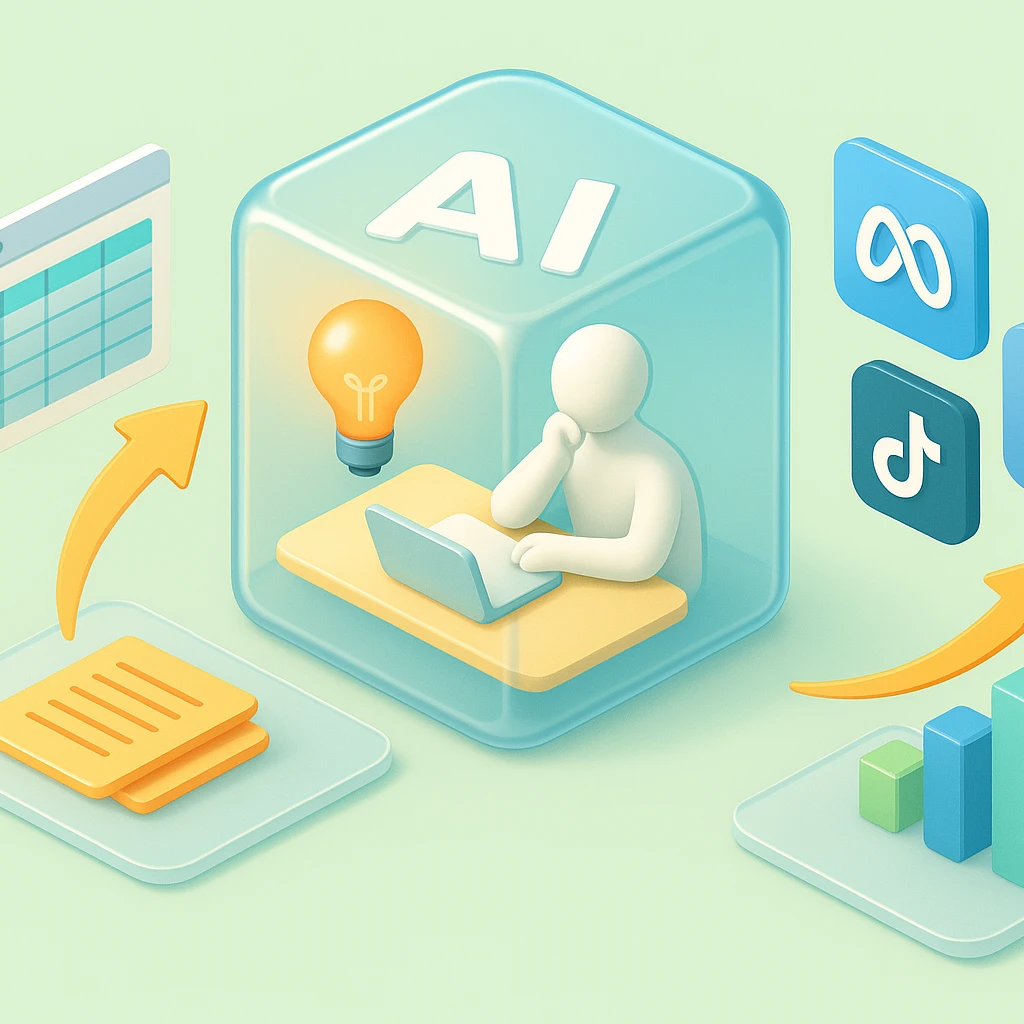
For example, an AI-powered marketing workflow can help a business identify popular search terms, analyze customer preferences, generate content ideas, segment audiences, and evaluate campaign performance.

This doesn’t mean that AI independently creates a complete marketing strategy. Instead, it acts as a tool that can help marketing teams make their processes more efficient.

Why Has AI Become Important in Digital Marketing?

The amount of information available to marketers has grown enormously. Businesses now have access to website analytics, social media data, customer interactions, search behavior, advertising data, and more.

Manually analyzing all this information can take considerable time.

AI can process large datasets quickly and identify patterns that may otherwise be difficult to spot. This makes it particularly useful for research, personalization, automation, and campaign optimization.

For example, an e-commerce business could use AI to identify which products customers are viewing most frequently and use those insights to create more relevant recommendations.

The advantage isn’t simply speed. It is the ability to turn large amounts of information into useful insights.

What Human Creativity Brings to Marketing

While AI is excellent at processing information, marketing requires more than information.

A successful campaign needs an understanding of people.

Human marketers bring experiences, emotions, intuition, cultural awareness, and imagination to the creative process. They understand that the same message can have completely different meanings depending on the audience, situation, and cultural context.

Consider a campaign built around nostalgia.

An AI tool can identify words and themes associated with nostalgia and generate several possible messages. But a human creative team can draw from real cultural experiences, memories, music, conversations, and social trends to create a campaign that feels authentic.

That emotional connection is difficult to replicate through automation alone.

AI vs Human Creativity: Understanding the Difference

The biggest difference between AI and human creativity is how each approaches a problem.

AI works by analyzing patterns and information. It can identify what has worked before and generate possibilities based on those patterns.

Humans can go beyond existing patterns.

They can question assumptions, experiment with unusual ideas, understand emotions, and create connections between seemingly unrelated concepts.

This is particularly important in advertising and branding, where being different can be more valuable than simply being efficient.

AI can suggest ten headlines in seconds. A human marketer decides which one actually sounds like the brand.

AI can generate multiple social media captions. A human understands which caption will resonate with the audience.

AI can analyze campaign performance. A human decides what the results mean for the brand’s next move.

Where AI Can Make Marketers Better

The goal of using AI should not be to remove creativity from marketing. It should be to give creative teams more time and better information.

Research and Insights

AI can help marketers analyze search trends, customer feedback, competitor activity, and audience behavior.

This gives creative teams a stronger foundation before developing campaigns.

Research and Insights

Content Assistance

AI can help with first drafts, content outlines, headlines, social media ideas, email variations, and other repetitive writing tasks.

Instead of spending hours creating a starting point, marketers can use AI to speed up the initial stage and then add their own expertise.

Content Assistance

Personalization

Different customers have different interests and behaviors.

AI can help businesses segment audiences and create more personalized experiences, from email recommendations to advertising campaigns.

Personalization

Where Human Creativity Remains Essential

AI is powerful, but there are areas where human involvement remains critical.

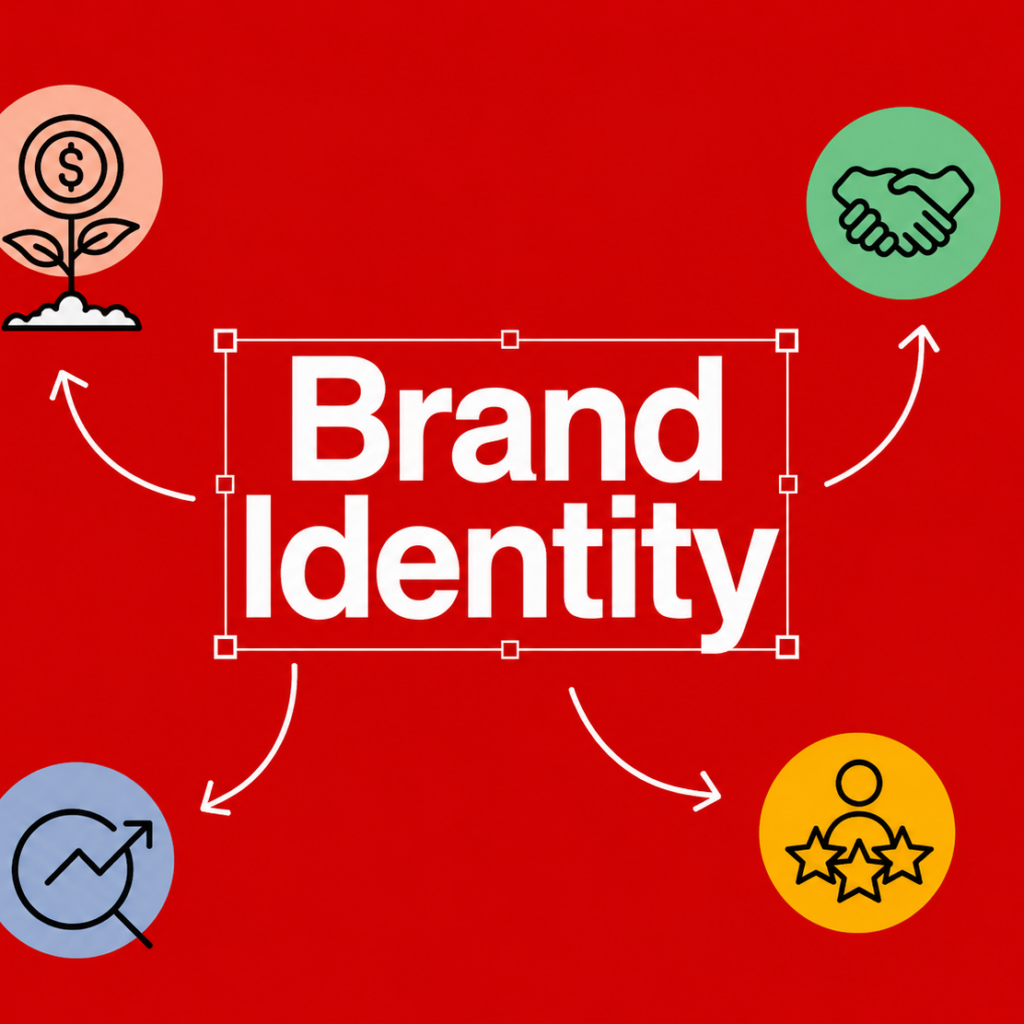
Brand Identity

A brand is more than a collection of words, images, and colors. It represents a personality and a point of view.

Humans need to define what the brand stands for and how it should communicate.

Brand Identity

Emotional Storytelling

People remember stories because stories create emotional connections.

A human creative team can transform an ordinary product into a story that represents a feeling, aspiration, or experience.

Emotional Storytelling

Strategic Thinking

Marketing isn’t simply about producing more content.

A business needs to decide what it wants to achieve, who it wants to reach, why the audience should care, and how success will be measured.

These decisions require business understanding and strategic thinking.

Strategic Thinking

The Risks of Relying Too Much on AI

AI can save time, but using it without human supervision can create new problems.

One of the biggest risks is generic content.

If every brand uses similar AI tools to create similar posts, headlines, and campaigns, the internet can quickly become filled with content that feels repetitive.

Another concern is accuracy. AI-generated information can sometimes be incorrect, incomplete, or outdated. Publishing it without verification can damage a brand’s credibility.

There is also the risk of losing a brand’s personality. If every piece of content is generated and published without human editing, the brand can start sounding robotic.

For this reason, AI-generated output should be treated as a starting point not always the finished product.

The Best Approach: AI + Human Creativity

Instead of asking whether AI or humans are better at marketing, businesses should ask:

What should AI do, and what should humans do?

A practical marketing workflow could look like this:

Human: Defines the business objective and audience.

AI: Helps with research and identifies useful data.

Human: Develops the campaign concept and creative direction.

AI: Assists with content variations and repetitive execution.

Human: Reviews the content for accuracy, tone, originality, and brand consistency.

AI: Helps analyze campaign performance.

Human: Uses those insights to make strategic decisions.

This approach allows businesses to benefit from AI without losing the human element that makes marketing effective.

A Simple Example

Imagine a clothing brand launching a new collection.

AI could help the marketing team analyze which products are receiving the most attention, identify relevant search trends, suggest audience segments, and generate multiple caption ideas.

But the human team might decide to build the campaign around the idea of confidence and self-expression.

They develop the visual concept, storytelling, tone, photography direction, and overall campaign identity.

AI supports the process, but the central idea comes from human understanding.

This combination can produce marketing that is both efficient and emotionally engaging.

How AI Is Changing the Role of Marketers

AI isn’t necessarily eliminating marketing jobs. Instead, it is changing the skills marketers need.

As repetitive tasks become easier to automate, marketers can spend more time developing skills such as:

  • Creative thinking
  • Strategic planning
  • Storytelling
  • Audience psychology
  • Brand building
  • Data interpretation
  • Campaign development
  • Critical thinking

The marketer of the future may not be the person who avoids AI. It may be the person who knows how to use AI while still thinking independently.

Why Businesses Need a Balanced Marketing Strategy

Businesses shouldn’t adopt AI simply because it is a trend.

The technology should solve a specific problem.

If AI helps a team analyze data faster, it should be used for analysis. If it helps generate content ideas, it can support brainstorming. If automation saves time on repetitive tasks, businesses should take advantage of it.

But important creative and strategic decisions should continue to involve people.

The strongest marketing strategies will combine technology, data, creativity, and human understanding.

How Spectra Digital Can Help

At Spectra Digital, we believe technology works best when it supports strong creative thinking.

AI can make marketing processes faster, but effective marketing still starts with understanding the business, audience, and objective.

Our approach combines strategy, creativity, data, and technology across areas such as:

  • SEO
  • Social media marketing
  • Content marketing
  • Performance marketing
  • Paid advertising
  • Website development
  • Branding
  • Analytics

By combining human expertise with modern digital tools, businesses can create marketing campaigns that are not only efficient but also meaningful and results-driven.

Conclusion

The future of marketing isn’t about AI replacing humans. It is about humans learning to use AI effectively.

AI can analyze data, automate repetitive work, generate ideas, and improve efficiency. Human creativity provides emotion, originality, context, strategy, and meaning.

When these strengths are combined, businesses can create marketing that is faster without becoming impersonal and data-driven without losing creativity.

The brands that succeed in the coming years will not necessarily be those that use the most AI. They will be the ones that understand where AI adds value and where human creativity matters most.

AI can accelerate the process. Human creativity gives marketing its purpose.

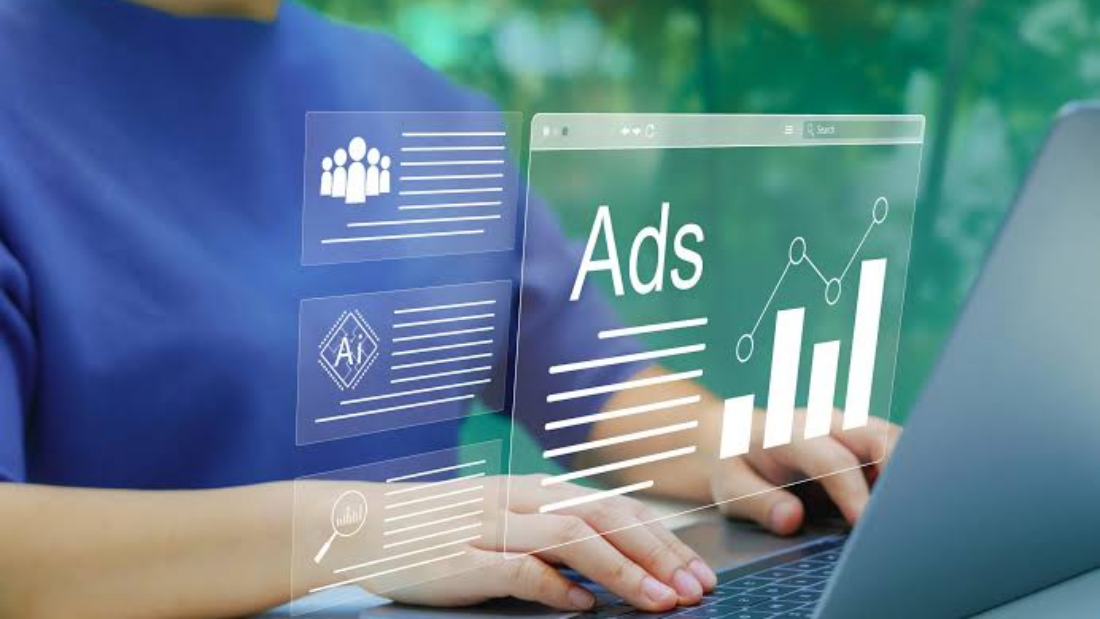
AI-powered advertising trends showing how Google and Meta are transforming paid ads in 2026 by Spectra Digital

The Rise of AI-Powered Advertising: How Google and Meta Are Transforming Paid Ads in 2026

Digital advertising is undergoing one of its biggest transformations in recent years. Artificial intelligence is no longer just a supporting technology—it is becoming the foundation of modern paid advertising strategies.

The rise of AI-powered advertising is changing how businesses create campaigns, target audiences, optimize budgets, and measure performance.

Platforms like Google and Meta are increasingly relying on AI-driven systems to automate decision-making and improve campaign efficiency. For businesses, understanding these changes is essential to staying competitive and maximizing return on investment (ROI).

In this blog, Spectra Digital explores how AI-powered advertising is reshaping paid media and what businesses need to know in 2026.

What Is AI-Powered Advertising?

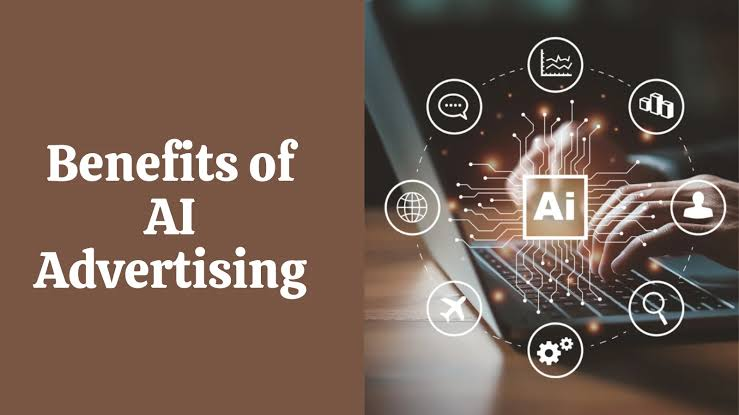
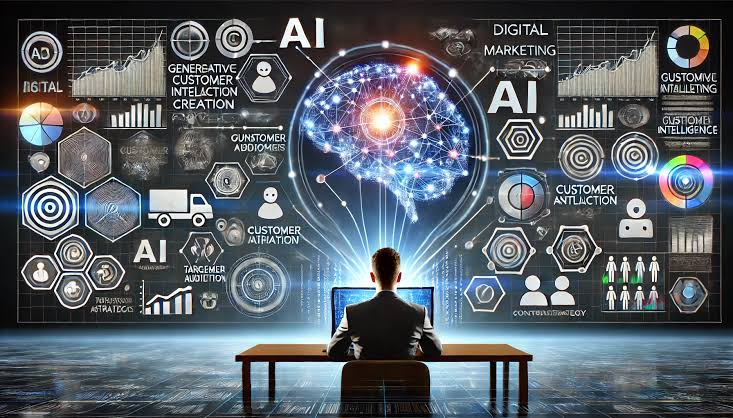
AI-powered advertising trends showing how Google and Meta are transforming paid ads

AI-powered advertising refers to the use of artificial intelligence and machine learning technologies to automate and optimize advertising campaigns.

AI can analyze massive amounts of data and make real-time decisions that help businesses:

  • Identify the right audiences
  • Optimize ad placements
  • Improve bidding strategies
  • Personalize ad experiences
  • Increase conversions

Instead of relying solely on manual optimization, marketers can now use AI to improve efficiency and campaign performance.

Why AI Is Transforming Paid Advertising

image

Consumer behavior has become increasingly complex.

Customers interact with brands across multiple platforms, devices, and touchpoints before making purchasing decisions.

AI helps businesses manage this complexity by:

  • Processing large datasets instantly
  • Identifying patterns and trends
  • Predicting customer behavior
  • Automating campaign optimization

As digital advertising becomes more competitive, AI provides businesses with a significant advantage.

How Google Is Changing Paid Advertising with AI

image

Google has rapidly integrated artificial intelligence across its advertising ecosystem.

1. Performance Max Campaigns

image

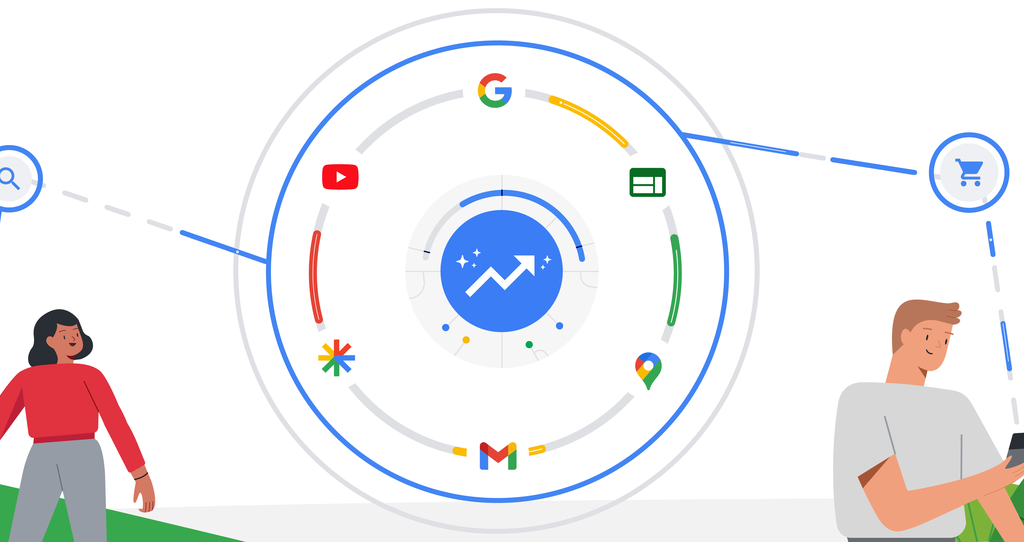
Google’s Performance Max campaigns use AI to automate campaign management across multiple channels, including:

  • Google Search
  • YouTube
  • Gmail
  • Display Network
  • Discover

AI automatically determines where ads should appear to maximize performance.

This allows businesses to reach customers more efficiently across Google’s ecosystem.

2. Smart Bidding Strategies

image

Google’s AI-powered bidding systems can optimize campaigns in real time.

AI considers signals such as:

  • Device type
  • User behavior
  • Location
  • Search intent
  • Time of day

This helps advertisers improve conversions while maximizing budget efficiency.

3. Predictive Audience Targeting

image

Google increasingly uses AI to predict which users are most likely to convert.

Predictive targeting helps businesses:

  • Reduce wasted ad spend
  • Improve lead quality
  • Increase conversion rates

Audience targeting is becoming more intelligent and data-driven.

How Meta Is Transforming Paid Ads with AI

image

Meta is also heavily investing in artificial intelligence to improve advertising performance.

1. Advantage+ Campaigns

image

Meta’s Advantage+ campaigns use AI to automate various aspects of advertising, including:

  • Audience selection
  • Budget allocation
  • Creative optimization
  • Ad placements

Businesses can achieve better results while reducing manual campaign management.

2. AI-Driven Creative Optimization

image

Meta’s AI systems can automatically test and optimize creative elements such as:

  • Headlines
  • Images
  • Ad formats
  • Calls-to-action

This enables businesses to identify high-performing combinations more quickly.

3. Improved Audience Expansion

image

AI helps Meta discover new potential customers beyond manually selected targeting criteria.

This expands campaign reach and increases opportunities for conversions.

Benefits of AI-Powered Advertising

image

Better Campaign Performance

AI continuously analyzes data and adjusts campaigns to improve results.
Increased Efficiency

Automation reduces the need for constant manual optimization.

Smarter Budget Allocation

AI identifies the highest-performing opportunities and allocates budgets accordingly.

Improved Personalization

AI enables businesses to deliver more relevant and personalized advertising experiences.

Faster Decision-Making

Real-time optimization helps marketers respond quickly to changing conditions.

Challenges of AI-Powered Advertising

image

Although AI offers numerous benefits, businesses should also understand its limitations.

Reduced Manual Control

Automation can sometimes make campaigns feel less transparent.

Data Dependency

AI performs best when sufficient data is available.

Creative Quality Still Matters

AI can optimize campaigns, but compelling messaging and creative strategy remain essential.

Privacy Considerations

As privacy regulations evolve, businesses must ensure responsible data usage.

How Businesses Should Adapt

To succeed in the age of AI-powered advertising, businesses should:

Focus on High-Quality Creative

AI can optimize delivery, but engaging content still drives results.
Provide Strong Conversion Data

Accurate tracking and measurement help AI make better decisions.

Test Different Approaches

Experimentation remains important even in highly automated environments.

Combine AI with Human Expertise

The most successful strategies balance automation with strategic thinking.

Future of AI-Powered Advertising

image

The future of paid advertising will likely involve even greater automation and personalization.

Emerging trends include:

  • AI-generated ad creatives
  • Predictive campaign planning
  • Real-time personalization
  • Advanced customer journey analysis
  • Deeper integration between platforms and AI systems

Businesses that embrace these technologies early can gain a substantial competitive advantage.

Why AI-Powered Advertising Matters for Businesses

As competition increases, businesses need smarter ways to reach customers and improve marketing efficiency.

AI-powered advertising helps companies:

  • Increase return on ad spend
  • Improve targeting accuracy
  • Reduce wasted budgets
  • Scale campaigns more effectively
  • Deliver better customer experiences

Companies that fail to adapt may struggle to remain competitive in the evolving digital landscape.

How Spectra Digital Helps Businesses Leverage AI Advertising

At Spectra Digital, we help businesses build data-driven advertising strategies that combine the power of AI with human expertise.

Our services include:

  • Google Ads management
  • Meta advertising campaigns
  • Performance marketing strategies
  • Conversion tracking and analytics
  • Creative optimization
  • AI-driven campaign management

We help businesses maximize advertising performance while staying ahead of emerging trends.

Final Thoughts

The rise of AI-powered advertising is fundamentally changing the future of paid marketing.

Google and Meta are increasingly using artificial intelligence to automate targeting, optimize campaigns, and improve advertising performance.

While automation offers significant advantages, businesses should remember that strategy, creativity, and customer understanding remain essential.

The future of successful advertising will belong to brands that effectively combine AI capabilities with human expertise.

If your business wants to leverage AI-driven advertising strategies, Spectra Digital can help you build high-performing campaigns that deliver measurable growth and long-term success.

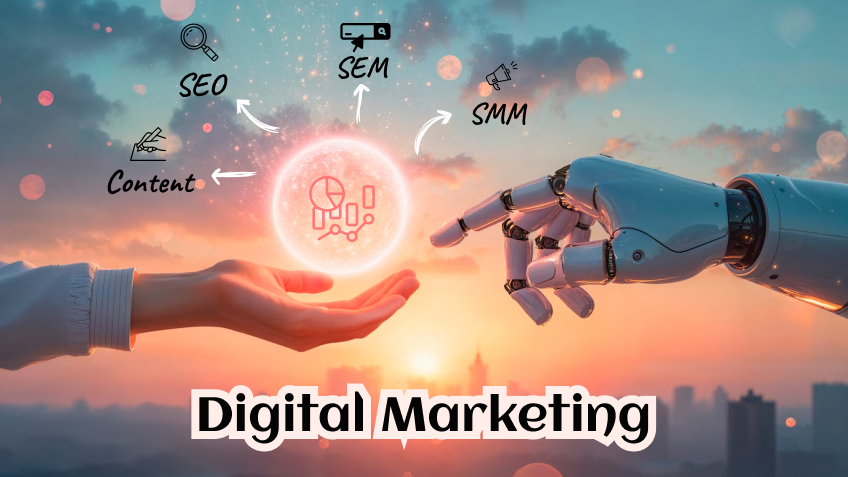
AI in digital marketing

How AI Is Changing Digital Marketing in 2026: Powerful Trends Businesses Must Know

Artificial Intelligence (AI) is no longer a futuristic concept—it has become a major force driving innovation in the marketing industry. Businesses across the world are using AI to automate tasks, improve customer experiences, and make smarter marketing decisions.

So, how AI is changing digital marketing in 2026 is one of the most important questions businesses should understand to stay competitive.

From personalized customer experiences to predictive analytics and AI-powered content creation, artificial intelligence is transforming the way brands connect with their audiences. In this blog, Spectra Digital explores the biggest ways AI is reshaping digital marketing in 2026.

Why AI Matters in Digital Marketing

Digital marketing has become increasingly data-driven. Businesses now need to analyze massive amounts of information, understand customer behavior, and deliver personalized experiences across multiple channels.

AI helps marketers by:

  • Automating repetitive tasks
  • Improving campaign performance
  • Delivering personalized customer experiences
  • Enhancing decision-making through data analysis
  • Increasing marketing efficiency and ROI

As competition grows, AI is becoming an essential tool rather than an optional technology.

How AI Is Changing Digital Marketing in 2026

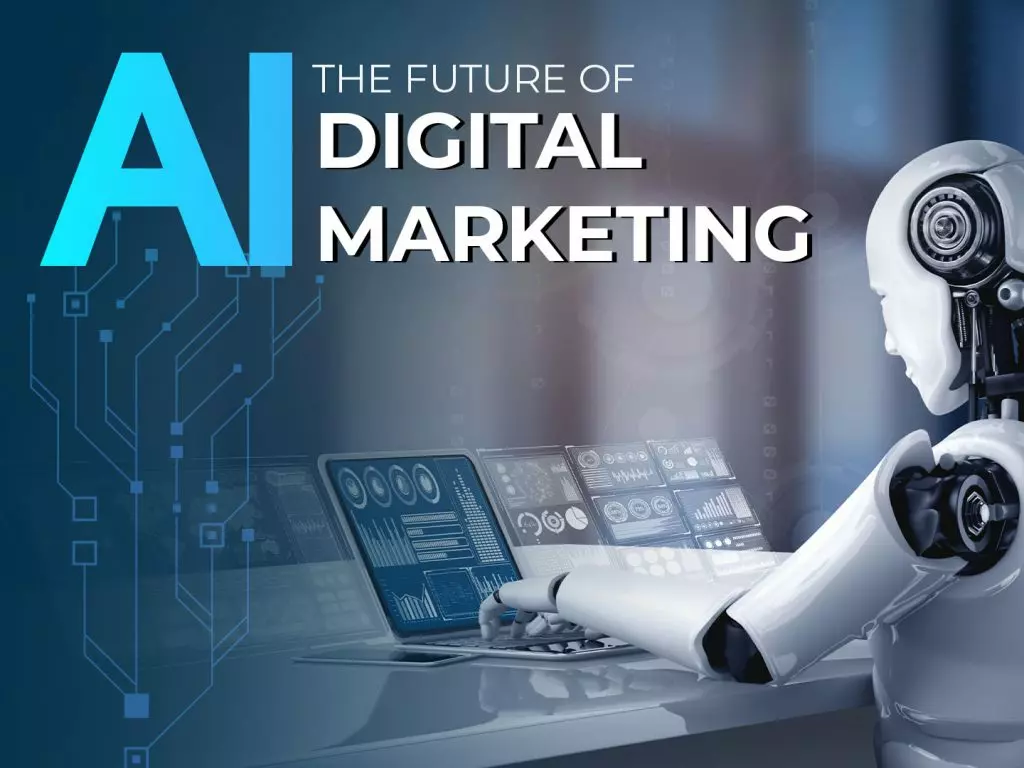
AI Is Changing Digital Marketing

1. Hyper-Personalized Customer Experiences

Personalization has become one of the biggest factors influencing customer decisions.

AI can analyze user behavior, browsing patterns, purchase history, and engagement data to deliver highly personalized experiences.

Businesses are now using AI to:

  • Recommend products based on customer interests
  • Deliver personalized email campaigns
  • Show customized website content
  • Create targeted advertising campaigns

Personalized experiences help businesses improve customer satisfaction and increase conversions.

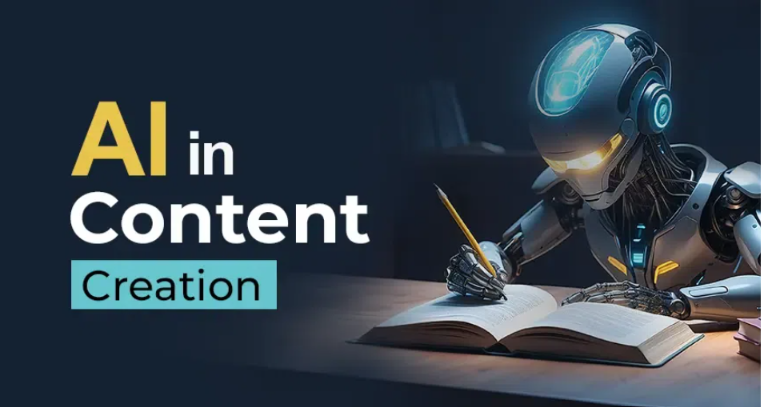
2. AI-Powered Content Creation

image

Content marketing continues to play a major role in digital success, and AI tools are helping marketers create content faster and more efficiently.

AI is assisting businesses with:

  • Blog topic generation
  • Content research
  • Social media captions
  • Email copywriting
  • Content optimization

However, human creativity remains essential. The most successful brands use AI to improve productivity while maintaining authenticity and brand voice.

3. Smarter SEO Strategies

image

Search engine optimization is evolving rapidly because of AI.

Search engines are becoming better at understanding user intent, context, and content quality.

In 2026, AI is helping marketers:

  • Identify keyword opportunities
  • Analyze competitor strategies
  • Optimize content for search intent
  • Improve technical SEO
  • Predict search trends

Businesses that combine AI insights with high-quality content are likely to achieve stronger search engine rankings.

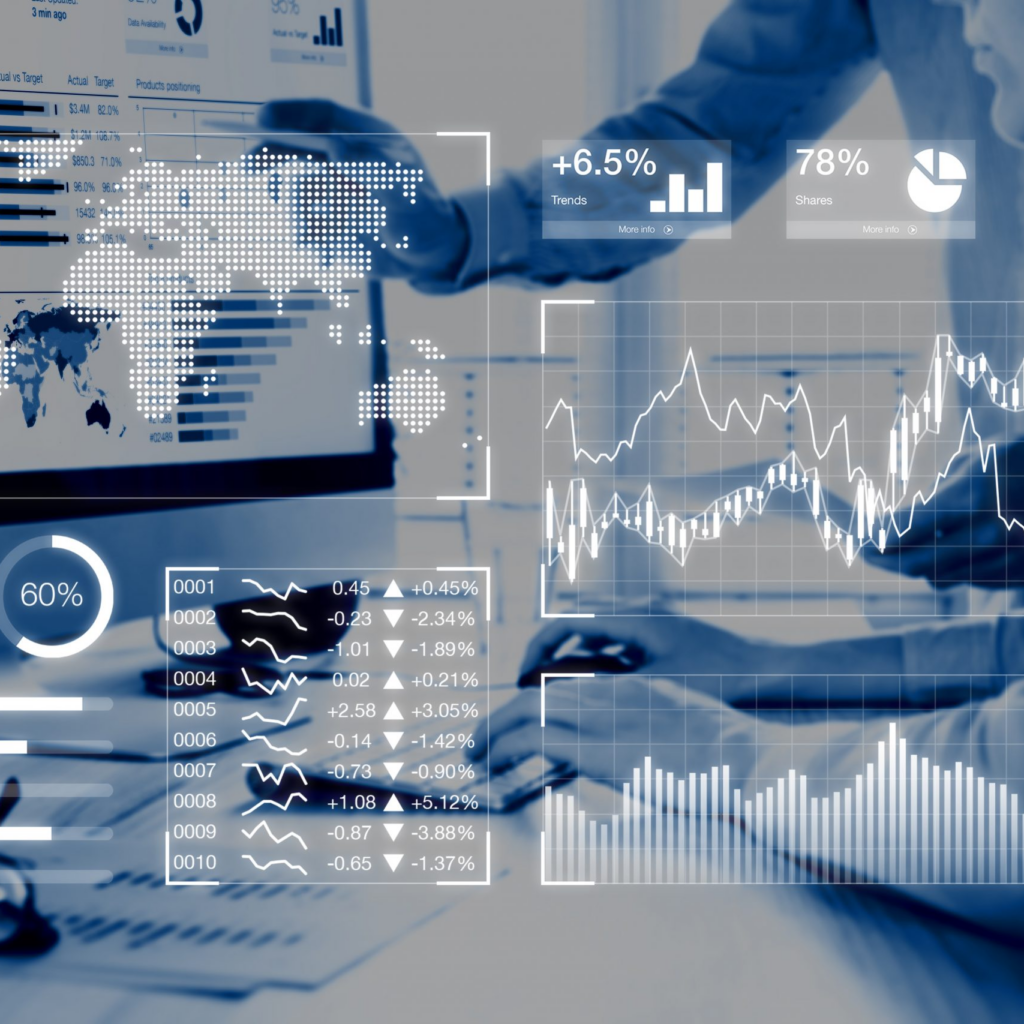
4. Advanced Predictive Analytics

image

One of the biggest advantages of AI is its ability to predict future behavior.

Predictive analytics allows businesses to:

  • Forecast customer demand
  • Identify potential leads
  • Predict purchasing behavior
  • Improve customer retention strategies

By analyzing historical data, AI helps marketers make better decisions and allocate budgets more effectively.

5. AI in Performance Marketing

Performance marketing has become increasingly data-driven, and AI is making advertising campaigns more efficient.

AI can automatically:

  • Optimize bidding strategies
  • Improve audience targeting
  • Analyze campaign performance
  • Allocate budgets efficiently
  • Increase return on ad spend (ROAS)

Platforms like Google Ads and social media advertising systems increasingly rely on machine learning algorithms to improve campaign performance.

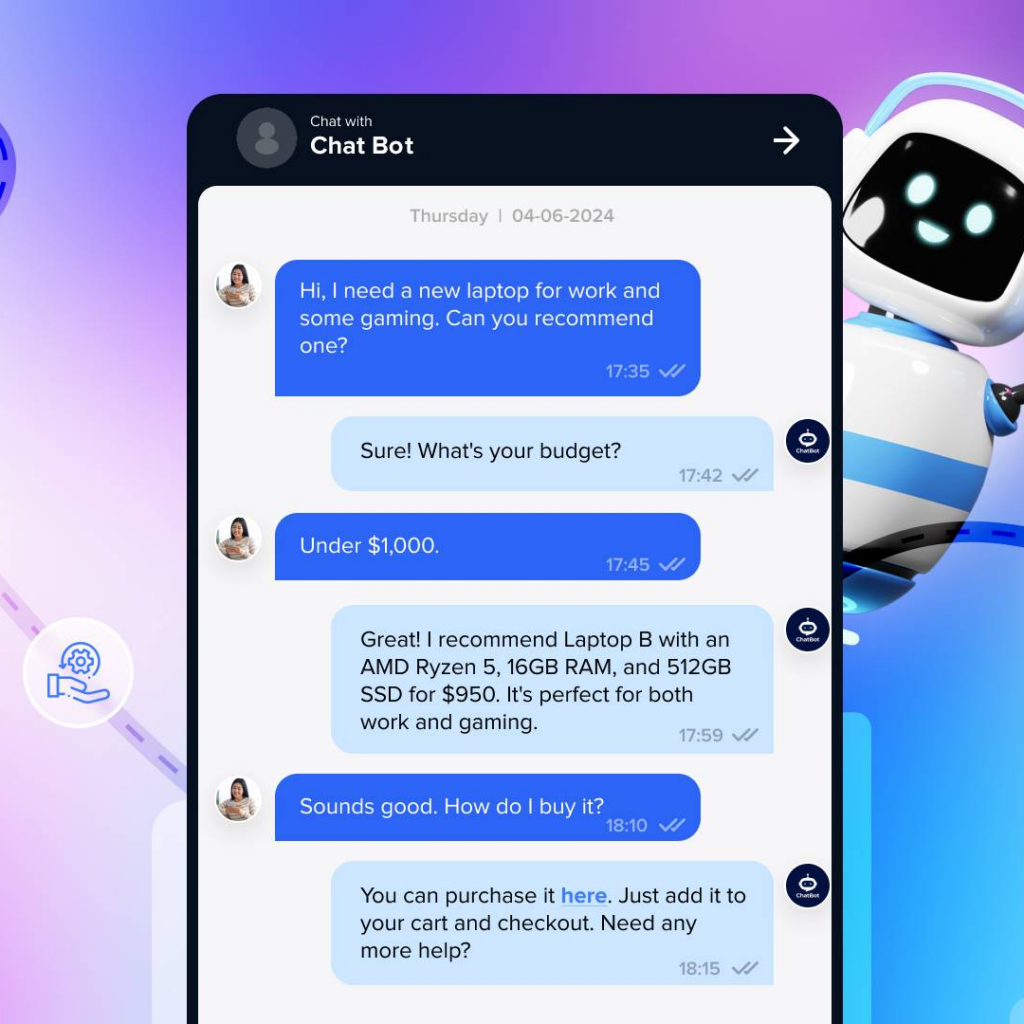
6. AI Chatbots and Customer Support

image

Customer expectations continue to rise, and businesses need to provide instant support.

AI-powered chatbots help companies:

  • Answer customer queries 24/7
  • Generate leads automatically
  • Improve response times
  • Enhance customer experience

Modern AI chatbots can understand user intent better than ever, making customer interactions more natural and efficient.

7. Better Audience Targeting

image

Finding the right audience is critical for marketing success.

AI can analyze large datasets and identify users who are most likely to convert.

This allows businesses to:

  • Reduce wasted ad spend
  • Increase campaign efficiency
  • Improve lead quality
  • Achieve higher conversion rates

Smarter targeting leads to better marketing outcomes and stronger ROI.

8. Enhanced Marketing Automation

image

Marketing automation has evolved significantly with AI integration.

Businesses can now automate:

  • Email campaigns
  • Customer segmentation
  • Lead nurturing workflows
  • Social media scheduling
  • Reporting and analytics

AI helps marketers save time while ensuring more relevant and personalized communication.

9. Voice Search and Conversational Marketing

image

Voice search continues to grow as more consumers use smart devices and voice assistants.

AI is helping businesses optimize for:

  • Conversational search queries
  • Natural language keywords
  • Voice-based customer interactions

Brands that adapt to conversational search trends can gain a competitive advantage in search visibility.

10. Data-Driven Decision Making

image

One of the biggest ways AI is changing digital marketing in 2026 is through smarter decision-making.

AI enables businesses to:

  • Analyze customer behavior in real time
  • Understand campaign performance instantly
  • Identify new market opportunities
  • Make faster strategic decisions

Data-driven marketing reduces guesswork and improves business outcomes.

Challenges of Using AI in Digital Marketing

Although AI offers numerous benefits, businesses should also be aware of potential challenges.

These include:

  • Maintaining content authenticity
  • Protecting customer privacy
  • Managing data quality
  • Avoiding over-automation
  • Ensuring human creativity remains part of marketing strategies

AI should support marketers, not replace strategic thinking and creativity.

Future of AI in Digital Marketing

image

The role of AI in marketing will continue to expand in the coming years.

Businesses can expect:

  • More advanced personalization
  • Improved predictive analytics
  • Greater automation capabilities
  • Better customer insights
  • Increased efficiency across marketing channels

Companies that embrace AI early will be better positioned to stay ahead of competitors.

How Spectra Digital Helps Businesses Leverage AI

At Spectra Digital, we combine AI-driven insights with human creativity to build effective digital marketing strategies.

Our services include:

  • AI-powered performance marketing
  • SEO and content optimization
  • Data-driven advertising strategies
  • Website optimization
  • Lead generation campaigns

We help businesses use the latest technologies to improve efficiency, increase conversions, and achieve sustainable growth.

Final Thoughts

Understanding how AI is changing digital marketing in 2026 is essential for businesses that want to remain competitive in an increasingly digital world.

Artificial intelligence is transforming SEO, advertising, content creation, personalization, and customer engagement. Businesses that successfully integrate AI into their marketing strategies can improve efficiency, enhance customer experiences, and maximize ROI.

As AI continues to evolve, companies that embrace innovation and adapt quickly will gain a significant competitive advantage.

If you’re looking to implement AI-driven marketing strategies, Spectra Digital can help your business stay ahead in the rapidly changing digital landscape.