
Young female social media influencer creating content with social media icons and analytics dashboard representing influencer marketing.

How to Choose the Right Influencers for Your Brand: A Complete Guide (2026)

Learn how to choose the right influencers for your brand in 2026. Discover influencer types, engagement metrics, audience analysis, and proven strategies to maximize ROI.

Influencer marketing has evolved into one of the most effective digital marketing strategies in 2026. Brands are no longer collaborating with influencers simply because they have millions of followers. Today, successful campaigns depend on selecting influencers who genuinely align with your brand values, target audience, and business goals.

If you’re wondering how to choose the right influencers for your brand, this comprehensive guide will help you identify the best creators, avoid costly mistakes, and maximize your influencer marketing ROI.

Table of Contents

FAQs

Why Influencer Selection Matters

Define Your Campaign Goals

Understand Different Types of Influencers

Identify Your Target Audience

Check Audience Demographics

Evaluate Engagement Rate

Assess Content Quality and Brand Fit

Look for Authenticity and Credibility

Analyze Previous Brand Collaborations

Measure Influencer Performance

Common Mistakes to Avoid

Future Trends in Influencer Marketing (2026)

Why Choosing the Right Influencers Matters

image

The success of an influencer campaign largely depends on selecting creators who can genuinely influence purchasing decisions.

Partnering with the wrong influencer can lead to:

  • Low engagement
  • Poor conversion rates
  • Wasted marketing budget
  • Damage to brand reputation
  • Negative audience perception

On the other hand, choosing the right influencers for your brand can significantly increase:

  • Brand awareness
  • Website traffic
  • Sales conversions
  • Customer trust
  • Social media engagement

1. Define Your Campaign Goals First

choose the right influencers for your brand

Before searching for influencers, determine what you want to achieve.

Common Influencer Marketing Goals:

Brand Awareness

Ideal for new product launches and expanding reach.

Lead Generation

Focus on influencers who can drive sign-ups and inquiries.

Sales Conversions

Choose creators with highly engaged and purchase-driven audiences.

User-Generated Content

Collaborate with influencers who create authentic and high-quality content.

Your campaign goals will determine which influencers are best suited for your brand.

2. Understand Different Types of Influencers

Choosing the right influencer category is essential.

Nano Influencers (1K–10K Followers)

image

Benefits:

  • High trust levels
  • Strong community relationships
  • Affordable collaborations
  • Higher engagement rates

Best for:
Local businesses and niche brands.

Micro Influencers (10K–100K Followers)

image

Benefits:

  • Highly targeted audiences
  • Better engagement than celebrity influencers
  • Cost-effective campaigns

Best for:
Startups and growing brands.

Macro Influencers (100K–1M Followers)

image

Benefits:

  • Large reach
  • Strong brand visibility

Best for:
National campaigns and product launches.

Mega Influencers (1M+ Followers)

image

Benefits:

  • Massive audience reach
  • Celebrity-level influence

Best for:
Large enterprises and global campaigns.

In 2026, many brands are shifting toward micro and nano influencers because they deliver better engagement and authenticity.

3. Identify Your Target Audience

image

One of the biggest mistakes brands make is focusing only on follower count.

Instead, ask these questions:

  • Who are your ideal customers?
  • What age group do they belong to?
  • Which social platforms do they use?
  • What type of content do they consume?

The right influencer should have an audience that closely matches your customer profile.

4. Analyze Audience Demographics

Always review influencer audience data before collaboration.

Important metrics include:

Age Distribution

Ensure followers match your target customer age group.

Geographic Location

Useful for local or regional campaigns.

Gender Breakdown

Particularly important for beauty, fashion, and lifestyle brands.

Audience Interests

Check whether their followers are genuinely interested in your niche.

Audience mismatch is one of the primary reasons influencer campaigns fail.

5. Evaluate Engagement Rate

image

Engagement matters more than follower count.

Formula:

Engagement Rate = (Likes + Comments + Shares) ÷ Followers × 100

Good Engagement Rates in 2026:

Influencer TypeGood Engagement
Nano5–10%
Micro3–6%
Macro2–4%
Mega1–2%

High engagement often indicates strong trust and audience loyalty

6. Check for Fake Followers and Bot Activity

Unfortunately, fake followers remain a major issue in influencer marketing.

Warning Signs:

  • Sudden follower spikes
  • Very low engagement
  • Generic comments
  • Large follower count but poor reach

Use influencer analytics tools to verify authenticity before signing any partnership.

7. Assess Content Quality and Brand Alignment

The right influencer should naturally fit your brand image.

Evaluate:

  • Content style
  • Visual quality
  • Posting consistency
  • Storytelling ability
  • Tone and messaging

Ask yourself:

Would this creator genuinely use our product?

Authenticity significantly impacts campaign performance.

8. Review Previous Brand Collaborations

Analyze previous partnerships to understand how the influencer performs with sponsored content.

Check:

  • Audience reactions
  • Sponsored post engagement
  • Brand relevance
  • Content quality

Avoid influencers who promote too many unrelated products because audiences may perceive them as inauthentic.

9. Consider Platform Relevance

Different platforms serve different purposes.

Instagram

Best for lifestyle, fashion, beauty, food, and travel brands.

YouTube

Ideal for product reviews, tutorials, and long-form storytelling.

TikTok

Perfect for viral campaigns and younger audiences.

LinkedIn

Great for B2B companies and professional services.

Choosing the right platform is equally important as choosing the right influencer.

10. Measure ROI Potential

Before investing, estimate the influencer’s ability to deliver results.

Track metrics such as:

  • Reach
  • Impressions
  • Click-through rates
  • Conversion rates
  • Cost per acquisition
  • Sales generated

Influencer marketing in 2026 is increasingly becoming performance-driven rather than purely awareness-focused.

Common Mistakes Brands Should Avoid

Choosing Based Only on Followers

Large audiences don’t always mean better results.

Ignoring Audience Quality

Always analyze demographics and engagement.

Prioritizing Price Over Fit

Cheaper collaborations may not provide better ROI.

Lack of Clear Campaign Objectives

Undefined goals lead to poor performance measurement.

Not Using Contracts

Always establish deliverables, timelines, and content rights.

Influencer Marketing Trends in 2026

choose the right influencers for your brand

The influencer landscape continues to evolve rapidly.

Rise of AI-Powered Influencer Discovery

Brands increasingly use AI tools to identify creators with high conversion potential.

Growth of Nano Influencers

Smaller creators are proving to be more effective in driving trust and engagement.

Performance-Based Partnerships

Many brands now compensate influencers based on measurable outcomes.

Long-Term Brand Ambassadors

Companies are moving away from one-time promotions and building long-term creator relationships.

Increased Transparency

Consumers expect clear disclosure and authentic recommendations.

Why Partner with Spectra Digital for Influencer Marketing?

At Spectra Digital, we help brands identify and collaborate with influencers who genuinely align with their business goals and target audience. Our data-driven influencer marketing strategies focus on audience quality, engagement, authenticity, and measurable ROI rather than vanity metrics. From influencer discovery and campaign planning to performance tracking and optimization, our team ensures that every collaboration delivers meaningful results. Whether you’re a startup looking to build brand awareness or an established business aiming to increase conversions, Spectra Digital creates customized influencer marketing campaigns that help brands connect with the right creators and achieve sustainable growth in the competitive digital landscape of 2026.

Final Thoughts

Choosing the right influencers for your brand is no longer about finding creators with the biggest following. In 2026, success comes from identifying influencers whose audience, values, and content align with your business goals.

By focusing on audience quality, engagement rates, authenticity, and long-term partnerships, brands can create influencer campaigns that generate meaningful results and deliver strong ROI.

The right influencer can become one of your most valuable marketing assets and help build lasting relationships with your target customers.

Digital marketing trends in 2026 including AI, SEO, social media, and analytics

Top Digital Marketing Trends Every Brand Should Know in 2026

Introduction

The digital marketing landscape is constantly evolving, and businesses must adapt to stay ahead of the competition. With advancements in Artificial Intelligence (AI), changing consumer behavior, and new social media platforms, brands need to rethink their marketing strategies to remain relevant. In 2026, success in digital marketing is no longer just about having an online presence it’s about delivering personalized experiences, creating valuable content, and leveraging data to make smarter decisions. Understanding the latest digital marketing trends can help businesses increase brand awareness, generate quality leads, and improve customer engagement.

Artificial Intelligence (AI) is Transforming Marketing

Artificial Intelligence has become one of the biggest game-changers in digital marketing. Businesses are using AI-powered tools to automate repetitive tasks, generate content, analyze customer behavior, and optimize advertising campaigns. AI also enables marketers to deliver personalized experiences based on user preferences, improving customer satisfaction and increasing conversions. Brands that combine AI with creativity can produce more effective and efficient marketing campaigns.

Artificial Intelligence (AI) is Transforming Marketing

Short-Form Video Content Continues to Dominate

Short-form videos remain one of the most engaging content formats across social media platforms. Instagram Reels, YouTube Shorts, and TikTok have changed the way people consume content by offering quick, entertaining, and informative videos. Businesses can use short-form videos to showcase products, share customer testimonials, provide educational tips, and highlight behind-the-scenes moments. Consistently creating authentic video content helps brands build stronger connections with their audience.
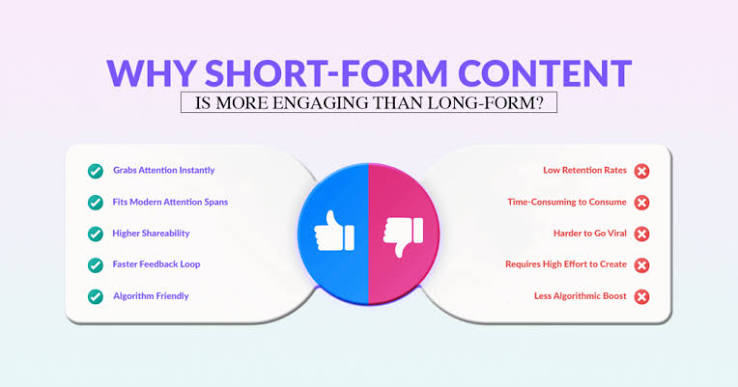
Short-Form Video Content Continues to Dominate

SEO is Evolving Beyond Keywords

Search Engine Optimization (SEO) is no longer limited to keyword placement. Modern SEO focuses on creating high-quality, user-focused content that answers search intent. Search engines now prioritize websites that provide excellent user experiences, fast loading speeds, mobile-friendly designs, and valuable information. Brands should also optimize their content for voice search and AI-powered search engines to remain visible in an increasingly competitive digital landscape.
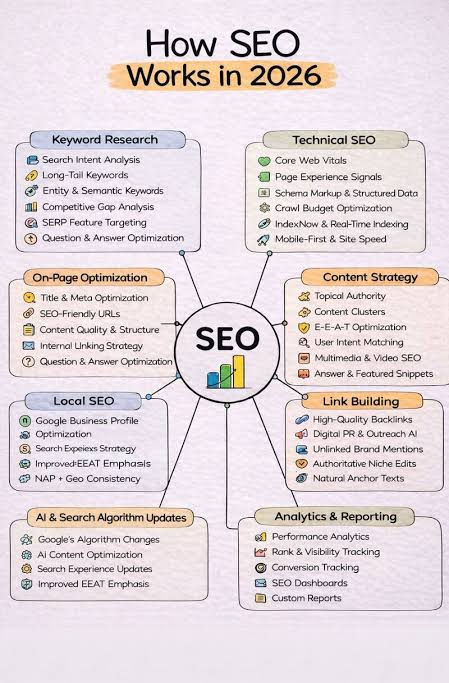
Check out our Search Engine Optimization (SEO)

SEO is Evolving Beyond Keywords

Personalized Marketing Improves Customer Experience

Today’s customers expect personalized interactions with brands. Businesses can use customer data to deliver customized email campaigns, product recommendations, and targeted advertisements. Personalization not only enhances the user experience but also increases customer loyalty and encourages repeat purchases. Brands that understand their audience’s preferences can create meaningful relationships that drive long-term success.
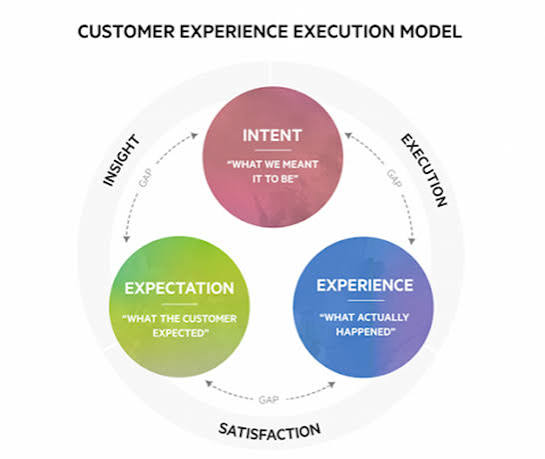
Personalized Marketing Improves Customer Experience

First-Party Data is More Important Than Ever

As privacy regulations continue to evolve and third-party cookies become less reliable, businesses are shifting their focus to first-party data. Collecting information directly from customers through website forms, email subscriptions, loyalty programs, and surveys helps brands create more effective marketing campaigns while maintaining transparency and trust. First-party data enables businesses to better understand customer behavior and make data-driven decisions.

First-Party Data is More Important Than Ever

Influencer Marketing is Becoming More Authentic

Consumers are increasingly looking for genuine recommendations rather than traditional advertisements. As a result, brands are partnering with micro-influencers and niche content creators who have highly engaged audiences. These collaborations often generate higher engagement and stronger trust because followers view influencers as relatable and credible. Authentic influencer partnerships can significantly improve brand awareness and customer engagement.
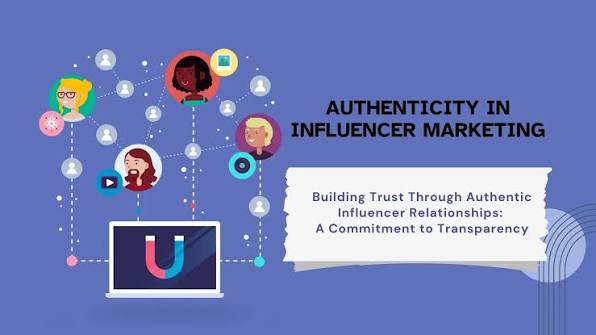
Influencer Marketing is Becoming More Authentic

Social Commerce is Changing Online Shopping

Social media platforms are becoming powerful e-commerce channels where customers can discover, explore, and purchase products without leaving the app. Features such as product tagging, live shopping events, and integrated storefronts simplify the buying journey and increase conversions. Businesses that invest in social commerce can reach customers where they spend most of their time and create seamless shopping experiences.
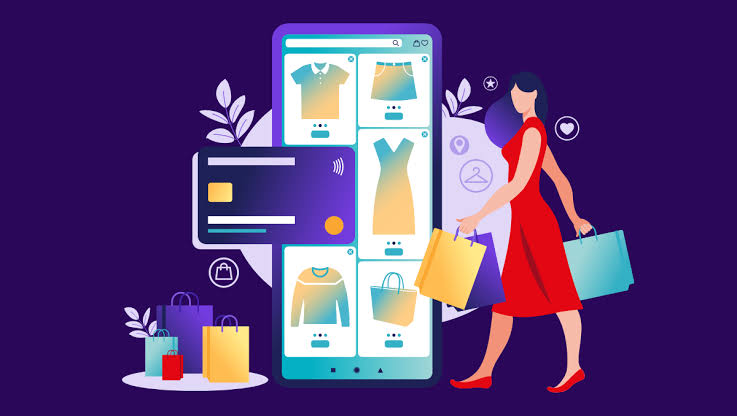
Social Commerce is Changing Online Shopping

Check out our Performance Marketing

Voice Search is Growing Rapidly

With the increasing use of smart speakers and voice assistants, voice search is changing how consumers find information online. People now use conversational queries instead of short keywords when searching for products or services. Businesses should optimize their content using natural language and frequently asked questions to improve visibility in voice search results.

Voice Search is Growing Rapidly

Interactive Content Boosts Engagement

Interactive content encourages users to actively participate rather than passively consume information. Quizzes, polls, surveys, calculators, contests, and interactive videos create engaging experiences that keep users on a website for longer periods. This type of content not only improves engagement but also provides valuable insights into customer preferences and interests.

Interactive Content Boosts Engagement

Building Communities is the Future of Branding

Successful brands are focusing on building loyal communities instead of simply increasing follower counts. Engaging with customers through online communities, exclusive content, live sessions, and meaningful conversations helps create lasting relationships. A strong community encourages customer advocacy, increases trust, and generates valuable word-of-mouth marketing.
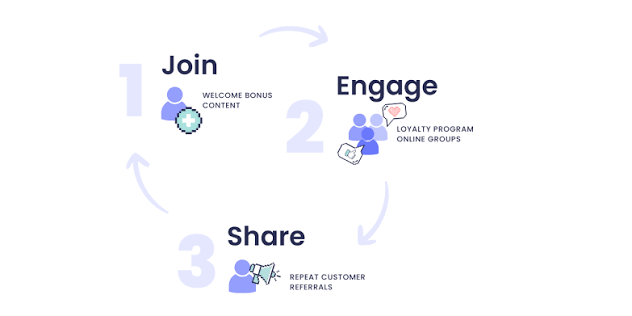
Building Communities is the Future of Branding

Conclusion

Digital marketing trends continue to evolve, and businesses that embrace innovation will have a competitive advantage in 2026. By adopting AI-powered tools, investing in SEO, creating engaging video content, personalizing customer experiences, and leveraging social commerce, brands can strengthen their online presence and achieve sustainable growth. Instead of chasing every new trend, businesses should focus on strategies that align with their goals and deliver genuine value to their audience.

At Spectra Digital, we help businesses navigate the ever-changing digital landscape with customized marketing solutions, including SEO, social media marketing, performance marketing, content creation, website development, and branding strategies. Our data-driven approach ensures measurable results, helping your business grow, attract quality leads, and stay ahead of the competition.