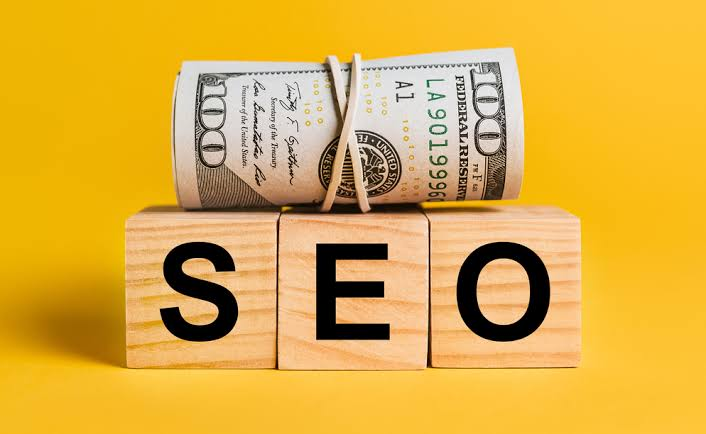
Comparison of Wix vs WordPress for SEO, showcasing website performance, customization, SEO features, and the best platform for improving search engine rankings.

Wix vs WordPress for SEO: Which Platform Is Better for Your Business?

Introduction

Your website is the foundation of your digital presence. Whether you’re a startup, a local business, or an established brand, your website plays a crucial role in attracting customers, building credibility, and generating leads. However, simply having a website isn’t enough it needs to be optimized for search engines so potential customers can easily find you online.

When choosing a website platform, two names often dominate the conversation: Wix and WordPress. Both are popular, user-friendly, and capable of creating professional websites, but when it comes to Search Engine Optimization (SEO), there are significant differences.

While Wix has evolved into a much more SEO-friendly platform over the years, WordPress continues to be the preferred choice for businesses that prioritize long-term organic growth and complete customization.

At Spectra Digital, we help businesses build high-performing, SEO-optimized websites that drive traffic and generate measurable results. In this blog, we’ll compare Wix and WordPress across key SEO factors to help you decide which platform best suits your business needs.

What Is Wix?

Wix is a cloud-based website builder that enables users to create websites using a simple drag-and-drop interface. It’s designed for beginners and business owners who want an all-in-one solution without needing coding skills.

Wix provides web hosting, templates, security, and maintenance as part of its platform, allowing users to launch websites quickly. It is commonly used by small businesses, freelancers, restaurants, consultants, and portfolio websites.

One of Wix’s biggest advantages is its simplicity. Users can design visually appealing websites with minimal technical knowledge, making it a popular choice for first-time website owners.

What Is WordPress?

WordPress is the world’s most widely used Content Management System (CMS), powering millions of websites across industries. Unlike Wix, WordPress is an open-source platform, giving users complete control over every aspect of their website.

With WordPress, businesses can choose their hosting provider, customize website functionality through thousands of plugins, and optimize every element of their SEO strategy. Although it requires a bit more technical knowledge, WordPress offers unmatched flexibility and scalability.

From small blogs to enterprise-level websites and e-commerce stores, WordPress is built to grow with your business.

Why SEO Matters When Choosing a Website Platform

SEO determines how easily your website can be found on search engines like Google. A website that ranks higher in search results receives more organic traffic, leading to increased brand visibility, more inquiries, and higher sales.

A good website platform should support essential SEO features such as:

  • Custom meta titles and descriptions
  • Clean and SEO-friendly URLs
  • Fast loading speeds
  • Mobile responsiveness
  • Image optimization
  • XML sitemaps
  • Structured data (Schema Markup)
  • Internal linking
  • Easy content management

Both Wix and WordPress support these features, but they differ in terms of flexibility and control.

Wix vs WordPress: SEO Comparison

Ease of Use

Wix is designed with beginners in mind. Its intuitive drag-and-drop editor makes creating and updating pages incredibly simple. Everything from hosting to security is managed by Wix, reducing the need for technical maintenance.

WordPress has a steeper learning curve. Users need to manage hosting, plugins, updates, and backups. However, once you become familiar with the platform, it offers far greater control.

Winner: Wix

If you’re looking for simplicity and speed, Wix is an excellent option.

Ease of Use

SEO Features

Modern SEO requires more than adding keywords to your content. Businesses need control over metadata, URLs, structured data, redirects, canonical tags, image optimization, and technical SEO settings.

Wix now includes many built-in SEO tools, allowing users to optimize page titles, meta descriptions, alt text, and URLs. It also provides automated XML sitemaps and SEO guidance.

WordPress goes further by supporting advanced SEO plugins such as Rank Math and Yoast SEO. These plugins provide detailed recommendations, keyword optimization, schema markup, content analysis, and technical SEO improvements.

Winner: WordPress

Its advanced customization makes it the preferred choice for businesses serious about SEO.

SEO Features

Website Speed and Performance

Website speed is a confirmed Google ranking factor. Slow websites increase bounce rates and negatively affect user experience.

Wix automatically handles hosting and performance optimization, making it convenient for beginners. However, users have limited control over advanced performance settings.

With WordPress, website speed depends on the quality of hosting, caching, image optimization, and theme selection. When properly optimized, WordPress websites can achieve exceptional loading speeds.

Winner: WordPress

With the right hosting and optimization, WordPress delivers superior performance.

Website Speed and Performance

Blogging and Content Marketing

Content is one of the most effective ways to improve SEO. Publishing valuable blog posts helps attract organic traffic, build authority, and target relevant keywords.

Wix offers a user-friendly blogging system that works well for businesses publishing occasional content.

WordPress was originally built as a blogging platform, making it exceptionally powerful for content creation. It offers advanced categorization, tagging, internal linking, scheduling, and content optimization features that benefit long-term SEO strategies.

Winner: WordPress

For businesses focused on content marketing, WordPress is the stronger option.

Blogging and Content Marketing

Customization and Flexibility

Every business has unique website requirements. As your business grows, you may need advanced forms, multilingual functionality, CRM integrations, e-commerce features, or custom landing pages.

Wix provides a good range of templates and applications but has limitations when it comes to advanced customization.

WordPress offers thousands of themes and plugins, allowing businesses to customize nearly every aspect of their website without restrictions.

Winner: WordPress

Its flexibility makes it suitable for businesses of all sizes.
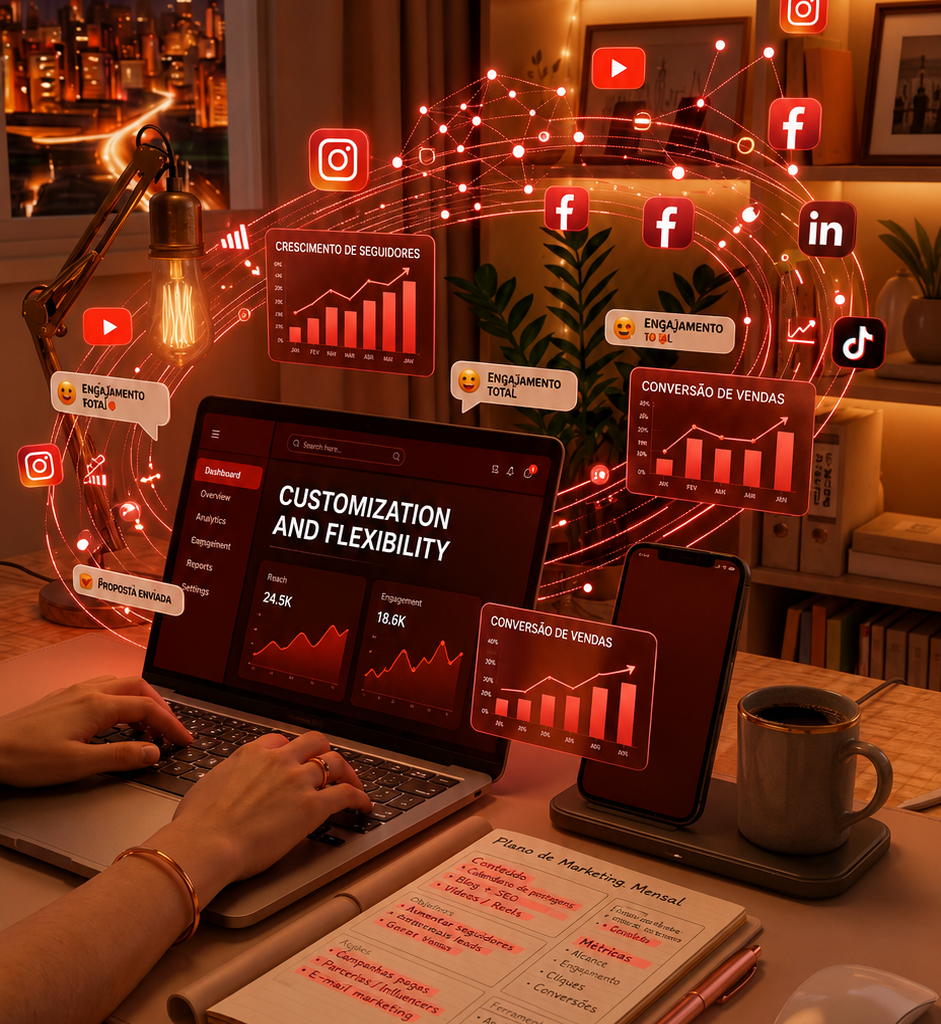
Customization and Flexibility

Mobile Optimization

With Google’s mobile-first indexing, having a responsive website is no longer optional.

Both Wix and WordPress offer mobile-responsive designs. Wix automatically optimizes most templates for mobile devices, while WordPress users can choose from thousands of responsive themes.

Winner: Tie

Both platforms perform well when configured correctly.

Mobile Optimization

Scalability

Your website should be able to grow alongside your business.

Wix is ideal for simple websites, portfolios, and small business sites. However, businesses with complex requirements may eventually encounter limitations.

WordPress is built for scalability. Whether you’re adding hundreds of blog posts, launching an online store, or expanding internationally, WordPress provides the flexibility to support future growth.

Winner: WordPress

Scalability

Wix vs WordPress: At a Glance

FeatureWixWordPress
Ease of UseExcellentModerate
SEO FlexibilityGoodExcellent
Website SpeedGoodExcellent (with optimization)
BloggingGoodExcellent
CustomizationLimitedExtensive
Plugins & IntegrationsModerateExtensive
ScalabilityGoodExcellent
MaintenanceMinimalUser-managed

Which Platform Should You Choose?

Choose Wix if:

  • You’re building your first website.
  • You want a simple drag-and-drop builder.
  • You don’t have technical expertise.
  • You prefer an all-in-one solution.
  • Your website requirements are relatively straightforward.

Choose WordPress if:

  • SEO is a major priority.
  • You plan to publish regular blog content.
  • You need advanced customization.
  • You expect your website to grow over time.
  • You want full control over your website and its performance.

Why SEO Success Depends on More Than the Platform

While WordPress provides greater SEO flexibility, choosing the right platform is only the first step.

Search engine rankings depend on multiple factors, including:

  • High-quality content
  • Keyword research
  • Technical SEO
  • Website speed
  • Mobile responsiveness
  • User experience
  • Internal linking
  • Quality backlinks
  • Regular website updates

Even the best platform cannot guarantee rankings without a strong SEO strategy.

How Spectra Digital Can Help

At Spectra Digital, we build websites that are designed not just to look great but also to perform exceptionally well in search engines.

Our website and SEO services include:

  • WordPress Website Development
  • Custom Website Design
  • Technical SEO
  • On-Page SEO
  • Website Speed Optimization
  • Local SEO
  • Content Marketing
  • Website Maintenance
  • SEO Audits
  • Performance Tracking

Whether you’re creating a new website or considering a migration from Wix to WordPress, our experts can help you make the right decision and implement an SEO strategy that supports long-term business growth.

Conclusion

Both Wix and WordPress are excellent website-building platforms, but they cater to different types of users.

Wix is perfect for beginners and small businesses looking for a simple, all-in-one website solution with minimal maintenance.

WordPress, on the other hand, stands out for its superior SEO capabilities, flexibility, scalability, and extensive customization options. It remains the preferred platform for businesses that view their website as a long-term marketing asset.

Ultimately, the best choice depends on your business goals, technical requirements, and growth plans. If you’re serious about improving your search rankings, attracting organic traffic, and building a website that can scale with your business, WordPress offers the strongest foundation.

At Spectra Digital, we’re committed to helping businesses create SEO-friendly websites that deliver measurable results. Whether you choose Wix or WordPress, our team can help you build a website that supports your digital marketing success and drives sustainable growth.
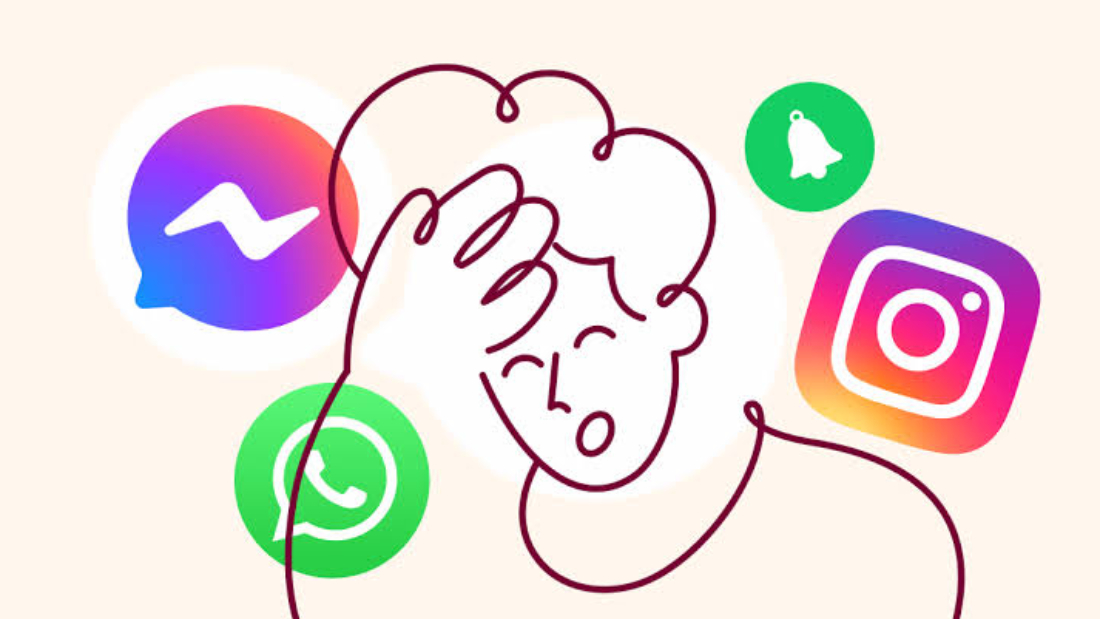

Digital marketing illustration showing social media marketing mistakes and best practices for business growth.

Common Social Media Marketing Mistakes

Introduction

Social media has become one of the most powerful marketing channels for businesses in today’s digital world. Platforms like Instagram, Facebook, LinkedIn, X (formerly Twitter), YouTube, and TikTok allow brands to connect directly with their audience, build trust, increase brand awareness, and generate quality leads.

However, having a social media presence alone doesn’t guarantee success. Many businesses invest significant time and resources into creating content but still struggle to achieve meaningful results. The reason often lies in avoidable mistakes that limit engagement, reduce visibility, and prevent businesses from reaching their full potential.

A successful social media strategy requires more than frequent posting it demands planning, consistency, audience understanding, creativity, and continuous optimization.

At Spectra Digital, we’ve helped businesses across various industries build strong social media strategies that drive measurable growth. In this blog, we’ll discuss seven of the most common social media marketing mistakes and explain how you can avoid them to maximize your online success.

Posting Without a Clear Strategy

One of the biggest mistakes businesses make is creating content without a defined strategy. Posting randomly simply to remain active rarely delivers meaningful business results.

Every successful social media campaign begins with a clear objective. Whether your goal is to increase brand awareness, generate leads, drive website traffic, improve customer engagement, or boost sales, your content should support that objective.

Without a strategy, businesses often create inconsistent content that confuses audiences and weakens brand identity.

Developing a content calendar with planned campaigns, posting schedules, target audiences, and measurable goals helps ensure every post contributes to your overall marketing strategy.

Best Practice: Plan your content at least one month in advance and align each post with a specific marketing objective.

 Posting Without a Clear Strategy

Ignoring Your Target Audience

Many businesses make the mistake of creating content based on what they want to share instead of what their audience wants to see.

Successful social media marketing begins with understanding your audience’s interests, challenges, behaviors, and preferences. Content that solves problems, answers questions, or entertains users is far more likely to generate engagement than content focused solely on the business itself.

Knowing your audience also helps determine which platforms to prioritize and what type of content performs best.

Best Practice: Use platform analytics, customer feedback, and audience insights to understand who your followers are and create content specifically designed for them.

Ignoring Your Target Audience

Being Inconsistent with Content

Consistency plays a major role in building brand recognition and audience trust.

Many businesses post frequently for a few weeks and then become inactive for long periods. This inconsistency not only reduces audience engagement but can also affect how social media algorithms distribute your content.

Regular posting keeps your brand visible and encourages followers to continue interacting with your business.

Consistency doesn’t necessarily mean posting every day it means maintaining a schedule your team can realistically sustain.

Best Practice: Create a consistent posting schedule and use content planning tools to maintain regular activity across all platforms.

Being Inconsistent with Content

Focusing Only on Promotions

Social media is designed for building relationships, not just selling products.

One of the most common mistakes businesses make is filling their feeds with advertisements, discounts, and promotional messages. While promotional content is important, constantly asking people to buy something often results in lower engagement.

Modern audiences expect brands to educate, entertain, inspire, and provide value.

Sharing industry insights, helpful tips, behind-the-scenes content, customer success stories, educational videos, and interactive posts helps build stronger relationships and increases long-term customer loyalty.

Best Practice: Follow the 80/20 rule 80% valuable or engaging content and 20% promotional content.

Focusing Only on Promotions

Ignoring Audience Engagement

Social media is a two-way communication platform.

Businesses that fail to reply to comments, messages, or customer reviews miss valuable opportunities to build trust and strengthen relationships.

Customers appreciate brands that respond quickly and professionally. Even a simple acknowledgment of a comment or message demonstrates that your business values customer interaction.

Ignoring engagement can negatively affect your reputation and discourage potential customers from reaching out.

Best Practice: Allocate time every day to respond to comments, answer questions, acknowledge feedback, and engage with your online community.

 Ignoring Audience Engagement

Not Tracking Performance and Analytics

Publishing content without reviewing performance data is one of the biggest obstacles to social media growth.

Analytics help businesses understand which posts generate the highest engagement, what type of content drives website traffic, when audiences are most active, and which campaigns produce the best return on investment.

Without analyzing performance, businesses often continue ineffective strategies while overlooking opportunities for improvement.

Tracking metrics such as reach, engagement, impressions, click-through rates, follower growth, conversions, and audience demographics enables smarter marketing decisions.

Best Practice: Review social media analytics every month and use the insights to improve your future content strategy.

Not Tracking Performance and Analytics

Using Poor Visual Content and Inconsistent Branding

Social media is highly visual, making first impressions incredibly important.

Low-quality graphics, blurry images, inconsistent colors, outdated logos, and unprofessional designs can damage your brand’s credibility.

A consistent visual identity helps customers instantly recognize your brand across different platforms while creating a professional appearance.

High-quality visuals also improve engagement, increase shares, and encourage users to spend more time interacting with your content.

Best Practice: Invest in professionally designed graphics, maintain consistent brand colors and typography, and ensure every visual reflects your brand identity.

 Using Poor Visual Content and Inconsistent Branding

Why Avoiding These Mistakes Matters

Avoiding these common mistakes allows businesses to:

  • Build stronger customer relationships
  • Improve brand awareness
  • Increase engagement rates
  • Generate higher-quality leads
  • Improve conversion rates
  • Strengthen customer trust
  • Maximize return on social media investment

Social media success isn’t determined by how often you post—it’s determined by how effectively you connect with your audience.

How Spectra Digital Helps Businesses Succeed on Social Media

At Spectra Digital, we believe successful social media marketing requires creativity, consistency, and data-driven strategy.

Our social media services include:

  • Social Media Strategy Development
  • Content Planning & Calendar Creation
  • Graphic Design & Creative Content
  • Reels & Short-Form Video Marketing
  • Community Management
  • Paid Social Media Advertising
  • Brand Building
  • Performance Analytics & Reporting
  • Influencer Marketing
  • Campaign Optimization

Our goal is to help businesses create meaningful conversations, increase engagement, and turn followers into loyal customers.

Conclusion

Social media marketing offers incredible opportunities for business growth, but achieving success requires more than simply posting content every day.

By avoiding common mistakes such as posting without a strategy, ignoring your audience, being inconsistent, focusing only on promotions, neglecting engagement, overlooking analytics, and using poor-quality visuals, businesses can significantly improve their online presence and marketing performance.

The most successful brands understand that social media is about building relationships, providing value, and creating memorable experiences for their audience.

If you’re looking to improve your social media strategy, increase engagement, and achieve measurable business growth, Spectra Digital is here to help. Our team develops customized social media solutions that deliver results and help your business stand out in today’s competitive digital landscape.

Why Instagram Reach Drops Overnight and How to Fix It in 2026

Have you ever opened your Instagram Insights and noticed that your reach has suddenly dropped overnight?

One day, your posts are reaching thousands of people, and the next, your impressions, engagement, and follower growth have fallen dramatically. If this has happened to your business, don’t panic you’re not alone.

Instagram’s algorithm is constantly evolving, and a sudden drop in reach doesn’t necessarily mean your account has been shadow banned. In most cases, it’s caused by changes in content performance, audience behavior, or posting habits.

In this guide, Spectra Digital explains why Instagram reach drops overnight and shares practical strategies to help your business recover and grow in 2026.

What Is Instagram Reach?

Instagram reach refers to the number of unique accounts that see your content.

This includes:

  • Feed posts
  • Reels
  • Stories
  • Carousels
  • Live videos

A higher reach means more people are discovering your brand, increasing opportunities for engagement, website visits, and conversions.

Why Does Instagram Reach Drop Overnight?

There are several reasons why your reach can suddenly decline.

Understanding these factors is the first step toward improving your performance.

1. Instagram’s Algorithm Has Changed

image

Instagram frequently updates its algorithm to improve the user experience.

Instead of showing content chronologically, the platform prioritizes posts based on:

  • Watch time
  • Likes
  • Comments
  • Shares
  • Saves
  • User interactions

If your content doesn’t perform well during the first few hours after posting, Instagram is less likely to recommend it to a larger audience.

2. Your Content Isn’t Generating Enough Engagement

image

Engagement is one of Instagram’s strongest ranking signals.

If people aren’t:

  • Liking your posts
  • Commenting
  • Sharing
  • Saving your content

your reach can decrease significantly.

Creating valuable and interactive content encourages more engagement and improves visibility.

3. You’re Posting Inconsistently

Consistency matters more than frequency.

Posting regularly helps Instagram understand that your account is active and relevant.

Businesses that disappear for weeks often experience reduced reach when they return.

A consistent posting schedule helps maintain audience engagement.

4. You’re Not Using Reels Enough

image

Instagram continues to prioritize short-form video content.

Reels receive more visibility because they encourage longer watch times and are frequently shown to users who don’t follow your account.

If your strategy focuses only on static posts, you’re likely missing a major opportunity to grow your reach.

5. Your Audience’s Interests Have Changed

image

The type of content your audience enjoyed last year may no longer perform today.

Monitor your Instagram Insights to understand:

  • Which posts receive the most engagement
  • Which Reels generate the highest reach
  • When your audience is most active
  • What content gets the most saves and shares

Creating content based on audience preferences increases the likelihood of better performance.

6. You’re Posting at the Wrong Time

image

Publishing content when your followers are offline can reduce early engagement.

Since Instagram values strong initial interactions, posting at peak activity times can significantly improve reach.

Use Instagram Insights to identify when your audience is most active and schedule your content accordingly.

7. Your Content Feels Too Promotional

image

People visit Instagram to be entertained, inspired, or educated not to see constant sales pitches.

If every post is focused on selling, users are less likely to engage.

Instead, follow the 80/20 rule:

  • 80% valuable or entertaining content
  • 20% promotional content

This balance helps build trust and keeps your audience interested.

8. You’re Ignoring Community Engagement

image

Instagram rewards accounts that actively participate in conversations.

Take time to:

  • Reply to comments
  • Respond to direct messages
  • Engage with followers’ posts
  • Answer Story replies

Building genuine relationships improves engagement signals and increases visibility.

9. Poor Content Quality

image

Even the best strategy won’t succeed if the content itself doesn’t capture attention.

Improve your content by focusing on:

  • High-quality visuals
  • Strong hooks in the first few seconds of Reels
  • Clear captions
  • Eye-catching thumbnails
  • Consistent branding

Quality content naturally performs better.

10. You’re Not Reviewing Your Analytics

image

Many businesses continue posting without analyzing what actually works.

Instagram Insights provides valuable information about:

  • Reach
  • Engagement
  • Saves
  • Shares
  • Audience demographics
  • Content performance

Regular analysis helps you make smarter content decisions.

How to Fix a Sudden Drop in Instagram Reach

If your reach has dropped, don’t delete your content or start over.

Instead, follow these proven strategies.

Post More Reels

Reels remain one of the most effective ways to reach new audiences organically.

Aim to publish several Reels each week that educate, entertain, or solve a problem.

Create Shareable Content

Content that people share with friends receives stronger distribution.

Examples include:

  • Industry tips
  • Checklists
  • Before-and-after results
  • Infographics
  • Educational carousels

Encourage Saves

Posts that users save often continue performing well long after they’re published.

Create evergreen content people will want to revisit.

Improve Your Captions

Strong captions encourage comments and conversations.

Ask questions, share insights, and invite followers to participate.

Stay Consistent

Consistency builds trust with both your audience and Instagram’s algorithm.

Create a content calendar and stick to a realistic posting schedule.

Test New Content Formats

Experiment with:

  • Carousels
  • Reels
  • Stories
  • Behind-the-scenes videos
  • Customer testimonials
  • Educational content

Testing helps identify what resonates with your audience.

Common Instagram Mistakes Businesses Should Avoid

image

Avoid these common mistakes that reduce reach:

  • Posting only promotional content
  • Ignoring comments and messages
  • Using irrelevant hashtags
  • Posting without a strategy
  • Publishing inconsistent content
  • Failing to review analytics
  • Copying trends without adding value

Small improvements in these areas can significantly increase your organic reach.

Instagram Best Practices for 2026

To stay competitive, businesses should:

  • Prioritize Reels and short-form videos
  • Focus on valuable, educational content
  • Build genuine community engagement
  • Use analytics to guide decisions
  • Optimize posting times
  • Maintain consistent branding
  • Experiment with new content ideas regularly

Instagram rewards creators and businesses that consistently provide value.

How Spectra Digital Helps Businesses Grow on Instagram

At Spectra Digital, we help businesses develop social media strategies that increase reach, engagement, and conversions.

Our Instagram marketing services include:

We focus on creating content that attracts the right audience and turns engagement into measurable business growth.

Final Thoughts

A sudden drop in Instagram reach can feel discouraging, but it doesn’t mean your account is failing.

In most cases, improving content quality, posting consistently, using Reels, engaging with your audience, and monitoring your analytics can help you recover your reach.

Remember, Instagram’s algorithm rewards accounts that create valuable, engaging, and authentic content. By focusing on your audience instead of chasing quick wins, you’ll build stronger engagement and long-term growth.

If you’re looking to improve your Instagram strategy and generate more leads through social media, Spectra Digital can help you create content that reaches the right audience and delivers real business results.

IMG 3257Best AI tools for marketers in 2026, including AI-powered solutions for content creation, SEO, social media marketing, email automation, analytics, and digital advertising.

Best AI Tools for Marketers in 2026: The Ultimate Guide to Smarter Digital Marketing

Introduction

Artificial Intelligence (AI) has transformed digital marketing from a trend into a necessity. In 2026, marketers are expected to do more than ever before create engaging content, manage multiple social media platforms, optimize websites for search engines, analyze customer behavior, run high-performing advertising campaigns, and deliver personalized experiences across every touchpoint. The challenge isn’t a lack of opportunities it’s managing them efficiently. That’s where AI comes in. Today’s AI-powered tools help marketers automate repetitive tasks, generate high-quality content, improve SEO, analyze data faster, create stunning visuals, optimize ad campaigns, and make smarter decisions backed by real-time insights. However, with hundreds of AI platforms available, choosing the right ones can be overwhelming. At Spectra Digital, we believe AI should enhance creativity not replace it. The most successful marketing strategies combine human expertise with AI-powered efficiency. In this guide, we’ll explore the best AI tools every marketer should know in 2026 and how they can help businesses grow.

Why AI Is Essential for Digital Marketing in 2026

Digital marketing has become increasingly data-driven. Businesses need to understand customer behavior, respond to trends quickly, and create personalized experiences at scale.

AI helps marketers:

  • Save time by automating repetitive tasks.
  • Generate ideas and marketing content faster.
  • Improve SEO performance.
  • Personalize customer experiences.
  • Optimize advertising campaigns.
  • Analyze large amounts of marketing data.
  • Increase productivity and marketing ROI.

Rather than replacing marketers, AI allows them to focus on creativity, strategy, and decision-making while automation handles routine work.

ChatGPT – The AI Assistant for Content and Strategy

One of the most widely used AI tools in marketing, ChatGPT helps businesses brainstorm ideas, write blog posts, create ad copy, draft emails, generate social media captions, and develop marketing strategies.

Best For

  • Blog writing
  • Social media captions
  • SEO content
  • Email marketing
  • Content planning
  • Marketing strategy
  • Customer support

Why Marketers Love It

ChatGPT speeds up content creation while helping marketers overcome writer’s block. When paired with human editing and brand guidelines, it becomes a powerful productivity tool.

ChatGPT – The AI Assistant for Content and Strategy

Canva AI – Faster Graphic Design

Design is a major part of digital marketing, but not every marketer is a professional designer.

Canva AI enables users to generate presentations, social media creatives, advertisements, banners, videos, and brand assets with minimal effort.

Best For

  • Instagram posts
  • Presentation design
  • Social media graphics
  • Brand kits
  • Video editing
  • Marketing visuals

Key Benefit

Create professional-quality designs without advanced design skills.

Canva AI – Faster Graphic Design

Claude AI – Best for Long-Form Content and Business Writing

Developed by Anthropic, Claude AI has become one of the most trusted AI assistants for marketers, businesses, and content creators. Known for its ability to understand context, produce natural-sounding writing, and handle long documents, Claude is an excellent choice for creating high-quality marketing content.

Unlike many AI tools that focus on short responses, Claude excels at generating detailed blog posts, marketing strategies, research summaries, case studies, reports, and business documentation while maintaining a clear and consistent tone.

Claude AI – Best for Long-Form Content and Business Writing

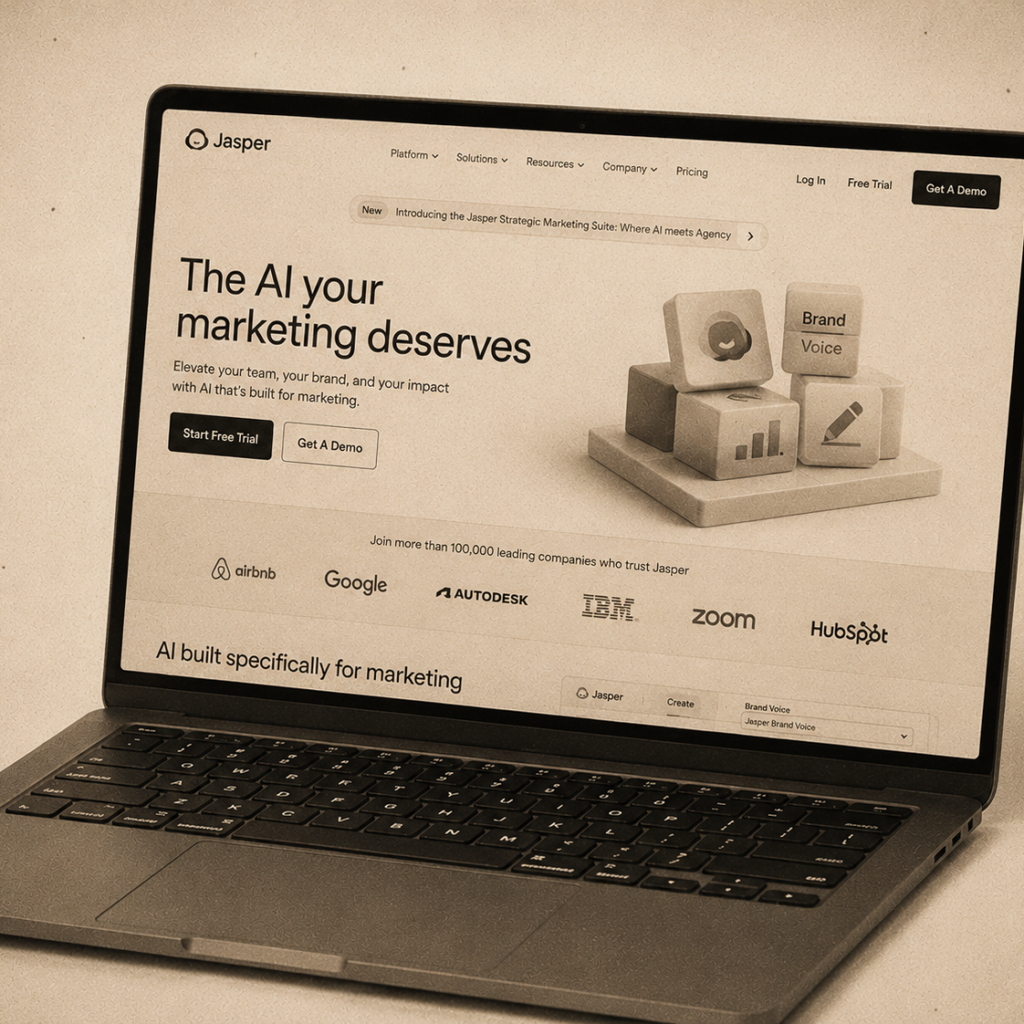
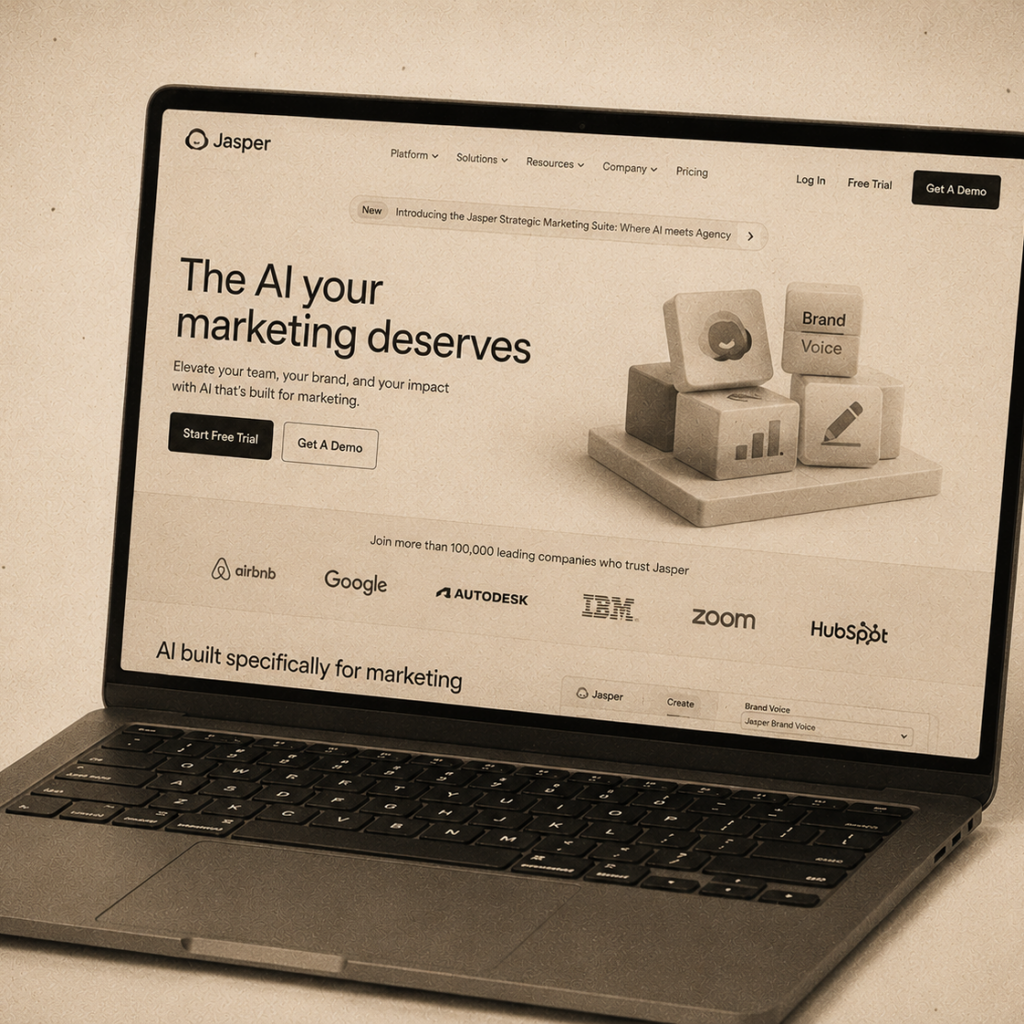
Jasper AI – AI Writing for Marketing Teams

Jasper AI is designed specifically for businesses and marketing teams that produce large volumes of content.

It helps create:

  • Blog articles
  • Landing pages
  • Product descriptions
  • Facebook ads
  • Google Ads copy
  • Website content
  • Email campaigns

Jasper also supports maintaining a consistent brand voice across multiple writers.

Jasper AI – AI Writing for Marketing Teams

Surfer SEO – AI-Powered Search Engine Optimization

Creating content isn’t enough it also needs to rank.

Surfer SEO analyzes top-ranking pages and provides recommendations to improve your content’s search engine performance.

Features

  • Keyword optimization
  • Content scoring
  • NLP recommendations
  • Internal linking suggestions
  • Competitor analysis

Best For

Businesses looking to improve organic search rankings.

Surfer SEO – AI-Powered Search Engine Optimization

Semrush AI Features – Complete Marketing Intelligence

Semrush has evolved into an all-in-one digital marketing platform enhanced with AI capabilities.

Marketers use it for:

  • Keyword research
  • Competitor analysis
  • Site audits
  • Backlink monitoring
  • PPC research
  • Content optimization
  • Market insights

Its AI-powered recommendations help marketers make data-driven SEO and advertising decisions.

Semrush AI Features – Complete Marketing Intelligence

HubSpot AI – Marketing and CRM Automation

HubSpot integrates AI into its CRM and marketing platform to streamline customer interactions.

Its AI features assist with:

  • Email creation
  • Lead nurturing
  • Customer segmentation
  • Workflow automation
  • Chatbots
  • Sales insights

This enables businesses to deliver more personalized customer experiences.

HubSpot AI – Marketing and CRM Automation

Google Gemini – AI for Productivity and Research

Google Gemini enhances productivity across research, brainstorming, writing, and collaboration.

Marketers use it to:

  • Research competitors
  • Generate campaign ideas
  • Summarize reports
  • Draft content
  • Analyze marketing data

Its integration with Google’s ecosystem makes it particularly useful for teams already using Google Workspace.

Google Gemini – AI for Productivity and Research

How AI Is Changing Marketing in 2026

AI is influencing every stage of the marketing journey.

Content Marketing

AI accelerates idea generation, outlines, editing, and optimization while allowing writers to focus on storytelling and originality.

Search Engine Optimization

Modern AI tools simplify keyword research, content optimization, competitor analysis, and technical SEO audits.

Social Media Marketing

AI assists with caption writing, hashtag suggestions, scheduling, audience insights, and engagement analysis.

Paid Advertising

Machine learning helps optimize targeting, bidding strategies, audience segmentation, and campaign performance.

Email Marketing

AI enables personalized email campaigns based on customer preferences and behavior, improving engagement and conversions.

Customer Support

AI-powered chatbots provide instant responses, improving customer satisfaction while reducing support workloads.

How to Choose the Right AI Marketing Tool

Not every business needs every AI platform.

Before investing, ask yourself:

  • What marketing tasks consume the most time?
  • Which processes can be automated?
  • Does the tool integrate with your existing software?
  • Will it improve productivity and ROI?
  • Is it easy for your team to adopt?

Choosing tools based on business goals not trends will deliver the best long-term results.

Best Practices for Using AI in Marketing

AI is a powerful assistant, but human expertise remains essential.

To get the best results:

  • Use AI to support not replace creative thinking.
  • Always fact-check AI-generated content.
  • Maintain your brand’s voice and messaging.
  • Review all outputs before publishing.
  • Protect customer data and privacy.
  • Combine AI insights with human judgment.

The most successful marketers use AI as a productivity partner rather than a complete substitute for strategic thinking.

Why Businesses Partner with Spectra Digital

At Spectra Digital, we embrace AI to enhance efficiency while keeping creativity and strategy at the heart of every campaign.

We combine advanced AI tools with experienced marketing professionals to deliver customized digital marketing solutions that help businesses grow.

Our services include:

  • Search Engine Optimization (SEO)
  • Website Design & Development
  • Content Marketing
  • Social Media Marketing
  • Google Ads
  • Meta Ads
  • Performance Marketing
  • Branding
  • Lead Generation
  • Marketing Analytics

By blending AI-powered insights with human expertise, we create campaigns that are innovative, data-driven, and results-oriented.

Conclusion

Artificial Intelligence is reshaping the future of marketing, making it easier than ever to create content, analyze data, automate workflows, and connect with customers.

From content generation tools like ChatGPT and Jasper AI to SEO platforms like Surfer SEO and Semrush, AI empowers marketers to work faster and smarter.

However, technology alone doesn’t guarantee success. The most effective marketing strategies combine AI’s speed and efficiency with human creativity, strategic thinking, and genuine customer understanding.

As AI continues to evolve, businesses that embrace these tools responsibly will be better positioned to stay competitive, improve productivity, and deliver exceptional customer experiences.

If you’re ready to integrate AI into your marketing strategy, Spectra Digital can help you leverage the right tools and strategies to achieve sustainable business growth.

Proven Ways of Marketing Automation to Save Time and Increase Sales in 2026

In today’s competitive digital landscape, businesses are expected to engage customers quickly, deliver personalized experiences, and maintain consistent communication across multiple channels. Managing these tasks manually can be time-consuming and inefficient.

This is where marketing automation makes a significant difference.

By automating repetitive marketing tasks, businesses can save valuable time, improve customer engagement, and generate more sales without increasing their workload.

In this guide, Spectra Digital explains how marketing automation works, its key benefits, and how businesses can use it to achieve sustainable growth in 2026.

What Is Marketing Automation?

Marketing automation is the use of software and technology to automate repetitive marketing activities such as email campaigns, lead nurturing, customer segmentation, social media scheduling, and follow-up communications.

Instead of manually completing these tasks, businesses can create automated workflows that deliver the right message to the right audience at the right time.

Marketing automation helps businesses:

  • Save time
  • Increase efficiency
  • Improve customer experiences
  • Generate more qualified leads
  • Increase conversions

Why Marketing Automation Matters in 2026

Consumers now expect fast, relevant, and personalized interactions with brands.

At the same time, businesses must manage growing customer databases, multiple marketing channels, and increasing competition.

Marketing automation allows companies to:

1. Save Time by Automating Repetitive Tasks

image

Many marketing activities consume valuable time when handled manually.

Automation can streamline tasks such as:

  • Welcome emails
  • Follow-up messages
  • Lead nurturing campaigns
  • Appointment reminders
  • Social media scheduling
  • Customer onboarding

This allows marketing teams to focus on strategy, creativity, and business growth.

2. Generate More Qualified Leads

IMG 3243

Not every website visitor is ready to make a purchase immediately.

Marketing automation helps businesses nurture leads by delivering relevant content based on user behavior.

For example, if someone downloads a guide from your website, an automated email sequence can provide additional resources, case studies, and consultation offers.

This keeps prospects engaged until they are ready to buy.

3. Deliver Personalized Customer Experiences

IMG 3241

Modern customers expect brands to understand their interests and preferences.

Marketing automation enables businesses to personalize communications based on:

  • Website activity
  • Purchase history
  • Email engagement
  • Customer interests
  • Geographic location

Personalized marketing improves customer satisfaction and increases conversion rates.

4. Improve Email Marketing Performance

IMG 3239

Email remains one of the highest-performing digital marketing channels.

Automation helps businesses send:

  • Welcome emails
  • Abandoned cart reminders
  • Promotional campaigns
  • Product recommendations
  • Re-engagement campaigns

Automated email workflows ensure timely communication while reducing manual effort.

5. Increase Customer Retention

IMG 3238

Acquiring new customers is important, but retaining existing customers is often more cost-effective.

Marketing automation helps businesses maintain relationships by sending:

  • Loyalty rewards
  • Renewal reminders
  • Birthday offers
  • Customer satisfaction surveys
  • Educational content

Consistent communication encourages repeat business and strengthens customer loyalty.

6. Improve Sales Team Efficiency

IMG 3236

Marketing and sales teams work better together when lead management is automated.

Automation can:

  • Score leads based on engagement
  • Notify sales representatives when prospects are ready
  • Assign leads automatically
  • Track customer interactions

This helps sales teams prioritize high-quality opportunities.

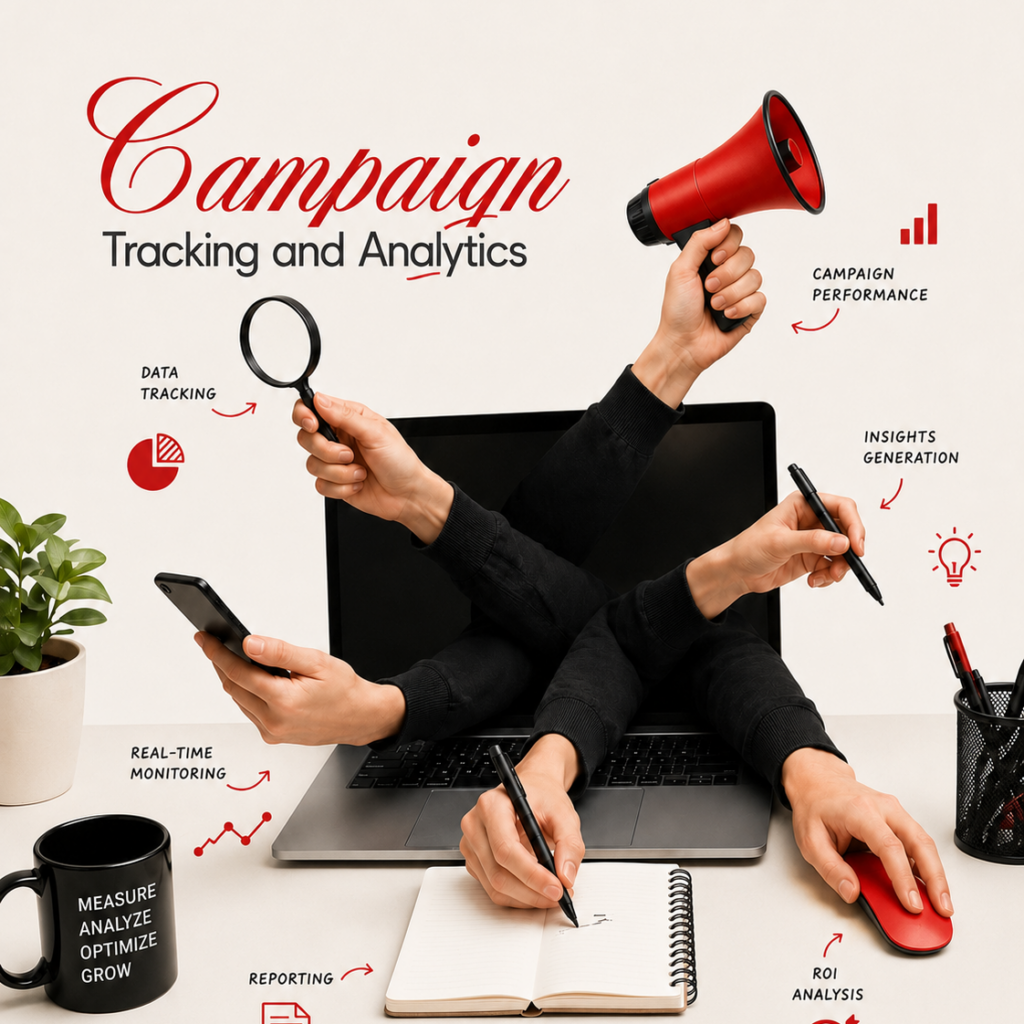
7. Better Campaign Tracking and Analytics

image

Marketing automation platforms provide detailed insights into campaign performance.

Businesses can monitor:

  • Open rates
  • Click-through rates
  • Conversion rates
  • Lead sources
  • Customer journeys
  • Return on investment (ROI)

These insights support smarter decision-making and continuous optimization.

Common Marketing Automation Workflows

Businesses can automate many customer interactions, including:

Lead Nurturing

Guide prospects through the buying journey with educational emails and relevant offers.

Welcome Series

Introduce new subscribers to your brand and services.

Abandoned Cart Recovery

Encourage online shoppers to complete their purchases.

Customer Feedback Requests

Automatically ask customers to leave reviews or complete surveys.

Re-Engagement Campaigns

Reconnect with inactive subscribers through personalized offers.

Best Practices for Marketing Automation

To achieve the best results:

Segment Your Audience

Group contacts based on interests, behavior, or demographics.

Personalize Every Interaction

Use customer data to deliver relevant messages.

Keep Workflows Simple

Avoid creating overly complicated automation sequences.

Test and Optimize

Regularly review performance and improve workflows.

Respect Customer Privacy

Follow data protection regulations and obtain proper consent before sending marketing communications.

Common Mistakes to Avoid

Businesses often reduce the effectiveness of marketing automation by:

  • Sending too many emails
  • Ignoring audience segmentation
  • Creating generic messages
  • Failing to monitor campaign performance
  • Automating without a clear strategy

Automation should enhance customer relationships—not make interactions feel robotic.

The Future of Marketing Automation

Marketing automation continues to evolve with artificial intelligence and machine learning.

Future trends include:

  • AI-powered personalization
  • Predictive lead scoring
  • Intelligent customer segmentation
  • Conversational chatbots
  • Automated content recommendations
  • Cross-channel marketing automation

Businesses that adopt these technologies early can improve efficiency and customer satisfaction.

How Spectra Digital Helps Businesses Implement Marketing Automation

At Spectra Digital, we help businesses implement marketing automation strategies that improve efficiency, generate more qualified leads, and increase sales.

Our services include:

  • Marketing automation setup
  • Email marketing campaigns
  • CRM integration
  • Lead nurturing workflows
  • Customer journey optimization
  • Analytics and reporting

We create automation strategies that save time while delivering measurable business results.

Final Thoughts

Marketing automation is no longer a luxury it has become an essential tool for businesses that want to grow efficiently.

By automating repetitive tasks, personalizing customer experiences, nurturing leads, and improving marketing performance, businesses can save valuable time while increasing sales and customer satisfaction.

When combined with strong content, SEO, and performance marketing, marketing automation becomes a powerful driver of long-term business growth.

If you’re ready to streamline your marketing and scale your business, Spectra Digital can help you build automation strategies that deliver measurable results.

Branding vs. Marketing comparison highlighting business identity, customer trust, digital marketing, and business growth.

Branding vs Marketing: Understanding the Difference and Why Your Business Needs Both

In today’s fast-paced digital world, businesses constantly compete for attention. New brands emerge every day, customers have endless choices, and digital platforms are filled with advertisements, promotions, and content. In such a competitive environment, many business owners focus heavily on marketing while overlooking one of the most important aspects of long-term success branding. Although branding and marketing are closely connected, they are not the same. One defines your business, while the other promotes it. Together, they create a powerful combination that helps businesses attract customers, earn trust, and build lasting relationships. Think about some of the world’s most successful companies. Whether it’s Apple, Nike, or Starbucks, people don’t just buy their products they buy into their identity, values, and promise. Their marketing grabs attention, but their branding creates loyalty. At Spectra Digital, we believe that businesses grow faster and stronger when branding and marketing work together. In this blog, we’ll explore the key differences between branding and marketing, why each matters, and how combining both can help your business stand out in today’s competitive marketplace.

What Is Branding?

Branding is the identity of your business. It is the personality, image, and reputation that people associate with your company. Branding influences how customers feel when they hear your business name, visit your website, or interact with your products and services.

Many people think branding is only about designing a logo, but it’s much more than that. Your logo is just one visual element of your brand. True branding includes your mission, values, messaging, customer experience, visual identity, and the emotions your business creates.

Your brand answers questions like:

  • Who are you?
  • What do you stand for?
  • Why should customers trust you?
  • What makes your business different?

Every customer interaction contributes to your brand image, from your website and social media presence to customer support and product quality.

The Building Blocks of a Strong Brand

Brand Identity

Your brand identity includes visual elements such as your logo, colors, typography, imagery, and design style. These elements make your business recognizable and memorable.

Brand Purpose

A strong brand has a clear purpose beyond selling products or services. Customers appreciate businesses that communicate why they exist and the value they bring to society.

Brand Voice

Whether your communication is formal, friendly, professional, or playful, maintaining a consistent tone across all platforms helps strengthen your brand identity.

Brand Values

Your values influence how customers perceive your business. Companies that demonstrate honesty, innovation, sustainability, or customer-first thinking often build stronger emotional connections.

Customer Experience

Branding is reflected in every interaction customers have with your business. A smooth website experience, responsive customer service, and quality products all reinforce a positive brand image.

Why Branding Matters

Builds Trust

Trust is one of the biggest factors influencing purchasing decisions. Customers are more likely to buy from businesses they recognize and trust. Consistent branding helps create confidence and credibility.

Creates Recognition

Strong branding makes your business easy to remember. Consistent logos, colors, messaging, and customer experiences ensure customers recognize your brand across different platforms.

Encourages Customer Loyalty

When customers connect emotionally with a brand, they are more likely to make repeat purchases and recommend it to others.

Differentiates Your Business

No matter your industry, competition is inevitable. Branding highlights what makes your business unique and gives customers a reason to choose you over others.

Adds Business Value

A recognizable brand increases perceived value, making it easier to attract customers, partners, and even investors.

What Is Marketing?

Marketing is the process of promoting your products or services to potential customers. It involves the strategies, campaigns, and channels used to increase awareness, generate leads, and drive sales.

While branding defines who you are, marketing communicates your value to your audience.

Marketing answers questions like:

  • How will people discover your business?
  • How will you attract customers?
  • Which channels should you use?
  • How can you increase sales?

Marketing is dynamic and constantly evolves with customer behavior, technology, and market trends.

Types of Digital Marketing

Modern businesses use multiple marketing channels to reach customers.

Search Engine Optimization (SEO)

SEO helps your website rank higher on search engines, increasing organic traffic and improving online visibility.

Search Engine Optimization (SEO)

Content Marketing

Publishing blogs, videos, case studies, and educational resources builds authority while attracting qualified visitors.

Content Marketing

Social Media Marketing

Platforms like Instagram, LinkedIn, Facebook, and X help businesses engage audiences, increase brand awareness, and build communities.

Content Marketing

Email Marketing

Email campaigns nurture leads, strengthen customer relationships, and encourage repeat purchases.

Email Marketing

Google Ads & PPC

Paid advertising provides immediate visibility by targeting users searching for specific products or services.

Google Ads & PPC

Influencer Marketing

Partnering with creators allows businesses to reach highly engaged audiences through authentic recommendations.

Email Marketing

Why Marketing Is Important

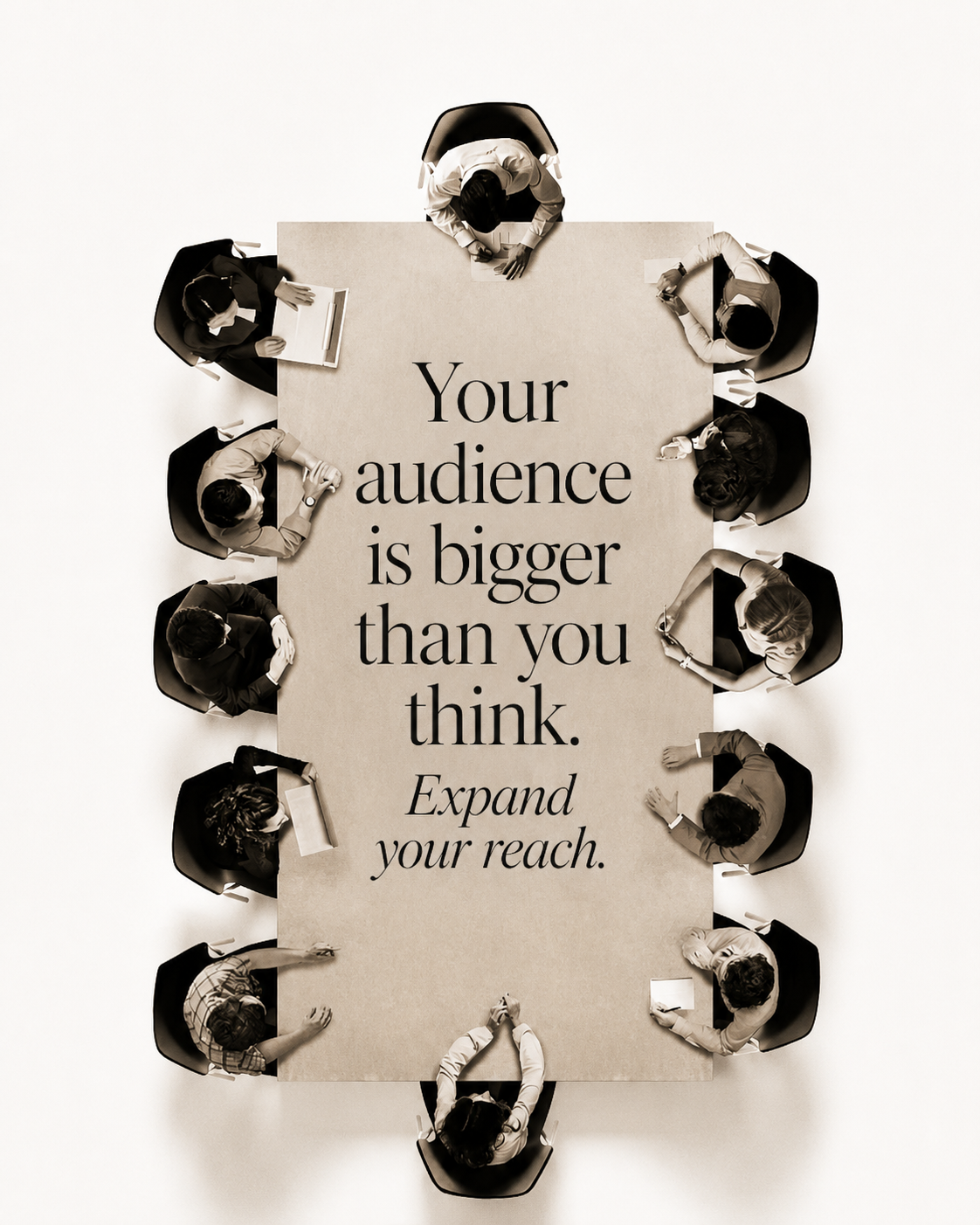
Expands Your Reach

Marketing introduces your business to potential customers who may never have discovered it otherwise.

Expands Your Reach

Generates Leads

A well-planned marketing strategy attracts people interested in your products or services, increasing the chances of conversions.

Generates Leads

Drives Revenue

Marketing campaigns encourage customers to take action, whether it’s making a purchase, requesting a quote, or booking a consultation.

Drives Revenue

Delivers Measurable Results

Unlike traditional marketing, digital marketing provides valuable insights into website traffic, campaign performance, customer behavior, and return on investment.

Delivers Measurable Results

Branding vs. Marketing: The Key Differences

BrandingMarketing
Defines your business identityPromotes your products and services
Builds trust and credibilityGenerates awareness and leads
Focuses on long-term perceptionFocuses on campaigns and growth
Creates emotional connectionsEncourages customer action
Shapes customer experienceDrives traffic and conversions
Creates loyaltyCreates opportunities

How Branding and Marketing Work Together

Branding and marketing are not competing strategies—they complement each other.

Imagine spending thousands on advertising without a clear brand identity. People may click on your advertisements, but if your messaging, visuals, and customer experience are inconsistent, they’ll quickly lose interest.

Now imagine having an incredible brand with a beautiful website, professional logo, and compelling story but never investing in marketing. Your business may have everything customers want, but they may never discover it.

When branding and marketing work together:

  • Marketing campaigns become more memorable.
  • Customers recognize your business instantly.
  • Trust increases before customers make a purchase.
  • Advertising performs better.
  • Customer loyalty improves.
  • Word-of-mouth referrals increase.

The strongest businesses understand that branding builds the foundation while marketing builds momentum.

Common Mistakes Businesses Make

Treating Branding as Just a Logo

A logo is important, but branding is much broader. Your messaging, customer service, values, and experience are equally important.

Marketing Without a Strategy

Running advertisements without understanding your audience often leads to wasted budgets and poor results.

Inconsistent Messaging

Different colors, fonts, logos, or communication styles across platforms create confusion and weaken brand recognition.

Ignoring Content Marketing

Educational content builds trust, improves SEO, and positions your business as an industry expert.

Neglecting Customer Experience

Marketing attracts customers, but customer experience determines whether they stay.

How to Build a Successful Branding and Marketing Strategy

Know Your Audience

Understand your customers’ needs, interests, and challenges before creating your brand and marketing campaigns.

Create a Strong Brand Identity

Develop consistent visuals, messaging, and values that reflect your business.

Invest in SEO

Publishing optimized content helps customers discover your business through search engines.

Be Consistent

Maintain the same tone, visual style, and messaging across your website, social media, advertisements, and email campaigns.

Measure Performance

Regularly analyze website traffic, conversion rates, engagement, and campaign performance to improve your strategy.

How Spectra Digital Helps Businesses Build Strong Brands

At Spectra Digital, we believe successful businesses need both compelling branding and effective marketing. Our team works closely with businesses to create strategies that strengthen brand identity while delivering measurable marketing results.

Our services include:

  • Brand Strategy & Positioning
  • Logo & Visual Identity Design
  • Website Design & Development
  • Search Engine Optimization (SEO)
  • Social Media Marketing
  • Content Marketing
  • Google Ads & PPC Campaign Management
  • Performance Marketing
  • Digital Marketing Consulting

Whether you’re launching a startup or growing an established business, our integrated approach ensures every marketing effort reinforces your brand and contributes to sustainable growth.

Final Thoughts

Branding and marketing are often described as two sides of the same coin—and for good reason. Branding defines who your business is, what it stands for, and how customers remember it. Marketing ensures that identity reaches the right audience through strategic communication and promotion.

Businesses that focus only on marketing may generate short-term attention but struggle to build loyalty. Businesses that focus only on branding may have a strong identity but miss opportunities to reach new customers.

The real success lies in balancing both. A strong brand gives your marketing purpose, while effective marketing gives your brand visibility. Together, they help businesses build trust, attract quality leads, strengthen customer relationships, and achieve sustainable growth.

As the digital landscape continues to evolve, investing in both branding and marketing is no longer optional—it’s essential. Businesses that combine a clear brand identity with data-driven marketing strategies are better positioned to stand out, adapt to change, and create lasting success.

At Spectra Digital, we’re passionate about helping businesses create brands that people remember and marketing strategies that deliver measurable results. Whether you’re building your identity from the ground up or looking to elevate your digital presence, our team is here to help you grow with confidence.

Conclusion

Branding tells customers who you are, while marketing tells them why they should choose you. Individually, each plays an important role, but together they create a powerful strategy for long-term business success. By investing in a strong brand and supporting it with smart, consistent marketing, businesses can build trust, increase visibility, improve customer loyalty, and drive sustainable growth. In an increasingly competitive digital world, the businesses that succeed are those that don’t just sell productsthey build brands that people believe in.
image

Lead Generation Strategies That Actually Work in 2026 for Business Growth

Lead Generation Strategies That Work in 2026

Generating leads has always been one of the biggest priorities for businesses, but in 2026, simply driving traffic to your website isn’t enough. Consumers are more informed, competition is fiercer, and AI is changing how people discover brands and make purchasing decisions.

To grow consistently, businesses need lead generation strategies that work in 2026—strategies that focus on attracting the right audience, building trust, and converting visitors into loyal customers.

In this guide, Spectra Digital shares the most effective lead generation strategies that businesses should implement to generate high-quality leads and maximize return on investment (ROI).

What Is Lead Generation?

Lead generation is the process of attracting potential customers and encouraging them to show interest in your products or services.

A lead can be someone who:

  • Fills out a contact form
  • Requests a quote
  • Downloads an eBook
  • Signs up for a newsletter
  • Books a consultation
  • Calls your business

The goal isn’t just to generate more leads—it’s to generate qualified leads that are more likely to become paying customers.

Why Lead Generation Matters in 2026

image

Digital marketing is becoming increasingly competitive. Businesses that rely only on referrals or traditional advertising risk missing valuable opportunities.

A strong lead generation strategy helps you:

  • Increase sales opportunities
  • Build a predictable sales pipeline
  • Improve marketing ROI
  • Grow your customer base
  • Scale your business sustainably

10 Effective Lead Generation Strategies That Drive Results

image

1. Optimize Your Website for Conversions

image

Your website should do more than look attractive—it should encourage visitors to take action.

A high-converting website includes:

  • Fast loading speed
  • Mobile-friendly design
  • Clear navigation
  • Strong calls-to-action (CTAs)
  • Simple contact forms
  • Trust signals such as testimonials and reviews

Every landing page should have a clear goal and make it easy for visitors to convert.

2. Invest in SEO

image

Search Engine Optimization (SEO) remains one of the most cost-effective lead generation strategies.

By ranking for relevant keywords, businesses can attract customers who are actively searching for their products or services.

Focus on:

  • High-quality content
  • Technical SEO
  • Local SEO
  • Internal linking
  • Topical authority

Organic traffic often delivers high-quality leads with long-term value.

3. Use AI-Powered Content Marketing

image

Content remains one of the best ways to build trust and attract potential customers.

Publish valuable content such as:

  • Blog articles
  • How-to guides
  • Case studies
  • Industry insights
  • FAQs
  • Videos

AI tools can help speed up content creation, but human expertise is essential for producing original and trustworthy information.

4. Run Performance Marketing Campaigns

image

Paid advertising can generate leads quickly when managed effectively.

Popular platforms include:

Successful campaigns focus on:

  • Precise audience targeting
  • High-quality creatives
  • Optimized landing pages
  • Continuous testing

Performance marketing allows businesses to scale lead generation while tracking measurable results.

5. Create High-Converting Landing Pages

Sending traffic to your homepage is rarely the best strategy.

Dedicated landing pages improve conversions by focusing on one specific offer.

Effective landing pages include:

  • Clear headlines
  • Strong value propositions
  • Customer testimonials
  • Simple forms
  • Compelling CTAs

Removing distractions often leads to better conversion rates.

6. Leverage Email Marketing

image

Email marketing remains one of the highest ROI digital marketing channels.

Businesses can nurture leads by sending:

  • Educational content
  • Product updates
  • Special offers
  • Personalized recommendations
  • Follow-up emails

Automation helps maintain consistent communication with potential customers.

7. Use Social Media Strategically

image

Social media is no longer just for brand awareness.

Businesses can generate leads through:

  • Instagram Reels
  • LinkedIn content
  • Facebook Lead Ads
  • YouTube Shorts
  • Interactive polls and webinars

Sharing valuable and engaging content helps build trust before asking for a sale.

8. Offer Valuable Lead Magnets

image

People are more likely to share their contact information when they receive something valuable in return.

Popular lead magnets include:

  • Free eBooks
  • Industry reports
  • Templates
  • Checklists
  • Free consultations
  • Webinars

Lead magnets should solve a real problem for your target audience.

9. Use Marketing Automation

image

Marketing automation helps businesses manage leads more efficiently.

Automation can:

  • Send welcome emails
  • Nurture prospects
  • Score leads
  • Schedule follow-ups
  • Personalize communication

This improves efficiency while enhancing the customer experience.

10. Track and Optimize with Analytics

image

Data-driven decisions produce better marketing results.

Monitor metrics such as:

  • Website traffic
  • Conversion rate
  • Cost per lead (CPL)
  • Customer acquisition cost (CAC)
  • Return on ad spend (ROAS)
  • Landing page performance

Regular analysis helps identify opportunities for improvement.

Common Lead Generation Mistakes

image

Many businesses struggle because they:

  • Target the wrong audience
  • Ignore website optimization
  • Create weak calls-to-action
  • Fail to follow up with leads
  • Neglect analytics and testing

Avoiding these mistakes can significantly improve lead quality and conversion rates.

Future Trends in Lead Generation

image

As technology evolves, lead generation will become even more personalized and AI-driven.

Emerging trends include:

  • AI-powered chatbots
  • Predictive analytics
  • Conversational marketing
  • Hyper-personalized campaigns
  • Voice and AI search optimization
  • Interactive content experiences

Businesses that adopt these trends early will gain a competitive advantage.

How Spectra Digital Helps Businesses Generate More Leads

At Spectra Digital, we create customized lead generation strategies that help businesses attract qualified prospects and convert them into loyal customers.

Our services include:

  • Search Engine Optimization (SEO)
  • Google Ads and Meta Ads management
  • Website design and conversion optimization
  • Performance marketing
  • Social media marketing
  • Content marketing
  • Marketing analytics and reporting

We focus on measurable results that drive business growth.

Final Thoughts

Successful lead generation in 2026 requires more than simply increasing website traffic. Businesses must combine SEO, paid advertising, content marketing, website optimization, automation, and analytics to attract and convert high-quality leads.

By implementing these lead generation strategies that work in 2026, businesses can build a predictable sales pipeline, improve marketing ROI, and achieve sustainable long-term growth.

If you’re ready to generate more qualified leads and grow your business, Spectra Digital can help you develop a data-driven lead generation strategy that delivers measurable results.

"Evergreen Content vs. Trending Content comparison for SEO, engagement, and business growth."

Evergreen Content vs. Trending Content: Which Content Strategy Is Better for Your Business?

Evergreen Content vs. Trending Content:

In today’s competitive digital landscape, creating content isn’t just about publishing regularly it’s about publishing strategically. Every blog, social media post, video, or infographic should serve a purpose, whether it’s building brand awareness, driving traffic, or generating leads.One of the biggest questions businesses face is whether they should invest in evergreen content or focus on trending content. While both have unique advantages, understanding when and how to use each can significantly improve your content marketing results.At Spectra Digital, we believe the most successful content strategies don’t rely on one approach alone. Instead, they combine evergreen and trending content to achieve both immediate visibility and long-term growth.Let’s explore the differences and discover which strategy is right for your business.

What Is Evergreen Content?

Evergreen content is content that remains useful, relevant, and valuable for months or even years after it is published. It continues attracting readers because the information doesn’t quickly become outdated.Think of evergreen content as a long-term investment. It consistently drives traffic through search engines without requiring constant updates.

Examples of Evergreen Content

  • Beginner’s Guide to SEO
  • How to Build a Digital Marketing Strategy
  • Website Design Best Practices
  • Email Marketing Tips for Small Businesses
  • Social Media Marketing Basics
  • Content Marketing Guide for Startups

These topics solve ongoing problems that businesses and individuals regularly search for.

Benefits of Evergreen Content

Long-Term Organic Traffic

Evergreen articles continue ranking on search engines long after publication. Unlike news articles, they don’t lose relevance quickly, making them a reliable source of organic traffic.

Long-Term Organic Traffic

Better Return on Investment

Since evergreen content continues generating visitors over time, the effort invested in creating it delivers value long after it’s published.

Better Return on Investment

Stronger SEO Performance

Google prioritizes helpful, informative content. High-quality evergreen blogs naturally attract backlinks, improve keyword rankings, and strengthen your website’s authority.

Stronger SEO Performance

Builds Trust and Authority

Publishing educational content positions your business as an industry expert. Customers are more likely to trust brands that consistently provide valuable insights.

Builds Trust and Authority

Supports Lead Generation

Evergreen content attracts visitors throughout the year, making it ideal for capturing leads through newsletters, downloadable resources, or contact forms.

Supports Lead Generation

What Is Trending Content?

Trending content focuses on current events, industry updates, viral topics, or emerging technologies that are generating attention at a specific moment.

Its primary goal is to capture immediate interest while the topic is popular.

Examples of Trending Content

  • Google’s Latest Search Algorithm Update
  • AI Marketing Trends in 2026
  • Instagram’s New Features Explained
  • Digital Marketing Trends for 2026
  • Major Social Media Platform Updates
  • Viral Marketing Campaign Analysis

Trending content often receives a surge of traffic shortly after publication but may decline as the topic becomes less relevant.

Benefits of Trending Content

Higher Short-Term Traffic

Publishing content around trending topics can quickly attract visitors searching for the latest information.

Higher Short-Term Traffic

Increased Social Media Engagement

Trending topics are more likely to be shared, discussed, and commented on across social platforms.

Increased Social Media Engagement

Brand Relevance

Covering current industry developments shows your audience that your business stays informed and adapts to changes.

Brand Relevance

Faster Audience Growth

Trending content can introduce your brand to new audiences who are actively searching for timely information.

Faster Audience Growth

Evergreen Content vs. Trending Content

Evergreen ContentTrending Content
Long-lasting valueShort-term relevance
Consistent organic trafficTraffic spikes quickly
Strong SEO potentialBetter for social engagement
Requires occasional updatesRequires frequent publishing
Builds authority over timeBuilds immediate visibility
Ideal for lead generationIdeal for increasing reach

Which Content Strategy Should Your Business Choose?

The answer isn’t choosing one over the other—it’s using both strategically.

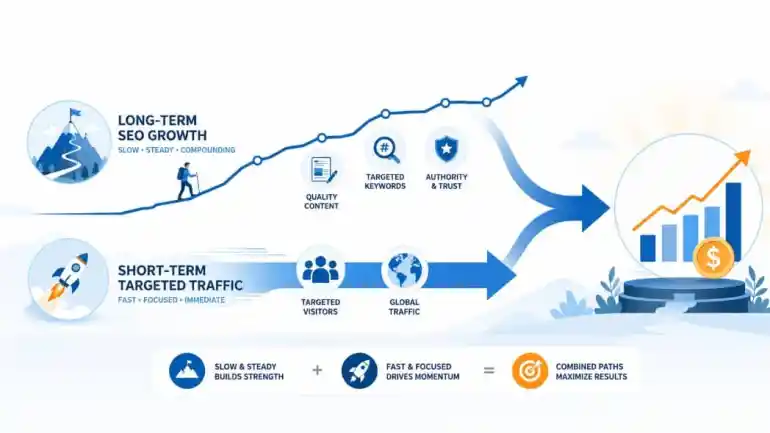
Evergreen content creates a strong foundation for your website by continuously attracting search traffic and establishing authority. Trending content keeps your brand relevant, helps you participate in current conversations, and boosts engagement across social media.

Businesses that combine both approaches often see the best long-term results.

For example:

  • Publish evergreen blogs every month covering core industry topics.
  • Create trending articles whenever major updates or industry news emerge.
  • Refresh evergreen content regularly with updated statistics, examples, and best practices.

This balanced strategy ensures your website remains valuable today while continuing to perform well in the future.

How Spectra Digital Creates High-Performing Content

At Spectra Digital, we develop content strategies that are built for both immediate impact and sustainable growth.

Our content marketing approach includes:

  • SEO-focused blog writing
  • Keyword research and content planning
  • Evergreen content creation
  • Trending topic analysis
  • Website content optimization
  • Social media content strategy
  • Performance tracking and continuous improvement

Whether your goal is to improve Google rankings, generate qualified leads, or strengthen your brand authority, our team creates content that delivers measurable business results.

Best Practices for a Balanced Content Strategy

To maximize the impact of your content marketing:

  • Build a library of evergreen articles targeting your core services and customer questions.
  • Monitor industry news and publish timely insights on important developments.
  • Update evergreen blogs every 6–12 months to keep them accurate and competitive.
  • Optimize all content with relevant keywords, engaging headlines, and clear calls to action.
  • Promote both evergreen and trending content across your social media channels and email campaigns.

A balanced approach helps you maintain steady traffic while also capitalizing on opportunities created by current trends.

Final Thoughts

Evergreen content and trending content each play an important role in a successful digital marketing strategy. Evergreen content builds long-term authority, improves SEO, and generates consistent traffic, while trending content increases visibility, engagement, and brand relevance.

Rather than viewing them as competing strategies, think of them as complementary tools. Together, they help businesses achieve sustainable growth while staying connected to the latest industry developments.

If you’re looking to create content that ranks, engages, and converts, Spectra Digital can help you develop a strategy that combines the lasting value of evergreen content with the excitement of trending topics ensuring your brand stays visible today and continues growing tomorrow.

Conclusion

A successful content marketing strategy isn’t about choosing between evergreen and trending content it’s about finding the right balance. Evergreen content ensures long-term visibility and authority, while trending content helps your brand stay relevant and capture timely opportunities. By combining both, businesses can enjoy consistent organic traffic, stronger engagement, and sustainable growth. At Spectra Digital, we help brands create content strategies that deliver measurable results today and continue performing well into the future.
How to rank in ChatGPT Search using AI-ready SEO and content strategies by Spectra Digital.

How to Rank in ChatGPT Search Proven Guide for Businesses in 2026

Search is evolving beyond traditional search engines. Millions of people now use AI-powered tools like ChatGPT to research products, compare services, and find answers to their questions. As AI search becomes more common, businesses need to rethink how they approach online visibility.

Understanding how to rank in ChatGPT Search is becoming an important part of a modern digital marketing strategy. While ChatGPT doesn’t rank websites the same way as traditional search engines, businesses that create trustworthy, high-quality content are more likely to be surfaced in AI-assisted search experiences.

In this guide, Spectra Digital explains how businesses can improve their visibility in ChatGPT Search and prepare for the future of AI-driven discovery.

What Is ChatGPT Search?

image

ChatGPT Search is an AI-powered search experience that combines conversational responses with information from the web to help users find relevant and up-to-date information.

Instead of simply displaying a list of links, ChatGPT Search can summarize information, compare options, and answer complex questions in natural language. When appropriate, it also cites or links to relevant sources.

For businesses, this means that visibility is no longer only about ranking first in traditional search results. It’s also about creating content that AI systems can easily understand and trust.

Here’s why ChatGPT Search Matters for Businesses

More users are turning to AI tools to:

  • Research products and services
  • Compare businesses
  • Learn new topics
  • Find local providers
  • Make purchasing decisions

As this behavior grows, businesses that optimize for AI-driven search can gain an advantage over competitors that rely only on traditional SEO.

How to Rank in ChatGPT Search

image

1. Create Helpful, Original Content

image

AI systems prioritize content that genuinely helps users.

Instead of publishing content written only for search engines, focus on answering real customer questions with clear, accurate, and original information.

High-quality content should:

  • Solve a specific problem
  • Include practical examples
  • Be easy to understand
  • Stay updated regularly

Helpful content builds trust with both users and AI systems.

2. Build Topical Authority

image

Publishing one article is rarely enough.

Businesses should develop comprehensive content around their expertise.

For example, a digital marketing agency can create articles about:

  • SEO
  • AI marketing
  • Performance marketing
  • Website optimization
  • Google Ads
  • Social media marketing

A strong content library signals expertise and authority.

3. Focus on E-E-A-T

image

Google introduced the concept of Experience, Expertise, Authoritativeness, and Trustworthiness (E-E-A-T), and these principles are also valuable when creating content for AI-driven search.

Build trust by:

  • Sharing real experience
  • Publishing accurate information
  • Including case studies
  • Demonstrating industry knowledge
  • Keeping content updated

Reliable content is more likely to be referenced and recommended.

4. Optimize Your Website’s Technical SEO

image

AI search experiences still rely on websites that are technically sound.

Important areas include:

  • Fast page speed
  • Mobile-friendly design
  • Secure HTTPS connection
  • Clear site structure
  • Proper internal linking

Technical SEO helps search engines and AI systems understand your content more effectively.

5. Answer Questions Clearly

image

Many ChatGPT Search users ask complete questions rather than entering short keywords.

Structure your content to answer questions directly.

For example:

  • What is performance marketing?
  • How does SEO work?
  • Why is website speed important?

Using headings and FAQ sections makes your content easier to understand and reference.

6. Publish Fresh Content Regularly

image

Industries evolve quickly, especially in digital marketing.

Regularly updating your website with:

  • Blog posts
  • Case studies
  • Industry news
  • How-to guides

helps demonstrate that your business remains active and knowledgeable.

7. Strengthen Your Brand Presence

image

AI systems are more likely to recognize businesses with a strong online presence.

Improve your visibility by:

  • Maintaining active social media profiles
  • Earning customer reviews
  • Getting mentioned on reputable websites
  • Publishing thought leadership content

A recognizable brand supports long-term discoverability.

8. Use Structured Content

image

Organize your pages with:

  • Clear H2 and H3 headings
  • Bullet points
  • Tables where appropriate
  • FAQ sections

Well-structured content is easier for both readers and AI systems to interpret.

9. Earn High-Quality Backlinks

image

Backlinks remain an important signal of credibility.

Focus on earning links from:

  • Industry publications
  • Business directories
  • News websites
  • Relevant blogs

Quality backlinks strengthen your website’s authority.

10. Prioritize User Experience

image

A positive user experience supports better engagement.

Businesses should ensure their websites are:

  • Fast
  • Easy to navigate
  • Mobile responsive
  • Accessible

Satisfied visitors are more likely to stay, engage, and return.

Common Mistakes Businesses Should Avoid

Many businesses limit their visibility by:

  • Publishing thin or duplicate content
  • Ignoring technical SEO
  • Writing only for keywords
  • Failing to update content
  • Neglecting website performance

Avoiding these mistakes improves both traditional SEO and AI search visibility.

How ChatGPT Search Differs from Traditional Search

image

While traditional search engines rank pages based on algorithms that consider hundreds of signals, AI-powered search focuses more on understanding user intent and providing direct, useful answers.

This means businesses should shift from simply trying to “rank” for keywords toward becoming trusted sources of information.

How Spectra Digital Helps Businesses Prepare for AI Search

At Spectra Digital, we help businesses adapt to the future of search with strategies that combine SEO best practices and AI-ready content.

Our services include:

  • SEO strategy and optimization
  • Content marketing
  • Technical SEO
  • Website development
  • Performance marketing
  • AI-focused content planning

We help businesses improve visibility across both traditional search engines and emerging AI-powered search experiences.

Final Thoughts

Learning how to rank in ChatGPT Search is becoming an important opportunity for businesses that want to stay ahead in the evolving digital landscape.

Success is no longer just about keywords it requires creating helpful content, building authority, delivering an excellent user experience, and earning trust over time.

Businesses that invest in quality content and strong SEO fundamentals today will be better positioned to succeed as AI-powered search continues to grow.

If you’re ready to prepare your business for the future of AI search, Spectra Digital can help you build strategies that improve visibility, attract qualified traffic, and drive long-term growth.

Content Marketing Trends in 2026 – AI, Video, SEO, Personalization, and Digital Strategy

Content Marketing Trends in 2026

What Every Business Needs to Know

Content marketing has evolved far beyond publishing blogs and social media posts. In 2026, brands are competing not just for visibility but for attention, trust, and meaningful engagement. As consumer behavior continues to change and AI becomes a core part of digital marketing, businesses need to rethink how they create, distribute, and optimize content.

The brands that succeed are those that deliver personalized, valuable, and engaging content across multiple platforms while maintaining authenticity.

At Spectra Digital, we help businesses build future-ready content strategies that drive traffic, generate leads, and increase conversions. Let’s explore the top content marketing trends shaping 2026.

AI-Powered Content Creation Is Becoming the New Standard

Artificial Intelligence has transformed how marketers create content. Instead of replacing creativity, AI is helping businesses produce high-quality content faster by assisting with research, brainstorming, editing, keyword optimization, and content personalization.

However, businesses should remember that AI-generated content performs best when combined with human creativity, industry expertise, and brand storytelling.

Successful brands use AI to improve efficiency while ensuring every piece of content reflects their unique voice.

How businesses can benefit:

  • Faster content production
  • Better SEO optimization
  • Smarter content planning
  • Improved audience insights
  • Higher productivity for marketing teams
AI-Powered Content Creation Is Becoming the New Standard

Short-Form Video Continues to Dominate

Consumers prefer watching over reading, making short-form video one of the strongest content formats in 2026.

Platforms like Instagram Reels, YouTube Shorts, and TikTok continue to drive massive engagement because they deliver information quickly and entertainingly.

Businesses are using videos for:

  • Product demonstrations
  • Customer testimonials
  • Behind-the-scenes content
  • Educational tips
  • Brand storytelling

Short videos are easier to consume, highly shareable, and often receive significantly higher engagement than static posts.

 Short-Form Video Continues to Dominate

Personalized Content Is No Longer Optional

Modern consumers expect brands to understand their needs.

Generic content is becoming less effective as audiences demand personalized experiences based on their interests, purchase history, browsing behavior, and demographics.

Businesses are increasingly using customer data to create:

  • Personalized email campaigns
  • Dynamic website content
  • Product recommendations
  • Customized landing pages
  • Targeted social media campaigns

Personalized content improves customer satisfaction, engagement, and conversion rates.

 Personalized Content Is No Longer Optional

SEO Is Becoming More User-Focused

Search engines now prioritize content that genuinely helps users rather than simply targeting keywords.

In 2026, successful SEO content focuses on:

  • Answering real customer questions
  • Providing in-depth information
  • Improving readability
  • Demonstrating expertise
  • Delivering a great user experience

Businesses should create content that solves problems instead of simply ranking for keywords.

Long-form, informative, and experience-based content continues to outperform thin articles.

SEO Is Becoming More User-Focused

Interactive Content Is Driving Higher Engagement

Static content is giving way to interactive experiences.

Brands are increasingly using:

  • Polls
  • Quizzes
  • Surveys
  • Calculators
  • Interactive infographics
  • Assessment tools

Interactive content encourages users to spend more time engaging with your brand while providing valuable customer insights.

This trend also improves website engagement metrics, which can positively impact SEO.

Interactive Content Is Driving Higher Engagement

Voice Search Optimization Is Becoming Essential

With smart speakers and voice assistants becoming more common, voice search continues to grow.

People search differently using voice than they do by typing.

Instead of typing:

“Best digital marketing agency Mumbai”

Users ask:

“Which is the best digital marketing agency near me?”

Businesses should optimize content using conversational language, FAQs, and natural sentence structures.

Voice Search Optimization Is Becoming Essential

Authentic Storytelling Builds Stronger Brands

Consumers trust brands that are transparent and relatable.

Instead of aggressive promotional content, businesses are sharing:

  • Customer success stories
  • Employee experiences
  • Company values
  • Behind-the-scenes content
  • Founder journeys

Authentic storytelling helps businesses build emotional connections and long-term customer loyalty.

 Authentic Storytelling Builds Stronger Brands

User-Generated Content Builds Trust

Reviews, testimonials, customer photos, and social media mentions continue to influence purchasing decisions.

Potential customers trust real users more than traditional advertising.

Businesses should encourage customers to:

  • Share reviews
  • Upload product photos
  • Create video testimonials
  • Tag brands on social media
  • Participate in campaigns

User-generated content provides social proof while reducing content creation costs.

 User-Generated Content Builds Trust

Omnichannel Content Strategy Is the Future

Customers interact with brands across multiple platforms before making a purchase.

A single blog post can become:

  • LinkedIn article
  • Instagram carousel
  • Reel
  • Email newsletter
  • Infographic
  • YouTube video
  • Podcast episode

Repurposing content allows businesses to maximize reach while maintaining consistency across channels.

Omnichannel Content Strategy Is the Future

Data-Driven Content Marketing Wins

Content decisions should no longer rely on guesswork.

Businesses are increasingly using analytics to understand:

  • Which blogs generate leads
  • Which videos retain viewers
  • Which social posts drive engagement
  • Which landing pages convert best
  • Which keywords bring qualified traffic

Tracking content performance helps marketers continuously improve their strategy and achieve better ROI.

 Data-Driven Content Marketing Wins

How Businesses Can Prepare for Content Marketing in 2026

To stay competitive, businesses should focus on creating content that is valuable, relevant, and tailored to their audience.

Key priorities include:

  • Develop a clear content strategy
  • Invest in high-quality video content
  • Leverage AI responsibly
  • Optimize for SEO and voice search
  • Repurpose content across platforms
  • Personalize customer experiences
  • Track performance using analytics
  • Focus on building trust through authentic storytelling

Companies that adapt to these trends will be better positioned to attract, engage, and retain customers in an increasingly competitive digital landscape.

Why Choose Spectra Digital?

At Spectra Digital, we create content strategies that go beyond rankings—we focus on driving measurable business growth. From SEO-optimized blogs and engaging social media content to compelling video campaigns and performance-driven digital strategies, our team helps brands connect with the right audience at the right time.


Whether you’re looking to increase website traffic, improve search visibility, or generate quality leads, Spectra Digital delivers tailored content marketing solutions designed for long-term success.

Final Thoughts

Content marketing in 2026 is centered around delivering value, personalization, and authentic experiences. Businesses that embrace AI, prioritize high-quality content, invest in video, and make data-driven decisions will stand out in a crowded digital landscape.

Rather than chasing every new trend, focus on creating content that solves problems, answers questions, and builds lasting relationships with your audience. A strategic, customer-first approach is what will drive sustainable growth in the years ahead.

If you’re ready to elevate your content marketing strategy, Spectra Digital is here to help you create impactful content that delivers real business results.