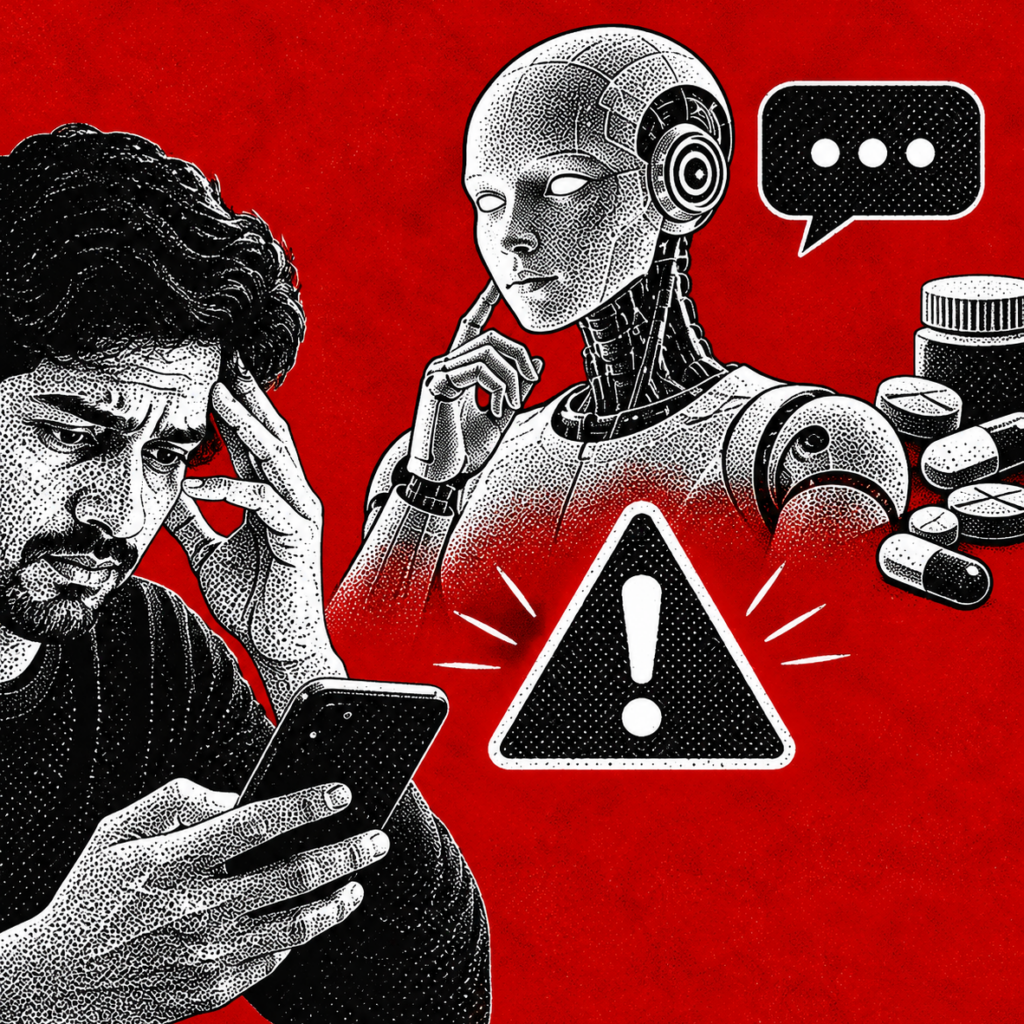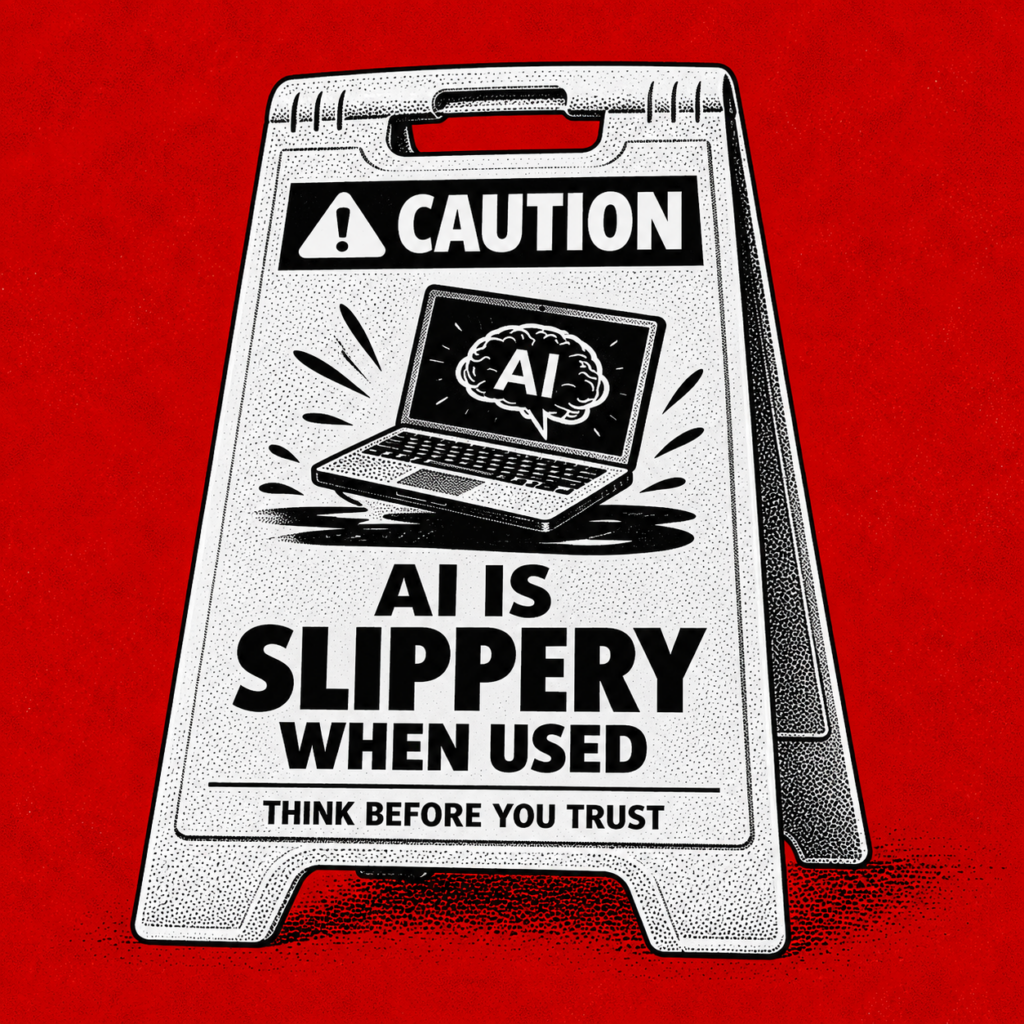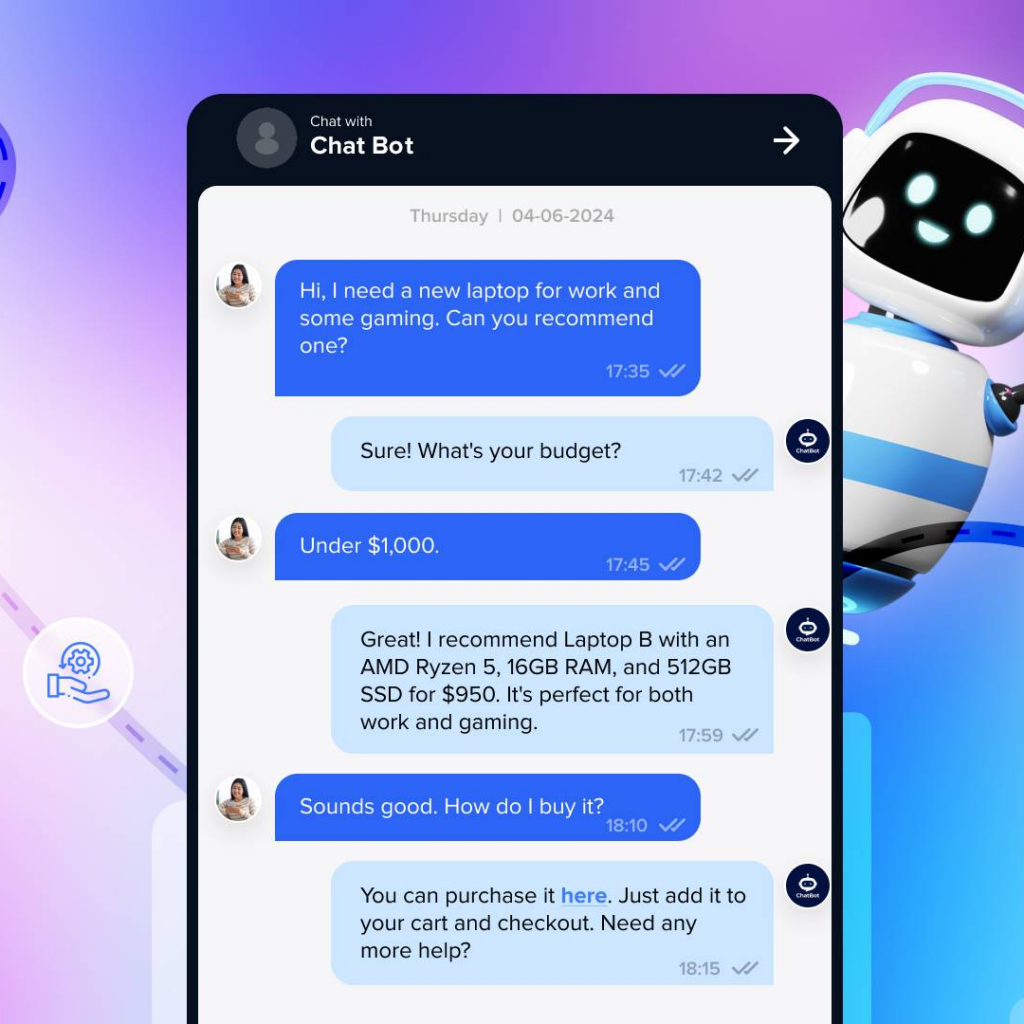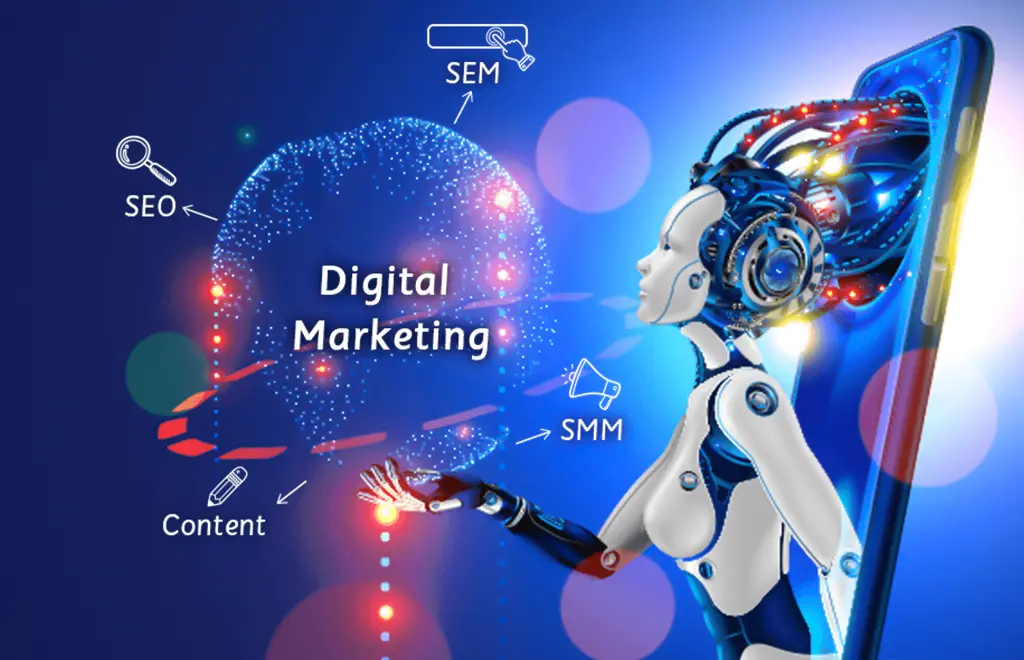
AI agents leading the consumer journey.

AI Agents Are Coming for Your Customer Journey: What Marketers Need to Know

The customer journey is changing.

For years, marketers have designed journeys around a familiar sequence: discover → research → compare → purchase → retain. Brands used search ads, social media, websites, email and retargeting to influence consumers at each stage.

AI agents are beginning to change that model.

Instead of simply giving consumers information, AI agents can increasingly search, compare, recommend, monitor, personalise and take actions on their behalf. Google, for example, is introducing agentic capabilities into Search, while its commerce ecosystem is being built to support AI-assisted shopping and checkout. OpenAI has also expanded product discovery in ChatGPT, allowing users to explore and compare products conversationally.

This creates a new challenge for marketers:

What happens when the customer is no longer making every decision themselves?

The answer is not that marketing becomes irrelevant. Instead, the role of marketing is shifting from influencing every individual click to making sure your brand, product, content and customer experience are understandable and trustworthy to both people and AI systems.


What Are AI Agents?
ChatGPT Image Sep 25, 2026, 12 36 37 PM

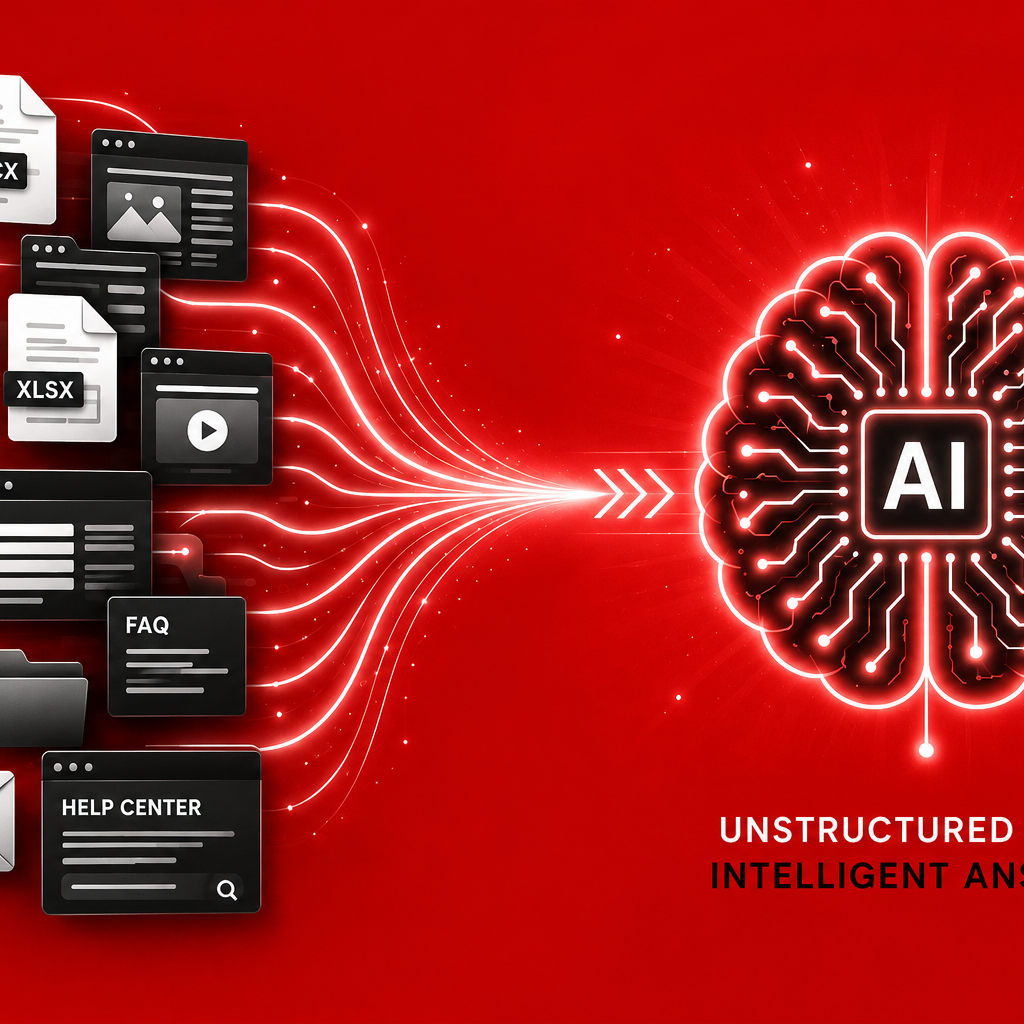
An AI agent is more than a chatbot that answers questions.

Traditional AI tools generally respond to a prompt. AI agents are designed to take a series of actions toward a goal, sometimes working across multiple systems or steps.

For example, imagine someone telling an AI agent:

“Find me a comfortable pair of running shoes under ₹10,000, compare the options and help me choose one.”

A traditional search experience might return pages of results.

An AI agent could potentially:

  1. Understand the person’s requirements.
  2. Search multiple sources.
  3. Compare products.
  4. Consider reviews and specifications.
  5. Narrow down suitable options.
  6. Recommend products.
  7. Potentially assist with the purchase.

Google is already developing agentic shopping infrastructure, including its Universal Commerce Protocol and Universal Cart, while ChatGPT is expanding conversational product discovery and comparison.

The important distinction is simple:

Search helps people find information. Agents can help people get things done.


How AI Agents Could Change the Customer Journey
ChatGPT Image Sep 25, 2026, 12 45 39 PM

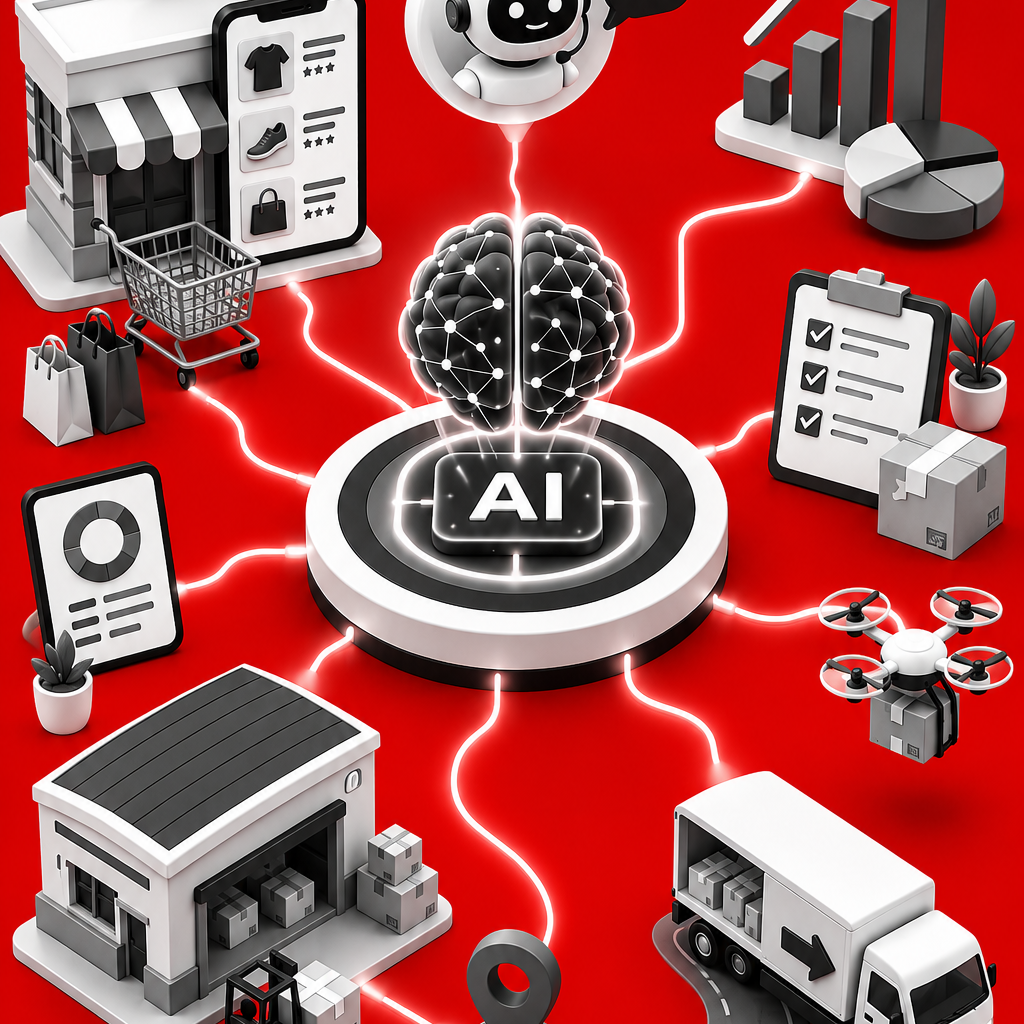
The traditional customer journey assumes that consumers actively move from one touchpoint to another.

AI agents could make that journey more automated.

Traditional Journey

Ad → Website → Search → Reviews → Comparison → Product Page → Checkout

Agentic Journey

Need → AI Agent → Research → Recommendation → Action

That doesn’t mean websites, advertising or social media disappear. Instead, the agent may become another layer between the consumer and the brand.

This has major implications for digital marketing.


1. Discovery Could Become More Conversational

Consumers are already moving beyond short keyword searches.

Instead of searching:

“Best coffee machines Mumbai”

a user might ask:

“I’m looking for a compact coffee machine for a small apartment in Mumbai. I drink two cups a day, want something easy to clean and have a budget of ₹15,000. What should I consider?”

AI search experiences are designed to handle these longer, more contextual queries. Google says its newer Search experiences allow users to ask complex questions and continue conversations while maintaining context.

For marketers, this means keyword matching alone is no longer enough.

Brands need content that answers the underlying questions customers have.


2. AI Agents May Become the New Product Researchers

ChatGPT Image Sep 25, 2026, 12 56 49 PM

Think about how consumers currently shop.

They might:

  • Search Google
  • Watch YouTube reviews
  • Check Instagram
  • Read Reddit discussions
  • Visit brand websites
  • Compare prices
  • Read customer reviews
  • Open multiple product pages

An AI agent can potentially bring several of these research steps together.

OpenAI’s product discovery experience in ChatGPT, for example, allows users to explore products, compare options and receive up-to-date information within a conversational interface.

That creates a new marketing question:

If an AI agent is doing the research, will your brand be one of the options it considers?


3. Brand Visibility May Become AI Visibility

SEO has traditionally focused on getting your website to appear prominently in search results.

AI search introduces another layer:

Will AI systems understand, trust and mention your brand when answering relevant questions?

This is why concepts such as AI SEO, Generative Engine Optimisation (GEO) and AI search visibility are becoming increasingly important.

Brands need to think beyond:

“How do I rank for this keyword?”

and start thinking about:

“How can my brand become a useful, credible answer to this customer’s problem?”

That requires strong fundamentals:

  • Useful original content
  • Clear product information
  • Accurate business details
  • Strong brand authority
  • Relevant reviews and mentions
  • Structured product data
  • Consistent information across platforms
  • A technically accessible website

4. The Product Feed Could Become as Important as the Product Page

In traditional e-commerce, marketers spend significant effort optimising product pages.

In an agentic commerce environment, machine-readable product information becomes increasingly important.

AI systems need to understand things such as:

  • What the product is
  • Who it is for
  • Price
  • Availability
  • Features
  • Sizes and variants
  • Delivery information
  • Return policies
  • Reviews
  • Promotions

Google is introducing tools and data attributes intended to help products appear across conversational AI surfaces. Its 2026 commerce initiatives also include infrastructure designed to help AI agents interact with merchants.

For marketers, product data is no longer just an e-commerce operations issue.

It is becoming part of discoverability.


5. The Funnel Could Become Less Linear

The traditional marketing funnel looks something like:

Awareness → Consideration → Conversion → Loyalty

AI agents can blur these stages.

A consumer might start with a vague need, ask an AI agent for recommendations, compare several brands and move toward a transaction without visiting every brand’s website.

This means the journey can become:

Question → Research → Recommendation → Action

with AI assisting throughout.

Google’s 2026 marketing developments reflect this shift, with AI tools designed to connect discovery, consideration and conversion more closely within Search and commerce experiences.


6. Customer Experience Will Become More Important
ChatGPT Image Sep 25, 2026, 01 08 50 PM

Here’s an important consequence:

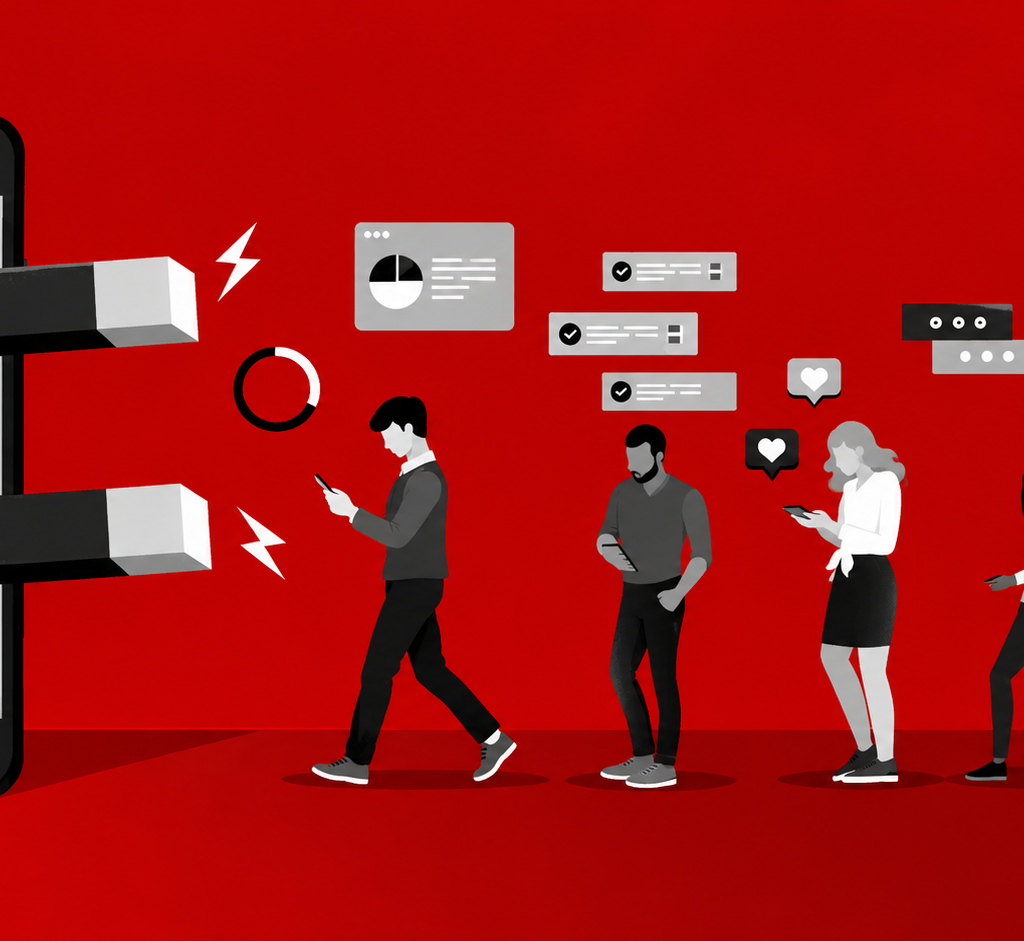
AI agents can make poor customer experiences easier to discover.

If your website has confusing pricing, inconsistent product information, unclear policies or difficult checkout processes, an AI system may struggle to confidently recommend or transact with your business.

On the other hand, brands with:

  • Clear information
  • Reliable inventory
  • Transparent pricing
  • Strong customer support
  • Easy checkout
  • Useful content

can create a smoother experience for both customers and AI systems.

Marketing and customer experience therefore become even more closely connected.


What Happens to Advertising?

Advertising isn’t disappearing.

But the advertising environment may change.

Instead of simply presenting an ad and hoping a consumer clicks, brands may increasingly compete to become relevant recommendations within AI-assisted experiences.

Google has already announced AI-powered advertising formats designed to connect conversational Search experiences with commercial decisions. It has also introduced Business Agent for Leads in India, allowing potential customers to interact with an AI agent associated with an advertiser.

This could shift the role of advertising from:

“Get the click.”

to:

“Be relevant when the decision is being made.”


AI Agents Will Not Replace Marketing. They Will Change What Marketers Optimise For.

The biggest mistake marketers can make is treating AI agents as simply another content trend.

They represent a broader change in how consumers may interact with businesses.

Marketers have historically optimised for:

  • Impressions
  • Clicks
  • Rankings
  • Website visits
  • Leads
  • Conversions

These metrics will continue to matter.

But marketers will increasingly need to think about:

  • AI visibility
  • Brand mentions in AI-generated answers
  • Product discoverability
  • Recommendation relevance
  • Content authority
  • Data quality
  • Conversational conversion
  • Customer experience

The objective isn’t simply to rank first.

It is to make your brand easy to understand, easy to trust and easy to choose.


7 Ways Brands Can Prepare for the Agentic Customer Journey

1. Build Content Around Customer Questions

Don’t create content only around keywords.

Build resources around real questions customers ask before purchasing.

For example:

Instead of:

“Running Shoes | Brand X”

create supporting content around:

  • Which running shoes are best for beginners?
  • What running shoes are suitable for flat feet?
  • How should running shoes fit?
  • How often should running shoes be replaced?

This gives AI systems more useful information to work with while also helping human customers.


2. Strengthen Your First-Party Data

Your website should clearly communicate what your business offers.

Make sure your:

  • Product information
  • Pricing
  • FAQs
  • Reviews
  • Contact information
  • Policies
  • Availability
  • Service details

are accurate and regularly updated.

In an AI-first environment, bad information can become bad recommendations.


3. Think Beyond Google

AI-driven discovery is expanding across different platforms.

Consumers may encounter brands through:

  • Google AI experiences
  • ChatGPT
  • YouTube
  • Social platforms
  • Retail platforms
  • Brand websites
  • AI-powered shopping experiences

Google’s own 2026 developments show AI becoming integrated across Search, YouTube, advertising and commerce rather than existing as a standalone feature.

Your brand therefore needs a multi-platform discovery strategy.


4. Make Your Website AI-Friendly

Technical SEO still matters.

Focus on:

  • Crawlability
  • Structured data
  • Fast loading
  • Mobile usability
  • Clear site architecture
  • Descriptive product information
  • Internal linking
  • Accessible content

The goal is simple:

Make it easy for both people and machines to understand your website.


5. Invest in Original Content

AI can generate generic information at scale.

That makes genuinely useful content more valuable.

Create content based on:

  • Original research
  • Expert insights
  • Customer experiences
  • Case studies
  • Data
  • Demonstrations
  • Unique brand perspectives

Your content should give AI systems and human readers a reason to consider your brand authoritative.


6. Optimise for the Entire Customer Experience

Don’t stop at SEO.

Look at the full journey:

Discovery → Research → Comparison → Purchase → Support → Retention

Ask:

  • Is our information easy to understand?
  • Can customers quickly compare products?
  • Are our policies clear?
  • Is our checkout simple?
  • Can customers get answers quickly?
  • Is our brand information consistent?

AI may bring customers to your business faster.


7. Start Experimenting With AI Agents Internally

The agentic shift isn’t only happening on the customer side.

Marketers themselves can use AI agents for tasks such as:

  • Campaign analysis
  • Competitor monitoring
  • Keyword research
  • Content research
  • Reporting
  • Lead qualification
  • Customer support
  • Data analysis
  • Campaign optimisation

Google’s Ask Advisor, for example, is designed to connect marketing data across products such as Google Ads and Analytics and provide proactive recommendations.

The future marketer may therefore work with a team of AI agents, rather than simply using AI as a writing tool.


The Future Customer Journey May Be Agentic

The next major shift in digital marketing isn’t simply from search engines to AI search.

It is from searching to delegating.

Consumers may increasingly tell AI what they want and allow agents to handle parts of the research, comparison and transaction process.

For brands, this creates a new challenge.

You aren’t only competing for the customer’s attention anymore.

You may also be competing to become the recommendation an AI agent makes on the customer’s behalf.

That makes strong SEO, original content, reliable data, brand authority and excellent customer experience more important, not less.

The brands that prepare for this shift won’t just ask:

“How do we get more clicks?”

They’ll ask:

“How do we become the brand AI can confidently recommend?”

And that could become one of the most important marketing questions of the agentic era.

AI-generated content and authentic brand marketing in the digital age

AI Slop Is Everywhere. Here’s Why Authenticity Is Becoming a Competitive Advantage

The internet has never had more content.

And somehow, it has never felt more repetitive.

Scroll through social media and you will see polished captions that sound strangely familiar, generic AI-generated images, videos with the same hooks, recycled listicles and articles that technically answer a question but say nothing new.

Welcome to the age of AI slop.

As generative AI becomes part of everyday content creation, brands can now produce blogs, social posts, images, videos and advertisements faster than ever before.

But there is a problem.

When everyone can create more content, creating more content stops being the competitive advantage.

Instead, the brands that stand out will be the ones that feel human, distinctive and authentic.

What Is AI Slop?

“AI slop” is a term increasingly used online to describe low-quality, mass-produced or generic content created with the help of artificial intelligence.

AI itself isn’t the problem.

The problem is what happens when brands use AI to produce content without adding:

  • Original thinking
  • Human experience
  • Creativity
  • Context
  • Personality
  • Fact-checking
  • A clear point of view

The result is content that may be grammatically perfect but emotionally empty.

It answers the question.

It just doesn’t give you a reason to remember the answer.

And as AI-generated content becomes easier to produce, the internet risks becoming increasingly crowded with content that looks different but sounds exactly the same.

AI Has Solved the Content Problem. Or Has It?

For years, marketers complained about not having enough content.

Not enough blogs.

Not enough social posts.

Not enough videos.

Not enough campaign ideas.

Generative AI has changed that.

A marketer can now generate dozens of content ideas in minutes. AI can help write first drafts, analyse data, create variations, brainstorm headlines and accelerate production.

That’s a huge advantage.

But it also creates a new problem:

Content abundance.

When producing content becomes cheap and fast, the value shifts from production to differentiation.

Think about photography.

Everyone has a camera in their pocket today.

That didn’t make everyone a great photographer.

The same principle applies to AI.

Everyone can generate content. Not everyone can create something worth consuming.

Why Authenticity Is Becoming More Valuable

When audiences are surrounded by polished, predictable content, something imperfect can suddenly feel more interesting.

A founder speaking honestly about a business mistake.

A creator sharing an unscripted opinion.

A customer showing how they actually use a product.

A brand admitting that something didn’t work.

These moments can feel more believable because they don’t feel manufactured.

Authenticity creates something AI-generated content often struggles to replicate:

human connection.

People don’t just consume information.

They connect with stories, opinions, experiences and personalities.

And that’s where brands have an opportunity.

The Internet Is Becoming More Polished and Less Personal

There is an interesting contradiction happening online.

Technology is making content look better.

But sometimes, it is making content feel worse.

The same AI tools that can create beautiful visuals can also produce images that feel interchangeable.

The same tools that can write perfectly structured articles can produce paragraphs filled with generic observations.

The same tools that can create social captions can make every brand sound like the same brand.

You start seeing phrases such as:

“In today’s fast-paced digital world…”

“It’s important to note…”

“Here are five game-changing strategies…”

Again and again.

The problem isn’t that these sentences are incorrect.

It’s that they don’t sound like anyone.

And brands without a recognisable voice become increasingly difficult to remember.

Authenticity Doesn’t Mean Anti-Technology

ChatGPT Image Sep 4, 2026, 05 42 38 PM

This is an important distinction.

The answer isn’t to stop using AI.

AI can be an incredibly powerful tool for marketers.

It can help with:

  • Research
  • Brainstorming
  • Content planning
  • Data analysis
  • Transcription
  • Editing
  • Personalisation
  • Workflow automation
  • Content repurposing
  • Creative exploration

The difference is how you use it.

There is a big difference between:

“AI, write my entire brand campaign.”

and

“Here is our idea, audience insight and brand voice. Help us explore ten creative directions.”

The first replaces thinking.

The second accelerates thinking.

And that distinction will become increasingly important.

The Human Advantage

Ironically, the more AI-generated content we see, the more valuable human qualities become.

Experience

AI can summarise what people have said.

But your brand’s actual experience is unique.

A campaign you ran.

A customer problem you solved.

A mistake you made.

A lesson you learned.

These are difficult to replicate because they come from your real-world experience.

Perspective

Two brands can have access to the same information.

What separates them is what they think about it.

A strong point of view can turn an ordinary topic into compelling content.

Personality

Your audience should be able to recognise your brand without seeing the logo.

That comes from tone, humour, storytelling, opinions and distinctive creative choices.

Emotion

Data can tell you what happened.

A human story can tell you why it matters.

That emotional layer is often what turns content into something people remember.

Why Generic Content Is Becoming a Brand Problem

AI slop isn’t just an editorial problem.

It can become a branding problem.

Imagine a consumer discovering five brands in the same category.

Every brand uses identical AI-generated visuals.

Every caption uses the same tone.

Every Reel follows the same trend.

Every blog says the same things.

How does the consumer decide?

Usually, they look for something that feels real.

That could be:

  • A recognisable founder
  • A distinctive brand voice
  • Strong creative direction
  • Customer stories
  • Behind-the-scenes content
  • Original research
  • A unique opinion
  • Community interaction

In other words:

Authenticity becomes a differentiator.

The Rise of Human-Led Content

This is why we are seeing growing interest in formats that feel less polished and more personal.

Think:

Behind-the-scenes content

Show how something is actually made.

Founder-led content

Let people hear directly from the people behind the brand.

User-generated content

Let customers tell the story.

Employee-generated content

Give audiences a look inside the organisation.

Expert-led content

Put actual expertise behind your claims.

Unfiltered storytelling

Not everything needs to look like a television commercial.

These formats work because they provide something that generic content often doesn’t:

evidence of a human being behind the brand.

Authenticity Is Not the Same as Being Unpolished

There’s another misconception worth addressing.

Authenticity doesn’t mean posting badly shot videos, ignoring brand guidelines or publishing whatever comes to mind.

A brand can be highly strategic and still feel authentic.

The goal isn’t:

Perfect vs imperfect.

It’s:

Manufactured vs meaningful.

You can have excellent production, strong design and sophisticated marketing while still communicating like a real human.

Authenticity is about truth, transparency and distinctiveness, not poor execution.

How Brands Can Avoid Becoming Part of the AI Slop Problem

ChatGPT Image Sep 4, 2026, 05 30 50 PM (1)

1. Use AI as a Starting Point, Not the Finish Line

AI can generate the first draft.

Your team should make it worth publishing.

Add examples, opinions, experiences and insights that couldn’t have come from a generic prompt.

2. Develop a Distinct Brand Voice

Define how your brand speaks.

Is it witty?

Direct?

Bold?

Warm?

Technical?

Conversational?

Your audience should be able to recognise your voice.

3. Create Original Insights

Don’t simply rewrite information that already exists online.

Publish:

  • Original research
  • Surveys
  • Case studies
  • Campaign learnings
  • Expert interviews
  • Industry observations
  • Proprietary data

Original information gives people a reason to choose your content over the hundreds of similar articles generated elsewhere.

4. Put People in Your Content

Your customers, employees, founders, creators and experts can make a brand feel more human.

People connect with people.

5. Have an Opinion

Safe content is forgettable content.

You don’t need to be controversial for the sake of being controversial.

But you should have something to say.

Instead of:

“Social media is changing rapidly.”

say what you actually believe about where it’s going.

A perspective gives your content a point of view.

6. Prioritise Quality Over Quantity

AI makes it tempting to publish more.

Resist that temptation.

One genuinely useful article can be more valuable than ten generic ones.

One memorable campaign can outperform dozens of forgettable posts.

The goal isn’t to fill the internet.

It’s to earn attention.

Authenticity Can Also Improve SEO

There is an important SEO angle here.

Search engines increasingly emphasise helpful, reliable, people-first content.

Google’s guidance encourages publishers to create original, useful content for people rather than content primarily designed to manipulate search rankings.

That means authenticity isn’t simply a branding trend.

It can support a stronger content strategy.

Original research, first-hand experience, expert commentary and genuinely useful information can give your content greater value than another generic article that simply summarises what already exists.

And as AI-powered search becomes more prominent, this becomes even more important.

If AI systems are selecting sources to help answer questions, brands need to give those systems something worth referencing.

Originality becomes discoverability.

The New Competitive Advantage

ChatGPT Image Sep 4, 2026, 05 07 10 PM

For years, brands competed on things like:

Budget.

Reach.

Technology.

Speed.

Now AI is making some of these advantages more accessible.

A small brand can use the same AI tools as a large brand.

A solo creator can generate content at a scale that once required a team.

A startup can produce polished creative without a huge production budget.

So what becomes difficult to copy?

A point of view.

A reputation.

A community.

A story.

Real experience.

Trust.

These are built over time.

And AI can’t simply generate them for you.

The Future Isn’t AI vs Humans

The future of marketing isn’t going to be about choosing between AI and human creativity.

It’s going to be about combining them intelligently.

AI can help brands move faster.

Humans decide where to go.

AI can analyse information.

Humans decide what it means.

AI can generate options.

Humans choose the idea worth pursuing.

AI can automate production.

Humans create the culture around the brand.

The winning formula isn’t:

AI instead of humans.

It’s:

AI + human creativity + authentic brand thinking.

In a World Full of AI, Be More Human

AI has made content creation easier than ever.

That means content itself is becoming less scarce.

Attention is still scarce.

And when audiences are exposed to an endless stream of generic content, the things that feel real become more valuable.

The brands that win won’t necessarily be the ones publishing the most.

They’ll be the ones with something genuinely worth saying.

So use AI.

Experiment with it.

Let it make your teams faster.

But don’t let it erase the thing that makes your brand different.

Because when everyone can create content with AI, authenticity might just become the most powerful competitive advantage of all.

Research and Insights

AI vs Human Creativity: Finding the Right Balance in Marketing

Marketing has always been about understanding people. From a memorable television commercial to a social media campaign that suddenly becomes part of popular culture, the most successful marketing often comes from an idea that makes people feel something.Today, however, marketers have a powerful new tool: Artificial Intelligence (AI).AI can generate content, analyze customer behavior, identify trends, create visuals, assist with keyword research, and automate repetitive marketing tasks. It has made marketing faster and, in many cases, more efficient.But this raises an important question: Can AI replace human creativity in marketing?

The answer is no not completely.

AI can help marketers work faster and make better use of data, but human creativity brings emotion, context, originality, experience, and strategic thinking. The real opportunity for businesses is not choosing between AI and people. It is learning how to use both effectively.

What Is AI in Marketing?

AI in marketing refers to the use of artificial intelligence technologies to support different marketing activities. Businesses can use AI to understand customer behavior, automate tasks, analyze large amounts of data, and assist with content creation.

For example, an AI-powered marketing workflow can help a business identify popular search terms, analyze customer preferences, generate content ideas, segment audiences, and evaluate campaign performance.

This doesn’t mean that AI independently creates a complete marketing strategy. Instead, it acts as a tool that can help marketing teams make their processes more efficient.

Why Has AI Become Important in Digital Marketing?

The amount of information available to marketers has grown enormously. Businesses now have access to website analytics, social media data, customer interactions, search behavior, advertising data, and more.

Manually analyzing all this information can take considerable time.

AI can process large datasets quickly and identify patterns that may otherwise be difficult to spot. This makes it particularly useful for research, personalization, automation, and campaign optimization.

For example, an e-commerce business could use AI to identify which products customers are viewing most frequently and use those insights to create more relevant recommendations.

The advantage isn’t simply speed. It is the ability to turn large amounts of information into useful insights.

What Human Creativity Brings to Marketing

While AI is excellent at processing information, marketing requires more than information.

A successful campaign needs an understanding of people.

Human marketers bring experiences, emotions, intuition, cultural awareness, and imagination to the creative process. They understand that the same message can have completely different meanings depending on the audience, situation, and cultural context.

Consider a campaign built around nostalgia.

An AI tool can identify words and themes associated with nostalgia and generate several possible messages. But a human creative team can draw from real cultural experiences, memories, music, conversations, and social trends to create a campaign that feels authentic.

That emotional connection is difficult to replicate through automation alone.

AI vs Human Creativity: Understanding the Difference

The biggest difference between AI and human creativity is how each approaches a problem.

AI works by analyzing patterns and information. It can identify what has worked before and generate possibilities based on those patterns.

Humans can go beyond existing patterns.

They can question assumptions, experiment with unusual ideas, understand emotions, and create connections between seemingly unrelated concepts.

This is particularly important in advertising and branding, where being different can be more valuable than simply being efficient.

AI can suggest ten headlines in seconds. A human marketer decides which one actually sounds like the brand.

AI can generate multiple social media captions. A human understands which caption will resonate with the audience.

AI can analyze campaign performance. A human decides what the results mean for the brand’s next move.

Where AI Can Make Marketers Better

The goal of using AI should not be to remove creativity from marketing. It should be to give creative teams more time and better information.

Research and Insights

AI can help marketers analyze search trends, customer feedback, competitor activity, and audience behavior.

This gives creative teams a stronger foundation before developing campaigns.

Research and Insights

Content Assistance

AI can help with first drafts, content outlines, headlines, social media ideas, email variations, and other repetitive writing tasks.

Instead of spending hours creating a starting point, marketers can use AI to speed up the initial stage and then add their own expertise.

Content Assistance

Personalization

Different customers have different interests and behaviors.

AI can help businesses segment audiences and create more personalized experiences, from email recommendations to advertising campaigns.

Personalization

Where Human Creativity Remains Essential

AI is powerful, but there are areas where human involvement remains critical.

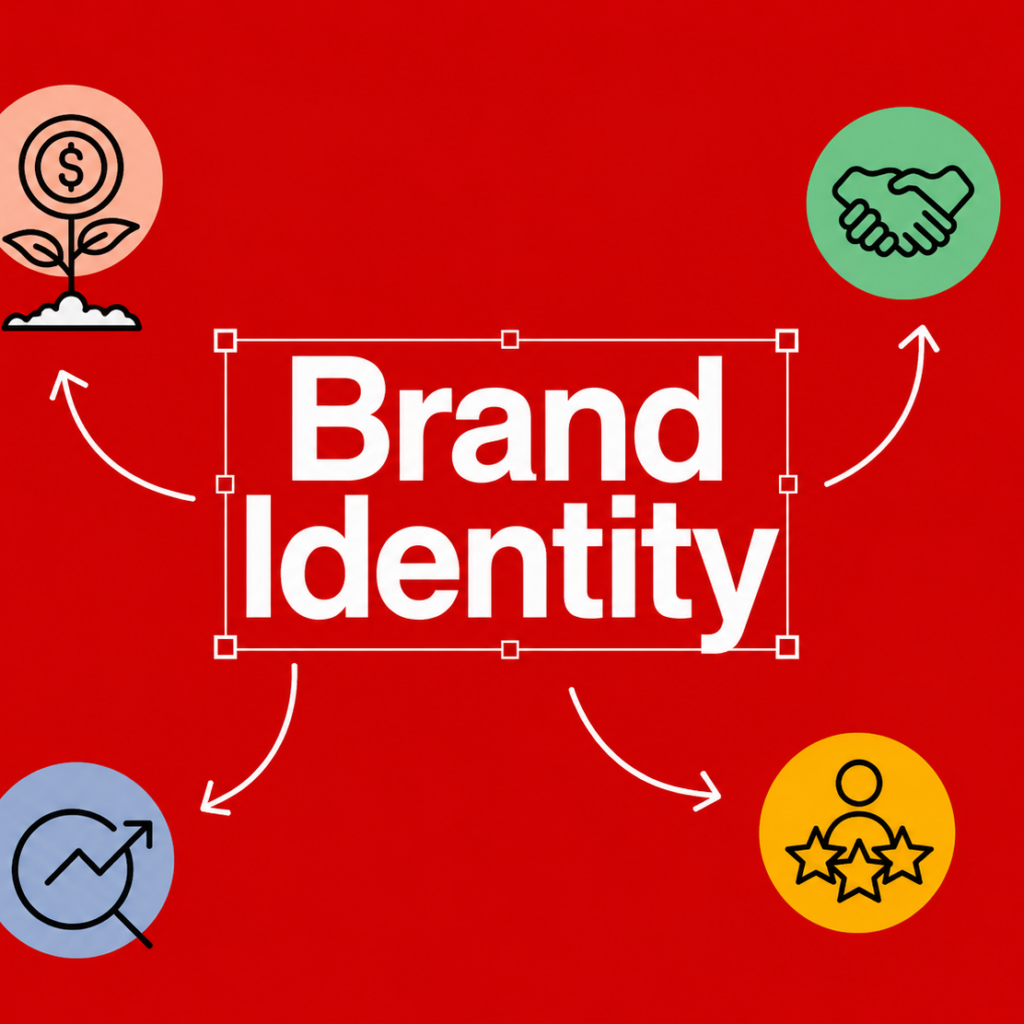
Brand Identity

A brand is more than a collection of words, images, and colors. It represents a personality and a point of view.

Humans need to define what the brand stands for and how it should communicate.

Brand Identity

Emotional Storytelling

People remember stories because stories create emotional connections.

A human creative team can transform an ordinary product into a story that represents a feeling, aspiration, or experience.

Emotional Storytelling

Strategic Thinking

Marketing isn’t simply about producing more content.

A business needs to decide what it wants to achieve, who it wants to reach, why the audience should care, and how success will be measured.

These decisions require business understanding and strategic thinking.

Strategic Thinking

The Risks of Relying Too Much on AI

AI can save time, but using it without human supervision can create new problems.

One of the biggest risks is generic content.

If every brand uses similar AI tools to create similar posts, headlines, and campaigns, the internet can quickly become filled with content that feels repetitive.

Another concern is accuracy. AI-generated information can sometimes be incorrect, incomplete, or outdated. Publishing it without verification can damage a brand’s credibility.

There is also the risk of losing a brand’s personality. If every piece of content is generated and published without human editing, the brand can start sounding robotic.

For this reason, AI-generated output should be treated as a starting point not always the finished product.

The Best Approach: AI + Human Creativity

Instead of asking whether AI or humans are better at marketing, businesses should ask:

What should AI do, and what should humans do?

A practical marketing workflow could look like this:

Human: Defines the business objective and audience.

AI: Helps with research and identifies useful data.

Human: Develops the campaign concept and creative direction.

AI: Assists with content variations and repetitive execution.

Human: Reviews the content for accuracy, tone, originality, and brand consistency.

AI: Helps analyze campaign performance.

Human: Uses those insights to make strategic decisions.

This approach allows businesses to benefit from AI without losing the human element that makes marketing effective.

A Simple Example

Imagine a clothing brand launching a new collection.

AI could help the marketing team analyze which products are receiving the most attention, identify relevant search trends, suggest audience segments, and generate multiple caption ideas.

But the human team might decide to build the campaign around the idea of confidence and self-expression.

They develop the visual concept, storytelling, tone, photography direction, and overall campaign identity.

AI supports the process, but the central idea comes from human understanding.

This combination can produce marketing that is both efficient and emotionally engaging.

How AI Is Changing the Role of Marketers

AI isn’t necessarily eliminating marketing jobs. Instead, it is changing the skills marketers need.

As repetitive tasks become easier to automate, marketers can spend more time developing skills such as:

  • Creative thinking
  • Strategic planning
  • Storytelling
  • Audience psychology
  • Brand building
  • Data interpretation
  • Campaign development
  • Critical thinking

The marketer of the future may not be the person who avoids AI. It may be the person who knows how to use AI while still thinking independently.

Why Businesses Need a Balanced Marketing Strategy

Businesses shouldn’t adopt AI simply because it is a trend.

The technology should solve a specific problem.

If AI helps a team analyze data faster, it should be used for analysis. If it helps generate content ideas, it can support brainstorming. If automation saves time on repetitive tasks, businesses should take advantage of it.

But important creative and strategic decisions should continue to involve people.

The strongest marketing strategies will combine technology, data, creativity, and human understanding.

How Spectra Digital Can Help

At Spectra Digital, we believe technology works best when it supports strong creative thinking.

AI can make marketing processes faster, but effective marketing still starts with understanding the business, audience, and objective.

Our approach combines strategy, creativity, data, and technology across areas such as:

  • SEO
  • Social media marketing
  • Content marketing
  • Performance marketing
  • Paid advertising
  • Website development
  • Branding
  • Analytics

By combining human expertise with modern digital tools, businesses can create marketing campaigns that are not only efficient but also meaningful and results-driven.

Conclusion

The future of marketing isn’t about AI replacing humans. It is about humans learning to use AI effectively.

AI can analyze data, automate repetitive work, generate ideas, and improve efficiency. Human creativity provides emotion, originality, context, strategy, and meaning.

When these strengths are combined, businesses can create marketing that is faster without becoming impersonal and data-driven without losing creativity.

The brands that succeed in the coming years will not necessarily be those that use the most AI. They will be the ones that understand where AI adds value and where human creativity matters most.

AI can accelerate the process. Human creativity gives marketing its purpose.

Content Marketing Trends in 2026 – AI, Video, SEO, Personalization, and Digital Strategy

Content Marketing Trends in 2026

What Every Business Needs to Know

Content marketing has evolved far beyond publishing blogs and social media posts. In 2026, brands are competing not just for visibility but for attention, trust, and meaningful engagement. As consumer behavior continues to change and AI becomes a core part of digital marketing, businesses need to rethink how they create, distribute, and optimize content.

The brands that succeed are those that deliver personalized, valuable, and engaging content across multiple platforms while maintaining authenticity.

At Spectra Digital, we help businesses build future-ready content strategies that drive traffic, generate leads, and increase conversions. Let’s explore the top content marketing trends shaping 2026.

AI-Powered Content Creation Is Becoming the New Standard

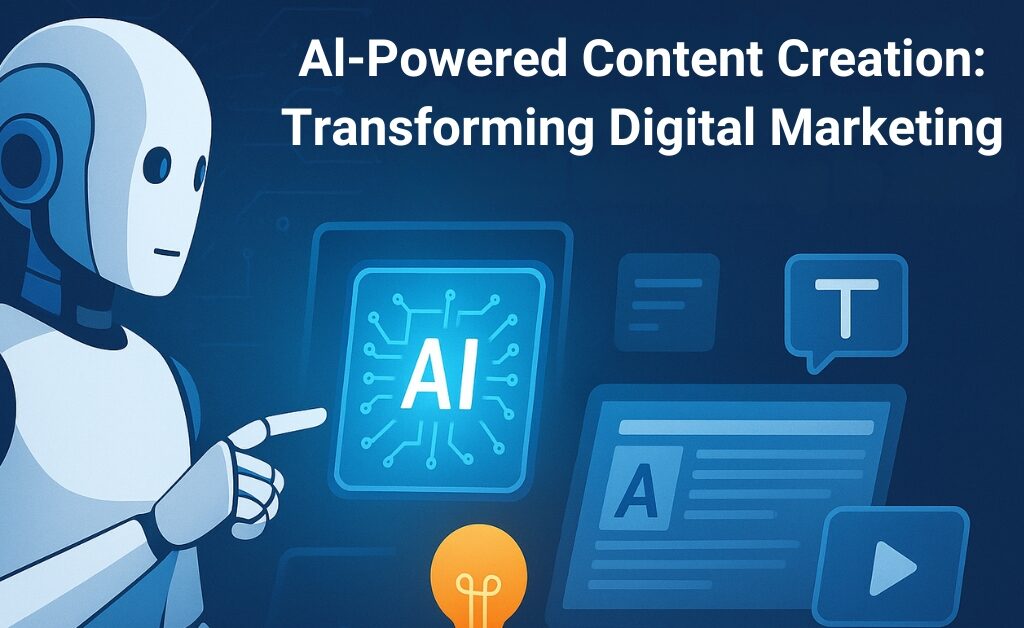
Artificial Intelligence has transformed how marketers create content. Instead of replacing creativity, AI is helping businesses produce high-quality content faster by assisting with research, brainstorming, editing, keyword optimization, and content personalization.

However, businesses should remember that AI-generated content performs best when combined with human creativity, industry expertise, and brand storytelling.

Successful brands use AI to improve efficiency while ensuring every piece of content reflects their unique voice.

How businesses can benefit:

  • Faster content production
  • Better SEO optimization
  • Smarter content planning
  • Improved audience insights
  • Higher productivity for marketing teams
AI-Powered Content Creation Is Becoming the New Standard

Short-Form Video Continues to Dominate

Consumers prefer watching over reading, making short-form video one of the strongest content formats in 2026.

Platforms like Instagram Reels, YouTube Shorts, and TikTok continue to drive massive engagement because they deliver information quickly and entertainingly.

Businesses are using videos for:

  • Product demonstrations
  • Customer testimonials
  • Behind-the-scenes content
  • Educational tips
  • Brand storytelling

Short videos are easier to consume, highly shareable, and often receive significantly higher engagement than static posts.

 Short-Form Video Continues to Dominate

Personalized Content Is No Longer Optional

Modern consumers expect brands to understand their needs.

Generic content is becoming less effective as audiences demand personalized experiences based on their interests, purchase history, browsing behavior, and demographics.

Businesses are increasingly using customer data to create:

  • Personalized email campaigns
  • Dynamic website content
  • Product recommendations
  • Customized landing pages
  • Targeted social media campaigns

Personalized content improves customer satisfaction, engagement, and conversion rates.

 Personalized Content Is No Longer Optional

SEO Is Becoming More User-Focused

Search engines now prioritize content that genuinely helps users rather than simply targeting keywords.

In 2026, successful SEO content focuses on:

  • Answering real customer questions
  • Providing in-depth information
  • Improving readability
  • Demonstrating expertise
  • Delivering a great user experience

Businesses should create content that solves problems instead of simply ranking for keywords.

Long-form, informative, and experience-based content continues to outperform thin articles.

SEO Is Becoming More User-Focused

Interactive Content Is Driving Higher Engagement

Static content is giving way to interactive experiences.

Brands are increasingly using:

  • Polls
  • Quizzes
  • Surveys
  • Calculators
  • Interactive infographics
  • Assessment tools

Interactive content encourages users to spend more time engaging with your brand while providing valuable customer insights.

This trend also improves website engagement metrics, which can positively impact SEO.

Interactive Content Is Driving Higher Engagement

Voice Search Optimization Is Becoming Essential

With smart speakers and voice assistants becoming more common, voice search continues to grow.

People search differently using voice than they do by typing.

Instead of typing:

“Best digital marketing agency Mumbai”

Users ask:

“Which is the best digital marketing agency near me?”

Businesses should optimize content using conversational language, FAQs, and natural sentence structures.

Voice Search Optimization Is Becoming Essential

Authentic Storytelling Builds Stronger Brands

Consumers trust brands that are transparent and relatable.

Instead of aggressive promotional content, businesses are sharing:

  • Customer success stories
  • Employee experiences
  • Company values
  • Behind-the-scenes content
  • Founder journeys

Authentic storytelling helps businesses build emotional connections and long-term customer loyalty.

 Authentic Storytelling Builds Stronger Brands

User-Generated Content Builds Trust

Reviews, testimonials, customer photos, and social media mentions continue to influence purchasing decisions.

Potential customers trust real users more than traditional advertising.

Businesses should encourage customers to:

  • Share reviews
  • Upload product photos
  • Create video testimonials
  • Tag brands on social media
  • Participate in campaigns

User-generated content provides social proof while reducing content creation costs.

 User-Generated Content Builds Trust

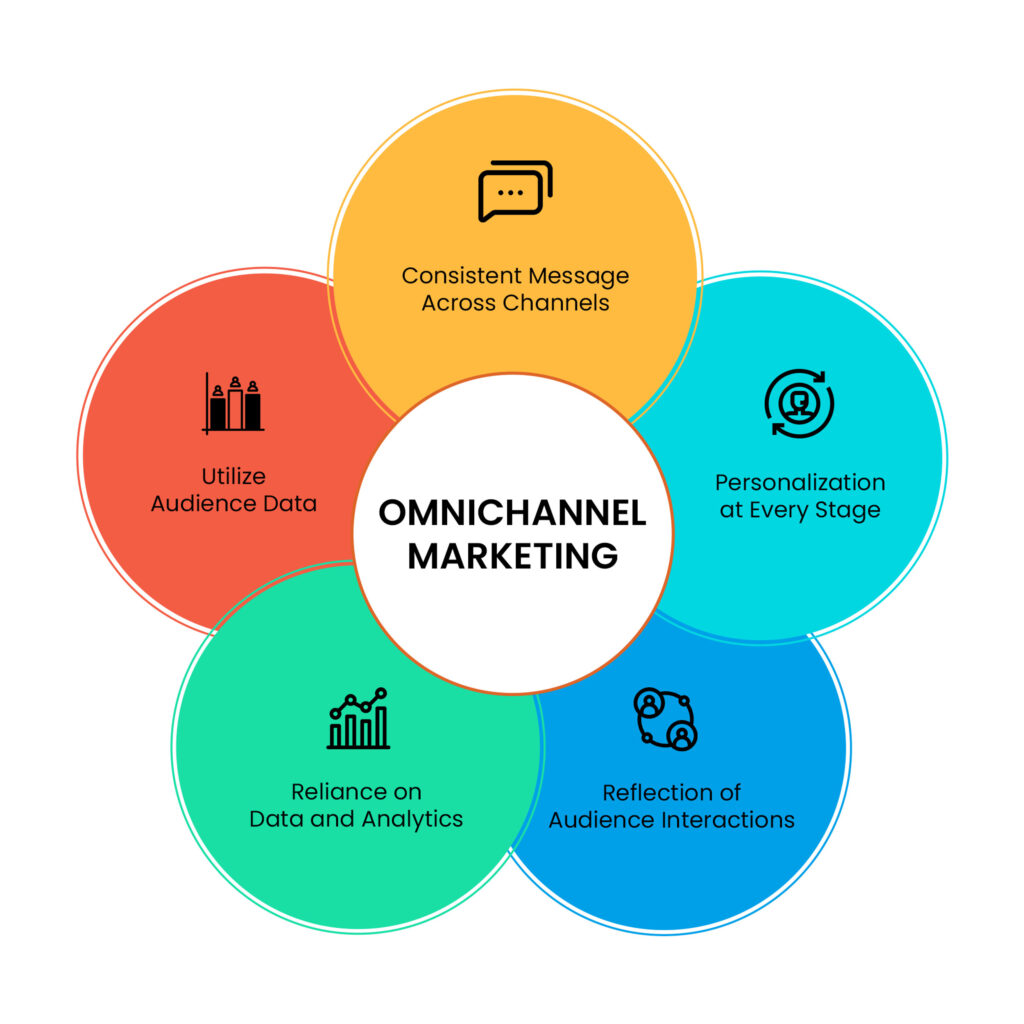
Omnichannel Content Strategy Is the Future

Customers interact with brands across multiple platforms before making a purchase.

A single blog post can become:

  • LinkedIn article
  • Instagram carousel
  • Reel
  • Email newsletter
  • Infographic
  • YouTube video
  • Podcast episode

Repurposing content allows businesses to maximize reach while maintaining consistency across channels.

Omnichannel Content Strategy Is the Future

Data-Driven Content Marketing Wins

Content decisions should no longer rely on guesswork.

Businesses are increasingly using analytics to understand:

  • Which blogs generate leads
  • Which videos retain viewers
  • Which social posts drive engagement
  • Which landing pages convert best
  • Which keywords bring qualified traffic

Tracking content performance helps marketers continuously improve their strategy and achieve better ROI.

 Data-Driven Content Marketing Wins

How Businesses Can Prepare for Content Marketing in 2026

To stay competitive, businesses should focus on creating content that is valuable, relevant, and tailored to their audience.

Key priorities include:

  • Develop a clear content strategy
  • Invest in high-quality video content
  • Leverage AI responsibly
  • Optimize for SEO and voice search
  • Repurpose content across platforms
  • Personalize customer experiences
  • Track performance using analytics
  • Focus on building trust through authentic storytelling

Companies that adapt to these trends will be better positioned to attract, engage, and retain customers in an increasingly competitive digital landscape.

Why Choose Spectra Digital?

At Spectra Digital, we create content strategies that go beyond rankings—we focus on driving measurable business growth. From SEO-optimized blogs and engaging social media content to compelling video campaigns and performance-driven digital strategies, our team helps brands connect with the right audience at the right time.

Whether you’re looking to increase website traffic, improve search visibility, or generate quality leads, Spectra Digital delivers tailored content marketing solutions designed for long-term success.

Final Thoughts

Content marketing in 2026 is centered around delivering value, personalization, and authentic experiences. Businesses that embrace AI, prioritize high-quality content, invest in video, and make data-driven decisions will stand out in a crowded digital landscape.

Rather than chasing every new trend, focus on creating content that solves problems, answers questions, and builds lasting relationships with your audience. A strategic, customer-first approach is what will drive sustainable growth in the years ahead.

If you’re ready to elevate your content marketing strategy, Spectra Digital is here to help you create impactful content that delivers real business results.

AI in digital marketing

How AI Is Changing Digital Marketing in 2026: Powerful Trends Businesses Must Know

Artificial Intelligence (AI) is no longer a futuristic concept—it has become a major force driving innovation in the marketing industry. Businesses across the world are using AI to automate tasks, improve customer experiences, and make smarter marketing decisions.

So, how AI is changing digital marketing in 2026 is one of the most important questions businesses should understand to stay competitive.

From personalized customer experiences to predictive analytics and AI-powered content creation, artificial intelligence is transforming the way brands connect with their audiences. In this blog, Spectra Digital explores the biggest ways AI is reshaping digital marketing in 2026.

Why AI Matters in Digital Marketing

Digital marketing has become increasingly data-driven. Businesses now need to analyze massive amounts of information, understand customer behavior, and deliver personalized experiences across multiple channels.

AI helps marketers by:

  • Automating repetitive tasks
  • Improving campaign performance
  • Delivering personalized customer experiences
  • Enhancing decision-making through data analysis
  • Increasing marketing efficiency and ROI

As competition grows, AI is becoming an essential tool rather than an optional technology.

How AI Is Changing Digital Marketing in 2026

AI Is Changing Digital Marketing

1. Hyper-Personalized Customer Experiences

Personalization has become one of the biggest factors influencing customer decisions.

AI can analyze user behavior, browsing patterns, purchase history, and engagement data to deliver highly personalized experiences.

Businesses are now using AI to:

  • Recommend products based on customer interests
  • Deliver personalized email campaigns
  • Show customized website content
  • Create targeted advertising campaigns

Personalized experiences help businesses improve customer satisfaction and increase conversions.

2. AI-Powered Content Creation

image

Content marketing continues to play a major role in digital success, and AI tools are helping marketers create content faster and more efficiently.

AI is assisting businesses with:

  • Blog topic generation
  • Content research
  • Social media captions
  • Email copywriting
  • Content optimization

However, human creativity remains essential. The most successful brands use AI to improve productivity while maintaining authenticity and brand voice.

3. Smarter SEO Strategies

image

Search engine optimization is evolving rapidly because of AI.

Search engines are becoming better at understanding user intent, context, and content quality.

In 2026, AI is helping marketers:

  • Identify keyword opportunities
  • Analyze competitor strategies
  • Optimize content for search intent
  • Improve technical SEO
  • Predict search trends

Businesses that combine AI insights with high-quality content are likely to achieve stronger search engine rankings.

4. Advanced Predictive Analytics

image

One of the biggest advantages of AI is its ability to predict future behavior.

Predictive analytics allows businesses to:

  • Forecast customer demand
  • Identify potential leads
  • Predict purchasing behavior
  • Improve customer retention strategies

By analyzing historical data, AI helps marketers make better decisions and allocate budgets more effectively.

5. AI in Performance Marketing

Performance marketing has become increasingly data-driven, and AI is making advertising campaigns more efficient.

AI can automatically:

  • Optimize bidding strategies
  • Improve audience targeting
  • Analyze campaign performance
  • Allocate budgets efficiently
  • Increase return on ad spend (ROAS)

Platforms like Google Ads and social media advertising systems increasingly rely on machine learning algorithms to improve campaign performance.

6. AI Chatbots and Customer Support

image

Customer expectations continue to rise, and businesses need to provide instant support.

AI-powered chatbots help companies:

  • Answer customer queries 24/7
  • Generate leads automatically
  • Improve response times
  • Enhance customer experience

Modern AI chatbots can understand user intent better than ever, making customer interactions more natural and efficient.

7. Better Audience Targeting

image

Finding the right audience is critical for marketing success.

AI can analyze large datasets and identify users who are most likely to convert.

This allows businesses to:

  • Reduce wasted ad spend
  • Increase campaign efficiency
  • Improve lead quality
  • Achieve higher conversion rates

Smarter targeting leads to better marketing outcomes and stronger ROI.

8. Enhanced Marketing Automation

image

Marketing automation has evolved significantly with AI integration.

Businesses can now automate:

  • Email campaigns
  • Customer segmentation
  • Lead nurturing workflows
  • Social media scheduling
  • Reporting and analytics

AI helps marketers save time while ensuring more relevant and personalized communication.

9. Voice Search and Conversational Marketing

image

Voice search continues to grow as more consumers use smart devices and voice assistants.

AI is helping businesses optimize for:

  • Conversational search queries
  • Natural language keywords
  • Voice-based customer interactions

Brands that adapt to conversational search trends can gain a competitive advantage in search visibility.

10. Data-Driven Decision Making

image

One of the biggest ways AI is changing digital marketing in 2026 is through smarter decision-making.

AI enables businesses to:

  • Analyze customer behavior in real time
  • Understand campaign performance instantly
  • Identify new market opportunities
  • Make faster strategic decisions

Data-driven marketing reduces guesswork and improves business outcomes.

Challenges of Using AI in Digital Marketing

Although AI offers numerous benefits, businesses should also be aware of potential challenges.

These include:

  • Maintaining content authenticity
  • Protecting customer privacy
  • Managing data quality
  • Avoiding over-automation
  • Ensuring human creativity remains part of marketing strategies

AI should support marketers, not replace strategic thinking and creativity.

Future of AI in Digital Marketing

image

The role of AI in marketing will continue to expand in the coming years.

Businesses can expect:

  • More advanced personalization
  • Improved predictive analytics
  • Greater automation capabilities
  • Better customer insights
  • Increased efficiency across marketing channels

Companies that embrace AI early will be better positioned to stay ahead of competitors.

How Spectra Digital Helps Businesses Leverage AI

At Spectra Digital, we combine AI-driven insights with human creativity to build effective digital marketing strategies.

Our services include:

  • AI-powered performance marketing
  • SEO and content optimization
  • Data-driven advertising strategies
  • Website optimization
  • Lead generation campaigns

We help businesses use the latest technologies to improve efficiency, increase conversions, and achieve sustainable growth.

Final Thoughts

Understanding how AI is changing digital marketing in 2026 is essential for businesses that want to remain competitive in an increasingly digital world.

Artificial intelligence is transforming SEO, advertising, content creation, personalization, and customer engagement. Businesses that successfully integrate AI into their marketing strategies can improve efficiency, enhance customer experiences, and maximize ROI.

As AI continues to evolve, companies that embrace innovation and adapt quickly will gain a significant competitive advantage.

If you’re looking to implement AI-driven marketing strategies, Spectra Digital can help your business stay ahead in the rapidly changing digital landscape.