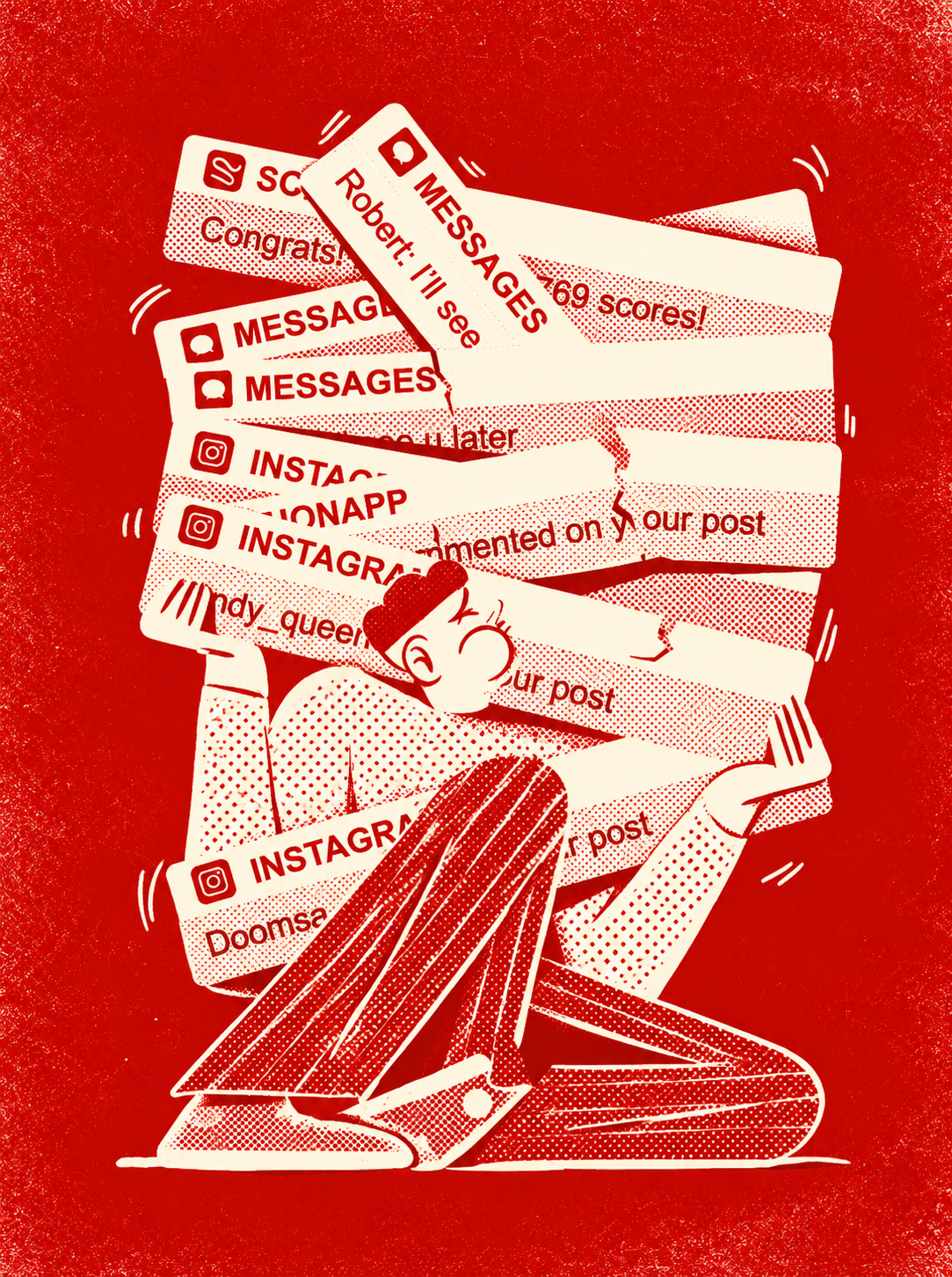
Every brand wants that one post.
The reel that crosses a million views. The meme that everyone shares. The campaign that suddenly puts the brand everywhere on social media.
Going viral has become one of the biggest ambitions in digital marketing. But there is a problem with chasing virality: people might remember the content without remembering the brand behind it.
A funny video can dominate Instagram for a day and disappear from people’s minds the next morning. A clever campaign can generate thousands of comments without giving customers a reason to choose the business.
Meanwhile, some brands build recognition so strong that people remember their personality, products, and messaging long after a particular post stops trending.
The difference is simple. Virality creates attention. Brand recall creates familiarity.
So, in a world where every business wants to go viral, how can brands make sure they are remembered? Here are five important lessons.
1. Going Viral Gets Attention, but Brand Recall Builds Recognition

A viral post can introduce your business to thousands or even millions of people. But exposure alone doesn’t guarantee that they will remember your name.
Imagine watching a hilarious reel from a food brand. You laugh, share it with a friend, and continue scrolling. The next day, you remember the joke but cannot remember which restaurant posted it.
The content succeeded at entertaining you, but it failed to create a strong connection with the brand.
This is why recognition matters. People should be able to associate your content with your business through its voice, visual identity, products, characters, or recurring ideas.
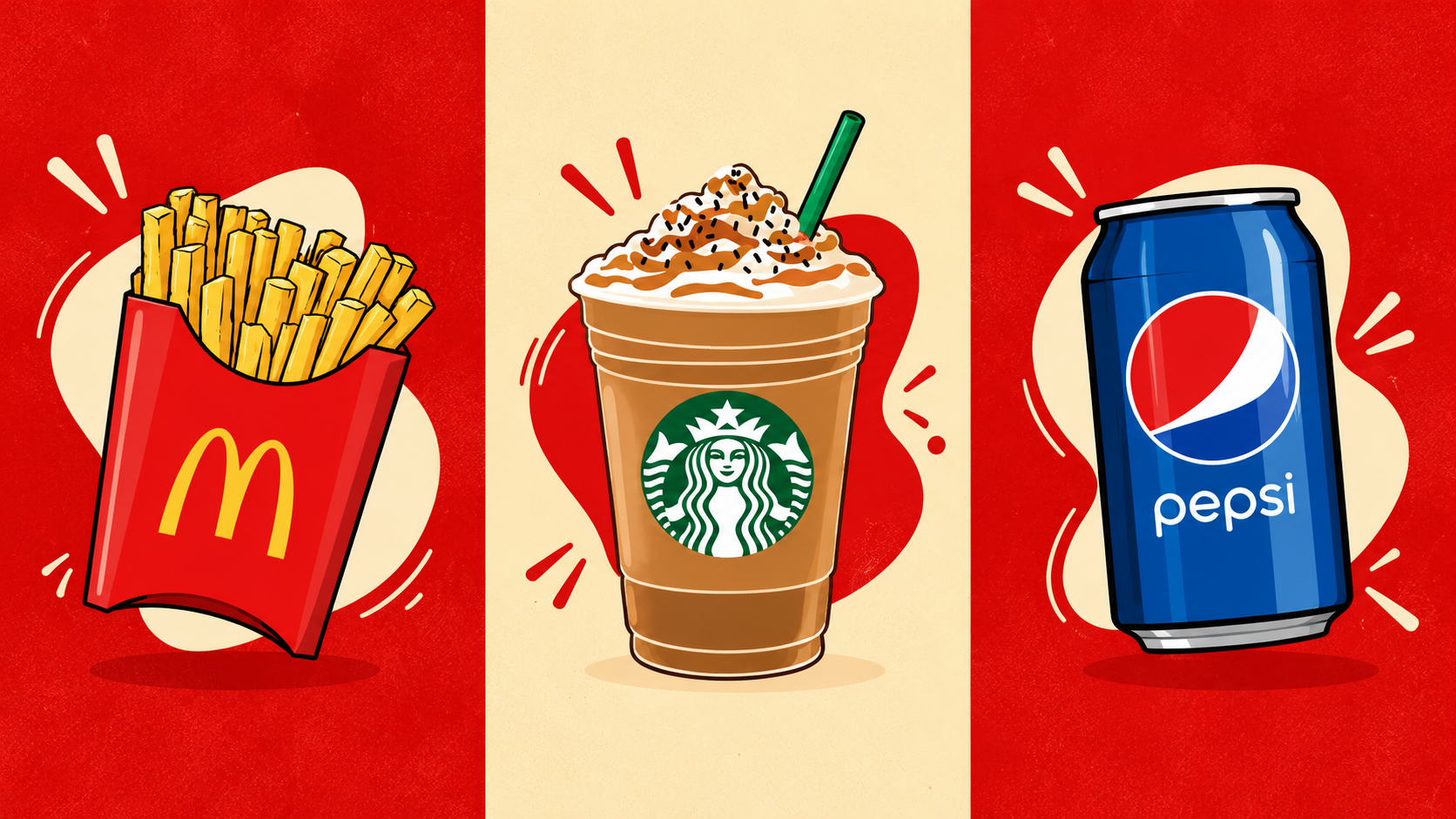
McDonald’s, for example, has distinctive visual assets, including its golden arches, familiar packaging, and recognisable product presentation. These elements help connect different campaigns and customer experiences to the same brand.
The lesson isn’t that every business needs a famous logo or a massive advertising budget. Even a small company can develop recognisable colours, a consistent tone, or a distinctive way of presenting its products.
What businesses can learn: Don’t just ask whether a post will get attention. Ask whether people will remember your brand after seeing it.
2. Trends Can Make You Relevant, but Originality Makes You Distinctive
When a trend takes off, brands naturally want to participate.
A popular audio clip, meme format, or internet joke offers an easy opportunity to join an existing conversation. But when dozens of businesses use the same format, their content can begin to look interchangeable.
The problem isn’t trendjacking itself. It is relying on the trend to do all the creative work.
Consider Duolingo. Its social media presence uses internet humour, unexpected situations, and the recognisable personality of its green owl mascot. The humour may change with the latest online conversation, but the character gives the content a consistent identity.
That distinction matters. A trend can help people discover a post, while a distinctive brand personality gives them a reason to associate it with a particular business.
Instead of copying a trending format exactly, brands can adapt it to their audience, products, expertise, or personality.
For example, a digital marketing agency could use a trending meme to explain a common advertising mistake rather than simply recreating the joke everyone else is posting.
What businesses can learn: Use trends as creative inspiration, not as a replacement for original thinking. The strongest content feels relevant to the moment and recognisably yours.
3. Consistency Makes a Brand Easier to Remember

A single viral post might introduce people to your business. Consistent communication gives them more opportunities to remember it.
Think about the brands you recognise instantly. You probably associate them with particular colours, messages, products, characters, or even a specific style of humour.
That recognition rarely comes from one post alone. It develops through repeated exposure to a reasonably consistent identity.
Consistency doesn’t mean publishing the same content every week. It means maintaining a recognisable personality while exploring different ideas.
A fitness brand could consistently use humour to discuss everyday workout struggles. A restaurant could build its content around food cravings and relatable dining experiences. A marketing agency could become known for breaking down advertising mistakes in simple, entertaining ways.
Each post can be different while reinforcing the same overall identity.
This is also why posting randomly can make brand building harder. If every piece of content uses a different tone, visual style, and message, audiences may struggle to understand what the brand represents.
What businesses can learn: Build a content identity that audiences can recognise across multiple posts. One successful campaign can create a moment of attention; a consistent brand can turn that attention into familiarity.
4. The Best Content Gives People a Reason to Remember the Brand

Not every memorable post needs to be funny, controversial, or designed to go viral.
Sometimes, the most effective content is the kind that solves a problem, explains something clearly, or makes an audience feel understood.
A skincare brand might create a useful video explaining a common skincare mistake. A financial services company could simplify a confusing financial concept. A restaurant might show the preparation behind its most popular dish.
These posts may not generate the same immediate excitement as an outrageous meme, but they can give people a meaningful reason to remember the business.
The key is to connect the content to something the brand genuinely offers.
If your audience remembers that your business consistently provides useful advice, entertaining stories, or solutions to a specific problem, you are building an association that extends beyond individual posts.
This also helps when customers are ready to buy. A brand that has repeatedly demonstrated its expertise or relevance may already be familiar when a need arises.
What businesses can learn: Don’t create content only because it is shareable. Create content that communicates something valuable about your brand, product, or expertise.
5. Measure Brand Growth, Not Just Viral Numbers

Views and likes are easy to notice. Brand building is more complex.
A reel with one million views might look like a major success, but those numbers alone cannot tell you whether people remember your business, visit your website, or eventually become customers.
To understand whether your content is working, look beyond surface-level engagement.
Here are some useful metrics to consider:
- Reach and impressions: How many people encountered your content?
- Shares and saves: Did people find the content entertaining or useful enough to pass along or revisit?
- Profile visits and website clicks: Did the content encourage people to learn more about your business?
- Branded searches and direct traffic: Are more people actively looking for your brand?
- Enquiries and conversions: Is your content contributing to meaningful business outcomes?
Brand recall can also be assessed through customer surveys, brand-lift studies, and other research methods where appropriate.
Not every post needs to generate immediate sales. Some content builds awareness, while other content educates potential customers or encourages them to take action.
The important thing is to understand the purpose of each post and evaluate its performance accordingly.
What businesses can learn: Don’t judge your entire marketing strategy by your biggest viral moment. Measure whether your content is helping people recognise, trust, and choose your brand over time.
How Businesses Can Become Memorable Without Going Viral
Building a memorable brand doesn’t require every post to become a trending topic. It requires a clear identity and repeated reasons for audiences to pay attention.
Here are five practical ways to start:
- Develop a distinctive voice: Decide how your brand should sound and maintain that personality across platforms.
- Create recognisable content formats: Build recurring series, familiar visual styles, or signature ways of explaining ideas.
- Make trends relevant to your brand: Adapt popular formats instead of copying them without context.
- Give audiences something valuable: Mix entertainment with useful information, relatable experiences, and product-focused storytelling.
- Prioritise long-term recognition: Evaluate whether your content strengthens brand familiarity instead of chasing short-term engagement alone.
A viral post can be a powerful part of your strategy. It simply shouldn’t be the entire strategy.
How Spectra Digital Can Help
At Spectra Digital, we believe effective digital marketing is about more than generating views. It is about helping businesses build a recognisable identity, connect with the right audience, and turn attention into meaningful outcomes.
From social media strategy and creative content to SEO, paid advertising, and performance marketing, the focus should be on creating campaigns that support long-term brand growth.
A memorable brand doesn’t need to dominate every trend. It needs to give people a reason to recognise it, remember it, and consider it when they are ready to buy.
Final Thoughts
Going viral can put your brand in front of a huge audience. But what happens after the views stop coming in?
Do people remember your name? Can they recognise your content? Do they understand what makes your business different?
These are the questions that matter beyond the initial excitement of a successful post.
The goal isn’t to stop chasing attention. It is to make that attention count.
Because trends change, algorithms evolve, and viral moments fade. But a brand that consistently delivers a recognisable message has a better chance of staying in people’s minds.
Everyone wants to go viral. The smarter goal is to become the brand people remember after the viral moment is over.