One brand posts a funny trend. People engage with it. Other brands notice the attention and quickly create their own versions.
Before long, your feed is filled with the same format, the same joke, and slightly different products.
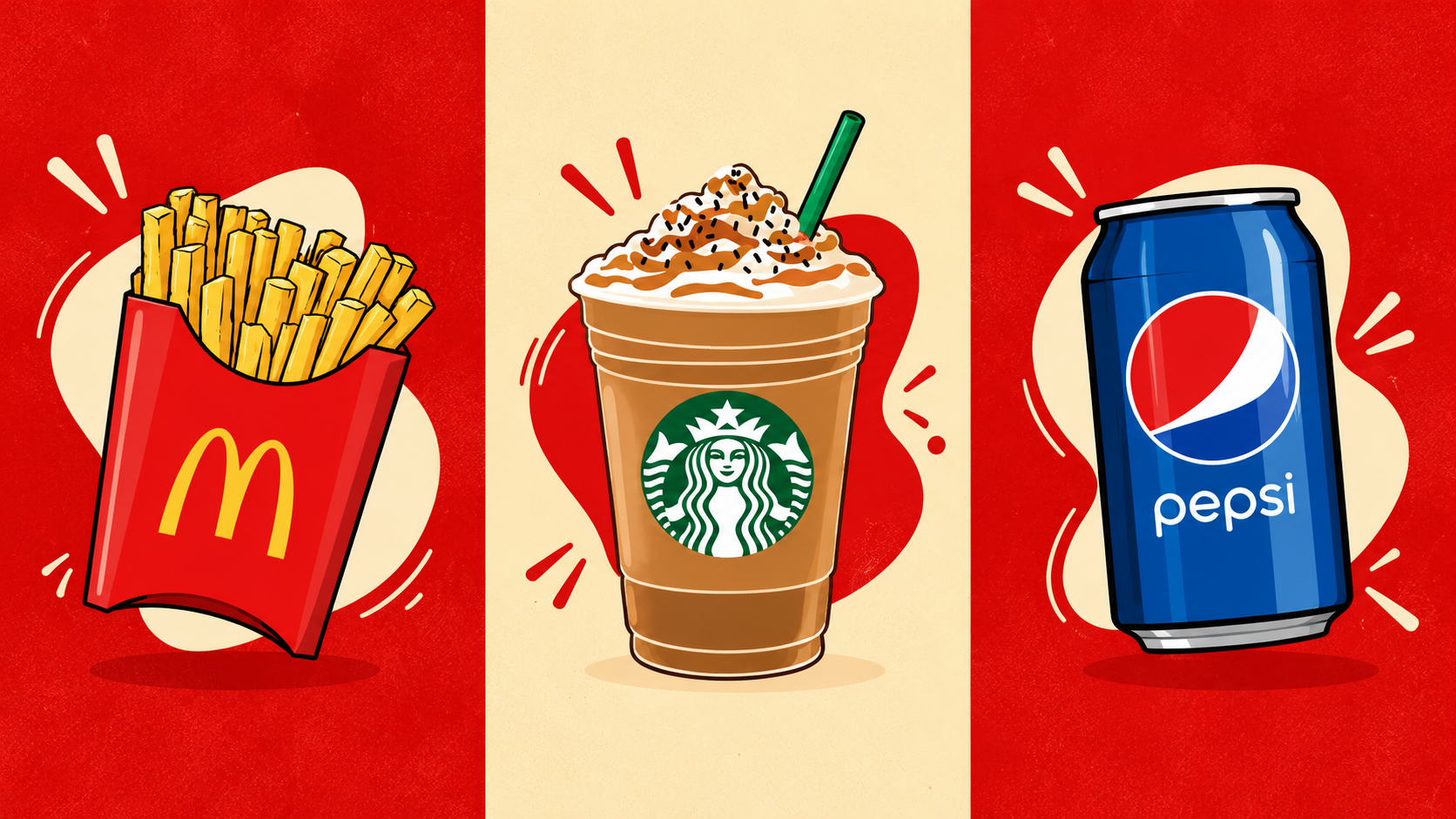
That is exactly what happened with the Millennial vs Gen Z marketing trend in 2026. McDonald’s India used the format to promote its MangoBurst McSwirl, contrasting a detailed product description with the Gen Z-style line “this healed me.” Starbucks, Pepsi, and other food brands soon joined the conversation with similar content. (NDTV Food)
At first, the trend was entertaining because it highlighted the differences between traditional promotional language and the internet’s preference for short, relatable content. But as more brands adopted the same template, an interesting question emerged.
When everyone is following the same trend, who is actually standing out?
Trendjacking, the practice of using viral trends, memes, and cultural moments in brand content, can help businesses become more visible. But when brands focus on copying what is popular rather than adding something original, their content can start feeling predictable.
Here are five lessons businesses can learn from this trend.
1. A Popular Trend Can Get Attention, but It Doesn’t Guarantee Originality

The biggest advantage of trendjacking is that audiences already understand the format. Brands don’t have to introduce a completely new idea because the joke, sound, or template is familiar.
That makes trends attractive to marketers working in crowded social media feeds.
The Millennial vs Gen Z trend worked because the contrast was easy to understand. One side represented polished, detailed marketing, while the other used minimal text, internet slang, and a more casual tone.
For McDonald’s, the format offered a playful way to promote a product. Other brands could adapt the same idea to their own menus and products.
The problem starts when the format becomes more memorable than the brand using it.
If someone sees the same joke from five different companies in one afternoon, they may remember the trend but struggle to remember which brand posted what.
What businesses can learn: Use trends to attract attention, but make sure your execution includes something people can associate specifically with your brand. A trend should be the starting point for your idea, not the entire idea.
2. When Every Brand Uses the Same Formula, the Surprise Disappears

Trends depend on novelty. Something feels entertaining partly because it is unexpected.
But repetition changes the experience.
The first brand to use a format may feel clever. The second may feel relevant. By the tenth version, audiences may already know what the punchline will be.
This is the challenge of trendjacking at scale. Once a format becomes popular, brands can end up competing to reproduce the same idea rather than creating a reason for people to pay attention to them.
A 2026 analysis by Sprout Social highlights this tension. Its research reports that 43% of social users believe brands do not publish truly original content, even as brands are increasingly keeping up with cultural moments.
The lesson isn’t that brands should stop participating in trends. It is that being relevant and being original are two different things.
A business can be perfectly up to date and still produce forgettable content.
What businesses can learn: Before joining a trend, look at how many competitors have already used it. If your version would look almost identical to theirs, rethink the idea or find a more distinctive angle.
3. The Best Trendjacking Makes Sense for the Brand
Not every trend is right for every business.
A food brand can use a popular food meme to highlight a product. A travel company might adapt a trending audio to capture the reality of travelling with friends. A digital marketing agency could use a familiar format to illustrate the difference between chasing views and generating leads.
The connection between the trend and the business is what makes the content meaningful.
Consider McDonald’s use of the Millennial vs Gen Z format. The joke wasn’t completely disconnected from the product. It gave the brand an opportunity to promote its MangoBurst McSwirl in a style designed to feel familiar to younger social media users.
That is more purposeful than using a random viral sound simply because everyone else is using it.
A useful test is to ask whether the trend gives your brand a natural way to communicate something about its products, audience, personality, or values.
If the only connection is that the trend is popular, the content may struggle to deliver anything beyond temporary visibility.
What businesses can learn: Don’t ask only, “Can we use this trend?” Ask, “Why should our brand be part of it?” A clear answer makes it easier to create content that feels relevant instead of forced.
4. Copying the Format Is Easy. Adding a Fresh Perspective Is the Real Skill

When a trend becomes popular, its structure is often easy to reproduce. The challenge is finding an angle that audiences haven’t already seen repeatedly.
Brands can approach the same trend in very different ways. One might use it to showcase a product benefit. Another might turn it into a relatable customer experience. A third might challenge the assumption behind the trend altogether.
For example, a digital marketing agency could use the Millennial vs Gen Z format to compare two approaches to marketing.
The traditional approach might say, “We need to increase brand awareness through a comprehensive social media strategy.”
The internet-style version might simply say, “people need to know we exist.”
Both communicate a similar idea, but the comparison also makes a relevant point about marketing language.
That is the difference between copying a trend and using it to communicate an original thought.
Brands can also create a recurring content format of their own. Instead of waiting for the next viral template, they can develop a recognisable series that audiences begin to associate with them.
What businesses can learn: Give every trend a brand-specific twist. Your audience should have a reason to engage with your version even if it has already seen the same format elsewhere.
5. A Viral Post Is Not the Same as a Successful Marketing Strategy

Trendjacking can produce views, shares, comments, and short bursts of attention. Those results can be valuable, particularly when a brand is trying to increase awareness.
But engagement alone does not explain whether the content is helping the business.
A post might generate thousands of likes without increasing product interest. Another might receive fewer interactions but drive profile visits, website traffic, enquiries, or sales.
The right measure depends on the purpose of the content.
If the objective is awareness, reach and shares may be useful indicators. If the objective is lead generation, qualified enquiries and conversions matter more.
Businesses should also consider what their content contributes over time. Does it strengthen brand recognition? Does it communicate a useful product benefit? Does it give customers a reason to remember the business?
Trendjacking is most effective when it works alongside original content, educational posts, customer stories, and campaigns designed around clear business objectives.
What businesses can learn: Track the results that match your goal, rather than judging every trend by likes. If a trend generates attention but contributes little to your wider strategy, it may not deserve another post.
How Businesses Can Trendjack Without Becoming Predictable
The answer isn’t to avoid trends altogether. It is to be more selective about the ones worth using.
Here are five practical ways to make trendjacking more effective:
- Choose relevance over popularity. A smaller trend that fits your audience may be more useful than a massive trend with no connection to your business.
- Add a recognisable brand element. Use your tone, expertise, products, or customer insights to make the content distinctively yours.
- Avoid posting just because competitors are doing it. Competitor activity can signal an opportunity, but it can also mean the format is already saturated.
- Balance trends with original ideas. Develop content that people can associate with your brand even when no trend is happening.
- Review the results. Learn which trends drive meaningful engagement, brand recall, and business outcomes rather than repeating formats automatically.
The goal is not to become the fastest brand to copy a trend. It is to become a brand people recognise for what it adds to the conversation.
How Spectra Digital Can Help
At Spectra Digital, we believe social media marketing should balance cultural relevance with a clear brand strategy.
Trends can create opportunities for visibility, but sustainable growth comes from understanding your audience, developing a distinctive voice, and creating content that supports your business goals.
From social media strategy and creative content to paid campaigns and performance marketing, Spectra Digital helps businesses move beyond posting for engagement and focus on building meaningful brand recognition.
The right strategy doesn’t require a brand to participate in every viral moment. It requires knowing which moments are worth joining and how to make them count.
Final Thoughts
McDonald’s, Starbucks, and Pepsi joining the same trend highlights both the appeal and the limitation of trendjacking.
When a format is popular, it gives brands a shared language and an opportunity to connect with audiences. But when too many businesses use the same formula, the content risks becoming interchangeable.
The brands that stand out will not necessarily be the ones that jump on every trend first. They will be the ones that know how to adapt a trend in a way that feels relevant, distinctive, and true to their identity.
Because in a crowded social media feed, being part of the conversation gets you noticed. Having something original to say gives people a reason to remember you.