A dancing mascot. A completely random meme. A brand posting something so chaotic that people can’t decide whether it’s brilliant or ridiculous.
Welcome to the world of brainrot marketing.
Internet culture is changing how brands communicate. Instead of relying entirely on polished advertisements and carefully written product descriptions, businesses are experimenting with absurd humour, chaotic videos, unexpected characters, and content that feels native to online communities.
Some of it looks like pure entertainment. Some of it barely makes sense outside the internet. Yet audiences watch, comment, share, and sometimes begin associating these unusual moments with the brands behind them.
But that raises an important question for marketers.
Can content designed to grab attention actually convince someone to buy something?
The answer is yes, but not automatically. Unhinged content can make a brand memorable, but turning that attention into sales requires more than a viral joke.
Here are five lessons businesses can learn from the rise of brainrot marketing.
1. Attention Is the First Step Towards Brand Recall

People scroll through social media at remarkable speed. Traditional promotional posts can easily disappear into a feed filled with creators, memes, entertainment, and personal updates.
Unhinged content tries to interrupt that pattern.
Its humour, absurdity, unexpected visuals, or exaggerated personality make people pause. Even when the content is deliberately ridiculous, it can create a memorable moment that audiences associate with the brand.
Duolingo is a useful example. Its green owl mascot has developed a recognisable online personality through dramatic reactions, chaotic humour, and playful interactions with internet culture. The character gives audiences something to remember beyond the features of a language-learning app.
That matters because brand recall is an important step in the customer journey. When people later need a product or service, familiar brands may come to mind more readily than businesses they have barely noticed.
However, attention and recall are not identical. Someone might remember a funny video but forget who posted it.
What businesses can learn: Make your content entertaining, but give audiences a recognisable brand element to remember. It could be a mascot, a recurring character, a distinctive tone, or a familiar visual style.
2. Brainrot Works Best When It Feels Native to the Internet
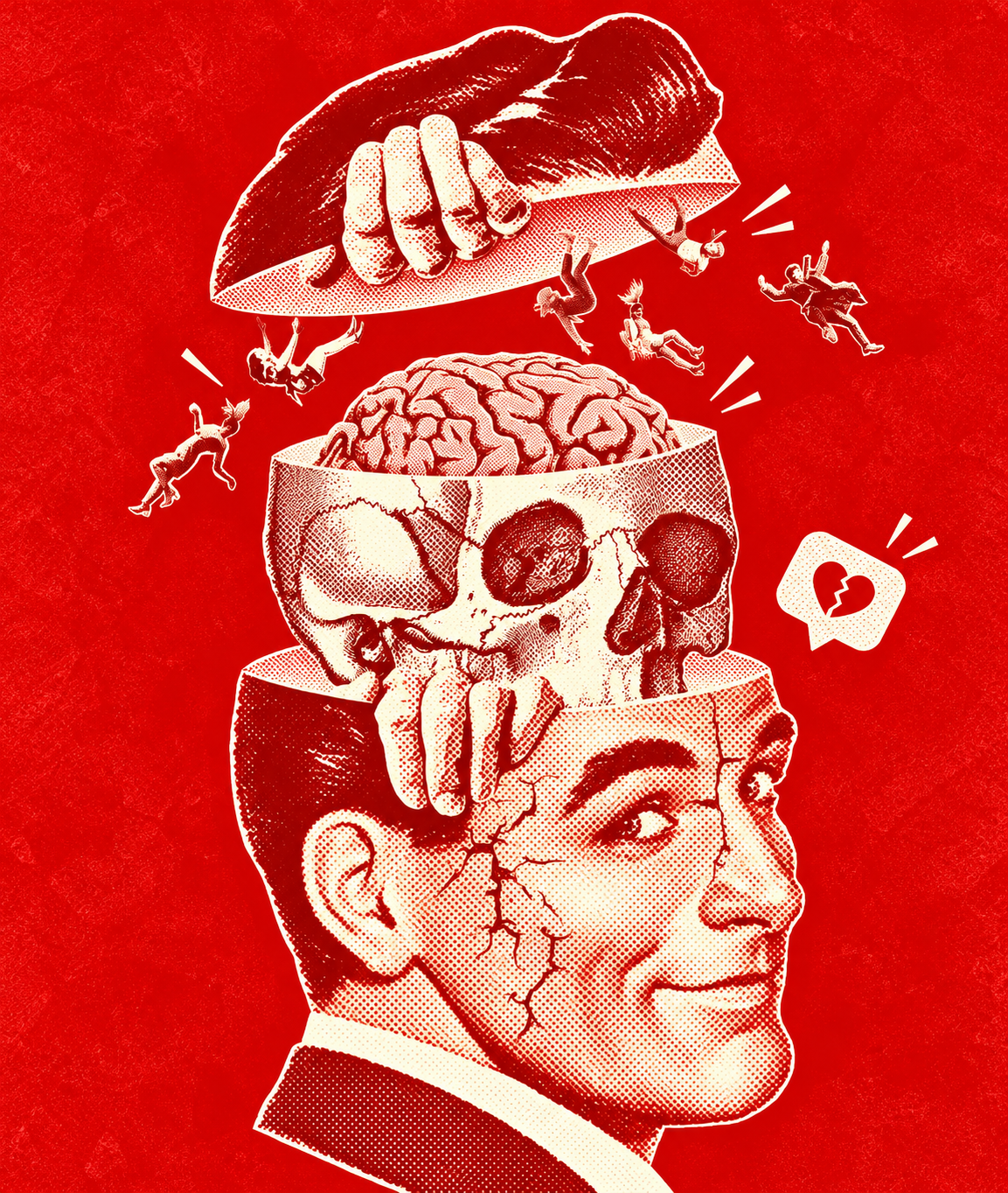
One reason absurd internet content spreads is that it often feels different from conventional advertising.
It may use exaggerated reactions, deliberately strange humour, familiar meme formats, or references that make sense within a particular online community. The appeal comes partly from the feeling that the content belongs on the platform rather than interrupting it.
Brands are increasingly experimenting with this style because audiences don’t necessarily want every social media post to feel like a sales pitch.
Consider Ryanair, whose social media presence is known for sarcastic humour, self-aware jokes, and playful references to the realities of budget air travel. Rather than presenting every message as polished corporate communication, the airline uses a distinctive voice to make its content entertaining.
The lesson isn’t that every business needs to post nonsense or make fun of itself. It is that content can be more engaging when it understands the culture, humour, and expectations of the audience it wants to reach.
There is also a difference between understanding a meme and simply copying it. A joke that feels natural for one brand may feel forced when another uses it without understanding the context.
What businesses can learn: Learn how your audience communicates online before adopting its language. Internet humour works best when it feels natural to the brand and the people it wants to reach.
3. A Viral Joke Needs a Connection to the Product

A funny post can attract millions of views without generating a single sale.
That happens when the entertainment is memorable but the brand or product is not.
Imagine a skincare company posting a hilarious video that receives thousands of shares. People love the punchline, but the product appears for only a second and has no meaningful connection to the joke. The video may perform well as entertainment while doing very little to communicate why someone should buy the skincare product.
Now imagine the same company using an absurd scenario to dramatise a genuine customer problem, then showing how its product fits into the solution.
The second approach gives the audience a reason to connect the entertainment with the product.
This is where strategy matters. Unhinged content doesn’t have to become a conventional advertisement halfway through the video, but the brand should have a meaningful role in the idea.
A product demonstration can be funny. A customer frustration can become a meme. A familiar product benefit can be exaggerated into an entertaining scenario.
What businesses can learn: Build the joke around a product benefit, customer problem, or recognisable brand characteristic. If the content works exactly the same way with your competitor’s logo on it, your brand connection may be too weak.
4. Repetition Turns a One-Off Joke Into a Recognisable Brand Identity

One viral post can introduce a brand to a large audience. But a consistent creative identity gives people more opportunities to remember it.
This is why recurring characters, familiar humour, recognisable formats, and consistent brand voices can be valuable.
When audiences repeatedly encounter a brand with a distinctive personality, they begin to recognise its content before they even notice the account name.
Duolingo’s owl illustrates this principle. The mascot provides continuity across different jokes, trends, and campaigns. Individual posts can vary, but the character remains a familiar anchor.
For businesses, this doesn’t mean repeating the same meme until people get tired of it. It means building a creative system that can produce fresh ideas without losing the brand’s identity.
A restaurant might develop a recurring character based on the realities of ordering food. A fitness brand could create a humorous series about common workout struggles. A marketing agency might use recurring sketches to explain everyday advertising mistakes.
Each piece of content offers a new joke, but the overall approach remains recognisable.
What businesses can learn: Think beyond individual viral posts. Develop repeatable content formats, recurring characters, and a consistent tone that audiences can associate with your brand over time.
5. Views Don’t Pay the Bills. Measure Whether Attention Converts

Unhinged content can generate impressive engagement, but businesses ultimately need to understand whether that engagement supports their objectives.
A video with a million views may create awareness without generating purchases. A smaller video that reaches the right audience may produce website visits, product enquiries, or sales.
Both outcomes can be valuable, but they serve different purposes.
To evaluate brainrot-style content, businesses should connect their metrics to the goal of each campaign.
- For awareness: Track reach, video views, shares, and brand searches.
- For engagement: Monitor comments, saves, shares, and meaningful audience interactions.
- For consideration: Look at profile visits, website clicks, product-page visits, and enquiries.
- For sales: Measure conversions, revenue, customer acquisition cost, and return on advertising spend where appropriate.
It is also worth testing different creative approaches. One video might focus on absurd humour, another on a relatable customer problem, and another on a direct product demonstration.
Comparing the results can help reveal which formats attract attention, which communicate the product effectively, and which contribute to sales.
Not every entertaining post needs to sell immediately. Some content builds familiarity, while other content moves interested audiences closer to a purchase. The important thing is to understand the role each post plays.
What businesses can learn: Don’t judge a campaign by views alone. Measure whether the content is helping people recognise your brand, understand your product, or take the next step towards buying.
How Businesses Can Use Brainrot Marketing Without Losing Their Brand Identity
Businesses don’t need to become deliberately chaotic to benefit from the shift towards entertainment-led marketing.
They need to understand what makes the content engaging and apply those principles thoughtfully.
Here are five practical ways to start:
- Understand your audience’s internet culture. Learn which formats, jokes, and communities matter to your target customers.
- Keep your brand recognisable. Use a consistent voice, visual identity, product connection, or recurring character.
- Make the product part of the idea. Let humour highlight a customer problem, product benefit, or brand personality.
- Experiment with different formats. Test memes, short videos, exaggerated scenarios, and recurring series to find what suits your audience.
- Connect creativity to business goals. Use engagement data, website analytics, and conversion tracking to understand what is working.
The goal isn’t to make every post viral. It is to create content that people enjoy, remember, and associate with your business.
How Spectra Digital Can Help
At Spectra Digital, we believe effective digital marketing combines creative thinking with a clear business strategy.
Unhinged content can help brands stand out in crowded social feeds, but it needs the right audience, a recognisable brand identity, and a meaningful connection to the product or service.
From social media strategy and creative content to paid advertising and performance marketing, Spectra Digital helps businesses develop campaigns that balance attention with measurable outcomes.
Because entertaining content is valuable, but content that makes people remember your brand is even more valuable.
Final Thoughts
Brainrot marketing may look chaotic, but its underlying lesson is serious.
People are more likely to notice content that surprises them, entertains them, or reflects the culture they already participate in. Brands that understand this can create memorable experiences without relying entirely on traditional advertising.
However, attention is only the beginning. If audiences remember the joke but forget the brand, the opportunity is incomplete.
The strongest strategy combines entertainment with recognition, product relevance, and consistent measurement.
Going viral can make people look at your brand. Making the content meaningful gives them a reason to remember it — and potentially buy from it.