How Nike Sells a Feeling, Not a Product is one of the most powerful lessons in modern marketing. Nike doesn’t simply sell shoes, clothing, or sports equipment. It sells motivation, confidence, ambition, achievement, and the feeling of becoming better.
When people see a Nike campaign, the product is often not the main focus. Instead, the brand tells a story that makes the audience feel something.
That’s what makes Nike one of the world’s most recognizable brands.
In this guide, Spectra Digital explores seven powerful marketing lessons businesses can learn from Nike’s approach to emotional branding.
What Does Nike Actually Sell?
At a basic level, Nike sells athletic products.
But its marketing sells something much bigger:
- Confidence
- Motivation
- Determination
- Achievement
- Identity
- Self-belief
A customer isn’t simply buying a pair of running shoes. They may be buying the feeling of becoming a better version of themselves.
This difference between selling a product and selling a feeling is at the heart of Nike’s marketing strategy.
1. Nike Sells the Transformation

Instead of focusing only on what a product does, Nike focuses on who the customer can become.
Its marketing often communicates ideas around overcoming challenges, pushing limits, and achieving goals.
The product becomes part of the transformation.
Lesson for businesses: Don’t only show customers what your product is. Show them what their life could look like after using it.
2. It Uses Powerful Storytelling
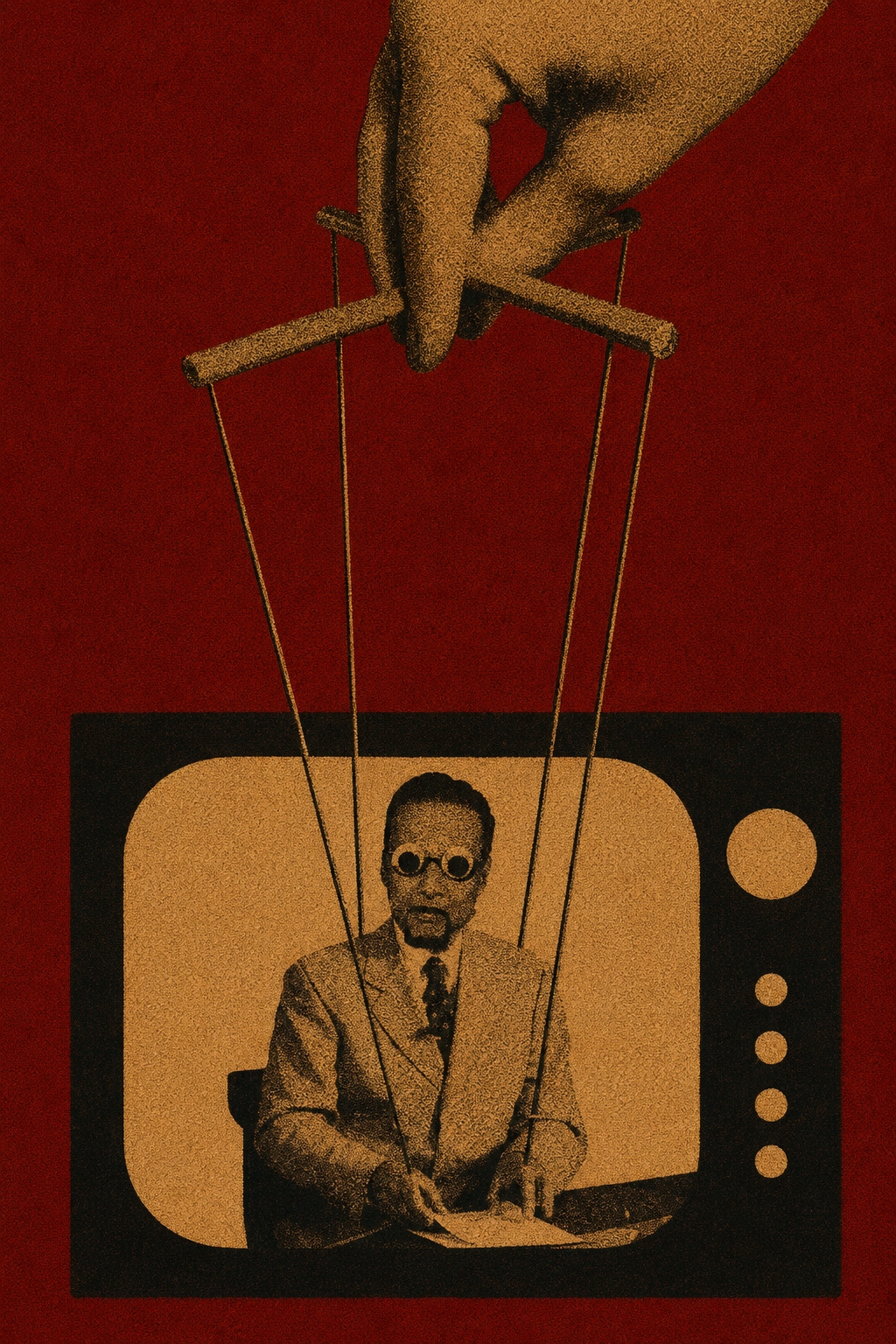
Nike’s advertising frequently revolves around stories.
The stories may feature athletes, everyday people, challenges, failures, or moments of achievement.
These narratives make the brand emotionally memorable.
A product specification may be forgotten. A powerful story can stay with someone for years.
Lesson for businesses: Use storytelling to communicate your brand’s value instead of relying only on product features.
3. It Builds an Identity Around the Brand

Nike has created an identity that represents action, ambition, and determination.
Customers who connect with these values may feel that buying Nike products says something about who they are.
This is powerful because people often buy products that reflect their identity.
Lesson for businesses: Ask yourself what your brand represents beyond the product you sell.
4. It Focuses on Emotion

Nike understands that purchasing decisions aren’t always purely rational.
Its campaigns can create emotions such as:
- Inspiration
- Excitement
- Confidence
- Determination
- Pride
When customers emotionally connect with a brand, price and product features aren’t the only factors influencing their decisions.
Lesson for businesses: Find the emotion your brand should own and build your marketing around it.
5. It Uses People to Tell the Story

Nike doesn’t need to make every campaign about the product.
Athletes and everyday people become the storytellers.
Their journeys provide authenticity and demonstrate what the brand stands for.
Lesson for businesses: Let customers, employees, creators, or real people demonstrate what your brand represents.
6. It Keeps Its Message Consistent

Nike’s branding has remained remarkably consistent over time.
Its messaging, visual identity, storytelling, and overall positioning reinforce the same core ideas.
Consistency makes a brand easier to recognize and remember.
Lesson for businesses: Your marketing should communicate the same core promise across your website, social media, advertisements, and customer experience.
7. It Makes the Customer the Hero

One of Nike’s smartest strategies is putting the customer at the center of the story.
The brand doesn’t always position itself as the hero.
Instead, the athlete or customer is the person overcoming the challenge.
Nike becomes the partner helping them get there.
Lesson for businesses: Make your customer the hero of your marketing story—not your company.
Product Marketing vs Emotional Marketing
Traditional product marketing might say:
“Our shoes are lightweight, comfortable, and durable.”
Emotional marketing might communicate:
“You can push further than you thought possible.”
The first message explains the product.
The second creates a reason to care.
The most effective brands often combine both approaches: product benefits provide proof, while emotional storytelling creates desire.
How Small Businesses Can Use Nike’s Strategy

You don’t need Nike’s budget to apply these principles.
Start by answering:
What does my customer really want?
It may not be your product itself.
They may want:
- More confidence
- More free time
- Better health
- Business growth
- Financial security
- Convenience
- Recognition
Once you understand the deeper motivation, your marketing can communicate the transformation rather than simply promoting the product.
Common Marketing Mistakes Businesses Make
Many businesses focus too heavily on:
- Product features
- Discounts
- Pricing
- Technical specifications
- Direct sales messages
These details matter, but they don’t always create an emotional connection.
A stronger approach is to combine features + benefits + emotion + storytelling.
How Spectra Digital Helps Brands Sell More Than Products
At Spectra Digital, we help businesses develop marketing strategies that communicate value and build meaningful customer connections.
Our services include:
- Brand strategy
- Social media marketing
- Content marketing
- Performance marketing
- Search Engine Optimization (SEO)
- Website design
- Paid advertising
- Conversion optimization
We combine creative storytelling with data-driven marketing to help businesses build brands people remember and trust.
Final Thoughts
Nike’s greatest marketing lesson isn’t about shoes.
It’s about understanding what people want to feel.
The brand has built its identity around motivation, confidence, ambition, and achievement. Its products support that story, but the emotional connection makes the brand memorable.
Businesses of any size can apply the same principle.
Instead of asking, “What are we selling?”, ask:
“What does our customer want to feel, achieve, or become?”
That answer could completely change the way you market your business.
If you’re ready to build a brand that connects with customers beyond the product, Spectra Digital can help you create a strategy that turns your business into a brand people remember.