Why Brands Are Talking Like Influencers Now is more than a social media trend.
Something has changed in the way businesses communicate online.
Brands that once sounded formal and corporate are now using humour, opinions, memes, storytelling, and casual language to communicate with their audiences.
Instead of:
“We are pleased to announce our latest offering.”
You might see:
“Okay, we might have just made your Monday better.”
The product hasn’t necessarily changed.
The way the brand talks has.
Why?
Because audiences have become accustomed to creators.
People follow individuals who speak naturally, share opinions, tell stories, make jokes, and communicate directly with their communities.
Brands are increasingly adopting some of those communication styles to compete for the same attention.
The Internet Changed How People Expect Brands to Communicate

Traditional advertising was largely one-directional.
A company created a message.
The audience received it.
Today, communication is much more interactive.
People can:
- Comment
- Reply
- Share
- Remix
- Criticise
- Create memes
- Make response videos
- Tag friends
- Start conversations
This means brands aren’t simply broadcasting anymore.
They’re participating in conversations.
And conversations usually feel more natural when they sound human.
Why Corporate Language Is Losing Attention

Consider this:
“Our innovative solutions empower businesses to achieve sustainable growth.”
It sounds professional.
But it doesn’t necessarily sound memorable.
Now compare it with:
“Your marketing isn’t broken. Your strategy probably is.”
The second statement has personality.
It creates curiosity.
It sounds like someone has an actual opinion.
That’s one of the biggest lessons brands are learning from creators.
People respond to voices, not just messages.
Brands Are Borrowing the Creator Playbook

Creators have spent years learning how to capture attention.
They understand the importance of:
- Strong hooks
- Short-form content
- Personal opinions
- Storytelling
- Humour
- Trends
- Community interaction
- Consistent personalities
Brands are now adopting many of these principles.
This doesn’t mean companies are trying to become influencers.
They’re learning how to communicate in an environment where creator-style content dominates attention.
Personality Has Become a Competitive Advantage

Two businesses can sell similar products.
Their prices might be similar.
Their services might be similar.
Their websites might even look similar.
But the brand that communicates with a distinct personality can be easier to remember.
Personality can come from:
- Humour
- Tone of voice
- Opinions
- Cultural references
- Storytelling
- Visual style
- Community interaction
This is why some brands can post something as simple as a meme and receive more attention than a carefully designed promotional graphic.
The content feels less like an advertisement.
And more like something people would naturally share.
The Rise of “Brand Voice”
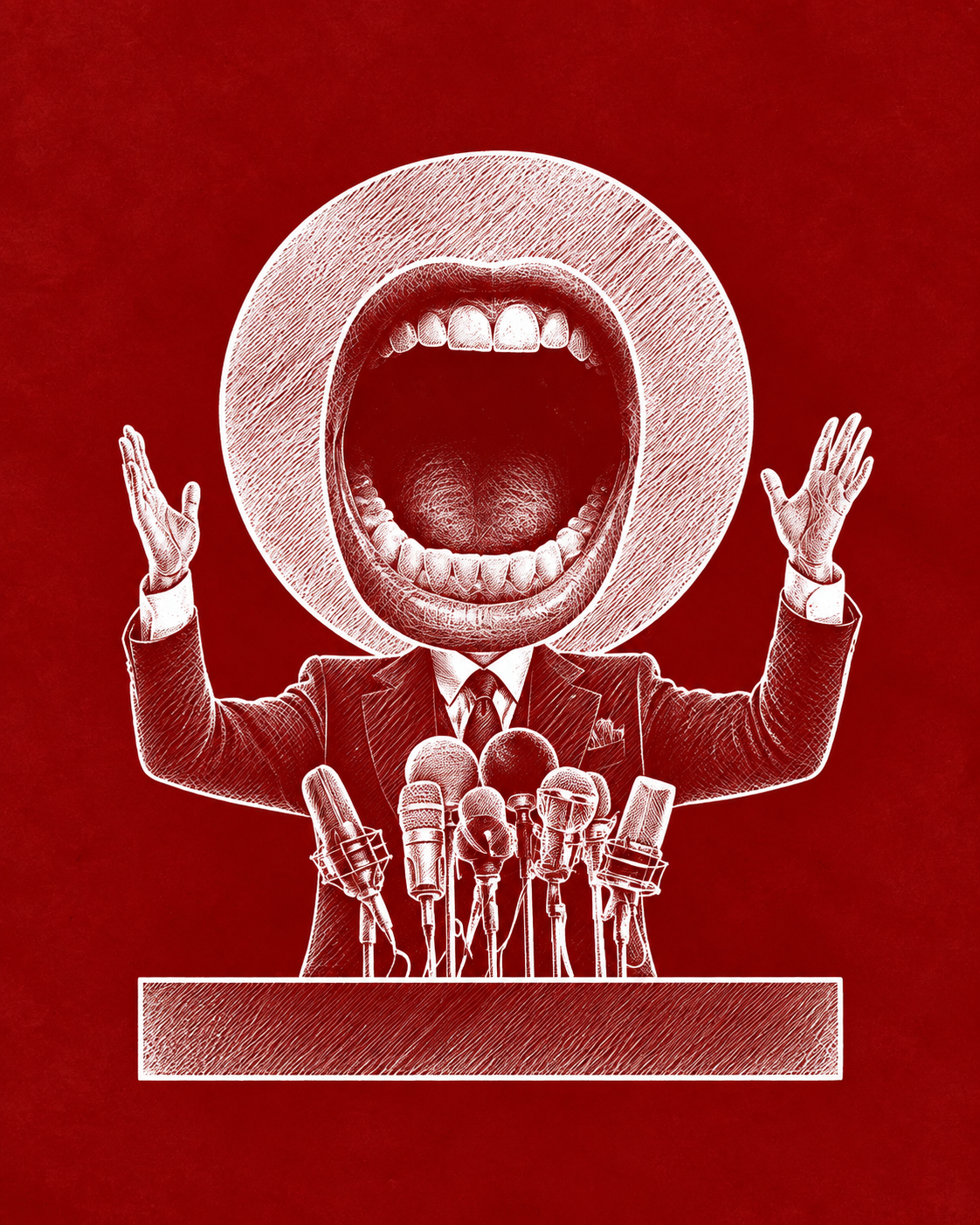
A brand voice answers one important question:
“If our brand were a person, how would it speak?”
Would it be:
- Funny?
- Bold?
- Friendly?
- Intelligent?
- Playful?
- Premium?
- Direct?
- Helpful?
Without a clear voice, brands can sound different across every platform.
One Instagram post sounds casual.
The website sounds corporate.
The email sounds robotic.
The customer support team sounds completely different.
A consistent voice creates recognition.
But Brands Shouldn’t Simply Copy Influencers
This is where businesses can get it wrong.
Talking like an influencer doesn’t mean:
- Using slang everywhere
- Copying viral phrases
- Making every post a meme
- Forcing humour
- Following every trend
- Pretending to be younger than your audience
The goal isn’t to sound trendy.
The goal is to sound human and relevant.
A financial company shouldn’t suddenly communicate like a gaming creator just because that style is popular.
The tone needs to fit:
Brand + Audience + Industry + Platform
The Customer Wants a Brand They Can Relate To

People don’t always want businesses to sound perfect.
Sometimes, they want them to sound real.
That might mean admitting a mistake.
Making a joke.
Sharing behind-the-scenes content.
Responding directly to customers.
Taking a clear position on an industry topic.
Showing the people behind the business.
These moments can make a company feel less like a corporation and more like a group of people.
And that can make the brand easier to connect with.
What Businesses Can Learn From Influencers
You don’t need to become an influencer to use creator-style marketing.
You can borrow the principles.
Start With the Hook
Give people a reason to stop scrolling.
Have a Point of View
Don’t make every post neutral and generic.
Tell Stories
People remember stories better than feature lists.
Be Conversational
Write like you’re speaking to a real person.
Show Personality
Let your brand sound like something rather than nothing.
Build Community
Respond to comments and encourage conversations.
Create Consistently
A recognisable voice develops through repetition.
What This Means for the Future of Branding
The line between brand content and creator content is becoming less obvious.
Businesses will continue experimenting with:
- Founder-led content
- Employee creators
- Influencer partnerships
- UGC
- Personality-driven social media
- Short-form video
- Community-led content
The brands that understand this shift won’t necessarily abandon traditional branding.
They’ll combine strong brand identity with more human communication.
Professional doesn’t have to mean boring.
How Spectra Digital Helps Brands Find Their Voice
At Spectra Digital, we help businesses develop digital marketing strategies that combine strong branding with content people actually want to consume.
Our services include:
- Social media marketing
- Content marketing
- Brand strategy
- Influencer marketing
- Performance marketing
- Paid advertising
- Search Engine Optimization (SEO)
- Website design
- Lead generation
- Marketing analytics
We help businesses build a recognisable digital voice while keeping their communication aligned with their audience, positioning, and business goals.
Final Thoughts
Why Brands Are Talking Like Influencers Now comes down to one simple change:
People are tired of being talked at. They want to be talked with.
Creators have mastered conversational communication, personality, storytelling, and community-building.
Brands are taking notice.
But the goal isn’t to become an influencer.
It’s to become more human, more relevant, and more interesting to the people you’re trying to reach.
Because in a crowded digital world, being professional may make you look credible.
Having a personality can make you memorable.