Why Do We Trust Influencers More Than Brands? It’s a question that has become increasingly relevant in the age of social media. Millions of people follow influencers for product recommendations, lifestyle advice, and honest opinions. In many cases, a single influencer’s recommendation can have a greater impact on purchasing decisions than a traditional advertisement from a well-known brand.
This shift isn’t accidental. It’s rooted in psychology, authenticity, and the way people build trust online.
In this guide, Spectra Digital explores why influencer marketing is so effective and how businesses can use it to build credibility, reach the right audience, and drive meaningful results.
The Rise of Influencer Marketing

Social media has transformed how consumers discover products and services.
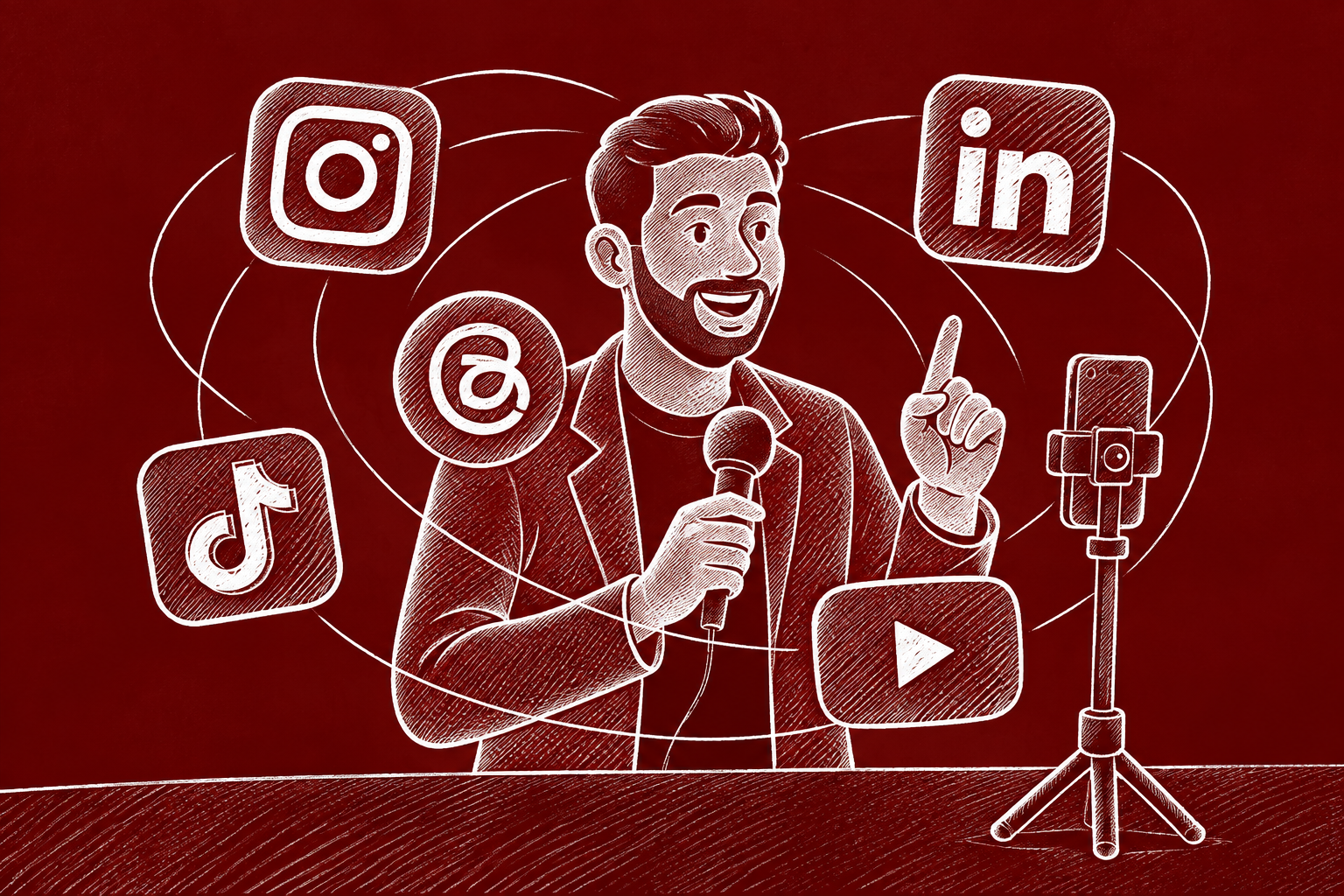
Instead of relying only on TV commercials or banner ads, people now look to creators on platforms like Instagram, YouTube, TikTok, and LinkedIn for recommendations.
Influencers have become trusted voices because they often share personal experiences, answer questions, and interact directly with their followers.
1. People Trust People More Than Companies

Consumers naturally trust recommendations from individuals more than messages created by brands.
When an influencer shares their experience with a product, it often feels like advice from a friend rather than a sales pitch.
This personal connection makes influencer content more relatable and believable.
2. Authenticity Builds Credibility

The most successful influencers share both positive experiences and honest opinions.
They show real-life situations, behind-the-scenes moments, and personal stories, making their content feel genuine.
Authenticity is one of the biggest reasons followers continue to trust their recommendations.
3. Influencers Build Communities

Unlike brands that often communicate one-way, influencers create conversations.
They:
- Reply to comments
- Answer direct messages
- Conduct live sessions
- Ask for audience feedback
- Share user experiences
These interactions strengthen relationships and increase trust over time.
4. Social Proof Influences Decisions
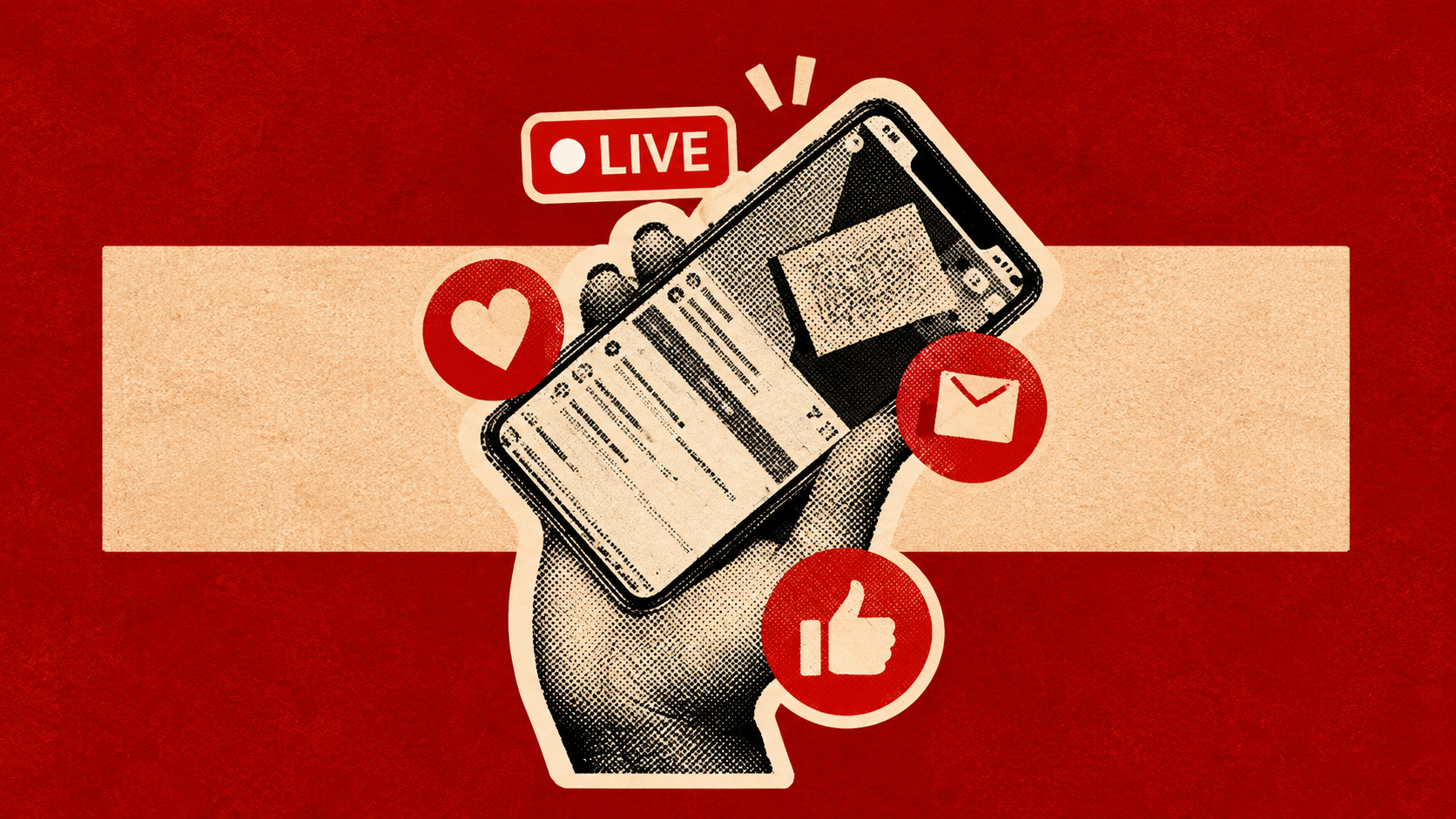
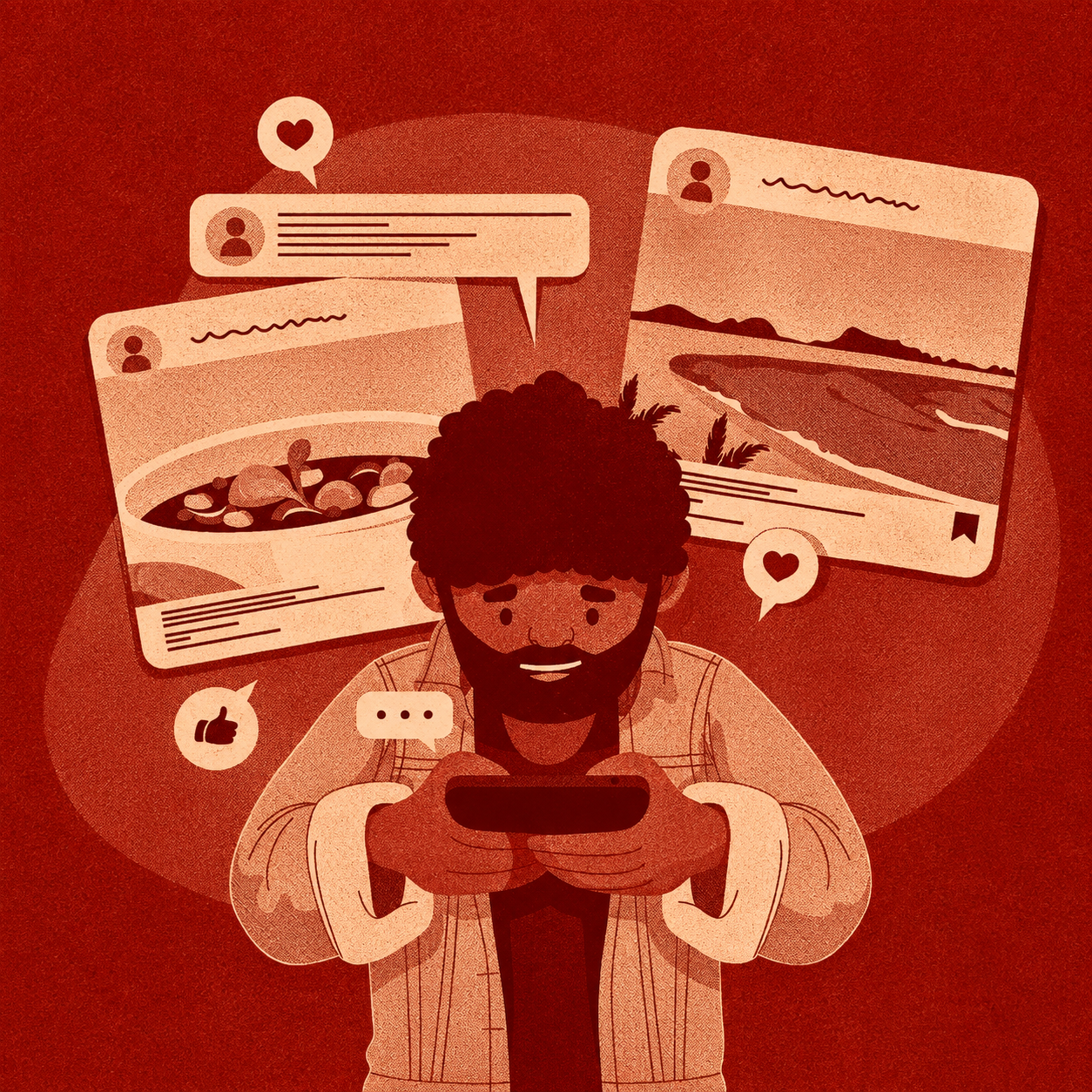
When thousands of people like, comment on, or share an influencer’s content, it creates powerful social proof.
Consumers often assume that if many others trust an influencer, the recommendation is worth considering.
This psychological effect can significantly influence buying behavior.
5. Influencers Understand Their Audience

Successful influencers know exactly what their audience wants.
They create content that aligns with their followers’ interests, challenges, and aspirations.
Because their recommendations are highly relevant, engagement rates are often much higher than traditional advertising.
6. Storytelling Makes Products Memorable

Instead of simply listing product features, influencers tell stories.
For example, rather than saying a skincare product is effective, they may document their skincare journey over several weeks.
Stories create emotional connections and make recommendations more memorable.
7. Consistency Creates Trust

Trust isn’t built overnight.
Influencers post consistently, allowing followers to become familiar with their personality, values, and communication style.
This familiarity makes product recommendations feel more natural.
8. Niche Influencers Have Stronger Connections

Many businesses assume bigger influencers always deliver better results.
However, micro and niche influencers often have:
- Higher engagement rates
- More loyal audiences
- Greater credibility
- Better audience targeting
For many businesses, partnering with smaller creators can generate better ROI.
Can Brands Build the Same Level of Trust?
Absolutely.
Businesses can earn trust by adopting some of the same strategies that make influencers successful.
These include:
- Sharing authentic stories
- Publishing educational content
- Responding to customer questions
- Showcasing customer testimonials
- Being transparent about products and services
- Building a consistent online presence
People connect with brands that feel human.
Common Mistakes Businesses Make with Influencer Marketing
Many campaigns fail because businesses:
- Choose influencers based only on follower count
- Ignore audience relevance
- Over-control the content
- Focus on sales instead of relationships
- Fail to measure campaign performance
Successful influencer partnerships prioritize authenticity over promotion.
The Future of Influencer Marketing

Influencer marketing continues to evolve.
Key trends include:
- Long-term brand partnerships
- AI-powered influencer discovery
- Growth of micro-influencers
- Video-first content
- User-generated content campaigns
- Performance-based influencer marketing
Businesses that adapt to these trends can build stronger customer relationships and achieve better marketing results.
How Spectra Digital Helps Businesses Leverage Influencer Marketing
At Spectra Digital, we help businesses create influencer marketing strategies that generate awareness, engagement, and measurable business growth.
Our services include:
- Influencer identification
- Campaign strategy
- Performance marketing
- Content collaboration
- Social media marketing
- Campaign analytics
- ROI tracking
We focus on connecting brands with influencers whose audiences genuinely align with business goals.
Final Thoughts
People trust influencers more than brands because influencers feel relatable, authentic, and accessible. They build relationships through consistent communication, storytelling, and genuine engagement.
However, businesses don’t have to compete with influencers—they can learn from them.
By creating authentic content, building trust, and partnering with the right creators, brands can strengthen customer relationships and drive long-term growth.
If you’re ready to launch an influencer marketing campaign that delivers real results, Spectra Digital can help you connect with the right creators and maximize your return on investment.