Introduction
Your website is the foundation of your digital presence. Whether you’re a startup, a local business, or an established brand, your website plays a crucial role in attracting customers, building credibility, and generating leads. However, simply having a website isn’t enough it needs to be optimized for search engines so potential customers can easily find you online.
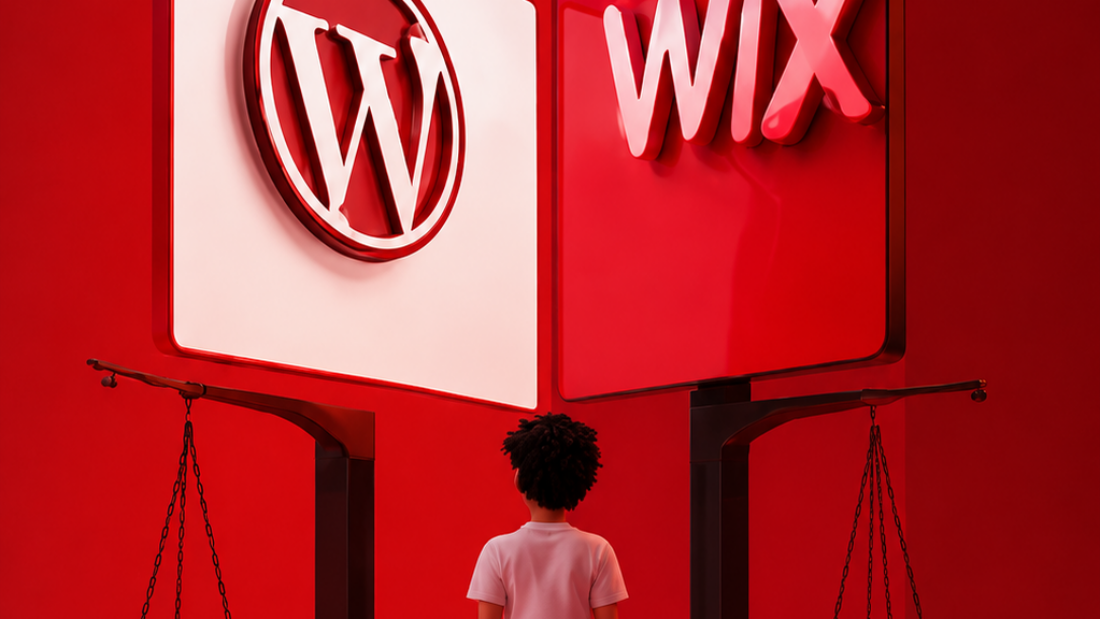
When choosing a website platform, two names often dominate the conversation: Wix and WordPress. Both are popular, user-friendly, and capable of creating professional websites, but when it comes to Search Engine Optimization (SEO), there are significant differences.
While Wix has evolved into a much more SEO-friendly platform over the years, WordPress continues to be the preferred choice for businesses that prioritize long-term organic growth and complete customization.
At Spectra Digital, we help businesses build high-performing, SEO-optimized websites that drive traffic and generate measurable results. In this blog, we’ll compare Wix and WordPress across key SEO factors to help you decide which platform best suits your business needs.
What Is Wix?
Wix is a cloud-based website builder that enables users to create websites using a simple drag-and-drop interface. It’s designed for beginners and business owners who want an all-in-one solution without needing coding skills.
Wix provides web hosting, templates, security, and maintenance as part of its platform, allowing users to launch websites quickly. It is commonly used by small businesses, freelancers, restaurants, consultants, and portfolio websites.
One of Wix’s biggest advantages is its simplicity. Users can design visually appealing websites with minimal technical knowledge, making it a popular choice for first-time website owners.
What Is WordPress?
WordPress is the world’s most widely used Content Management System (CMS), powering millions of websites across industries. Unlike Wix, WordPress is an open-source platform, giving users complete control over every aspect of their website.
With WordPress, businesses can choose their hosting provider, customize website functionality through thousands of plugins, and optimize every element of their SEO strategy. Although it requires a bit more technical knowledge, WordPress offers unmatched flexibility and scalability.
From small blogs to enterprise-level websites and e-commerce stores, WordPress is built to grow with your business.
Why SEO Matters When Choosing a Website Platform
SEO determines how easily your website can be found on search engines like Google. A website that ranks higher in search results receives more organic traffic, leading to increased brand visibility, more inquiries, and higher sales.
A good website platform should support essential SEO features such as:
- Custom meta titles and descriptions
- Clean and SEO-friendly URLs
- Fast loading speeds
- Mobile responsiveness
- Image optimization
- XML sitemaps
- Structured data (Schema Markup)
- Internal linking
- Easy content management
Both Wix and WordPress support these features, but they differ in terms of flexibility and control.
Wix vs WordPress: SEO Comparison
Ease of Use
Wix is designed with beginners in mind. Its intuitive drag-and-drop editor makes creating and updating pages incredibly simple. Everything from hosting to security is managed by Wix, reducing the need for technical maintenance.
WordPress has a steeper learning curve. Users need to manage hosting, plugins, updates, and backups. However, once you become familiar with the platform, it offers far greater control.
Winner: Wix
If you’re looking for simplicity and speed, Wix is an excellent option.

SEO Features
Modern SEO requires more than adding keywords to your content. Businesses need control over metadata, URLs, structured data, redirects, canonical tags, image optimization, and technical SEO settings.
Wix now includes many built-in SEO tools, allowing users to optimize page titles, meta descriptions, alt text, and URLs. It also provides automated XML sitemaps and SEO guidance.
WordPress goes further by supporting advanced SEO plugins such as Rank Math and Yoast SEO. These plugins provide detailed recommendations, keyword optimization, schema markup, content analysis, and technical SEO improvements.
Winner: WordPress
Its advanced customization makes it the preferred choice for businesses serious about SEO.

Website Speed and Performance
Website speed is a confirmed Google ranking factor. Slow websites increase bounce rates and negatively affect user experience.
Wix automatically handles hosting and performance optimization, making it convenient for beginners. However, users have limited control over advanced performance settings.
With WordPress, website speed depends on the quality of hosting, caching, image optimization, and theme selection. When properly optimized, WordPress websites can achieve exceptional loading speeds.
Winner: WordPress
With the right hosting and optimization, WordPress delivers superior performance.

Blogging and Content Marketing
Content is one of the most effective ways to improve SEO. Publishing valuable blog posts helps attract organic traffic, build authority, and target relevant keywords.
Wix offers a user-friendly blogging system that works well for businesses publishing occasional content.
WordPress was originally built as a blogging platform, making it exceptionally powerful for content creation. It offers advanced categorization, tagging, internal linking, scheduling, and content optimization features that benefit long-term SEO strategies.
Winner: WordPress
For businesses focused on content marketing, WordPress is the stronger option.

Customization and Flexibility
Every business has unique website requirements. As your business grows, you may need advanced forms, multilingual functionality, CRM integrations, e-commerce features, or custom landing pages.
Wix provides a good range of templates and applications but has limitations when it comes to advanced customization.
WordPress offers thousands of themes and plugins, allowing businesses to customize nearly every aspect of their website without restrictions.
Winner: WordPress
Its flexibility makes it suitable for businesses of all sizes.

Mobile Optimization
With Google’s mobile-first indexing, having a responsive website is no longer optional.
Both Wix and WordPress offer mobile-responsive designs. Wix automatically optimizes most templates for mobile devices, while WordPress users can choose from thousands of responsive themes.
Winner: Tie
Both platforms perform well when configured correctly.

Scalability
Your website should be able to grow alongside your business.
Wix is ideal for simple websites, portfolios, and small business sites. However, businesses with complex requirements may eventually encounter limitations.
WordPress is built for scalability. Whether you’re adding hundreds of blog posts, launching an online store, or expanding internationally, WordPress provides the flexibility to support future growth.
Winner: WordPress

Wix vs WordPress: At a Glance
| Feature | Wix | WordPress |
|---|---|---|
| Ease of Use | Excellent | Moderate |
| SEO Flexibility | Good | Excellent |
| Website Speed | Good | Excellent (with optimization) |
| Blogging | Good | Excellent |
| Customization | Limited | Extensive |
| Plugins & Integrations | Moderate | Extensive |
| Scalability | Good | Excellent |
| Maintenance | Minimal | User-managed |
Which Platform Should You Choose?
Choose Wix if:
- You’re building your first website.
- You want a simple drag-and-drop builder.
- You don’t have technical expertise.
- You prefer an all-in-one solution.
- Your website requirements are relatively straightforward.
Choose WordPress if:
- SEO is a major priority.
- You plan to publish regular blog content.
- You need advanced customization.
- You expect your website to grow over time.
- You want full control over your website and its performance.
Why SEO Success Depends on More Than the Platform
While WordPress provides greater SEO flexibility, choosing the right platform is only the first step.
Search engine rankings depend on multiple factors, including:
- High-quality content
- Keyword research
- Technical SEO
- Website speed
- Mobile responsiveness
- User experience
- Internal linking
- Quality backlinks
- Regular website updates
Even the best platform cannot guarantee rankings without a strong SEO strategy.
How Spectra Digital Can Help
At Spectra Digital, we build websites that are designed not just to look great but also to perform exceptionally well in search engines.
Our website and SEO services include:
- WordPress Website Development
- Custom Website Design
- Technical SEO
- On-Page SEO
- Website Speed Optimization
- Local SEO
- Content Marketing
- Website Maintenance
- SEO Audits
- Performance Tracking
Whether you’re creating a new website or considering a migration from Wix to WordPress, our experts can help you make the right decision and implement an SEO strategy that supports long-term business growth.
Conclusion
Both Wix and WordPress are excellent website-building platforms, but they cater to different types of users.
Wix is perfect for beginners and small businesses looking for a simple, all-in-one website solution with minimal maintenance.
WordPress, on the other hand, stands out for its superior SEO capabilities, flexibility, scalability, and extensive customization options. It remains the preferred platform for businesses that view their website as a long-term marketing asset.
Ultimately, the best choice depends on your business goals, technical requirements, and growth plans. If you’re serious about improving your search rankings, attracting organic traffic, and building a website that can scale with your business, WordPress offers the strongest foundation.
At Spectra Digital, we’re committed to helping businesses create SEO-friendly websites that deliver measurable results. Whether you choose Wix or WordPress, our team can help you build a website that supports your digital marketing success and drives sustainable growth.