AI-themed collage with a human hand, robotic hand, search bar, AI chip, brain, and lightbulb icons on a bold red background.

AI Search Is Changing the Internet: Is Google Still the First Stop?

For more than two decades, Google has been the starting point for finding information online. We searched for restaurants, products, answers, services, reviews and almost everything in between.

But search behaviour is changing.

Instead of typing a few keywords into Google and opening multiple links, people are increasingly asking AI tools direct questions and expecting complete, conversational answers. From ChatGPT and Google’s AI-powered search experiences to AI assistants and other generative AI platforms, the way people discover information is becoming more conversational, personalised and immediate.

This shift raises an important question:

Is Google still the first stop on the internet, or is AI search creating an entirely new way to find information?

The Rise of AI Search

ChatGPT Image Sep 24, 2026, 12 58 57 PM

Traditional search engines work largely by matching a user’s query with relevant web pages. Users enter keywords, scan search results and choose which links to visit.

AI search changes this experience.

Instead of simply providing a list of links, AI-powered search tools can understand the context behind a question, process information from multiple sources and generate a conversational response.

For example, instead of searching:

“Best cafes in Mumbai”

a user might ask an AI assistant:

“What are some quiet cafes in Mumbai where I can work for a few hours, with good coffee and Wi-Fi?”

The second query reflects intent, preferences and context.

This is one of the biggest changes brought by AI search: users are moving from searching for keywords to asking questions.

Are People Still Using Google?
ChatGPT Image Sep 24, 2026, 01 03 50 PM

Yes. Google remains a major part of how people discover information online.

However, the search journey is becoming more fragmented.

A consumer might use Google to find a website, Instagram to discover a brand, YouTube to learn how something works and an AI assistant to compare options or understand a complex topic.

In other words, search is no longer happening in just one place.

Search behaviour is becoming multi-platform.

For brands, this means simply ranking on Google may no longer be enough.

Google Search vs AI Search

Traditional search and AI search serve different purposes.

Traditional Search

Google search is particularly useful when users want to:

  • Find a specific website
  • Compare multiple sources
  • Locate a business
  • Find current news
  • Research products
  • Navigate to a specific destination

AI Search

AI-powered search can be particularly useful when users want to:

  • Understand a complicated topic
  • Summarise information
  • Compare multiple options
  • Brainstorm ideas
  • Ask follow-up questions
  • Get a personalised explanation

The key difference is the experience.

Traditional search gives you results. AI search increasingly gives you an answer.

The Search Box Is Becoming a Conversation

ChatGPT Image Sep 24, 2026, 01 05 54 PM

One of the biggest changes in search behaviour is the move from short keyword queries to longer, conversational prompts.

People are no longer restricted to thinking like search engines.

They can simply ask questions the way they would ask another person.

For example:

Traditional SEO query:
“Best digital marketing agency Mumbai”

AI-style query:
“I’m a startup in Mumbai looking for a digital marketing agency. What should I consider before choosing one?”

The second query contains more context and intent.

This creates a new challenge for marketers: understanding not just what people search for, but why they search for it.

What Does This Mean for SEO?
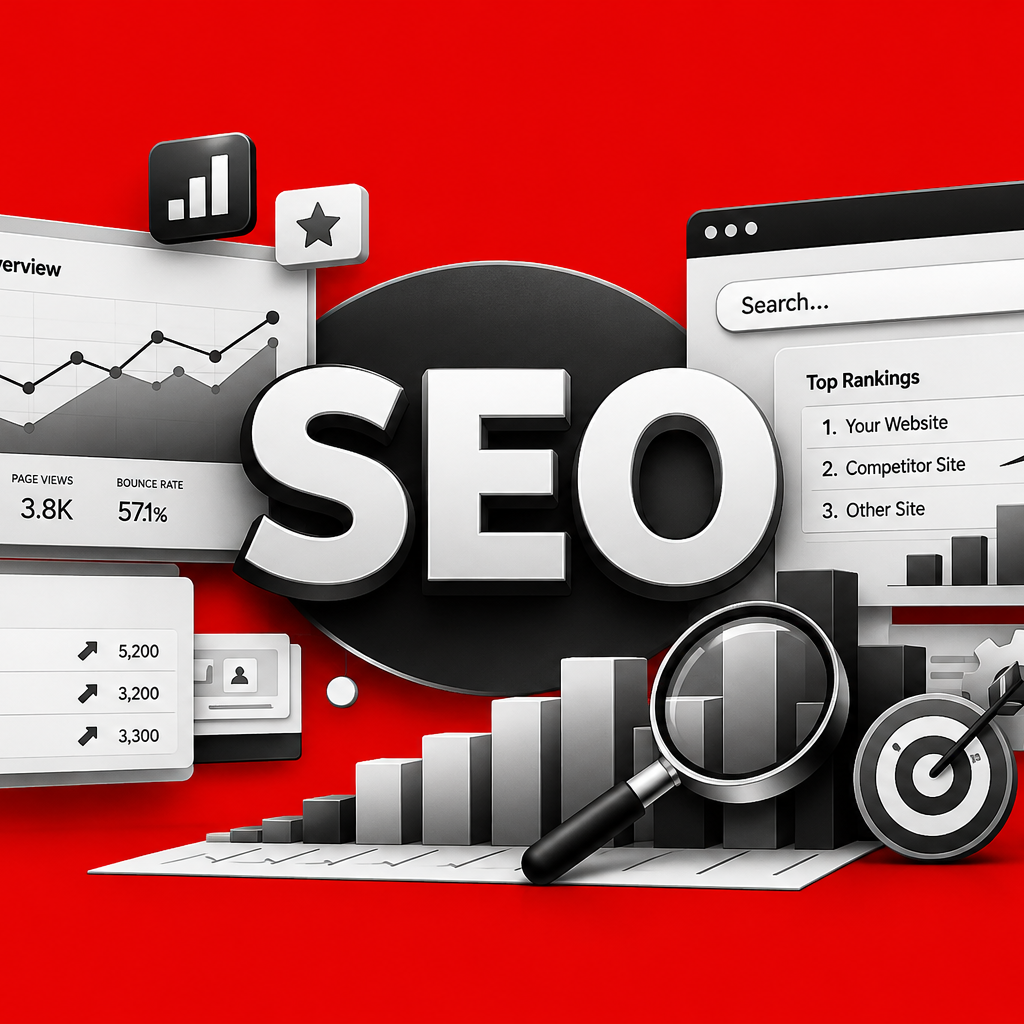
ChatGPT Image Sep 24, 2026, 01 12 43 PM

SEO isn’t disappearing.

It is evolving.

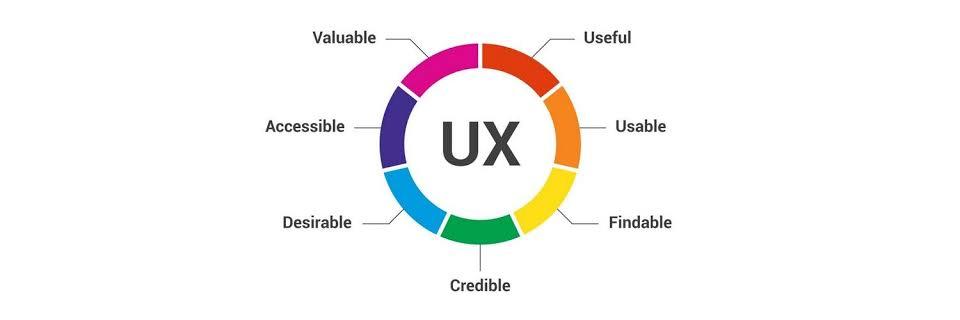
For years, SEO strategies focused heavily on keywords, backlinks, technical optimisation and search rankings. These elements remain important, but AI search is creating another layer of optimisation.

Brands now need to think about how their content can become a trusted source that AI systems understand, reference and potentially surface in answers.

This is where Generative Engine Optimisation (GEO) is becoming increasingly relevant.

Instead of asking only:

“How do I rank on Google?”

marketers also need to ask:

“How do I make my brand visible when someone asks an AI about my category?”

From Ranking on Page One to Being Mentioned in an Answer

In traditional search, visibility often means appearing prominently in search results.

In AI search, visibility can look different.

A user may never see ten blue links. Instead, an AI system might provide a direct answer and mention a handful of brands, websites or sources.

This changes the value of being discoverable.

A brand could have strong website traffic and search rankings, but if AI systems don’t understand its expertise, products or relevance, it may have less visibility within conversational search experiences.

This is why brands need to start thinking beyond rankings.

The future of search visibility may involve both ranking and recognition.

Why Brand Authority Matters More Than Ever

AI search makes trustworthy information increasingly important.

Brands that consistently publish useful, original and credible content have more opportunities to establish authority around their subject.

This means businesses should focus on creating content that:

  • Answers real customer questions
  • Demonstrates genuine expertise
  • Provides original insights
  • Uses clear and accurate information
  • Builds topical authority
  • Is easy for both humans and search systems to understand

Instead of creating ten articles targeting slightly different versions of the same keyword, brands can build comprehensive resources that genuinely answer their audience’s questions.

The Rise of Zero-Click Search

Another major change is the growth of zero-click search.

A zero-click search happens when a user gets the information they need directly from the search experience without clicking through to another website.

AI-generated answers can accelerate this behaviour.

For brands, this creates a challenge.

If users receive an answer without visiting a website, traditional traffic-based metrics may not tell the entire story.

Brand visibility, mentions, citations, engagement and eventual conversions may become increasingly important alongside website traffic.

Social Media Is Part of Search Too

ChatGPT Image Sep 24, 2026, 01 14 53 PM

Search is no longer limited to search engines.

Younger audiences increasingly use platforms such as Instagram, YouTube and TikTok to discover products, restaurants, creators, trends and recommendations.

This means brands need to think about social search alongside traditional SEO and AI search.

A consumer might discover a restaurant through an Instagram Reel, check reviews through Google, watch a YouTube video and then ask an AI tool to compare similar options.

The customer journey can involve several discovery platforms before a purchase happens.

So, Is Google Still the First Stop?

For many searches, yes.

But the bigger change is that there may no longer be one universal first stop.

The starting point depends on what the user wants.

Someone looking for directions may open Google Maps.

Someone looking for a product recommendation may open Instagram or YouTube.

Someone trying to understand a complicated subject may ask an AI assistant.

Someone looking for a specific website may go directly to Google.

The internet is moving towards a multi-search ecosystem, where different platforms compete for different moments of consumer intent.

What Should Brands Do Now?

Brands don’t need to abandon traditional SEO.

Instead, they need to expand their approach.

1. Continue Building Strong SEO Foundations

Technical SEO, relevant keywords, quality backlinks, structured content and a healthy website still matter.

2. Create Answer-Focused Content

Write content around the questions your audience actually asks.

Think beyond keywords and understand search intent.

3. Build Topical Authority

Instead of publishing isolated articles, create interconnected content that establishes your brand as an expert within a specific subject area.

4. Optimise for Conversational Search

Consider how people naturally phrase questions.

Create content that directly answers those questions in clear, useful language.

5. Strengthen Your Brand Presence Across Platforms

Your website isn’t the only place where people discover your brand.

Build a consistent presence across search engines, social media, video platforms, review platforms and other relevant digital channels.

6. Focus on Originality

AI can generate endless amounts of generic content.

That makes original opinions, experiences, data, examples and expertise more valuable.

The brands that provide something genuinely useful will have more opportunities to stand out.

The Future of Search Is Not Google vs AI

The real story isn’t necessarily Google vs AI.

It’s about how consumers are changing the way they find information.

Search is becoming more conversational. Discovery is becoming more visual. Recommendations are becoming more personalised. And AI is becoming another layer between users and the information they need.

For marketers, the question is no longer simply:

“Are we ranking on Google?”

The bigger question is:

“Can people discover, understand and trust our brand wherever they search?”

That is the future of digital visibility.

Google isn’t disappearing overnight. But the definition of search is changing.

And for brands, adapting to that change now could be far more valuable than waiting for the next search revolution to arrive.

Final Thoughts

The internet has always evolved around how people discover information.

From directories to search engines, from desktop search to mobile search, and now from keywords to conversations, every shift has changed the way brands compete for attention.

AI search is the next major evolution.

The brands that succeed won’t necessarily be the ones producing the most content. They will be the ones creating useful, credible, original and discoverable content across the places where their audiences are searching.

Because the future of search isn’t about choosing between Google and AI.

It’s about being ready for wherever your audience searches next.

AI Search vs Google Search comparison and future SEO strategies by Spectra Digital

AI Search vs Google Search: Powerful Insights for Businesses in 2026

The way people search for information online is changing rapidly. For years, traditional search engines like Google dominated how users discovered websites, products, and services. However, the rise of AI-powered search platforms is transforming user behavior and redefining digital marketing strategies.

Understanding AI Search vs Google Search has become essential for businesses that want to maintain online visibility and stay ahead of competitors.

As AI-driven search experiences continue to evolve, companies must adapt their SEO and content strategies to meet changing user expectations.

What Is Traditional Google Search?

image

Google Search has long been the primary gateway to information on the internet.

Traditional search works by:

  • Crawling and indexing web pages
  • Ranking websites based on hundreds of ranking factors
  • Displaying results through organic listings, featured snippets, local packs, and advertisements

Users typically enter a query, browse multiple links, and click on websites to find the information they need.

Google’s ranking system focuses heavily on factors such as:

  • Content relevance
  • Backlinks and authority
  • Technical SEO
  • User experience
  • Search intent

For businesses, ranking on the first page of Google has always been a major objective.

What Is AI Search?

image

AI Search uses artificial intelligence and large language models to generate direct answers and conversational responses.

Instead of simply displaying a list of links, AI-powered search platforms provide summarized information by understanding context, intent, and relationships between topics.

AI search experiences often include:

  • Conversational responses
  • Personalized answers
  • Follow-up questions
  • Context-aware recommendations
  • Direct summaries from multiple sources

Users increasingly expect immediate answers rather than manually browsing several websites.

AI Search vs Google Search: Key Differences

1. Search Experience

image

Google Search:
Provides users with a list of websites and allows them to choose which sources to visit.

AI Search:
Delivers direct, conversational answers and summarizes information instantly.

This shift significantly changes how users interact with online content.

2. User Intent Understanding

AI search systems are better at understanding natural language and complex queries.

For example:

Google Search Query:
“Best digital marketing strategies for small businesses.”

AI Search Query:
“What are the most effective digital marketing strategies for a growing small business with a limited budget?”

AI systems can understand context and provide more nuanced responses.

3. Click Behavior

image

Traditional Google Search often drives website traffic through organic clicks.

AI search may reduce direct clicks because users can receive answers without visiting websites.

This means businesses may need to focus more on authority, brand recognition, and content quality.

4. Content Evaluation

image

Google traditionally evaluates:

  • Keywords
  • Backlinks
  • Technical SEO signals

AI search places greater emphasis on:

  • Expertise
  • Content depth
  • Contextual relevance
  • Authority and trustworthiness

High-quality, informative content becomes even more important.

5. Personalization

image

AI search experiences are becoming increasingly personalized based on:

  • User preferences
  • Previous interactions
  • Search history
  • Context and intent

This creates more tailored experiences for users.

Why AI Search Matters for Businesses

The rise of AI search represents one of the biggest changes in digital marketing in recent years.

Businesses need to understand these changes because:

  • Search behavior is evolving.
  • Organic traffic patterns may shift.
  • Content strategies must adapt.
  • Competition for visibility will increase.

Companies that prepare early can gain a significant competitive advantage.

How AI Search Is Changing SEO

image

SEO is not disappearing—it is evolving.

Businesses should focus on:

Creating Helpful Content

Content should answer real user questions and provide genuine value.

Building Topical Authority

Publishing multiple pieces of content within your niche strengthens expertise signals.

Optimizing for Conversational Queries

Users increasingly search using natural language and question-based phrases.

Improving Trust Signals

Expertise, experience, and credibility play a larger role in AI-driven search environments.

Strategies Businesses Should Adopt

1. Focus on High-Quality Content

Thin, keyword-stuffed content is becoming less effective.

Businesses should create:

  • In-depth guides
  • Industry insights
  • Case studies
  • Educational resources

2. Strengthen Brand Authority

Strong brands are more likely to be referenced and trusted within AI-generated responses.

Authority can be improved through:

  • Consistent content publishing
  • Industry recognition
  • Reviews and testimonials
  • Thought leadership initiatives

3. Optimize for User Intent

Understanding why users search is more important than simply targeting keywords.

Businesses should answer:

  • What problem does the user have?
  • What information do they need?
  • What action are they likely to take next?

4. Invest in Technical SEO

Technical foundations remain important.

Businesses should continue improving:

  • Website speed
  • Mobile responsiveness
  • Structured data
  • Site architecture

Strong technical SEO supports both traditional and AI search visibility.

Challenges Businesses May Face

As AI search adoption increases, businesses may experience:

  • Reduced organic click-through rates
  • Increased competition for authority
  • Changes in traffic measurement
  • Greater emphasis on content quality

Adapting quickly will be essential.

Future of Search: AI and Google Together

Rather than replacing Google entirely, AI search and traditional search are likely to coexist.

Google itself is increasingly integrating AI capabilities into its search experience through features such as AI Overviews.

The future of search will likely combine:

  • Traditional search results
  • AI-generated summaries
  • Conversational experiences
  • Personalized recommendations

Businesses that optimize for both environments will be in the strongest position.

How Spectra Digital Helps Businesses Prepare for the Future of Search

At Spectra Digital, we help businesses adapt to evolving search trends through data-driven strategies.

Our services include:

  • SEO strategy development
  • AI-focused content optimization
  • Technical SEO improvements
  • Website performance optimization
  • Authority-building campaigns

We help brands remain visible as search continues to evolve.

Final Thoughts

Understanding AI Search vs Google Search is becoming increasingly important for businesses in 2026.

AI-powered search experiences are changing how users discover information, interact with content, and make decisions online.

While traditional SEO principles remain valuable, businesses must now focus more on content quality, authority, user intent, and conversational experiences.

Companies that embrace these changes early will be better positioned to achieve long-term digital success.

If your business wants to stay ahead of the future of search, Spectra Digital can help you build strategies that improve visibility, increase authority, and drive sustainable growth.

How to rank in Google AI Overviews with AI-focused SEO strategies by Spectra Digital

How to Rank in Google AI Overviews in 2026: Avoid These Costly SEO Mistakes

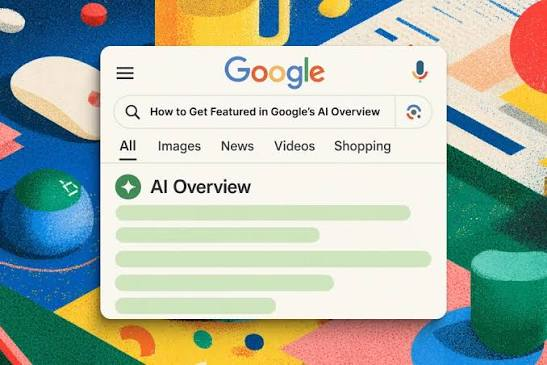
The world of search engine optimization is evolving rapidly. With the rise of artificial intelligence in search results, businesses are asking one important question: How to rank in Google AI Overviews?

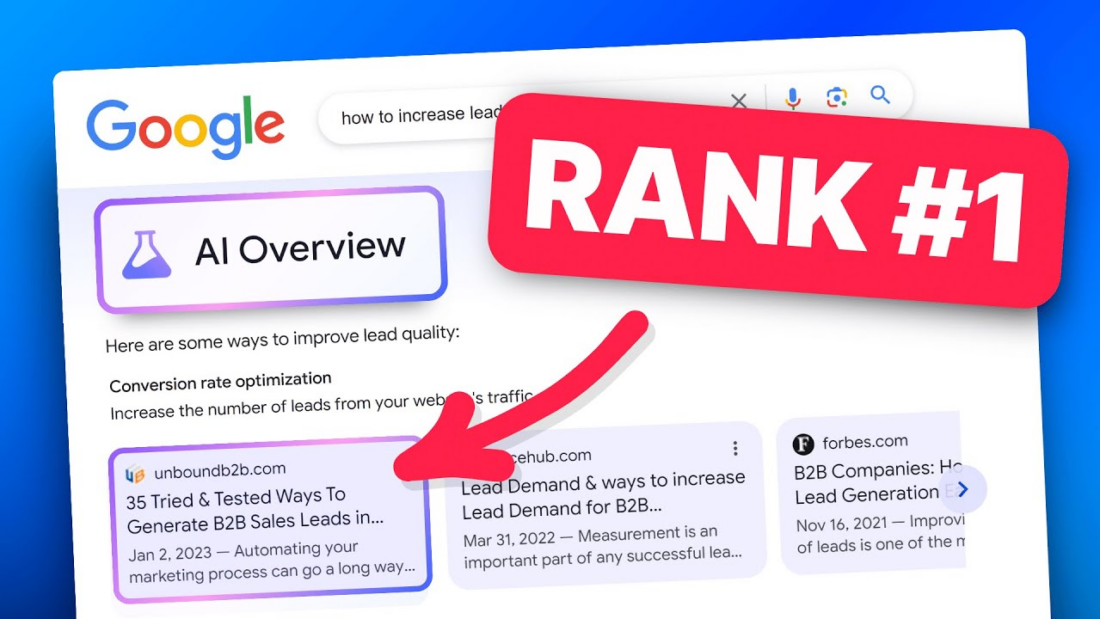
Google’s AI Overviews are transforming the way users discover information online. Instead of simply showing a list of blue links, Google now provides AI-generated summaries that answer users’ questions directly within search results.

For businesses, this means traditional SEO strategies alone are no longer enough. Brands must now optimize their content for both search engines and AI-driven experiences.

In this guide, Spectra Digital explains how Google AI Overviews work and the best strategies to improve your visibility in AI-powered search results.

What Are Google AI Overviews?

How to Rank in Google AI Overviews

Google AI Overviews are AI-generated summaries that appear at the top of search results for certain queries. These summaries provide users with quick answers by gathering information from multiple authoritative sources.

The goal of AI Overviews is to deliver more relevant, contextual, and helpful information to users without requiring them to visit multiple websites.

While AI Overviews improve user experience, they are also changing how businesses approach SEO and organic traffic.

Why Google AI Overviews Are Changing SEO

Traditional SEO focused heavily on:

  • Ranking on the first page
  • Optimizing for keywords
  • Building backlinks
  • Increasing click-through rates

Today, SEO is becoming more focused on:

  • Search intent
  • Content quality
  • Topical authority
  • User experience
  • Trust and expertise

Businesses that adapt to these changes will have a better chance of maintaining visibility in Google’s evolving search landscape.

How to Rank in Google AI Overviews

image

1. Create Helpful, Comprehensive Content

image

Google’s AI systems prioritize content that genuinely helps users.

Instead of creating short articles focused only on keywords, businesses should produce detailed and informative content that answers users’ questions completely.

High-quality content should include:

  • Clear explanations
  • Practical examples
  • Frequently asked questions
  • Actionable insights
  • Updated information

Comprehensive content increases the likelihood of being referenced in AI-generated summaries.

2. Focus on Search Intent

image

Understanding user intent has become more important than ever.

Ask yourself:

  • What problem is the user trying to solve?
  • What information are they looking for?
  • What follow-up questions might they have?

Content that fully satisfies user intent is more likely to be considered valuable by Google’s AI systems.

3. Build Topical Authority

image

Google increasingly rewards websites that demonstrate expertise within specific topics.

Instead of publishing random content, businesses should build clusters around related subjects.

For example, a digital marketing agency can create content around:

  • SEO strategies
  • Performance marketing
  • Social media marketing
  • AI in digital marketing
  • Website optimization

Publishing multiple high-quality articles within your niche strengthens topical authority.

4. Use Clear Content Structure

image

AI systems prefer content that is easy to understand.

Structure your articles using:

  • Clear headings (H2 and H3)
  • Short paragraphs
  • Bullet points
  • Tables where appropriate
  • FAQ sections

Well-organized content makes it easier for search engines and AI systems to extract information.

5. Demonstrate Experience and Expertise

image

Google places significant importance on content credibility.

Businesses should demonstrate:

  • Real-world experience
  • Industry expertise
  • Author credibility
  • Original insights
  • Data-backed information

Sharing case studies, examples, and practical knowledge can improve trustworthiness.

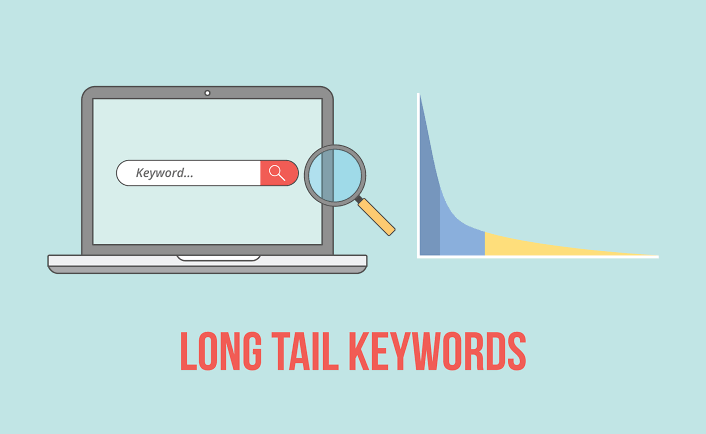
6. Optimize for Long-Tail Keywords

image

AI Overviews often appear for conversational and informational searches.

Examples include:

  • How to improve website SEO
  • What makes a high-converting website
  • How to rank in Google AI Overviews

Targeting long-tail keywords helps businesses capture highly relevant search traffic.

7. Add FAQ Sections

image

FAQs align well with the way people search today.

Examples:

What are Google AI Overviews?

Google AI Overviews are AI-generated summaries displayed at the top of search results that provide quick answers to user queries.

How can businesses rank in AI Overviews?

Businesses can improve visibility by creating helpful content, building authority, and optimizing for search intent.

FAQ sections increase content relevance and improve opportunities for featured visibility.

8. Improve Website User Experience

image

User experience continues to be a major ranking factor.

Businesses should focus on:

  • Fast loading speed
  • Mobile responsiveness
  • Easy navigation
  • Secure browsing experience
  • Low bounce rates

A positive user experience supports better search performance.

9. Build High-Quality Backlinks

image

Backlinks remain an important trust signal.

Links from reputable websites help establish authority and improve credibility in Google’s eyes.

Businesses should focus on earning backlinks through:

  • Valuable content
  • Industry collaborations
  • Guest posting
  • Digital PR initiatives

Quality matters far more than quantity.

10. Keep Content Updated

image

AI systems prefer fresh and relevant information.

Regularly update articles with:

  • New statistics
  • Emerging trends
  • Industry developments
  • Updated examples

Content freshness can improve long-term search visibility.

Common SEO Mistakes in the AI Era

Businesses often struggle because they:

  • Focus only on keywords
  • Publish thin content
  • Ignore search intent
  • Neglect user experience
  • Fail to update content regularly

Modern SEO requires a more strategic and user-focused approach.

Future of SEO in the Age of AI

image

SEO is not disappearing—it is evolving.

In the coming years, successful businesses will focus on:

  • Creating genuinely helpful content
  • Building authority and trust
  • Optimizing for conversational searches
  • Leveraging AI tools responsibly
  • Delivering exceptional user experiences

Brands that adapt to AI-driven search trends will gain a competitive advantage.

How Spectra Digital Helps Businesses Adapt to AI Search

At Spectra Digital, we help businesses stay ahead of changing search trends through data-driven SEO strategies.

Our services include:

  • AI-focused SEO optimization
  • Content strategy development
  • Technical SEO improvements
  • Website performance optimization
  • Authority-building campaigns

We help businesses improve search visibility and prepare for the future of AI-powered search.

Final Thoughts

Understanding how to rank in Google AI Overviews is becoming essential for businesses looking to succeed in modern SEO.

Google’s AI-powered search experience is changing the way users discover information. Businesses that focus on helpful content, topical authority, user experience, and trust will be better positioned to gain visibility in AI Overviews.

SEO is evolving, but one principle remains the same: create valuable content that genuinely helps users.

If your business wants to stay ahead of the latest SEO trends, Spectra Digital can help you develop strategies that improve rankings, visibility, and long-term growth.