
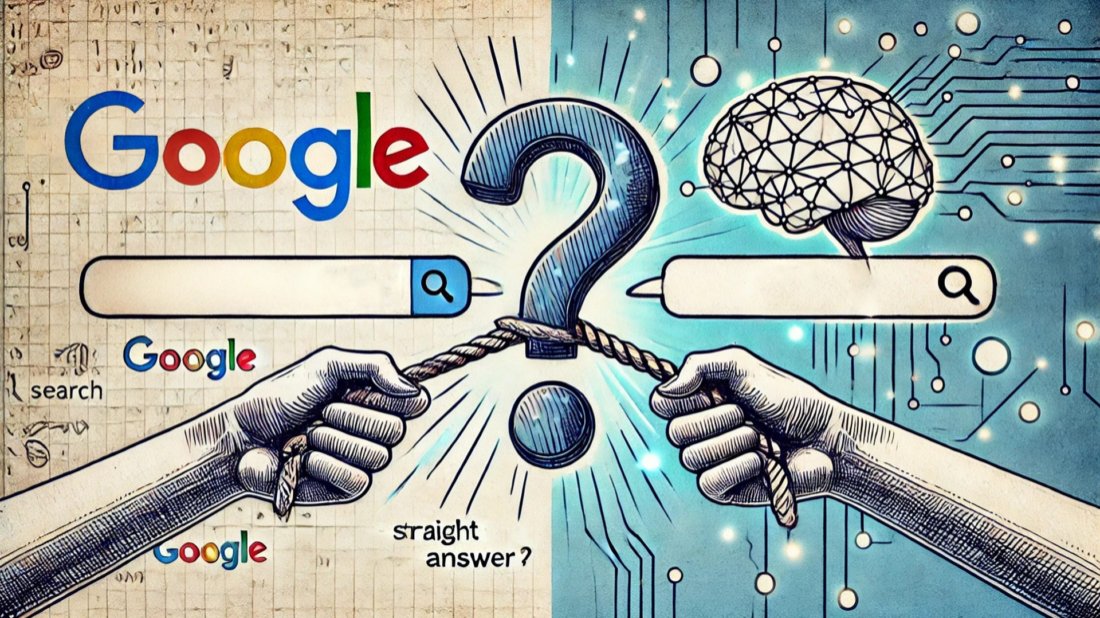
The way people search for information online is changing rapidly. For years, traditional search engines like Google dominated how users discovered websites, products, and services. However, the rise of AI-powered search platforms is transforming user behavior and redefining digital marketing strategies.
Understanding AI Search vs Google Search has become essential for businesses that want to maintain online visibility and stay ahead of competitors.
As AI-driven search experiences continue to evolve, companies must adapt their SEO and content strategies to meet changing user expectations.
What Is Traditional Google Search?

Google Search has long been the primary gateway to information on the internet.
Traditional search works by:
- Crawling and indexing web pages
- Ranking websites based on hundreds of ranking factors
- Displaying results through organic listings, featured snippets, local packs, and advertisements
Users typically enter a query, browse multiple links, and click on websites to find the information they need.
Google’s ranking system focuses heavily on factors such as:
- Content relevance
- Backlinks and authority
- Technical SEO
- User experience
- Search intent
For businesses, ranking on the first page of Google has always been a major objective.
What Is AI Search?

AI Search uses artificial intelligence and large language models to generate direct answers and conversational responses.
Instead of simply displaying a list of links, AI-powered search platforms provide summarized information by understanding context, intent, and relationships between topics.
AI search experiences often include:
- Conversational responses
- Personalized answers
- Follow-up questions
- Context-aware recommendations
- Direct summaries from multiple sources
Users increasingly expect immediate answers rather than manually browsing several websites.
AI Search vs Google Search: Key Differences
1. Search Experience
Google Search:
Provides users with a list of websites and allows them to choose which sources to visit.
AI Search:
Delivers direct, conversational answers and summarizes information instantly.
This shift significantly changes how users interact with online content.
2. User Intent Understanding
AI search systems are better at understanding natural language and complex queries.
For example:
Google Search Query:
“Best digital marketing strategies for small businesses.”
AI Search Query:
“What are the most effective digital marketing strategies for a growing small business with a limited budget?”
AI systems can understand context and provide more nuanced responses.
3. Click Behavior

Traditional Google Search often drives website traffic through organic clicks.
AI search may reduce direct clicks because users can receive answers without visiting websites.
This means businesses may need to focus more on authority, brand recognition, and content quality.
4. Content Evaluation

Google traditionally evaluates:
- Keywords
- Backlinks
- Technical SEO signals
AI search places greater emphasis on:
- Expertise
- Content depth
- Contextual relevance
- Authority and trustworthiness
High-quality, informative content becomes even more important.
5. Personalization
AI search experiences are becoming increasingly personalized based on:
- User preferences
- Previous interactions
- Search history
- Context and intent
This creates more tailored experiences for users.
Why AI Search Matters for Businesses
The rise of AI search represents one of the biggest changes in digital marketing in recent years.
Businesses need to understand these changes because:
- Search behavior is evolving.
- Organic traffic patterns may shift.
- Content strategies must adapt.
- Competition for visibility will increase.
Companies that prepare early can gain a significant competitive advantage.
How AI Search Is Changing SEO

SEO is not disappearing—it is evolving.
Businesses should focus on:
Creating Helpful Content
Content should answer real user questions and provide genuine value.
Building Topical Authority
Publishing multiple pieces of content within your niche strengthens expertise signals.
Optimizing for Conversational Queries
Users increasingly search using natural language and question-based phrases.
Improving Trust Signals
Expertise, experience, and credibility play a larger role in AI-driven search environments.
Strategies Businesses Should Adopt
1. Focus on High-Quality Content
Thin, keyword-stuffed content is becoming less effective.
Businesses should create:
- In-depth guides
- Industry insights
- Case studies
- Educational resources
2. Strengthen Brand Authority
Strong brands are more likely to be referenced and trusted within AI-generated responses.
Authority can be improved through:
- Consistent content publishing
- Industry recognition
- Reviews and testimonials
- Thought leadership initiatives
3. Optimize for User Intent
Understanding why users search is more important than simply targeting keywords.
Businesses should answer:
- What problem does the user have?
- What information do they need?
- What action are they likely to take next?
4. Invest in Technical SEO
Technical foundations remain important.
Businesses should continue improving:
- Website speed
- Mobile responsiveness
- Structured data
- Site architecture
Strong technical SEO supports both traditional and AI search visibility.
Challenges Businesses May Face
As AI search adoption increases, businesses may experience:
- Reduced organic click-through rates
- Increased competition for authority
- Changes in traffic measurement
- Greater emphasis on content quality
Adapting quickly will be essential.
Future of Search: AI and Google Together
Rather than replacing Google entirely, AI search and traditional search are likely to coexist.
Google itself is increasingly integrating AI capabilities into its search experience through features such as AI Overviews.
The future of search will likely combine:
- Traditional search results
- AI-generated summaries
- Conversational experiences
- Personalized recommendations
Businesses that optimize for both environments will be in the strongest position.
How Spectra Digital Helps Businesses Prepare for the Future of Search
At Spectra Digital, we help businesses adapt to evolving search trends through data-driven strategies.
Our services include:
- SEO strategy development
- AI-focused content optimization
- Technical SEO improvements
- Website performance optimization
- Authority-building campaigns
We help brands remain visible as search continues to evolve.
Final Thoughts
Understanding AI Search vs Google Search is becoming increasingly important for businesses in 2026.
AI-powered search experiences are changing how users discover information, interact with content, and make decisions online.
While traditional SEO principles remain valuable, businesses must now focus more on content quality, authority, user intent, and conversational experiences.
Companies that embrace these changes early will be better positioned to achieve long-term digital success.
If your business wants to stay ahead of the future of search, Spectra Digital can help you build strategies that improve visibility, increase authority, and drive sustainable growth.
