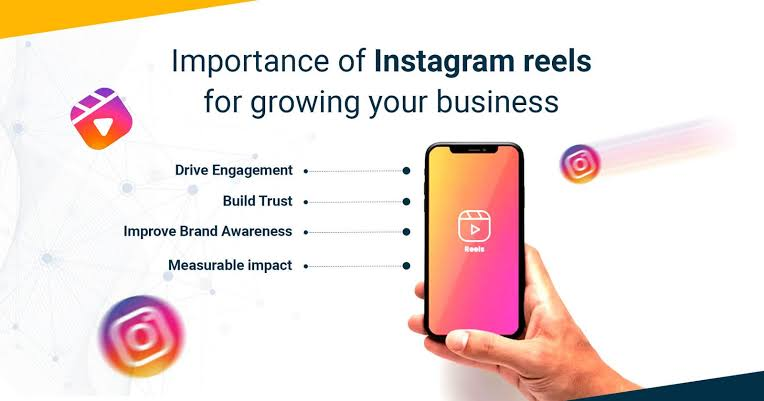
Gen Z influencing digital marketing trends through social media, authentic content, and influencer marketing

Why Gen Z Is Changing Digital Marketing

Generation Z, commonly known as Gen Z, is becoming one of the most influential consumer groups in the digital marketplace. Born into a world of smartphones, social media, streaming platforms, and instant information, Gen Z interacts with brands very differently from previous generations.

For businesses, reaching Gen Z is no longer simply about being present online. Brands need to understand how this generation discovers products, consumes content, evaluates brands, and makes purchasing decisions.

As Gen Z continues to influence consumer culture, it is also changing the way businesses approach digital marketing.

1. Who Is Gen Z and What Makes Them Different?

Gen Z generally refers to people born between the late 1990s and early 2010s. They have grown up surrounded by digital technology, making online platforms a natural part of their everyday lives.

Unlike traditional consumers who may rely heavily on television, newspapers, or search engines, Gen Z often discovers brands through short-form videos, social media, creators, online communities, and recommendations.

They also tend to value authenticity. Highly polished advertisements may not always capture their attention. Instead, relatable content, real experiences, creator recommendations, and genuine brand communication can be more effective.

2. How Gen Z Is Changing Consumer Behaviour

Gen Z has changed how people discover and research products.

Social media is increasingly becoming a place where consumers find inspiration, reviews, trends, and products. Platforms such as Instagram, YouTube, and TikTok have become important parts of the discovery journey.

Gen Z also has access to enormous amounts of information. Before purchasing, they can quickly compare products, read reviews, watch videos, and check what other people are saying about a brand.

This means brands cannot depend only on traditional advertising. They need to build a consistent and trustworthy digital presence across the platforms where their audience spends time.

3. Digital Marketing Strategies That Work With Gen Z

To effectively connect with Gen Z, brands need to focus on content that is authentic, entertaining, useful, and easy to consume.

Some effective strategies include:

  • Short-form video: Reels, Shorts, and other short videos can capture attention quickly.
  • Creator marketing: Relevant creators can help brands build credibility and reach niche communities.
  • User-generated content: Real customers sharing experiences can make a brand feel more trustworthy.
  • Interactive content: Polls, quizzes, challenges, and interactive formats encourage participation.
  • Social commerce: Making it easy for users to discover and purchase products through social platforms can shorten the customer journey.
  • Community building: Brands that create genuine communities can encourage stronger long-term engagement.

The key is to create content that feels native to the platform instead of simply turning traditional advertisements into social media posts.

aab4da95 f255 48aa 8577 f1989446909e

4. Why Traditional Marketing Doesn’t Work the Same Way Anymore

Traditional advertising is not disappearing, but Gen Z has changed the role it plays in the customer journey.

This audience is exposed to advertising constantly and can quickly scroll past content that feels overly promotional or irrelevant.

Gen Z often responds better when brands communicate with them rather than at them.

Instead of focusing only on selling, brands can use storytelling, entertainment, educational content, conversations, and community-driven campaigns to build relationships.

This doesn’t mean brands should avoid promotional content. Instead, promotional messages should be supported by content that provides value and creates a reason for audiences to engage with the brand.

7ede1d73 c4e8 4196 af52 4dd1331c663a

5. How Brands Can Successfully Market to Gen Z

Marketing to Gen Z requires brands to understand that digital audiences are not simply looking for products—they are also looking for experiences, communities, entertainment, and brands they can relate to.

Businesses should:

  • Understand the platforms their target audience uses.
  • Create authentic and relatable content.
  • Experiment with short-form video.
  • Collaborate with relevant creators.
  • Encourage user-generated content.
  • Respond to audiences and participate in conversations.
  • Use data to understand what content performs best.
  • Keep the brand experience consistent across digital channels.

Most importantly, brands should avoid trying too hard to sound “young.” Gen Z can recognize forced trends and messaging. Authenticity should come from the brand’s actual voice, values, and customer experience.

Conclusion

Gen Z is changing digital marketing by shifting the focus from traditional advertising toward authentic content, social discovery, creators, communities, and meaningful engagement.

For businesses, the opportunity is not simply to follow every new trend. It is to understand how Gen Z consumes digital content and create experiences that genuinely connect with them.

Brands that listen to their audience, embrace creativity, and build authentic digital communities will be better positioned to capture Gen Z’s attention and turn that attention into long-term relationships.

Looking to build a digital marketing strategy that connects with today’s consumers? Spectra Digital can help your brand create meaningful digital experiences that drive awareness, engagement, and growth.


Is influencer marketing overrated and how brands can use influencer campaigns strategically to build trust, engagement, and sales

Is Influencer Marketing Overrated? 5 Powerful Truths Brands Need to Know

Is Influencer Marketing Overrated? It’s a question many businesses are asking as influencer marketing becomes a major part of digital advertising.

Brands collaborate with creators to promote products, reach new audiences, build credibility, and generate sales.

But there’s a problem.

Not every influencer campaign delivers results.

A creator may have hundreds of thousands of followers but generate very few customers. Another creator with a much smaller audience may drive significantly more engagement, leads, and sales.

So, is influencer marketing actually overrated?

Not necessarily. But influencer marketing without a clear strategy can be.

Here are 5 powerful truths businesses need to understand before investing in influencer campaigns.

1. Followers Don’t Equal Influence

image

One of the biggest mistakes brands make is choosing influencers based only on follower count.

A creator with 500,000 followers may look impressive.

But what if:

  • Engagement is extremely low?
  • The audience isn’t relevant?
  • Followers aren’t located in your target market?
  • The content doesn’t influence buying decisions?
  • The audience doesn’t trust sponsored recommendations?

Meanwhile, a creator with 20,000 highly engaged followers might have a much stronger relationship with their audience.

The lesson

Don’t ask:

“How many followers does this influencer have?”

Ask:

“Can this influencer influence the people we want to reach?”

Relevance and trust can be more valuable than raw audience size.

2. The Right Influencer Can Build Trust Faster Than an Advertisement

image

Traditional advertising tells people why they should buy something.

Influencers can demonstrate how a product fits into real life.

A creator might:

  • Test a product
  • Explain how they use it
  • Share their experience
  • Compare alternatives
  • Answer audience questions
  • Show the product in context

This can make the recommendation feel more relatable.

For example, a skincare creator demonstrating their actual routine can provide a very different experience from a traditional product advertisement.

The lesson

Influencer marketing works best when the creator feels like a credible guide rather than a billboard.

Authenticity is one of the biggest assets an influencer brings to a campaign.

3. Micro-Influencers Can Be More Valuable Than Celebrities

image

Bigger isn’t always better.

Micro-influencers often have smaller but more focused communities.

Their audiences may be built around specific interests such as:

  • Fitness
  • Beauty
  • Food
  • Travel
  • Technology
  • Finance
  • Parenting
  • Fashion
  • Gaming

Because the audience is more specific, the content can feel more relevant.

For a business with a niche product, reaching 25,000 highly relevant people may be more useful than reaching 1 million people who have little interest in the category.

What businesses can learn

Consider creators based on:

Audience relevance + Engagement + Trust + Content quality + Conversion potential

rather than follower count alone.

4. Viral Influencer Content Doesn’t Guarantee Sales

image

This is where many brands get disappointed.

A campaign can receive:

1 million views → 50,000 likes → thousands of comments

and still generate limited revenue.

Why?

Because attention isn’t the same as intent.

Someone may enjoy an influencer’s funny video without having any interest in buying the product featured in it.

That’s why campaigns need a clear connection between content and conversion.

Businesses can use:

  • Unique discount codes
  • Dedicated landing pages
  • Affiliate links
  • Trackable URLs
  • Product-specific offers
  • Lead forms
  • Retargeting campaigns

These tools can help businesses understand whether influencer activity is contributing to actual business results.

The lesson

Don’t measure success only through views and likes.

Measure what happens after the attention.

5. Influencer Marketing Works Best When It Becomes Part of a Bigger Strategy

image

Influencer marketing shouldn’t exist in isolation.

It can work alongside:

  • Social media marketing
  • Paid advertising
  • Content marketing
  • Search Engine Optimization (SEO)
  • Performance marketing
  • Retargeting
  • Email marketing
  • Conversion optimisation

For example:

Influencer content → Website visit → Retargeting ad → Product page → Purchase

The influencer introduces the brand.

Other marketing channels help move the customer toward conversion.

This creates a much stronger customer journey than relying on a single sponsored post.

So, Is Influencer Marketing Overrated?

The answer is:

Influencer marketing isn’t overrated. Poor influencer marketing is.

The strategy becomes ineffective when businesses:

  • Choose creators based only on followers
  • Ignore audience demographics
  • Prioritise popularity over relevance
  • Don’t track conversions
  • Give creators overly restrictive scripts
  • Expect instant sales
  • Treat influencer campaigns as one-off promotions

When done strategically, influencer marketing can help brands build awareness, trust, engagement, and demand.

The key is choosing the right creator for the right audience with the right objective.

What Makes an Influencer Campaign Successful?

A successful campaign usually starts with a clear goal.

Are you trying to generate:

Brand Awareness?

Focus on reach, visibility, and memorable creative.

Engagement?

Choose creators whose communities actively interact with their content.

Leads?

Use strong calls-to-action, landing pages, and trackable campaigns.

Sales?

Use affiliate links, creator codes, product demonstrations, and conversion-focused content.

Brand Trust?

Work with creators who genuinely understand your category and have credibility with their audience.

Different goals require different strategies.

How to Choose the Right Influencer

image

Before partnering with a creator, evaluate:

Audience

Does their audience match your target customer?

Engagement

Do followers actually interact with the content?

Content Quality

Does their content match your brand’s standards?

Relevance

Does the creator naturally fit your industry?

Authenticity

Does their content feel genuine?

Previous Partnerships

Do they promote a different product every week, or do their partnerships feel selective?

Results

Can they demonstrate previous campaign performance?

The goal isn’t to find the biggest influencer.

It’s to find the most relevant one.

Common Influencer Marketing Mistakes

Businesses often waste their influencer budget by:

  • Selecting creators based only on follower count
  • Working with too many unrelated creators
  • Giving creators generic scripts
  • Ignoring audience quality
  • Failing to set measurable goals
  • Not tracking conversions
  • Focusing entirely on vanity metrics
  • Expecting one post to transform the business

Influencer marketing should be treated like any other marketing investment.

It needs:

Strategy → Execution → Measurement → Optimisation

How Spectra Digital Can Help With Influencer Marketing

At Spectra Digital, we believe influencer marketing should be connected to a larger digital growth strategy.

Instead of simply asking, “Which influencer has the most followers?”, businesses should ask:

“Which creator can help us reach the right audience and achieve our business objective?”

Our digital marketing services include:

  • Influencer marketing
  • Social media marketing
  • Content marketing
  • Performance marketing
  • Paid advertising
  • Search Engine Optimization (SEO)
  • Lead generation
  • Website design
  • Conversion optimisation
  • Marketing analytics

We help businesses combine creative campaigns with measurable digital strategies designed to generate meaningful business results.

Final Thoughts

Is Influencer Marketing Overrated?

Not really.

But the old idea that more followers automatically means better marketing is outdated.

The future of influencer marketing is likely to be more focused on:

Relevance over reach.
Trust over popularity.
Conversions over vanity metrics.
Long-term partnerships over one-off posts.

The best influencer campaign isn’t necessarily the one that gets the most views.

It’s the one that reaches the right people, earns their attention, builds trust, and moves them toward action.

And that’s what makes influencer marketing a valuable business strategy, not simply another way to buy impressions.

The new currency of marketing is attention and how businesses can earn audience attention through better content and stronger marketing strategies

The New Currency of Marketing Isn’t Money: 5 Powerful Attention Strategies

The New Currency of Marketing Isn’t Money. It’s attention.

In today’s crowded digital world, businesses are competing for something more difficult to buy: people’s time and attention.

Consumers scroll through social media, skip advertisements, compare brands, watch short-form videos, read reviews, and interact with creators every day. There is more content available than ever before, but people still have only a limited amount of attention to give.

That creates a major challenge for businesses.

You can spend more money on advertising, but money alone cannot make people care.

The brands that succeed understand how to capture attention, hold it, and turn it into meaningful relationships.

Here are 5 powerful attention strategies every business should understand.

1. Attention Is Harder to Earn Than Reach

image

Reach tells you how many people potentially saw your message.

Attention tells you whether they actually cared enough to stop and engage.

This distinction matters.

A business can reach thousands of people and still generate very little interest.

People can scroll past an advertisement without remembering the brand, message, or product.

That’s why modern marketing needs to focus on more than impressions.

It needs to create a reason for someone to stop.

What businesses can learn

Before publishing content or launching an advertisement, ask:

“Why would someone stop for this?”

A strong reason could be:

  • Curiosity
  • Entertainment
  • Education
  • Emotion
  • Surprise
  • A useful solution
  • A strong opinion
  • A relatable problem

If your content doesn’t provide a reason to pay attention, increasing your advertising budget may not solve the problem.

2. Great Content Earns Attention

image

Advertising can buy exposure.

Content can earn attention.

This is why brands are investing more heavily in content that people actually want to consume.

Examples include:

  • Educational videos
  • Industry insights
  • Tutorials
  • Customer stories
  • Memes
  • Behind-the-scenes content
  • Expert opinions
  • Short-form videos
  • Useful guides

The strongest content doesn’t immediately feel like an advertisement.

Instead, it gives the audience something valuable.

The lesson

Don’t make every piece of content about your product.

Talk about your customer’s:

  • Problems
  • Questions
  • Interests
  • Goals
  • Frustrations
  • Aspirations

When your content becomes useful or entertaining, people have a reason to come back.

3. The First Few Seconds Can Make or Break Your Content

image

On fast-moving platforms, attention is often won or lost quickly.

A weak opening can result in an immediate scroll.

A strong opening creates curiosity.

Compare:

“Here are five marketing tips for businesses.”

with:

“Your marketing budget isn’t the reason your ads aren’t working.”

The second statement creates tension and curiosity.

It makes people want to know what comes next.

Strong hooks can use:

  • A surprising statement
  • A bold question
  • A common mistake
  • An unexpected fact
  • A strong opinion
  • A relatable situation
  • A clear promise

What businesses can learn

Don’t treat the opening as an afterthought.

Your headline, first sentence, thumbnail, or opening seconds should make the audience want to continue.

If you lose attention at the beginning, the rest of your message may never be seen.

4. Attention Doesn’t Automatically Mean Sales

image

This is where many businesses make a mistake.

A post gets thousands of views.

A Reel goes viral.

Follower numbers increase.

But sales don’t change.

Why?

Because attention is not the final goal.

Attention needs to lead somewhere.

A strong customer journey looks like:

Attention → Interest → Trust → Action → Customer → Loyalty

For example, a social media post might introduce your brand.

Your website can explain your offer.

A case study can build credibility.

A strong call-to-action can encourage an enquiry.

A great customer experience can turn that enquiry into a long-term customer.

The lesson

Don’t measure marketing success only through:

  • Views
  • Likes
  • Followers
  • Impressions

Also look at:

  • Website traffic
  • Leads
  • Conversion rate
  • Cost per lead
  • Sales
  • Customer retention
  • Revenue

Attention becomes valuable when it contributes to a business outcome.

5. Brands With Personality Are Easier to Remember

image

People don’t connect only with companies.

They connect with personalities, opinions, humour, stories, and ideas.

This is one reason many successful brands increasingly communicate like creators.

They develop a recognisable:

  • Voice
  • Personality
  • Visual style
  • Sense of humour
  • Point of view
  • Storytelling approach

Think about the brands you can recognise even before seeing their logo.

That’s the power of distinctive communication.

What businesses can learn

Ask:

“If our logo disappeared, would people still recognise our content?”

If the answer is no, your brand may need a stronger personality.

Being different doesn’t mean being controversial for attention.

It means developing a communication style that feels uniquely yours.

Why More Advertising Spend Doesn’t Always Mean Better Results

It’s tempting to think that increasing your advertising budget will automatically increase results.

But advertising amplifies whatever you already have.

If your:

  • Offer is weak
  • Creative is boring
  • Message is unclear
  • Landing page is confusing
  • Target audience is wrong
  • Customer experience is poor

then spending more money may simply expose more people to the same problem.

A stronger approach is:

Better strategy → Better message → Better creative → Better offer → Then scale with advertising

This is why attention should be treated as a strategic asset rather than simply a media metric.

Common Marketing Mistakes That Waste Attention

Businesses often lose valuable attention by:

  • Talking only about themselves
  • Making every post promotional
  • Copying competitors
  • Using generic content
  • Following irrelevant trends
  • Using weak hooks
  • Focusing only on follower count
  • Ignoring audience interests
  • Creating content without a clear purpose

The solution isn’t necessarily to create more content.

It’s to create more relevant content.

How Spectra Digital Helps Businesses Turn Attention Into Growth

At Spectra Digital, we help businesses build digital marketing strategies that capture attention and turn it into measurable business results.

Our approach combines creativity, strategy, audience understanding, and performance.

Our services include:

  • Social media marketing
  • Content marketing
  • Performance marketing
  • Paid advertising
  • Search Engine Optimization (SEO)
  • Website design
  • Lead generation
  • Conversion optimisation
  • Marketing analytics

We help businesses reach the right audience, communicate their value clearly, and build digital campaigns designed for both attention and business growth.
Final Thoughts

The New Currency of Marketing Isn’t Money. It’s Attention.

Businesses today are not only competing against their competitors.

They are competing against every other piece of content fighting for their audience’s time.

Money can buy reach.

But attention has to be earned.

The brands that win will be the ones that create content people genuinely want to watch, read, share, and remember.

The biggest marketing lesson is simple:

Don’t ask how much you can spend to get attention. Ask what you can create that deserves it.

When attention is combined with trust, a strong offer, and an excellent customer experience, it can become one of the most valuable drivers of long-term business growth.

Why some brands become part of culture through strong identity, cultural relevance, distinctive personality, and customer participation

Why Some Brands Become Part of Culture: 5 Powerful Reasons

Why Some Brands Become Part of Culture is a fascinating question in modern marketing.

Most businesses want customers to recognise their brand. Some want people to recommend it. But a small number of brands go much further.

They become part of conversations, trends, habits, humour, fashion, entertainment, and everyday life.

Think about brands such as Apple, Nike, Coca-Cola, Amul, or even Crocs. People don’t simply buy these brands. They talk about them, share their campaigns, create content around them, and sometimes use them as symbols of identity.

So what makes a brand move from being a company people know to a brand people feel connected to?

Here are 5 powerful reasons.

1. They Represent Something Bigger Than the Product

image

The strongest cultural brands rarely sell only a product.

They represent an idea, lifestyle, feeling, or belief.

Nike doesn’t simply sell sportswear. Its marketing often connects the brand with ambition, determination, and personal achievement.

Apple has built strong associations around creativity, design, innovation, and simplicity.

This creates emotional meaning around the product.

What businesses can learn

Ask:

“What does our brand represent beyond what we sell?”

Your answer could be:

  • Freedom
  • Convenience
  • Creativity
  • Confidence
  • Sustainability
  • Adventure
  • Belonging
  • Innovation

When a brand has a clear meaning, customers have something bigger to connect with.

2. They Understand What People Care About

image

Cultural relevance doesn’t happen by accident.

Brands that become part of culture pay attention to what their audiences are already discussing.

They understand:

  • Trends
  • Entertainment
  • Sports
  • Social conversations
  • Memes
  • Festivals
  • Lifestyle changes
  • Cultural moments

Amul is a great example of a brand that has built recognition through topical communication.

Its advertising frequently responds to current events and cultural moments, making the brand feel present in conversations that people are already having.

The lesson

You don’t always have to start the conversation.

Sometimes, the smartest strategy is to join the right conversation at the right time.

But relevance matters more than speed.

Jumping onto every trend can make a brand look desperate rather than culturally aware.

3. They Have a Distinctive Personality

image

Cultural brands are rarely forgettable.

They have a recognisable way of communicating.

That could come from:

  • Humour
  • Visual identity
  • Brand characters
  • Catchphrases
  • Storytelling
  • Tone of voice
  • Advertising style

Fevicol, for example, has developed a distinctive humorous advertising personality around the idea of strong bonding.

This makes its communication recognisable even when the product isn’t immediately shown.

What businesses can learn

Your brand should have a personality.

Ask:

“If our brand were a person, how would it speak?”

Would it be:

  • Funny?
  • Bold?
  • Helpful?
  • Sophisticated?
  • Playful?
  • Inspirational?
  • Straightforward?

A consistent personality can make your brand easier to remember.

4. They Give People Something to Participate In

image

A brand becomes part of culture when people stop being passive audiences and start participating.

Social media has made this easier than ever.

Customers can:

  • Create memes
  • Share experiences
  • Make videos
  • Review products
  • Participate in challenges
  • Customise products
  • Discuss campaigns
  • Create fan communities

Crocs is a strong example of this.

Its products became a form of self-expression through personalisation and collaborations, allowing customers to participate in the brand rather than simply purchase from it.

The lesson

Don’t ask only:

“How can people buy from us?”

Also ask:

“How can people participate in our brand?”

Give customers opportunities to contribute to the story.

5. They Stay Consistent While Evolving

image

Culture changes constantly.

A brand that wants to remain relevant needs to evolve.

But changing everything every few months can destroy recognition.

The strongest cultural brands usually maintain a recognisable core while adapting their communication to new audiences and platforms.

Think of it as:

Consistent identity + changing execution

The brand stays recognisable while the way it communicates evolves.

What businesses can learn

Don’t completely reinvent your brand every time a new trend appears.

Instead, protect the things that make your brand recognisable and update the things that need to change.

Your values can remain consistent while your:

  • Content formats
  • Platforms
  • Campaign ideas
  • Visual execution
  • Communication style

continue to evolve.

From Brand Awareness to Cultural Relevance

There is an important difference between being known and being relevant.

A brand can have high awareness without being part of people’s everyday conversations.

Cultural relevance happens when people start connecting the brand with something happening in their own lives.

The journey can look like:

Recognition → Relevance → Emotional Connection → Participation → Cultural Influence

This is why cultural brands can become incredibly powerful.

People aren’t just aware of them.

They have opinions about them.

They talk about them.

They identify with them.

Why Cultural Relevance Is Valuable for Businesses

image

When a brand becomes culturally relevant, it can benefit from:

  • Stronger brand recall
  • More organic conversations
  • Word-of-mouth marketing
  • Greater customer loyalty
  • More social media engagement
  • User-generated content
  • Stronger emotional connections

Instead of constantly paying to get attention, the brand can become something people naturally discuss.

That’s a powerful marketing advantage.

Common Mistakes Brands Make

Businesses can struggle to become culturally relevant when they:

  • Copy every viral trend
  • Try too hard to appear “cool”
  • Change their personality constantly
  • Ignore their target audience
  • Create content unrelated to their brand
  • Focus only on selling
  • Chase engagement without building meaning

Being culturally relevant isn’t about forcing your brand into every conversation.

It’s about understanding which conversations your brand has a legitimate reason to be part of.

How Spectra Digital Helps Brands Become More Relevant

At Spectra Digital, we help businesses build digital marketing strategies that combine creativity, brand identity, audience insights, and measurable business goals.

Our services include:

We help businesses create content and campaigns that are not only designed to reach people but also give them a reason to remember, engage with, and talk about the brand.

Final Thoughts

Why Some Brands Become Part of Culture comes down to more than having a great product or a large advertising budget.

Cultural brands understand people.

They know what their audience values, create recognisable personalities, participate in relevant conversations, and give customers opportunities to become part of the brand story.

The biggest lesson is simple:

Don’t just try to make your brand visible. Make it meaningful enough for people to want to talk about it.

When a brand becomes part of culture, marketing stops being just something the company creates.

The audience starts creating it too.

Why going viral won't grow your business and how sustainable digital marketing strategies drive long-term success by Spectra Digital

Why Going Viral Won’t Grow Your Business The Smart Growth Strategy for 2026

Every business dreams of creating a viral post that reaches millions of people overnight. Viral content often brings a surge in views, likes, comments, and shares, making it seem like the fastest path to success.

But here’s the reality: going viral doesn’t always translate into business growth.

Many brands experience a spike in engagement only to see their sales, website traffic, and customer inquiries remain unchanged. While viral content can boost visibility, sustainable business growth comes from attracting the right audience—not just the biggest audience.

In this guide, Spectra Digital explains why going viral won’t grow your business on its own and what you should focus on instead.

What Does “Going Viral” Mean?

image

Content is considered viral when it spreads rapidly across social media platforms, reaching far more people than your typical posts.

A viral post may generate:

  • Millions of views
  • Thousands of shares
  • High engagement
  • Rapid follower growth

Although these numbers look impressive, they don’t automatically lead to revenue.

Why Viral Content Doesn’t Always Lead to Sales

One viral post may introduce your brand to a huge audience, but if those viewers aren’t interested in your products or services, they won’t become customers.

Business success depends on:

  • Qualified leads
  • Customer trust
  • Consistent engagement
  • Repeat purchases
  • Long-term relationships

These factors matter far more than temporary internet fame.

1. Views Don’t Equal Customers

image

A video with one million views may generate fewer sales than a targeted campaign reaching only 10,000 potential buyers.

The goal isn’t maximum reach—it’s reaching people who actually need your products or services.

Quality always beats quantity.

2. Viral Fame Is Usually Short-Lived

image

Most viral content enjoys attention for only a few days.

Once the trend fades, engagement often returns to normal.

Businesses that rely only on viral moments struggle to maintain consistent growth.

Instead, focus on building a reliable marketing system that generates leads every month.

3. The Wrong Audience Doesn’t Convert

image

Many viral posts attract people outside your target market.

For example, a funny Reel may receive millions of views, but if your ideal customers aren’t engaging, your business gains little value.

Always create content that speaks directly to your ideal audience.

4. Algorithms Change Constantly

image

Social media algorithms evolve frequently.

A strategy based entirely on chasing viral trends is risky because what works today may stop working tomorrow.

Instead of relying on trends alone, build a content strategy based on education, value, and consistency.

5. Trust Drives Sales

image

Customers rarely purchase after seeing one viral post.

Most buying decisions involve multiple interactions with a brand.

Businesses build trust through:

  • Helpful content
  • Customer testimonials
  • Case studies
  • Educational videos
  • Consistent branding

Trust converts attention into revenue.

6. Consistency Beats One-Time Success

image

Posting valuable content consistently helps businesses:

  • Build authority
  • Increase brand awareness
  • Improve engagement
  • Generate qualified leads
  • Create loyal customers

One viral video cannot replace months of consistent content creation.

7. A Strong Website Matters More

image

Even if your content goes viral, visitors need somewhere to convert.

Your website should include:

  • Fast loading speed
  • Clear messaging
  • Strong calls-to-action
  • Mobile-friendly design
  • Simple contact forms

Without an optimized website, viral traffic is often wasted.

8. Measure Business Metrics, Not Vanity Metrics

image

Many businesses celebrate:

  • Views
  • Likes
  • Shares
  • Followers

While these metrics are useful, they don’t tell the full story.

Focus on business metrics such as:

  • Website visits
  • Qualified leads
  • Conversion rate
  • Customer acquisition cost
  • Revenue
  • Return on investment (ROI)

These numbers determine whether your marketing is truly working.

What Businesses Should Focus on Instead

Rather than chasing viral moments, invest in strategies that deliver sustainable growth.

Search Engine Optimization (SEO)

Attract customers actively searching for your products or services.

Performance Marketing

Run targeted campaigns that generate measurable leads and sales.

Content Marketing

Publish educational blogs, videos, and social media content that solves customer problems.

Email Marketing

Build long-term relationships with prospects and existing customers.

Conversion Optimization

Turn more website visitors into paying customers through better user experience and landing pages.

Can Going Viral Still Help?

image

Absolutely.

Viral content can:

  • Increase brand awareness
  • Introduce your business to new audiences
  • Build credibility
  • Generate social proof

However, it should complement your overall marketing strategy—not become the strategy itself.

The most successful businesses combine occasional viral moments with consistent, data-driven marketing efforts.

How Spectra Digital Helps Businesses Achieve Sustainable Growth

At Spectra Digital, we help businesses build marketing strategies that focus on measurable business outcomes instead of vanity metrics.

Our services include:

  • Search Engine Optimization (SEO)
  • Performance marketing
  • Social media marketing
  • Content strategy
  • Website design and optimization
  • Marketing analytics
  • Lead generation campaigns

Our goal is simple: generate qualified leads, increase conversions, and deliver long-term business growth.

Final Thoughts

Going viral can be exciting, but it isn’t a reliable business strategy.

Real growth comes from consistently reaching the right audience, building trust, optimizing your website, and creating valuable content that converts visitors into customers.

Instead of chasing millions of views, focus on creating a marketing system that delivers qualified leads and sustainable revenue.

If you’re ready to grow your business with strategies that generate real results—not just viral moments—Spectra Digital can help you build a digital marketing plan designed for long-term success.

Digital marketing illustration showing social media marketing mistakes and best practices for business growth.

Common Social Media Marketing Mistakes

Introduction

Social media has become one of the most powerful marketing channels for businesses in today’s digital world. Platforms like Instagram, Facebook, LinkedIn, X (formerly Twitter), YouTube, and TikTok allow brands to connect directly with their audience, build trust, increase brand awareness, and generate quality leads.

However, having a social media presence alone doesn’t guarantee success. Many businesses invest significant time and resources into creating content but still struggle to achieve meaningful results. The reason often lies in avoidable mistakes that limit engagement, reduce visibility, and prevent businesses from reaching their full potential.

A successful social media strategy requires more than frequent posting it demands planning, consistency, audience understanding, creativity, and continuous optimization.

At Spectra Digital, we’ve helped businesses across various industries build strong social media strategies that drive measurable growth. In this blog, we’ll discuss seven of the most common social media marketing mistakes and explain how you can avoid them to maximize your online success.

Posting Without a Clear Strategy

One of the biggest mistakes businesses make is creating content without a defined strategy. Posting randomly simply to remain active rarely delivers meaningful business results.

Every successful social media campaign begins with a clear objective. Whether your goal is to increase brand awareness, generate leads, drive website traffic, improve customer engagement, or boost sales, your content should support that objective.

Without a strategy, businesses often create inconsistent content that confuses audiences and weakens brand identity.

Developing a content calendar with planned campaigns, posting schedules, target audiences, and measurable goals helps ensure every post contributes to your overall marketing strategy.

Best Practice: Plan your content at least one month in advance and align each post with a specific marketing objective.

 Posting Without a Clear Strategy

Ignoring Your Target Audience

Many businesses make the mistake of creating content based on what they want to share instead of what their audience wants to see.

Successful social media marketing begins with understanding your audience’s interests, challenges, behaviors, and preferences. Content that solves problems, answers questions, or entertains users is far more likely to generate engagement than content focused solely on the business itself.

Knowing your audience also helps determine which platforms to prioritize and what type of content performs best.

Best Practice: Use platform analytics, customer feedback, and audience insights to understand who your followers are and create content specifically designed for them.

Ignoring Your Target Audience

Being Inconsistent with Content

Consistency plays a major role in building brand recognition and audience trust.

Many businesses post frequently for a few weeks and then become inactive for long periods. This inconsistency not only reduces audience engagement but can also affect how social media algorithms distribute your content.

Regular posting keeps your brand visible and encourages followers to continue interacting with your business.

Consistency doesn’t necessarily mean posting every day it means maintaining a schedule your team can realistically sustain.

Best Practice: Create a consistent posting schedule and use content planning tools to maintain regular activity across all platforms.

Being Inconsistent with Content

Focusing Only on Promotions

Social media is designed for building relationships, not just selling products.

One of the most common mistakes businesses make is filling their feeds with advertisements, discounts, and promotional messages. While promotional content is important, constantly asking people to buy something often results in lower engagement.

Modern audiences expect brands to educate, entertain, inspire, and provide value.

Sharing industry insights, helpful tips, behind-the-scenes content, customer success stories, educational videos, and interactive posts helps build stronger relationships and increases long-term customer loyalty.

Best Practice: Follow the 80/20 rule 80% valuable or engaging content and 20% promotional content.

Focusing Only on Promotions

Ignoring Audience Engagement

Social media is a two-way communication platform.

Businesses that fail to reply to comments, messages, or customer reviews miss valuable opportunities to build trust and strengthen relationships.

Customers appreciate brands that respond quickly and professionally. Even a simple acknowledgment of a comment or message demonstrates that your business values customer interaction.

Ignoring engagement can negatively affect your reputation and discourage potential customers from reaching out.

Best Practice: Allocate time every day to respond to comments, answer questions, acknowledge feedback, and engage with your online community.

 Ignoring Audience Engagement

Not Tracking Performance and Analytics

Publishing content without reviewing performance data is one of the biggest obstacles to social media growth.

Analytics help businesses understand which posts generate the highest engagement, what type of content drives website traffic, when audiences are most active, and which campaigns produce the best return on investment.

Without analyzing performance, businesses often continue ineffective strategies while overlooking opportunities for improvement.

Tracking metrics such as reach, engagement, impressions, click-through rates, follower growth, conversions, and audience demographics enables smarter marketing decisions.

Best Practice: Review social media analytics every month and use the insights to improve your future content strategy.

Not Tracking Performance and Analytics

Using Poor Visual Content and Inconsistent Branding

Social media is highly visual, making first impressions incredibly important.

Low-quality graphics, blurry images, inconsistent colors, outdated logos, and unprofessional designs can damage your brand’s credibility.

A consistent visual identity helps customers instantly recognize your brand across different platforms while creating a professional appearance.

High-quality visuals also improve engagement, increase shares, and encourage users to spend more time interacting with your content.

Best Practice: Invest in professionally designed graphics, maintain consistent brand colors and typography, and ensure every visual reflects your brand identity.

 Using Poor Visual Content and Inconsistent Branding

Why Avoiding These Mistakes Matters

Avoiding these common mistakes allows businesses to:

  • Build stronger customer relationships
  • Improve brand awareness
  • Increase engagement rates
  • Generate higher-quality leads
  • Improve conversion rates
  • Strengthen customer trust
  • Maximize return on social media investment

Social media success isn’t determined by how often you post—it’s determined by how effectively you connect with your audience.

How Spectra Digital Helps Businesses Succeed on Social Media

At Spectra Digital, we believe successful social media marketing requires creativity, consistency, and data-driven strategy.

Our social media services include:

  • Social Media Strategy Development
  • Content Planning & Calendar Creation
  • Graphic Design & Creative Content
  • Reels & Short-Form Video Marketing
  • Community Management
  • Paid Social Media Advertising
  • Brand Building
  • Performance Analytics & Reporting
  • Influencer Marketing
  • Campaign Optimization

Our goal is to help businesses create meaningful conversations, increase engagement, and turn followers into loyal customers.

Conclusion

Social media marketing offers incredible opportunities for business growth, but achieving success requires more than simply posting content every day.

By avoiding common mistakes such as posting without a strategy, ignoring your audience, being inconsistent, focusing only on promotions, neglecting engagement, overlooking analytics, and using poor-quality visuals, businesses can significantly improve their online presence and marketing performance.

The most successful brands understand that social media is about building relationships, providing value, and creating memorable experiences for their audience.

If you’re looking to improve your social media strategy, increase engagement, and achieve measurable business growth, Spectra Digital is here to help. Our team develops customized social media solutions that deliver results and help your business stand out in today’s competitive digital landscape.

Instagram

How Instagram Reels Help Businesses Grow: A Complete Guide for 2026

Instagram

Learn how Instagram Reels help businesses grow by increasing reach, engagement, leads, and sales. Discover proven strategies to grow your brand in 2026.

How Instagram Reels Help Businesses Grow

If you’re wondering how Instagram Reels help businesses grow, you’re not alone. With millions of users scrolling through Reels every day, businesses of all sizes are using short-form video content to reach new audiences, build trust, and increase sales.

Unlike traditional posts, Instagram Reels are designed to maximize organic reach. Even if someone doesn’t follow your account, your Reel can appear on the Explore page or in their Reels feed, giving your business the opportunity to attract thousands—or even millions—of potential customers.

In this guide, we’ll explore how Instagram Reels help businesses grow, why they’re an essential marketing tool, and how your business can use them effectively.

Why Instagram Reels Matter for Businesses

Instagram continues to prioritize video content, making Reels one of the most powerful ways to grow your online presence. Businesses that consistently publish engaging Reels often experience higher visibility, stronger engagement, and increased website traffic.

Whether you’re a local business, startup, or established brand, Instagram Reels can help you connect with your audience in a more authentic and engaging way.

How Instagram Reels Help Businesses Grow Organically

image

One of the biggest advantages of Instagram Reels is their ability to reach people who have never interacted with your brand before.

Unlike regular posts that are primarily shown to followers, Reels are distributed based on user interests and engagement. This gives businesses the opportunity to grow organically without relying solely on paid advertising.

Benefits include:

  • Increased organic reach
  • Higher brand visibility
  • More profile visits
  • Better audience discovery
  • Improved follower growth

For businesses looking to expand their online presence, Reels provide one of the highest organic growth opportunities available on social media.

Instagram Reels Increase Customer Engagement

Engagement is one of the strongest signals of a successful social media strategy.

Instagram Reels encourage users to:

  • Like your content
  • Comment their opinions
  • Share videos with friends
  • Save useful content
  • Visit your profile

Higher engagement tells Instagram that your content is valuable, increasing the likelihood that it will be shown to even more users.

Businesses that consistently create engaging Reels often develop stronger relationships with their audience, leading to increased trust and customer loyalty.

Instagram Reels Build Brand Awareness

Instagram Reels

Before customers buy from a business, they need to know it exists.

Instagram Reels help businesses build awareness by showcasing:

  • Behind-the-scenes content
  • Product demonstrations
  • Customer testimonials
  • Team introductions
  • Educational tips
  • Industry insights

Showing the people behind your business makes your brand more relatable and memorable.

The more often users see your content, the more likely they are to remember your business when they’re ready to make a purchase.

Instagram Reels Generate More Leads and Sales

image

Instagram Reels aren’t just about getting views—they’re a powerful tool for driving business results.

Well-planned Reels can encourage viewers to:

  • Visit your website
  • Send a direct message
  • Book a consultation
  • Request a quote
  • Purchase a product
  • Sign up for your services

By including clear calls-to-action (CTAs) and valuable content, businesses can convert viewers into paying customers.

Best Types of Instagram Reels for Businesses

Not every Reel has to be promotional. The most successful brands focus on providing value while showcasing their expertise.

Some effective Reel ideas include:

  • Educational tips
  • Product tutorials
  • Customer success stories
  • Frequently asked questions
  • Before-and-after transformations
  • Day-in-the-life videos
  • Industry trends
  • Quick business tips
  • Team culture
  • Product launches

Consistency is more important than perfection. Posting valuable content regularly builds trust and keeps your business visible.

Tips to Create High-Performing Instagram Reels

Creating engaging Reels doesn’t require expensive equipment. A smartphone, good lighting, and a clear message are often enough.

Here are a few best practices:

  • Capture attention within the first three seconds.
  • Use trending audio where relevant.
  • Add captions for better accessibility.
  • Keep videos concise and engaging.
  • Maintain consistent branding.
  • Include a clear call-to-action.
  • Post consistently every week.
  • Analyze performance using Instagram Insights.

The more you understand what resonates with your audience, the more effective your content will become.

Common Mistakes Businesses Should Avoid

Many businesses fail to achieve results because they:

  • Post inconsistently.
  • Focus only on selling.
  • Ignore audience engagement.
  • Use poor-quality visuals.
  • Don’t include captions.
  • Skip trend research.
  • Forget to add a call-to-action.

Avoiding these mistakes can significantly improve your Reel performance over time.

How Spectra Digital Can Help

image

At Spectra Digital, we help businesses turn Instagram into a powerful growth channel through strategic content creation and social media marketing.

Our services include:

  • Instagram content strategy
  • Reel planning and scripting
  • Professional video editing
  • Social media management
  • Performance analytics
  • Paid Instagram advertising
  • Brand growth strategies

Whether you’re starting from scratch or looking to improve your existing Instagram presence, our team creates Reels that increase reach, engagement, and conversions.

Final Thoughts

Understanding how Instagram Reels help businesses grow is essential for any brand looking to succeed on social media. Reels provide an opportunity to increase visibility, build stronger customer relationships, and drive meaningful business growth through engaging short-form video content.

Whether your goal is to attract new followers, generate qualified leads, or increase sales, a well-planned Instagram Reels strategy can deliver long-term results.

If you’re ready to grow your business through engaging social media content, Spectra Digital can help you create high-performing Instagram Reels that capture attention, build trust, and convert viewers into customers.

image