AI search concept with a glowing “AI” symbol surrounded by digital orbit lines on a red background, representing the rise of AI-powered search.

From ChatGPT to AI Overviews: How Search Behaviour Is Changing

For years, search was simple: type a few keywords into Google, scan the results and click through to a website.

Today, that journey is changing.

People can ask ChatGPT a detailed question, use Google’s AI Overviews to get a summary directly in Search, or continue a conversation with AI Mode. Instead of searching through several pages to piece together an answer, users increasingly expect search platforms to understand context, compare information and provide a useful response.

This shift is changing not only how people search, but also how brands need to approach SEO, content marketing and digital visibility.

So, what does the new search landscape look like?


The Evolution of Search
ChatGPT Image Sep 24, 2026, 05 06 32 PM

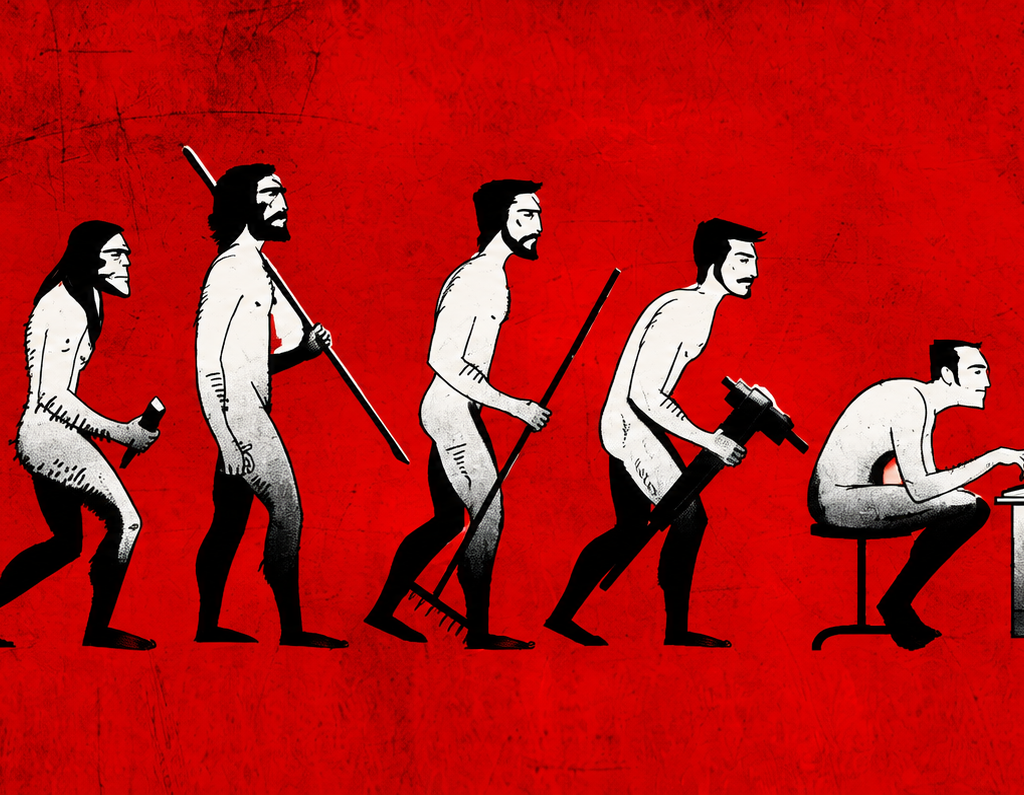
Search has continuously evolved with technology.

It started with simple directories and keyword-based search. Google then transformed the experience by making it easier to find relevant webpages based on a query.

The next major shift is conversational and AI-powered search.

Tools such as ChatGPT Search allow users to ask questions naturally and receive answers supported by web sources. Google has also integrated generative AI into Search through AI Overviews and AI Mode, creating a more conversational search experience. (OpenAI)

The difference is important.

Traditional search:
Query → Search results → Website → Information

AI-powered search:
Question → AI-generated response → Sources → Follow-up questions

Search is moving from finding information to understanding information.


What Are AI Overviews?

ChatGPT Image Sep 24, 2026, 05 11 04 PM

Google’s AI Overviews are AI-generated summaries that appear within Google Search for relevant queries.

Instead of presenting only a list of links, Google can provide an AI-generated response designed to help users understand a topic, with links that allow them to explore further. Google says AI Overviews are integrated with its core Search systems and are designed to help with more complex questions.

For example, instead of searching:

“best digital marketing strategies”

a user might ask:

“What digital marketing strategies should a small business use if it has a limited budget?”

The second query contains more context and intent.

AI-powered Search is designed to handle this kind of conversational and complex query.


ChatGPT Has Changed What People Expect From Search

ChatGPT has also contributed to the shift from keyword-based search towards conversational discovery.

With ChatGPT Search, users can ask questions in natural language and receive responses that incorporate current web information and links to relevant sources. Follow-up questions can continue within the same conversation, allowing users to explore a topic without starting a completely new search each time.

This creates a different search mindset.

Users don’t necessarily have to figure out the perfect keywords anymore.

They can simply ask.

And that has major implications for digital marketing.


Search Queries Are Becoming Longer and More Conversational

One of the clearest changes in search behaviour is the move towards detailed questions.

Google reported that early AI Mode users in India were asking queries 2–3 times longer than traditional searches. Google also said AI Mode was particularly useful for complex questions involving comparisons, planning and detailed how-to information.

Consider the difference:

Traditional Search

“Best cafes Mumbai”

Conversational Search

“What are some quiet cafes in Mumbai where I can work for three hours and get good coffee?”

The second query tells the search system much more about the user’s intent.

This means marketers need to understand search intent, not simply search volume.


From Keywords to Questions

Keywords will continue to matter, but the way people use them is evolving.

A strong SEO strategy can no longer focus only on individual keywords.

Brands should also understand:

  • What questions are customers asking?
  • What problems are they trying to solve?
  • What information do they need before making a decision?
  • What comparisons are they making?
  • What follow-up questions could they have?
  • What language do they naturally use?

This creates an opportunity for brands to build answer-focused content.

Instead of writing an article simply because a keyword has high search volume, marketers can build content around the entire information journey.


The Rise of Zero-Click Search

ChatGPT Image Sep 24, 2026, 05 14 26 PM

Another important change is the growing importance of zero-click search.

A user doesn’t always need to visit a website to get an answer anymore.

AI Overviews can provide information directly within Google Search, while AI search platforms can summarise information from multiple sources.

That creates a challenge for traditional SEO.

Historically, marketers often measured success through:

Ranking → Click → Website Visit

But AI search introduces another layer:

Search → AI Response → Brand/Source Mention → Possible Click

Google continues to provide links within its AI Search experiences, and in 2026 said its AI features were sending billions of clicks to websites each week. (blog.google)

So the website isn’t necessarily disappearing from the journey.

The journey to the website is changing.


SEO Is Not Dead. It Is Evolving.
ChatGPT Image Sep 24, 2026, 05 17 12 PM

Whenever a new search technology appears, one question comes up:

“Is SEO dead?”

The answer is more complicated than that.

SEO remains important because AI-powered search still relies heavily on information from the web. Google says its AI Search experiences continue to connect users with websites, original content and sources.

But SEO is expanding beyond traditional rankings.

Brands now need to think about:

Traditional SEO

  • Keywords
  • Technical SEO
  • Internal linking
  • Backlinks
  • Search rankings
  • Website experience

AI Search Optimisation

  • Clear answers
  • Topical authority
  • Original information
  • Strong brand signals
  • Structured content
  • First-hand expertise
  • Context-rich content
  • Source credibility

The goal is no longer simply to rank for a keyword.

It is to become a useful and credible source when someone asks a question about your industry.


Why Original Content Matters More

ChatGPT Image Sep 24, 2026, 05 51 27 PM

AI can generate huge amounts of generic content.

That makes originality more valuable.

If every website publishes the same five tips about digital marketing, AI-generated search experiences have less reason to surface one generic article over another.

Brands can differentiate themselves by publishing:

  • Original research
  • First-hand experiences
  • Expert opinions
  • Unique case studies
  • Proprietary data
  • Industry insights
  • Real examples
  • Original visuals and frameworks

Google has also introduced features intended to help users discover original content and preferred sources within AI Search.

For marketers, this reinforces an important principle:

Don’t just create more content. Create content worth discovering.


Search Is Becoming Multimodal

Search isn’t limited to typing anymore.

Google’s newer AI Search experiences allow users to interact using different forms of input, including text, images, files and videos.

This means the future of search can involve questions such as:

  • “What is this product?”
  • “How can I style this?”
  • “What does this chart mean?”
  • “Compare these two products.”
  • “Explain this image.”
  • “Find something similar.”

For brands, this creates another reason to think beyond text.

Images, videos, product information, social content and other digital assets can all become part of the discovery experience.


Social Search Is Part of the Bigger Picture

AI isn’t the only thing changing search.

Social platforms have also become discovery engines.

People use platforms such as Instagram, YouTube and TikTok to discover:

  • Products
  • Restaurants
  • Travel destinations
  • Trends
  • Creators
  • Beauty products
  • Fashion
  • Entertainment
  • Recommendations

This means consumers can now move between Google Search, AI Search and Social Search depending on what they are looking for.

The modern customer journey might look something like:

Instagram → Google → YouTube → ChatGPT → Brand Website → Purchase

There is no longer one universal search journey.


What Does This Mean for Brands?

The biggest change is that brands need to become discoverable across multiple search environments.

A website still matters.

SEO still matters.

But brands should also consider how they appear across:

  • Google Search
  • AI Search
  • Social Search
  • YouTube
  • Review platforms
  • Industry websites
  • Online communities
  • Digital publications

Your audience may encounter your brand before they ever visit your website.

That makes digital presence and brand authority increasingly important.


6 Ways Brands Can Prepare for AI Search

1. Create Content That Answers Real Questions

Start with your audience’s problems rather than just keywords.

Build content around the questions people actually ask.

2. Build Topical Authority

Instead of publishing unrelated articles, create connected content around the subjects your brand genuinely understands.

3. Add Original Insights

Give people something they cannot get from hundreds of generic AI-generated articles.

Use research, examples, data, experiences and expert perspectives.

4. Make Content Easy to Understand

Use:

  • Clear headings
  • Short paragraphs
  • Bullet points
  • FAQs
  • Definitions
  • Examples
  • Structured explanations

Make it easy for both people and search systems to understand your content.

5. Think Beyond Google Rankings

Track more than rankings and traffic.

Consider brand mentions, visibility across search experiences, citations, engagement and conversions as part of your broader digital strategy.

6. Keep Your SEO Foundations Strong

AI Search doesn’t eliminate the fundamentals.

A technically healthy website, useful content, strong internal linking and a trustworthy digital presence remain important parts of search visibility.


The Future of Search Is Conversational

The biggest change isn’t simply that AI has entered search.

It’s that the relationship between users and search engines is becoming more conversational.

Instead of asking:

“What should I search for?”

people can increasingly ask:

“Here’s what I’m trying to do. Help me figure it out.”

Google’s latest Search developments are moving toward a more conversational experience, while AI search tools such as ChatGPT are making natural-language research part of everyday information discovery.

This means search is becoming less about finding a page and more about finding an answer.


Final Thoughts

From Google’s traditional search results to ChatGPT Search and AI Overviews, the internet is entering a new era of discovery.

The search box isn’t disappearing.

It’s becoming smarter.

For marketers, this means SEO needs to evolve from a narrow focus on keywords and rankings into a broader strategy built around intent, authority, originality and discoverability.

The brands that understand what their audiences are asking, create genuinely useful answers and build credibility across digital platforms will be better positioned for the changing search landscape.

Because the future of search isn’t just about where you rank.

It’s about whether your brand becomes part of the answer.
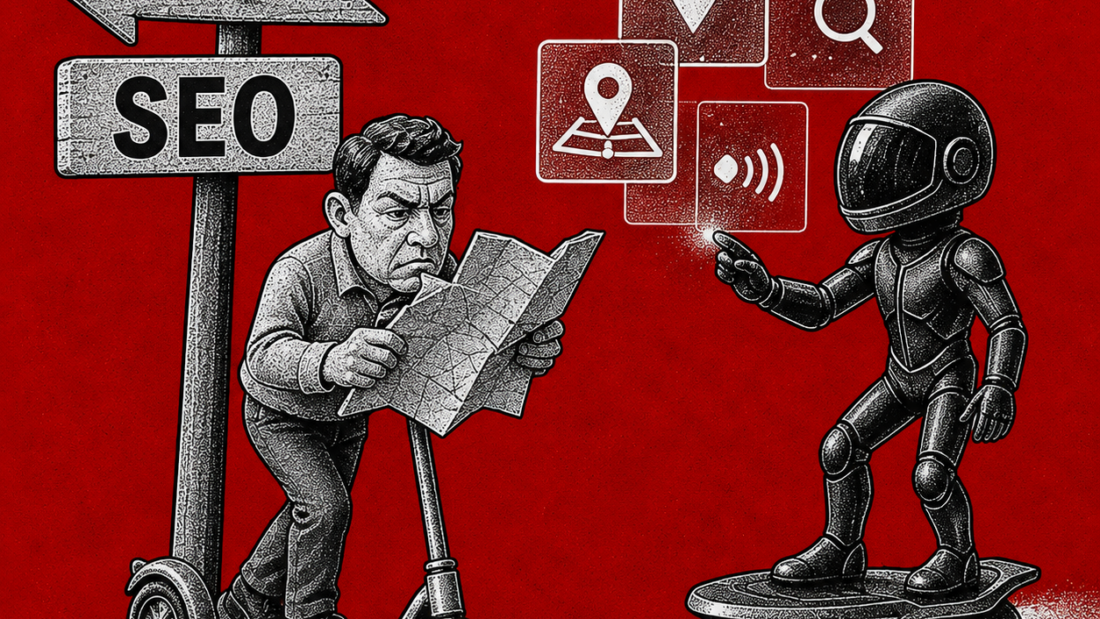
Generative Engine Optimization and AI search strategy for brands

From SEO to GEO: How Brands Can Win in AI Search

For more than two decades, digital marketing has revolved around one question:

How do I get my brand to rank on Google?

Brands built websites, researched keywords, created backlinks and published content to compete for that coveted spot on page one.

But search is changing.

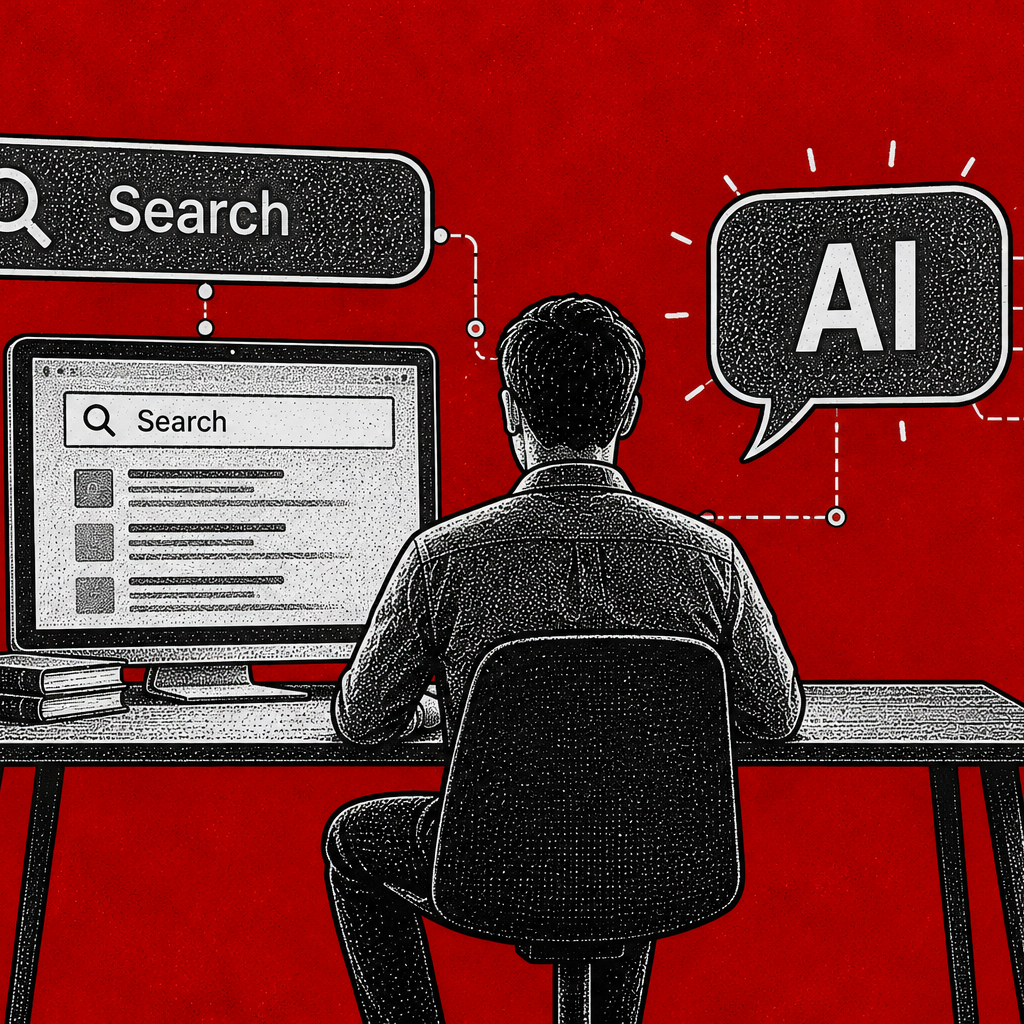
Today, consumers are increasingly asking AI-powered platforms for recommendations, comparisons, explanations and answers. Instead of browsing through ten blue links, they can ask an AI tool a question and receive a synthesised response based on information gathered from multiple sources.

That creates a new challenge for brands:

What happens when your customer doesn’t search for you on Google, but asks AI about you instead?

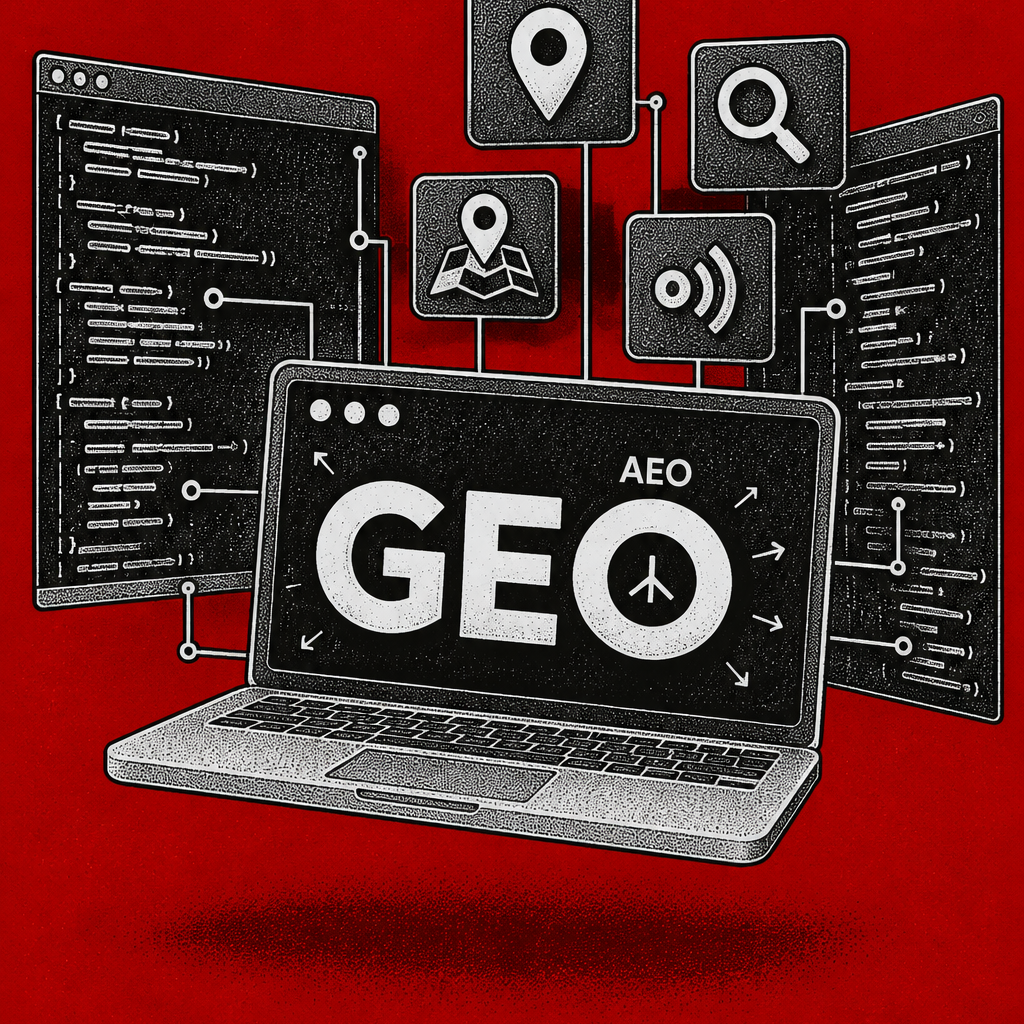
This is where Generative Engine Optimization, or GEO, enters the conversation.

What Is GEO?

ChatGPT Image Sep 4, 2026, 12 54 31 PM

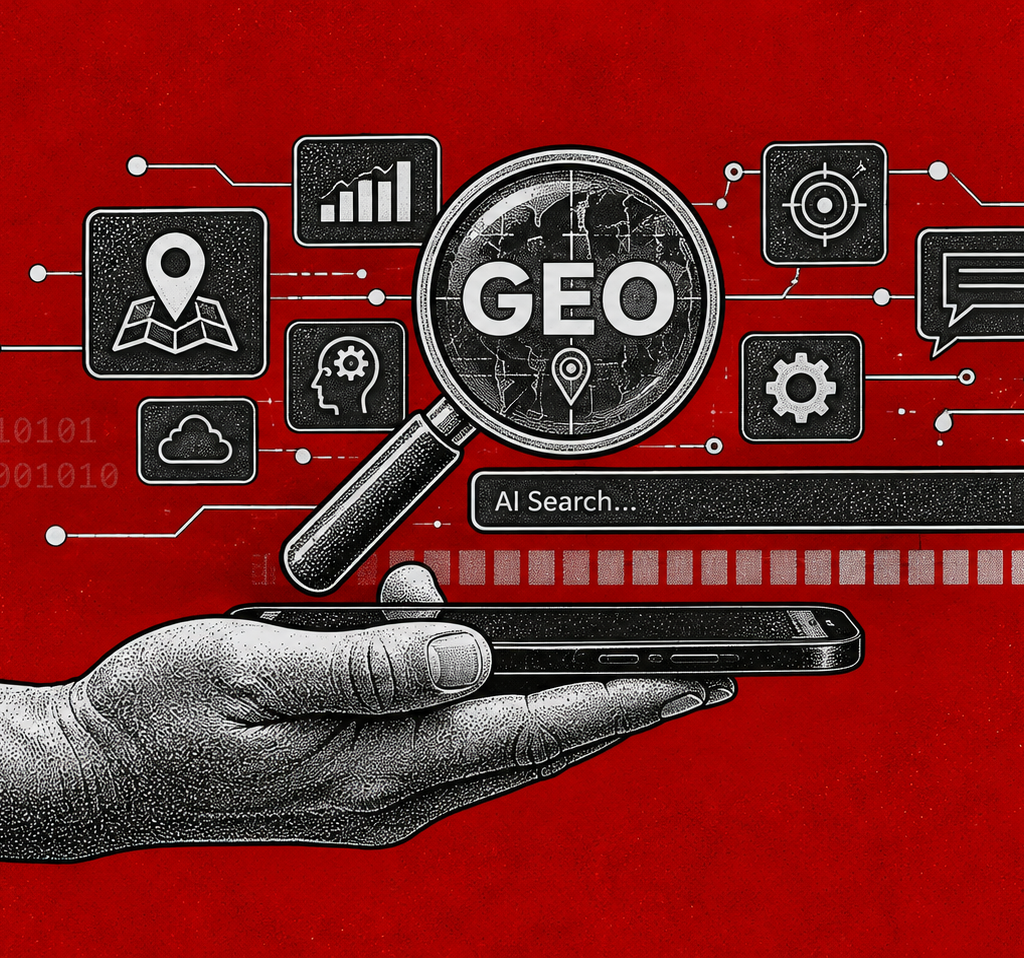
Generative Engine Optimization (GEO) is the practice of improving a brand’s visibility across AI-powered search and answer experiences.

Traditional SEO focuses largely on helping search engines discover, understand and rank web pages.

GEO focuses on making a brand’s information easier for AI systems to understand, retrieve, reference and potentially cite in generated answers.

Think of the difference this way:

SEO: “How do I rank for this search?”

GEO: “How do I become a credible source when AI answers this question?”

The terminology is relatively new, but the underlying goal isn’t completely different.

Google’s own guidance makes this clear: SEO best practices continue to apply to generative AI search because Google’s AI search features use its existing Search systems to retrieve relevant information.

So GEO isn’t the death of SEO.

It’s the next layer of search visibility.

Why AI Search Is Changing Brand Discovery

ChatGPT Image Sep 4, 2026, 01 01 08 PM

Traditional search gives users a list of options.

AI search can give users a direct answer.

Imagine someone asks:

“What are the best digital marketing agencies in Mumbai for entertainment brands?”

A traditional search engine might return websites, directories, articles and business listings.

An AI-powered search experience could instead generate a shortlist, explain why each agency is relevant and reference information from across the web.

Suddenly, the competition isn’t simply about ranking for a keyword.

It’s about being considered a credible answer.
That changes the way brands need to think about digital visibility.

SEO vs GEO: What’s the Difference?

SEO and GEO have different immediate objectives, but they work together.

SEOGEO
Optimises for traditional searchOptimises for AI-powered search experiences
Focuses on rankings and organic visibilityFocuses on mentions, citations and inclusion in AI answers
Targets search engine results pagesTargets AI-generated responses and summaries
Keyword and search-intent drivenContext, relevance and authority driven
Drives users to web pagesCan influence how AI describes or recommends a brand

But this isn’t an either-or decision.

Strong GEO starts with strong SEO foundations.

A technically weak, poorly structured website won’t suddenly become authoritative because a brand adds a few AI-focused tactics.

Google specifically recommends maintaining crawlability, technical SEO, clear site structure and helpful, people-first content for visibility in its generative AI search experiences.

The New Search Journey

ChatGPT Image Sep 4, 2026, 01 21 31 PM

The traditional customer journey looked something like:

Search → Click → Website → Research → Purchase

The AI-assisted journey can look more like:

Question → AI Answer → Recommendation → Validation → Purchase

This changes where brands need to establish credibility.

Your website still matters.

But so do the other places where information about your brand exists.

That includes:

  • Industry publications
  • News websites
  • Reviews
  • Interviews
  • Expert articles
  • Social platforms
  • Business directories
  • Creator content
  • Customer discussions
  • Third-party websites

The more consistent and credible your digital presence is, the easier it becomes for systems to understand who you are, what you do and why you are relevant.

How Can Brands Optimise for GEO?

ChatGPT Image Sep 4, 2026, 12 57 04 PM

There isn’t a magic GEO checklist that guarantees your brand will appear in every AI answer.

In fact, Google warns against chasing supposed AI-search “hacks” and emphasises valuable, original content instead.

However, brands can build a stronger foundation for AI search visibility.

1. Create Original, Expert-Led Content

AI systems have access to enormous amounts of information.

So why would they need another generic article saying:

“10 Digital Marketing Tips for Businesses”?

They don’t.

Brands need to create content that offers something distinctive.

That could be:

  • Original research
  • First-hand insights
  • Expert opinions
  • Case studies
  • Proprietary data
  • Unique perspectives
  • Industry analysis
  • Real examples

Google’s current guidance specifically recommends creating unique, useful, non-commodity content rather than simply rewriting information that already exists online.

The takeaway?

Don’t create more content. Create more valuable content.

2. Answer Real Questions

AI search is fundamentally conversational.

People don’t always search using short keywords anymore.

They ask complete questions.

Instead of:

“social media marketing agency Mumbai”

someone might ask:

“What should a Mumbai brand look for when choosing a social media marketing agency?”

Your content should anticipate those questions.

Create dedicated sections that clearly answer:

  • What is it?
  • Why does it matter?
  • How does it work?
  • Who is it for?
  • What are the benefits?
  • What are the limitations?
  • How much does it cost?
  • What should you consider before choosing it?

This makes your content useful to humans while also creating clear, structured information for search systems.

3. Build Topical Authority

One article rarely establishes expertise.

Imagine a digital marketing agency publishing one article about influencer marketing.

Now imagine that same agency publishing a complete knowledge ecosystem covering:

  • Influencer marketing
  • Creator strategy
  • UGC
  • Creator-led commerce
  • Social media strategy
  • Influencer measurement
  • Campaign optimisation
  • Creator selection
  • Social commerce

The second brand demonstrates much deeper topical knowledge.

This is why brands should think in terms of content ecosystems, not isolated blog posts.

4. Make Your Brand Easy to Understand

AI systems need to understand entities and relationships.

Your website should make basic information extremely clear.

Who are you?

What do you do?

Who do you serve?

Where are you based?

What industries do you specialise in?

What services do you offer?

Who are your experts?

What work have you done?

Consistency matters.

Your brand name, services, descriptions and key information should not contradict themselves across different platforms.

Clarity builds discoverability.

5. Strengthen Your Digital Authority

A brand shouldn’t rely entirely on its own website to establish credibility.

Third-party signals matter because AI search experiences can draw information from across the web.

Think about where your brand appears outside its own channels.

Are you mentioned in relevant publications?

Do customers review you?

Are your experts quoted?

Are your campaigns discussed?

Are your founders contributing to industry conversations?

Are credible websites referencing your work?

This isn’t about generating artificial mentions.

Google explicitly cautions against pursuing inauthentic mentions simply to influence AI-generated answers.

The goal is real authority, not manufactured authority.

6. Structure Content Clearly

Good structure helps both people and machines understand information.

Use:

  • Clear H1 and H2 headings
  • Short paragraphs
  • Descriptive subheadings
  • Lists where appropriate
  • Tables for comparisons
  • FAQs
  • Clear definitions
  • Supporting examples

But don’t over-engineer your content for AI.

Google says there is no requirement to break content into tiny pieces or rewrite content in a special format specifically for generative AI.

Write clearly because humans deserve clear content first.

7. Keep Your Information Fresh

AI search is increasingly being used for questions where freshness matters.

Consider queries around:

  • Current trends
  • Prices
  • Product features
  • Industry statistics
  • Regulations
  • Market developments
  • New technologies

Outdated information can hurt credibility.

Review important pages regularly and update statistics, examples, links and claims when necessary.

What About Keywords?

ChatGPT Image Sep 4, 2026, 01 22 55 PM

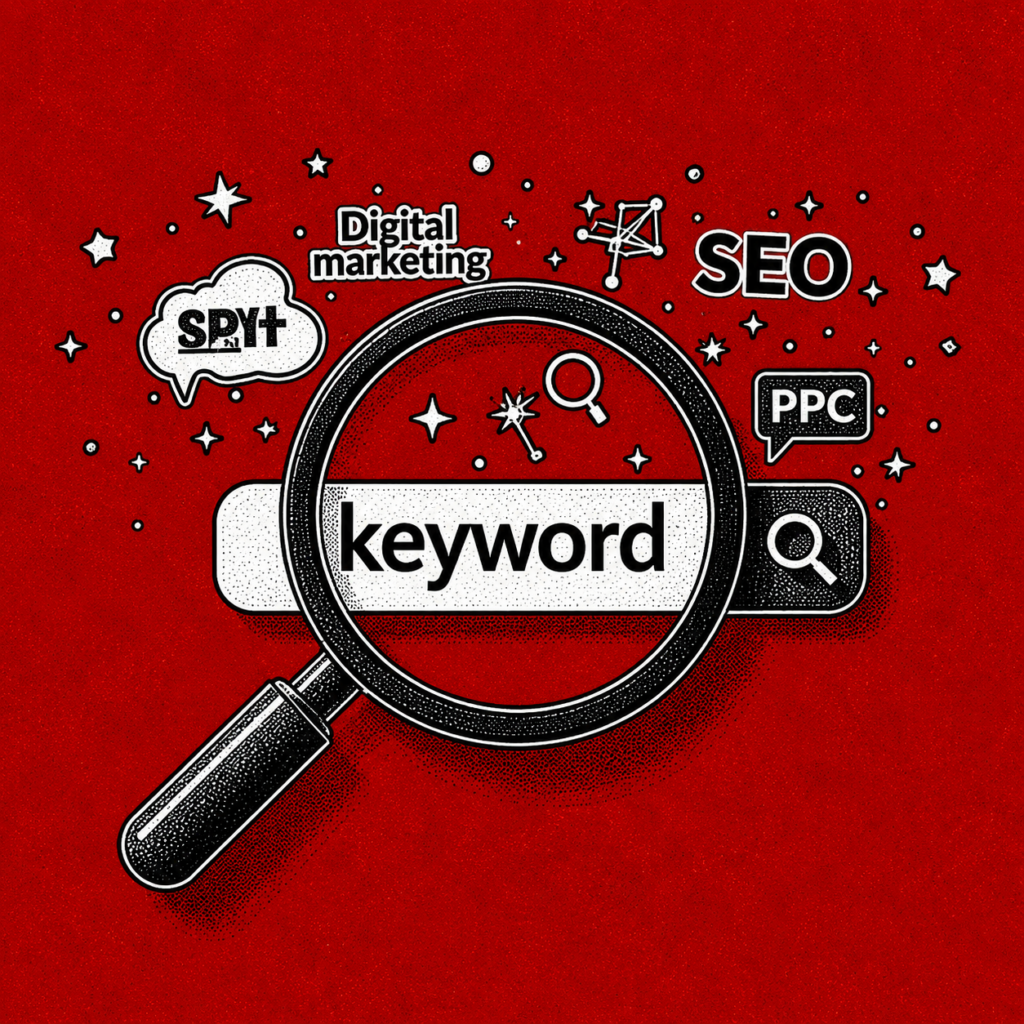
Keywords aren’t disappearing.

But the way we think about them needs to evolve.

Traditional SEO often starts with:

“What keyword should we rank for?”

GEO encourages a broader question:

“What questions is our audience asking?”

For example, instead of creating five separate articles around slightly different versions of:

“best digital marketing agency”

you might create a comprehensive resource answering:

“How to choose the right digital marketing agency for your brand.”

That resource can naturally address services, pricing, expertise, industries, campaign strategy, measurement and selection criteria.

You’re still using keywords.

You’re simply putting intent before keywords.

GEO Is Not About “Tricking” AI

As GEO becomes more popular, marketers are naturally looking for shortcuts.

But trying to manipulate AI systems with keyword stuffing, artificial mentions or low-quality mass-produced content is unlikely to create sustainable visibility.

Google’s current guidance specifically advises against creating large quantities of pages simply to manipulate rankings or generative AI responses.

The better approach is surprisingly familiar:

Be useful. Be credible. Be original. Be clear.

The difference is that now those principles matter across a much broader search ecosystem.

How Should Brands Measure GEO?

ChatGPT Image Sep 4, 2026, 01 28 44 PM

Traditional SEO gives marketers familiar metrics:

  • Rankings
  • Organic traffic
  • Click-through rate
  • Backlinks
  • Conversions

GEO introduces another layer.

Brands can start monitoring:

  • How frequently they appear in AI-generated answers
  • Whether AI platforms mention the brand for relevant queries
  • What descriptions are being used
  • Which competitors are being recommended
  • Which sources are being cited
  • Whether brand information is accurate
  • Referral traffic from AI platforms

Google also provides a Generative AI performance report in Search Console to help site owners understand how their content performs in Google’s generative AI experiences.

The important thing is to treat AI visibility as an additional discovery channel, not a replacement for existing SEO measurement.

The Biggest Mistake Brands Can Make

The biggest mistake isn’t ignoring GEO.

It’s treating GEO as a completely separate marketing discipline.

Your website, SEO, PR, social media, content marketing, influencer strategy and brand communications all contribute to your digital footprint.

If your website says one thing, your LinkedIn says another and third-party websites contain outdated information, you’re creating a fragmented brand presence.

The future of search rewards brands that are consistent across the ecosystem.

SEO Isn’t Dead. It’s Evolving.

ChatGPT Image Sep 4, 2026, 01 26 00 PM

Every major change in search creates the same question:

“Is SEO dead?”

We’ve heard it with social media.

We’ve heard it with voice search.

Now we’re hearing it with AI.

But the fundamentals remain remarkably consistent.

People still need useful information.

Search systems still need reliable sources.

Brands still need authority.

Websites still need to be discoverable.

What’s changing is how people consume the information once they find it.

Google’s current position is particularly important here: AI search still relies on core Search ranking and quality systems, meaning foundational SEO remains relevant.

So the future isn’t:

SEO → GEO

It’s:

SEO + GEO + Social Search + Brand Authority

The Future Belongs to the Most Discoverable Brands

ChatGPT Image Sep 4, 2026, 01 27 30 PM

Search is becoming less about a single results page and more about an interconnected digital ecosystem.

A customer might discover your brand through Google.

Ask an AI tool about you.

Watch your Instagram content.

Read a review.

See a creator recommendation.

Then visit your website.

Every one of those touchpoints contributes to the decision.

That means brands need to stop thinking only about where they rank and start thinking about how they are represented across the internet.

Because in the age of AI search, being visible isn’t enough.

Your brand needs to be understandable, credible and worth recommending.

That’s the real opportunity behind GEO.

Proven Ways of Marketing Automation to Save Time and Increase Sales in 2026

In today’s competitive digital landscape, businesses are expected to engage customers quickly, deliver personalized experiences, and maintain consistent communication across multiple channels. Managing these tasks manually can be time-consuming and inefficient.

This is where marketing automation makes a significant difference.

By automating repetitive marketing tasks, businesses can save valuable time, improve customer engagement, and generate more sales without increasing their workload.

In this guide, Spectra Digital explains how marketing automation works, its key benefits, and how businesses can use it to achieve sustainable growth in 2026.

What Is Marketing Automation?

Marketing automation is the use of software and technology to automate repetitive marketing activities such as email campaigns, lead nurturing, customer segmentation, social media scheduling, and follow-up communications.

Instead of manually completing these tasks, businesses can create automated workflows that deliver the right message to the right audience at the right time.

Marketing automation helps businesses:

  • Save time
  • Increase efficiency
  • Improve customer experiences
  • Generate more qualified leads
  • Increase conversions

Why Marketing Automation Matters in 2026

Consumers now expect fast, relevant, and personalized interactions with brands.

At the same time, businesses must manage growing customer databases, multiple marketing channels, and increasing competition.

Marketing automation allows companies to:

1. Save Time by Automating Repetitive Tasks

image

Many marketing activities consume valuable time when handled manually.

Automation can streamline tasks such as:

  • Welcome emails
  • Follow-up messages
  • Lead nurturing campaigns
  • Appointment reminders
  • Social media scheduling
  • Customer onboarding

This allows marketing teams to focus on strategy, creativity, and business growth.

2. Generate More Qualified Leads

IMG 3243

Not every website visitor is ready to make a purchase immediately.

Marketing automation helps businesses nurture leads by delivering relevant content based on user behavior.
For example, if someone downloads a guide from your website, an automated email sequence can provide additional resources, case studies, and consultation offers.

This keeps prospects engaged until they are ready to buy.

3. Deliver Personalized Customer Experiences

IMG 3241

Modern customers expect brands to understand their interests and preferences.

Marketing automation enables businesses to personalize communications based on:

  • Website activity
  • Purchase history
  • Email engagement
  • Customer interests
  • Geographic location

Personalized marketing improves customer satisfaction and increases conversion rates.

4. Improve Email Marketing Performance

IMG 3239

Email remains one of the highest-performing digital marketing channels.

Automation helps businesses send:

  • Welcome emails
  • Abandoned cart reminders
  • Promotional campaigns
  • Product recommendations
  • Re-engagement campaigns

Automated email workflows ensure timely communication while reducing manual effort.

5. Increase Customer Retention

IMG 3238

Acquiring new customers is important, but retaining existing customers is often more cost-effective.

Marketing automation helps businesses maintain relationships by sending:

  • Loyalty rewards
  • Renewal reminders
  • Birthday offers
  • Customer satisfaction surveys
  • Educational content

Consistent communication encourages repeat business and strengthens customer loyalty.

6. Improve Sales Team Efficiency

IMG 3236

Marketing and sales teams work better together when lead management is automated.

Automation can:

  • Score leads based on engagement
  • Notify sales representatives when prospects are ready
  • Assign leads automatically
  • Track customer interactions

This helps sales teams prioritize high-quality opportunities.

7. Better Campaign Tracking and Analytics

image

Marketing automation platforms provide detailed insights into campaign performance.

Businesses can monitor:

  • Open rates
  • Click-through rates
  • Conversion rates
  • Lead sources
  • Customer journeys
  • Return on investment (ROI)

These insights support smarter decision-making and continuous optimization.

Common Marketing Automation Workflows

Businesses can automate many customer interactions, including:

Lead Nurturing

Guide prospects through the buying journey with educational emails and relevant offers.

Welcome Series

Introduce new subscribers to your brand and services.

Abandoned Cart Recovery

Encourage online shoppers to complete their purchases.

Customer Feedback Requests

Automatically ask customers to leave reviews or complete surveys.

Re-Engagement Campaigns

Reconnect with inactive subscribers through personalized offers.

Best Practices for Marketing Automation

To achieve the best results:

Segment Your Audience

Group contacts based on interests, behavior, or demographics.

Personalize Every Interaction

Use customer data to deliver relevant messages.

Keep Workflows Simple

Avoid creating overly complicated automation sequences.

Test and Optimize

Regularly review performance and improve workflows.

Respect Customer Privacy

Follow data protection regulations and obtain proper consent before sending marketing communications.

Common Mistakes to Avoid

Businesses often reduce the effectiveness of marketing automation by:

  • Sending too many emails
  • Ignoring audience segmentation
  • Creating generic messages
  • Failing to monitor campaign performance
  • Automating without a clear strategy

Automation should enhance customer relationships—not make interactions feel robotic.

The Future of Marketing Automation

Marketing automation continues to evolve with artificial intelligence and machine learning.

Future trends include:

  • AI-powered personalization
  • Predictive lead scoring
  • Intelligent customer segmentation
  • Conversational chatbots
  • Automated content recommendations
  • Cross-channel marketing automation

Businesses that adopt these technologies early can improve efficiency and customer satisfaction.

How Spectra Digital Helps Businesses Implement Marketing Automation

At Spectra Digital, we help businesses implement marketing automation strategies that improve efficiency, generate more qualified leads, and increase sales.

Our services include:

  • Marketing automation setup
  • Email marketing campaigns
  • CRM integration
  • Lead nurturing workflows
  • Customer journey optimization
  • Analytics and reporting

We create automation strategies that save time while delivering measurable business results.

Final Thoughts

Marketing automation is no longer a luxury it has become an essential tool for businesses that want to grow efficiently.

By automating repetitive tasks, personalizing customer experiences, nurturing leads, and improving marketing performance, businesses can save valuable time while increasing sales and customer satisfaction.

When combined with strong content, SEO, and performance marketing, marketing automation becomes a powerful driver of long-term business growth.

If you’re ready to streamline your marketing and scale your business, Spectra Digital can help you build automation strategies that deliver measurable results.

How to rank in ChatGPT Search using AI-ready SEO and content strategies by Spectra Digital.

How to Rank in ChatGPT Search Proven Guide for Businesses in 2026

Search is evolving beyond traditional search engines. Millions of people now use AI-powered tools like ChatGPT to research products, compare services, and find answers to their questions. As AI search becomes more common, businesses need to rethink how they approach online visibility.

Understanding how to rank in ChatGPT Search is becoming an important part of a modern digital marketing strategy. While ChatGPT doesn’t rank websites the same way as traditional search engines, businesses that create trustworthy, high-quality content are more likely to be surfaced in AI-assisted search experiences.

In this guide, Spectra Digital explains how businesses can improve their visibility in ChatGPT Search and prepare for the future of AI-driven discovery.

What Is ChatGPT Search?

image

ChatGPT Search is an AI-powered search experience that combines conversational responses with information from the web to help users find relevant and up-to-date information.

Instead of simply displaying a list of links, ChatGPT Search can summarize information, compare options, and answer complex questions in natural language. When appropriate, it also cites or links to relevant sources.

For businesses, this means that visibility is no longer only about ranking first in traditional search results. It’s also about creating content that AI systems can easily understand and trust.

Here’s why ChatGPT Search Matters for Businesses

More users are turning to AI tools to:

  • Research products and services
  • Compare businesses
  • Learn new topics
  • Find local providers
  • Make purchasing decisions

As this behavior grows, businesses that optimize for AI-driven search can gain an advantage over competitors that rely only on traditional SEO.

How to Rank in ChatGPT Search

image

1. Create Helpful, Original Content

image

AI systems prioritize content that genuinely helps users.

Instead of publishing content written only for search engines, focus on answering real customer questions with clear, accurate, and original information.

High-quality content should:

  • Solve a specific problem
  • Include practical examples
  • Be easy to understand
  • Stay updated regularly

Helpful content builds trust with both users and AI systems.

2. Build Topical Authority

image

Publishing one article is rarely enough.

Businesses should develop comprehensive content around their expertise.

For example, a digital marketing agency can create articles about:

  • SEO
  • AI marketing
  • Performance marketing
  • Website optimization
  • Google Ads
  • Social media marketing

A strong content library signals expertise and authority.

3. Focus on E-E-A-T

image

Google introduced the concept of Experience, Expertise, Authoritativeness, and Trustworthiness (E-E-A-T), and these principles are also valuable when creating content for AI-driven search.

Build trust by:

  • Sharing real experience
  • Publishing accurate information
  • Including case studies
  • Demonstrating industry knowledge
  • Keeping content updated

Reliable content is more likely to be referenced and recommended.

4. Optimize Your Website’s Technical SEO

image

AI search experiences still rely on websites that are technically sound.

Important areas include:

  • Fast page speed
  • Mobile-friendly design
  • Secure HTTPS connection
  • Clear site structure
  • Proper internal linking

Technical SEO helps search engines and AI systems understand your content more effectively.

5. Answer Questions Clearly

image

Many ChatGPT Search users ask complete questions rather than entering short keywords.

Structure your content to answer questions directly.

For example:

  • What is performance marketing?
  • How does SEO work?
  • Why is website speed important?

Using headings and FAQ sections makes your content easier to understand and reference.

6. Publish Fresh Content Regularly

image

Industries evolve quickly, especially in digital marketing.

Regularly updating your website with:

  • Blog posts
  • Case studies
  • Industry news
  • How-to guides

helps demonstrate that your business remains active and knowledgeable.

7. Strengthen Your Brand Presence

image

AI systems are more likely to recognize businesses with a strong online presence.

Improve your visibility by:

  • Maintaining active social media profiles
  • Earning customer reviews
  • Getting mentioned on reputable websites
  • Publishing thought leadership content

A recognizable brand supports long-term discoverability.

8. Use Structured Content

image

Organize your pages with:

  • Clear H2 and H3 headings
  • Bullet points
  • Tables where appropriate
  • FAQ sections

Well-structured content is easier for both readers and AI systems to interpret.

9. Earn High-Quality Backlinks

image

Backlinks remain an important signal of credibility.

Focus on earning links from:

  • Industry publications
  • Business directories
  • News websites
  • Relevant blogs

Quality backlinks strengthen your website’s authority.

10. Prioritize User Experience

image

A positive user experience supports better engagement.

Businesses should ensure their websites are:

  • Fast
  • Easy to navigate
  • Mobile responsive
  • Accessible

Satisfied visitors are more likely to stay, engage, and return.

Common Mistakes Businesses Should Avoid

Many businesses limit their visibility by:

  • Publishing thin or duplicate content
  • Ignoring technical SEO
  • Writing only for keywords
  • Failing to update content
  • Neglecting website performance

Avoiding these mistakes improves both traditional SEO and AI search visibility.

How ChatGPT Search Differs from Traditional Search

image

While traditional search engines rank pages based on algorithms that consider hundreds of signals, AI-powered search focuses more on understanding user intent and providing direct, useful answers.

This means businesses should shift from simply trying to “rank” for keywords toward becoming trusted sources of information.

How Spectra Digital Helps Businesses Prepare for AI Search

At Spectra Digital, we help businesses adapt to the future of search with strategies that combine SEO best practices and AI-ready content.

Our services include:

  • SEO strategy and optimization
  • Content marketing
  • Technical SEO
  • Website development
  • Performance marketing
  • AI-focused content planning

We help businesses improve visibility across both traditional search engines and emerging AI-powered search experiences.

Final Thoughts

Learning how to rank in ChatGPT Search is becoming an important opportunity for businesses that want to stay ahead in the evolving digital landscape.

Success is no longer just about keywords it requires creating helpful content, building authority, delivering an excellent user experience, and earning trust over time.

Businesses that invest in quality content and strong SEO fundamentals today will be better positioned to succeed as AI-powered search continues to grow.

If you’re ready to prepare your business for the future of AI search, Spectra Digital can help you build strategies that improve visibility, attract qualified traffic, and drive long-term growth.

AI Search vs Google Search comparison and future SEO strategies by Spectra Digital

AI Search vs Google Search: Powerful Insights for Businesses in 2026

The way people search for information online is changing rapidly. For years, traditional search engines like Google dominated how users discovered websites, products, and services. However, the rise of AI-powered search platforms is transforming user behavior and redefining digital marketing strategies.

Understanding AI Search vs Google Search has become essential for businesses that want to maintain online visibility and stay ahead of competitors.

As AI-driven search experiences continue to evolve, companies must adapt their SEO and content strategies to meet changing user expectations.

What Is Traditional Google Search?

image

Google Search has long been the primary gateway to information on the internet.

Traditional search works by:

  • Crawling and indexing web pages
  • Ranking websites based on hundreds of ranking factors
  • Displaying results through organic listings, featured snippets, local packs, and advertisements

Users typically enter a query, browse multiple links, and click on websites to find the information they need.

Google’s ranking system focuses heavily on factors such as:

  • Content relevance
  • Backlinks and authority
  • Technical SEO
  • User experience
  • Search intent

For businesses, ranking on the first page of Google has always been a major objective.

What Is AI Search?

image

AI Search uses artificial intelligence and large language models to generate direct answers and conversational responses.

Instead of simply displaying a list of links, AI-powered search platforms provide summarized information by understanding context, intent, and relationships between topics.

AI search experiences often include:

  • Conversational responses
  • Personalized answers
  • Follow-up questions
  • Context-aware recommendations
  • Direct summaries from multiple sources

Users increasingly expect immediate answers rather than manually browsing several websites.

AI Search vs Google Search: Key Differences

1. Search Experience

image

Google Search:
Provides users with a list of websites and allows them to choose which sources to visit.

AI Search:
Delivers direct, conversational answers and summarizes information instantly.

This shift significantly changes how users interact with online content.

2. User Intent Understanding

AI search systems are better at understanding natural language and complex queries.

For example:

Google Search Query:
“Best digital marketing strategies for small businesses.”

AI Search Query:
“What are the most effective digital marketing strategies for a growing small business with a limited budget?”

AI systems can understand context and provide more nuanced responses.

3. Click Behavior

image

Traditional Google Search often drives website traffic through organic clicks.

AI search may reduce direct clicks because users can receive answers without visiting websites.

This means businesses may need to focus more on authority, brand recognition, and content quality.

4. Content Evaluation

image

Google traditionally evaluates:

  • Keywords
  • Backlinks
  • Technical SEO signals

AI search places greater emphasis on:

  • Expertise
  • Content depth
  • Contextual relevance
  • Authority and trustworthiness

High-quality, informative content becomes even more important.

5. Personalization

image

AI search experiences are becoming increasingly personalized based on:

  • User preferences
  • Previous interactions
  • Search history
  • Context and intent

This creates more tailored experiences for users.

Why AI Search Matters for Businesses

The rise of AI search represents one of the biggest changes in digital marketing in recent years.

Businesses need to understand these changes because:

  • Search behavior is evolving.
  • Organic traffic patterns may shift.
  • Content strategies must adapt.
  • Competition for visibility will increase.

Companies that prepare early can gain a significant competitive advantage.

How AI Search Is Changing SEO

image

SEO is not disappearing—it is evolving.

Businesses should focus on:

Creating Helpful Content

Content should answer real user questions and provide genuine value.

Building Topical Authority

Publishing multiple pieces of content within your niche strengthens expertise signals.

Optimizing for Conversational Queries

Users increasingly search using natural language and question-based phrases.

Improving Trust Signals

Expertise, experience, and credibility play a larger role in AI-driven search environments.

Strategies Businesses Should Adopt

1. Focus on High-Quality Content

Thin, keyword-stuffed content is becoming less effective.

Businesses should create:

  • In-depth guides
  • Industry insights
  • Case studies
  • Educational resources

2. Strengthen Brand Authority

Strong brands are more likely to be referenced and trusted within AI-generated responses.

Authority can be improved through:

  • Consistent content publishing
  • Industry recognition
  • Reviews and testimonials
  • Thought leadership initiatives

3. Optimize for User Intent

Understanding why users search is more important than simply targeting keywords.

Businesses should answer:

  • What problem does the user have?
  • What information do they need?
  • What action are they likely to take next?

4. Invest in Technical SEO

Technical foundations remain important.

Businesses should continue improving:

  • Website speed
  • Mobile responsiveness
  • Structured data
  • Site architecture

Strong technical SEO supports both traditional and AI search visibility.

Challenges Businesses May Face

As AI search adoption increases, businesses may experience:

  • Reduced organic click-through rates
  • Increased competition for authority
  • Changes in traffic measurement
  • Greater emphasis on content quality

Adapting quickly will be essential.

Future of Search: AI and Google Together

Rather than replacing Google entirely, AI search and traditional search are likely to coexist.

Google itself is increasingly integrating AI capabilities into its search experience through features such as AI Overviews.

The future of search will likely combine:

  • Traditional search results
  • AI-generated summaries
  • Conversational experiences
  • Personalized recommendations

Businesses that optimize for both environments will be in the strongest position.

How Spectra Digital Helps Businesses Prepare for the Future of Search

At Spectra Digital, we help businesses adapt to evolving search trends through data-driven strategies.

Our services include:

  • SEO strategy development
  • AI-focused content optimization
  • Technical SEO improvements
  • Website performance optimization
  • Authority-building campaigns

We help brands remain visible as search continues to evolve.

Final Thoughts

Understanding AI Search vs Google Search is becoming increasingly important for businesses in 2026.

AI-powered search experiences are changing how users discover information, interact with content, and make decisions online.

While traditional SEO principles remain valuable, businesses must now focus more on content quality, authority, user intent, and conversational experiences.

Companies that embrace these changes early will be better positioned to achieve long-term digital success.

If your business wants to stay ahead of the future of search, Spectra Digital can help you build strategies that improve visibility, increase authority, and drive sustainable growth.