Every brand wants to connect with Gen Z.
Suddenly, brand captions are full of internet slang. Corporate social media accounts are posting memes. Advertisements are trying to sound like conversations between friends.
The goal is simple: appear relatable to a younger audience.
But there’s a problem.
When brands try too hard to sound like Gen Z, they can end up sounding nothing like themselves or the audience they’re trying to reach.
Flipkart highlighted this tension with its Are You Really Gen Z? campaign for Big Billion Days. Rather than simply copying youth culture, the campaign turned the overuse of Gen Z slang and cultural references into the joke itself.
It’s an interesting example of a much bigger marketing challenge.
How does a brand connect with a generation without pretending to be part of it?
Here are five lessons businesses can learn.
1. Copying Slang Doesn’t Automatically Make a Brand Relatable
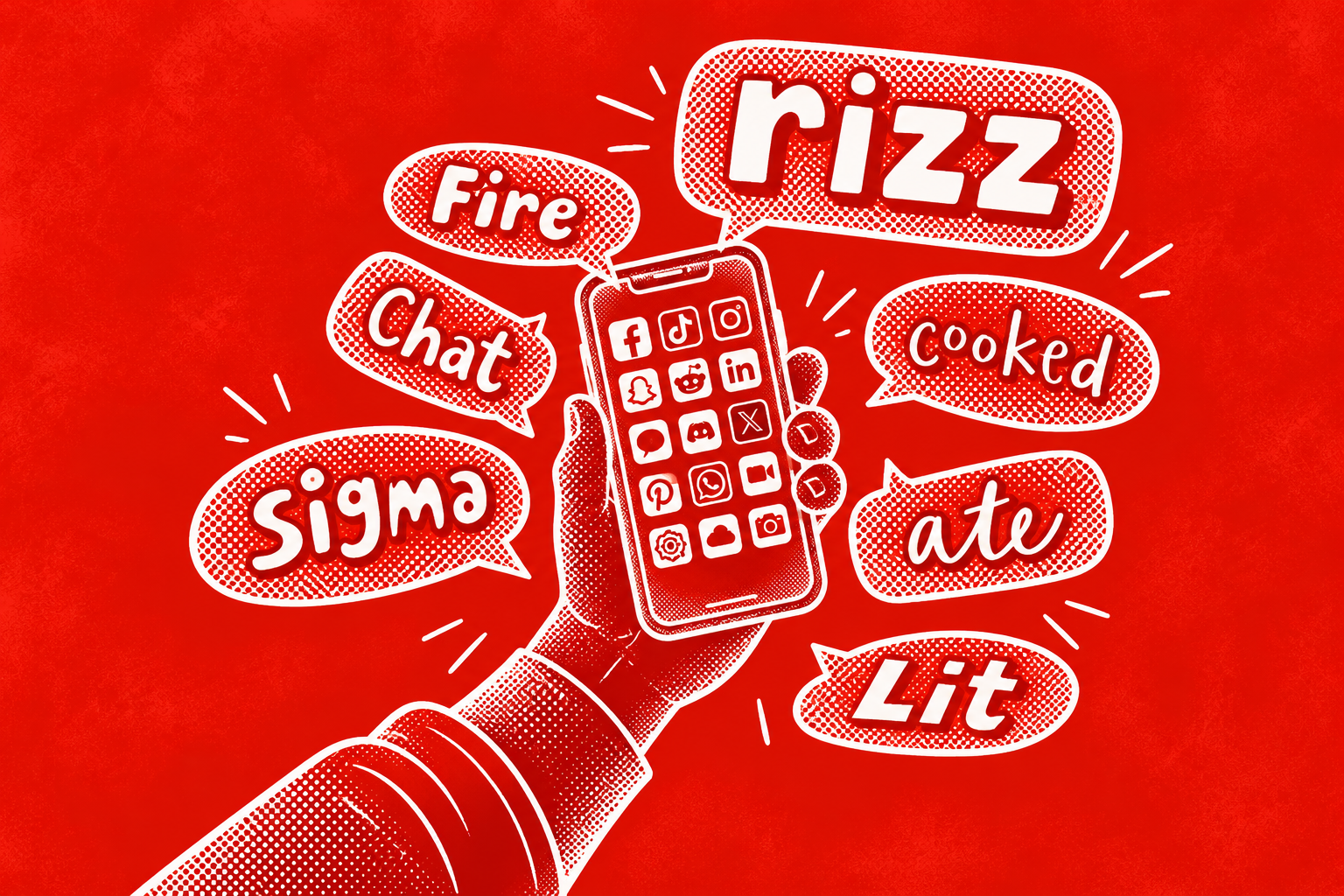
Words and expressions trend quickly online. A phrase can become popular on social media, spread across platforms, and eventually find its way into advertisements.
Naturally, brands want to participate.
But there’s a difference between understanding a trend and inserting it into every caption.
When slang feels forced, the audience can notice the gap between the brand’s personality and the language it’s using.
Imagine a bank suddenly using internet slang in every post despite having a traditionally formal communication style. The result might attract attention, but it could also feel unnatural.
The problem isn’t using slang. It’s using it without understanding the context.
The marketing lesson: Don’t use a trend simply because it’s popular. Use it when it genuinely fits your brand and your audience.
2. Gen Z Wants to Be Understood, Not Imitated

One of the biggest mistakes brands make is treating an entire generation as a single personality type.
Gen Z isn’t one uniform audience. Its members have different interests, humour, values, lifestyles, and online communities.
Some enjoy memes and chaotic humour. Others prefer informative content, thoughtful conversations, fashion, gaming, music, or niche interests.
Simply adding a few trending words to a caption doesn’t demonstrate an understanding of these differences.
Brands need to pay attention to what their specific audiences actually care about.
That means listening to comments, studying audience behaviour, understanding cultural references, and creating content that offers something meaningful.
The marketing lesson: The goal isn’t to look like your audience. It’s to understand what matters to them.
3. Authenticity Is More Than a Social Media Aesthetic

Casual videos, memes, unpolished visuals, and conversational captions have become common elements of digital marketing.
But copying the appearance of authenticity isn’t the same as being authentic.
A brand can post a funny Reel and still feel disconnected from its audience if every other interaction is impersonal, overly promotional, or inconsistent.
Authenticity comes from alignment between what a brand says and how it behaves.
For example, a brand that values transparency should communicate clearly about its products, pricing, and limitations. A brand that wants to be approachable should make customer interactions feel approachable too.
The social media voice should reflect a broader brand personality, not exist as a temporary costume.
The marketing lesson: Build a recognisable personality before trying to make every post sound trendy.
4. The Best Brands Know When to Join a Trend and When to Stay Out

Not every trend is relevant to every business.
A meme that’s perfect for a food delivery brand might not make sense for a healthcare company. A trending phrase that works for a youth-focused fashion label might feel out of place for a premium financial service.
That doesn’t mean serious brands can never be funny or that traditional brands can’t experiment.
It means the execution needs to fit the context.
Before joining a trend, brands should ask:
- Does our audience understand or care about this trend?
- Does it connect naturally with our product or brand personality?
- Can we contribute something original?
- Could the reference be misunderstood or become outdated quickly?
- Would this content still make sense to our audience if the trend disappeared tomorrow?
Sometimes the smartest marketing decision is to participate. Sometimes it’s to observe and move on.
The marketing lesson: Relevance is more valuable than participation for its own sake.
5. Originality Beats Trying to Please Everyone

When brands focus too much on appearing relatable, they can lose the qualities that made them recognisable in the first place.
Every business starts to sound the same. Every caption follows the same format. Every brand tries to recreate the same viral moment.
The result is a crowded feed filled with content that looks familiar but is difficult to remember.
Strong brands develop their own point of view.
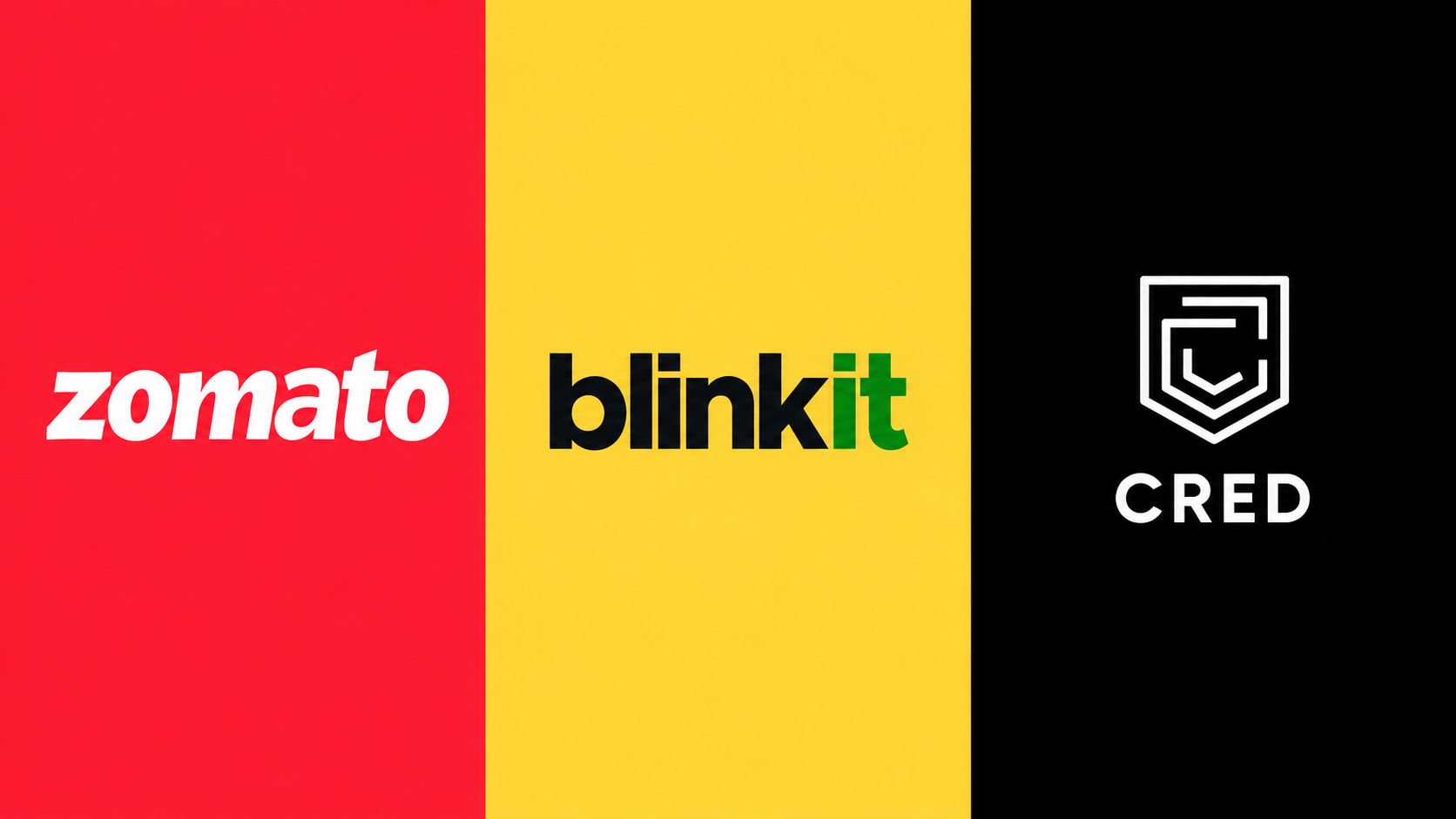
Zomato is known for conversational food-related humour. CRED has often used unexpected creative concepts and distinctive storytelling. Blinkit frequently connects its communication with everyday needs and topical moments.
Their approaches differ, but the underlying principle is the same: a recognisable identity gives content a stronger foundation than a borrowed trend.
Brands don’t need to copy another account’s personality to earn attention.
They need to find a voice that audiences can recognise as their own.
The marketing lesson: Don’t just follow what works for other brands. Understand why it works, then find your own way to apply the principle.
What Flipkart’s Campaign Teaches Businesses
Flipkart’s Are You Really Gen Z? campaign turned a familiar marketing habit into the central creative idea: brands and people trying too hard to imitate Gen Z culture. Its interactive experience then connected the idea to fashion and beauty offers for Big Billion Days.
The broader lesson is that understanding an audience can be more powerful than copying its language.
For businesses, that means:
- Research your audience instead of relying on stereotypes.
- Create a brand voice that feels consistent across platforms.
- Use humour when it fits your identity.
- Join cultural conversations with a clear reason.
- Prioritise useful, entertaining, or distinctive content over forced relatability.
You don’t have to sound young to connect with younger customers. You have to give them a reason to pay attention.
How Spectra Digital Can Help
At Spectra Digital, we help businesses build digital marketing strategies that connect brand identity with audience behaviour.
From social media strategy and content creation to brand positioning, SEO, and performance marketing, the focus is on creating communication that feels relevant without losing what makes a business distinctive.
Because effective marketing isn’t about copying the internet. It’s about understanding your audience and giving your brand a meaningful place in the conversation.
Final Thoughts
Brands will continue to experiment with memes, slang, creators, and internet culture. These can all be effective tools when used thoughtfully.
But there’s a difference between participating in culture and pretending to be someone you’re not.
Flipkart’s campaign offers a useful reminder that audiences can recognise when brands are trying too hard to imitate them.
You don’t need to speak like Gen Z to connect with Gen Z. You need to understand them well enough to know what is worth saying.
And sometimes, the most relatable thing a brand can do is simply be itself.