Digital marketing continues to evolve at an incredible pace. With advancements in artificial intelligence (AI), changing consumer expectations, and new privacy regulations, businesses must adapt to remain competitive. Strategies that delivered excellent results just a few years ago may no longer be enough to attract customers and drive growth.
In 2026, successful brands are focusing on smarter technologies, personalized customer experiences, and data-driven decision-making. Whether you’re a startup, small business, or established enterprise, staying ahead of these trends can help you improve brand awareness, generate quality leads, and increase revenue.
In this blog, we’ll explore the top 10 digital marketing trends every business should know in 2026 and how you can use them to strengthen your online presence.
Artificial Intelligence (AI) Will Continue to Transform Marketing
rtificial Intelligence has become one of the most influential technologies in digital marketing. Businesses are using AI to automate repetitive tasks, analyze customer behavior, personalize marketing campaigns, and improve customer service.
AI-powered tools can help marketers:
- Create high-quality content faster
- Generate personalized email campaigns
- Improve ad targeting
- Analyze customer data
- Power chatbots for 24/7 customer support
Rather than replacing marketers, AI enables teams to focus on strategy, creativity, and customer relationships while reducing manual work.
Why it matters: Businesses that effectively combine AI with human creativity can improve efficiency and deliver better customer experiences.
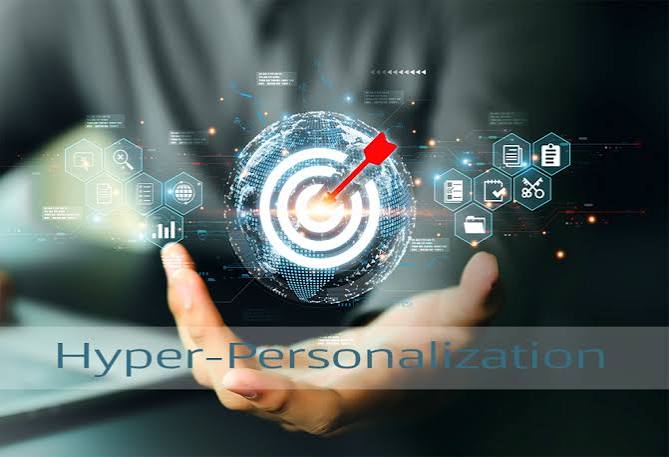
Hyper-Personalization Will Drive Customer Engagement
Modern customers expect brands to understand their needs and preferences. Generic marketing messages are becoming less effective.
Hyper-personalization uses customer data such as browsing history, purchase behavior, location, and interests to deliver relevant content and offers.
Examples include:
- Product recommendations
- Personalized email campaigns
- Dynamic website content
- Customized advertisements
When customers receive relevant experiences, they are more likely to engage, trust the brand, and make purchases.
Short-Form Video Will Continue to Dominate
Short-form videos remain one of the most engaging content formats in digital marketing. Platforms like Instagram Reels, YouTube Shorts, and TikTok continue to capture users’ attention through quick, entertaining, and informative videos.
Businesses can use short videos to:
- Showcase products
- Share customer testimonials
- Demonstrate product usage
- Introduce team members
- Share educational tips
- Highlight behind-the-scenes content
Video content increases reach, engagement, and brand awareness while helping businesses connect with audiences more authentically.

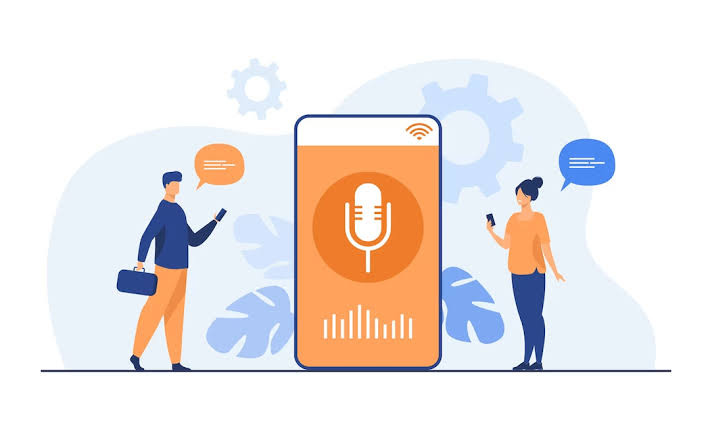
Voice Search Optimization Will Become More Important
As voice assistants become more common, users are increasingly searching with conversational questions instead of short keywords.
Businesses should optimize their content by:
- Using natural language
- Answering common customer questions
- Creating FAQ pages
- Improving local SEO
- Targeting long-tail keywords
Voice search optimization helps businesses appear in search results when customers use voice-enabled devices.
First-Party Data Will Replace Third-Party Cookies
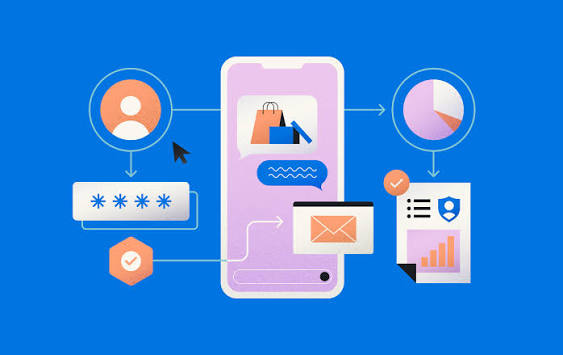
Privacy regulations and browser updates are changing how businesses collect customer data. Third-party cookies are becoming less reliable, making first-party data more valuable than ever.
Businesses should focus on collecting data directly through:
- Website forms
- Email subscriptions
- Customer accounts
- Loyalty programs
- Surveys
- CRM systems
First-party data improves personalization while building stronger customer trust.
Social Commerce Will Continue to Grow
Consumers no longer need to leave social media platforms to purchase products. Social commerce allows users to discover, browse, and buy products directly through social platforms.
Businesses can increase sales by:
- Creating shoppable posts
- Using product tags
- Collaborating with creators
- Hosting live shopping events
- Sharing user-generated content
A seamless shopping experience reduces friction and encourages impulse purchases.

Local SEO Will Become Essential for Business Growth
Local searches continue to increase as customers look for nearby businesses and services.
Businesses should optimize:
- Google Business Profile
- Business information consistency
- Customer reviews
- Local keywords
- Location-specific landing pages
Local SEO helps businesses attract nearby customers who are actively searching for products or services.
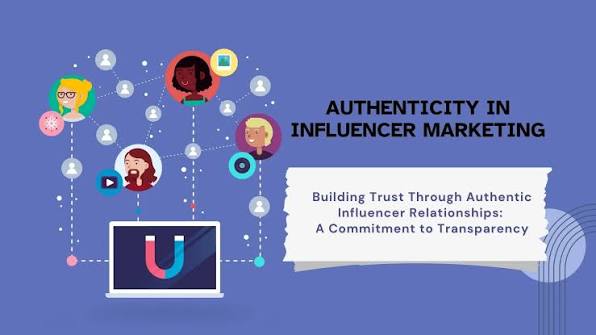
Influencer Marketing Will Focus on Authenticity
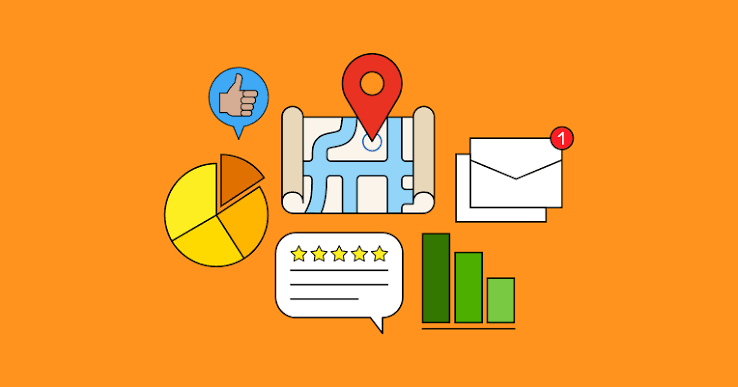
Brands are increasingly partnering with micro and niche influencers instead of only celebrities. Smaller creators often have highly engaged communities and stronger audience trust.
Benefits include:
- Better engagement
- Higher credibility
- Cost-effective campaigns
- More targeted audiences
Successful influencer marketing focuses on genuine partnerships rather than promotional messaging.
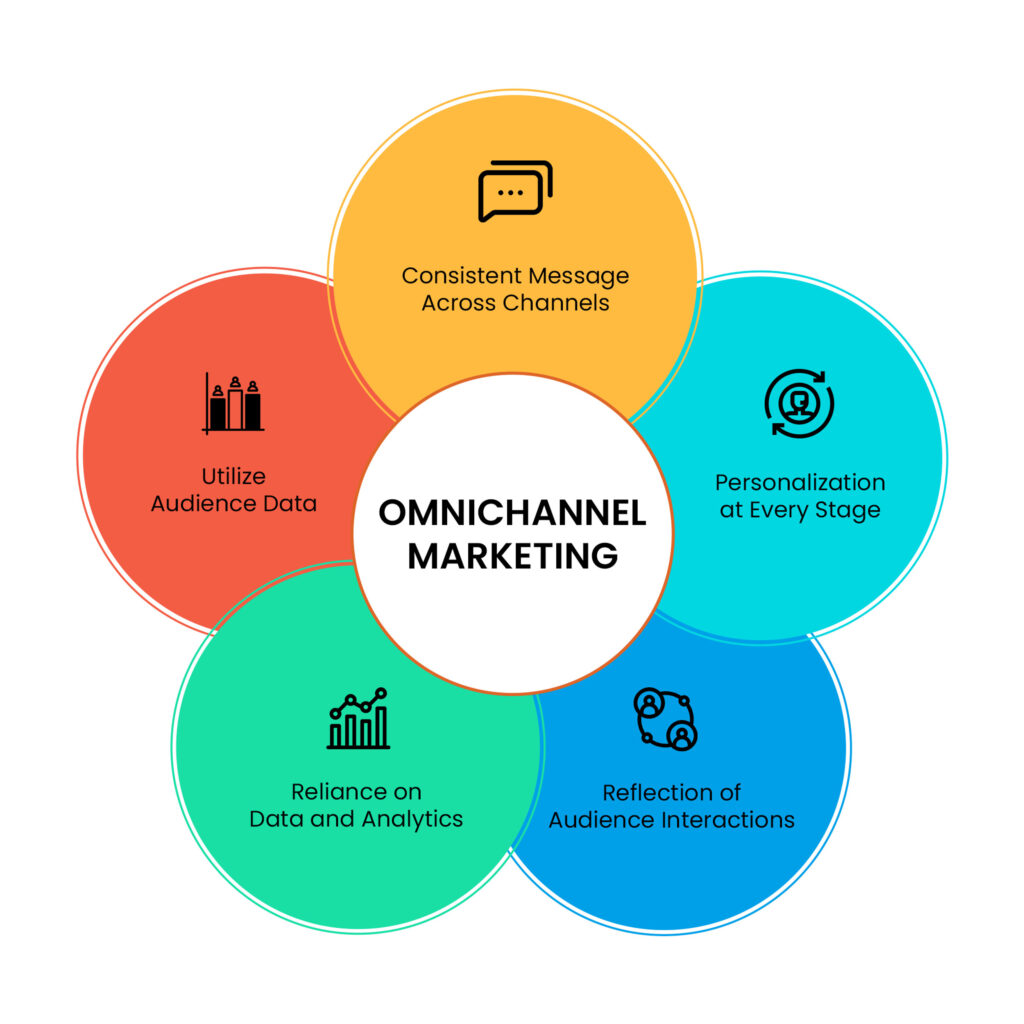
Omnichannel Marketing Will Improve Customer Experience
Customers interact with brands across multiple platforms, including websites, email, social media, search engines, and physical stores.
An omnichannel strategy ensures customers receive a consistent experience regardless of where they interact with the brand.
This includes:
- Consistent messaging
- Unified branding
- Connected customer data
- Personalized communication
- Seamless transitions between channels
Businesses that create a unified customer journey often see higher customer satisfaction and loyalty.
Performance Marketing and Data Analytics Will Guide Every Decision
Businesses are increasingly focusing on measurable marketing results rather than assumptions.
Performance marketing involves continuously tracking metrics such as:
- Website traffic
- Lead generation
- Conversion rate
- Return on ad spend (ROAS)
- Customer acquisition cost (CAC)
- Return on investment (ROI)
Analytics help marketers identify what’s working, optimize campaigns, and allocate budgets more effectively.

Final Thoughts
Digital marketing in 2026 is centered around innovation, personalization, and measurable results. Technologies like AI, evolving search behavior, social commerce, and data-driven marketing are changing how businesses connect with customers.
Instead of chasing every new trend, businesses should focus on adopting the strategies that best align with their goals and audience. By embracing these emerging trends and continuously optimizing their marketing efforts, companies can build stronger customer relationships, improve online visibility, and drive long-term business success.
Ready to Grow Your Business?
Keeping up with digital marketing trends is easier with the right strategy and expert guidance. At Spectra Digital, we help businesses leverage SEO, social media marketing, paid advertising, content marketing, and performance-driven strategies to achieve measurable growth.
Get in touch with Spectra Digital today and let’s build a future-ready digital marketing strategy for your business.