Define Your Social Media Goals

How to Create a Social Media Content Calendar: A Step-by-Step Guide for Consistent Growth

Introduction

Consistency is one of the biggest factors behind a successful social media strategy. Businesses that post regularly with valuable, well-planned content are more likely to increase engagement, build brand awareness, and attract potential customers. However, creating content at the last minute often leads to inconsistent posting, repetitive ideas, and missed marketing opportunities.

This is where a social media content calendar becomes essential. A content calendar helps you organize your posts, maintain a consistent publishing schedule, align content with business goals, and save valuable time.

Whether you’re managing one social media account or multiple platforms, a well-structured content calendar keeps your marketing organized and ensures your audience always has something valuable to engage with.

At Spectra Digital, we help businesses develop strategic content plans that drive engagement and measurable growth. In this guide, we’ll explain how to create an effective social media content calendar and share best practices to maximize your results.

What Is a Social Media Content Calendar?

A social media content calendar is a planning tool that outlines what content will be published, where it will be posted, and when it will go live. It acts as a roadmap for your social media strategy, helping teams stay organized and consistent.

A typical content calendar includes:

  • Publishing date
  • Social media platform
  • Content format (Reel, Carousel, Static Post, Story, Video, etc.)
  • Caption
  • Visual assets
  • Hashtags
  • Call-to-Action (CTA)
  • Posting time
  • Campaign or objective

Rather than scrambling for ideas each day, businesses can plan weeks or even months of content in advance.

Why Every Business Needs a Content Calendar

Many businesses post randomly without a clear strategy, which often results in inconsistent branding and lower engagement.

A social media content calendar helps businesses:

  • Maintain consistent posting schedules
  • Improve content quality
  • Save time through advance planning
  • Reduce last-minute stress
  • Coordinate campaigns across multiple platforms
  • Balance promotional and educational content
  • Track seasonal events and important dates
  • Improve team collaboration

Most importantly, it ensures that every post supports your overall marketing objectives.

Step 1: Define Your Social Media Goals

Before creating content, determine what you want to achieve.

Your goals may include:

  • Increasing brand awareness
  • Driving website traffic
  • Generating leads
  • Growing followers
  • Improving engagement
  • Promoting products or services
  • Building a loyal community

Each piece of content should support at least one business objective.
Define Your Social Media Goals

Step 2: Understand Your Target Audience

The best content speaks directly to the people you’re trying to reach.

Ask yourself:

  • Who is my ideal customer?
  • Which platforms do they use?
  • What problems are they trying to solve?
  • What type of content do they enjoy?
  • When are they most active online?

Using audience insights from platforms like Instagram, Facebook, and LinkedIn helps create more relevant and engaging content.

 Understand Your Target Audience

Step 3: Choose the Right Content Pillars

Content pillars are the main topics your brand will consistently discuss.

For example, a digital marketing agency like Spectra Digital might use:

  • Educational Tips
  • SEO Insights
  • Social Media Marketing
  • Website Development
  • Client Success Stories
  • Industry News
  • Behind-the-Scenes Content
  • Team Highlights
  • Company Updates

Having clear content pillars makes brainstorming easier and ensures variety.
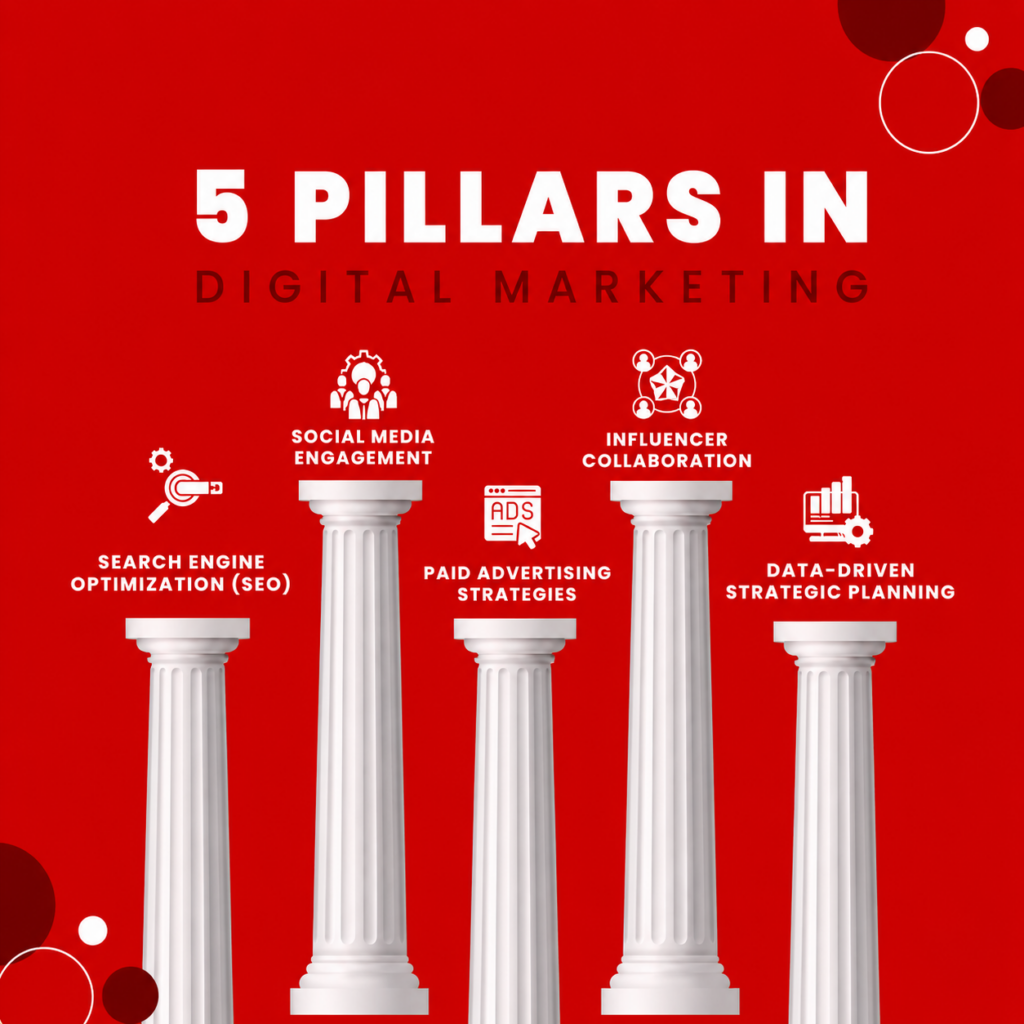
Choose the Right Content Pillars

Step 4: Decide Your Posting Frequency

Consistency is more important than posting every day.

Choose a schedule your team can realistically maintain.

For example:

  • Instagram – 4–5 posts per week
  • Facebook – 3–4 posts per week
  • LinkedIn – 2–3 posts per week
  • X (Twitter) – Daily updates
  • Stories – Daily
  • Reels – 2–3 per week

Your frequency should depend on your audience, resources, and business goals.

Step 5: Plan Content in Advance

Instead of creating posts daily, dedicate time each month to planning upcoming content.

Include a healthy mix of content formats such as:

  • Educational posts
  • Reels
  • Carousel posts
  • Videos
  • Customer testimonials
  • Infographics
  • Industry news
  • Promotional campaigns
  • Polls and interactive Stories

Planning ahead gives your team enough time to create high-quality visuals and captions.
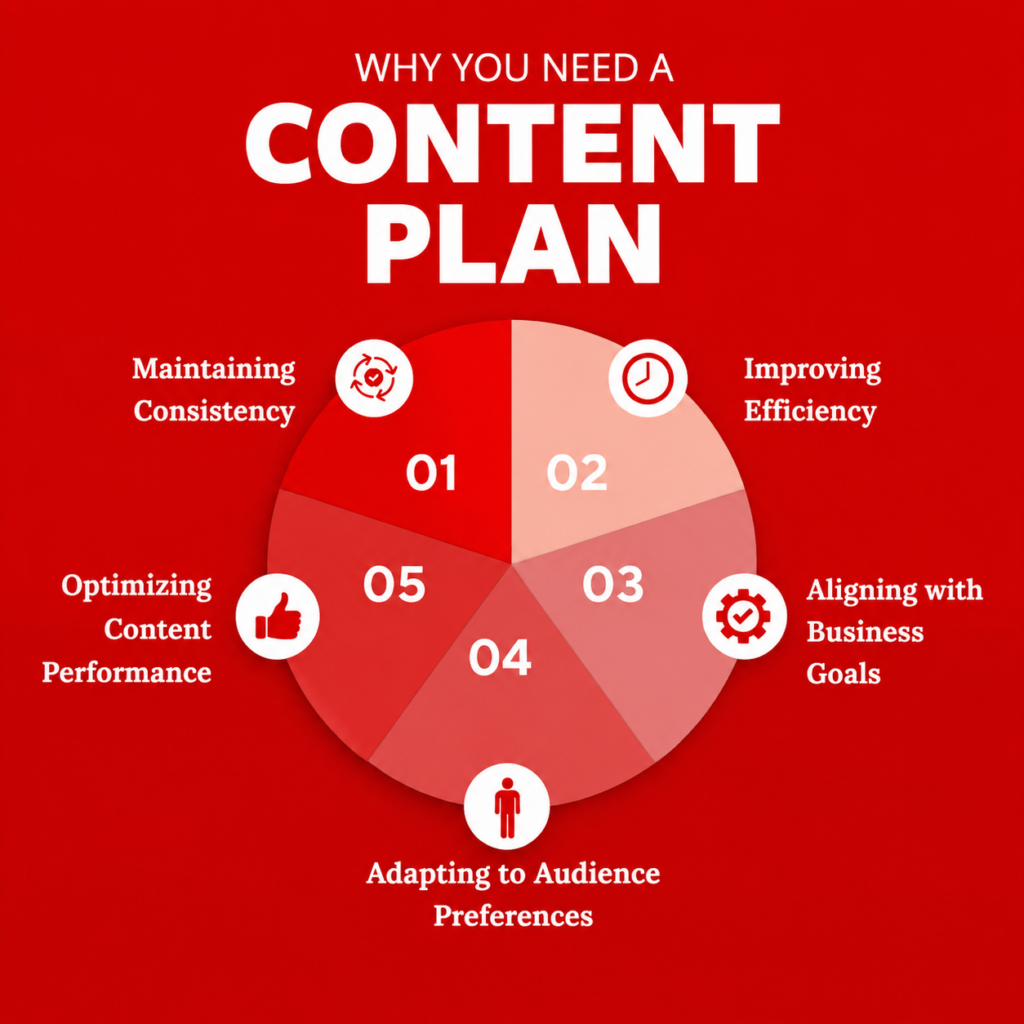
 Plan Content in Advance

Step 6: Include Seasonal Events and Marketing Campaigns

A strong content calendar incorporates important dates that are relevant to your audience.

Examples include:

  • New Year
  • Republic Day
  • Holi
  • Women’s Day
  • Independence Day
  • Diwali
  • Christmas
  • Industry-specific events
  • Product launches
  • Company milestones

Planning around these occasions allows businesses to create timely and relevant content.

Include Seasonal Events and Marketing Campaigns

Step 7: Track Performance and Optimize

Creating a content calendar isn’t a one-time task. Review your performance regularly to identify what’s working and what needs improvement.

Monitor metrics such as:

  • Reach
  • Engagement
  • Likes
  • Comments
  • Shares
  • Website clicks
  • Follower growth
  • Conversion rates

Use these insights to refine your content strategy each month.

Track Performance and Optimize

Best Practices for an Effective Content Calendar

To maximize your social media success:

  • Plan content at least one month in advance.
  • Maintain consistent branding.
  • Balance educational, entertaining, and promotional content.
  • Use high-quality visuals.
  • Write compelling captions with clear CTAs.
  • Repurpose high-performing content.
  • Leave room for trending topics and real-time marketing.
  • Review analytics regularly.

A flexible calendar allows you to stay organized while adapting to changing trends.

Tools to Create a Social Media Content Calendar

Several tools make content planning easier, including:

  • Google Sheets
  • Microsoft Excel
  • Trello
  • Notion
  • ClickUp
  • Asana
  • Airtable
  • Meta Business Suite
  • Buffer
  • Hootsuite

Choose the tool that best fits your team’s workflow and collaboration needs.

Common Mistakes to Avoid

Many businesses struggle because they:

  • Plan content too late.
  • Post inconsistently.
  • Focus only on promotional content.
  • Ignore audience insights.
  • Skip performance tracking.
  • Forget to optimize captions and hashtags.
  • Don’t leave flexibility for trending topics.

Avoiding these mistakes will help you maintain a stronger and more effective social media presence.

How Spectra Digital Helps Businesses Plan Better Content

At Spectra Digital, we create customized social media strategies designed to improve consistency, engagement, and business growth.

Our services include:

  • Social Media Strategy
  • Monthly Content Calendars
  • Creative Design
  • Reels & Video Marketing
  • Content Writing
  • Community Management
  • Paid Social Media Advertising
  • Performance Analytics
  • Campaign Planning

We help businesses create meaningful content that connects with audiences and delivers measurable results.

Conclusion

A social media content calendar is more than just a schedule it’s a strategic tool that helps businesses stay organized, maintain consistency, and achieve long-term marketing success.

By defining clear goals, understanding your audience, planning content in advance, and regularly reviewing performance, you can create a social media presence that attracts attention, builds trust, and drives business growth.

At Spectra Digital, we believe successful social media marketing starts with smart planning. Whether you’re building your first content calendar or looking to improve your current strategy, our team is ready to help you create content that makes an impact.


Digital marketing illustration showing social media marketing mistakes and best practices for business growth.

Common Social Media Marketing Mistakes

Introduction

Social media has become one of the most powerful marketing channels for businesses in today’s digital world. Platforms like Instagram, Facebook, LinkedIn, X (formerly Twitter), YouTube, and TikTok allow brands to connect directly with their audience, build trust, increase brand awareness, and generate quality leads.

However, having a social media presence alone doesn’t guarantee success. Many businesses invest significant time and resources into creating content but still struggle to achieve meaningful results. The reason often lies in avoidable mistakes that limit engagement, reduce visibility, and prevent businesses from reaching their full potential.

A successful social media strategy requires more than frequent posting it demands planning, consistency, audience understanding, creativity, and continuous optimization.

At Spectra Digital, we’ve helped businesses across various industries build strong social media strategies that drive measurable growth. In this blog, we’ll discuss seven of the most common social media marketing mistakes and explain how you can avoid them to maximize your online success.

Posting Without a Clear Strategy

One of the biggest mistakes businesses make is creating content without a defined strategy. Posting randomly simply to remain active rarely delivers meaningful business results.

Every successful social media campaign begins with a clear objective. Whether your goal is to increase brand awareness, generate leads, drive website traffic, improve customer engagement, or boost sales, your content should support that objective.

Without a strategy, businesses often create inconsistent content that confuses audiences and weakens brand identity.

Developing a content calendar with planned campaigns, posting schedules, target audiences, and measurable goals helps ensure every post contributes to your overall marketing strategy.

Best Practice: Plan your content at least one month in advance and align each post with a specific marketing objective.

 Posting Without a Clear Strategy

Ignoring Your Target Audience

Many businesses make the mistake of creating content based on what they want to share instead of what their audience wants to see.

Successful social media marketing begins with understanding your audience’s interests, challenges, behaviors, and preferences. Content that solves problems, answers questions, or entertains users is far more likely to generate engagement than content focused solely on the business itself.

Knowing your audience also helps determine which platforms to prioritize and what type of content performs best.

Best Practice: Use platform analytics, customer feedback, and audience insights to understand who your followers are and create content specifically designed for them.

Ignoring Your Target Audience

Being Inconsistent with Content

Consistency plays a major role in building brand recognition and audience trust.

Many businesses post frequently for a few weeks and then become inactive for long periods. This inconsistency not only reduces audience engagement but can also affect how social media algorithms distribute your content.

Regular posting keeps your brand visible and encourages followers to continue interacting with your business.

Consistency doesn’t necessarily mean posting every day it means maintaining a schedule your team can realistically sustain.

Best Practice: Create a consistent posting schedule and use content planning tools to maintain regular activity across all platforms.

Being Inconsistent with Content

Focusing Only on Promotions

Social media is designed for building relationships, not just selling products.

One of the most common mistakes businesses make is filling their feeds with advertisements, discounts, and promotional messages. While promotional content is important, constantly asking people to buy something often results in lower engagement.

Modern audiences expect brands to educate, entertain, inspire, and provide value.

Sharing industry insights, helpful tips, behind-the-scenes content, customer success stories, educational videos, and interactive posts helps build stronger relationships and increases long-term customer loyalty.

Best Practice: Follow the 80/20 rule 80% valuable or engaging content and 20% promotional content.

Focusing Only on Promotions

Ignoring Audience Engagement

Social media is a two-way communication platform.

Businesses that fail to reply to comments, messages, or customer reviews miss valuable opportunities to build trust and strengthen relationships.

Customers appreciate brands that respond quickly and professionally. Even a simple acknowledgment of a comment or message demonstrates that your business values customer interaction.

Ignoring engagement can negatively affect your reputation and discourage potential customers from reaching out.

Best Practice: Allocate time every day to respond to comments, answer questions, acknowledge feedback, and engage with your online community.

 Ignoring Audience Engagement

Not Tracking Performance and Analytics

Publishing content without reviewing performance data is one of the biggest obstacles to social media growth.

Analytics help businesses understand which posts generate the highest engagement, what type of content drives website traffic, when audiences are most active, and which campaigns produce the best return on investment.

Without analyzing performance, businesses often continue ineffective strategies while overlooking opportunities for improvement.

Tracking metrics such as reach, engagement, impressions, click-through rates, follower growth, conversions, and audience demographics enables smarter marketing decisions.

Best Practice: Review social media analytics every month and use the insights to improve your future content strategy.

Not Tracking Performance and Analytics

Using Poor Visual Content and Inconsistent Branding

Social media is highly visual, making first impressions incredibly important.

Low-quality graphics, blurry images, inconsistent colors, outdated logos, and unprofessional designs can damage your brand’s credibility.

A consistent visual identity helps customers instantly recognize your brand across different platforms while creating a professional appearance.

High-quality visuals also improve engagement, increase shares, and encourage users to spend more time interacting with your content.

Best Practice: Invest in professionally designed graphics, maintain consistent brand colors and typography, and ensure every visual reflects your brand identity.

 Using Poor Visual Content and Inconsistent Branding

Why Avoiding These Mistakes Matters

Avoiding these common mistakes allows businesses to:

  • Build stronger customer relationships
  • Improve brand awareness
  • Increase engagement rates
  • Generate higher-quality leads
  • Improve conversion rates
  • Strengthen customer trust
  • Maximize return on social media investment

Social media success isn’t determined by how often you post—it’s determined by how effectively you connect with your audience.

How Spectra Digital Helps Businesses Succeed on Social Media

At Spectra Digital, we believe successful social media marketing requires creativity, consistency, and data-driven strategy.

Our social media services include:

  • Social Media Strategy Development
  • Content Planning & Calendar Creation
  • Graphic Design & Creative Content
  • Reels & Short-Form Video Marketing
  • Community Management
  • Paid Social Media Advertising
  • Brand Building
  • Performance Analytics & Reporting
  • Influencer Marketing
  • Campaign Optimization

Our goal is to help businesses create meaningful conversations, increase engagement, and turn followers into loyal customers.

Conclusion

Social media marketing offers incredible opportunities for business growth, but achieving success requires more than simply posting content every day.

By avoiding common mistakes such as posting without a strategy, ignoring your audience, being inconsistent, focusing only on promotions, neglecting engagement, overlooking analytics, and using poor-quality visuals, businesses can significantly improve their online presence and marketing performance.

The most successful brands understand that social media is about building relationships, providing value, and creating memorable experiences for their audience.

If you’re looking to improve your social media strategy, increase engagement, and achieve measurable business growth, Spectra Digital is here to help. Our team develops customized social media solutions that deliver results and help your business stand out in today’s competitive digital landscape.