The Psychology of ₹99, ₹499 and ₹999 Pricing

The Psychology of ₹99, ₹499 and ₹999 Pricing: 5 Powerful Secrets Behind “Affordable” Prices

The Psychology of ₹99, ₹499 and ₹999 Pricing reveals an important truth about consumer behaviour: customers don’t always evaluate prices based purely on mathematics.

₹99 doesn’t feel exactly the same as ₹100.

₹499 can feel noticeably cheaper than ₹500.

And ₹999 can appear significantly more affordable than ₹1,000.

The actual difference is tiny.

But the perceived difference can be much larger.

This is the foundation of pricing psychology, the practice of presenting prices in ways that influence how customers perceive value, affordability, and purchasing decisions.

For businesses, understanding this psychology can help create pricing strategies that feel clearer and more compelling.

Here are 5 powerful pricing lessons behind prices such as ₹99, ₹499, and ₹999.

1. ₹99 Feels Cheaper Than ₹100

image

This is one of the most familiar examples of pricing psychology.

When customers see:

₹99

their brain may process the first digit—9—as being meaningfully lower than:

₹100

Even though the difference is only ₹1.

This is often called charm pricing or psychological pricing.

The technique is widely used in retail, e-commerce, food delivery, subscriptions, and other consumer businesses.

Why it works

People don’t always process prices as perfectly precise mathematical values.

They use shortcuts when making everyday decisions.

Seeing ₹99 can create the impression of a bargain or a lower price point.

What businesses can learn

If your product competes heavily on affordability, prices ending in 9 can sometimes make the offer feel more accessible.

But pricing should still match your brand positioning.

A premium brand may benefit from a different pricing approach.

2. ₹499 Creates a Stronger Perception of Value

image

Consider these two prices:

₹499

₹500

The numerical difference is just ₹1.

But psychologically, ₹499 can feel like it belongs to a different price category.

This is especially noticeable when customers compare multiple products.

For example:

  • Product A — ₹499
  • Product B — ₹799
  • Product C — ₹1,199

The customer immediately sees a clear price hierarchy.

Pricing therefore doesn’t just communicate cost.

It can also communicate relative value.

The lesson

Customers rarely evaluate a price in complete isolation.

They compare it with:

  • Competitors
  • Alternatives
  • Previous prices
  • Other products
  • Discounts
  • Product features

That’s why your pricing strategy should consider the entire competitive environment.

3. ₹999 Makes ₹1,000 Feel Like a Bigger Psychological Jump

image

The difference between ₹999 and ₹1,000 is only ₹1.

Yet many businesses deliberately use ₹999 because it keeps the displayed price below the ₹1,000 threshold.

This is an example of a left-digit effect.

The first digit can influence how people mentally categorise a price.

Compare:

₹999

with:

₹1,000

The second price immediately moves into the four-digit category.

For some customers, that can make the product feel more expensive.

What businesses can learn

Price thresholds matter.

Customers may mentally group products into categories such as:

  • Under ₹100
  • Under ₹500
  • Under ₹1,000
  • Under ₹5,000
  • Under ₹10,000

Understanding these thresholds can help businesses structure product pricing more strategically.

4. The Price You Show First Can Change Perceived Value
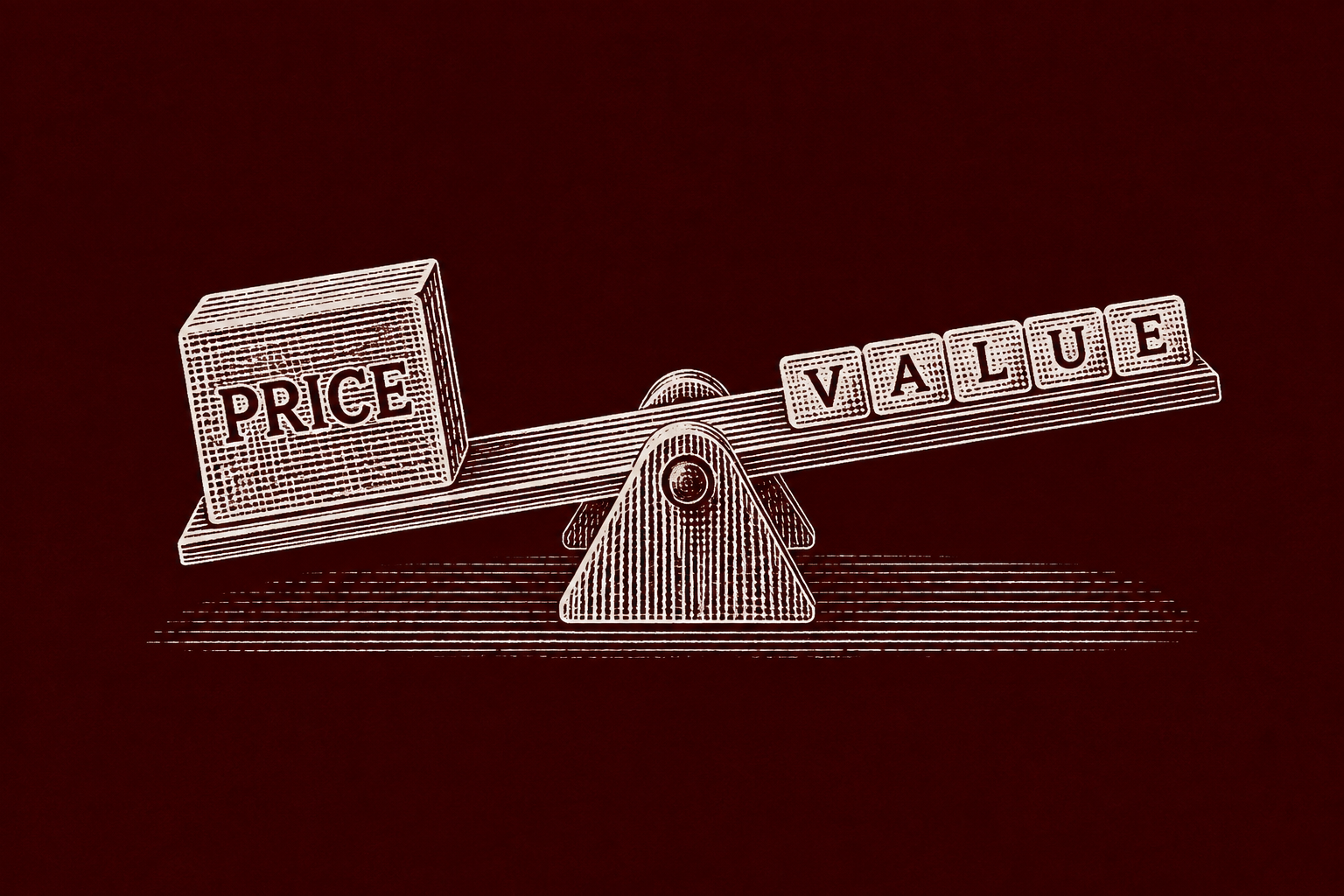
image

Pricing psychology isn’t only about ending a price with 9.

The comparison price can also influence how customers perceive an offer.

Imagine seeing:

Premium Plan — ₹2,999

followed by:

Standard Plan — ₹999

The ₹999 option may suddenly feel more affordable.

But if you only see:

Standard Plan — ₹999

without any comparison, your perception may be different.

This is known as anchoring.

The first relevant number people encounter can influence how they evaluate subsequent prices.

The lesson

Businesses can use pricing tiers to create context.

For example:

Basic — ₹499
Professional — ₹999
Premium — ₹1,999

The options help customers understand the relative value of each package.

But the differences between tiers should be genuine.

The goal isn’t to manipulate customers.

It’s to make the value structure easier to understand.

5. Pricing Should Match Your Brand Positioning

image

Here’s where businesses need to be careful.

₹99, ₹499, and ₹999 aren’t automatically better prices.

Their effectiveness depends on your product, audience, category, and positioning.

A discount-focused brand may benefit from:

₹499 instead of ₹500

But a luxury brand may prefer:

₹5,000 instead of ₹4,999

Why?

Because premium brands often want prices to communicate quality, confidence, exclusivity, and simplicity rather than bargain positioning.

The lesson

The right price isn’t just about psychology. It’s about positioning.

Ask:

“What should our price make customers feel?”

Affordable?

Premium?

Exclusive?

Accessible?

Professional?

High-value?

Your pricing should reinforce that perception.

Why Customers Don’t Always Think Rationally About Price

If customers were perfectly rational, ₹999 and ₹1,000 would feel almost identical.

But purchasing decisions involve more than mathematics.

Customers also consider:

  • Emotions
  • Perceived value
  • Brand reputation
  • Social proof
  • Convenience
  • Scarcity
  • Comparison
  • Previous experiences
  • Expectations

This is why two products with similar production costs can have completely different prices.

The customer isn’t simply paying for the physical product.

They’re paying for the perceived value surrounding it.

Pricing Psychology Isn’t About Trickery
image

It’s important to understand the difference between persuasion and deception.

Using ₹999 instead of ₹1,000 isn’t necessarily misleading.

But businesses should avoid:

  • Fake discounts
  • Inflated original prices
  • Hidden fees
  • Misleading “limited-time” offers
  • Artificial scarcity
  • Unclear subscription terms

Short-term psychological tactics can generate purchases.

But trust determines whether customers come back.

Good pricing psychology makes value easier to understand.

Bad pricing psychology makes customers feel manipulated.

How Businesses Can Use Pricing Psychology

Create Clear Price Tiers

Instead of offering ten confusing options, create a few packages with clear differences.

For example:

Starter → Growth → Premium

Make the value of moving between tiers obvious.

Use Strategic Price Points

Test whether your audience responds differently to:

₹499 vs ₹500

or:

₹999 vs ₹1,000

Don’t assume. Measure.

Show Value Alongside Price

Instead of displaying only:

₹999

explain what customers receive for that amount.

For example:

₹999 — Includes consultation, strategy report, and 30-day support.

Price becomes easier to evaluate when value is visible.

Understand Your Customer

Different audiences respond differently to pricing.

A budget-conscious customer may focus heavily on price.

A premium customer may care more about quality, expertise, exclusivity, and results.

Your pricing strategy should reflect the customer you’re trying to attract.

Common Pricing Mistakes Businesses Make

Many businesses make pricing decisions based purely on cost.

They calculate:

Cost + Margin = Price

But pricing can be more strategic than that.

Other mistakes include:

  • Copying competitors without understanding positioning
  • Offering too many pricing options
  • Discounting too frequently
  • Focusing only on being cheap
  • Hiding important costs
  • Ignoring perceived value
  • Never testing price points
  • Using discount tactics that damage brand perception

The goal isn’t always to have the lowest price.

The goal is to communicate strong value for the right audience.

How Spectra Digital Helps Businesses Build Better Offers

At Spectra Digital, we understand that effective marketing doesn’t stop at attracting attention.

The offer itself needs to communicate clear value.

Our digital marketing services include:

  • Performance marketing
  • Social media marketing
  • Content marketing
  • Paid advertising
  • Search Engine Optimization (SEO)
  • Lead generation
  • Website design
  • Conversion optimisation
  • Marketing analytics
  • Brand strategy

We help businesses strengthen their digital presence, communicate value clearly, and build marketing strategies designed to turn attention into action.

Final Thoughts

The Psychology of ₹99, ₹499 and ₹999 Pricing shows that pricing is about more than numbers.

A ₹999 price may feel different from ₹1,000.

₹499 may feel more accessible than ₹500.

And the price you show first can influence how customers evaluate everything that comes after it.

But the most important lesson is this:

Don’t choose a price simply because it looks psychologically appealing. Choose a price that supports your value, positioning, audience, and business goals.

Because the best pricing strategy doesn’t just make a product look cheaper.

It makes the value feel right.

How brands create desire before demand through emotional marketing, storytelling, anticipation, social proof, and strong brand positioning

How Brands Create Desire Before They Create Demand: 5 Powerful Marketing Lessons

How Brands Create Desire Before They Create Demand is one of the most interesting ideas in modern marketing.

Most businesses think marketing starts when customers already need a product.

But some of the world’s strongest brands do something different.

They don’t simply wait for demand.

They create desire first.

Before customers are ready to buy, these brands make them curious. They create anticipation. They associate their products with emotions, lifestyles, aspirations, and experiences.

By the time the product becomes available, customers may already want it.

This changes the traditional marketing journey:

Need → Search → Product → Purchase

into:

Attention → Curiosity → Desire → Demand → Purchase

So how do brands create desire before demand?

Here are 5 powerful strategies.

1. They Sell the Feeling Before the Product

How Brands Create Desire Before They Create Demand

People don’t always buy products because of their features.

They buy what those features represent.

A luxury watch can represent success.

A sports shoe can represent confidence and performance.

A premium smartphone can represent creativity, status, or innovation.

The physical product is only part of the value.

The emotional meaning around it can be even more powerful.

What businesses can learn

Don’t only explain:

“What does our product do?”

Also ask:

“How will customers feel when they own or use it?”

Your marketing should communicate both functional and emotional value.

2. They Create Curiosity Before Revealing Everything

image

Some brands don’t immediately explain every detail about a new product.

Instead, they create curiosity.

They might release:

  • Teasers
  • Sneak peeks
  • Short videos
  • Mysterious announcements
  • Countdown campaigns
  • Behind-the-scenes content

This gives the audience a reason to keep paying attention.

Curiosity creates a simple psychological reaction:

“I want to know what’s coming.”

That attention can eventually turn into desire.

The lesson

You don’t always need to reveal everything at once.

Build a story around your launch.

Give your audience enough information to become interested without giving away the entire experience immediately.

3. They Connect Products With Aspirations

image

Strong brands understand what their customers want to become.

People may want to feel:

  • Successful
  • Attractive
  • Confident
  • Creative
  • Healthy
  • Independent
  • Adventurous
  • Respected

Brands can connect their products to these aspirations.

This changes the conversation from:

“Here’s what we sell.”

to:

“Here’s the kind of experience or identity this product represents.”

What businesses can learn

Understand the aspiration behind the purchase.

For example, a fitness business isn’t only selling workouts.

It may be selling:

Confidence, discipline, energy, and a healthier lifestyle.

A marketing agency isn’t only selling marketing services.

It may be selling:

Growth, visibility, leads, and business confidence.

The product is the vehicle.

The aspiration is the deeper motivation.

4. They Build Anticipation Before Launch

image

Demand doesn’t always appear instantly.

Brands can build it over time.

A strong launch might look like:

Teaser → Conversation → Preview → Anticipation → Launch → Social Proof → Purchase

This gives people multiple opportunities to interact with the product before they can buy it.

By launch day, the audience isn’t discovering the product for the first time.

They’ve already been thinking about it.

The lesson

Start marketing before the product is available.

Use the pre-launch period to answer:

  • What problem does this solve?
  • Why should people care?
  • What makes it different?
  • Who is it for?
  • Why should they be excited?

A good launch begins long before the “Buy Now” button appears.

5. They Make People Feel Like They’re Missing Something

image

Desire can become stronger when people see others enjoying something they don’t have.

This is where social proof and FOMO can work together.

Customers may see:

  • People using the product
  • Positive reviews
  • Social media posts
  • Influencer content
  • Limited-edition launches
  • Popularity around a product

They begin to wonder:

“Should I be part of this too?”

The important point is that this should be based on genuine interest and authentic customer experiences.

Fake popularity can create short-term clicks but damage long-term trust.

What businesses can learn

Make your existing customers part of your marketing.

Real experiences can demonstrate value more effectively than simply telling people that your product is great.

Desire vs Demand: What’s the Difference?

These two concepts are connected but not identical.

Demand is the willingness and ability to purchase a product or service.

Desire is the emotional or psychological want that makes someone interested in having it.

Marketing can influence desire by changing how people perceive:

  • Value
  • Identity
  • Experience
  • Status
  • Convenience
  • Emotion
  • Belonging

When enough people begin wanting something, that desire can contribute to stronger demand.

That’s why marketing isn’t simply about finding people who already want your product.

Sometimes, it’s about helping people understand why they might want it in the first place.

How Brands Turn Desire Into Demand

image

Creating desire is only the beginning.

A business still needs to make purchasing easy.

A strong customer journey might look like:

1. Capture attention

Use an interesting idea, story, visual, or message.

2. Build curiosity

Give people a reason to learn more.

3. Create emotional relevance

Show how the product connects to their needs or aspirations.

4. Demonstrate value

Explain what makes the product genuinely useful.

5. Add social proof

Show real customer experiences and results.

6. Remove friction

Make it easy to understand, purchase, book, or enquire.

This is where creativity and conversion strategy need to work together.

Common Mistakes Businesses Make

Businesses often struggle to create desire because they:

  • Focus only on product features
  • Start selling too early
  • Use generic messaging
  • Ignore customer aspirations
  • Create no anticipation
  • Copy competitors
  • Make exaggerated promises
  • Forget to demonstrate real value

You cannot manufacture lasting desire with hype alone.

The product still needs to deliver.

Good marketing creates desire. A good product validates it.

How Small Businesses Can Create Desire

You don’t need a huge advertising budget to apply these principles.

Small businesses can:

Tell better stories

Explain why the product exists and what problem inspired it.

Show the transformation

Demonstrate what changes for customers after using your product.

Build anticipation

Create pre-launch content and previews.

Use customer stories

Show real people experiencing the value.

Create a distinctive identity

Give your brand a personality that customers can recognise.

Focus on outcomes

Don’t only explain what you sell.

Show what customers can achieve with it.

How Spectra Digital Helps Businesses Build Demand

At Spectra Digital, we help businesses develop marketing strategies that move audiences from awareness to interest, desire, and action.

Our services include:

We help businesses communicate their value, build stronger brand identities, create engaging content, and turn audience attention into measurable business growth.

Final Thoughts

How Brands Create Desire Before They Create Demand comes down to understanding that customers don’t always begin with a need.

Sometimes, marketing creates the desire that eventually leads to demand.

The strongest brands make people curious, connect products with aspirations, build anticipation, create emotional value, and use genuine customer experiences to reinforce the desire.

The biggest lesson is simple:

Don’t just wait for customers to want your product. Show them why it is worth wanting.

When desire is built on genuine value, strong branding, and a great customer experience, it can become the foundation for lasting demand.

Why free is the most powerful word in marketing and how free offers reduce risk, build trust, and encourage customer action by Spectra Digital

Why “Free” Is the Most Powerful Word in Marketing: 5 Brilliant Reasons

Why “Free” Is the Most Powerful Word in Marketing comes down to one simple fact: people love getting something without having to pay for it.

The word “free” can instantly capture attention.

Whether it’s:

  • Free shipping
  • A free trial
  • A free sample
  • A free consultation
  • Buy one, get one free
  • A free resource
  • A free upgrade

The offer often feels more attractive because the customer believes there is little or no financial risk involved.

But “free” is about more than saving money. It can influence how people perceive value, make decisions, and interact with a brand.

Here are 5 powerful reasons why “free” has become one of the most effective words in marketing.

1. “Free” Removes the Fear of Making the Wrong Decision

Free Is the Most Powerful Word in Marketing

Buying something involves risk.

Customers may wonder:

  • Is this product worth the money?
  • What if I don’t like it?
  • What if it doesn’t work for me?
  • What if I waste my money?

A free offer can reduce that hesitation.

When there is no upfront cost, the customer has less to lose by trying something new.

This is why free trials and samples can be effective.

They allow customers to experience a product or service before making a financial commitment.

What businesses can learn

If customers are hesitant to try your business, think about how you can reduce the perceived risk.

This could include:

  • Free trials
  • Free demos
  • Free samples
  • Free consultations
  • Money-back guarantees

The goal is to make the first step easier.

Less perceived risk can lead to more people taking action.

2. “Free” Makes the Offer Feel More Valuable

image

A free offer can create a strong contrast.

For example:

Get a marketing guide

versus

Get a free marketing guide worth ₹999

The second offer makes the perceived value clearer.

The customer is not simply receiving something.

They feel they are receiving something valuable without paying for it.

This is why many businesses use free resources as a way to attract potential customers.

Examples include:

  • E-books
  • Templates
  • Checklists
  • Tools
  • Webinars
  • Reports
  • Free consultations

The lesson for businesses

Free does not mean worthless.

The best free offers provide genuine value.

If someone downloads your free resource and finds it useful, they may be more likely to trust your paid products or services later.

3. “Free” Encourages People to Take the First Step

image

The hardest part of the customer journey is often getting someone to take action for the first time.

They may be interested, but not interested enough to spend money immediately.

A free offer can lower that barrier.

For example:

Free trial → Experience the product → Understand the value → Consider buying

This creates an easier path into the customer journey.

What businesses can learn

Instead of immediately asking every visitor to buy, consider offering a smaller first step.

Ask:

What valuable experience can we offer before asking for a financial commitment?

This could help turn curiosity into engagement.

4. “Free” Can Build Trust Before the Sale

image

Customers are more likely to buy from businesses they trust.

Giving away something genuinely useful can demonstrate your expertise before asking for anything in return.

For service-based businesses, this could include:

  • A free consultation
  • A website audit
  • A marketing checklist
  • An industry guide
  • A useful webinar

The free offer becomes an introduction to the value your business can provide.

The lesson

Don’t treat your free offer as just a lead collection tool.

Treat it as part of the customer experience.

If the free experience feels valuable, it can create a positive first impression.

Give people a reason to trust your expertise before asking them to become customers.

5. “Free” Can Create a Stronger Sense of Opportunity

image

The word “free” can make an offer feel like an opportunity that customers should not ignore.

Compare:

Try our software today.

with:

Try our software free for 30 days.

The second message gives people a clearer reason to take action.

However, the offer needs to be communicated honestly.

Customers quickly lose trust when “free” comes with unexpected conditions or hidden costs.

What businesses can learn

Be clear about what is actually free.

Explain:

  • What the customer receives
  • How long the offer lasts
  • Whether payment details are required
  • What happens after the free period

Transparency is essential.

A misleading free offer may generate clicks, but it can damage trust.

The Psychology Behind Free Offers

“Free” can influence decision-making because it removes or reduces one of the biggest barriers: cost.

When the price drops to zero, customers may evaluate the offer differently.

Instead of calculating whether the product is worth the price, they may focus on a simpler question:

“Why not try it?”

That shift can encourage action.

But there is an important condition.

The offer must still feel relevant.

Giving away something free that your audience doesn’t want will not automatically create results.

The best free offers combine:

High perceived value + Low risk + Clear relevance

Free vs Cheap: Why the Difference Matters

There is a major difference between being a free offer and being perceived as a cheap brand.

A strategic free offer can introduce customers to your business.

But constantly giving away discounts or free products can sometimes reduce the perceived value of what you sell.

For example:

A premium business may offer a valuable free consultation.

That can help customers understand the expertise behind the service.

But if the same business constantly gives away its core service, customers may begin to question why they should pay for it.

The key is balance

Use free offers to:

  • Reduce risk
  • Build trust
  • Generate interest
  • Introduce your value
  • Encourage the first interaction

Then make sure your paid offering provides a clear reason to continue.

Common Mistakes Businesses Make With Free Marketing

image

Businesses can weaken their strategy when they:

  • Offer something with little real value
  • Attract people unrelated to their target audience
  • Use misleading “free” claims
  • Hide important conditions
  • Give away too much without a clear strategy
  • Fail to provide a next step
  • Focus only on collecting leads instead of building trust

A successful free offer should benefit both sides.

The customer receives something valuable.

The business creates an opportunity to begin a relationship.

How Spectra Digital Helps Businesses Turn Attention Into Action

At Spectra Digital, we help businesses create digital marketing strategies designed to capture attention and turn interest into measurable action.

Our services include:

We help businesses develop stronger offers, clearer customer journeys, and marketing campaigns that attract the right audience while building long-term trust.

Final Thoughts

Why “Free” Is the Most Powerful Word in Marketing is not simply because people like saving money.

“Free” can reduce risk, increase perceived value, encourage action, and create an easier first step between a potential customer and a brand.

But the word only works when the offer behind it delivers genuine value.

The biggest lesson for businesses is simple:

Don’t use “free” just to attract attention. Use it to create a valuable first experience that gives people a reason to trust your brand.

A strong free offer can open the door.

A valuable product, service, and customer experience give people a reason to stay.

Why customers choose the more expensive brand based on trust, perceived value, quality, branding, and customer experience by Spectra Digital

Why Customers Choose the More Expensive Brand: 5 Powerful Reasons

Why Customers Choose the More Expensive Brand is a question many businesses struggle with.

Imagine two products that offer almost the same function. One is cheaper, while the other costs significantly more.

Logic might suggest that customers will always choose the cheaper option.

But they often don’t.

Customers regularly pay more for certain brands, even when lower-priced alternatives are available. This happens because people don’t make purchasing decisions based on price alone.

They also consider trust, perceived quality, brand image, emotional connection, and the overall experience.

Here are 5 powerful reasons why customers often choose the more expensive brand.

1. Higher Prices Can Create a Perception of Higher Quality

Why Customers Choose the More Expensive Brand

Price can influence how customers perceive a product.

When people don’t have enough information to compare two products, they may use price as a shortcut.

A higher price can create the impression that the product is:

  • Better made
  • More reliable
  • Higher quality
  • More exclusive
  • More durable

This doesn’t mean that expensive products are always better.

However, perception plays an important role in purchasing decisions.

What businesses can learn

If your brand wants to charge more, your pricing should be supported by clear value.

Your:

  • Website
  • Branding
  • Packaging
  • Customer experience
  • Product presentation
  • Marketing

should all communicate why your product is worth the price.

A premium price with a poor experience creates doubt.

A premium price supported by strong value can create confidence.

2. Customers Pay More for Trust

image

Buying the cheaper option can sometimes feel risky.

Customers may wonder:

  • Will the quality be good?
  • Will the product last?
  • What happens if something goes wrong?
  • Can I trust this company?

A well-known or trusted brand can reduce that uncertainty.

Customers may be willing to pay more because they feel confident about what they will receive.

This is especially important when the purchase involves:

  • A high price
  • Long-term use
  • Personal risk
  • Important decisions
  • Limited knowledge about the product

The lesson for businesses

Trust can become a competitive advantage.

Build it through:

  • Clear communication
  • Customer reviews
  • Testimonials
  • Case studies
  • Consistent quality
  • Reliable customer support
  • Transparent policies

Sometimes, customers aren’t paying more for the product itself.

They’re paying for the confidence that comes with choosing you.

3. A Strong Brand Makes Products Feel More Valuable

image

Branding can change how customers perceive the exact same type of product.

Two businesses may sell similar products, but one may feel more premium because of:

  • Better design
  • Clearer positioning
  • Stronger storytelling
  • Professional branding
  • Consistent communication
  • A better website
  • Higher-quality content

The actual product matters, but the way it is presented also influences perceived value.

Think about the difference

A product described as:

“High-quality headphones.”

may feel very different from a brand that communicates:

“Designed for people who refuse to compromise on sound.”

Both may be selling headphones.

But the second message creates a stronger perception and emotional connection.

What businesses can learn

Don’t only improve your product.

Improve how customers understand and experience your value.

Your branding should answer:

Why should someone choose you instead of a cheaper alternative?

4. People Buy What a Brand Represents

image

Customers don’t always buy products only for practical reasons.

Sometimes, they buy what the brand represents.

A premium brand may be associated with:

  • Status
  • Success
  • Confidence
  • Innovation
  • Simplicity
  • Sustainability
  • Exclusivity
  • Belonging

This emotional value can make price comparisons less important.

For example, two products may perform a similar function, but one may make the customer feel more confident or aligned with a particular lifestyle.

The lesson

Ask:

What does our brand represent beyond the product itself?

The answer should influence your:

  • Brand positioning
  • Advertising
  • Social media
  • Website messaging
  • Customer experience

The strongest brands sell more than features.

They sell meaning.

5. A Better Experience Can Justify a Higher Price

image

Price is only one part of the customer experience.

A business can justify charging more by making every interaction better.

This can include:

  • Easier purchasing
  • Faster service
  • Better customer support
  • Professional communication
  • Better packaging
  • Personalisation
  • A smoother website experience
  • Reliable delivery

Customers often remember how easy or difficult it was to deal with a business.

A cheaper option that creates frustration may not feel like a good deal.

A more expensive option that saves time, reduces stress, and creates a better experience may feel worth paying for.

Price vs Value: The Difference Businesses Need to Understand

image

Price is what the customer pays.

Value is what the customer believes they receive.

This is why businesses should avoid competing only on price.

If your only advantage is being cheaper, another competitor can always try to charge less.

But competing on:

  • Trust
  • Experience
  • Expertise
  • Quality
  • Convenience
  • Brand reputation

is much harder to copy.

The goal is not to convince everyone that you are cheap.

The goal is to make the right customers understand why you are worth more.

How to Build a Brand Customers Are Willing to Pay More For

Create clear positioning

Customers should immediately understand what makes your business different.

Avoid generic statements that every competitor could use.

Make your value visible

Don’t assume customers automatically understand why you charge more.

Show them through:

  • Product benefits
  • Customer results
  • Testimonials
  • Case studies
  • Demonstrations
  • Strong messaging

Invest in your brand experience

Your website, content, social media, and customer communication all affect how customers perceive your business.

Build proof

People are more comfortable paying more when they can see evidence that others trust you.

Use real customer experiences to support your claims.

Focus on the right customers

Not everyone needs to become your customer.

Some people will always choose the lowest price.

Instead of trying to win every customer, focus on people who value what makes your business different.

Common Mistakes Businesses Make

Businesses often struggle to justify higher prices because they:

  • Copy competitors instead of differentiating themselves
  • Talk only about product features
  • Fail to communicate their value
  • Have inconsistent branding
  • Offer a poor customer experience
  • Constantly use discounts
  • Compete only on price

Lowering your price may increase short-term sales, but it can also make it harder to build a strong premium perception.

Sometimes, the better strategy is not to become cheaper.

It’s to become more valuable.

How Spectra Digital Helps Businesses Build Stronger Brand Value

At Spectra Digital, we help businesses create digital strategies that strengthen how customers perceive and experience their brands.

Our services include:

  • Brand strategy
  • Social media marketing
  • Content marketing
  • Performance marketing
  • Search Engine Optimization (SEO)
  • Website design
  • Paid advertising
  • Conversion optimisation

We help businesses communicate their value more clearly, build stronger digital experiences, and create marketing strategies designed to attract the right customers.

Final Thoughts

Why Customers Choose the More Expensive Brand comes down to more than price.

Customers may be willing to pay more when they trust a brand, perceive greater quality, connect with what the brand represents, and receive a better overall experience.

The key lesson for businesses is simple:

Customers don’t always choose the cheapest option. They choose the option that feels most valuable to them.

Instead of asking how you can lower your prices to compete, ask:

“How can we create more value in the minds of our customers?”

That shift can help your business move away from price competition and build a brand that customers are genuinely willing to pay more for.

How Nike sells a feeling not a product through emotional branding, storytelling, and powerful marketing by Spectra Digital

How Nike Sells a Feeling, Not a Product: 7 Powerful Marketing Lessons

How Nike Sells a Feeling, Not a Product is one of the most powerful lessons in modern marketing. Nike doesn’t simply sell shoes, clothing, or sports equipment. It sells motivation, confidence, ambition, achievement, and the feeling of becoming better.

When people see a Nike campaign, the product is often not the main focus. Instead, the brand tells a story that makes the audience feel something.

That’s what makes Nike one of the world’s most recognizable brands.

In this guide, Spectra Digital explores seven powerful marketing lessons businesses can learn from Nike’s approach to emotional branding.

What Does Nike Actually Sell?

At a basic level, Nike sells athletic products.

But its marketing sells something much bigger:

  • Confidence
  • Motivation
  • Determination
  • Achievement
  • Identity
  • Self-belief

A customer isn’t simply buying a pair of running shoes. They may be buying the feeling of becoming a better version of themselves.

This difference between selling a product and selling a feeling is at the heart of Nike’s marketing strategy.

1. Nike Sells the Transformation

image

Instead of focusing only on what a product does, Nike focuses on who the customer can become.

Its marketing often communicates ideas around overcoming challenges, pushing limits, and achieving goals.

The product becomes part of the transformation.

Lesson for businesses: Don’t only show customers what your product is. Show them what their life could look like after using it.

2. It Uses Powerful Storytelling

image

Nike’s advertising frequently revolves around stories.

The stories may feature athletes, everyday people, challenges, failures, or moments of achievement.

These narratives make the brand emotionally memorable.

A product specification may be forgotten. A powerful story can stay with someone for years.

Lesson for businesses: Use storytelling to communicate your brand’s value instead of relying only on product features.

3. It Builds an Identity Around the Brand

image

Nike has created an identity that represents action, ambition, and determination.

Customers who connect with these values may feel that buying Nike products says something about who they are.

This is powerful because people often buy products that reflect their identity.

Lesson for businesses: Ask yourself what your brand represents beyond the product you sell.

4. It Focuses on Emotion

image

Nike understands that purchasing decisions aren’t always purely rational.

Its campaigns can create emotions such as:

  • Inspiration
  • Excitement
  • Confidence
  • Determination
  • Pride

When customers emotionally connect with a brand, price and product features aren’t the only factors influencing their decisions.

Lesson for businesses: Find the emotion your brand should own and build your marketing around it.

5. It Uses People to Tell the Story

image

Nike doesn’t need to make every campaign about the product.

Athletes and everyday people become the storytellers.

Their journeys provide authenticity and demonstrate what the brand stands for.

Lesson for businesses: Let customers, employees, creators, or real people demonstrate what your brand represents.

6. It Keeps Its Message Consistent

image

Nike’s branding has remained remarkably consistent over time.

Its messaging, visual identity, storytelling, and overall positioning reinforce the same core ideas.

Consistency makes a brand easier to recognize and remember.

Lesson for businesses: Your marketing should communicate the same core promise across your website, social media, advertisements, and customer experience.

7. It Makes the Customer the Hero

image

One of Nike’s smartest strategies is putting the customer at the center of the story.

The brand doesn’t always position itself as the hero.

Instead, the athlete or customer is the person overcoming the challenge.

Nike becomes the partner helping them get there.

Lesson for businesses: Make your customer the hero of your marketing story—not your company.

Product Marketing vs Emotional Marketing

Traditional product marketing might say:

“Our shoes are lightweight, comfortable, and durable.”

Emotional marketing might communicate:

“You can push further than you thought possible.”

The first message explains the product.

The second creates a reason to care.

The most effective brands often combine both approaches: product benefits provide proof, while emotional storytelling creates desire.

How Small Businesses Can Use Nike’s Strategy

image

You don’t need Nike’s budget to apply these principles.

Start by answering:

What does my customer really want?

It may not be your product itself.

They may want:

  • More confidence
  • More free time
  • Better health
  • Business growth
  • Financial security
  • Convenience
  • Recognition

Once you understand the deeper motivation, your marketing can communicate the transformation rather than simply promoting the product.

Common Marketing Mistakes Businesses Make

Many businesses focus too heavily on:

  • Product features
  • Discounts
  • Pricing
  • Technical specifications
  • Direct sales messages

These details matter, but they don’t always create an emotional connection.

A stronger approach is to combine features + benefits + emotion + storytelling.

How Spectra Digital Helps Brands Sell More Than Products

At Spectra Digital, we help businesses develop marketing strategies that communicate value and build meaningful customer connections.

Our services include:

We combine creative storytelling with data-driven marketing to help businesses build brands people remember and trust.

Final Thoughts

Nike’s greatest marketing lesson isn’t about shoes.

It’s about understanding what people want to feel.

The brand has built its identity around motivation, confidence, ambition, and achievement. Its products support that story, but the emotional connection makes the brand memorable.

Businesses of any size can apply the same principle.

Instead of asking, “What are we selling?”, ask:

“What does our customer want to feel, achieve, or become?”

That answer could completely change the way you market your business.

If you’re ready to build a brand that connects with customers beyond the product, Spectra Digital can help you create a strategy that turns your business into a brand people remember.

Why Zomato’s Social Media Strategy Works So Well: 7 Powerful Marketing Lessons

Why Zomato’s Social Media Strategy Works So Well is a question every marketer can learn from. Zomato has transformed social media from a place to promote food delivery into a platform for entertainment, conversations, humor, and brand building.

Instead of constantly telling people to order food, Zomato creates content people actually want to see and share. Its witty posts, relatable jokes, clever notifications, and timely reactions have helped make the brand highly recognizable online.

So, what makes its strategy work?

Here are seven powerful marketing lessons businesses can learn from Zomato.

1. Zomato Has a Distinctive Brand Voice

Why Zomato's social media strategy works so well through humor, trends, brand personality, and audience engagement by Spectra Digital

One of Zomato’s biggest strengths is its personality.

Its communication is often witty, conversational, and relatable rather than sounding like traditional corporate advertising.

This creates familiarity. When people see a Zomato post, they can often recognize the brand without needing to see the logo.

Lesson for businesses: Develop a unique brand voice and use it consistently across your marketing channels.

2. It Understands What Its Audience Finds Funny

image

Zomato understands internet culture and the interests of its target audience.

Its content often reflects everyday situations, food habits, popular culture, and relatable experiences.

Instead of creating content that simply promotes a service, it creates content that feels native to social media.

Lesson for businesses: Understand what your audience talks about, shares, and laughs at—and create content around those interests.

3. It Uses Trends Without Losing Its Identity

image

Trends move quickly on social media.

Zomato is known for reacting to relevant moments, conversations, and cultural events while maintaining its recognizable tone.

This allows the brand to participate in conversations that already have people’s attention.

Lesson for businesses: Don’t follow every trend. Choose trends that naturally connect with your audience and brand.

4. It Creates Shareable Content

image

A successful social media post doesn’t always need to generate a direct sale.

Sometimes the goal is simply to make someone laugh, tag a friend, or share the post.

Every share introduces the brand to a new audience.

Zomato’s relatable and humorous content makes this possible.

Lesson for businesses: Create content that people want to share with someone else.

5. It Makes the Brand Feel Human

image

People don’t connect emotionally with logos. They connect with personalities.

Zomato’s conversational communication makes the brand feel more like a person participating in a conversation.

This helps create familiarity and emotional connection.

Lesson for businesses: Don’t be afraid to show personality. A human brand can be easier to remember and trust.

6. It Doesn’t Sell in Every Post

image

One of the biggest lessons from Zomato is that social media doesn’t have to be a constant sales pitch.

Some posts are designed purely to entertain or engage.

This balance prevents followers from feeling like they’re being advertised to constantly.

When promotional content does appear, the audience is already familiar with the brand.

Lesson for businesses: Give your audience value before asking them to buy.

7. It Builds a Brand People Remember

image

The ultimate goal of Zomato’s social media strategy isn’t just likes or comments.

It’s brand recall.

When people think about food delivery, Zomato wants to be one of the first names that comes to mind.

Consistent content, recognizable humor, and strong brand personality help create that association.

Lesson for businesses: Don’t measure social media success only through engagement. Build a brand people remember when they’re ready to buy.

What Businesses Can Learn From Zomato

You don’t need Zomato’s budget or customer base to apply these strategies.

Start by:

  • Creating a recognizable brand voice.
  • Understanding your audience.
  • Using relevant trends.
  • Making content shareable.
  • Showing your brand personality.
  • Balancing entertainment with promotion.
  • Focusing on long-term brand recall.

Even a small business can use these principles to build a stronger social media presence.

Common Social Media Mistakes Businesses Make

Many businesses struggle on social media because they:

  • Post only promotional content.
  • Copy competitors.
  • Follow irrelevant trends.
  • Use inconsistent messaging.
  • Ignore comments and conversations.
  • Focus only on follower growth.
  • Don’t experiment with different content formats.

The goal isn’t to simply post more. It’s to post content that gives people a reason to care.

How Spectra Digital Can Help

At Spectra Digital, we help businesses build social media strategies that go beyond simply posting content.

Our digital marketing services include:

  • Social media marketing
  • Content strategy
  • Brand positioning
  • Performance marketing
  • Search Engine Optimization (SEO)
  • Website design
  • Paid advertising
  • Marketing analytics

We combine creative ideas with data-driven strategies to help businesses attract attention, build trust, and generate measurable growth.

Final Thoughts

Zomato’s social media success isn’t just about clever jokes.

It’s about understanding its audience, building a recognizable personality, creating shareable content, staying culturally relevant, and making the brand feel human.

The biggest lesson is simple: people don’t want to follow advertisements—they want to follow brands that entertain, inform, or make them feel something.

If your business can consistently create content that people genuinely want to see, your social media can become much more than a promotional channel. It can become a powerful brand-building tool.

And if you’re ready to create a social media strategy that gets your business noticed, Spectra Digital can help you turn attention into meaningful business growth.

How Netflix gets people talking without selling anything using storytelling, audience engagement, and content marketing strategies by Spectra Digital

How Netflix Gets People Talking Without Selling Anything: 7 Powerful Marketing Lessons

How Netflix Gets People Talking Without Selling Anything is a question that fascinates marketers worldwide. Unlike many brands that constantly push products and promotions, Netflix has mastered the art of creating conversations. Its social media posts, campaigns, and content rarely feel like advertisements, yet they generate millions of views, comments, shares, and discussions.

The secret isn’t aggressive selling, it’s creating content that people genuinely enjoy interacting with.

In this guide, Spectra Digital explores the seven marketing lessons businesses can learn from Netflix to build stronger engagement and lasting brand awareness.

Why Netflix’s Marketing Feels Different

Netflix understands that people don’t open Instagram, X, or YouTube to see advertisements. They visit these platforms to be entertained, informed, and connected.

Instead of interrupting the user experience, Netflix becomes part of it.

This approach keeps the brand relevant without constantly asking people to subscribe.

1. They Create Conversations, Not Advertisements

image

Netflix rarely starts with a sales message.

Instead, it asks questions, shares relatable memes, posts funny reactions, and encourages discussions around its shows and movies.

This approach naturally increases comments and shares, helping content reach more people organically.

Lesson for businesses: Create posts that invite conversation instead of simply promoting products.

2. They Use Pop Culture to Stay Relevant

image

Netflix constantly connects its content with trending topics, festivals, sports, memes, and internet culture.

By joining conversations people are already having, the brand remains visible without feeling forced.

Lesson for businesses: Stay aware of trends and participate only when they genuinely fit your brand.

3. They Tell Stories Instead of Selling

image

Every Netflix campaign revolves around storytelling.

Whether promoting a new series or celebrating a fan-favorite character, the focus is always on the story rather than the subscription.

Stories create emotional connections that traditional advertisements often cannot.

Lesson for businesses: Show the value your product creates through stories rather than listing features.

4. They Understand Their Audience

image

Netflix knows different audiences enjoy different types of content.

Its marketing often uses humor, references, and language that resonate with specific communities.

This makes every campaign feel more personal.

Lesson for businesses: Speak directly to your ideal customers instead of trying to appeal to everyone.

5. They Encourage User-Generated Content

image

Fans regularly create memes, reactions, reviews, and discussions around Netflix shows.

Instead of controlling every conversation, Netflix embraces and amplifies community content.

This creates authentic engagement while expanding organic reach.

Lesson for businesses: Encourage customers to share their experiences and celebrate their content.

6. They Stay Consistent Across Every Platform

image

Whether you’re on Instagram, YouTube, LinkedIn, or X, Netflix maintains a recognizable brand voice while adapting content to each platform.

Consistency strengthens brand recognition and builds trust.

Lesson for businesses: Develop a clear brand personality and maintain it across all marketing channels.

7. They Prioritize Long-Term Engagement Over Immediate Sales

image

Netflix understands that not every post needs a direct call-to-action.

Many posts exist simply to entertain, spark curiosity, or strengthen the relationship with the audience.

This keeps the brand top of mind, making people more likely to subscribe when they’re ready.

Lesson for businesses: Focus on building trust and engagement before asking customers to buy.

What Small Businesses Can Learn from Netflix

You don’t need Netflix’s marketing budget to create engaging content.

Start by:

  • Posting content that starts conversations.
  • Sharing customer stories.
  • Using relevant trends thoughtfully.
  • Showing your brand’s personality.
  • Creating educational and entertaining content.
  • Encouraging audience participation.
  • Staying consistent with your messaging.

These simple strategies can help build a loyal community around your brand.

Common Marketing Mistakes Businesses Make

Many businesses struggle because they:

  • Talk only about their products.
  • Publish repetitive sales posts.
  • Ignore audience engagement.
  • Fail to develop a unique brand voice.
  • Chase every trend without relevance.

People follow brands that provide value not constant promotions.

How Spectra Digital Helps Businesses Build Engaging Brands

At Spectra Digital, we help businesses create marketing strategies that attract attention without relying on aggressive selling.

Our services include:

We help businesses create content that builds conversations, strengthens customer relationships, and drives sustainable growth.

Final Thoughts

Netflix proves that great marketing isn’t about selling harder it’s about connecting better.

By focusing on storytelling, community engagement, consistency, and authentic conversations, the brand has built one of the most recognizable marketing strategies in the world.

Businesses of every size can apply these same principles. Instead of asking, “How can we sell more today?”, ask “How can we create content people genuinely want to engage with?”

If you’re ready to build a brand that customers enjoy following and talking about, Spectra Digital can help you develop a content strategy that turns engagement into long-term business growth.

Brands Can Charge 10× More for the Same Product

Why Some Brands Can Charge 10× More for the Same Product: 7 Powerful Reasons

Why Some Brands Can Charge 10× More for the Same Product is a question that puzzles many business owners. Two companies may sell products with similar features and quality, yet one commands a premium price while customers happily pay it.

The difference isn’t always the product—it’s the brand, customer perception, and overall experience.

Premium brands don’t just sell products. They sell trust, status, convenience, quality, and emotion. That’s why customers are often willing to pay significantly more.

In this guide, Spectra Digital explains the seven key reasons some brands can charge much higher prices and how your business can apply these principles ethically.

1. They Build a Strong Brand, Not Just a Product

Brands Can Charge 10× More for the Same Product

Customers rarely pay extra for features alone.

They pay for what a brand represents.

Strong brands communicate:

  • Trust
  • Reliability
  • Premium quality
  • Consistency
  • Expertise

When people recognize and trust a brand, price becomes less of a deciding factor.

2. They Create an Emotional Connection

image

Buying decisions are often emotional before they become logical.

Successful brands make customers feel:

  • Confident
  • Successful
  • Comfortable
  • Exclusive
  • Inspired

These emotions increase perceived value and justify premium pricing.

3. They Deliver an Exceptional Customer Experience

image

People remember experiences more than products.

Premium brands invest in:

  • Excellent customer service
  • Easy purchasing processes
  • Attractive packaging
  • Fast delivery
  • Reliable support

A positive experience encourages repeat purchases and customer loyalty.

4. They Focus on Perceived Value Instead of Price

image

Customers compare value, not just cost.

Premium brands highlight:

  • Long-term benefits
  • Better quality
  • Time savings
  • Reliability
  • Exclusive features

When customers believe they’re receiving greater value, they’re more comfortable paying higher prices.

5. They Invest in Great Marketing

image

High-performing brands consistently communicate their value through:

  • Storytelling
  • Content marketing
  • Social media
  • Search Engine Optimization (SEO)
  • Performance marketing
  • Public relations

Marketing shapes how customers perceive a brand long before they make a purchase.

6. They Build Trust Through Social Proof

image

People trust businesses that others already trust.

Premium brands showcase:

  • Customer reviews
  • Testimonials
  • Case studies
  • Awards
  • Media mentions
  • User-generated content

Strong social proof reduces purchase hesitation and strengthens credibility.

7. They Stay Consistent Everywhere

image

Consistency builds recognition and confidence.

Successful brands maintain the same:

  • Brand voice
  • Visual identity
  • Messaging
  • Customer experience
  • Product quality

Whether customers visit the website, social media pages, or physical store, they receive a consistent experience that reinforces trust.

Can Small Businesses Charge Premium Prices?

Absolutely.

You don’t need to be a global brand to command higher prices.

Start by:

  • Defining your unique value proposition.
  • Investing in professional branding.
  • Creating valuable content.
  • Delivering exceptional customer service.
  • Building trust with reviews and testimonials.
  • Maintaining consistency across every customer touchpoint.

Premium pricing is earned through perceived value, not business size.

Common Pricing Mistakes Businesses Make

Many businesses struggle because they:

  • Compete only on price.
  • Ignore branding.
  • Undervalue their expertise.
  • Provide inconsistent customer experiences.
  • Fail to communicate their value clearly.

Lower prices don’t always attract better customers. Often, stronger branding creates greater long-term profitability.

How Spectra Digital Helps Businesses Build Premium Brands

At Spectra Digital, we help businesses position themselves as trusted, high-value brands that customers choose with confidence.

Our services include:

We focus on helping businesses increase perceived value, generate qualified leads, and build sustainable growth.

Final Thoughts

Charging higher prices isn’t about convincing customers to spend more—it’s about giving them compelling reasons to believe your product or service delivers greater value.

Businesses that invest in branding, customer experience, storytelling, and trust often compete on value instead of price.

Instead of asking, “How can we lower our prices?”, ask “How can we increase the value customers perceive?”

If you’re ready to build a premium brand that attracts loyal customers and supports higher pricing, Spectra Digital can help you create a marketing strategy that sets your business apart.