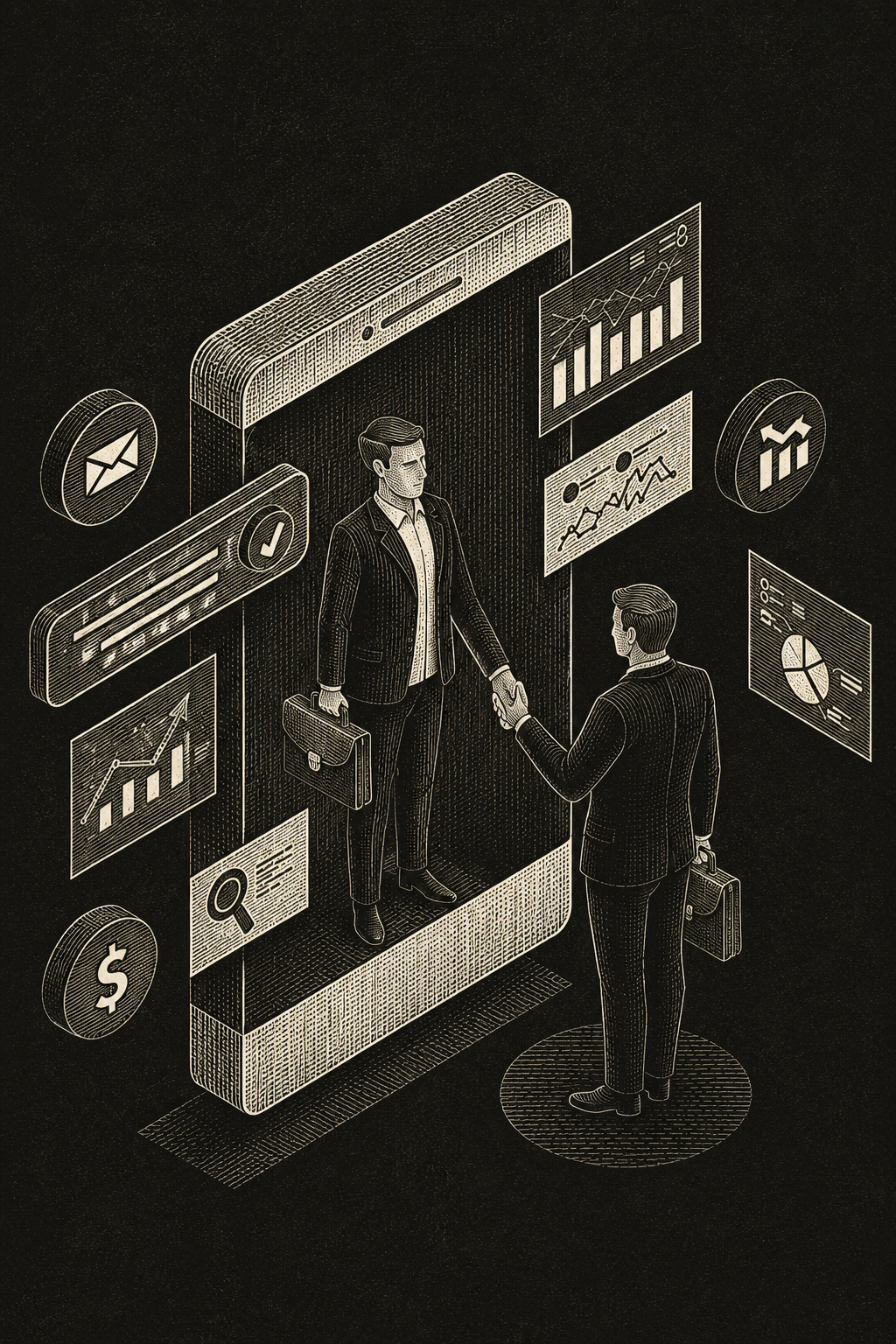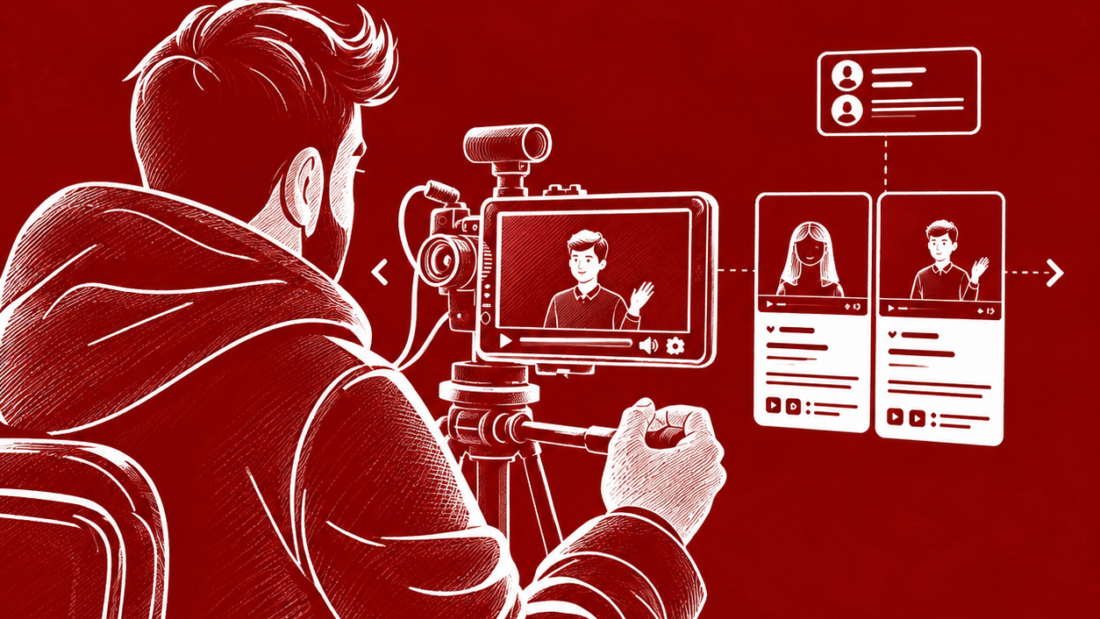
The rise of creator-led marketing in India and how brands use creators to build trust, reach, and engagement

The Rise of Creator-Led Marketing in India: 5 Smart Strategies for Brands

Marketing in India is changing rapidly. Brands are no longer relying only on traditional advertisements, celebrity endorsements, or polished brand campaigns to reach consumers.

Instead, creators are becoming a powerful part of how brands communicate.

From Instagram Reels and YouTube videos to podcasts, short-form content, and niche communities, creators have built audiences that trust their opinions and personalities. This has created a new opportunity for businesses creator-led marketing.

But what exactly makes creator-led marketing so effective, and why are more Indian brands investing in it?

What Is Creator-Led Marketing?

Creator-led marketing is a strategy where brands work with content creators to promote products, communicate ideas, build communities, or even shape the brand’s content strategy.

Unlike traditional influencer marketing, creator-led marketing is not always about simply paying someone to promote a product.

It is about using the voice, creativity, storytelling style, and audience relationship of creators to make marketing feel more natural.

A creator might:

  • Feature a product naturally in their content
  • Create a branded Reel or YouTube video
  • Share a personal experience with a product
  • Participate in a campaign
  • Help develop creative concepts
  • Become a long-term brand ambassador
  • Create content that the brand can reuse across platforms

The focus is shifting from “Who has the most followers?” to “Who has the strongest connection with the right audience?”

Why Creator-Led Marketing Is Growing in India

India has one of the world’s largest digital audiences, and social media has changed how people discover brands.

Consumers increasingly discover products through creators, reviews, recommendations, entertainment content, and online communities.

A traditional advertisement says:

“Buy this product.”

A creator can make the same product feel like:

“This is something I actually use and think you might like.”

That difference matters.

Creator content often feels more personal, relatable, and native to the platform where it appears.

1. Creators Have Built Their Own Communities

image

The biggest advantage creators have is not necessarily reach.

It is community.

A creator who consistently talks about fitness may have a smaller audience than a mainstream celebrity, but their followers may be far more interested in nutrition, workouts, supplements, and wellness products.

Similarly:

  • A fashion creator can influence clothing purchases
  • A finance creator can influence financial-product discovery
  • A food creator can influence restaurant and food-product choices
  • A tech creator can influence gadget purchases
  • A beauty creator can influence skincare decisions

This makes creator-led marketing especially valuable for niche brands.

2. Relatability Is Becoming More Valuable Than Perfection

image

Traditional advertising often focuses on polished visuals, perfect lighting, celebrity faces, and carefully written scripts.

Creator content is different.

A creator may film in their bedroom, office, car, kitchen, or neighbourhood.

That can actually make the content more effective.

Consumers don’t always want brands to look perfect.

They want brands to feel real.

This is one reason behind the growing popularity of casual videos, behind-the-scenes content, honest reviews, product demonstrations, and personal stories.

3. Micro-Creators Are Becoming More Important
image

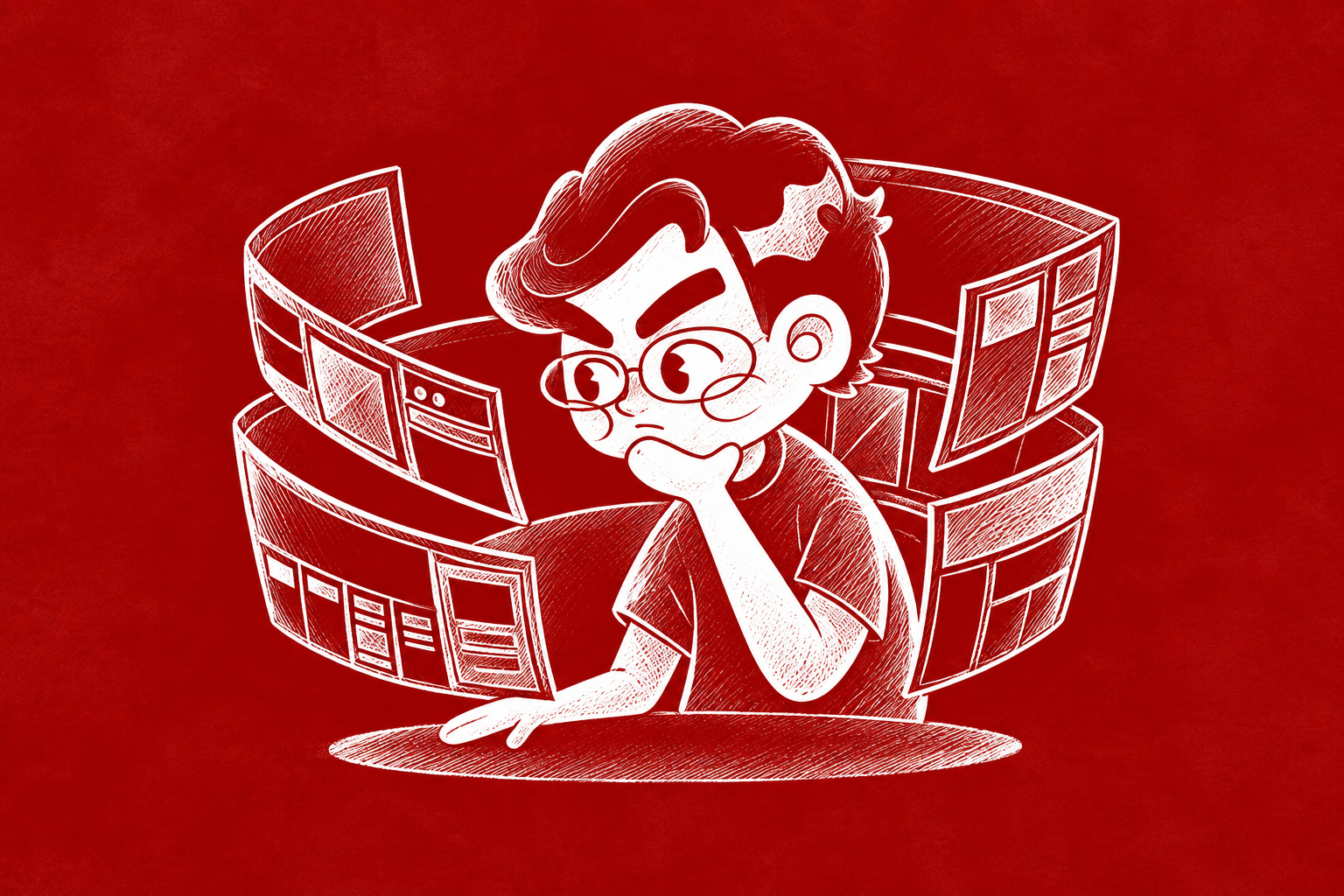
Creator-led marketing isn’t limited to celebrities or creators with millions of followers.

Micro and niche creators can often provide something much more valuable relevance.

A creator with 20,000 highly engaged followers in a specific category may be more useful to a brand than a creator with 2 million followers and a disconnected audience.

For businesses, this means creator selection should consider:

  • Audience relevance
  • Engagement quality
  • Content style
  • Trust
  • Niche expertise
  • Audience demographics
  • Brand fit
  • Previous collaborations

Follower count should be only one part of the decision.

4. Creators Make Advertising Feel Like Content
image

One of the biggest problems with traditional advertising is that people know when they’re being advertised to.

They can skip it.

Scroll past it.

Ignore it.

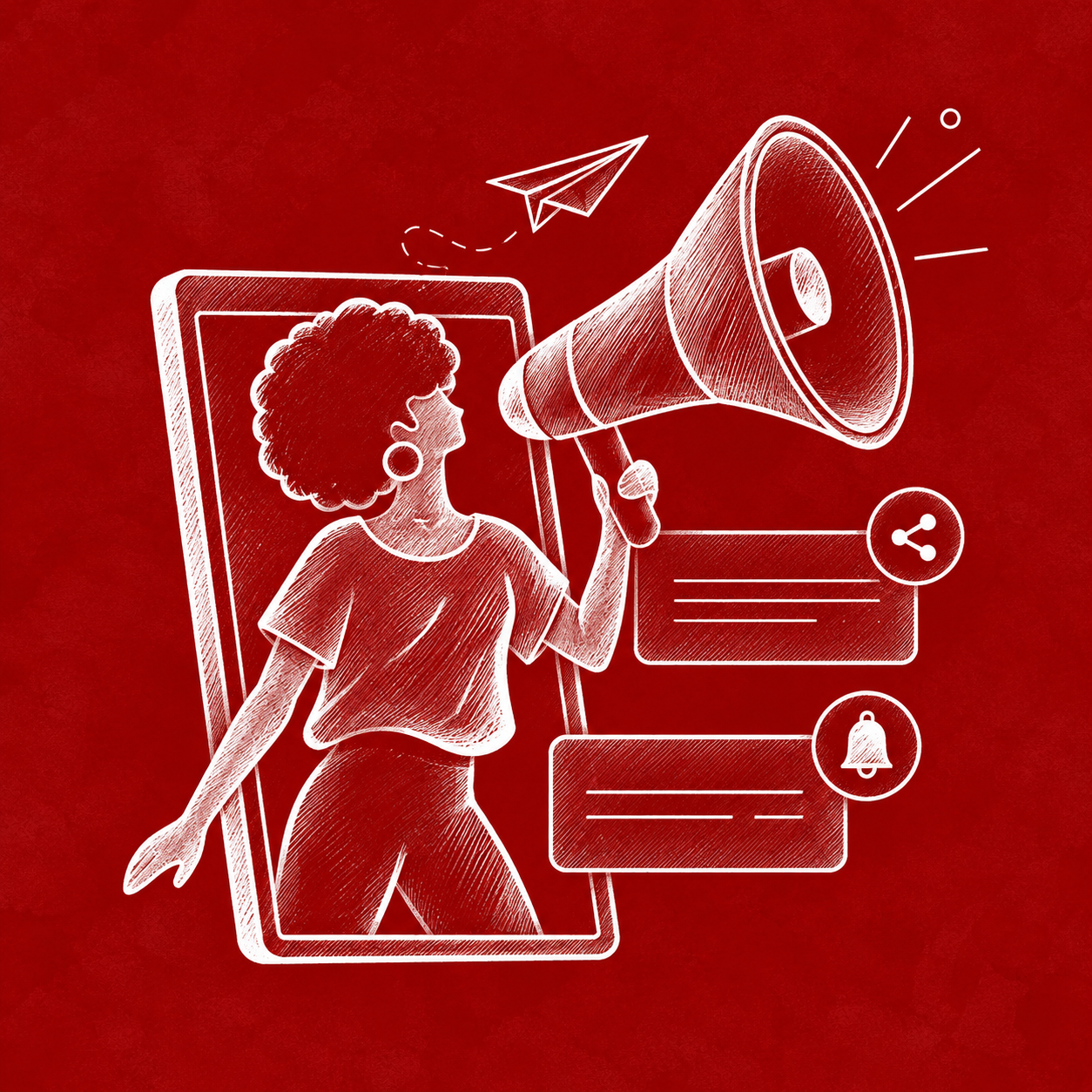
Creator-led marketing can reduce that friction because the advertisement becomes part of the content experience.

For example, instead of creating a generic product advertisement, a skincare brand could work with a creator to produce:

“My 30-day skincare routine”

The product becomes part of a story rather than the entire story.

That makes the content more interesting and potentially more effective.

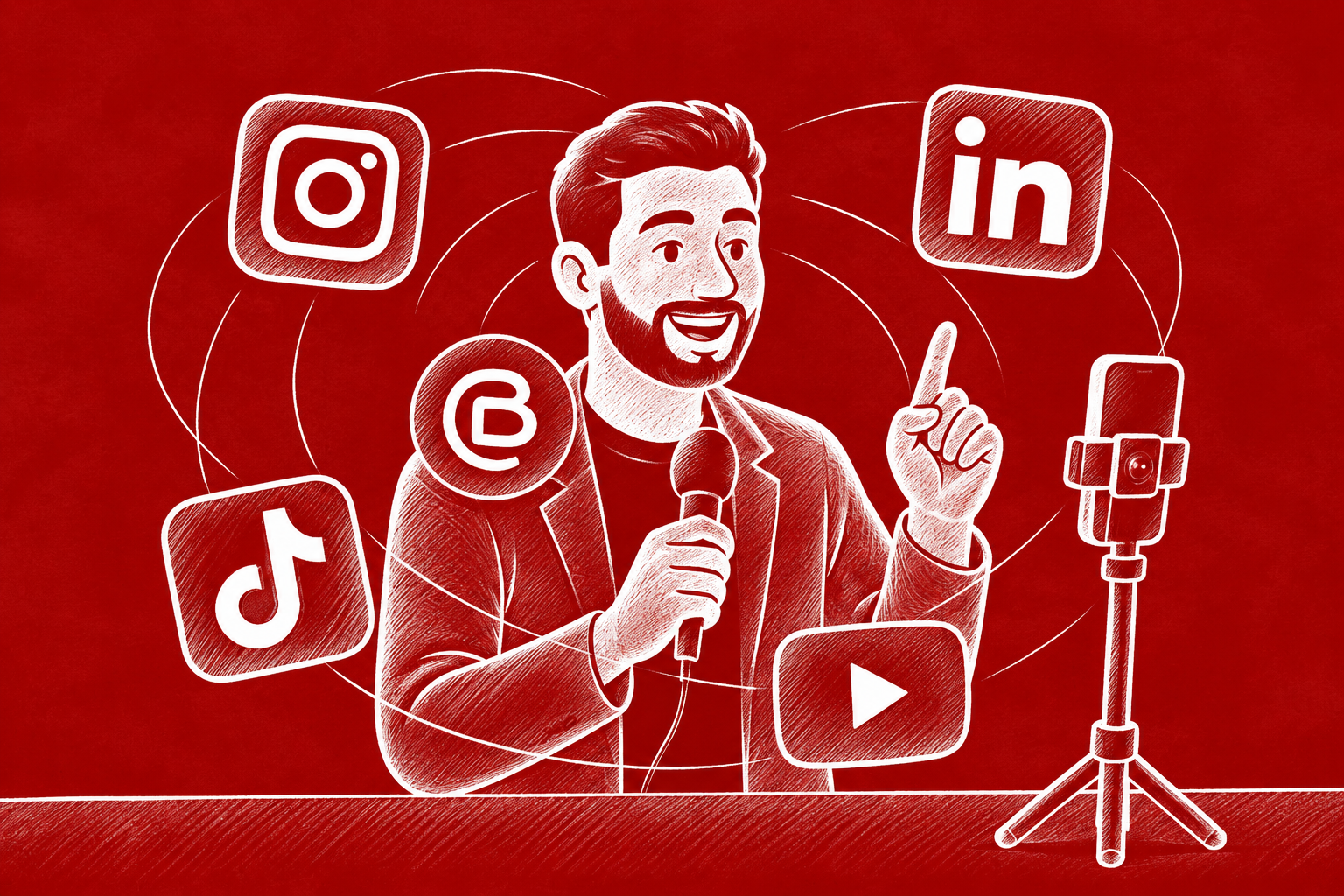
5. Regional Creators Are Opening New Markets
image

India isn’t one single audience.

It is made up of different languages, cultures, regions, interests, and consumer behaviours.

This makes regional creators extremely valuable.

Creators producing content in Hindi, Marathi, Tamil, Telugu, Bengali, Kannada, Malayalam, and other regional languages can help brands connect with audiences in a much more natural way.

For businesses trying to expand beyond major metropolitan audiences, regional creators can become an important part of their growth strategy.

Creator-Led Marketing Is Moving Beyond Instagram

Instagram may be one of the biggest platforms for creator marketing, but creators are no longer limited to one channel.

Brands can work with creators across:

  • Instagram
  • YouTube
  • Podcasts
  • LinkedIn
  • Snapchat
  • Short-form video platforms
  • Blogs and newsletters
  • Community platforms

The same creator can potentially influence awareness, consideration, engagement, and even conversions across multiple touchpoints.

This makes creators increasingly valuable as media channels in themselves.

The Rise of Creator-Led Brand Content

Another major shift is happening behind the scenes.

Brands are not only paying creators to publish on their own profiles.

They are also using creators to produce content for the brand’s own channels.

This can include:

  • Reels
  • Product demonstrations
  • Testimonials
  • Tutorials
  • Unboxing videos
  • Lifestyle content
  • Short-form advertisements
  • Customer-style videos

The creator becomes a content producer, not just a distribution channel.

This is particularly useful for brands that need a constant supply of fresh social media content.

The Biggest Mistake Brands Make

The biggest mistake is choosing creators based purely on follower count.

A large audience does not automatically mean strong influence.

Brands should ask:

Does this creator make people pay attention?

Does their audience trust them?

Does their content fit our brand?

Can they communicate our product naturally?

Is their audience actually relevant to us?

These questions can produce much better partnerships than simply searching for the biggest account.

The Future of Creator-Led Marketing in India

Creator-led marketing is becoming more than another social media tactic.

It represents a larger shift in how brands communicate with consumers.

People increasingly want recommendations from people they follow and trust. They want demonstrations instead of claims, stories instead of slogans, and experiences instead of polished advertisements.

As India’s creator economy continues to grow, brands that understand how to collaborate with creators rather than simply advertise through them — will have a stronger opportunity to build attention and trust.

The future isn’t necessarily brands vs creators.

It is brands working with creators to become more relevant to their audiences.

How Spectra Digital Can Help

At Spectra Digital, we help businesses build digital marketing strategies that connect brands with the right audiences.

From social media strategy and influencer campaigns to content creation, performance marketing, and brand positioning, our approach focuses on turning attention into meaningful business results.

Creator-led marketing works best when it is part of a larger strategy not just a collection of sponsored posts.

Final Thoughts

The rise of creator-led marketing in India reflects a simple change in consumer behaviour.

People don’t just follow brands anymore. They follow people.

The creators who have earned attention, built communities, and developed trust can give brands something traditional advertising often struggles to create authentic connection.

For businesses, the opportunity is not simply to find a creator with a large audience.

It is to find the right creator, the right story, and the right audience.

Is influencer marketing overrated and how brands can use influencer campaigns strategically to build trust, engagement, and sales

Is Influencer Marketing Overrated? 5 Powerful Truths Brands Need to Know

Is Influencer Marketing Overrated? It’s a question many businesses are asking as influencer marketing becomes a major part of digital advertising.

Brands collaborate with creators to promote products, reach new audiences, build credibility, and generate sales.

But there’s a problem.

Not every influencer campaign delivers results.

A creator may have hundreds of thousands of followers but generate very few customers. Another creator with a much smaller audience may drive significantly more engagement, leads, and sales.

So, is influencer marketing actually overrated?

Not necessarily. But influencer marketing without a clear strategy can be.

Here are 5 powerful truths businesses need to understand before investing in influencer campaigns.

1. Followers Don’t Equal Influence

image

One of the biggest mistakes brands make is choosing influencers based only on follower count.

A creator with 500,000 followers may look impressive.

But what if:

  • Engagement is extremely low?
  • The audience isn’t relevant?
  • Followers aren’t located in your target market?
  • The content doesn’t influence buying decisions?
  • The audience doesn’t trust sponsored recommendations?

Meanwhile, a creator with 20,000 highly engaged followers might have a much stronger relationship with their audience.

The lesson

Don’t ask:

“How many followers does this influencer have?”

Ask:

“Can this influencer influence the people we want to reach?”

Relevance and trust can be more valuable than raw audience size.

2. The Right Influencer Can Build Trust Faster Than an Advertisement

image

Traditional advertising tells people why they should buy something.

Influencers can demonstrate how a product fits into real life.

A creator might:

  • Test a product
  • Explain how they use it
  • Share their experience
  • Compare alternatives
  • Answer audience questions
  • Show the product in context

This can make the recommendation feel more relatable.

For example, a skincare creator demonstrating their actual routine can provide a very different experience from a traditional product advertisement.

The lesson

Influencer marketing works best when the creator feels like a credible guide rather than a billboard.

Authenticity is one of the biggest assets an influencer brings to a campaign.

3. Micro-Influencers Can Be More Valuable Than Celebrities

image

Bigger isn’t always better.

Micro-influencers often have smaller but more focused communities.

Their audiences may be built around specific interests such as:

  • Fitness
  • Beauty
  • Food
  • Travel
  • Technology
  • Finance
  • Parenting
  • Fashion
  • Gaming

Because the audience is more specific, the content can feel more relevant.

For a business with a niche product, reaching 25,000 highly relevant people may be more useful than reaching 1 million people who have little interest in the category.

What businesses can learn

Consider creators based on:

Audience relevance + Engagement + Trust + Content quality + Conversion potential

rather than follower count alone.

4. Viral Influencer Content Doesn’t Guarantee Sales

image

This is where many brands get disappointed.

A campaign can receive:

1 million views → 50,000 likes → thousands of comments

and still generate limited revenue.

Why?

Because attention isn’t the same as intent.

Someone may enjoy an influencer’s funny video without having any interest in buying the product featured in it.

That’s why campaigns need a clear connection between content and conversion.

Businesses can use:

  • Unique discount codes
  • Dedicated landing pages
  • Affiliate links
  • Trackable URLs
  • Product-specific offers
  • Lead forms
  • Retargeting campaigns

These tools can help businesses understand whether influencer activity is contributing to actual business results.

The lesson

Don’t measure success only through views and likes.

Measure what happens after the attention.

5. Influencer Marketing Works Best When It Becomes Part of a Bigger Strategy

image

Influencer marketing shouldn’t exist in isolation.

It can work alongside:

  • Social media marketing
  • Paid advertising
  • Content marketing
  • Search Engine Optimization (SEO)
  • Performance marketing
  • Retargeting
  • Email marketing
  • Conversion optimisation

For example:

Influencer content → Website visit → Retargeting ad → Product page → Purchase

The influencer introduces the brand.

Other marketing channels help move the customer toward conversion.

This creates a much stronger customer journey than relying on a single sponsored post.

So, Is Influencer Marketing Overrated?

The answer is:

Influencer marketing isn’t overrated. Poor influencer marketing is.

The strategy becomes ineffective when businesses:

  • Choose creators based only on followers
  • Ignore audience demographics
  • Prioritise popularity over relevance
  • Don’t track conversions
  • Give creators overly restrictive scripts
  • Expect instant sales
  • Treat influencer campaigns as one-off promotions

When done strategically, influencer marketing can help brands build awareness, trust, engagement, and demand.

The key is choosing the right creator for the right audience with the right objective.

What Makes an Influencer Campaign Successful?

A successful campaign usually starts with a clear goal.

Are you trying to generate:

Brand Awareness?

Focus on reach, visibility, and memorable creative.

Engagement?

Choose creators whose communities actively interact with their content.

Leads?

Use strong calls-to-action, landing pages, and trackable campaigns.

Sales?

Use affiliate links, creator codes, product demonstrations, and conversion-focused content.

Brand Trust?

Work with creators who genuinely understand your category and have credibility with their audience.

Different goals require different strategies.

How to Choose the Right Influencer

image

Before partnering with a creator, evaluate:

Audience

Does their audience match your target customer?

Engagement

Do followers actually interact with the content?

Content Quality

Does their content match your brand’s standards?

Relevance

Does the creator naturally fit your industry?

Authenticity

Does their content feel genuine?

Previous Partnerships

Do they promote a different product every week, or do their partnerships feel selective?

Results

Can they demonstrate previous campaign performance?

The goal isn’t to find the biggest influencer.

It’s to find the most relevant one.

Common Influencer Marketing Mistakes

Businesses often waste their influencer budget by:

  • Selecting creators based only on follower count
  • Working with too many unrelated creators
  • Giving creators generic scripts
  • Ignoring audience quality
  • Failing to set measurable goals
  • Not tracking conversions
  • Focusing entirely on vanity metrics
  • Expecting one post to transform the business

Influencer marketing should be treated like any other marketing investment.

It needs:

Strategy → Execution → Measurement → Optimisation

How Spectra Digital Can Help With Influencer Marketing

At Spectra Digital, we believe influencer marketing should be connected to a larger digital growth strategy.

Instead of simply asking, “Which influencer has the most followers?”, businesses should ask:

“Which creator can help us reach the right audience and achieve our business objective?”

Our digital marketing services include:

  • Influencer marketing
  • Social media marketing
  • Content marketing
  • Performance marketing
  • Paid advertising
  • Search Engine Optimization (SEO)
  • Lead generation
  • Website design
  • Conversion optimisation
  • Marketing analytics

We help businesses combine creative campaigns with measurable digital strategies designed to generate meaningful business results.

Final Thoughts

Is Influencer Marketing Overrated?

Not really.

But the old idea that more followers automatically means better marketing is outdated.

The future of influencer marketing is likely to be more focused on:

Relevance over reach.
Trust over popularity.
Conversions over vanity metrics.
Long-term partnerships over one-off posts.

The best influencer campaign isn’t necessarily the one that gets the most views.

It’s the one that reaches the right people, earns their attention, builds trust, and moves them toward action.

And that’s what makes influencer marketing a valuable business strategy, not simply another way to buy impressions.