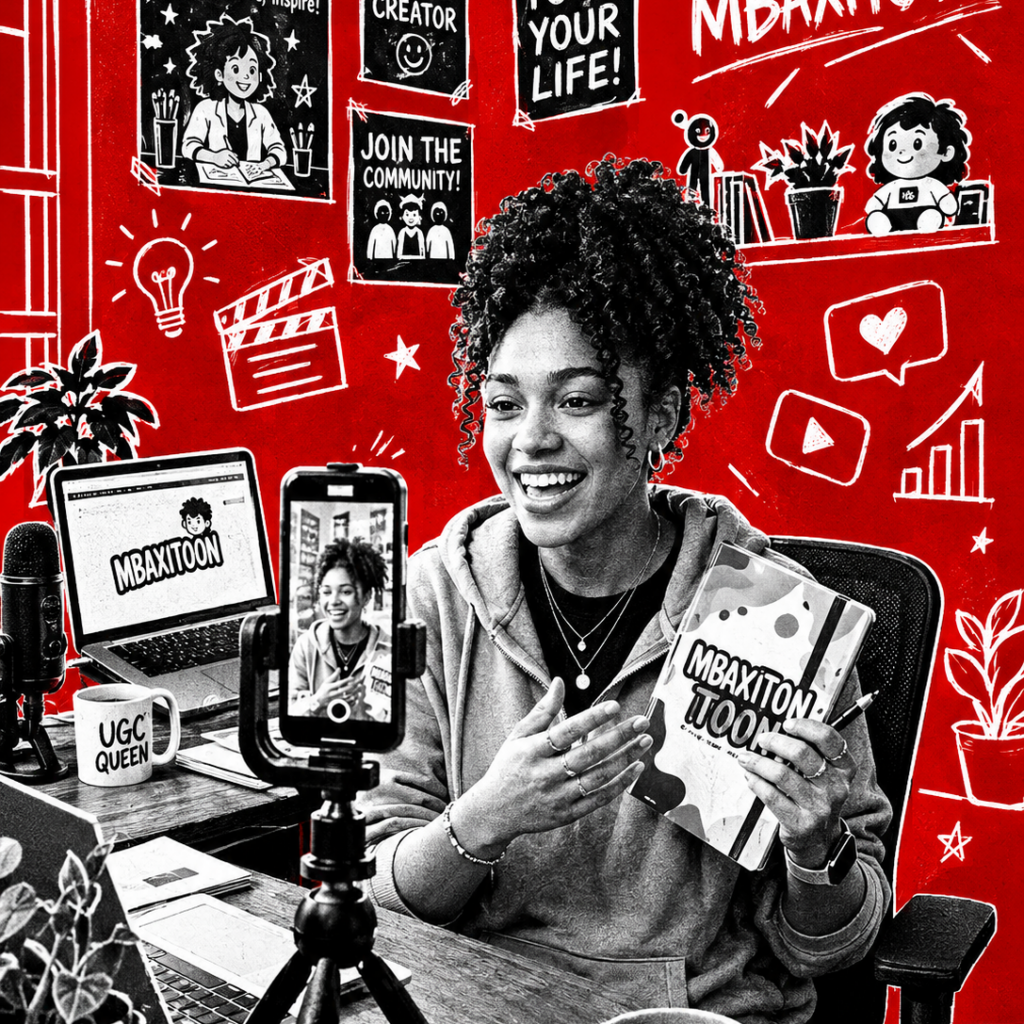
Viral reels become prime time in the economy.

The Reels Economy: How Short-Form Video Became the New Prime Time

Prime time used to mean 8 PM.

Families would gather around the television. Advertisers would compete for the biggest shows. Brands would spend heavily to get a few seconds in front of a mass audience.

Today, prime time fits inside a smartphone screen.

A Reel can reach millions of people without waiting for a television slot. A creator can turn a 30-second video into a cultural moment. A product can go from unknown to trending through a single piece of short-form content.

This is the Reels economy.

Short-form video has transformed how people consume entertainment, discover brands, follow creators and make purchasing decisions. In India, the shift is particularly significant. Meta-commissioned research published in 2026 found that 97% of consumers watch short-form video daily, while Reels has become a major destination for discovery, culture and commerce.

The question for brands is no longer whether they should be creating short-form video.

It is how well they can compete in it.

What Is the Reels Economy?
ChatGPT Image Sep 11, 2026, 01 01 45 PM

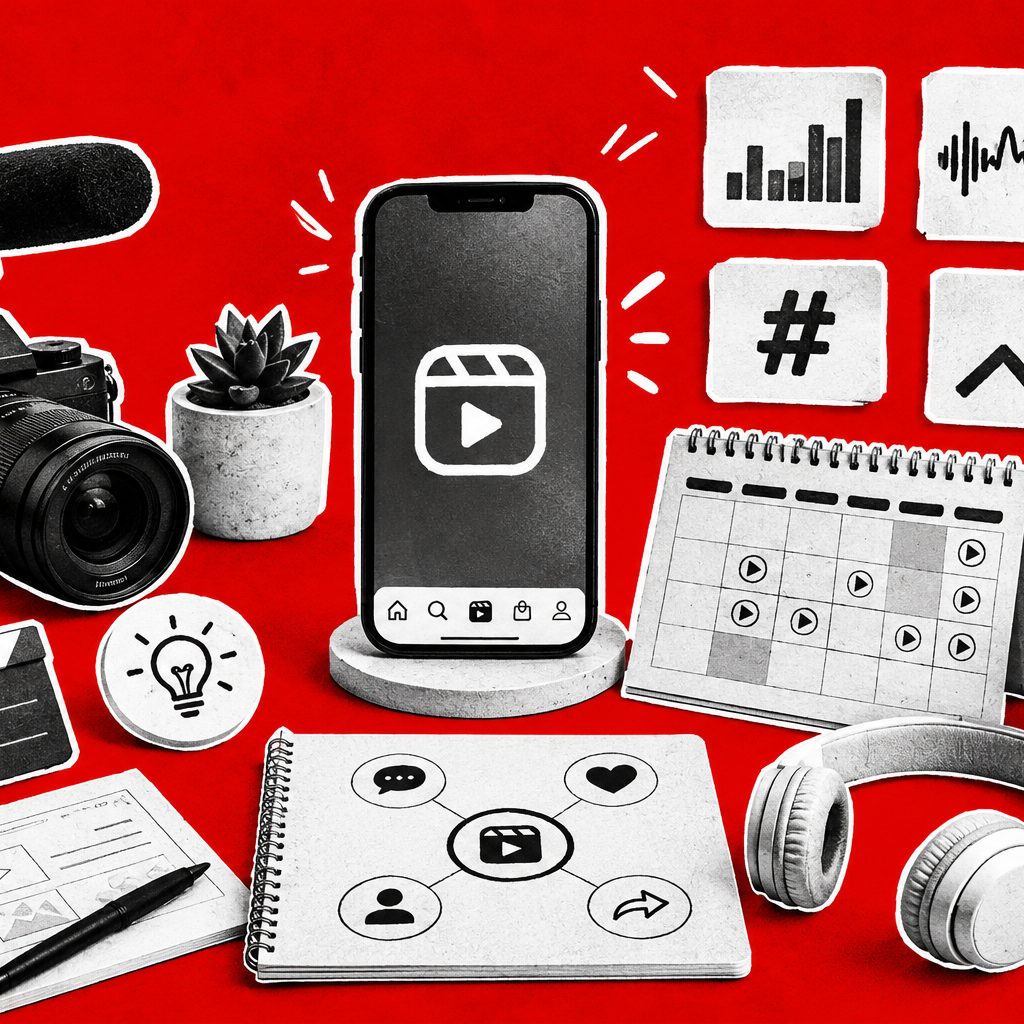
The Reels economy refers to the ecosystem that has developed around short-form video platforms such as Instagram Reels, YouTube Shorts and TikTok.

It includes:

  • Creators
  • Brands
  • Influencers
  • Production teams
  • Social media platforms
  • Advertisers
  • Audiences
  • E-commerce platforms
  • Creator-led communities

Together, these players have created an entirely new digital attention economy.

The most important currency in this economy is not television ratings or newspaper circulation.

It is attention.

And short-form video has become exceptionally good at capturing it.

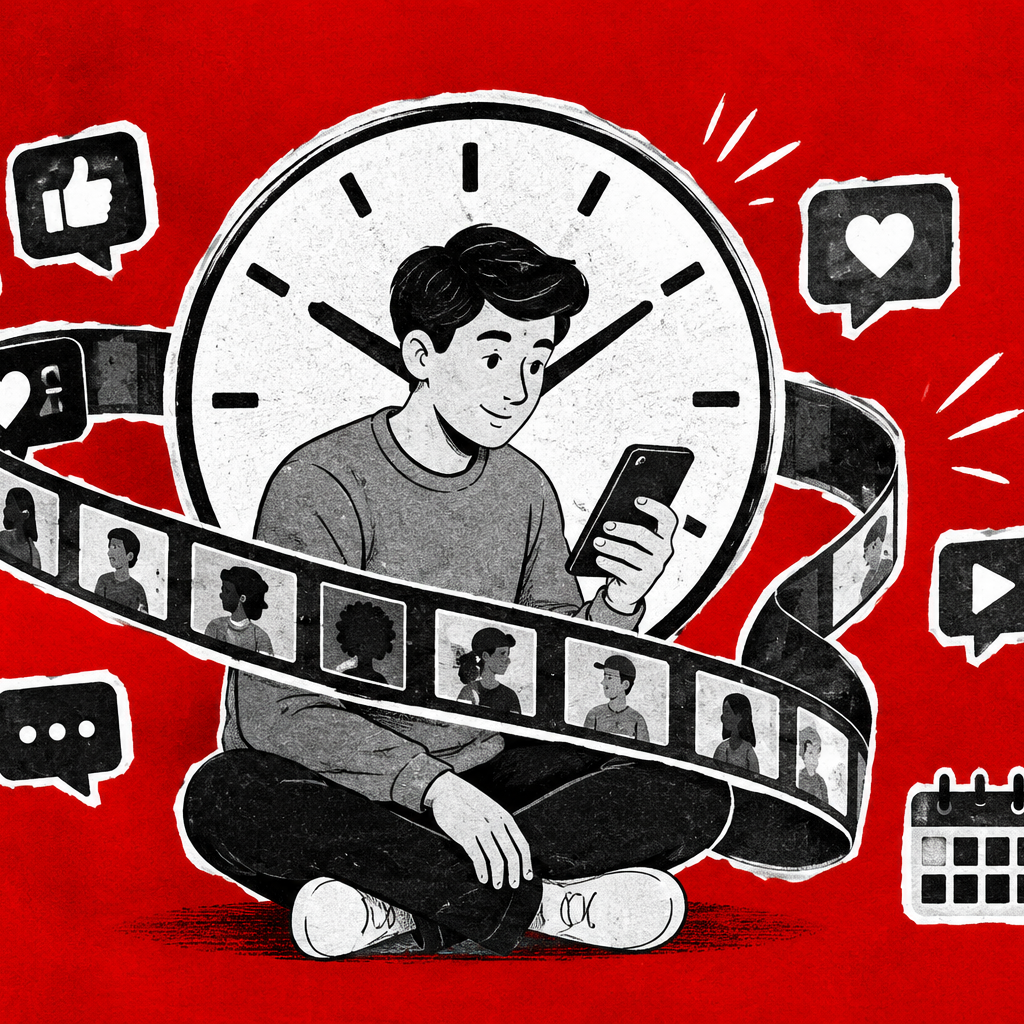
From Prime-Time TV to Prime-Time Scrolling
ChatGPT Image Sep 11, 2026, 01 13 49 PM

Traditional television had a limited number of channels and programming slots.

Social media has billions of potential content combinations.

Instead of waiting for a particular show to begin, audiences can open Instagram or YouTube and immediately enter a personalised stream of content.

One person might see a fashion creator.

Another might see a food review.

Someone else might see a comedy sketch, football highlight, beauty tutorial or product recommendation.

This personalisation has fundamentally changed the idea of prime time.

There is no longer one universal moment when everyone is watching.

Prime time is now whenever your audience is scrolling.

That is a significant change for marketers because brands are no longer competing only against other advertisements.

They are competing against everything that can capture attention on the screen.

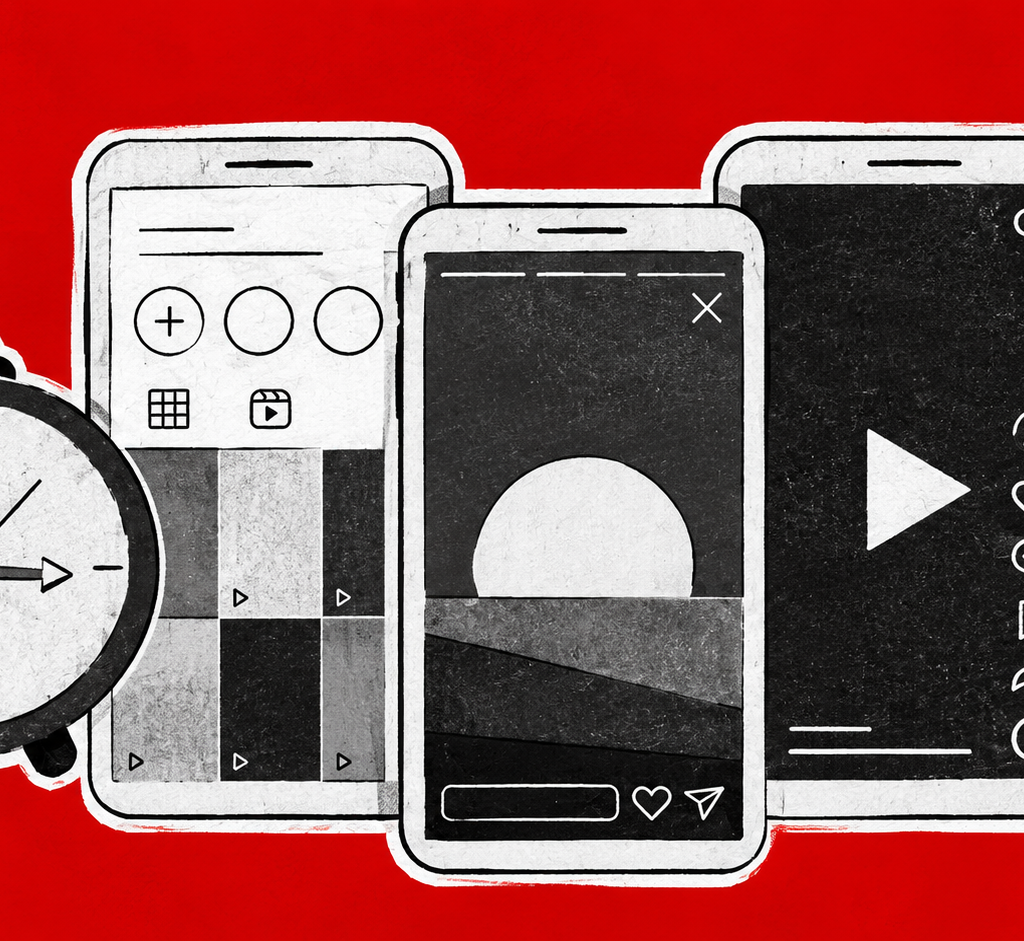
Why Short-Form Video Has Become So Powerful
ChatGPT Image Sep 11, 2026, 01 18 12 PM

The appeal of short-form video is not simply that it is short.

It is that the format combines speed, entertainment, storytelling and discovery in a way that suits modern digital behaviour.

According to HubSpot’s 2025 State of Marketing research, short-form video was identified as the leading content format for ROI, with 21% of marketers naming it their highest-ROI format.

The format also makes content easier to share.

A viewer does not need to commit to a 20-minute video to understand the idea. A strong 20- or 30-second video can communicate a product benefit, tell a story, deliver a joke or introduce a new trend almost instantly.

That makes short-form video particularly effective for the discovery stage of the customer journey.

Reels Are No Longer Just Entertainment

For years, brands treated Reels as an awareness tool.

Today, that is only one part of the opportunity.

Short-form video increasingly connects entertainment with discovery and commerce.

Meta’s 2026 research on India found that Reels delivered stronger product discovery and influenced purchase decisions, reinforcing its role as more than an entertainment format.

This changes the role of a Reel in a marketing funnel.

A single video can:

Create awareness → Build interest → Demonstrate a product → Generate social proof → Drive consideration → Lead to purchase

The path is no longer linear.

Someone can discover a product through a creator, read the comments, visit the brand profile, watch another Reel and make a purchase without ever encountering a traditional advertisement.

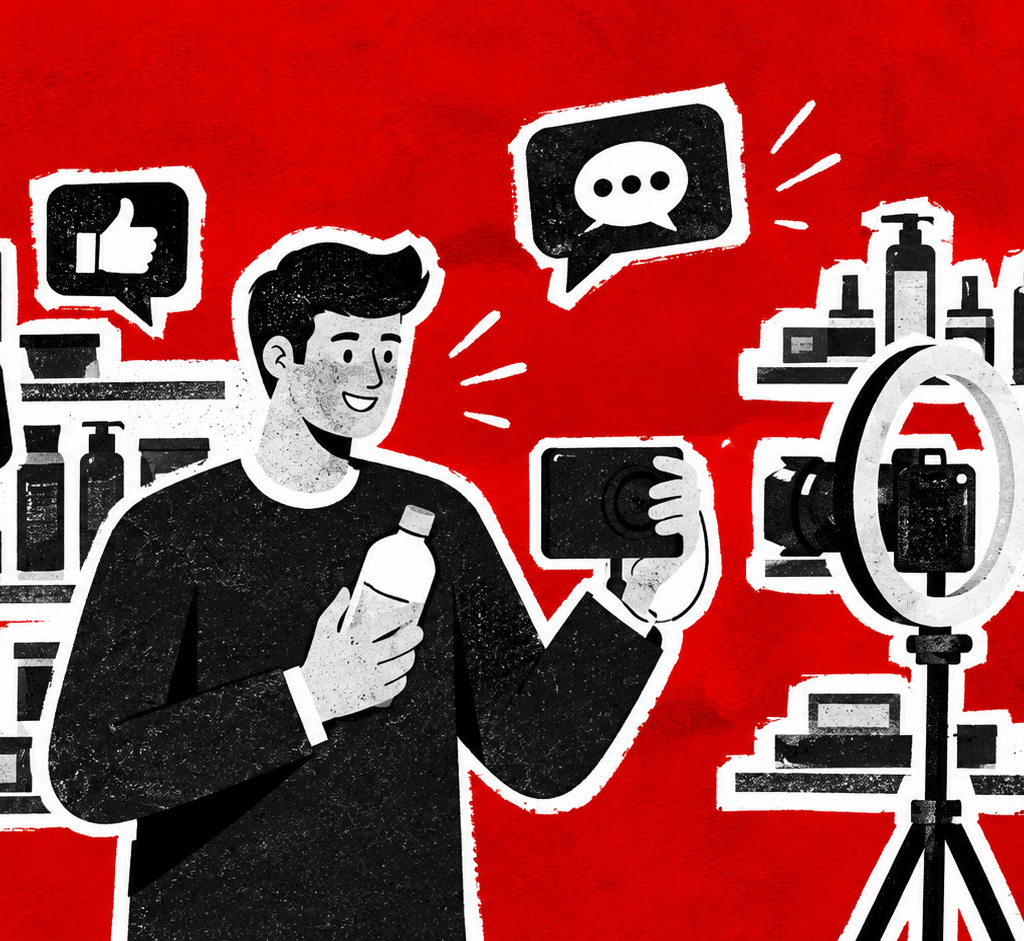
The Creator Is the New Broadcaster
ChatGPT Image Sep 11, 2026, 01 27 23 PM

One of the biggest changes brought by the Reels economy is the rise of the creator as a media channel.

Creators do not need a television studio or a production house to reach an audience.

They need a smartphone, an idea and an understanding of their community.

This has created a new form of media where individual creators can build audiences that rival traditional media properties in niche categories.

And their influence is not limited to entertainment.

Creators can shape:

  • Fashion trends
  • Food choices
  • Travel decisions
  • Beauty routines
  • Fitness habits
  • Technology purchases
  • Cultural conversations
  • Brand perceptions

For marketers, this means creators should not simply be viewed as influencers who post sponsored content.

They can be viewed as distribution partners, storytellers and community builders.

Why Authenticity Matters More Than Production Value

The rise of short-form video has also challenged traditional ideas about what branded content should look like.

A highly produced advertisement can still be effective.

But on platforms dominated by creator content, overly polished advertising can sometimes feel out of place.

Audiences are increasingly comfortable with:

  • Handheld footage
  • Talking-head videos
  • Behind-the-scenes content
  • Customer testimonials
  • Employee-generated content
  • Creator reviews
  • Day-in-the-life videos
  • Raw product demonstrations

The lesson is not that brands should make low-quality content.

It is that quality should serve the story rather than overpower it.

A beautifully shot video with no interesting idea will struggle.

A simple video with a compelling idea can travel much further.

The First Three Seconds Matter

In the Reels economy, attention is earned immediately.

The opening of a video needs to give people a reason to continue watching.

That could be:

A question:
“Why does your coffee always taste different at home?”

A surprising statement:
“Your skincare routine might be doing more harm than good.”

A relatable situation:
“When your client says they only need one small change…”

A curiosity gap:
“We tested this so you don’t have to.”

The exact hook depends on the brand and audience.

But the principle remains the same:

Do not make people wait for the interesting part.

Give them the interesting part first.

Short-Form Video Is Also a Search Behaviour

The evolution of short-form video is changing how people discover information.

Consumers are not only scrolling for entertainment. They are also using social platforms to research products, restaurants, destinations, trends and solutions.

This means a Reel can become part of a brand’s social search strategy.

For example, instead of creating a generic Reel about a skincare product, a brand could create:

  • “Best skincare routine for oily skin”
  • “3 mistakes people make with sunscreen”
  • “How to layer your skincare products”
  • “What to use after a chemical exfoliant”

These videos can answer specific questions while naturally introducing the product.

The content becomes useful before it becomes promotional.

What This Means for Brands

The rise of the Reels economy requires brands to rethink their content strategy.

Posting occasionally is not enough.

Brands need to build systems that allow them to consistently identify ideas, produce content, test formats and learn from performance.

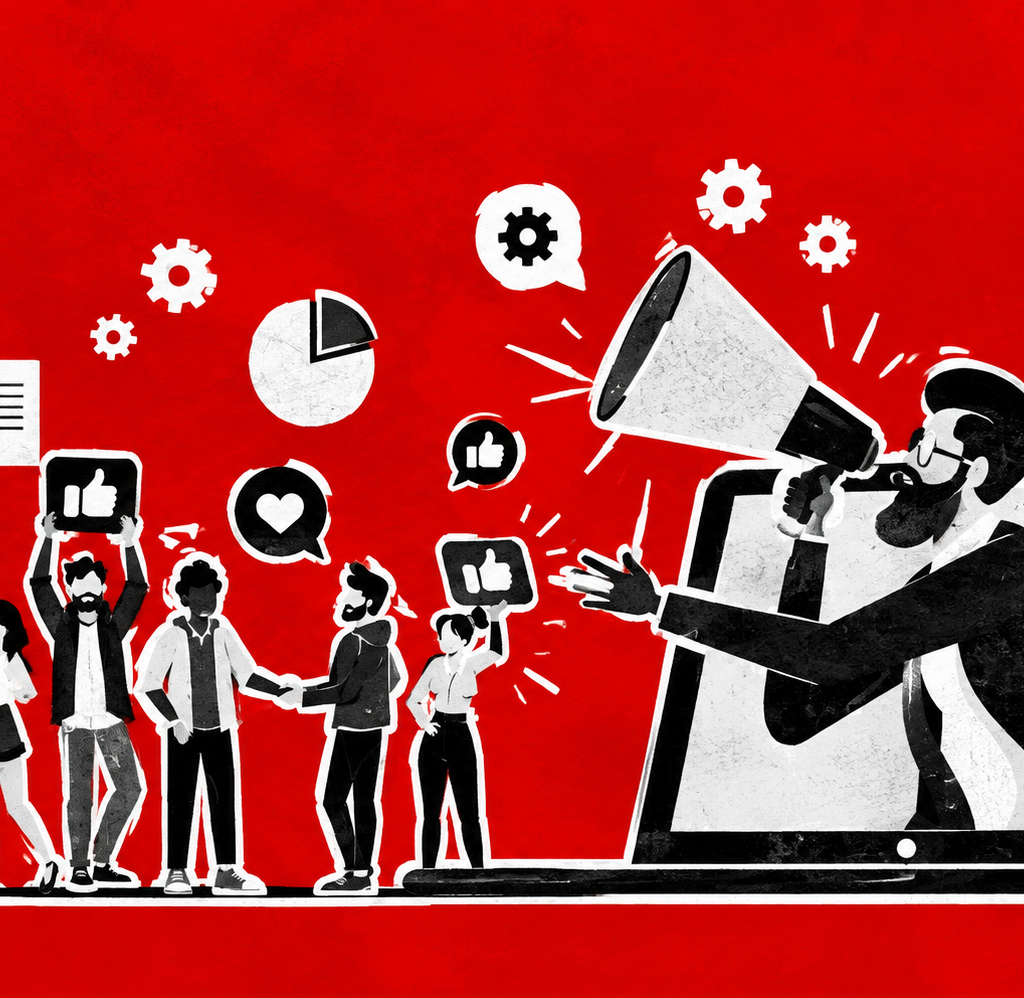
1. Build Content Around Audience Interests
ChatGPT Image Sep 11, 2026, 01 37 36 PM

Do not start with:

“What do we want to sell?”

Start with:

“What does our audience care about?”

Look at questions, comments, trends, cultural conversations and recurring problems within your category.

Then find the connection to your brand.

2. Develop Repeatable Content Series

A single viral Reel is exciting.

A repeatable content series is more valuable.

For example:

  • “Things nobody tells you about…”
  • “3-minute tips”
  • “Behind the brand”
  • “Myth vs fact”
  • “Ask an expert”
  • “What we learned this week”

Series create familiarity and make content production more sustainable.

3. Work With Creators, Not Just Influencers

Follower count should not be the only consideration.

Look at:

  • Audience relevance
  • Content quality
  • Engagement
  • Storytelling ability
  • Cultural relevance
  • Community trust
  • Brand fit

A creator with 50,000 highly relevant followers can sometimes be more valuable than a creator with millions of passive followers.

4. Test More Ideas

The best-performing Reel cannot always be predicted before publishing.

That is why brands should experiment with:

  • Hooks
  • Formats
  • Lengths
  • Creators
  • Topics
  • Editing styles
  • CTAs
  • Storytelling approaches

Then use performance data to identify patterns.

5. Measure Attention, Not Just Views

Views are useful, but they do not tell the whole story.

Brands should track:

  • Watch time
  • Completion rate
  • Shares
  • Saves
  • Comments
  • Profile visits
  • Website clicks
  • Leads
  • Sales
  • Repeat engagement

A Reel with fewer views but thousands of saves may be more valuable than a Reel with a million passive impressions.

The Rise of Video-First Marketing
ChatGPT Image Sep 11, 2026, 01 42 59 PM

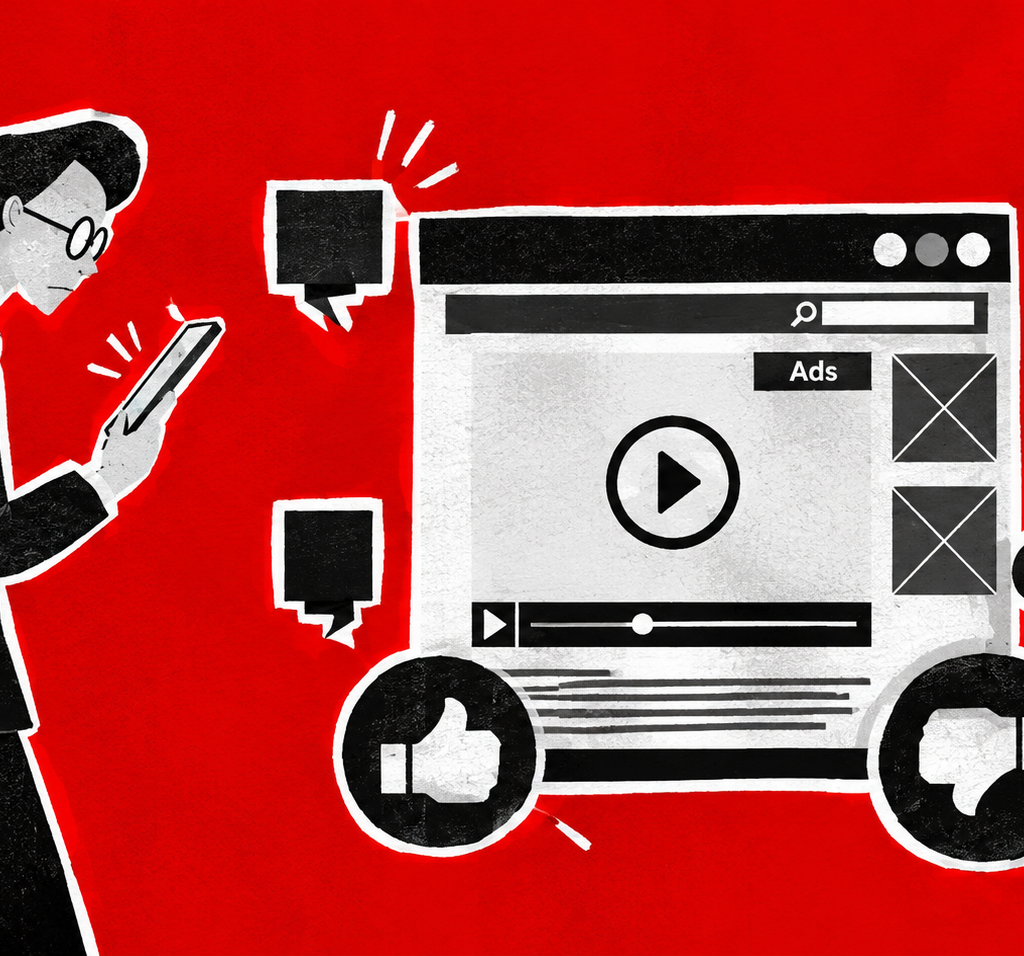
The shift towards short-form video is not limited to Instagram.

YouTube Shorts has also become a massive part of the global video ecosystem. YouTube currently reports that Shorts averages more than 200 billion daily views.

This demonstrates the scale of the behaviour.

Short-form video is no longer a social media experiment.

It is a mainstream content format.

And brands that build strong capabilities around it can use the same idea across multiple platforms while adapting the execution to each audience and environment.

Does This Mean Long-Form Content Is Dead?

Absolutely not.

Short-form video is excellent at discovery.

Long-form content is often better for depth.

A 30-second Reel might introduce a topic.

A YouTube video can explore it in detail.

A blog can answer the search intent.

A podcast can build a deeper relationship.

A newsletter can retain the audience.

The smartest brands are not choosing between short-form and long-form content.

They are building content ecosystems where different formats perform different jobs.

Think of short-form video as the front door.

Once someone walks through it, longer content can give them a reason to stay.

The Future of Brand Discovery Is Vertical

The biggest lesson from the Reels economy is not that every brand needs to make viral videos.

It is that consumer attention has moved.

Discovery is increasingly happening inside feeds.

Recommendations are coming from creators.

Entertainment and commerce are blending together.

And audiences are deciding what deserves their attention one swipe at a time.

In this environment, brands need to think less like advertisers and more like media companies and creators.

They need ideas.

They need speed.

They need cultural awareness.

They need consistency.

And most importantly, they need to understand their audience well enough to create content that feels worth watching.

Conclusion: Prime Time Is Now in Your Pocket

Television once decided what millions of people watched at prime time.

Today, the audience decides what deserves prime time.

A Reel can be created in minutes, reach audiences across cities and countries, become part of a cultural conversation and influence what people buy.

That is the real power of the Reels economy.

For brands, the opportunity is enormous, but so is the competition.

The future will not belong to brands that simply produce more content.

It will belong to brands that understand what makes people stop scrolling.

Because in the new prime time, you do not get a guaranteed time slot.

You get a few seconds.

Make them count.
Brand marketing strategy inspired by creators and social media content

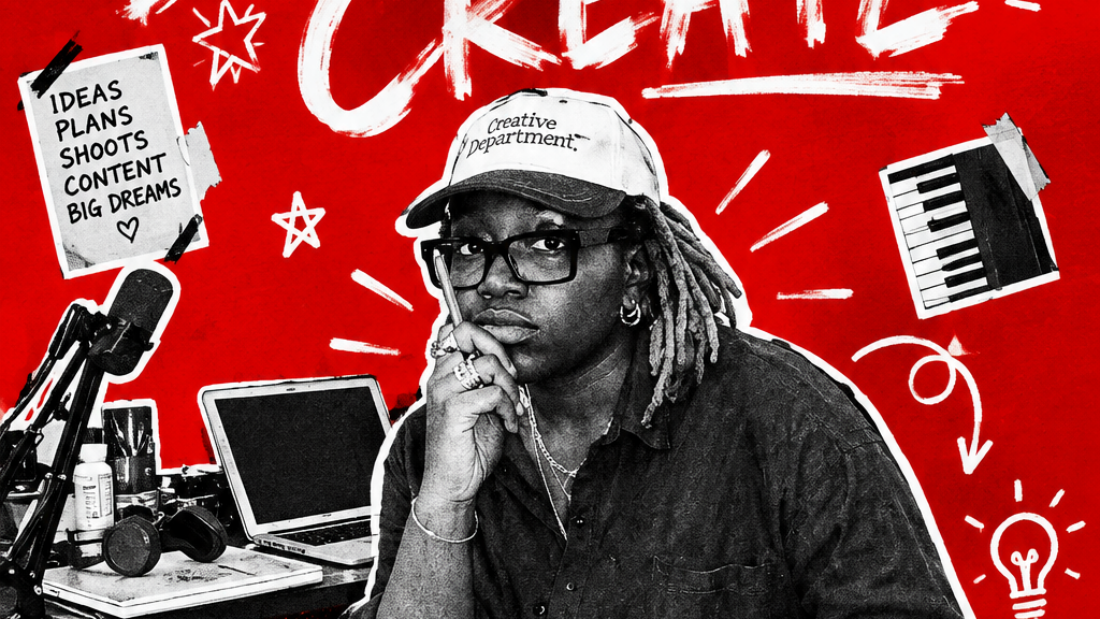
Why Your Brand Needs to Think Like a Creator

The internet has changed the way people discover brands.

A few years ago, brands could rely on polished campaigns, big productions and carefully planned advertisements to capture attention. Today, consumers are scrolling past traditional advertising and stopping for something that feels more immediate, relatable and human.

This is where creators have changed the game.

Creators understand attention. They know how to turn an everyday moment into a story, a thought into a conversation and a product into something people actually want to talk about. They do not simply create content. They build communities around personalities, perspectives and shared interests.

For brands, this presents a bigger opportunity than simply collaborating with influencers.

Brands need to start thinking like creators.

That does not mean every brand needs to become an influencer. It means adopting the mindset that makes creator content effective: being culturally relevant, experimenting quickly, understanding your audience and creating content people genuinely want to consume.

What Does It Mean for a Brand to Think Like a Creator?

Thinking like a creator means moving from “What do we want to say?” to “What does our audience want to see, share or talk about?”

ChatGPT Image Sep 10, 2026, 02 03 27 PM

Traditional brand communication often starts with the product.

Creator-led communication often starts with the audience.

Instead of asking:

“How do we advertise this product?”

A creator mindset asks:

“What story can we tell around this product that people will actually care about?”

That shift can completely change how a brand approaches social media marketing.

A creator thinks about:

  • What is happening in culture right now?
  • What conversations are people having?
  • What formats are performing?
  • What would make someone stop scrolling?
  • What would make someone share this with a friend?
  • How can we make this feel native to the platform?
  • What can we test today instead of waiting weeks for approval?

For brands competing for attention in crowded digital spaces, these questions are becoming increasingly important.

Why Creator Thinking Matters for Brands

Social media is no longer just a distribution channel for advertising.

It is a place where people discover products, search for information, follow trends, build communities and make purchasing decisions.

This has made the quality of a brand’s content just as important as the quality of its product.

A beautifully produced advertisement may still struggle if it feels disconnected from the way people naturally consume content online.

Creators, on the other hand, have spent years learning how to communicate within these environments.

They understand the language of platforms.

They understand pacing.

They understand hooks.

Most importantly, they understand that attention has to be earned.

1. Creators Understand the First Three Seconds

On social media, you are competing with everything else on someone’s screen.

The opening seconds of a Reel, Short or video can determine whether someone keeps watching or scrolls away.

Creators have become exceptionally good at building strong hooks.

That could be:

  • A surprising statement
  • An unexpected visual
  • A relatable situation
  • A question
  • A strong opinion
  • A curiosity gap
  • A trend with a new perspective

Brands can apply the same principle.

Instead of beginning every video with a logo or product shot, brands can start with the story.

Instead of:

“Introducing our new product…”

Try:

“POV: You finally found the one thing your morning routine was missing.”

The product can still be the hero. But the content gives people a reason to stay.

2. Creators Prioritise Stories Over Sales

One of the biggest differences between traditional advertising and creator content is the role of storytelling.

People do not necessarily want to be sold to every time they open Instagram or TikTok.

They want to be entertained, informed, inspired or included.

That is why brands need to think beyond promotional content.

A skincare brand can talk about skincare myths.

A coffee brand can build content around morning rituals.

A fashion brand can explore styling problems.

A fitness brand can talk about motivation, routines and everyday struggles.

The product becomes part of a larger narrative.

When brands stop treating every post like an advertisement, they create more opportunities for people to engage with them.

3. Creator Thinking Makes Brands More Human

People connect with people.

This is one of the biggest advantages creators have over traditional brand communication.

Creators have personalities, opinions, quirks and stories. Their audiences know what to expect from them.

Brands can create their own version of this human connection.

That could mean showing the people behind the business, sharing behind-the-scenes moments, embracing humour or allowing employees and founders to become part of the content.

It could also mean developing a distinct brand personality.

Is the brand witty?

Curious?

Bold?

Playful?

Opinionated?

Premium?

The goal is not to sound like everyone else.

The goal is to sound recognisable.

4. Authenticity Is Becoming More Valuable

The rise of AI-generated content, highly polished advertising and endless branded content has created an interesting paradox.

Technology makes it easier than ever to create content.

But that also means audiences have more content to ignore.

As content becomes easier to produce, authenticity becomes harder to fake and more valuable to brands.

This is why raw footage, behind-the-scenes content, customer stories, employee-generated content and creator collaborations can often feel more engaging than highly controlled brand communication.

This does not mean brands should stop producing high-quality campaigns.

It means they should balance polished storytelling with content that feels real.

The goal is not to make everything look imperfect.

The goal is to make the brand feel human.

5. Creators Experiment. Brands Need to Do the Same.

A traditional campaign can take weeks or months to plan.

Creators can test an idea today, see how audiences respond and create another version tomorrow.

That speed is a major competitive advantage.

Brands can adopt a similar approach through content experimentation.

Instead of putting the entire marketing budget behind one idea, brands can test:

  • Different hooks
  • Different video lengths
  • Different storytelling formats
  • Different creators
  • Different CTAs
  • Different visual styles
  • Different content pillars

The data can then inform what gets scaled.

This turns social media from a publishing calendar into a continuous learning engine.

6. The Creator Mindset Is Platform-First

One piece of content should not necessarily look identical everywhere.

A creator understands that every platform has its own culture.

Instagram may reward visually strong Reels, carousels and shareable content.

YouTube can support deeper storytelling.

LinkedIn may favour professional insights and founder-led perspectives.

TikTok can thrive on trends, personality and fast-moving cultural conversations.

Thinking like a creator means asking:

“How should this idea exist on this platform?”

Rather than:

“How do we put the same campaign everywhere?”

The central brand idea can remain consistent while the execution changes according to the platform.

7. Creators Build Communities, Not Just Audiences

There is an important difference between having followers and having a community.

An audience watches.

A community participates.

Creators often build communities by encouraging conversations, responding to comments, asking questions, creating inside jokes and making followers feel like they are part of something.

Brands can do the same.

Instead of ending every post with a sales CTA, brands can occasionally ask:

  • What do you think?
  • Which one would you choose?
  • Tell us your experience.
  • What should we try next?
  • Tag someone who needs this.

These small interactions can turn passive followers into active participants.

8. Creator-Led Content Can Make Products More Discoverable

The traditional customer journey was relatively straightforward:

See an ad → Visit a website → Research → Purchase

Today, the journey can look very different.

Someone might discover a product through a Reel, see a creator using it, read comments, search for reviews, watch another video and then purchase it.

In other words, discovery and entertainment are increasingly intertwined.

This makes creator-led content particularly powerful for brands looking to improve social media discovery and product consideration.

The product does not always need to be introduced through a conventional product advertisement.

It can enter the conversation naturally.

How Brands Can Start Thinking Like Creators

Adopting a creator mindset does not require a complete marketing overhaul.

Start small.

Build a Strong Content Point of View

Know what your brand wants to be known for beyond its product.

A strong point of view gives your content consistency and makes it easier to create ideas.

Create Content Around Culture

Look beyond your category.

What conversations, memes, behaviours, trends and cultural moments are relevant to your audience?

The best brands often find connections between their product and what people are already talking about.

Give Your Team More Creative Freedom

Creator-style content requires speed.

If every social post has to pass through multiple layers of approval, the brand may struggle to participate in real-time conversations.

Create clear brand guardrails, then give your creative team room to experiment.

Work With the Right Creators

Creator partnerships should not be based purely on follower count.

Look for creators whose:

  • Audience matches your target consumer
  • Content style fits your brand
  • Values align with your positioning
  • Engagement feels genuine
  • Storytelling feels natural

The right creator can make a brand feel like part of a conversation instead of an interruption.

Measure More Than Likes

Creator thinking should not mean chasing vanity metrics.

Look at:

  • Watch time
  • Shares
  • Saves
  • Comments
  • Engagement rate
  • Profile visits
  • Website traffic
  • Leads
  • Conversions
  • Repeat engagement

Different content has different jobs.

A funny Reel may build awareness.

A tutorial may drive saves.

A creator review may drive consideration.

A product demonstration may drive conversions.

The right metric depends on the objective.

The Future Belongs to Brands That Behave Like Creators

ChatGPT Image Sep 10, 2026, 02 01 50 PM

The creator economy has changed more than influencer marketing.

It has changed what audiences expect from brands.

People expect brands to participate in culture, understand platforms, respond quickly and communicate like humans.

That does not mean every company needs a celebrity spokesperson or an influencer-led strategy.

It means every brand needs to become better at creating reasons for people to pay attention.

The brands that win will not necessarily be the ones with the biggest budgets.

They will be the ones that understand their audience deeply enough to create content that feels relevant to them.

Because in a world where everyone is publishing, being seen is not enough.

You need to be worth stopping for.

And that is exactly where thinking like a creator can give your brand an edge.

Why brands are acting like creators instead of advertisers by creating engaging content, building communities, and earning audience attention

Why Brands Are Acting Like Creators Instead of Advertisers: 5 Powerful Reasons

Why Brands Are Acting Like Creators Instead of Advertisers is one of the biggest shifts in modern marketing.

Traditional advertising was relatively simple. A brand created an advertisement, paid to place it in front of an audience, and hoped people would pay attention.

Today, that approach is becoming less effective on its own.

People scroll past ads, skip videos, use ad blockers, and have more control over what they choose to watch. At the same time, social media has changed what audiences expect from brands.

People are used to watching creators who entertain, educate, share opinions, tell stories, and interact directly with their communities.

As a result, many successful brands are changing their approach.

Instead of simply asking:

“How can we advertise to people?”

They are asking:

“How can we create content people actually want to watch?”

Here are 5 powerful reasons why brands are starting to act more like creators than traditional advertisers.

1. Attention Has Become Harder to Buy

image

Advertising can still generate attention, but simply paying for visibility does not guarantee that people will care.

Consumers are exposed to countless advertisements every day. This has made attention more competitive and more expensive.

Creators approach attention differently.

They understand that people need a reason to stop scrolling.

That reason could be:

  • Entertainment
  • Education
  • A strong opinion
  • A relatable moment
  • A useful tip
  • A story
  • Curiosity

Brands are learning that the best content does not always feel like an advertisement.

What businesses can learn

Before creating content, don’t just ask:

“How can we promote our product?”

Ask:

“Why would someone choose to watch this?”

That small change can completely transform a content strategy.

2. People Follow Personalities, Not Just Products

image

Creators build audiences because people become interested in their personalities, perspectives, and style.

Brands are now trying to create a stronger and more recognisable voice of their own.

Instead of sounding formal and corporate in every post, brands are becoming:

  • More conversational
  • More entertaining
  • More opinionated
  • More relatable
  • More culturally aware

This does not mean every business needs to copy internet trends or use Gen Z slang.

It means brands need a clear personality that makes their communication feel human.

The lesson

If your logo disappeared from a social media post, would people still recognise that it came from your brand?

A strong voice can make content recognisable even before the audience sees the brand name.

3. Content Is Becoming a Long-Term Asset

image

Traditional advertising often works only while the campaign is running.

Creator-style content can continue generating value long after it is published.

A useful video, entertaining Reel, educational post, or strong opinion can continue to attract:

  • Views
  • Followers
  • Website traffic
  • Brand awareness
  • Leads
  • Potential customers

This changes how brands think about content.

Instead of treating every post as a one-time advertisement, they can build a library of content that continues working over time.

What businesses can learn

Create content around topics your audience genuinely cares about.

Focus on:

  • Customer problems
  • Common questions
  • Industry insights
  • Behind-the-scenes moments
  • Stories
  • Opinions
  • Entertaining ideas connected to your brand

The goal is to create value before asking for attention in return.

4. Communities Are More Valuable Than Passive Audiences

image

An audience watches.

A community participates.

Creators often build stronger relationships by interacting directly with their followers. They respond to comments, join conversations, ask questions, and make their audiences feel involved.

Brands are increasingly using the same approach.

Instead of publishing content and disappearing, they are becoming active participants in their communities.

This can include:

  • Responding to comments
  • Sharing customer content
  • Starting conversations
  • Asking for opinions
  • Creating interactive formats
  • Building communities around shared interests

The lesson

Social media should not be treated as a digital billboard.

It is a conversation.

The more a brand listens and participates, the easier it becomes to understand what its audience actually cares about.

5. Creator-Style Content Builds Trust Before the Sale

image

People are often more willing to engage with a brand when they have already received value from its content.

For example, a business may consistently share useful insights, entertaining videos, or helpful information.

Over time, the audience begins to recognise the brand.

Then, when they eventually need the product or service, the brand already has a relationship with them.

This creates a different customer journey:

Content → Attention → Trust → Familiarity → Consideration → Customer

Advertising can accelerate this process, but content can help build the relationship behind it.

What businesses can learn

Don’t make every piece of content a sales pitch.

A strong strategy can include a mix of:

  • Educational content
  • Entertaining content
  • Brand storytelling
  • Customer stories
  • Product-focused content
  • Community content

The goal is to give people multiple reasons to follow your brand before they are ready to buy.

The Difference Between a Brand Acting Like a Creator and an Advertiser

A traditional advertiser often asks:

“How do we get our message in front of more people?”

A creator asks:

“How do we make people want to come back?”

The strongest brands are learning to do both.

They use advertising to increase reach while using creator-style content to build attention, familiarity, and trust.

This creates a more balanced strategy:

Paid media brings attention.
Great content gives people a reason to stay.

Common Mistakes Brands Should Avoid

Trying to act like a creator does not mean copying everything creators do.

Businesses can lose their identity when they:

  • Follow every trend without relevance
  • Copy viral formats without adding value
  • Change their personality constantly
  • Force humour into every post
  • Focus only on followers and views
  • Forget to connect content to business goals

The goal is not to pretend your brand is a person.

The goal is to create communication that feels more useful, interesting, and human.

How Spectra Digital Helps Brands Create Content That People Want to Watch

At Spectra Digital, we help businesses move beyond traditional promotional content and build digital strategies designed for how people consume content today.

Our services include:

  • Social media marketing
  • Content strategy
  • Brand strategy
  • Performance marketing
  • Paid advertising
  • Search Engine Optimization (SEO)
  • Website design
  • Lead generation
  • Marketing analytics

We help businesses create content that captures attention, builds stronger audience relationships, and supports measurable business growth.

Final Thoughts

Why Brands Are Acting Like Creators Instead of Advertisers comes down to one important change: attention can no longer be taken for granted.

People have more choices than ever about what they watch and engage with.

The brands that succeed are increasingly the ones that understand how to earn attention rather than simply interrupt people to get it.

The biggest lesson is simple:

Don’t just create advertisements for your audience. Create content your audience would choose to watch.

When brands combine the creativity of creators with a clear marketing strategy, they can build something more valuable than short-term reach: an audience that genuinely wants to hear from them.

Why people trust influencers more than brands and how influencer marketing builds consumer confidence by Spectra Digital

Why Do We Trust Influencers More Than Brands? 8 Proven Reasons

Why Do We Trust Influencers More Than Brands? It’s a question that has become increasingly relevant in the age of social media. Millions of people follow influencers for product recommendations, lifestyle advice, and honest opinions. In many cases, a single influencer’s recommendation can have a greater impact on purchasing decisions than a traditional advertisement from a well-known brand.

This shift isn’t accidental. It’s rooted in psychology, authenticity, and the way people build trust online.

In this guide, Spectra Digital explores why influencer marketing is so effective and how businesses can use it to build credibility, reach the right audience, and drive meaningful results.

The Rise of Influencer Marketing

image

Social media has transformed how consumers discover products and services.

Instead of relying only on TV commercials or banner ads, people now look to creators on platforms like Instagram, YouTube, TikTok, and LinkedIn for recommendations.

Influencers have become trusted voices because they often share personal experiences, answer questions, and interact directly with their followers.

1. People Trust People More Than Companies

image

Consumers naturally trust recommendations from individuals more than messages created by brands.

When an influencer shares their experience with a product, it often feels like advice from a friend rather than a sales pitch.

This personal connection makes influencer content more relatable and believable.

2. Authenticity Builds Credibility

image

The most successful influencers share both positive experiences and honest opinions.

They show real-life situations, behind-the-scenes moments, and personal stories, making their content feel genuine.

Authenticity is one of the biggest reasons followers continue to trust their recommendations.

3. Influencers Build Communities

image

Unlike brands that often communicate one-way, influencers create conversations.

They:

  • Reply to comments
  • Answer direct messages
  • Conduct live sessions
  • Ask for audience feedback
  • Share user experiences

These interactions strengthen relationships and increase trust over time.

4. Social Proof Influences Decisions

image

When thousands of people like, comment on, or share an influencer’s content, it creates powerful social proof.

Consumers often assume that if many others trust an influencer, the recommendation is worth considering.

This psychological effect can significantly influence buying behavior.

5. Influencers Understand Their Audience

image

Successful influencers know exactly what their audience wants.

They create content that aligns with their followers’ interests, challenges, and aspirations.

Because their recommendations are highly relevant, engagement rates are often much higher than traditional advertising.

6. Storytelling Makes Products Memorable

image

Instead of simply listing product features, influencers tell stories.

For example, rather than saying a skincare product is effective, they may document their skincare journey over several weeks.

Stories create emotional connections and make recommendations more memorable.

7. Consistency Creates Trust

image

Trust isn’t built overnight.

Influencers post consistently, allowing followers to become familiar with their personality, values, and communication style.

This familiarity makes product recommendations feel more natural.

8. Niche Influencers Have Stronger Connections

image

Many businesses assume bigger influencers always deliver better results.

However, micro and niche influencers often have:

  • Higher engagement rates
  • More loyal audiences
  • Greater credibility
  • Better audience targeting

For many businesses, partnering with smaller creators can generate better ROI.

Can Brands Build the Same Level of Trust?

Absolutely.

Businesses can earn trust by adopting some of the same strategies that make influencers successful.

These include:

  • Sharing authentic stories
  • Publishing educational content
  • Responding to customer questions
  • Showcasing customer testimonials
  • Being transparent about products and services
  • Building a consistent online presence

People connect with brands that feel human.

Common Mistakes Businesses Make with Influencer Marketing

Many campaigns fail because businesses:

  • Choose influencers based only on follower count
  • Ignore audience relevance
  • Over-control the content
  • Focus on sales instead of relationships
  • Fail to measure campaign performance

Successful influencer partnerships prioritize authenticity over promotion.

The Future of Influencer Marketing

image

Influencer marketing continues to evolve.

Key trends include:

  • Long-term brand partnerships
  • AI-powered influencer discovery
  • Growth of micro-influencers
  • Video-first content
  • User-generated content campaigns
  • Performance-based influencer marketing

Businesses that adapt to these trends can build stronger customer relationships and achieve better marketing results.

How Spectra Digital Helps Businesses Leverage Influencer Marketing

At Spectra Digital, we help businesses create influencer marketing strategies that generate awareness, engagement, and measurable business growth.

Our services include:

  • Influencer identification
  • Campaign strategy
  • Performance marketing
  • Content collaboration
  • Social media marketing
  • Campaign analytics
  • ROI tracking

We focus on connecting brands with influencers whose audiences genuinely align with business goals.

Final Thoughts

People trust influencers more than brands because influencers feel relatable, authentic, and accessible. They build relationships through consistent communication, storytelling, and genuine engagement.

However, businesses don’t have to compete with influencers—they can learn from them.

By creating authentic content, building trust, and partnering with the right creators, brands can strengthen customer relationships and drive long-term growth.

If you’re ready to launch an influencer marketing campaign that delivers real results, Spectra Digital can help you connect with the right creators and maximize your return on investment.